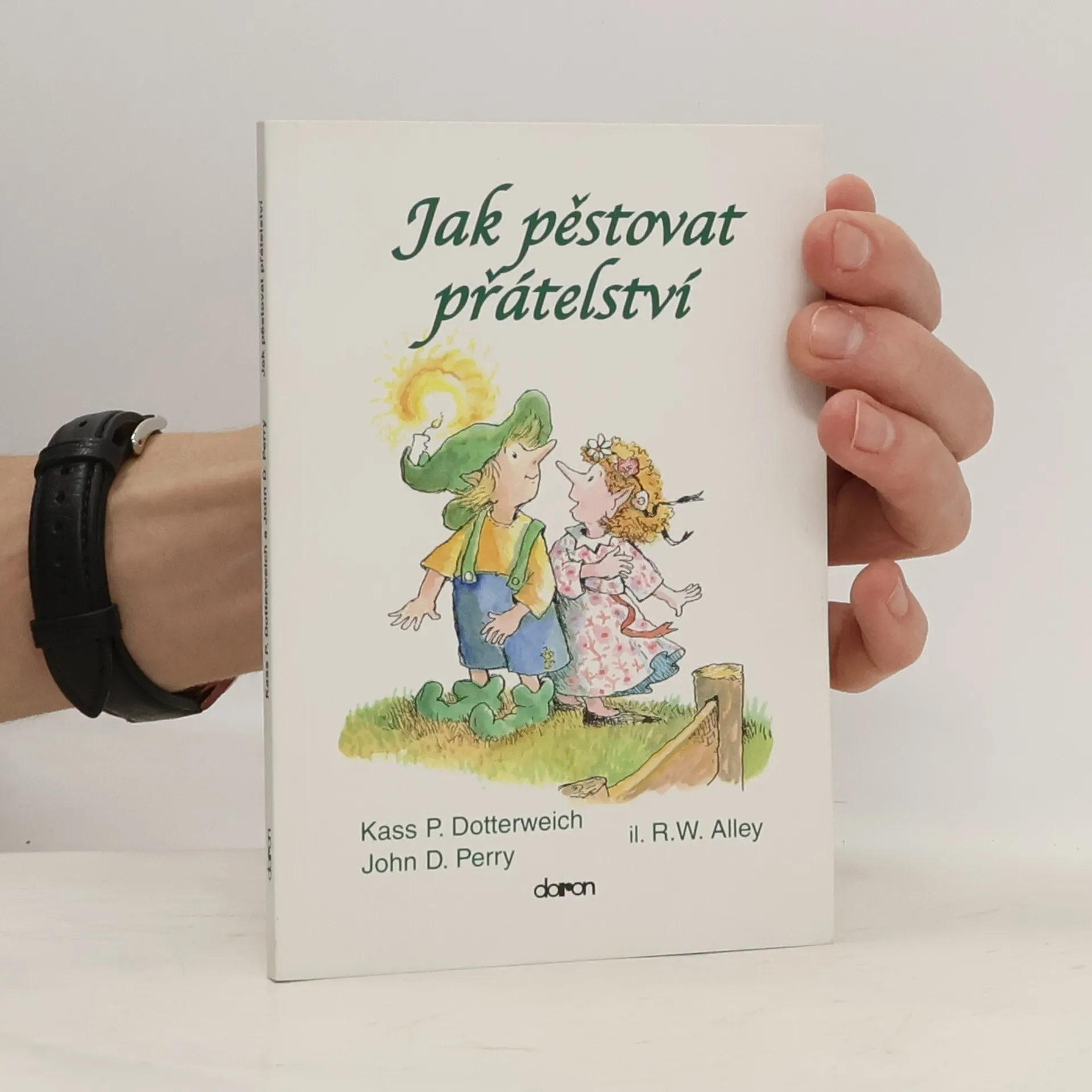
Většina z nás se v dětství učila, jak si zavázat boty, jak jezdit na kole, jak se vysmrkat nebo číst knihy. Málo nás ale poučili o složitosti našich citů. Ale nikdy není pozdě, abychom se nenaučili, jak kompetentně zvládat své emoce Naděje a pomoc při zvládání podobných životních situací může přijít z různých zdrojů. Jedním z takových zdrojů naděje a pomoci může být i tato knížka s moudrými stručnými texty a výstižnými ilustracemi.
Uchopte zítřek.
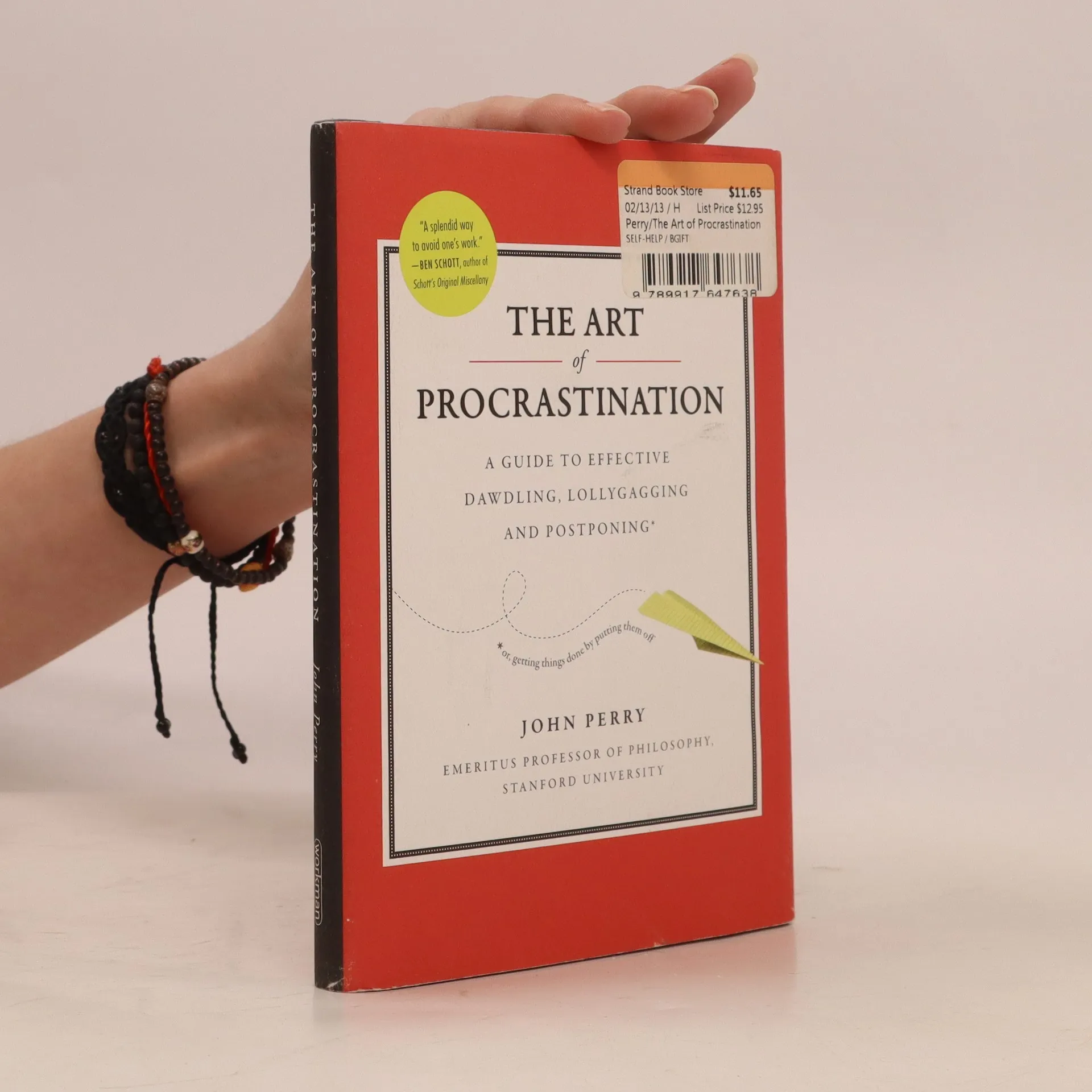
Možná se to vzpírá vaší intuici, ale funguje to: spoustu věcí můžete vyřídit tím, že je odložíte. John Perry tomu říká strukturovaná prokrastinace, a pokud patříte k těm, kdo neustále zápolí s termíny, upřednostňují rozptýlení před činností, místo placení účtů surfují na webu a důležitý dárek k narozeninám shání cestou na oslavu, pak tato kniha změní váš život.
Pokud se ovšem dostanete k tomu, abyste si ji přečetli.
This comprehensive, topically organized collection of classical and contemporary philosophy is ideal for introductory courses. It covers a wide range of topics, including God and evil, knowledge and reality, the philosophy of science, the mind/body problem, freedom of will, consciousness, ethics, political philosophy, existential issues, and philosophical puzzles. Each section includes insightful introductions, study questions, and an extensive glossary of philosophical terms to enhance accessibility for students. The fifth edition has been revised to improve its pedagogical approach, featuring boldfaced key terms, a guide to writing philosophy papers, and a "Logical Toolkit" that explains common terminology in philosophical reasoning. Additionally, it includes five new readings and a dedicated section on existential issues. Supplementary materials further enhance its utility, with an updated Instructor's Manual and Testbank on CD that contains sample syllabi, exam questions, and reading summaries. A Companion Website provides access to these resources and offers students multiple-choice self-quizzes, pedagogical material, and an interactive blog with recommended websites, news articles, anecdotes, and interviews.
Features contributions of philosophers to the topic of personal identity. This book features the attempts by John Locke and Anthony Quinton to analyze personal identity in terms of memory, and also provides alternative perspectives to them. It includes an introduction that scrutinizes the approaches and vocabularies of the various authors.
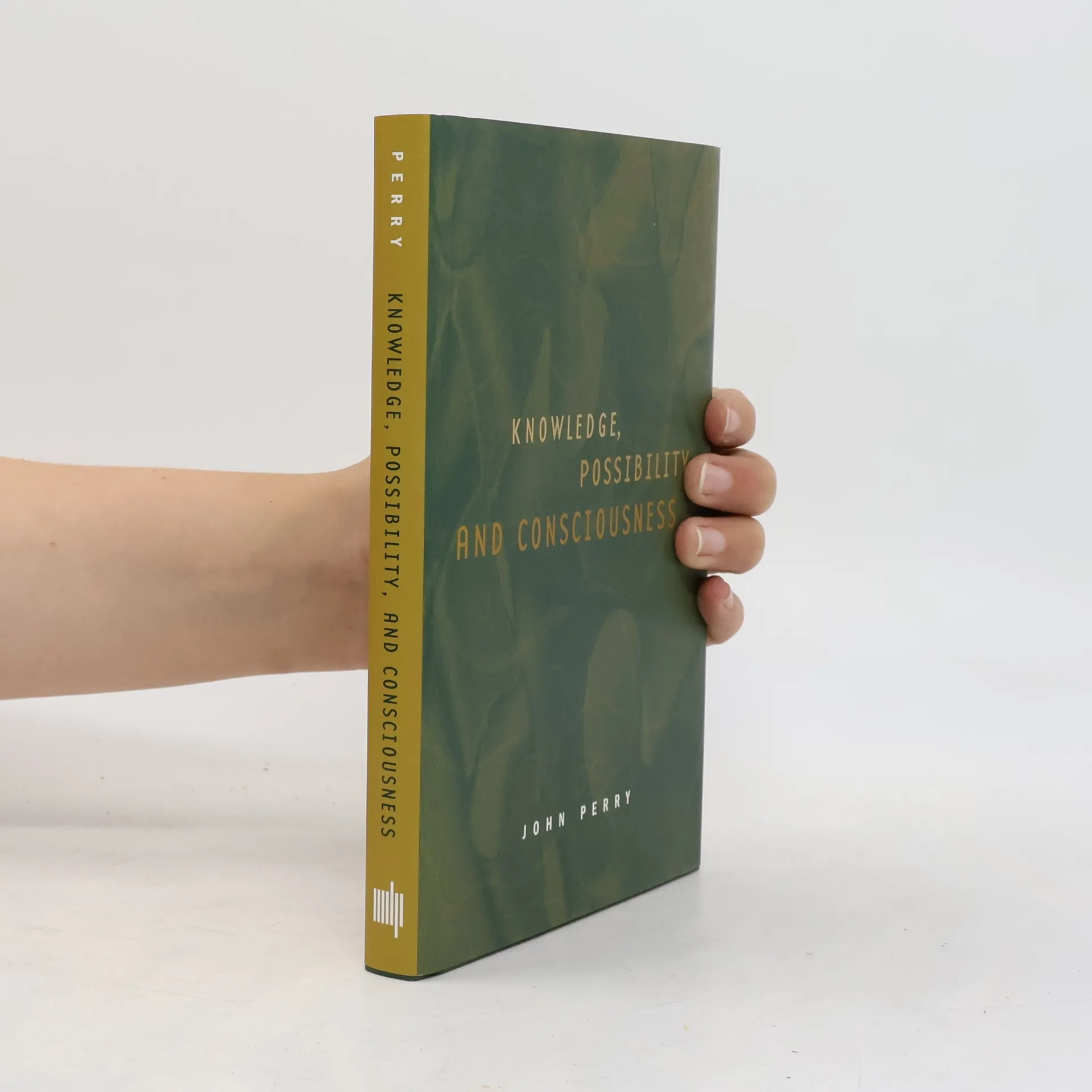
Physicalism is the idea that if everything that goes on in the universe is physical, our consciousness and feelings must also be physical. Ever since Descartes formulated the mind-body problem, a long line of philosophers has found the physicalist view to be preposterous. According to John Perry, the history of the mind-body problem is, in part, the slow victory of physical monism over various forms of dualism. Each new version of dualism claims that surely something more is going on with us than the merely physical. In this book Perry defends a view that he calls antecedent physicalism. He takes on each of three major arguments against physicalism, showing that they pose no threat to antecedent physicalism. These arguments are the zombie argument (that there is a possible world inhabited by beings that are physically indiscernible from us but not conscious), the knowledge argument (that we can know facts about our own feelings that are not just physical facts, thereby proving physicalism false), and the modal argument (that the identity of sensation and brain state is contingent, but since there is no such thing as contingent identity, sensations are not brain states).
Perrys Text behandelt in der eingängigen Form des Dialogs das große philosophische Thema der personalen Identität: Bleibt ein Mensch über die Zeit hin derselbe? Wie kann man ihm einzelne Handlungen und wann zuordnen? Was ist überhaupt eine einzelne Person? Und was geschieht nach ihrem Tod? Der Band eignet sich durch seine eingängige Form und Schreibweise besonders für einführende Lehrveranstaltungen und den Einsatz in der Schule.
Ein ganz normaler Novemberabend wird durch einen Autounfall zur Familientragödie. Die 15-jährige Jennifer kommt mit schwersten Kopfverletzungen ins Krankenhaus. Sie fällt ins Koma. Die Ärzte glauben nicht, dass sie überleben wird. Nach fünf Wochen wacht Jen auf. Sie erkennt ihre Eltern und ihren kleinen Bruder nicht mehr und hat ihr Kurzzeitgedächtnis verloren. Woran sie sich perfekt erinnert, sind Bibelverse, die ihr wichtig waren und Loblieder, die sie gesungen hat. Auf ganz besondere Weise spürt sie Gottes Nähe. Jen kämpft sich zurück ins Leben und in die Normalität. Aber Normalität ist nicht das, was Gott mit ihr vorhat. Was Jen mit Jesus erlebt, ist außergewöhnlich und ergreifend.