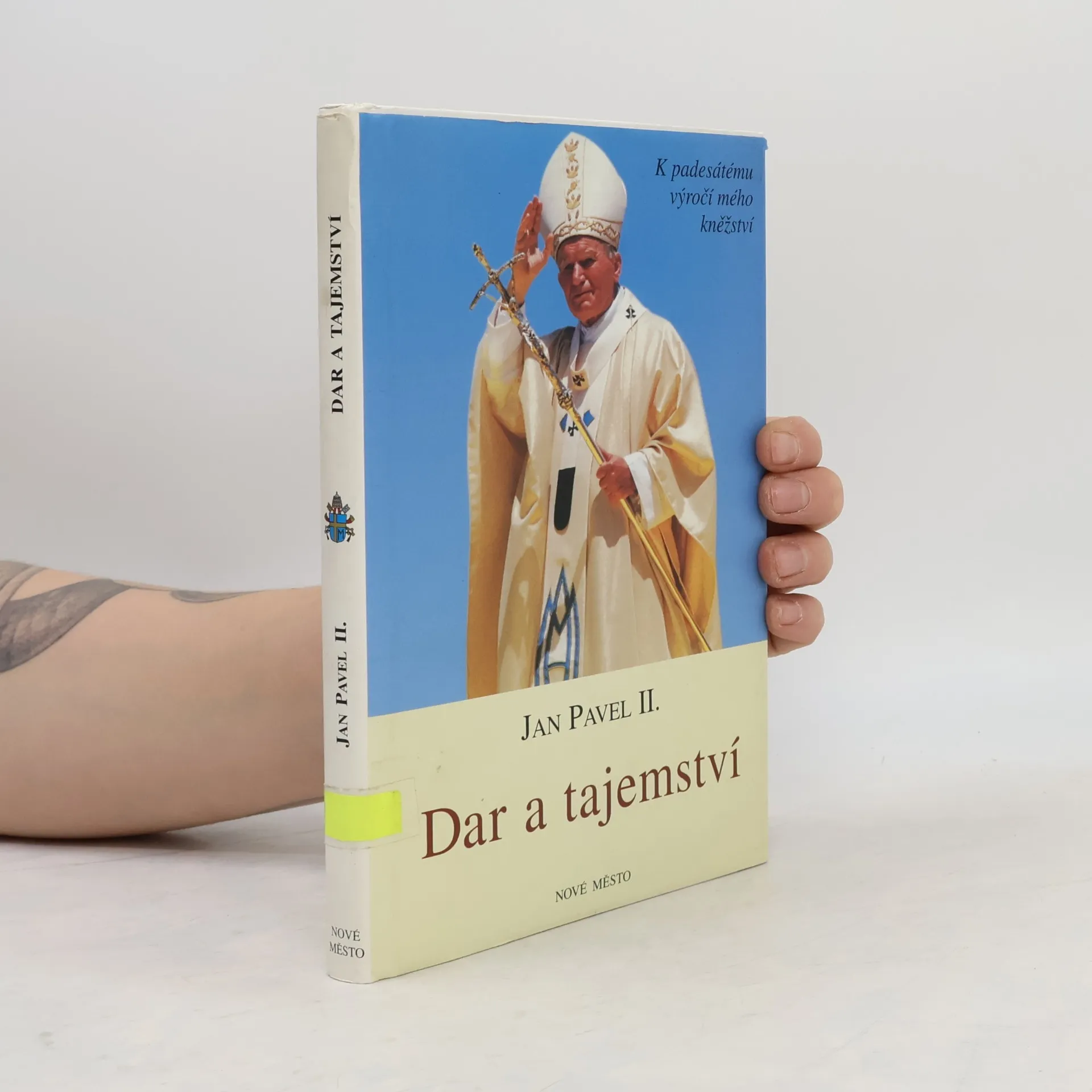
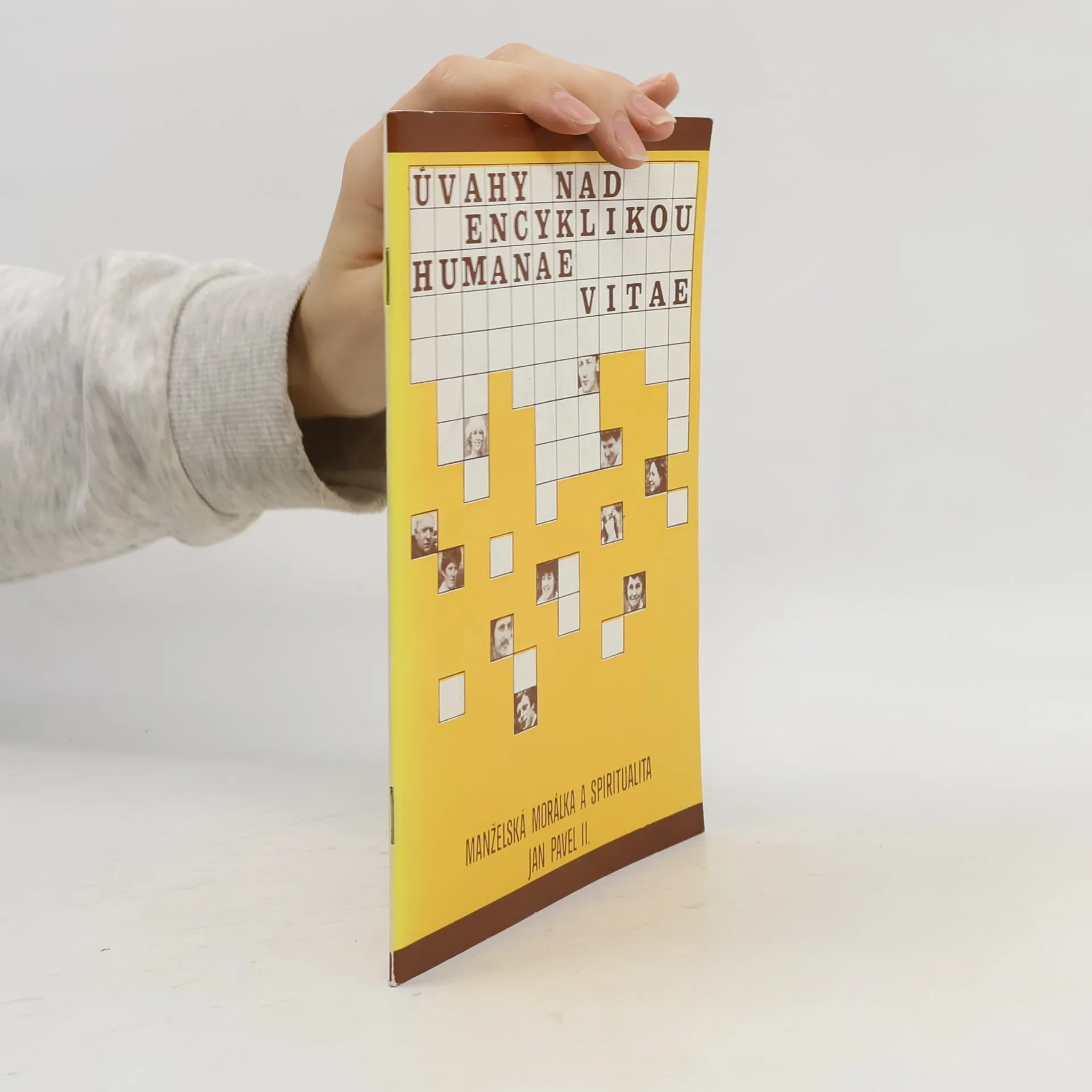
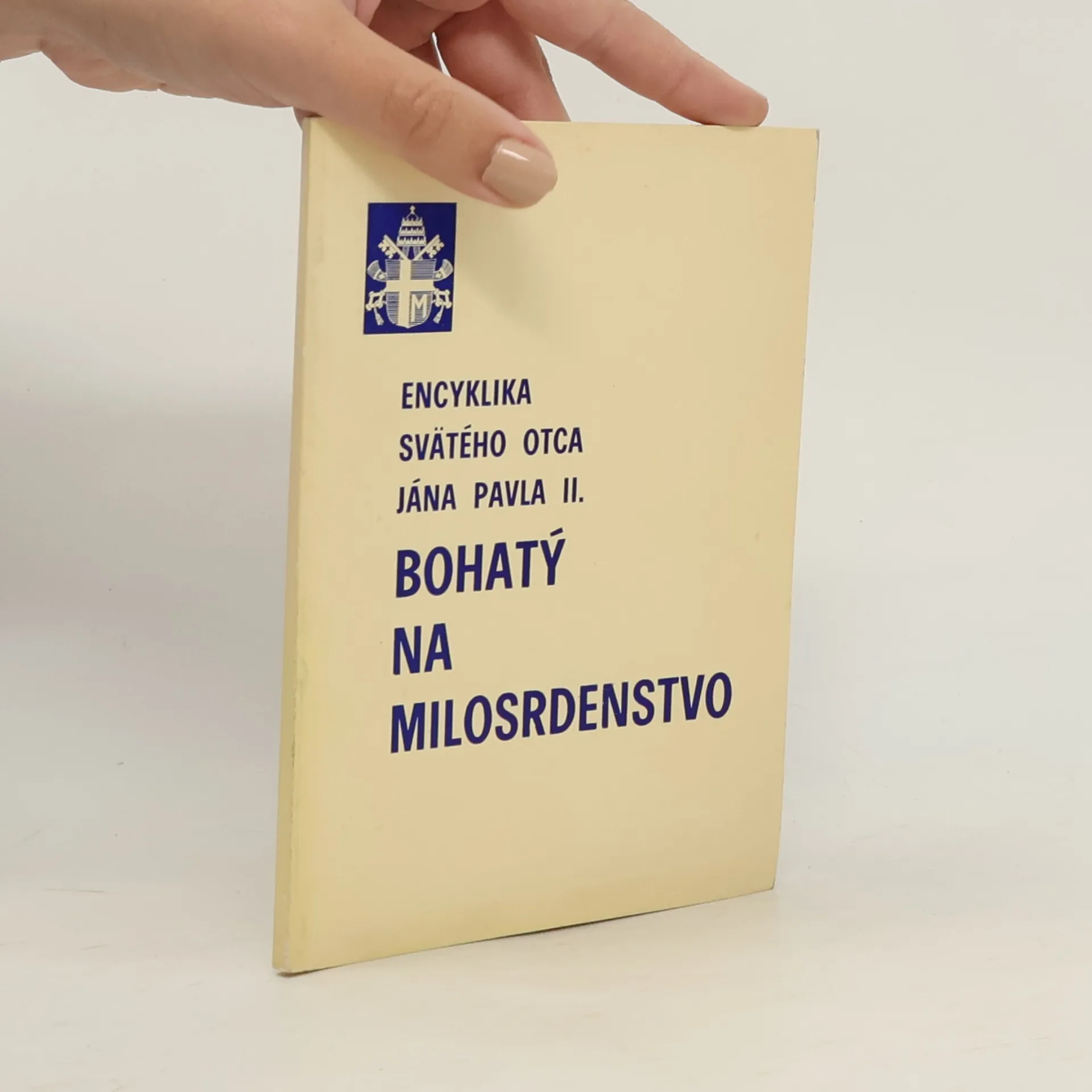
Dosud neznámý text velkého papeže o lásce a smyslu lidské existence. Jsme schopni druhého člověka přijmout jako dar? Upřímně ho obejmout a na jeho lásku odpovědět nezištným sebedarováním? Meditace papeže sv. Jana Pavla II. vznikala souběžně s jeho Dopisem rodinám v roce 1994. Objevena a publikována byla až po jeho smrti. Text nás přivádí k hlubšímu pochopení toho, co je dar, krása, tělo a křesťanský smysl manželství
Podtitul: K padesátému výročí mého kněžství / Publikace je papežovým ohlédnutím za jeho cestou životem ke kněžství. Přináší jeho zajímavý pohled na povolání ke kněžství a odhaluje hloubku tohoto povolání. Svatý otec popisuje okolnosti, které provázely 50 let jeho kněžské služby. Dotýká se i epizod z dětství, studia, rodiny, divadla, nabízí čtenářům ukázky z vlastní básnické tvorby. Text doplňují ilustrace Stanislawa Soboliewského.
Kniha se setkala s mimořádným čtenářským ohlasem.
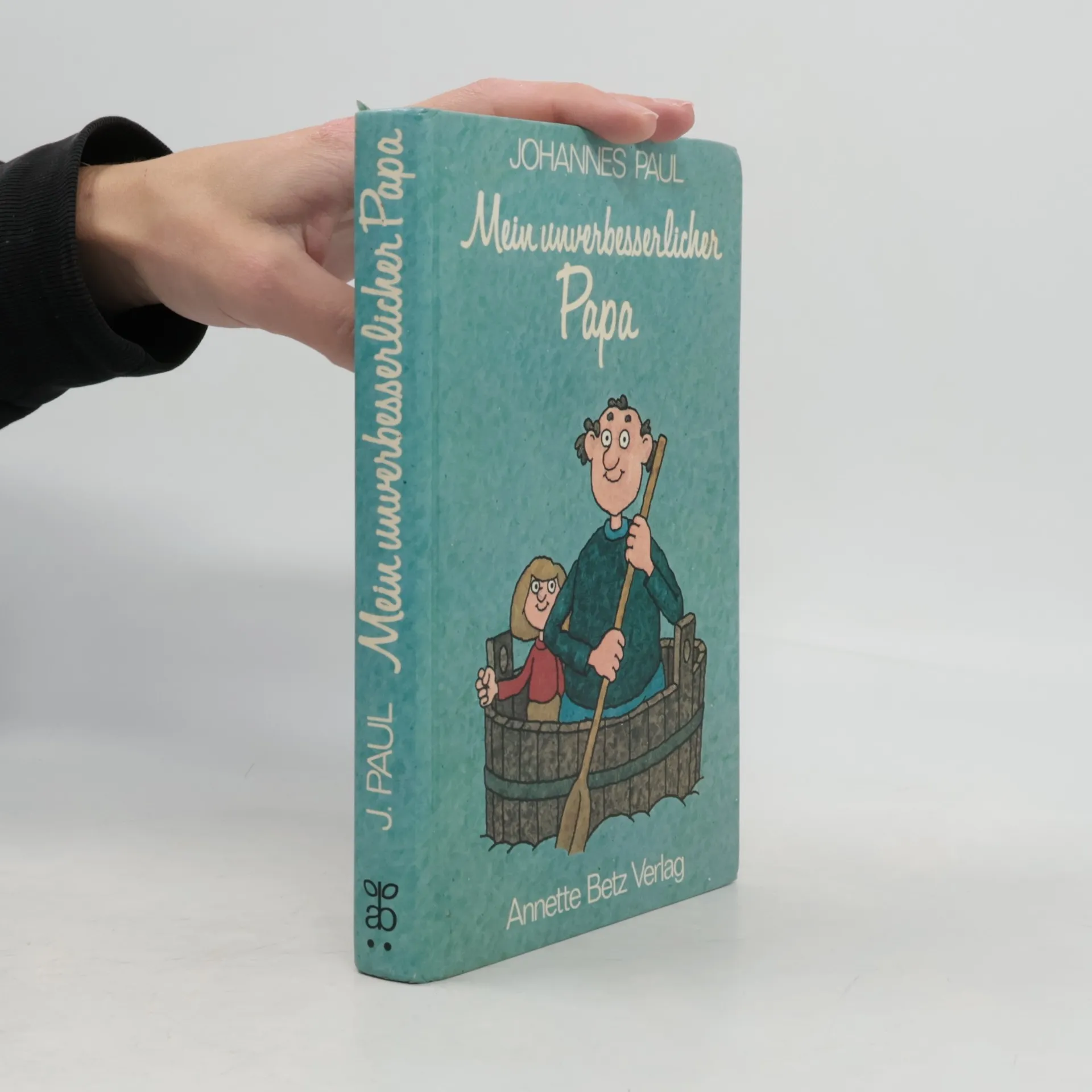
Nepolepšiteľný otecko píše knižky a pritom usilovne priberá. Na raňajky vyprázdni polovicu chladničky,dopoludnia sa nenápadne zakráda do komory a kým je obed na stole, nakúka mamičke do hrncov a s pôžitkom všetko ochutnáva. Otecko je náruživý záhradkár a hubár. Mrkvu zasadí už v januári a zbiera výlučne krásne muchotrávky. Keď niekedy vezme rodinu na výlet autom, za prvou zákrutou mu dôjde benzín. Ak sa auto pokazí, rozoberie ho tak,že ho musí predať na súčiastky. Raz na oslavu upečie maslový koláč na masti, inokedy pri tapetovaní poobtĺka polovicu stien, lebo sa mu nezdajú dosť rovné. Od jari do jesene chodí spávať do kurína a tajne tam opatruje myšaciu rodinku. S oteckom je každý deň nepolepšiteľne veselo.
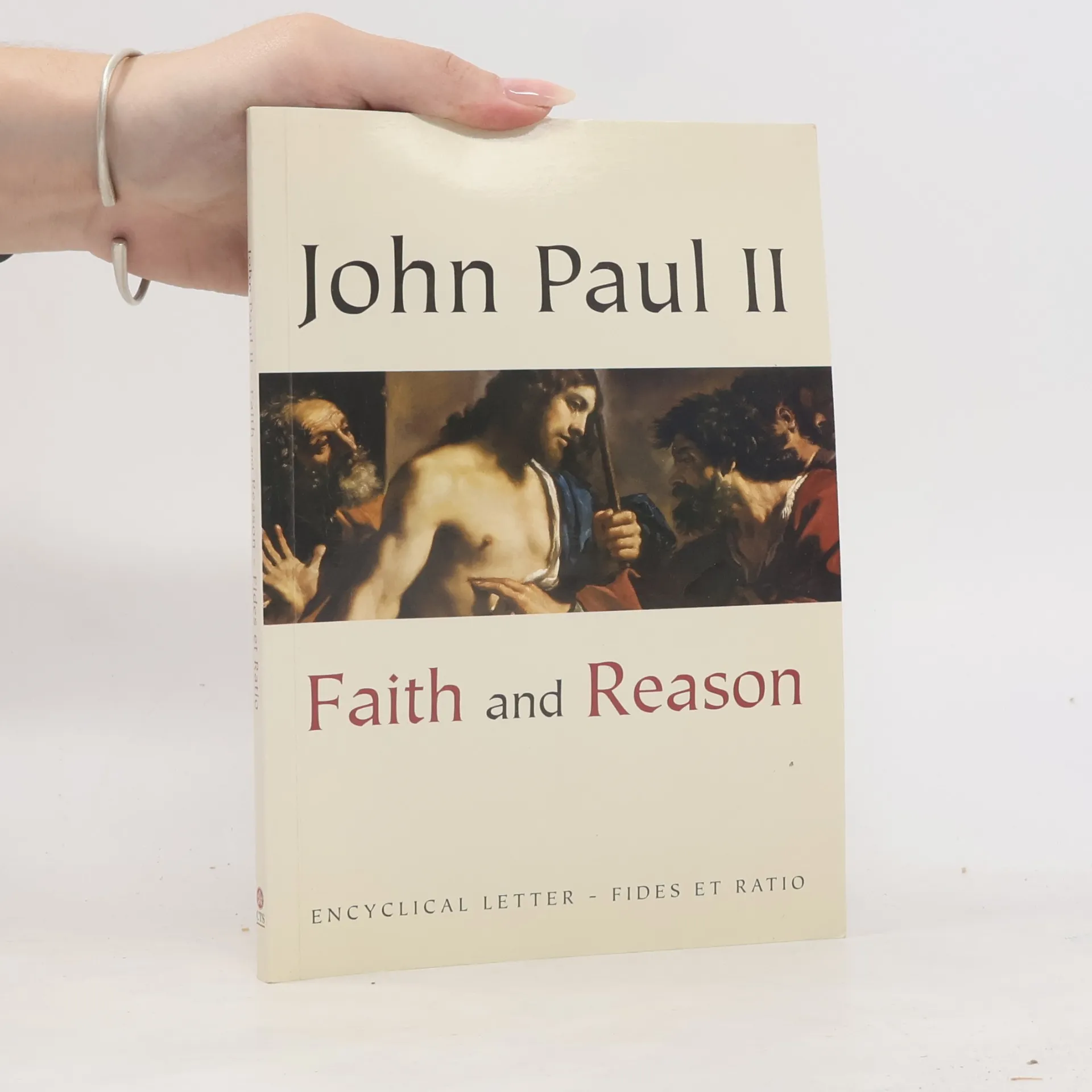
Encyclical letter Fides Et Ratio of the Supreme Pontiff John Paul II to the Bishops of the Catholic Church on the relationship between faith and reason.
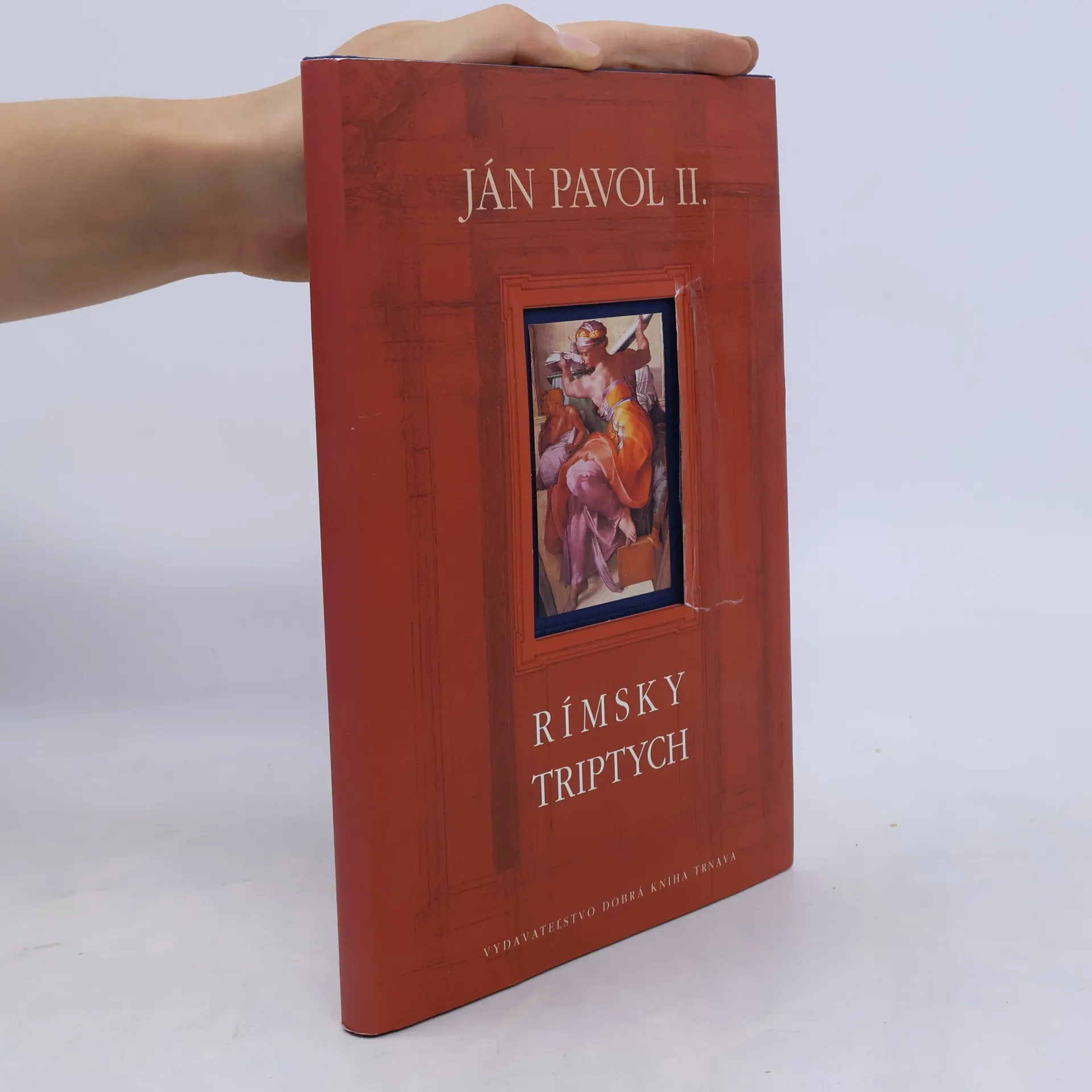
Pre Vydavateľstvo Dobrá kniha je veľkou poctou, že má možnosť ponúknuť vám jedinečné dielo Jána Pavla II. RÍMSKY TRIPTYCH. Je všeobecne známe, že pred zvolením za pápeža bol Karol Wojtyla plodným básnikom. Rímsky triptych je prvé básnické dielo, ktoré zverejnil pod pápežským menom Ján Pavol II. Obsahuje tri fascinujúce meditácie o kráse stvorenia, o Sixtínskej kaplnke a o Abrahámovi. Bibliofilské vydanie ozdobujú reprodukcie Michelangelových diel, faximile rukopisu Svätého Otca a text vyjadrujúci jeho potešenie zo slovenského vydania knihy.
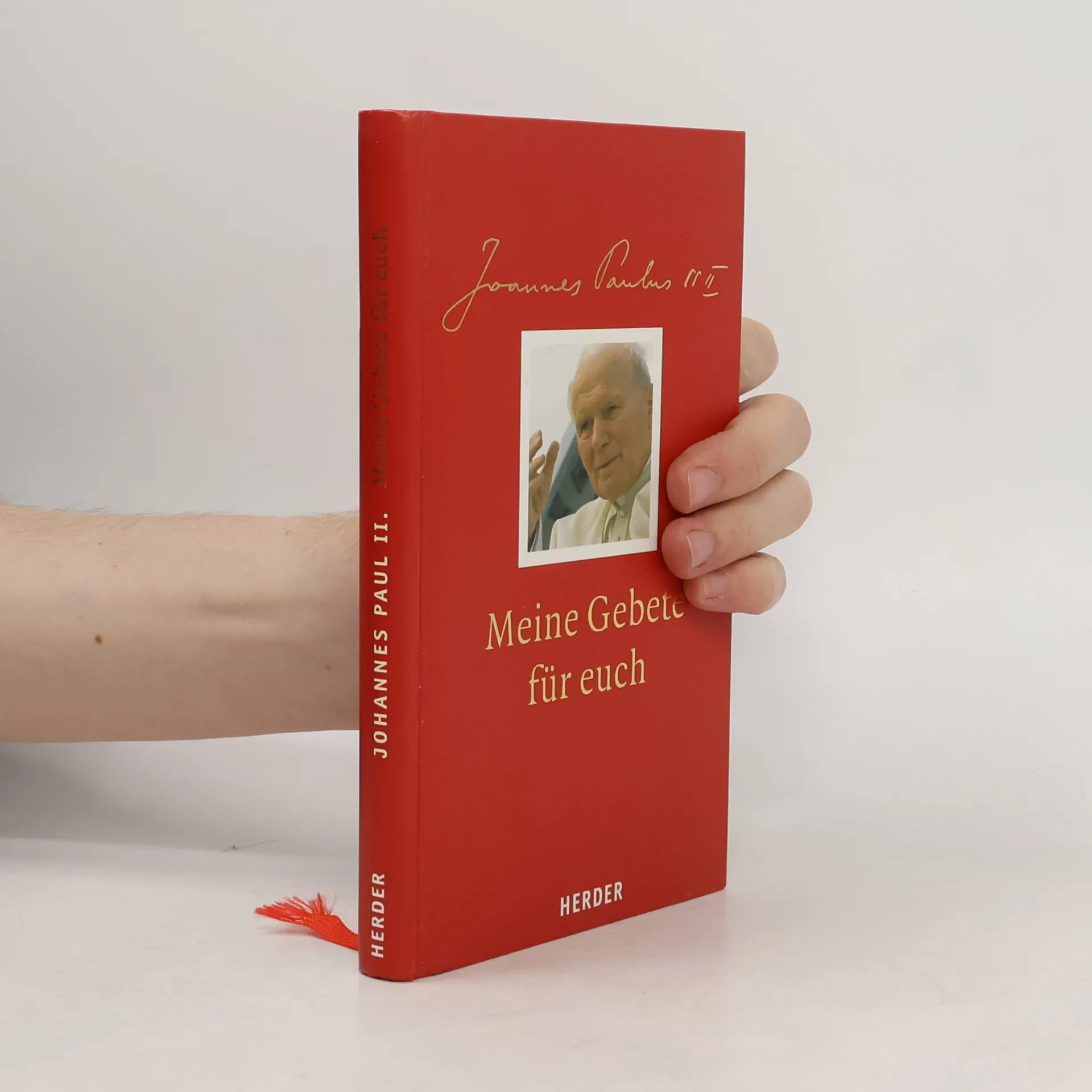
"Fürchtet euch nicht", wiederholte Jesus oft zu seinen Jüngern. Am Anfang dieses dritten Jahrtausends, angesichts der Schrecken und Grausamkeiten der Geschichte und der Nachrichten, braucht der Mensch mehr denn je diese Worte des Glaubens und der Hoffnung. Um in seinem Herzen die Gewissheit wiederzufinden, dass es Jemanden gibt, der das Schicksal dieser Welt in der Hand hält und dass dieser Jemand Liebe ist. Eine tiefgreifende Botschaft des Mutes, die Johannes Paul II. an alle Leser, Gläubige und Nichtgläubige, richtet.
Cette édition de l'encyclique de Jean-Paul II sur la morale chrétienne comporte une quarantaine de pages de textes explicatifs par les théologiens, Jean-Louis Bruguès, Georges Cottier et Albert Chapelle.
Superbele poeme z książki Tryptyk rzymski są w towarzystwie istotnych obrazów – sekwencji z fresków Michelangela z Kaplicy Sykstyńskiej lub faksymilii stron z rękopisów Jana Pawła II.
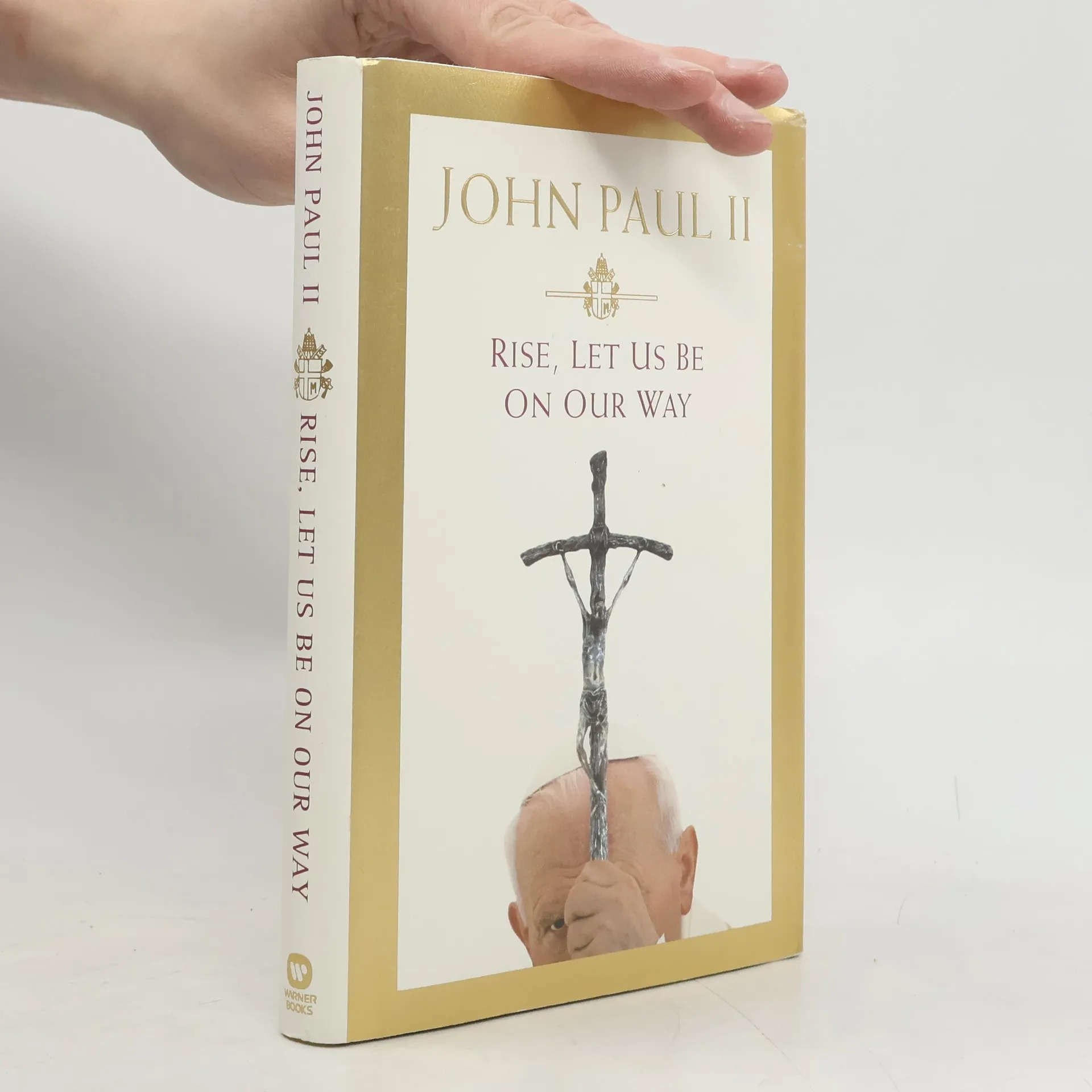
An inspirational memoir from the recently canonized Pope Saint John Paul II. Following the success of the international bestseller Crossing the Threshold of Hope, Pope John Paul II provides the world with a glimpse into his past in Rise, Let Us Be On Our Way . Chronicling the years he spent as a bishop and later archbishop in Krakow, Poland through his election as the first Polish Pope in 1978, he recounts everything from communist efforts to suppress the church in Poland to his efforts to adopt a new and more open style of pastoral ministry. With recollections on his life as well as his thoughts on the issues facing the world now, Pope John Paul II offers words of wisdom in this book that will appeal to people of any faith looking to strengthen their spirituality.
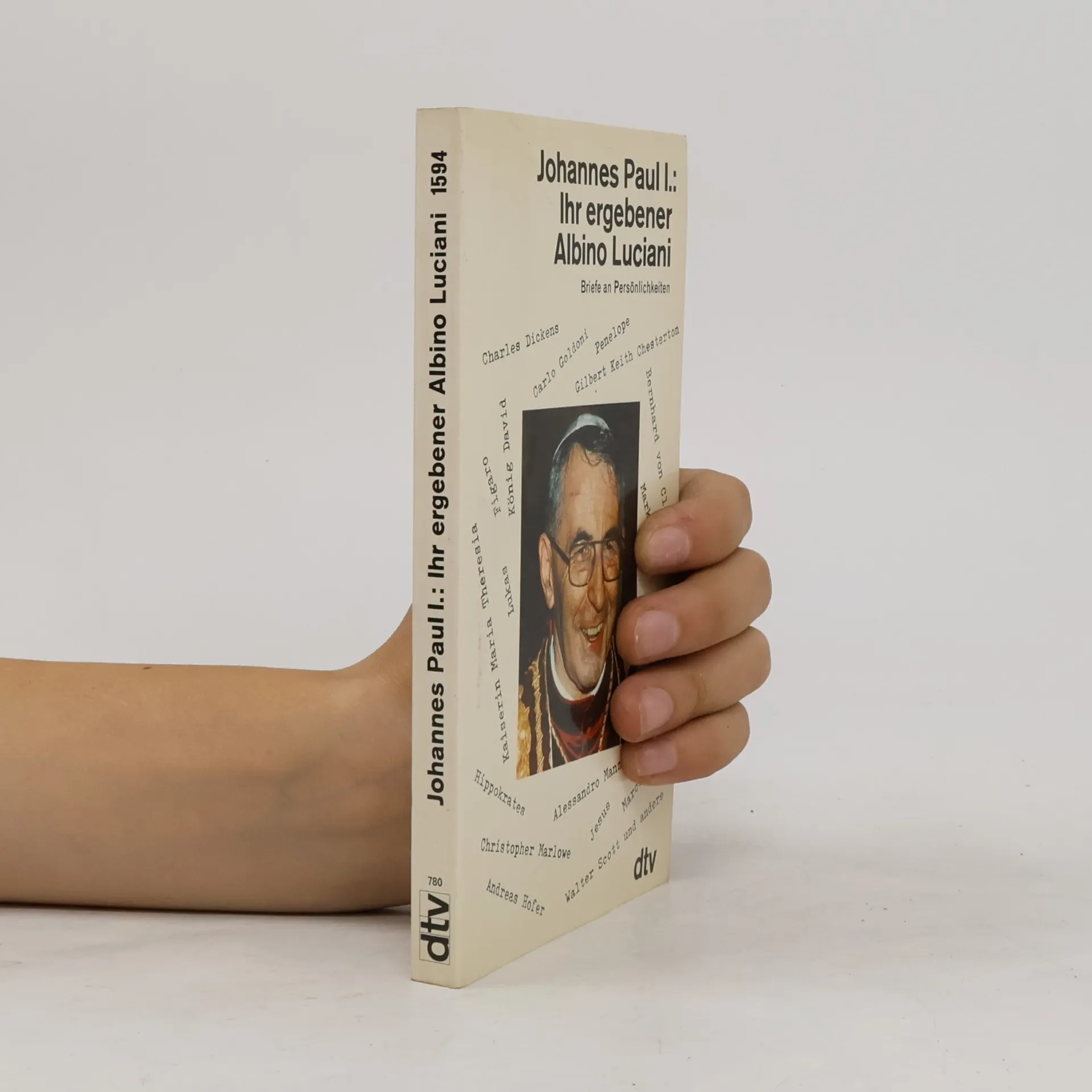
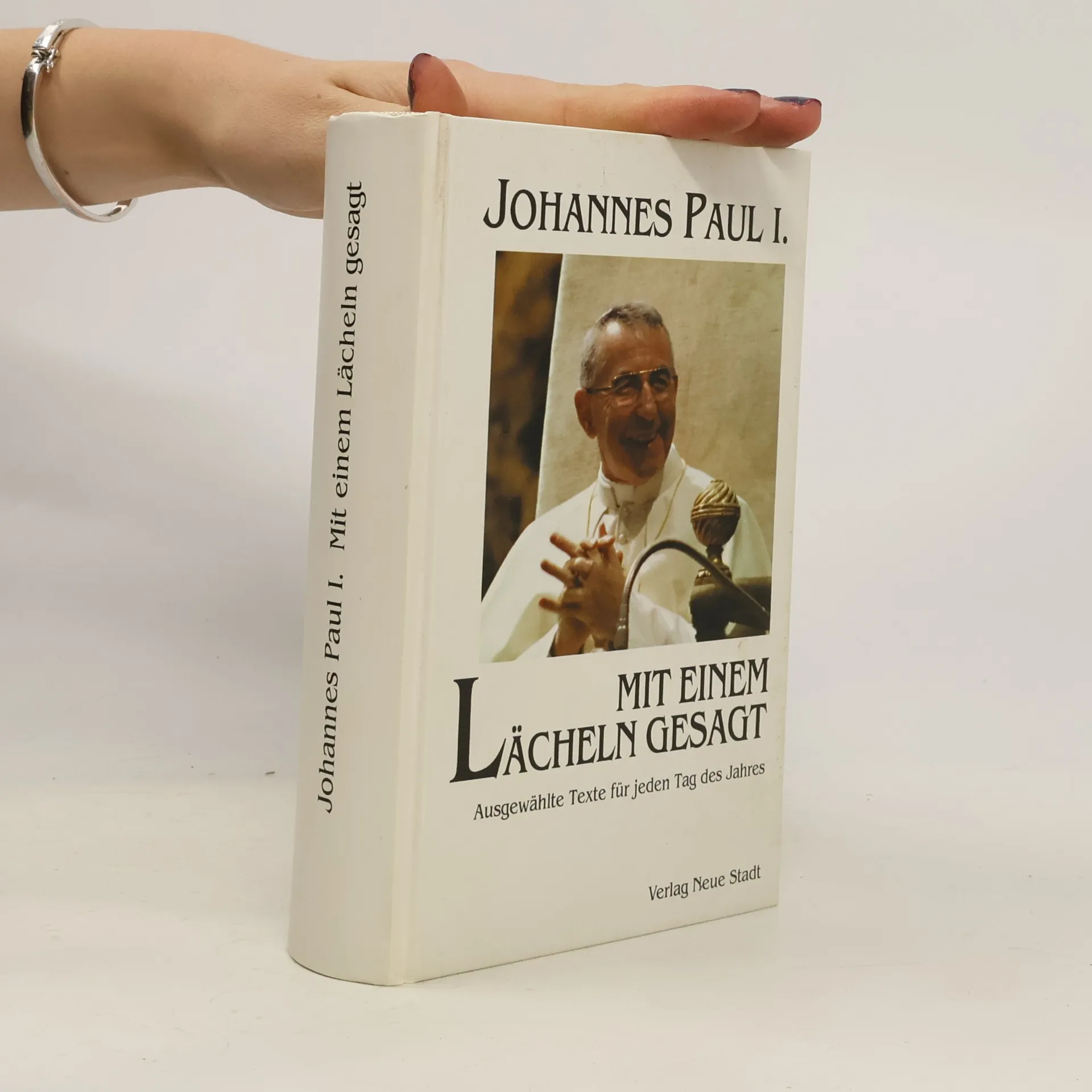
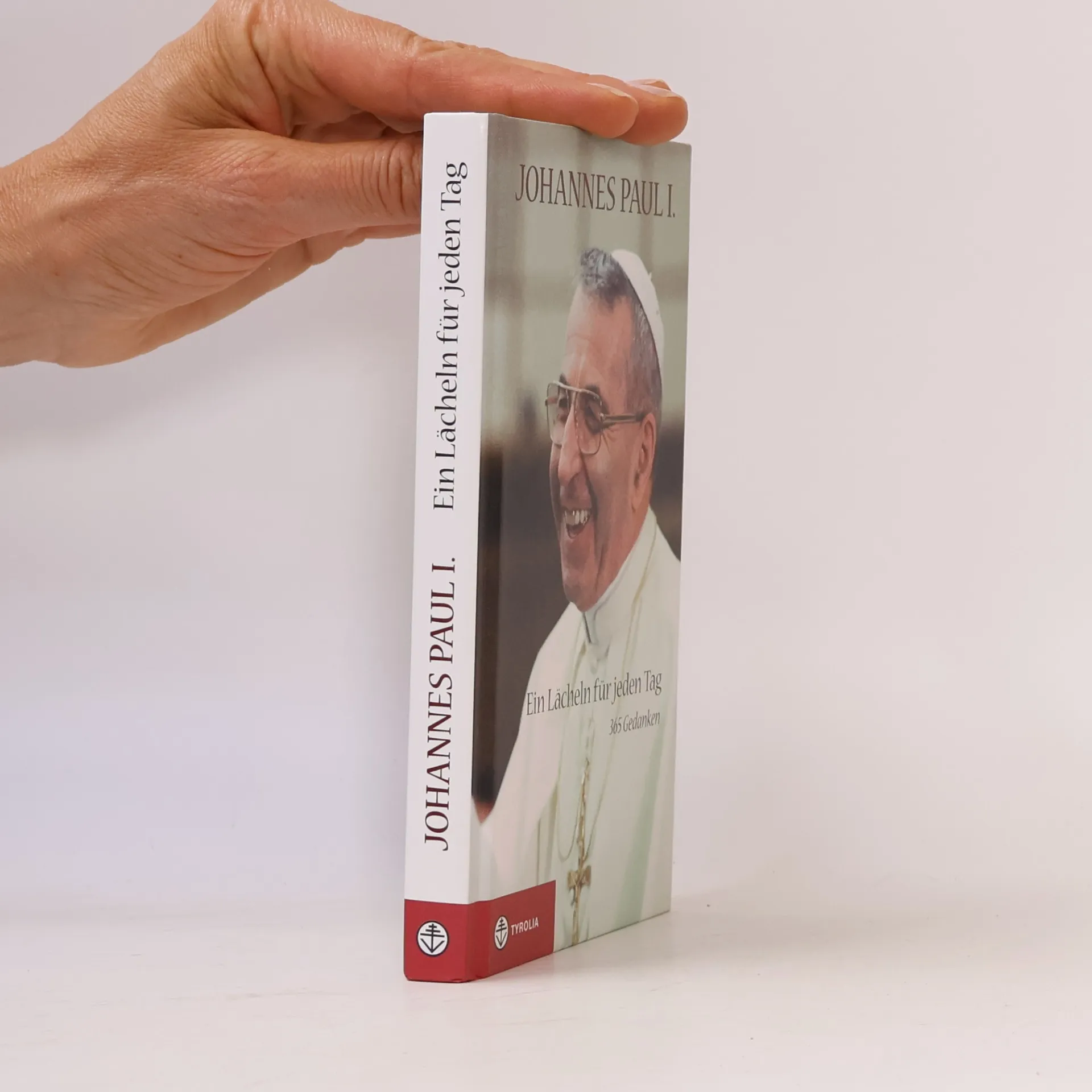
Das Buch sammelt die Briefe, die der damalige Patriarch von Venedig von 1971 bis 1975 für die Zeitschrift "Messaggero di sant'Antonio" schrieb, und richtet sich an historische und mythische Persönlichkeiten aus allen Zeiten und Orten.
In MEMORY AND IDENTITY - CONVERSATIONS BETWEEN MILLENNIUMS, the Holy Father covers some of the great subjects of our time, particularly the twentieth-century totalitarian ideologies of Communism and Nazism, while answering the most important questions of our life as believers and as citizens of the world. It is an extraordinary message of peace and hope in the salvation of man. It is an historical and philosophical meditation on the use of freedom and its limits, as well as on the ideas of homeland and nation and on the Christian roots of Europe. gift but as a task', aiming for the common good, and warns them about the danger of the new forms of atheism, consumerism and materialism, responsible for authentic 'ravages of consciences'. civilisations and religions, a call to all the sons of Abraham, a man who 'had faith and hoped against all hopes'. The book covers the most important historical events of the twentieth century, answering all the great questions of modern life and examining the relationship between civilisation and the world's religions.
Die kulturelle Bedeutung dieses Werkes wird von Wissenschaftlern hervorgehoben, da es einen wichtigen Teil des Wissensfundaments unserer Zivilisation darstellt. Es wurde aus dem Originaldokument reproduziert, wobei der Fokus auf der Treue zum ursprünglichen Inhalt liegt. Leser finden originale Urheberrechtsvermerke, Bibliotheksstempel und andere Notationen, die das historische Erbe und die Relevanz des Werkes unterstreichen.
Stefan von Kempis hat Texte von Papst Johannes Paul II. ausgewählt, die vom 1. Advent bis 6. Januar Tag für Tag durch den Advent begleiten, innerlich vorbereiten und Stück für Stück zusammen mit ansprechenden Fotos die Botschaft dieser Tage spirituell erschließen. Für alle, die im Advent jeden Tag innehalten und inspiriert werden wollen. Ein immerwährender Kalender für die Advents-und Weihnachtszeit!
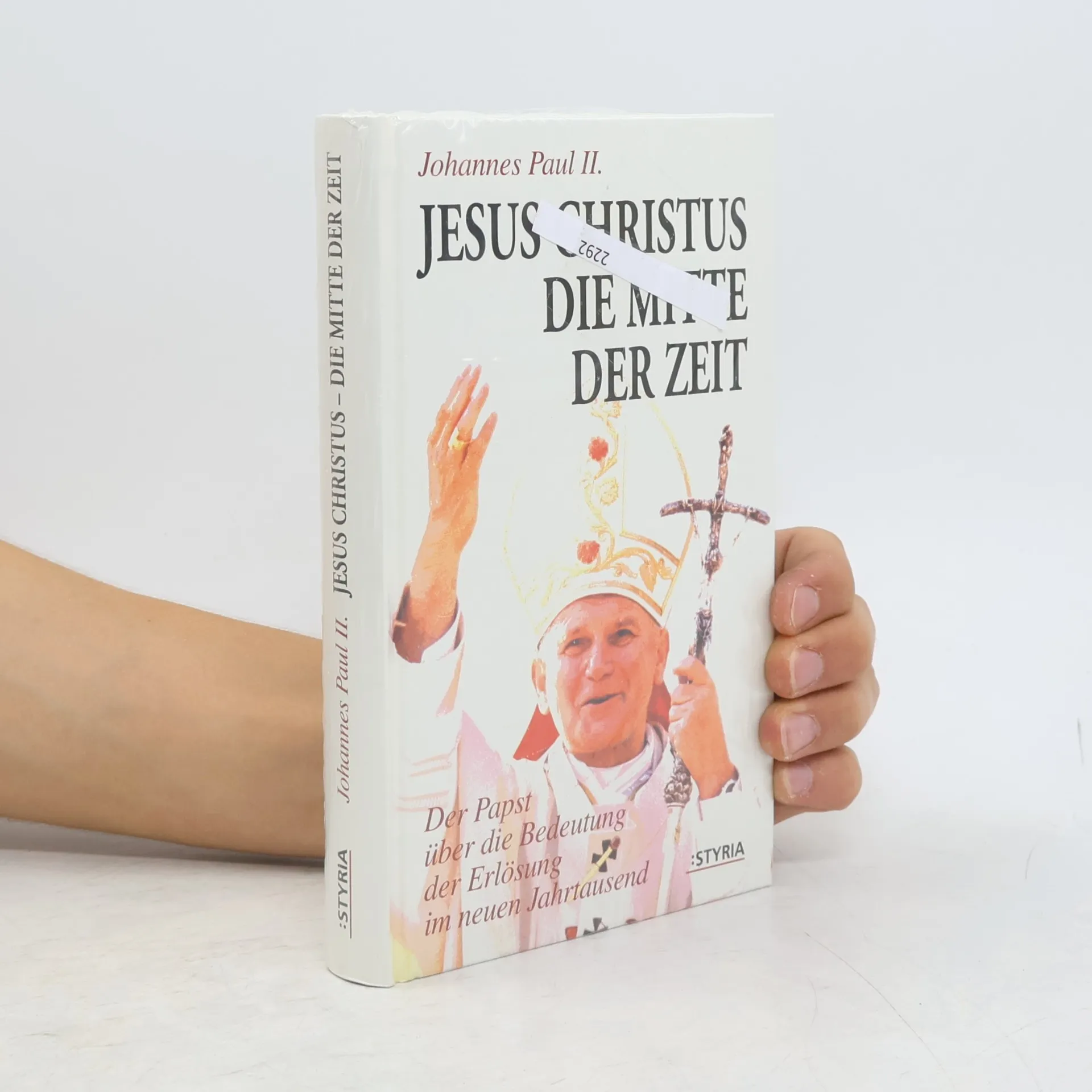
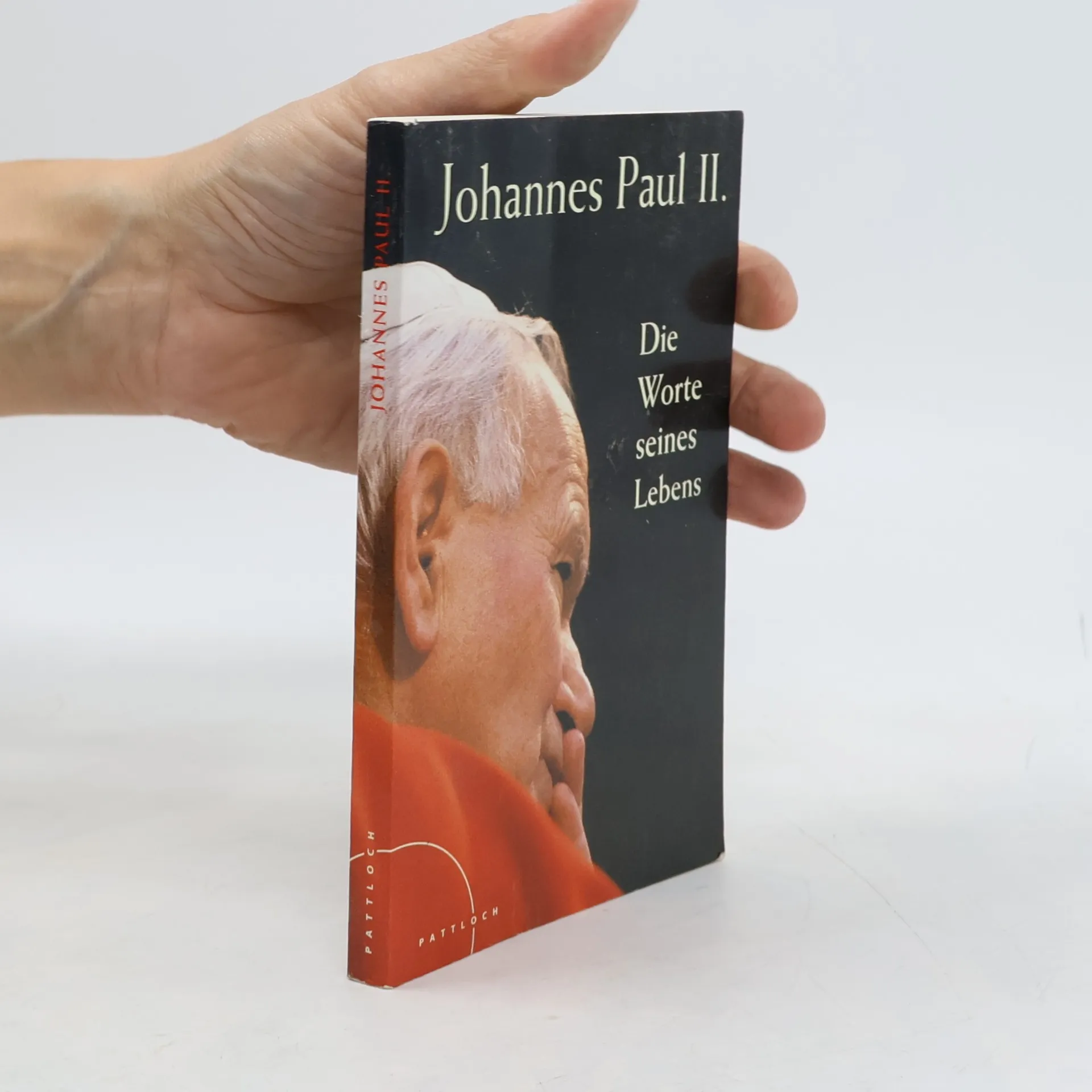
Johannes Paul II. hat sein Pontifikat nie als Rückzug aus der Welt verstanden. Immer wieder hat er sich zu den großen Fragen der Menschheit geäußert. Er hat den Widerspruch gesucht und den Kommunismus mit gleicher Schärfe verurteilt wie die westliche Konsumfixierung. Rückhaltlos trat er für spirituelle Werte und für den Frieden ein, sprach sich gegen die Euthanasie aus, verteidigte die Armen und war immer auf der Seite der Schwächeren.