The Oxford book of women's writing in the United States
- 596 stránek
- 21 hodin čtení
"A sumptuous selection of short fiction and poetry. . . . Its invitation to share the passion of women's voices characterizes the entire volume."--"USA Today."


Cathy N. Davidson je průkopnická myslitelka, která se zaměřuje na to, jak se učíme a jak se naše učení mění v digitálním věku. Její práce zkoumá inovativní formy učení a význam mezioborových studií pro pochopení komplexních výzev naší doby. Davidson se zasazuje o nové pedagogické přístupy, které propojují humanitní vědy, umění a vědu, aby podpořila hlubší a přizpůsobivější formy poznání. Její vize klade důraz na propojené myšlení a neustálou adaptaci v dynamicky se vyvíjejícím světě.

"A sumptuous selection of short fiction and poetry. . . . Its invitation to share the passion of women's voices characterizes the entire volume."--"USA Today."
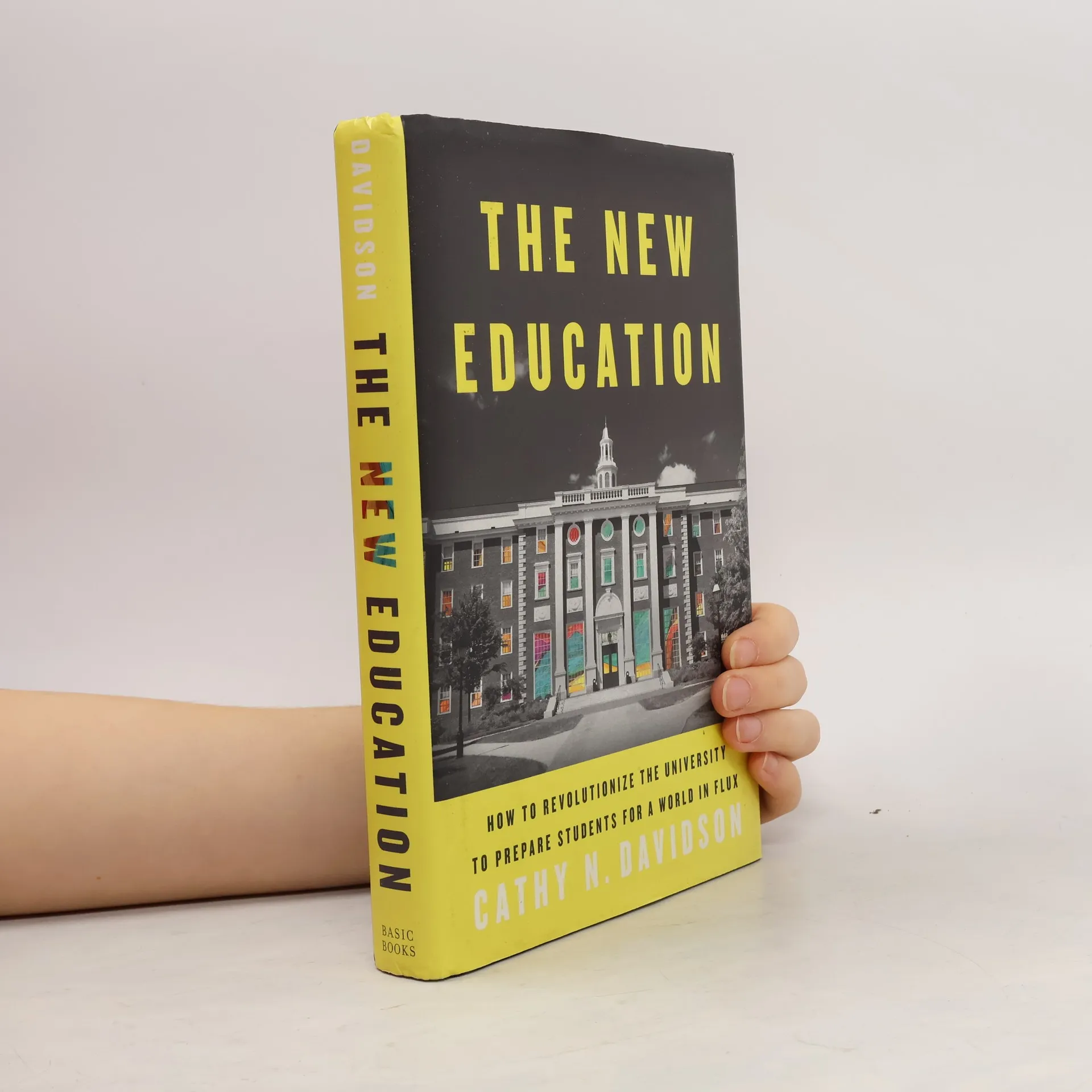
How to Revolutionize the University to Prepare Students for a World in Flux
A leading educational thinker argues that the American university is stuck in the past--and shows how we can revolutionize it to prepare students for our age of constant change
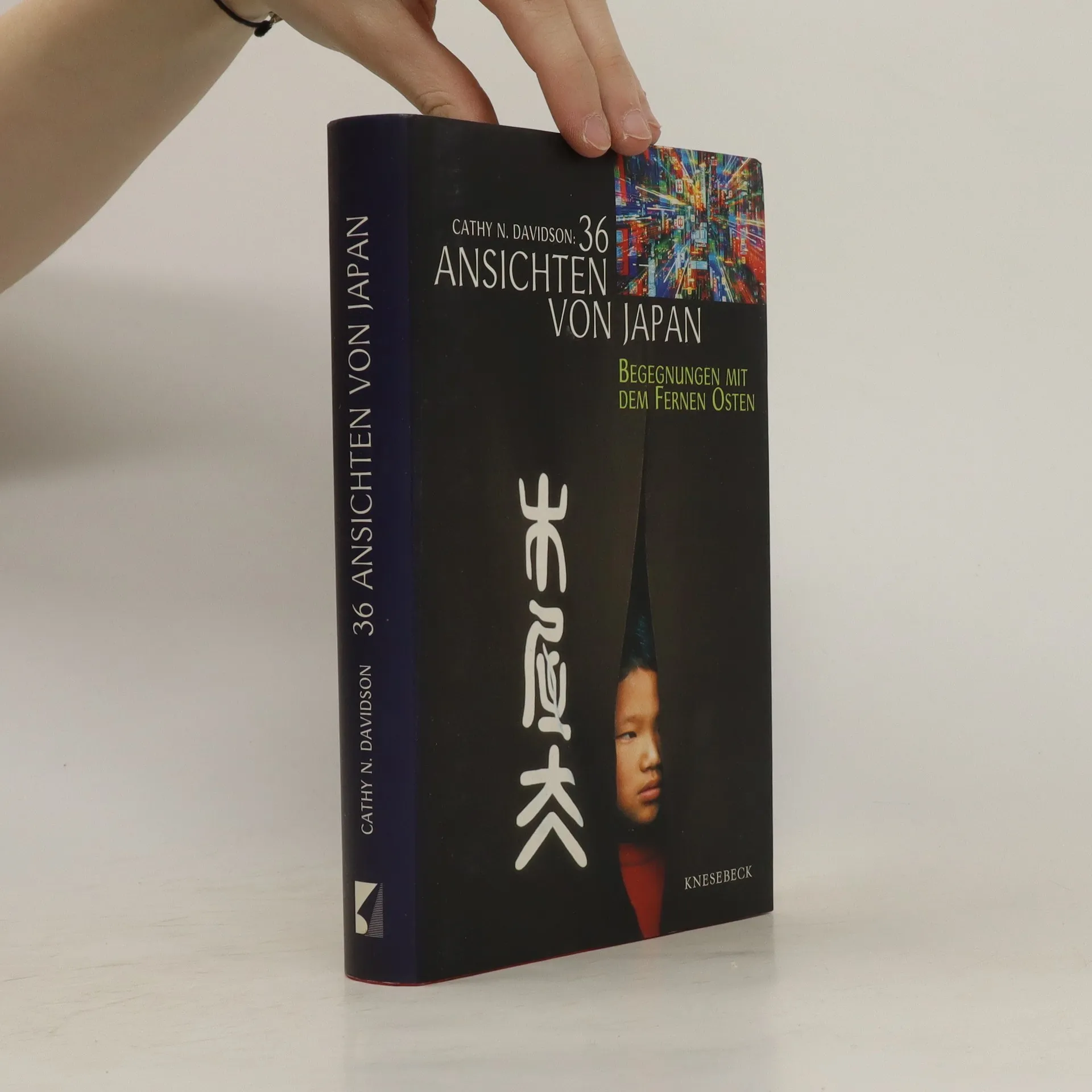
Often funny, sometimes sad, always spirited and evocative, this wonderfully perceptive portrait of Japan is both a revealing look at the seductiveness and disappointments of being a stranger in a strange land and a chronicle of one woman's self-discovery. Line drawings.
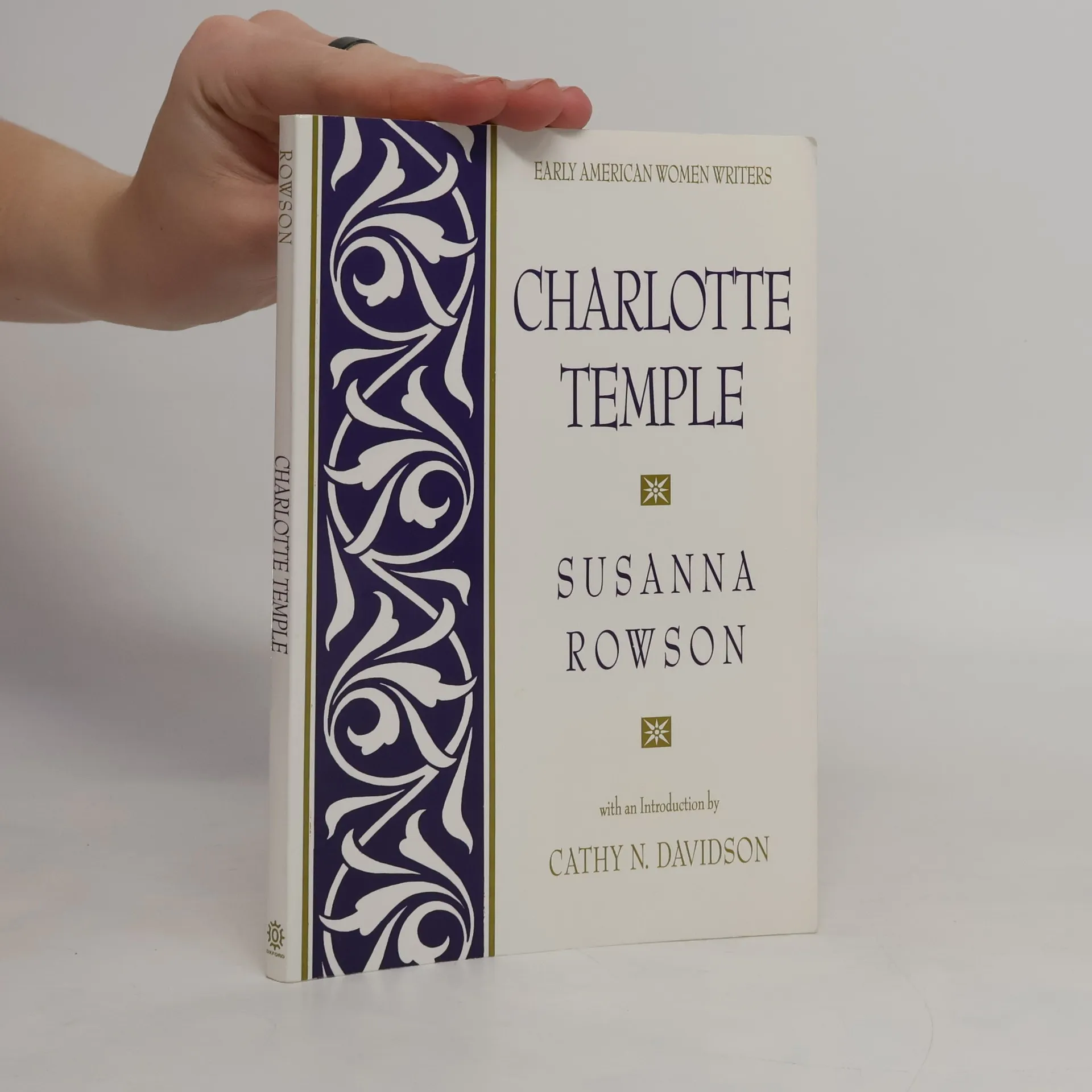
Charlotte Temple became a "best seller," going through over 200 editions and holding the title of the most popular American novel until Uncle Tom's Cabin . The story follows a beautiful English girl, Charlotte, who, at 15, elopes with British lieutenant Montraville. After arriving in America, Montraville abandons her to marry another woman and leaves for the Revolutionary War. Desperate and pregnant, Charlotte seeks out the corrupt French teacher who encouraged her relationship with Montraville. Rejected, she finds refuge with her servant. Charlotte's father, a nobleman with a tarnished fortune, arrives just in time to bury his daughter and claim her illegitimate child. Although there is no historical evidence to support the story's claims, Susanna Rowson maintained it was true, and it was embraced as a "tale of truth." In the 19th century, a tombstone with Charlotte's name was erected in New York's Trinity Churchyard, where readers left flowers, locks of hair, and love letters for America's most famous fictional character. Cathy N. Davidson's introduction explores the book's immense popularity and Rowson's sensational life, which rivaled her characters' stories.
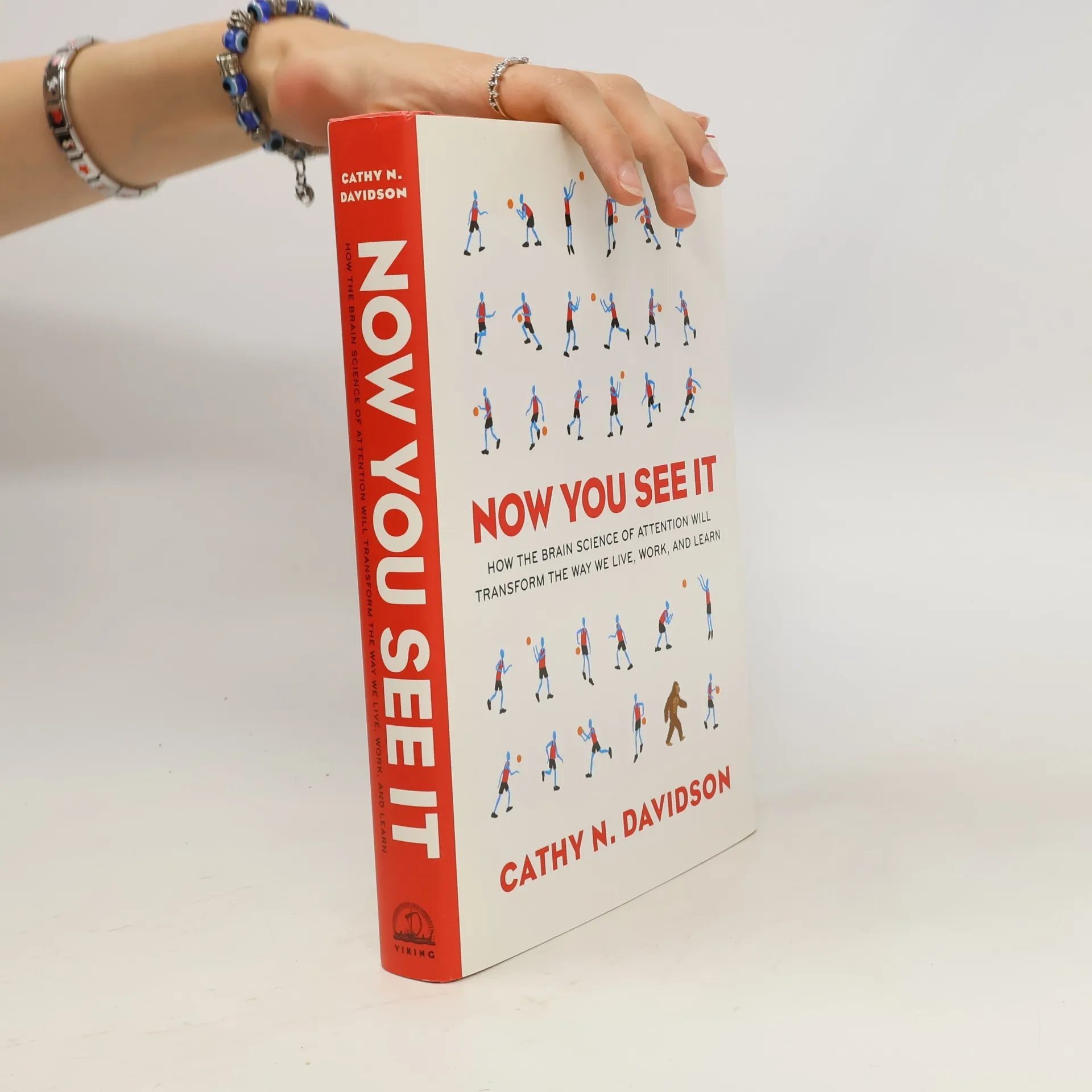
How The Brain Science Of Attention Will Transform The Way We Live, Work, And Learn
A digital innovator shows how we can thrive in the new technological age. When Cathy Davidson and Duke University gave free iPods to the freshman class in 2003, critics said they were wasting their money. Yet when students in practically every discipline invented academic uses for their music players, suddenly the idea could be seen in a new light-as an innovative way to turn learning on its head. This radical experiment is at the heart of Davidson's inspiring new book. Using cutting-edge research on the brain, she shows how "attention blindness" has produced one of our society's greatest challenges: while we've all acknowledged the great changes of the digital age, most of us still toil in schools and workplaces designed for the last century. Davidson introduces us to visionaries whose groundbreaking ideas-from schools with curriculums built around video games to companies that train workers using virtual environments-will open the doors to new ways of working and learning. A lively hybrid of Thomas Friedman and Norman Doidge, Now You See It is a refreshingly optimistic argument for a bold embrace of our connected, collaborative future.