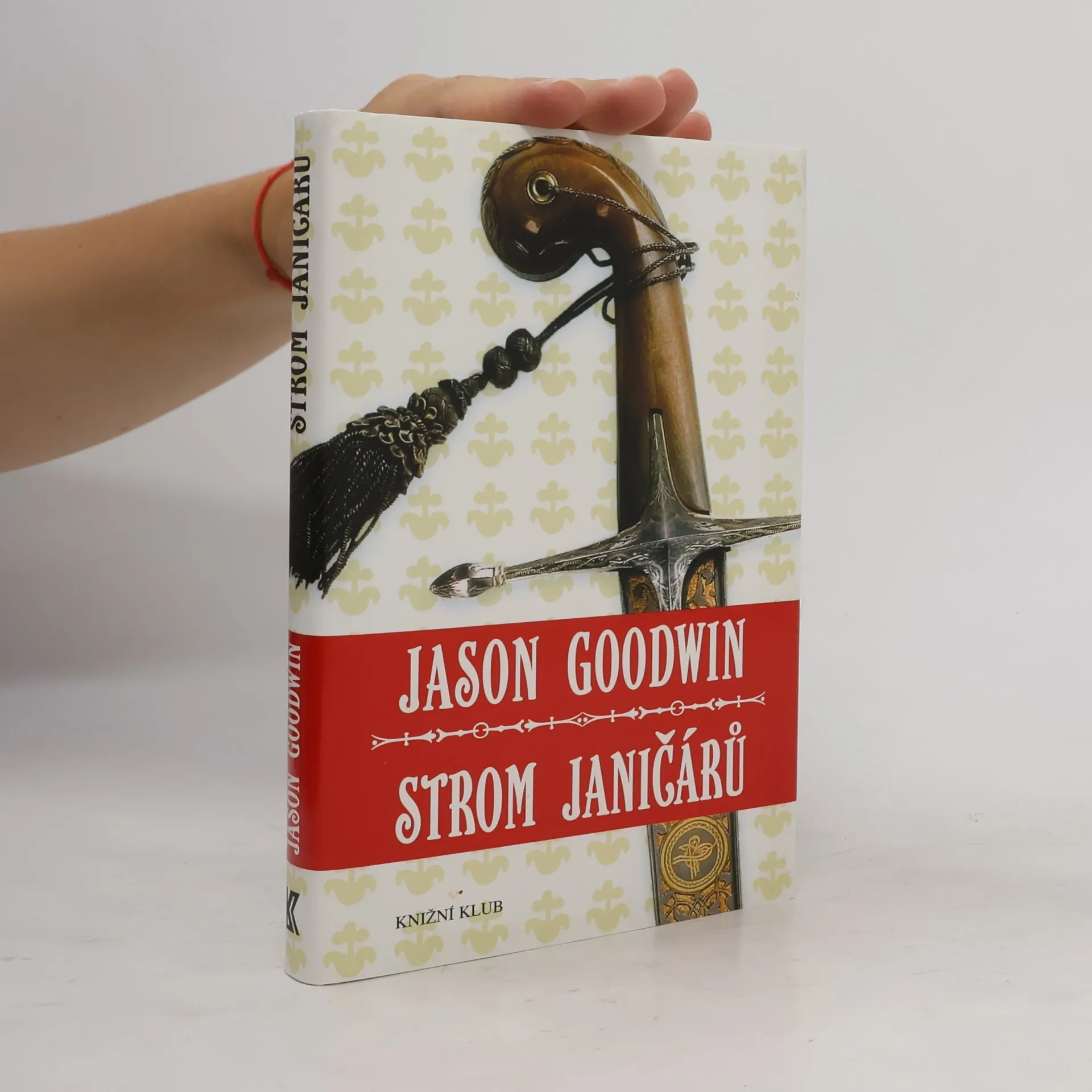
Příběh, na jehož počátku je nalezena mrtvá harémová dívka, nás zavádí do Istanbulu třicátých let devatenáctého století, do časů, v nichž se osmanská říše ocitá na prahu nové doby. Symboly té staré dobrovolně mizí nebo upadají v nemilost, některé však přežívají, ať tajně nebo veřejně: patří k nim také janičáři, kdysi neohrožení sultánovi vojáci, kteří se však po čase stali neovladatelnými a nevyzpytatelnými. Dvojí svět obyvatel Istanbulu - vnější, zaplněný kavárnami, lázněmi a bazary, a vnitřní, skrytý za zdmi sultánova paláce - vstřebává tyto změny po svém, vázán na jednu stranu úctou k historii a předkům, na stranu druhou doslova hltající vše nové. Také eunuch Jašim Togalu je rozdělen odcházející a nastávající érou vedví: tělesně zůstává poddán minulosti, překonává ji však nevšedním intelektem, schopností nadhledu a ochotou poznat jak historii, tak i současné dění ve světě. Pro svou spolehlivost, instinkt a bystrý úsudek je často vyhledáván k vyřešení složitých či choulostivých případů. Série záhadných vražd, ke kterým ve městě dojde, se tak zdá být případem šitým na míru právě pro něj. Ani on, ani jeho přítel, polský vyslanec Stanislaw Palewski, však netuší, co všechno se skrývá v sultánově soukromí a v myslích jeho strážců.
Jason Goodwin Knihy
Jason Goodwin je autorem poutavých historických románů a cestopisů, které často čerpají z jeho hlubokého zájmu o byzantskou historii a kultury Středního východu. Jeho díla jsou proslulá živým líčením a schopností přenést čtenáře do jiných časů a míst, zejména do fascinujícího světa Osmanské říše. Goodwinův styl kombinuje historickou přesnost s narativní svižností, což z něj činí jedinečného vypravěče. Jeho detektivní série s Jašimem v hlavní roli, zasazená do Istanbulu 19. století, si získala mezinárodní uznání pro svou atmosféru a chytlavé zápletky.




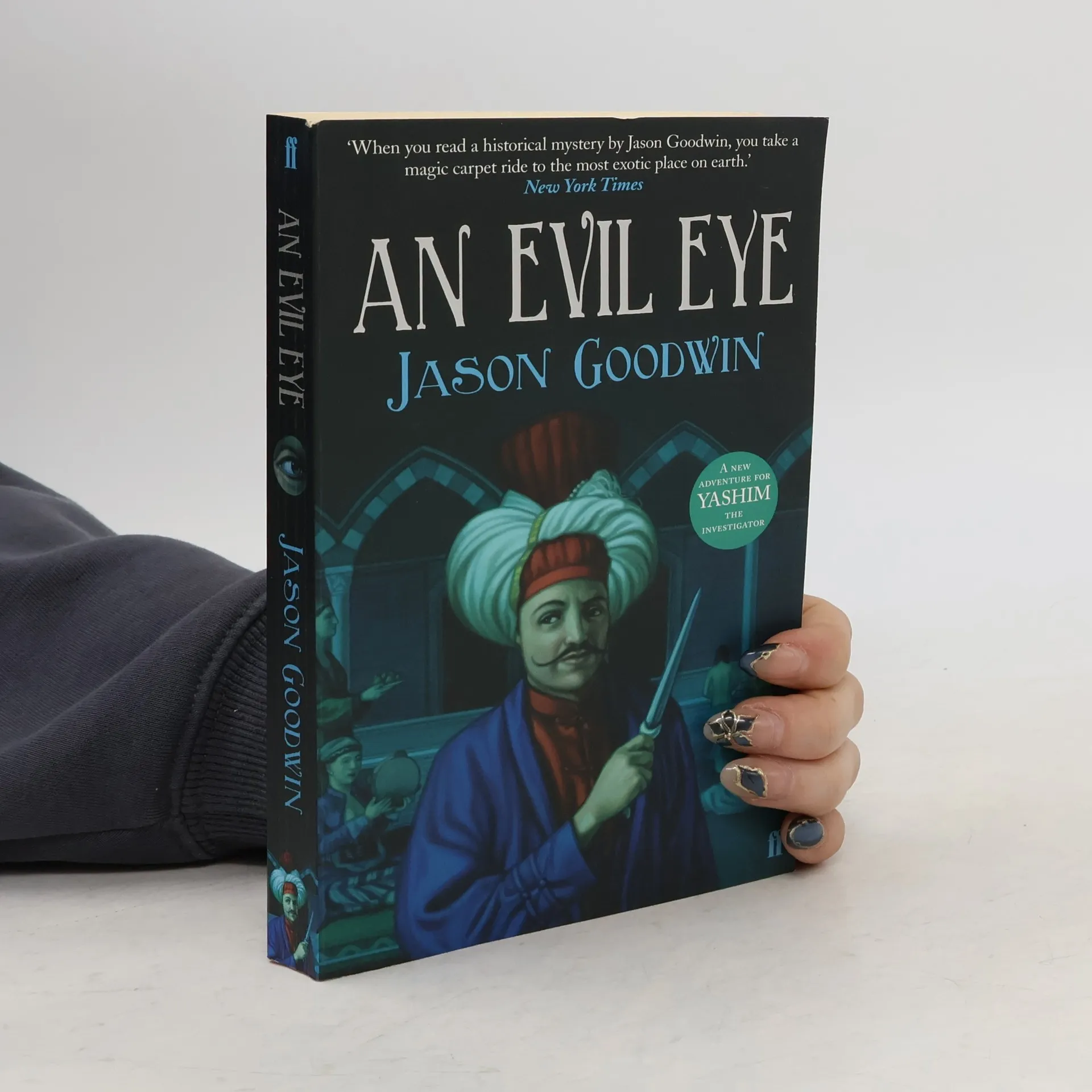
An Evil Eye
- 304 stránek
- 11 hodin čtení
When the body of a Russian agent is found down a monastery well, Yashim knows exactly who to blame. Fevzi Ahmet Pasha, commander of the Ottoman fleet. Years ago, when Yashim first entered the sultan's service, Fevzi Ahmet was his mentor. Ruthless, cruel, and - in Yashim's eyes - ultimately ineffective, he is the only man who makes him afraid. And now Yashim must confront the secret that Fevzi Pasha has been keeping all these years, a secret whose roots lie deep in the tortured atmosphere of the sultan's harem, where normal rules are suspended, and women can simply disappear. Once again, Yashim and his friends encounter treachery and politics, played out against the backdrop of 1840s Istanbul.
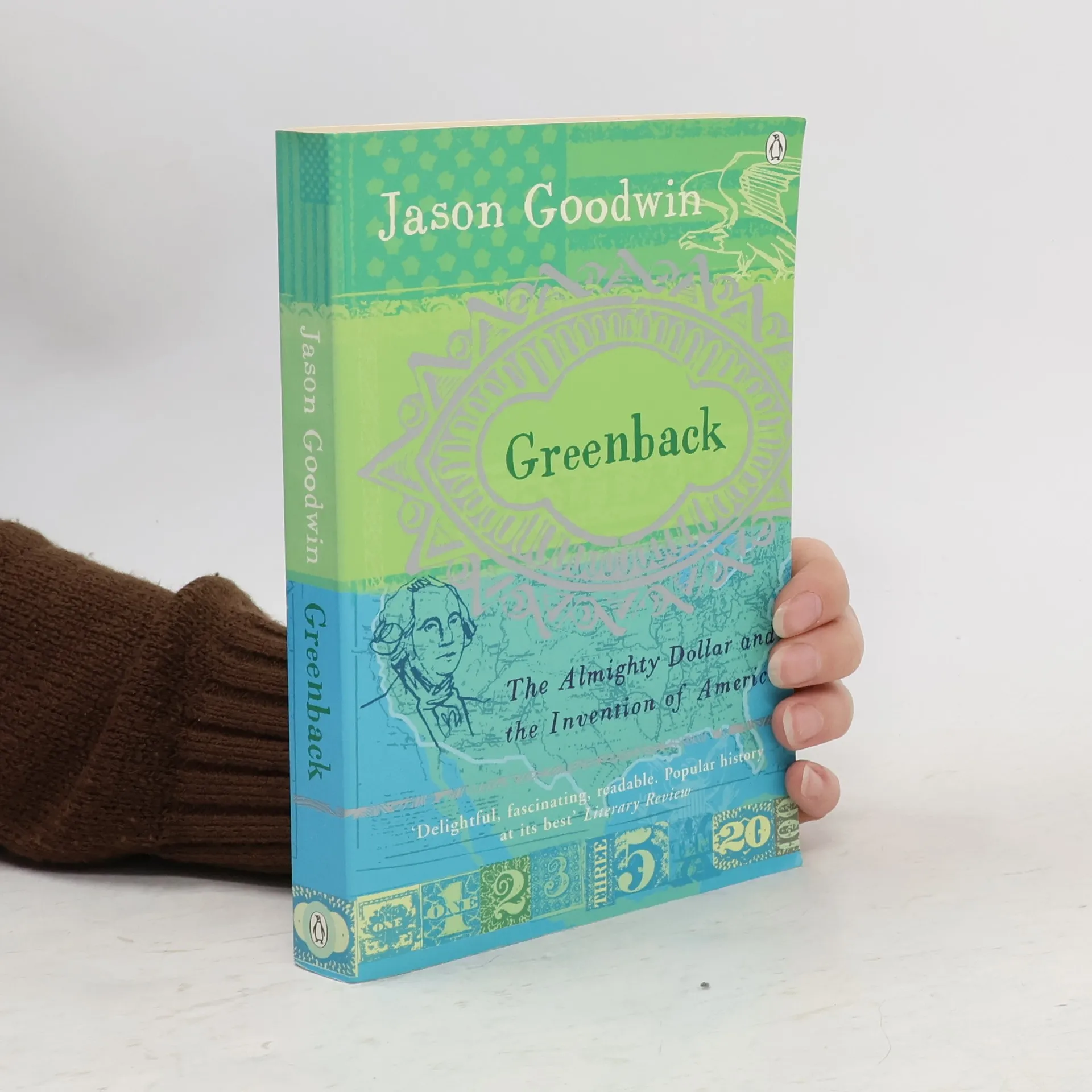
The story of the American dollar is the story of America itself, and in Greenback, Jason Goodwin tells the tale of how the country made the dollar and how the dollar helped make the country. Exploring everything from the meaning of the symbols on each greenback to how money works; from how it emerged out of a war to why it is now accepted everywhere, Goodwin packs his book with anecdotes, facts and figures, and the heroes and villains who in their own way made the dollar the most prevalent and sought after man-made object in the world today.
Learning Akka
- 274 stránek
- 10 hodin čtení
The Baklava Club
- 288 stránek
- 11 hodin čtení
In nineteenth-century Istanbul, a Polish prince has been kidnapped. His assassination has been bungled and his captors have taken him to an unused farmhouse. Little do they realize that their revolutionary cell has been penetrated by their enemies, who use the code name La Piuma (the Feather). Yashim is convinced that the prince is alive. But he has no idea where, or who La Piuma is - and has become dangerously distracted by falling in love. As he draws closer to the prince's whereabouts and to the true identity of La Piuma, Yashim finds himself in the most treacherous situation of his career: can he rescue the prince along with his romantic dreams? Jason Goodwin's bestselling 'Yashim' series has been published across the globe and received huge critical acclaim. In The Baklava Club, Goodwin takes Yashim on an adventure like no other, through the stylish, sensual world of Ottoman Istanbul.
The author's grandmothers spent their lives in China and India, daily observing the imperial custom of afternoon tea. Inspired by their memories, he set off to explore the fast-disappearing relics of their world - an exploration which reached back into the history of the tea trade. In a journey through the lost European cities of the China coast, the crumbling tea city of Calcutta, and the legendary gardens of Bohea and Darjeeling, the author evokes past and present with a sense of the ironies of history, following the tea trade from its origins in the Canton factories through the Opium Wars and the settlement of British India, to its influence in the present day.
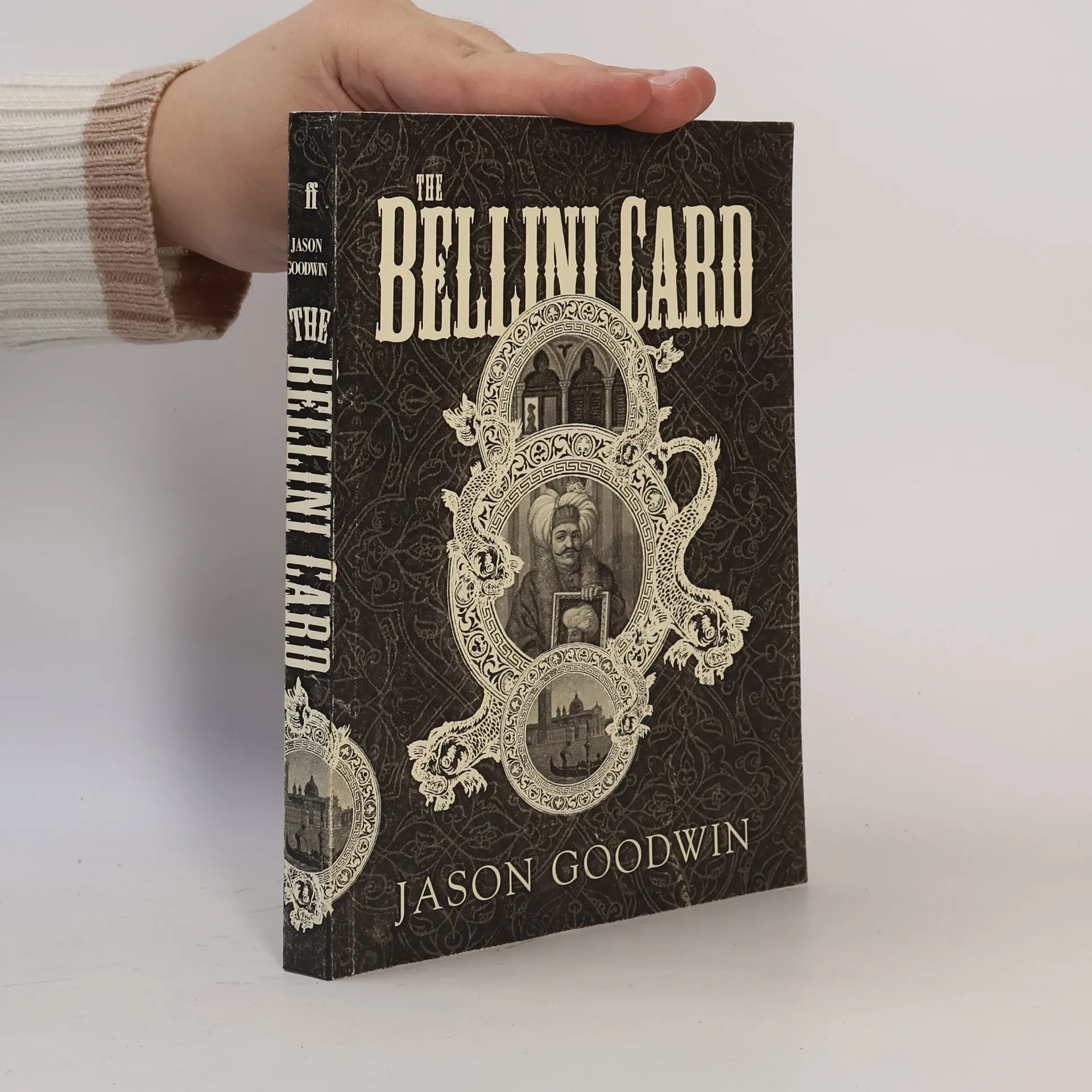
The Bellini Card
- 306 stránek
- 11 hodin čtení
Chosen by The Sunday Times as one of the 100 best crime novels since 1945, this captivating series features investigator Yashim, who embarks on a thrilling journey to Venice. Following the success of the Edgar Award-winning first novel, the series continues to enchant readers. In this installment, set in Istanbul in 1840, the new sultan, Abdülmecid, learns of a rumor that Bellini’s lost masterpiece, a portrait of Mehmet the Conqueror, may have resurfaced in Venice. Tasked with investigating the matter, Yashim cleverly sends his Polish ambassador friend, Palewski, in his place, knowing the sultan's advisers oppose any extravagant purchases. Disguised and navigating the shadows of a decaying Venice, Palewski finds himself amidst a dangerous chase for the painting, as a killer stalks the city. Various factions, including art dealers and faded aristocrats, are also on the hunt for the elusive Bellini. As the mystery deepens, questions arise about the true danger of the painting and its connection to the enigmatic Contessa d’Aspi d’Istria. With time running out, Yashim must unravel the intricate web of secrets before the killer strikes again.
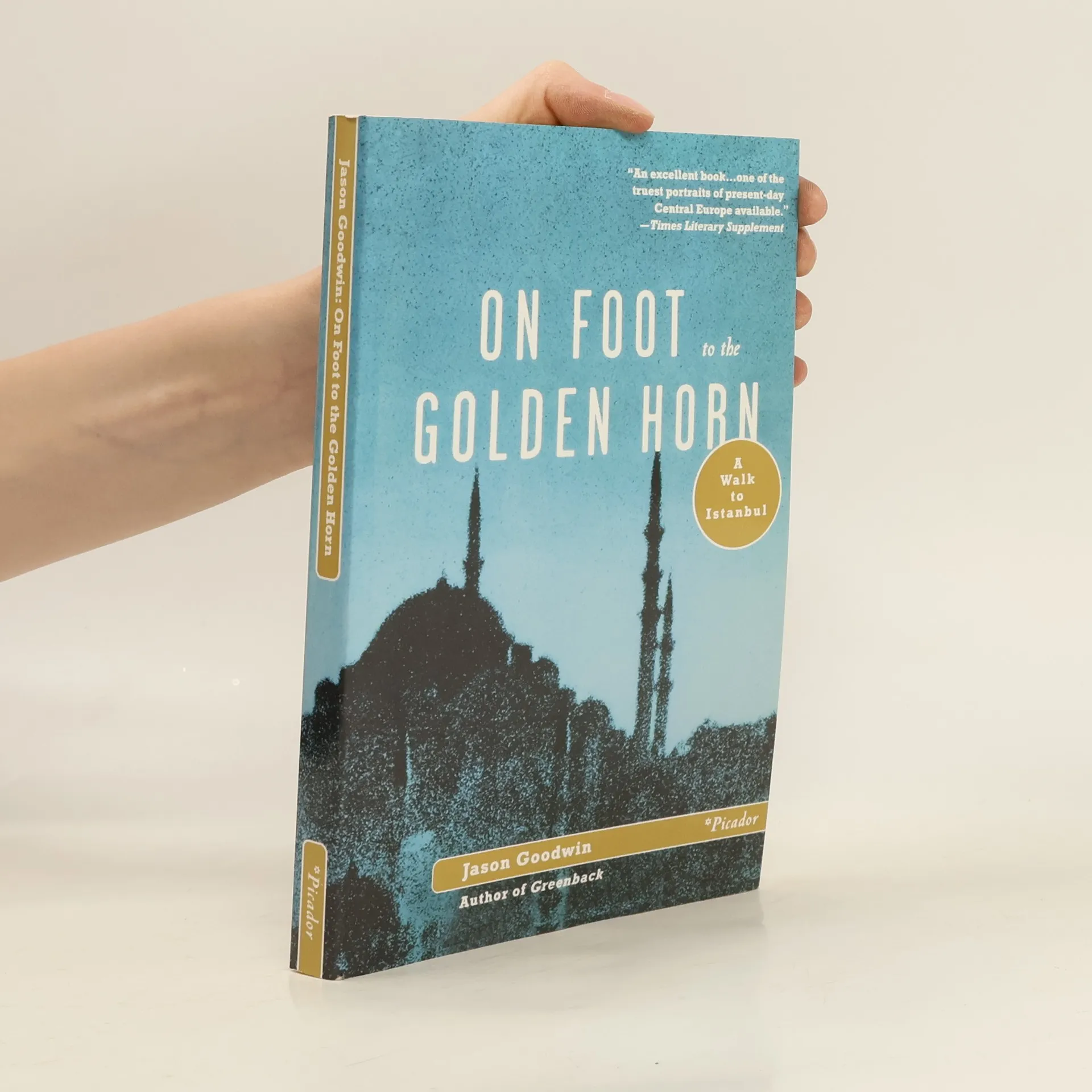
On Foot to the Golden Horn
- 288 stránek
- 11 hodin čtení
On Foot to the Golden Horn recounts Jason Goodwin's journey with two companions through Eastern Europe from the dikes and marshes of Poland's Baltic coast across to the Golden Horn in Istanbul. Along the way, they sleep in haystacks, drink with Gypsies, and play with Ceaucescu's orphans, meeting with blatant hostility and overwhelming hospitality as an older Europe tries to settle with itself, and a new one struggles to be born. It is the story of three friends' walk through some of the world's most beautiful and tragic places, and of their encounters with a varied and vivid cast of characters
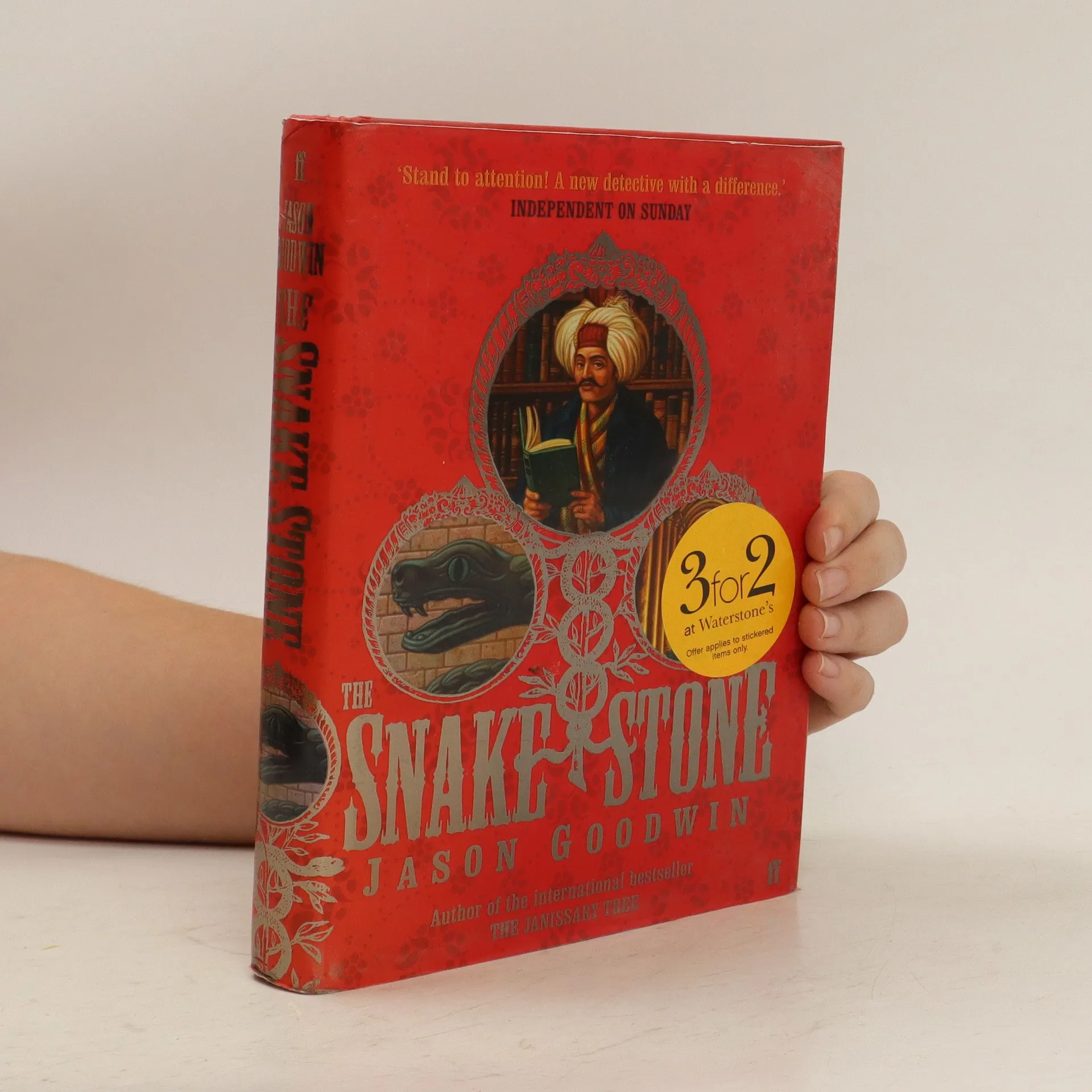
The Snake Stone
- 320 stránek
- 12 hodin čtení
"When a French archaeologist arrives in 1830s Istanbul determined to track down a lost Byzantine treasure, the local Greek communities are uncertain how to react; the man seems dangerously well-informed. Yashim Togalu, who so brilliantly solved the mysterious murders in The Janissary Tree, is once again enlisted to investigate. But when the archaeologist's mutilated body is discovered outside the French embassy, it turns out there is only one suspect: Yashim himself." "Yashim finds himself racing against time once again, to clear his name and uncover the startling truth behind a shadowy society dedicated to the revival of the Byzantine Empire, encountering along the way such vibrant characters as Lord Byron's doctor and the sultan's West Indies-born mother, the valide. Never has the age-old fight between Christianity and Islam taken place amid such thrilling intrigue. Armed only with a unique sixteenth-century tome, the dashing eunuch ushers us into a high-stakes world of betrayal, death, and exhilarating mystery."--Jacket
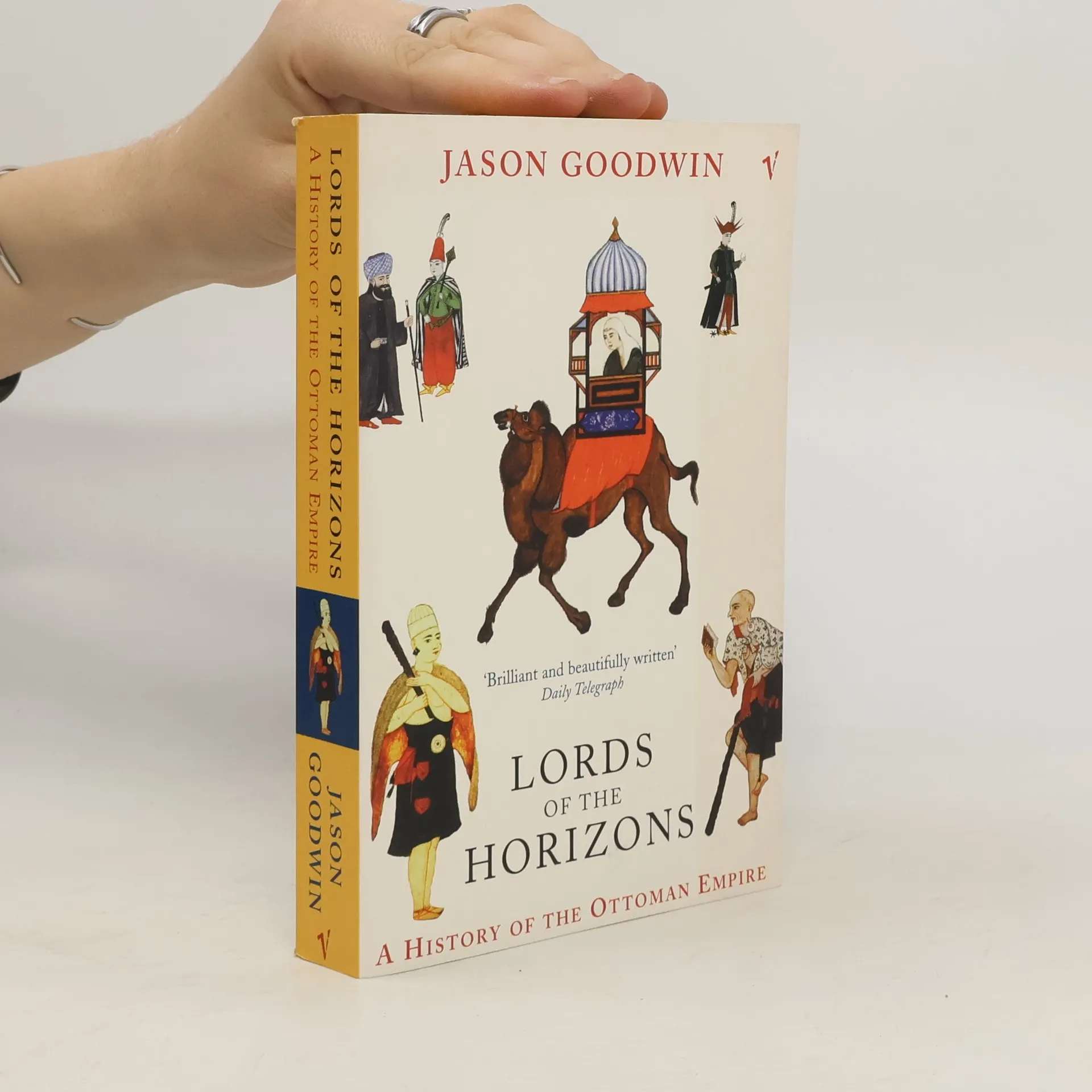
A history of the Ottoman Turks, founders of an empire lasting 600 years and stretching from the Persian Gulf to Hungary, to Algeria. The author describes the harems, the artistic and technological achievements--the cannon was first used by them in the siege of Constantinople--and the religious tolerance to which he attributes the empire's longevity.