Consolidated B-24 Liberator
- 256 stránek
- 9 hodin čtení
This book focuses on the design, engineering, development and tactical use of the many variants throughout the bombers service life. číst celé



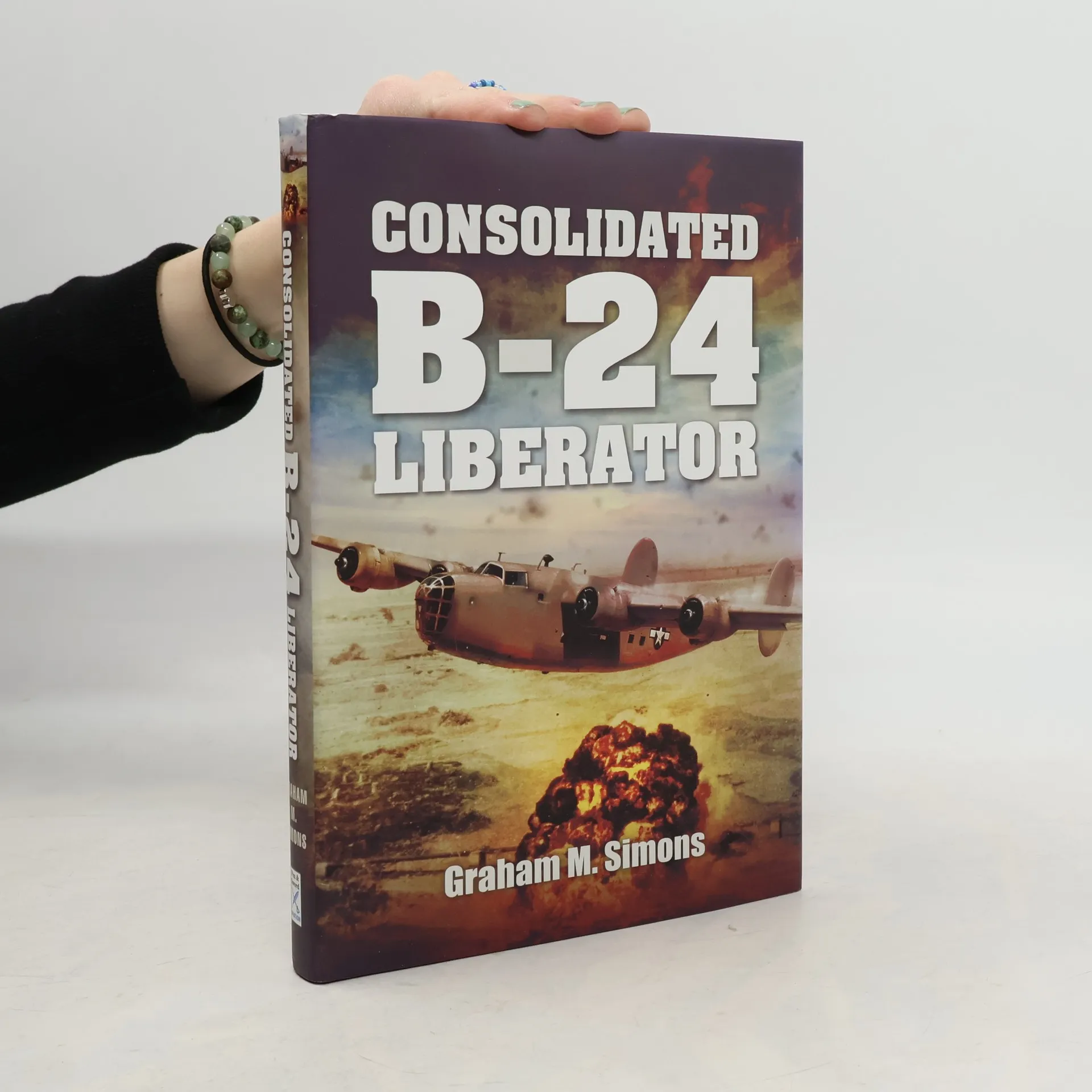
This book focuses on the design, engineering, development and tactical use of the many variants throughout the bombers service life. číst celé
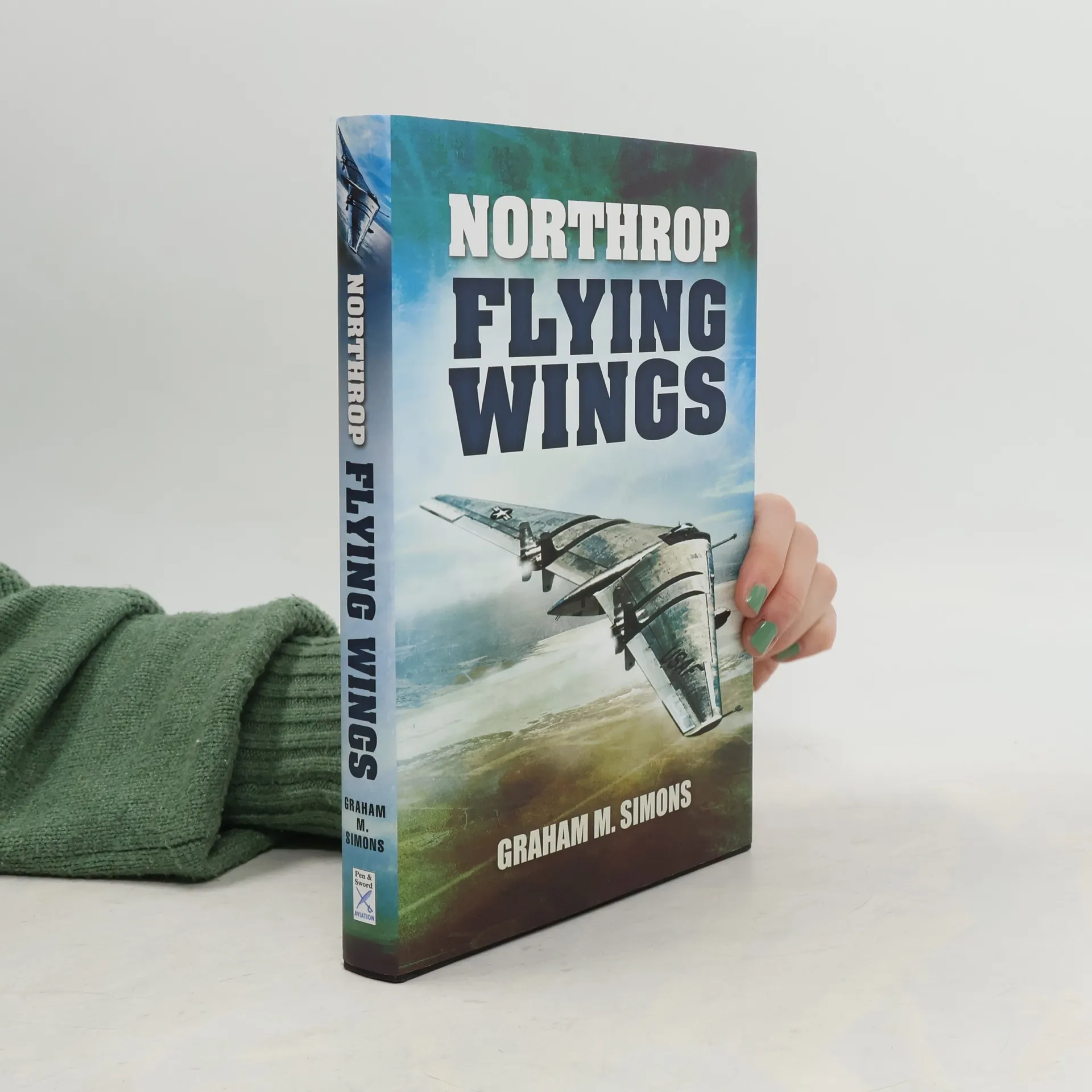
Charts the early history of the 'flying wing' design, an important advancement in the field of aeronautics. Profiles Jack Northrop, a recognized and respected aeronautics engineer and industrial designer who strove to push the barriers of aircraft capability.
Works to highlight the great initiative of aviation engineers working during one of the most pivotal periods of military/aviation history
A full and comprehensive history of De Havilland Enterprises. Acquaints the reader with the man behind the company, Captain Sir Geoffrey de Havilland. Charts all the milestones and landmarks of an illustrious career.
The Boeing B-29 Superfortress, a four-engined heavy bomber, was primarily used by the United States during World War Two and the Korean War, remaining in service in various roles throughout the 1950s. The British Royal Air Force referred to it as Washington, while the Soviet Union produced an unlicensed copy known as the Tupolev Tu-4. Its name, Superfortress, was inspired by the B-17 Flying Fortress. As one of the largest aircraft of its time, the B-29 featured advanced technology, including pressurized cabins, an electronic fire-control system, and remote-controlled machine-gun turrets. Designed for high-altitude daytime missions, it often conducted low-altitude nighttime incendiary bombings, playing a key role in the American firebombing campaign against Japan and carrying the atomic bombs that devastated Hiroshima and Nagasaki. Unlike many contemporaries, the B-29 continued to serve long after the war, with some even used as flying television transmitters, before being retired in the early 1960s after 3,960 units were built. This work aims to accurately document the B-29's achievements and shortcomings, utilizing primary sources and covering all variants, complemented by extensive illustrations.