Mistrovský román klasika moderní japonské literatury, ve kterém citlivě a působivě ztvárnil generační střet v zemi procházející prudkou přeměnou. Román Kokoro (japonské slovo znamená srdce, ale také mysl, duch či cítění) je považován za vrcholné dílo Sóseki Nacumeho, ve kterém mistrně ztvárnil hluboké rozpory japonské společnosti na sklonku éry Meidži (1868–1912). Mladý student se setkává s profesorem, starším mužem, který se drží stranou společnosti, a jeho ženou. Postupně proniká do tajemství profesorova života a odhaluje jeho třináctou komnatu, tragickou smrt jeho přítele ze studií. Nacumeho román je také vylíčením propasti mezi starší a mladší generací, která významně poznamenala Japonsko na počátku moderní éry a je opět aktuální dnes, v době globalizace. Není divu, že celosvětově roste zájem o Sósekiho dílo a samotné Kokoro se dočkalo v posledních letech řady překladů do světových jazyků, mimo jiné již třetího překladu do angličtiny.
Oscar Benl Knihy



Essays in Idleness
- 224 stránek
- 8 hodin čtení
Offers two works on life's fleeting pleasures by Buddhist monks from medieval Japan, but each shows a different world-view. This book includes ribald stories of drunken monks to aching nostalgia for the fading traditions of the Japanese court.
The Tale of Genji
- 256 stránek
- 9 hodin čtení
Completed in the early 11th century, The Tale of Genji is considered the supreme masterpiece of Japanese prose literature, and one of the world's earliest novels. A work of great length, it comprises six parts, the first part of which (also called The Tale of Genji) is reprinted here. The exact origins of this remarkable saga of the nobility of Heian Japan remain somewhat obscured by time, although its author, Lady Shikibu Murasaki, presumably derived many of her insights into court life from her years of service with the royal family. The novel centers on the life and loves of the prince known as "the shining Genji." Far more than an exotic romance, however, the tale presents finely drawn characters in realistic situations, set against a richly embroidered tapestry of court life. Moreover, a wistful sense of nostalgia pervades the accounts of courtly intrigues and rivalries, resulting in an exquisitely detailed portrayal of a decaying aristocracy. Vibrant in its poetry and wordplay, subtle in its social and psychological observations, this work ranks in stature and significance with such Western classics as Cervantes' Don Quixote and Proust's Remembrance of Things Past. This inexpensive edition, featuring Arthur Waley's splendid translation of the first of the six-part series, offers readers a memorable taste of one of the world's first and greatest novels.
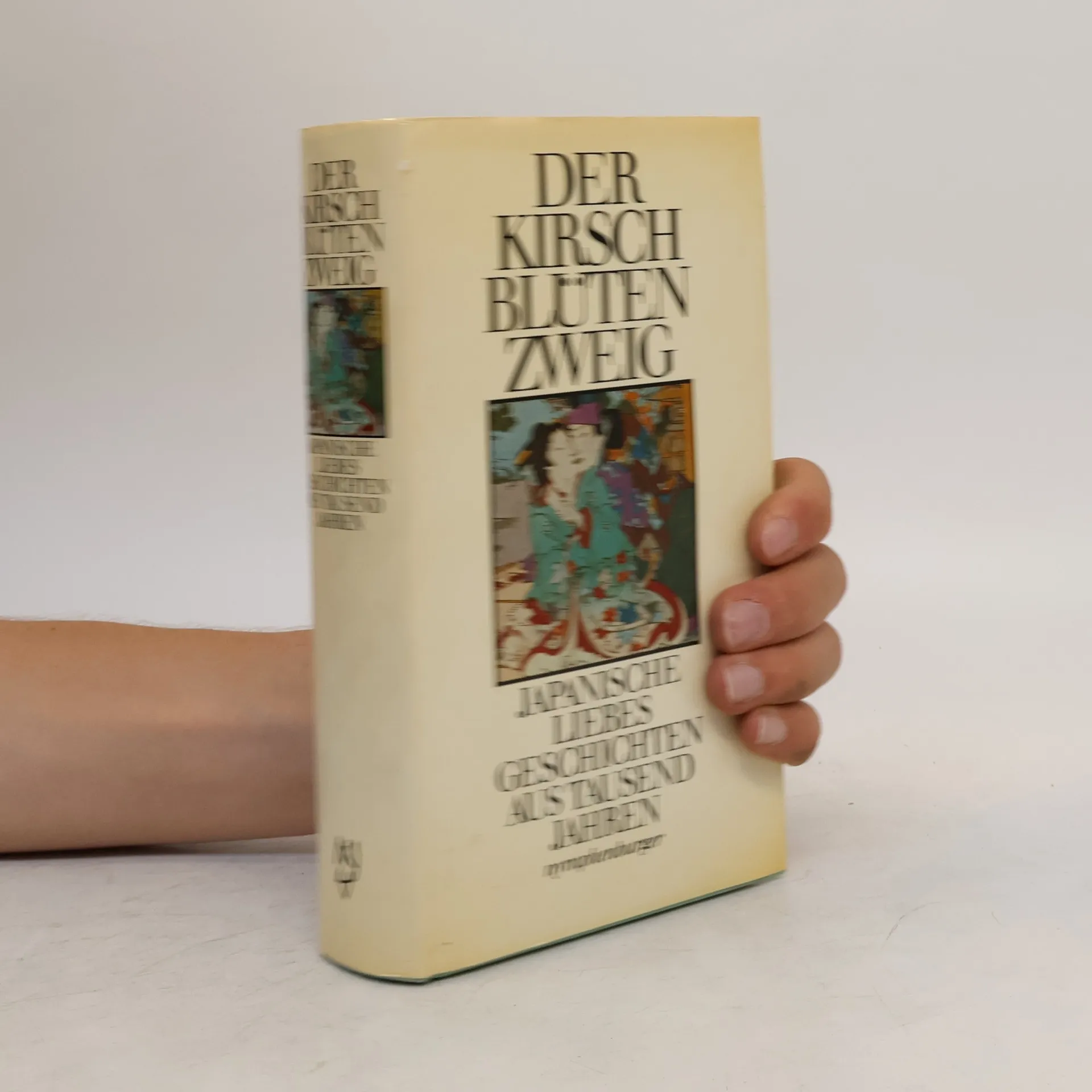
Der Kirschblütenzweig
japan. Liebesgeschichten aus tausend Jahren
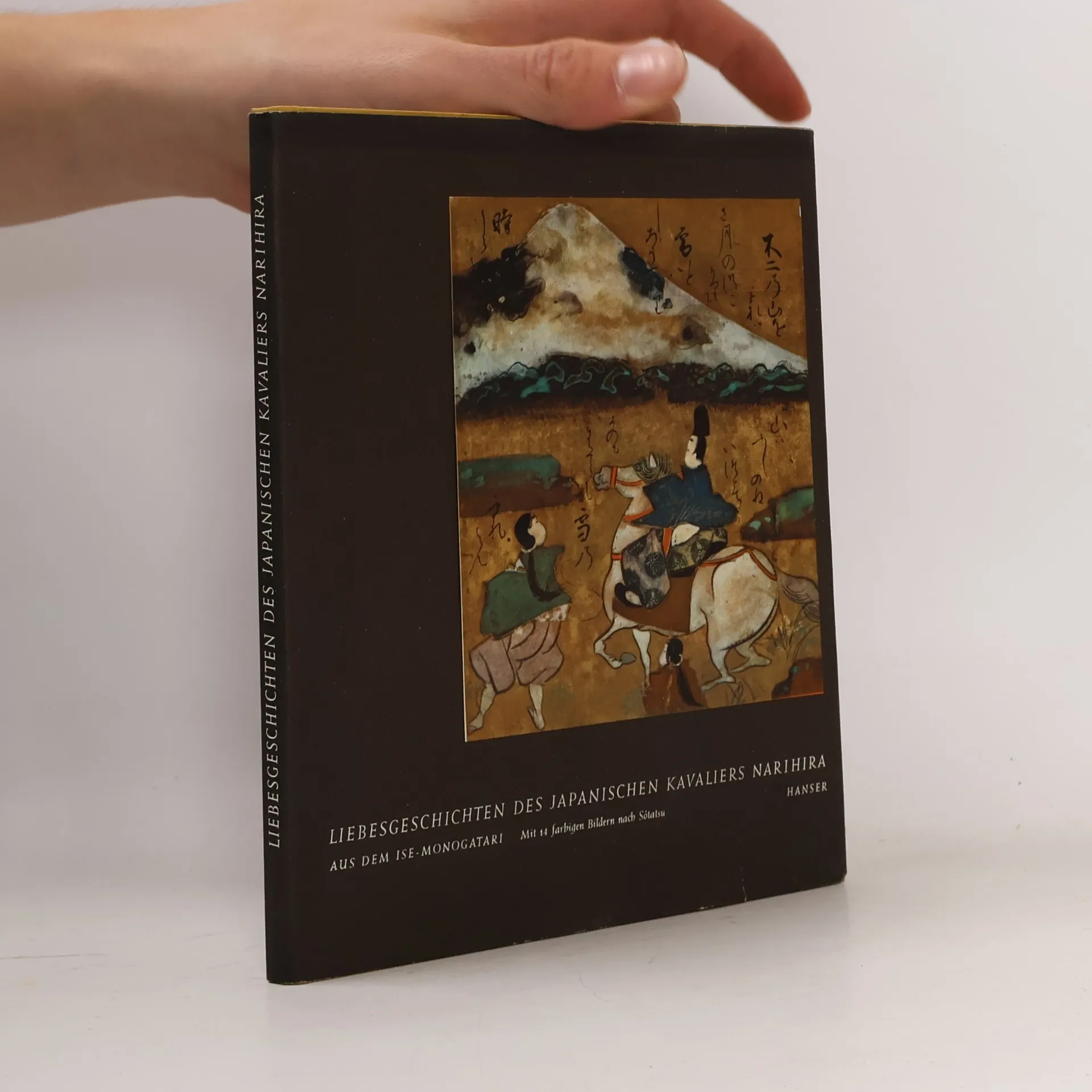
LIEBESGESCHICHTEN DES JAPANISCHEN KAVALIERS NARIHIRA
AUS DEM ISE-MONOGATARI