Poutník 3
- 32 stránek
- 2 hodiny čtení
Jedná se o sešitovou řadu Poutník, v tomto případě třetí číslo této řady, jež obsahuje povídky Věc od J. W. Campbella a Gwahlurův poklad od R. E. Howarda.


John Wood Campbell Jr. je považován za klíčovou postavu americké science fiction. Jako šéfredaktor časopisu Astounding Science Fiction, později Analog Science Fiction and Fact, od konce roku 1937 až do své smrti, je obecně uznáván za formování tzv. Zlatého věku science fiction. Campbell sám psal jako autor jak dobrodružné vesmírné opery pod vlastním jménem, tak náladovější, méně pulpové příběhy pod pseudonymem Don A. Stuart. Po převzetí redakce Astounding s psaním beletrie přestal.


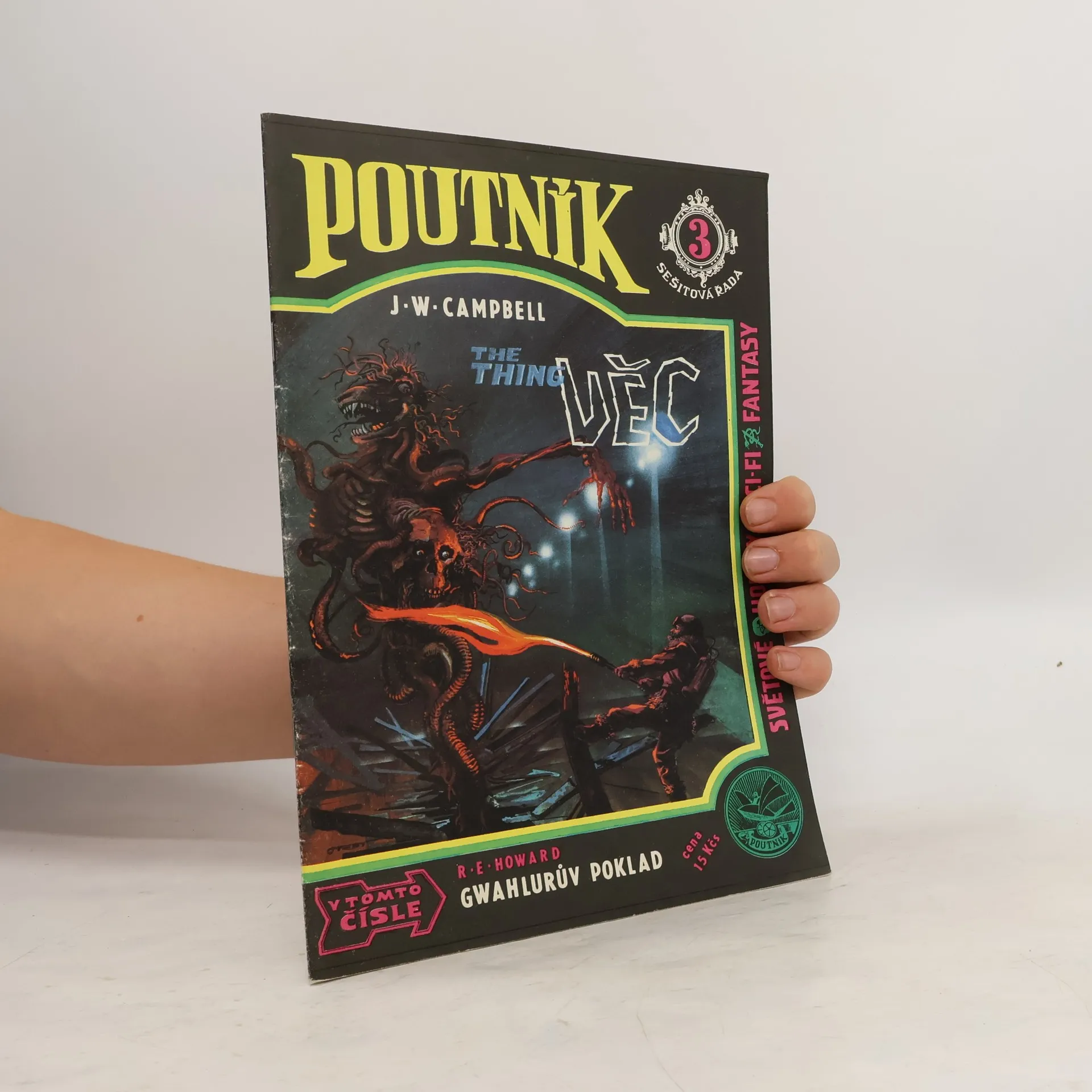
Jedná se o sešitovou řadu Poutník, v tomto případě třetí číslo této řady, jež obsahuje povídky Věc od J. W. Campbella a Gwahlurův poklad od R. E. Howarda.
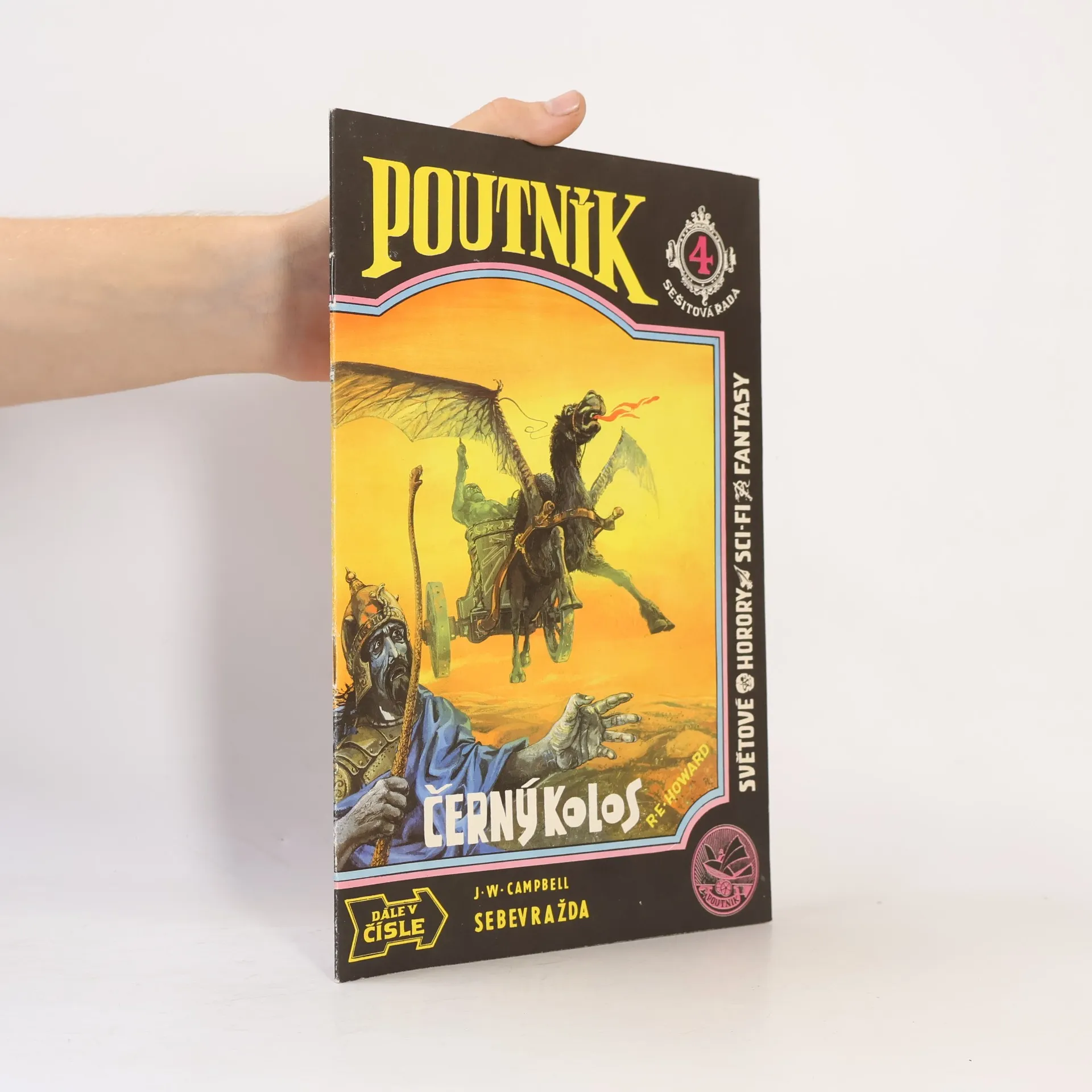
Čtvrté číslo Poutníka se skládá ze tří povídek: první dvě vzešly z pera Roberta Ervina Howarda a setkáme se v nich opět s hrdinou Conanem. Autorem třetí povídky je John W. Campbell Jr., redakce zde dostala svolení k jejímu vydání ze strany správců autorovy pozůstalosti.
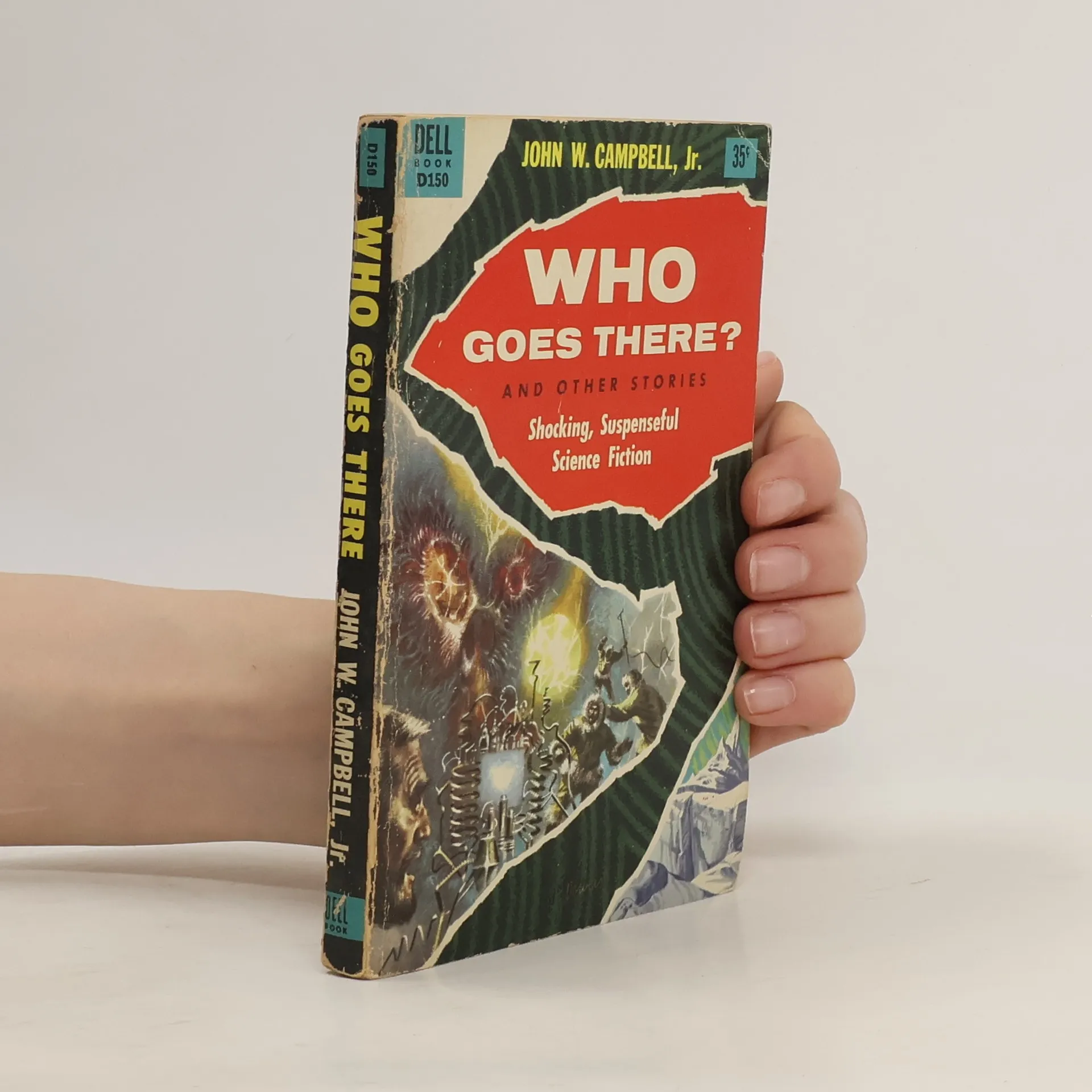
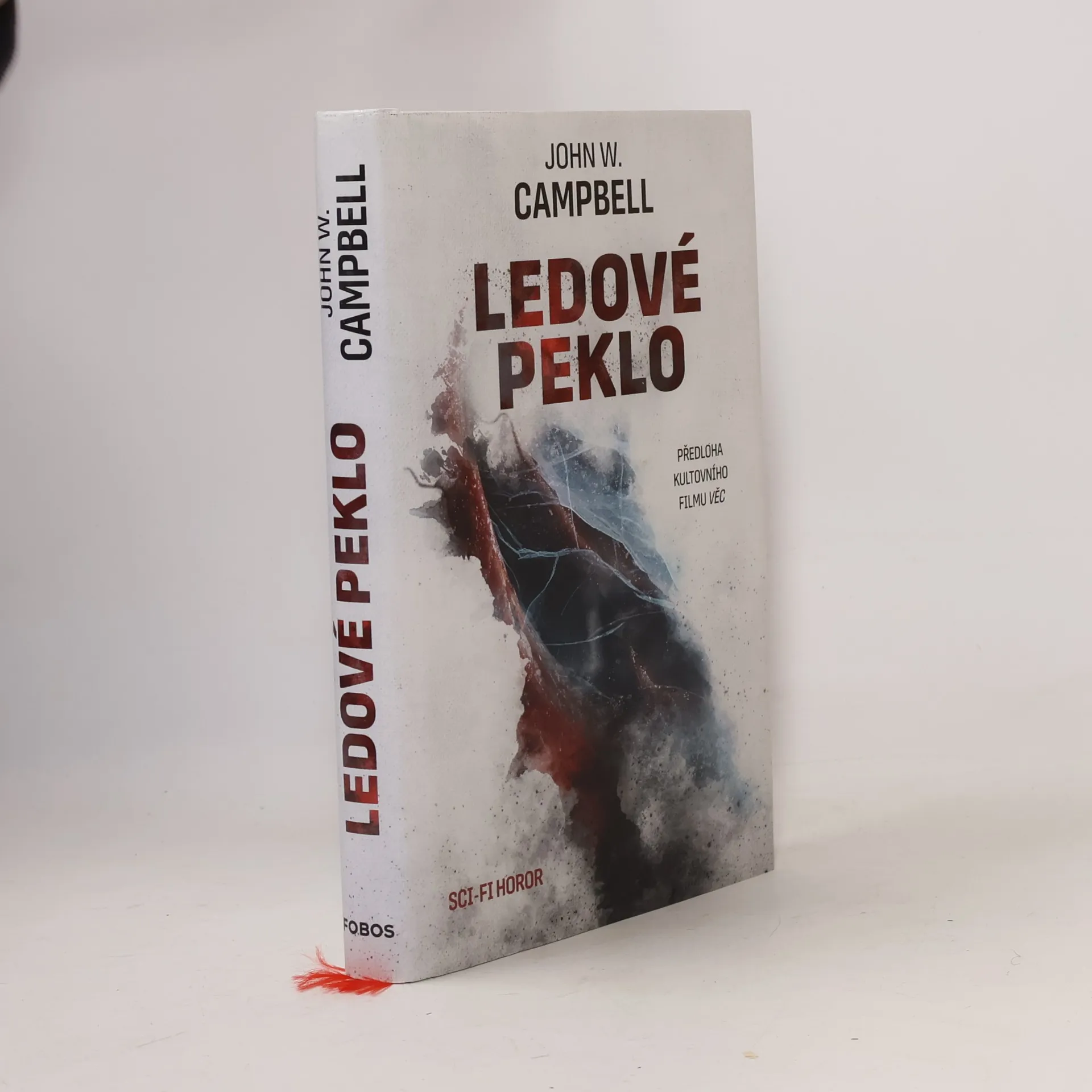
Krátký román Ledové peklo (Frozen Hell) byl v roce 2018 objeven mezi písemnostmi Johna W. Campbella Jr., uloženými v knihovně Harvardské univerzity. Jde o dřívější, delší a za autorova života nevydanou verzi jeho slavné povídky „Kdo je tam?“, v níž vědci z antarktické výzkumné stanice objeví pod nedotčeným ledovým příkrovem obludnou mimozemskou bytost. V důsledku několika neuvážených kroků dopustí, aby se zdánlivě mrtvý a neškodný vetřelec probudil k životu. Následuje napínavé a tísnivé dobrodružství, boj lidí s tvorem ovládajícím stěží představitelné umění transformace. Příběh patří do zlatého fondu science fiction a je obecně známý především díky filmovému zpracování Johna Carpentera pod názvem Věc. Ledové peklo publikovanou povídku rozšiřuje o tři kapitoly, příběhu dodává plastičtější pozadí a kontext a je verzí, v níž chtěl Campbell svůj příběh původně předložit čtenářům. Z tohoto hlediska jde o pozoruhodný literární artefakt, který by neměl uniknout pozornosti žádného fanouška klasické science fiction.
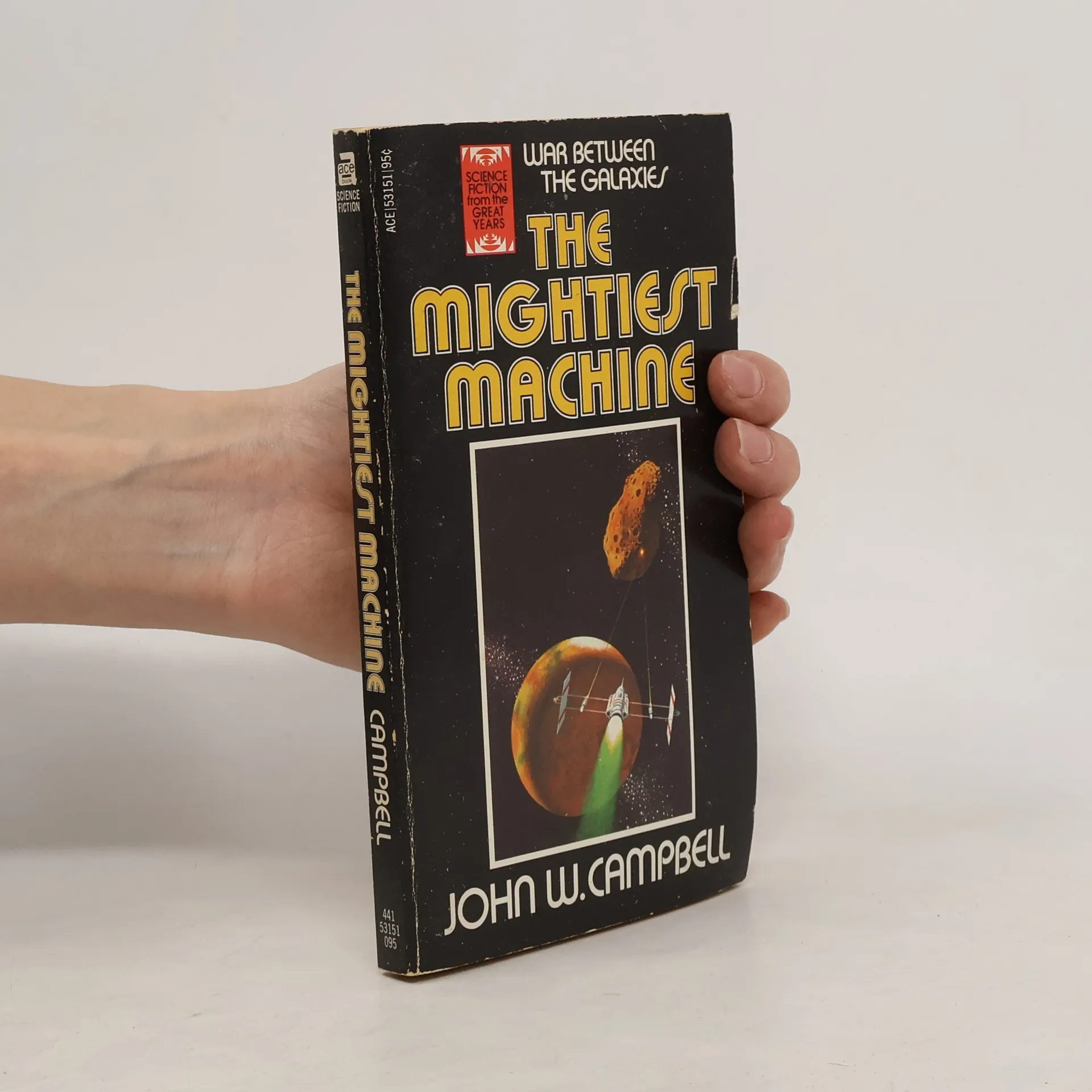
The trio of scientist-explorers, Arcot, Wade and Morey, voyage to the outer reaches of the universe. Their trip culminates in a space battle of epic proportions!
John Campbell shows that the general structural features of human thought can be seen as having their source in the distinctive ways in which we think about space and time.
Set in a fantastical world, the story follows a sky pirate who wields advanced weaponry of his own design. As he navigates treacherous skies, he faces formidable foes and unravels a web of intrigue. Themes of innovation and rebellion are woven throughout, highlighting the pirate's quest for freedom and adventure. The narrative promises thrilling aerial battles and a rich exploration of loyalty, betrayal, and the quest for power in a vibrant, steampunk-inspired setting.
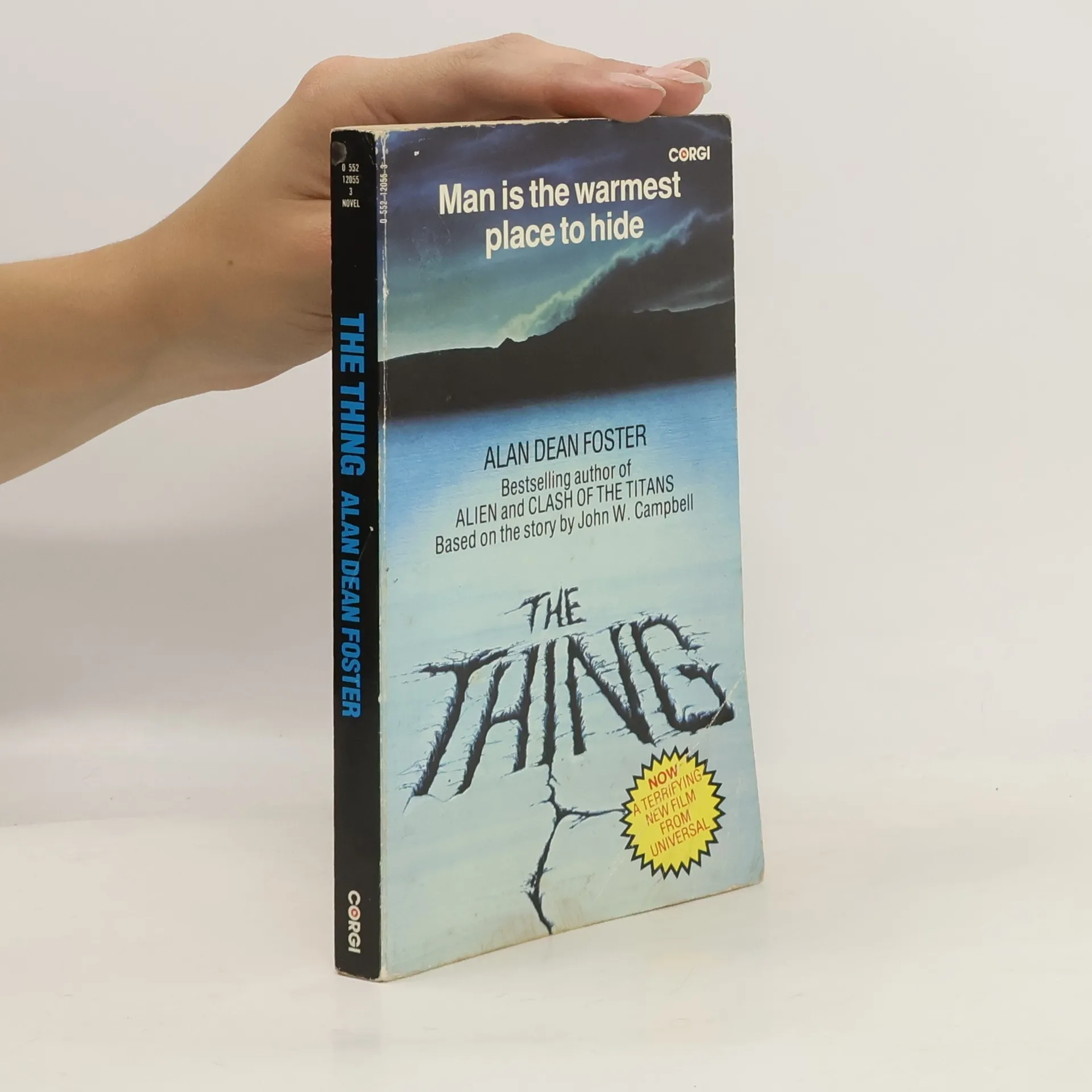
It fell from the sky and lay buried in ice for 100,000 years. Soon it will be free... TWELVE MEN Trapped in the Antarctic. ELEVEN Discover the intruder. TEN Battle the alien force. NINE Agonise for the answer. EIGHT Desperate to be spared. SEVEN Consumed one by one. SIX...FIVE...FOUR...THREE... They will all die. Unless something, anything stops... THE THING ----------------------------- Novelization by American author Alan Dean Foster of screenplay to the 1982 Hollywood film "The Thing" directed by John Carpenter and written by Bill Lancaster, based on the short story "Who Goes There?" by John W. Campbell, Jr.
Set a million light-years from Earth, the story unfolds aboard a solitary experimental spaceship surrounded by an array of mysterious starships. This fleet is propelled into the uncharted depths of space, driven by a groundbreaking concept in space mechanics. The narrative explores themes of exploration, innovation, and the unknown, as characters navigate the challenges and wonders of a vast, uncharted universe.
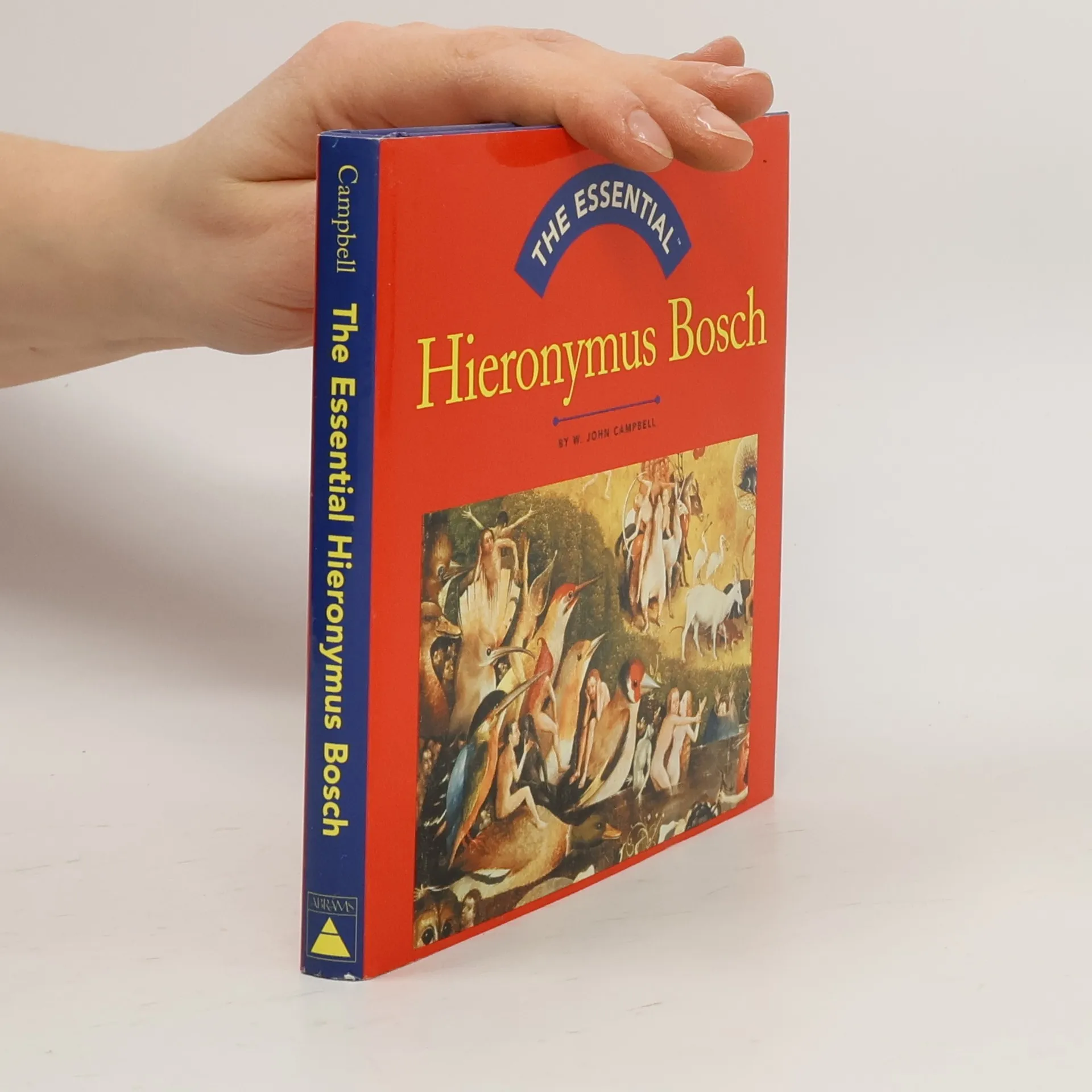
Tells how Bosch became rich selling his paintings, used grotesque symbols to tell Bible stories, turned the multipaneled forms of his painting into popular entertainment, and became the forerunner of the 20th-century Surrealists.
the Complete, Classic Space Opera Series-The Black Star Passes, Islands of Space, Invaders from the Infinite
Set in the twenty-second century, this collection features a trio of brilliant scientists—Arcot, Morey, and Wade—who confront interplanetary wars and alien threats. The stories, including "The Black Star Passes," "Islands in Space," and "Invaders from the Infinite," are celebrated for their hard science fiction approach, grounded in the scientific understanding of their time. Known for their fast-paced action and adventure, these tales showcase the dynamic teamwork of the protagonists as they tackle formidable challenges in a richly imagined universe.
Set in 2129, the story follows scientists Arcot, Wade, and Morey as they aid a doglike alien race in defending their solar system from a looming threat. Their adventure spans across various solar systems, showcasing their unique ability to construct battle spacecraft from pure matter using the power of their minds. This blend of science fiction and imaginative technology explores themes of collaboration and ingenuity in the face of danger.
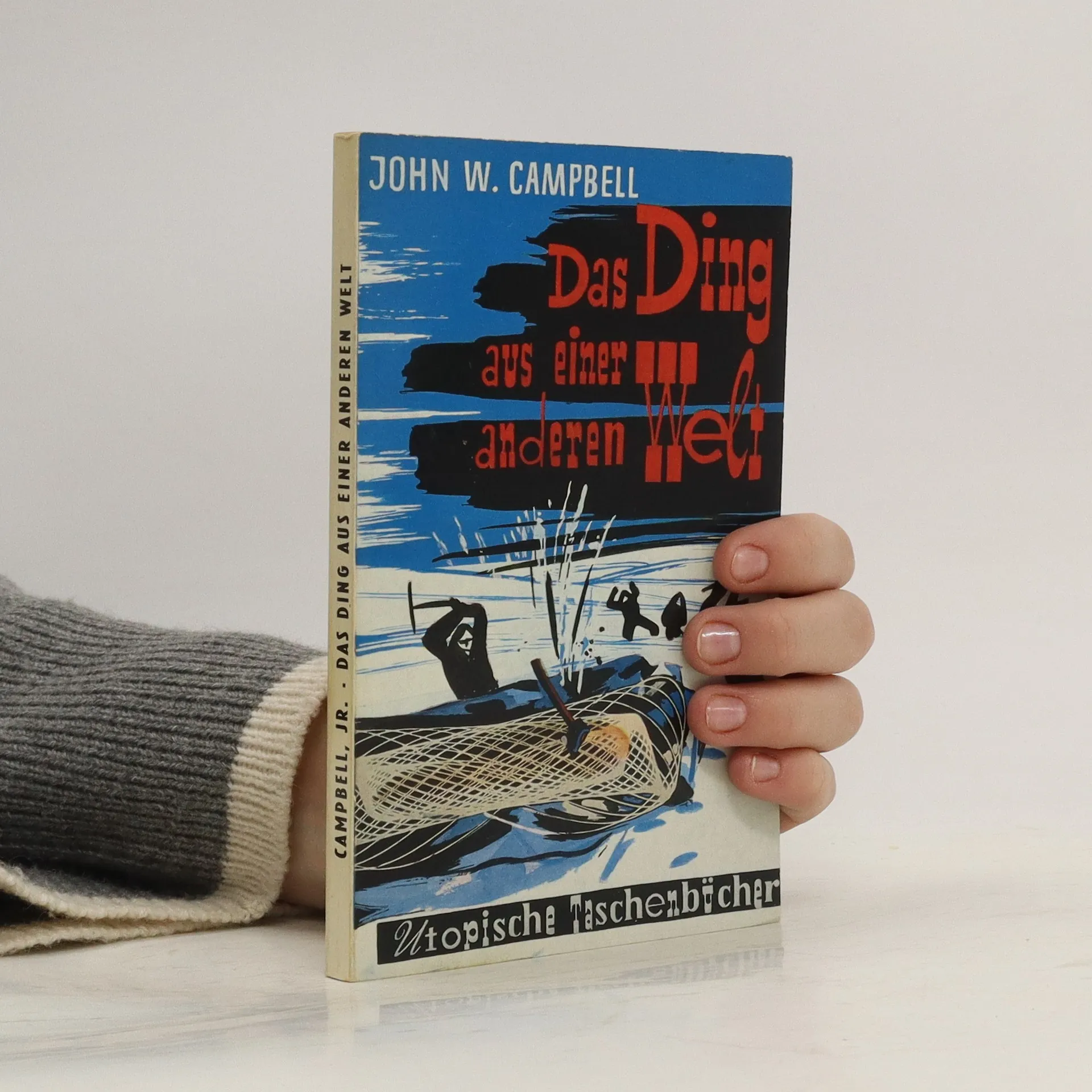
Das Ding aus einer anderen Welt - der SF-Horror-Klassiker, neu übersetzt. Ein amerikanisches Forschungsteam wird in der Antarktis von einer außerirdischen Lebensform bedroht, die in der Lage ist, ihre Gestalt beliebig zu verändern ... The Thing - Das Ding aus einer anderen Welt wurde bereits mehrmals verfilmt. SF and Fantasy Writers of America: »Eine der besten Science-Fiction-Novellen aller Zeiten.« Parasite Deep - Parasiten der Tiefsee - ein abgedrehter maritimer Albtraum. Onkel Pete, Fischer aus Berufung und ziemlich schräg, steuert Ben und seine Jungs an eine geheime Stelle mitten im Meer, damit sie einmal so einen richtig fetten Brocken aus dem Meer holen. Dort entpuppt nicht nur er sich als mörderischer Psycho, sondern der gesamte Ozean dreht plötzlich durch. Das Wasser brodelt vor monströsen Kreaturen aus der Tiefe, ihre Körper sind verkrustet mit seltsamen Seepocken, aus denen gierige Tentakel nach allem greifen, was einen Puls hat ... Bentley Little: »Unerbittlich, extrem, hart, talentiert. Shane McKenzie steht an der Spitze der jungen Horrorautoren.« Dies ist ein Festa Double - zwei Romane in einem Band, mit Wendecover. Als eBook werden sie einzeln veröffentlicht.
Aarn Munro wurde auf dem Jupiter geboren, als Kind von Forschern von der Erde, die das Sonnensystem erkundeten – und dabei auf der lebensfeindlichen Riesenwelt gestrandet sind. Als er zwanzig Jahre alt war, sah er zum ersten Mal ein Schiff landen, dass den Jupiter auch wieder verlassen konnte. Dank der hohen Schwerkraft, unter der Aarn aufwuchs, verfügt er über beinahe übermenschliche Kräfte, die er nach Abschluss seiner Studien in den Dienst der Spencer-Rocket-Gesellschaft stellt. Zusammen mit seinen Freunden Russ Spencer und Don Carlisle stürzt er sich nun mit einem neuartigen Raumschiff, der Sunbeam, in das Abenteuer seines Lebens …
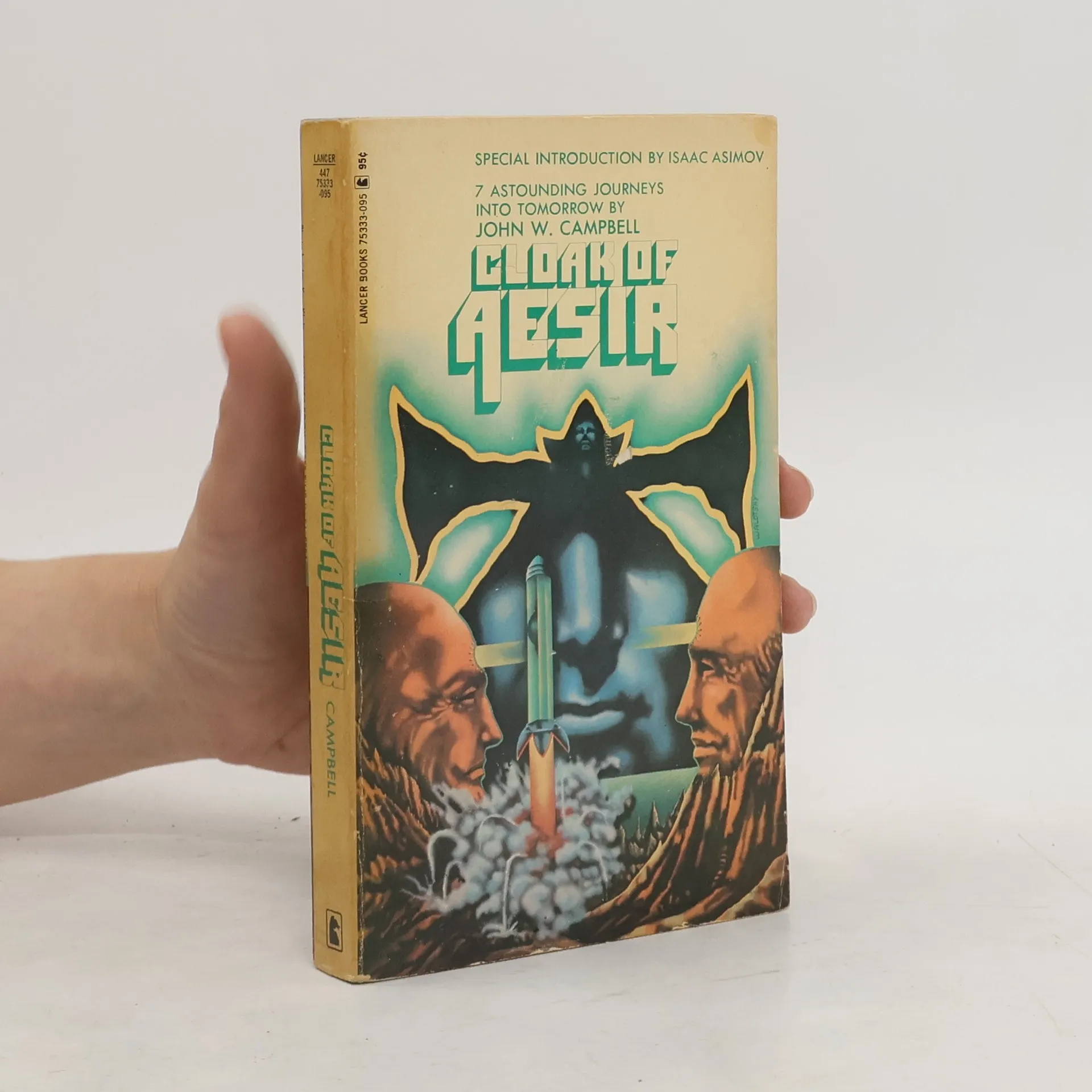
An anthology of stories by John W. Campbell, translated into German: 1) Die letzte Evolution - The Last Evolution 2) Dämmerung - Twilight 3) Die Maschine - The Machine 4) Die Invasoren - The Invaders 5) Rebellion - Rebellion 6) Blindheit - Blindness 7) Auslöschung - Elimination 8) Vergeßlichkeit - Forgetfulness 9) Aus der Nacht - Out of the Night 10)Der Mantel des Aesir - Cloak of Aesir 11)Wer geht da? - Who Goes There? 12)Der Weltraum für die Industrie - Space for Industry