Knihobot

Florian Klug

    Der Fürst dieser Welt
    The Fragility of Language and the Encounter with God
    Beyond the Visible Church
    • Beyond the Visible Church

      The Motif of the ecclesia ab Abel from Augustine to James Alison

      • 448 stránek
      • 16 hodin čtení

      The book explores the Abel motif's influence on Christian theology and ecclesiology throughout history. By examining interpretations from key theologians such as Augustine, Bonaventure, and Martin Luther, the author illustrates how this biblical motif has shaped the Church's self-understanding and development. Klug's analysis reveals the evolving narrative of the Church and offers insights into God's universal will for salvation, inviting readers to reconsider their perspectives on theological tradition and its implications for faith.

      Beyond the Visible Church
    • The Fragility of Language and the Encounter with God

      On the Contingency and Legitimacy of Doctrine

      • 146 stránek
      • 6 hodin čtení

      Exploring the intersection of language, perception, and theology, this book examines how the contingency of language influences humanity's encounter with God. Klug integrates contemporary philosophical insights, particularly from Zizek and Badiou, to argue that the subjective experience of the divine is transformed into language within a communal context. It questions the authority of the speaking subject in articulating truths about the Absolute and probes the role of the Christian faithful in assessing this authority, enriching the discussion of doctrinal development.

      The Fragility of Language and the Encounter with God
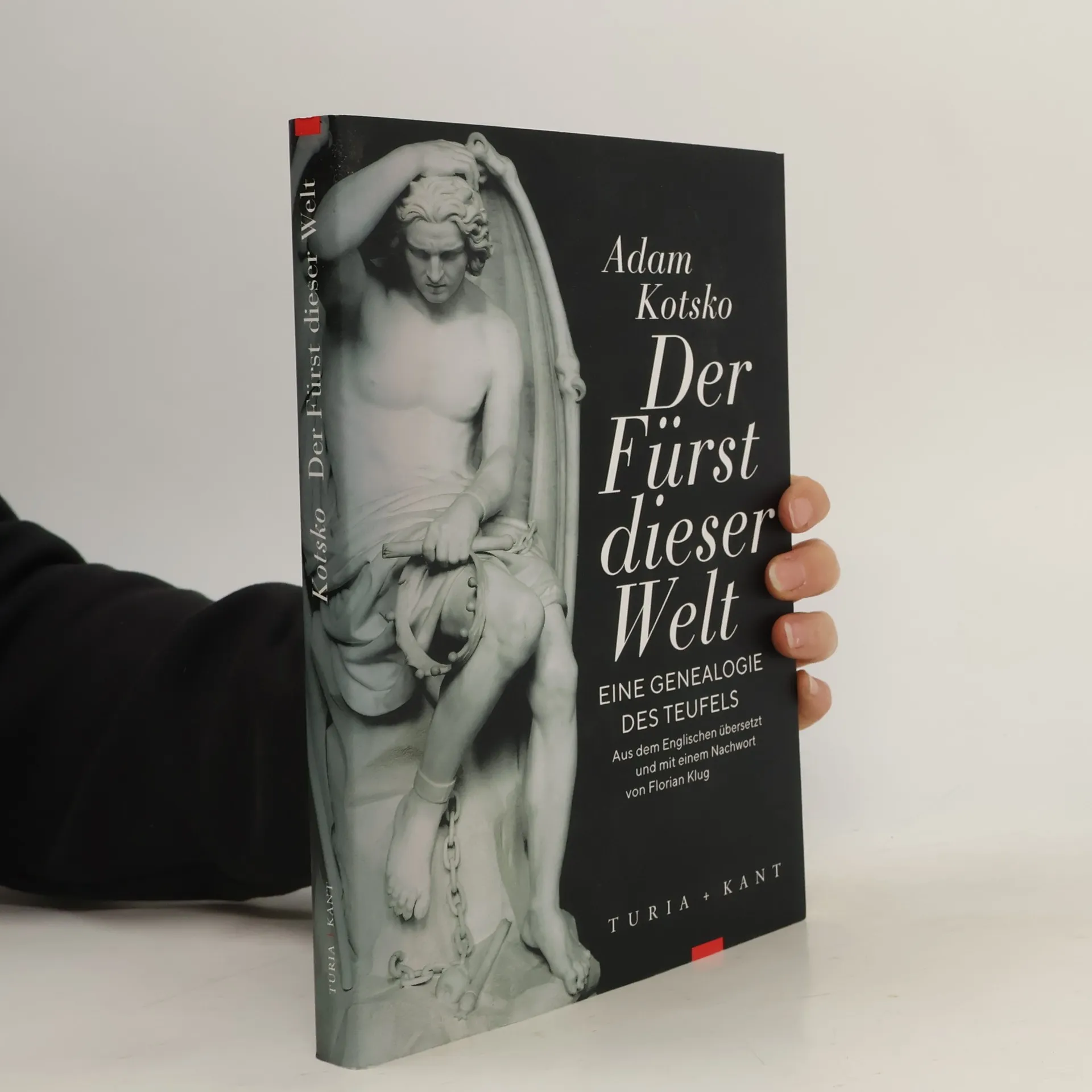
    • Der Fürst dieser Welt

      Eine Genealogie des Teufels

      • 272 stránek
      • 10 hodin čtení

      Die anhaltendste Herausforderung für den traditionellen Monotheismus ist das Problem des Bösen, das versucht, drei unvereinbare Thesen zu versöhnen: Gott ist allgütig, Gott ist allmächtig, und das Böse geschieht. <i>Der Fürst dieser Welt</i> verfolgt die Geschichte eines der einflussreichsten Versuche, diesen Widerspruch aufzulösen: die Abwälzung der Verantwortung für das Böse auf eines von Gottes rebellischen Geschöpfen. In dieser eindringlichen Neubewertung ist die Geschichte des Teufels bitter ironisch, voller tragischer Umkehrungen. Er tritt als theologisches Symbol auf, das unterdrückten Gemeinschaften hilft, mit dem Trauma ungerechter Verfolgung, Folter und Tod durch politische Autoritäten umzugehen, und wird schließlich zu einem Vehikel, um die Unterdrückung durch christliche Herrscher zu rechtfertigen. Und er entwickelt sich parallel zu dem biblischen Gott, der sich zunächst als Befreier der Unterdrückten präsentiert, aber schließlich zu einem grausamen Herrscher wird, der Freude daran hat, seinen Freunden und Feinden gleichermaßen Leid zuzufügen. Mit anderen Worten, dies ist die Geschichte, wie Gott zum Teufel wird – ein Teufel, der in unserem scheinbar säkularen Zeitalter bei uns bleibt.

      Der Fürst dieser Welt