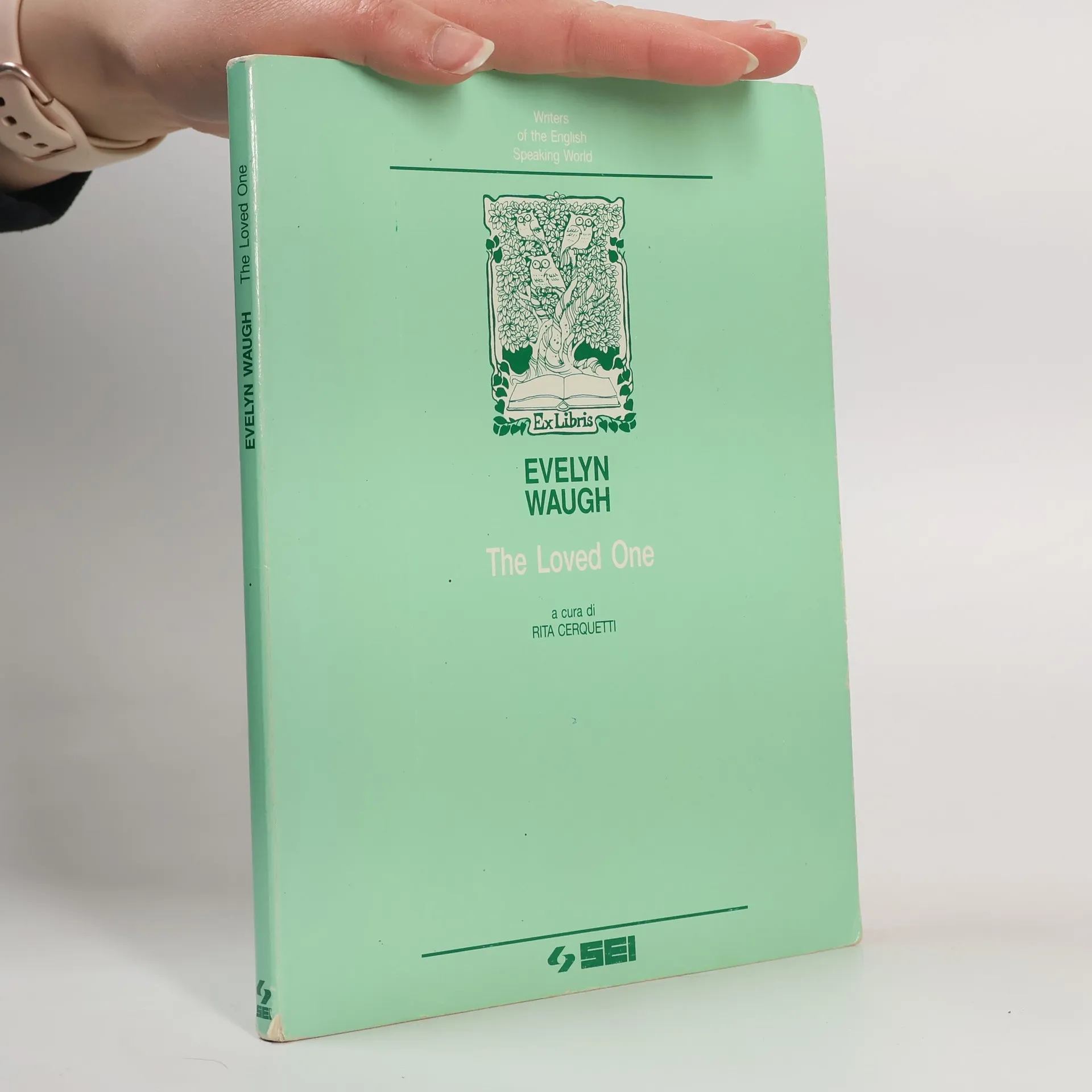
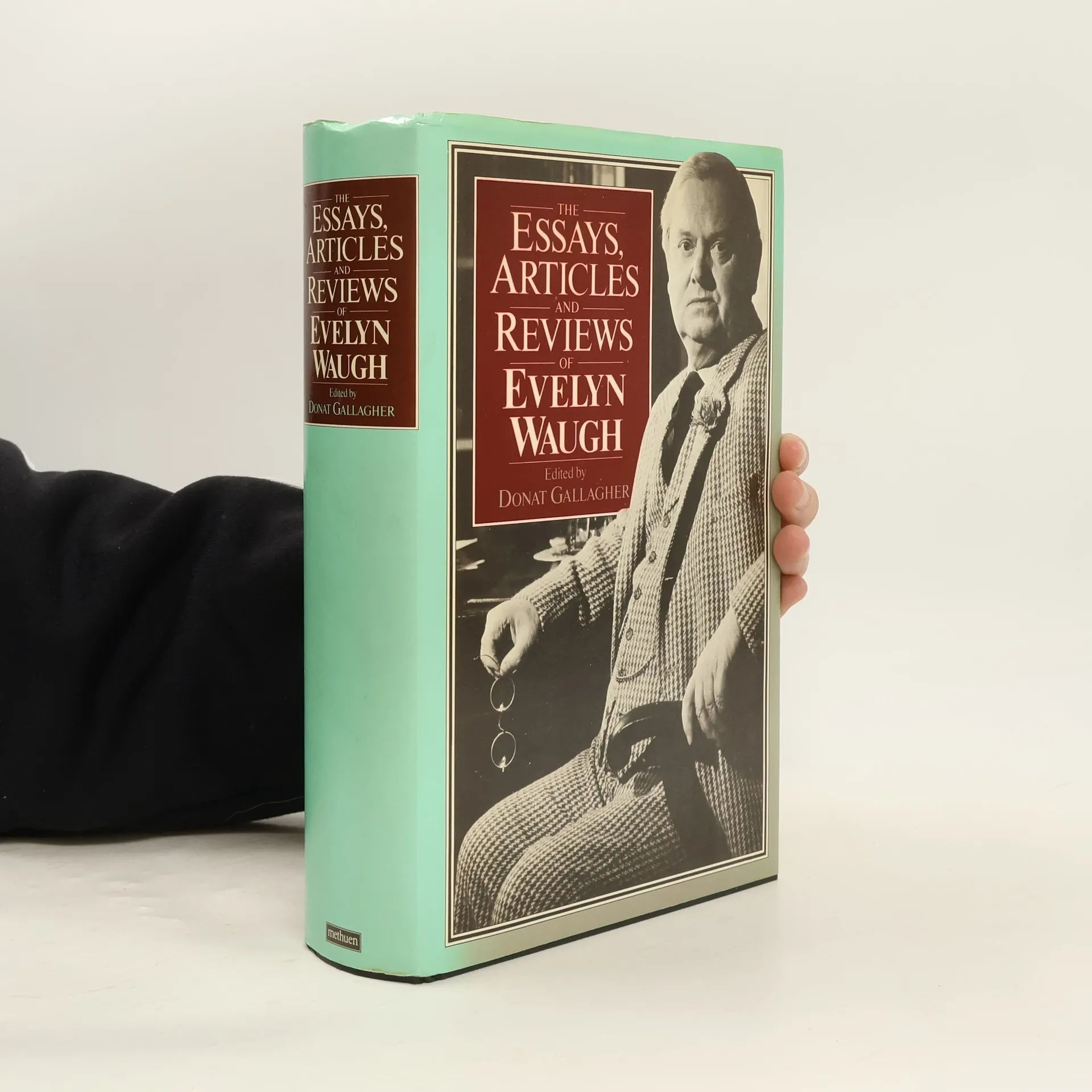
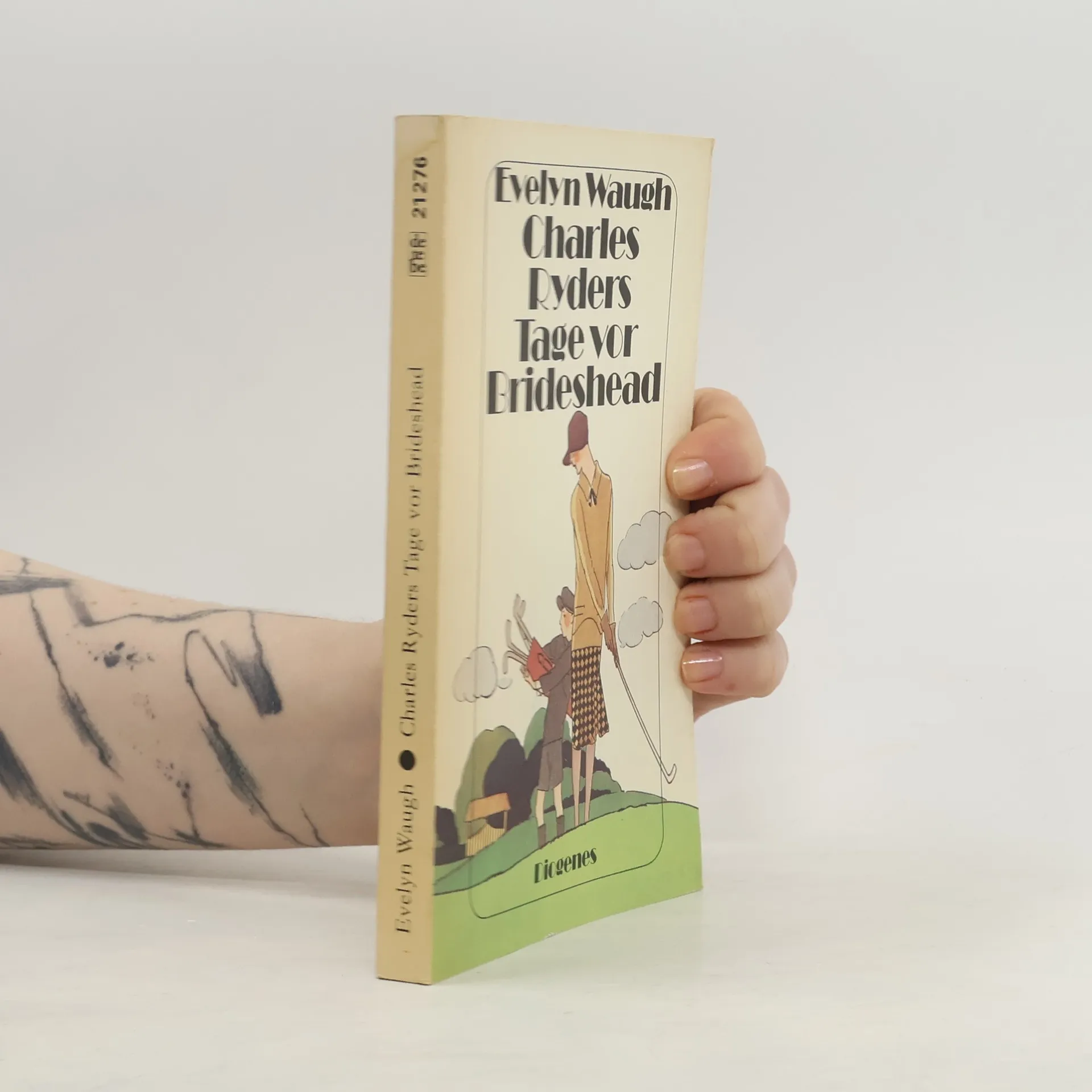
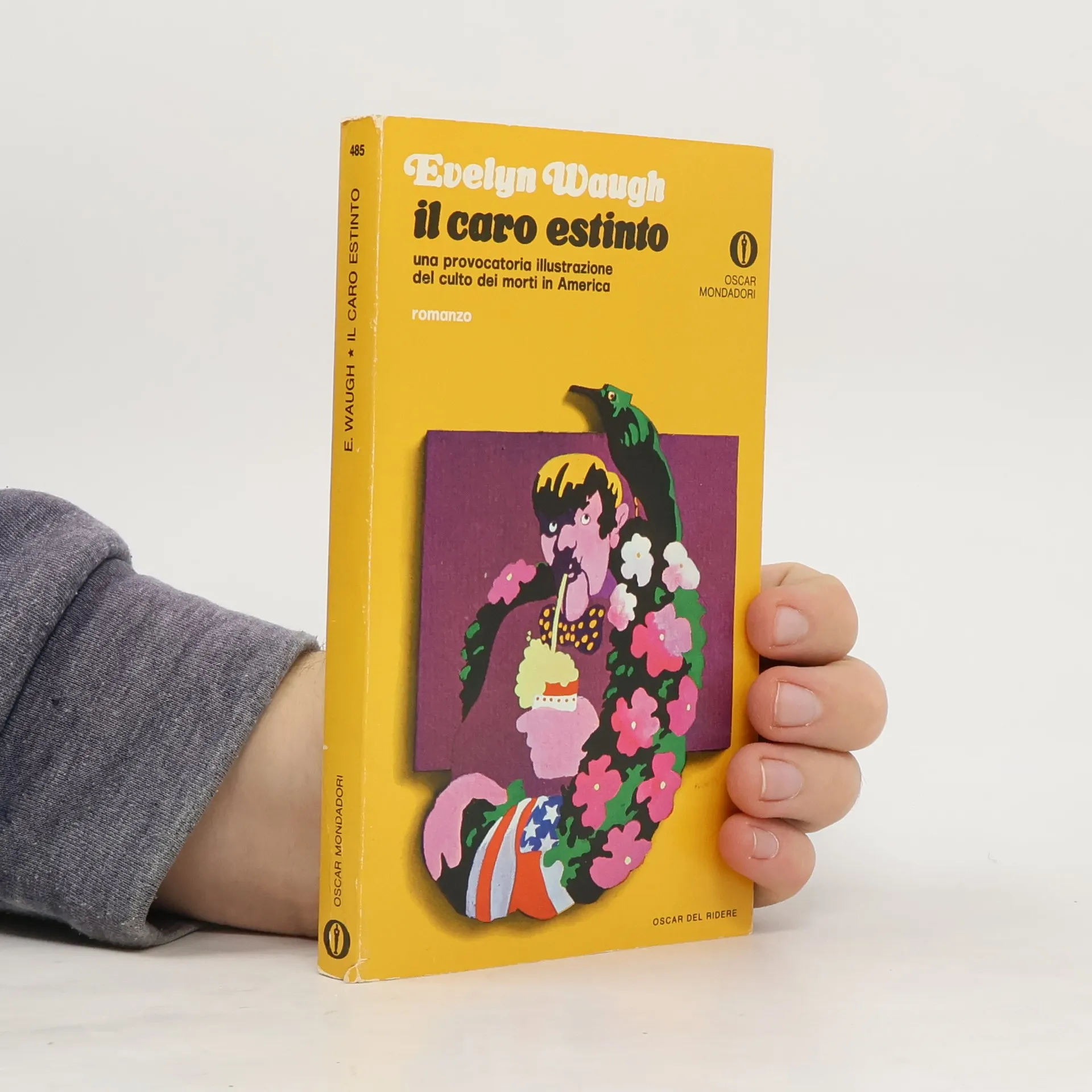
Evelyn Waugh byl mistrovský satirický prozaik, jehož díla pronikavě komentovala společenské zvyklosti a lidské slabosti. Jeho psaní se vyznačovalo břitkým humorem, ironií a precizním pozorováním detailů, často odrážející jeho vlastní zkušenosti a kritický pohled na svět. Waugh se nebojácně pouštěl do témat jako je třída, náboženství a pomíjivost života, čímž si vysloužil pověst jednoho z nejvýznamnějších britských romanopisců své doby. Jeho jedinečný styl a nekompromisní pohled na moderní život z něj činí autora, jehož díla i nadále rezonují u čtenářů hledajících hlubokou, ale zábavnou literaturu.
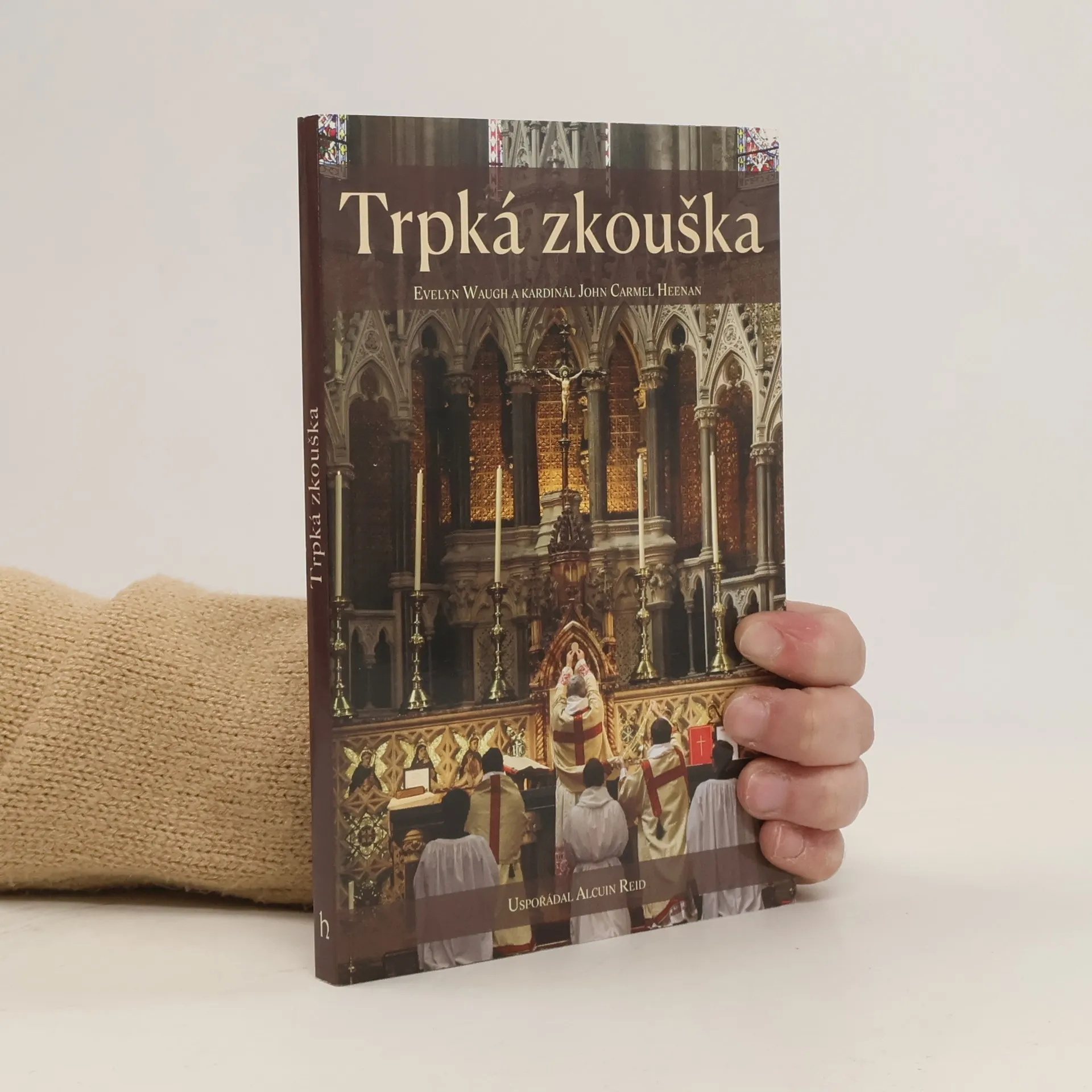
Cílem této knihy je malé zamyšlení nad trojicí činností „věřit, modlit se a milovat“, jak nás tomu učí Ježíš Kristus a jak nás k nim vede ve své církvi. Není proti jídlu, ani proti rozumnému lidskému ponoru do vlastního nitra, ani proti lásce muže a ženy.
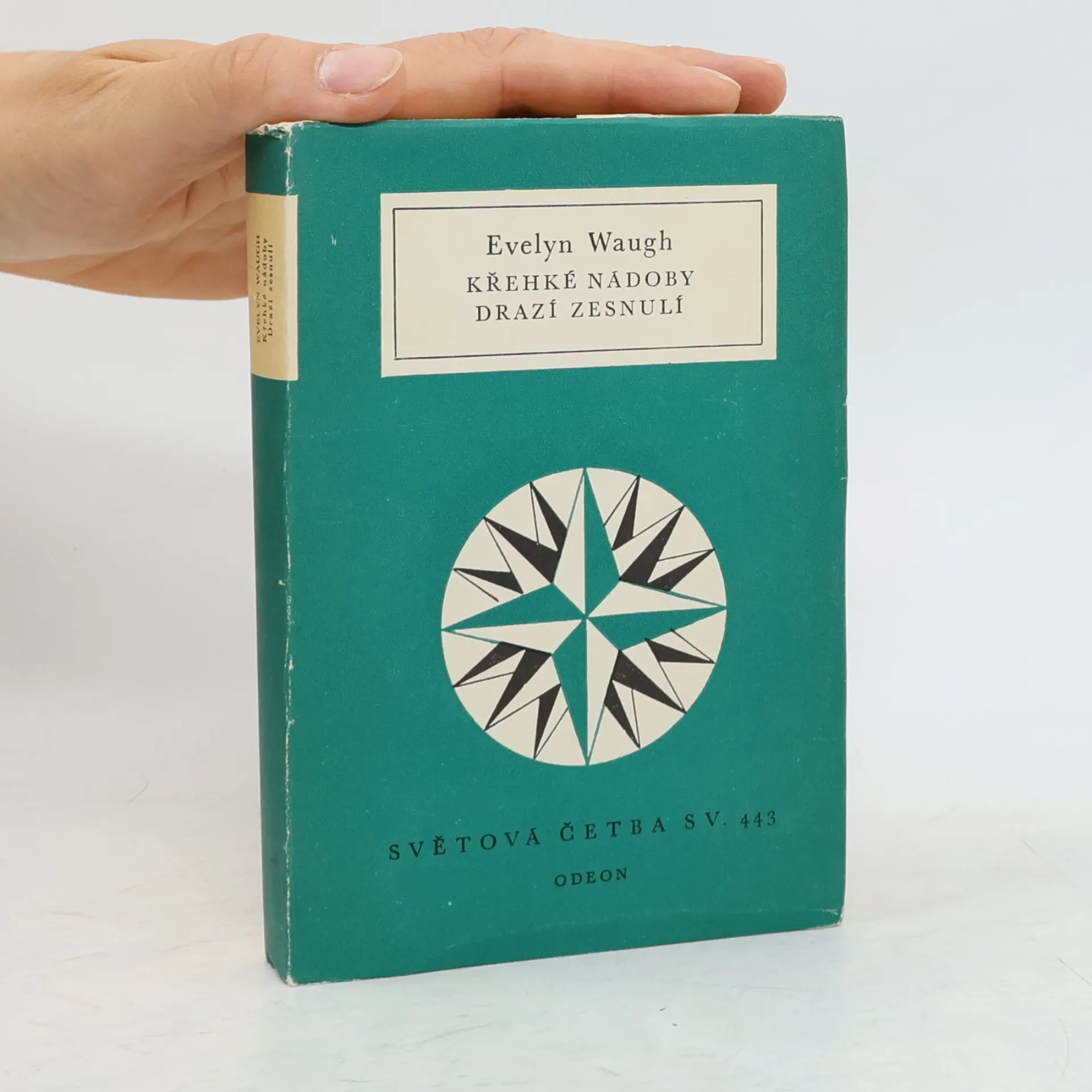
Kdybychom měli charakterizovat oba tyto Waughovy romány jedinou lehkovážnou zkratkou, dalo by se říci, že je to báječná legrace o smrti. V případě "Křehkých nádob" (1948) jde o umírání osobitých tradičních britských hodnot na finanční chudokrevnost a měnící se svět; zatímco starší generace bojuje svůj více méně hrdinný boj o zachování alespoň zdání, "rozverná mládež" s dětsky bezelstnou krutostí uplatňuje svůj nárok užít, co se se dá, dokud se dá. Problémy těch i oněch pohlcuje válka. V "Drahých zesnulých" (1930) se ocitáme o něco později v Hollywoodu: smrt tu dostává luxusní nakašírovanou podobu revuálního velkofilmu, strach z posledních věcí člověka přehlušuje představa dokonale hygienické a příjemné věčné blaženosti, zajištěné perfektně zorganizovaným funebráckým průmyslem.
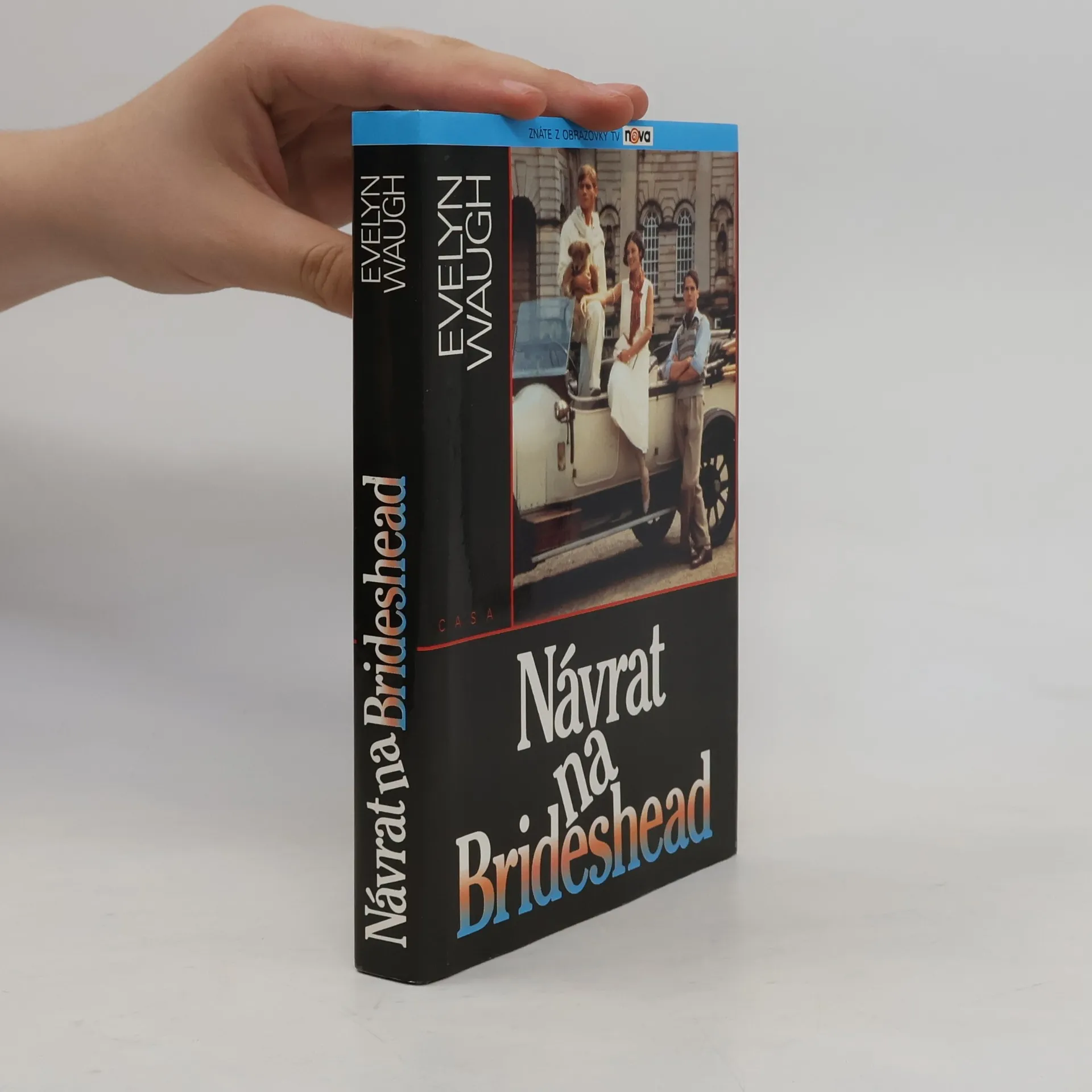
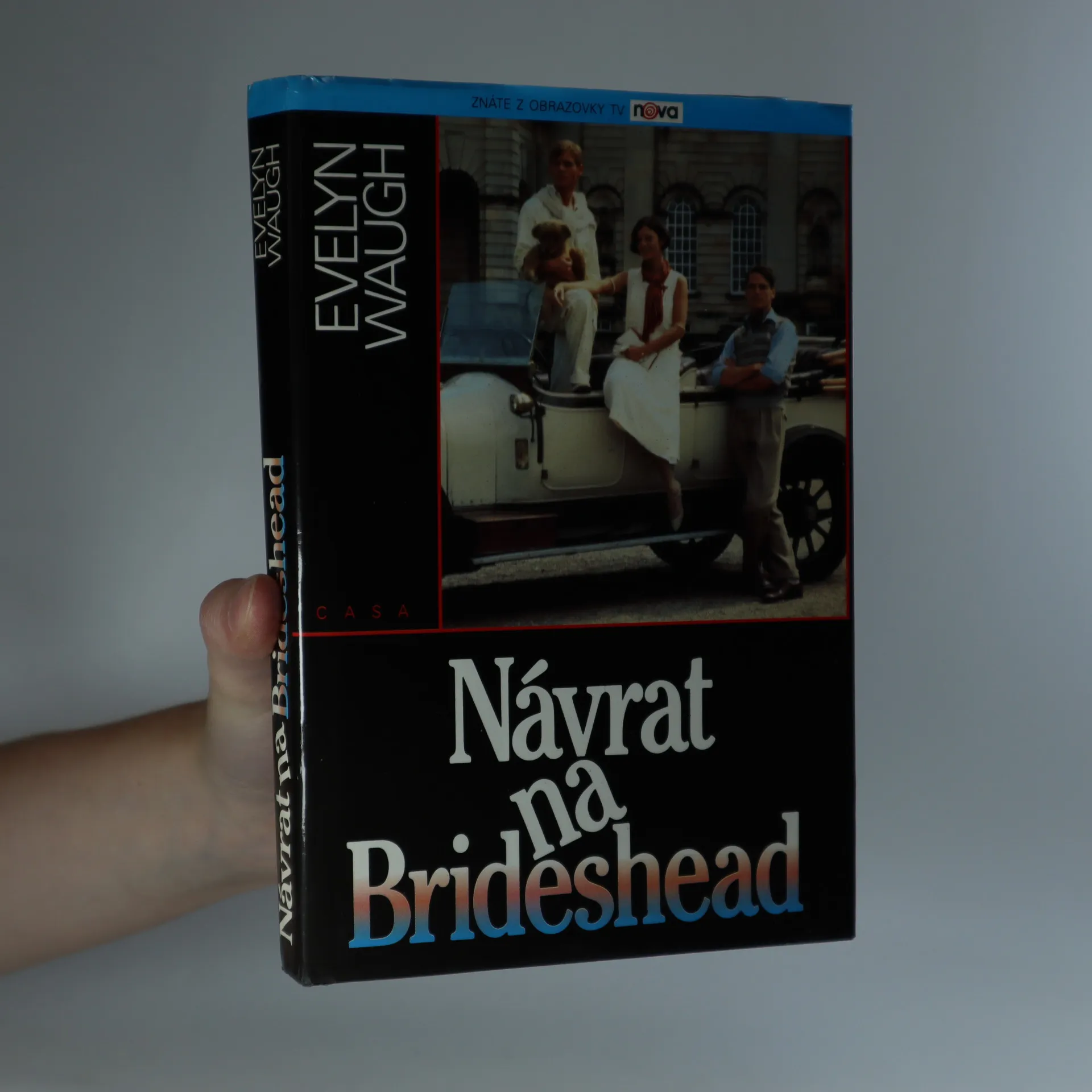
Nejslavnější román Evelyna Waugha Návrat na Brideshead se k českému čtenáři tentokrát dostává provázen televizní adaptací, seriálem britské televizní společnosti Granada.
Pro ty, kdo milují příběhy o lásce, pro ty, kdo milují především dobrodružství, kdo milují britský humor i sebezničující jízlivost, a také pro ty, kdo hledají klid vlastní duše ve víře.
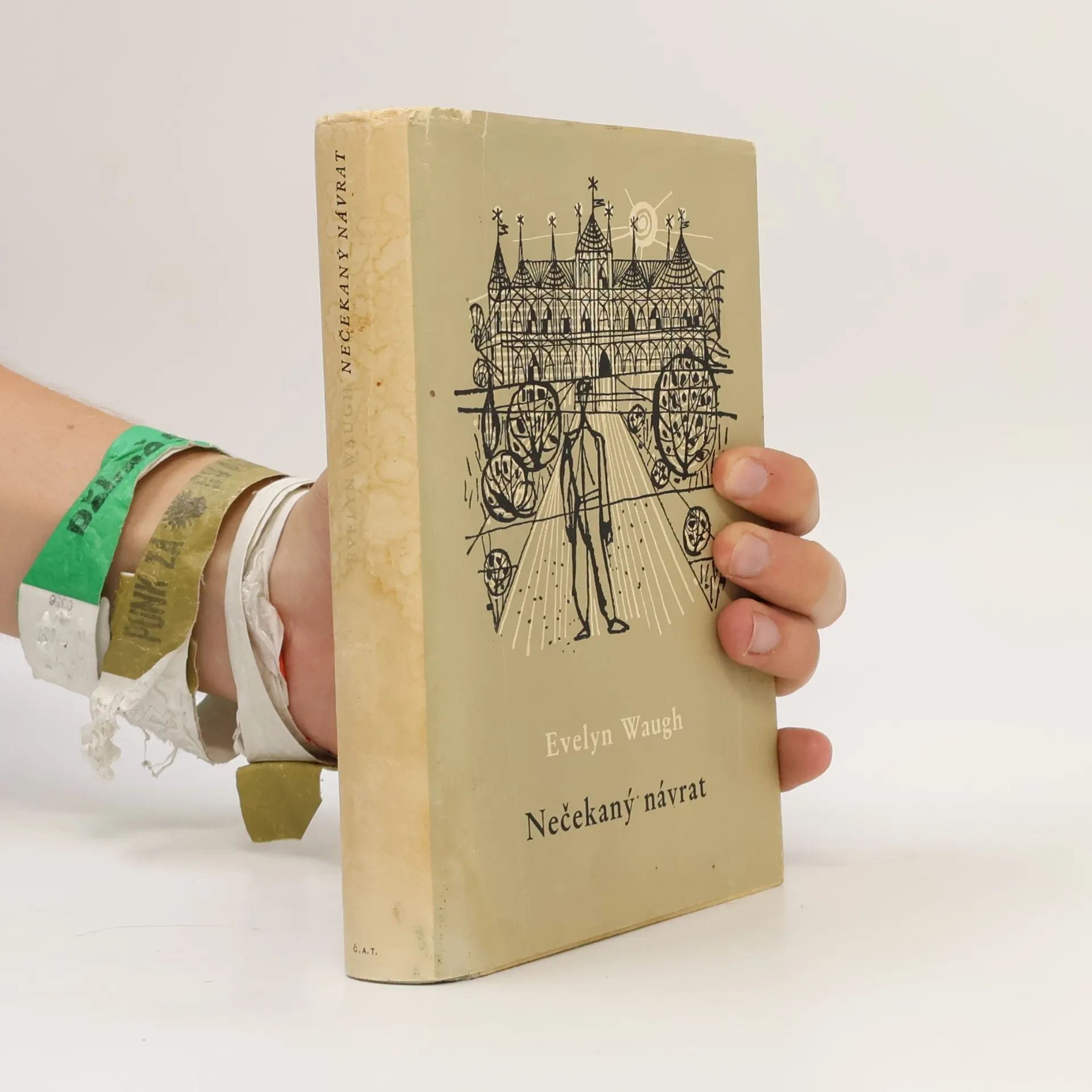
Román známého anglického satirika ostře útočí na podmínky na anglických elitních školách a na životní styl novodobé aristokracie. Hlavní dějovou linii tvoří tragikomické osudy vyloučeného žáka elitní oxfordské školy, který se po mnoha pikareskních zážitcích po roce na školu zase vrací. Kniha je mnohoznačným dílem mezi neopominutelné prózy světové literatury. Vyniká společenskou kritikou, situační komikou, výbornou charakteristikou osob i působivou formou zpracování.
Humoristický román z pera klasika anglické satirické literatury se odehrává ve fiktivním malém východoafrickém císařství ve 30. letech 20. století.
Do Azánie, zmítané válečným konfliktem, přijíždí Angličan Basil Seal. Unaven společenským životem Londýna nabídne majiteli novin, že bude dopisovatelem jeho listu. Azánský císař je jeho spolužákem z Oxfordu a Basil si od svého pobytu v Africe slibuje rozptýlení z nudy velkoměsta. A toho se mu zde v plné míře také dostane. Naprosto nepřehledná politická situace, reformátorské snahy mladého panovníka, zavádění evropských novinek, ale i korupce a další společenské nešvary bují i zde, v této Evropě tak vzdálené civilizaci.
Vtipný satirický román z novinářského prostředí o tom, co zavinila shoda jmen a jak vznikají senzační zprávy.
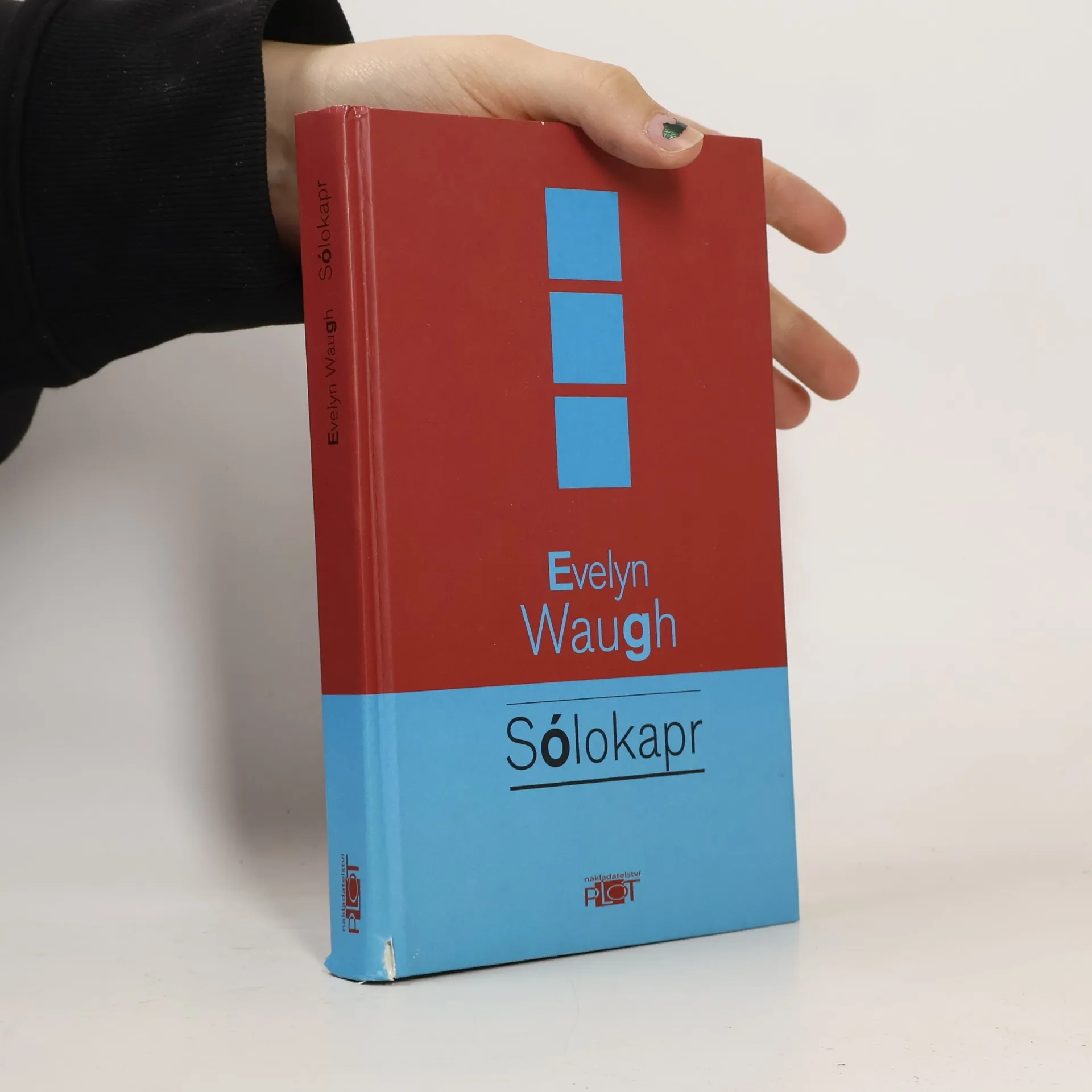
Majitel deníku Plesk lord Oxygen hodlá vyslat některého reportéra do vzdálené Izmaelie, kde je údajně na spadnutí válečný konflikt. Osudný omyl šéfredaktora způsobí, že tam coby zpravodaj nakonec k všeobecnému překvapení odjíždí venkovský dopisovatel Plesku William Boot, roztomile svérázný majitel rodinného sídla a znalec přírody. Krize v Izmaelii rozhodně není tak dramatická, jak by měla být; to se ovšem vlivem médií a různých nedopatření velmi rychle změní a děj dospěje k poněkud překvapivému vyvrcholení. Autor vládne typickým anglickým humorem a ironií, s nimiž se přesně trefil do novinářských praktik při lovení "sólokaprů".
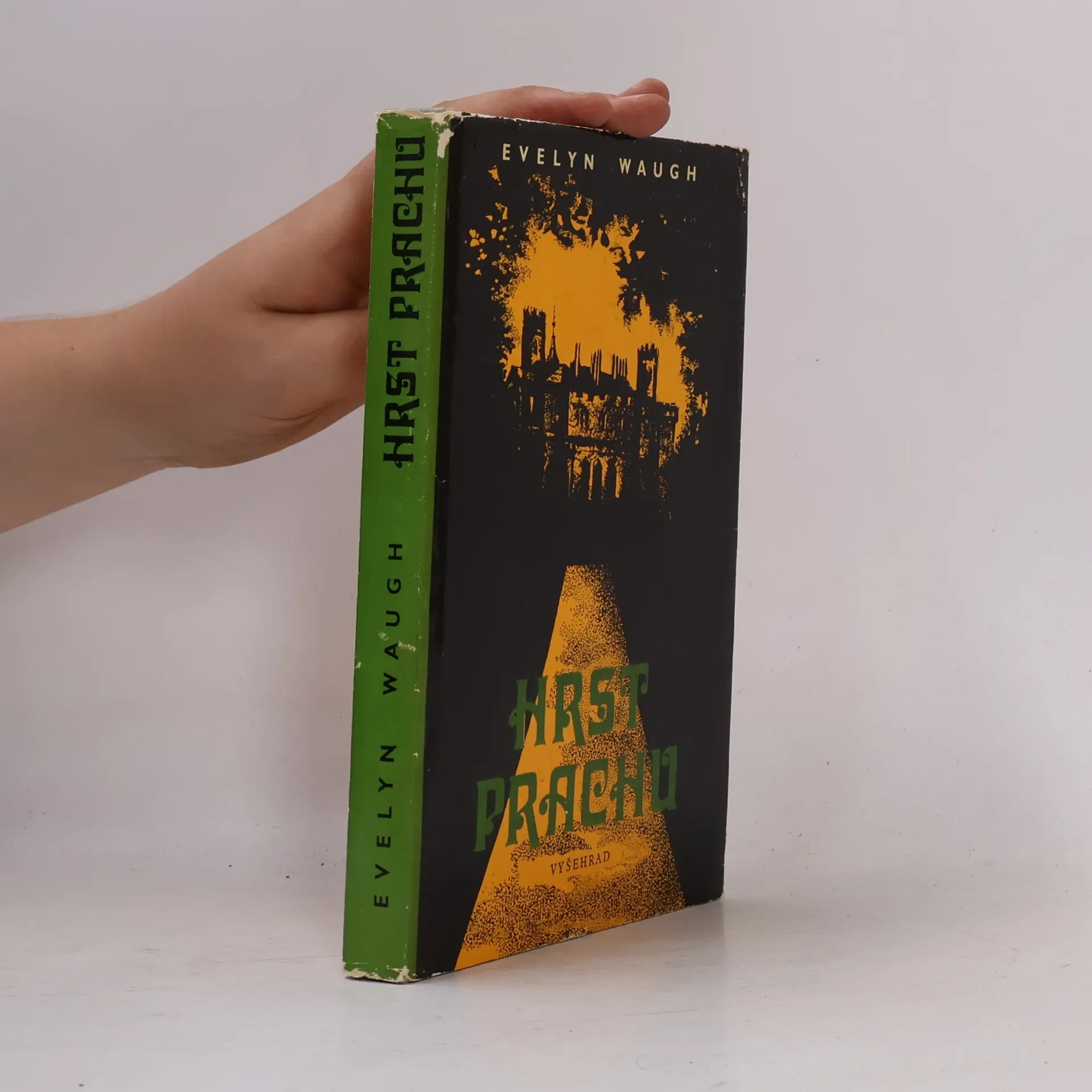
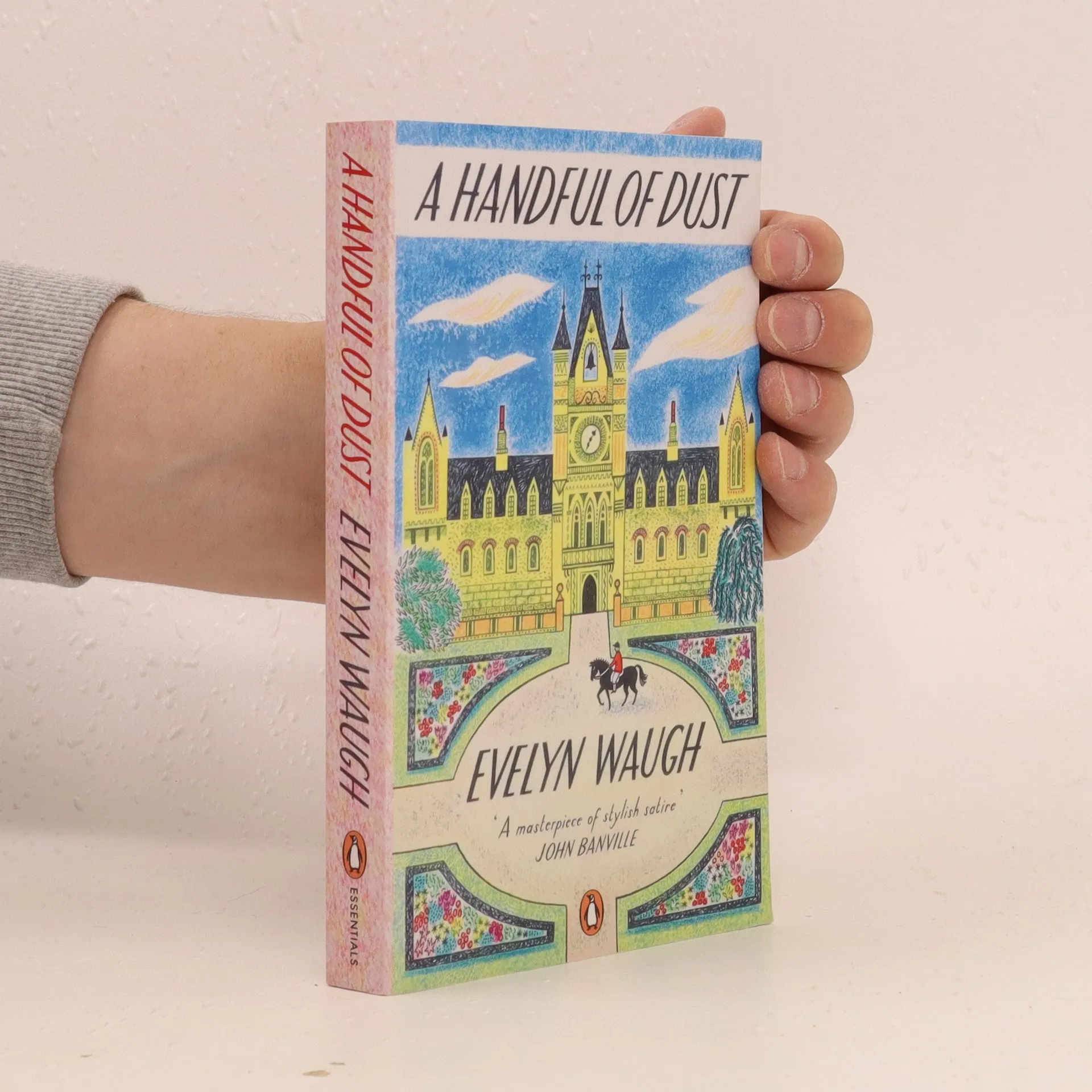
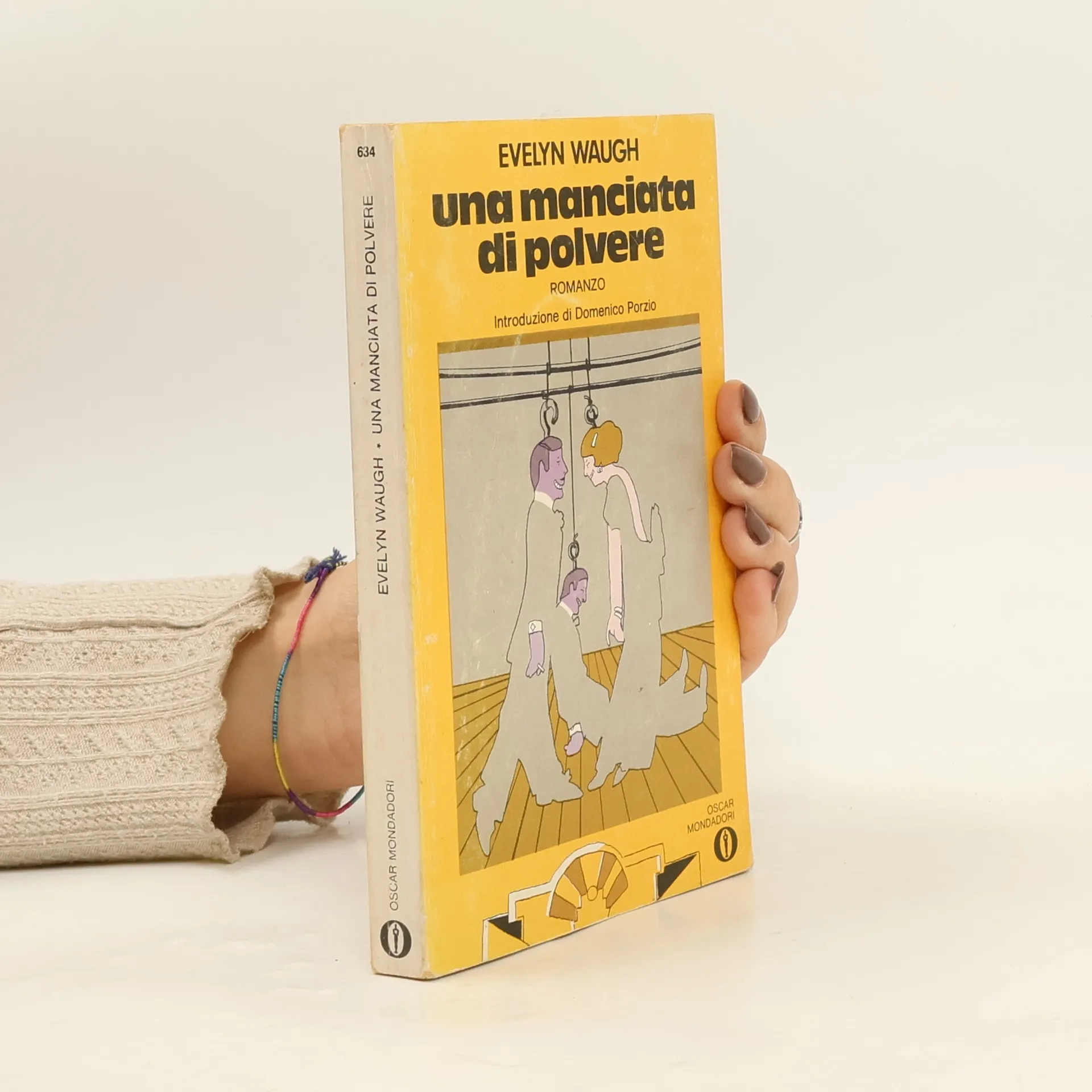
První polovina románu vynikajícího anglického satirika Evelyna Waugha je příběh nezdařeného manželství dvou lidí z vyšší společenské vrstvy v Anglii třicátých let. Tonyho Lasta a jeho ženy Brendy, kteří se po tragické smrti dítěte rozcházejí. Brenda nudící se na starém rodinném sídle, kde den po dni plyne stále stejně, nechápe Tonyho, jemuž tento život plně vyhovuje a který má jediný sen: zvelebit zděděný zámek. Zaskočený a znechucený Tony nerozumí Brandinu jednání, neboť ji miluje a zvykl si jí důvěřovat. Evelyn Waugh však není moralista a každý patos je mu cizí, nevyslovuje morální soudy, i nejtragičtější jeho knihy jsou skvělé entertainments – v druhé polovině láme vážný vážný příběh v grotesku. Tony se po rochodu s Brendou zúčastní výzkumné výpravy do Brazilie a po jejím ztroskotání končí jako zajatec negramotného pana Todda, napůl indiána žijícího v pralese u Amazonky, jemuž musí denně předčítat z Dickensových románů, zanechaných tu Toddovým dávno již mrtvým otcem.
Nejslavnější román Evelyna Waugha Návrat na Brideshead se k českému čtenáři tentokrát dostává provázen televizní adaptací, seriálem britské televizní společnosti Granada. Pro ty, kdo milují příběhy o lásce, pro ty, kdo milují především dobrodružství, kdo milují britský humor i sebezničující jízlivost, a také pro ty, kdo hledají klid vlastní duše ve víře.
Podtitul Zbožné i méně zbožné vzpomínky kapitána Karla Rydera. Tragikomedie o anglické společnosti z období mezi oběma světovými válkami. V protagonistovi, malíři a architektovi Charlesi Ryderovi, se autorovi podařilo vytvořit postavu, která citlivě a uměřeně zaznamenává životní i duchovní prázdnotu horních deseti tisíců, reprezentovaných zde lordem Šebestiánem Flytem a jeho výstřední rodinou, sídlící na zámku Brideshead.
Kdybychom měli charakterizovat tento Waughův román jedinou lehkovážnou zkratkou, dalo by se říci, že je to báječná legrace o smrti. V případě "Křehkých nádob" jde o umírání osobitých tradičních britských hodnot na finanční chudokrevnost a měnící se svět; zatímco starší generacebojuje svůj více méně hrdinný boj o zachování alespoň zdání, "rozverná mládež" s dětsky bezelstnou krutostí uplatňuje svůj nárok užít, co se se dá, dokud se dá. Problémy těch i oněch pohlcuje válka.
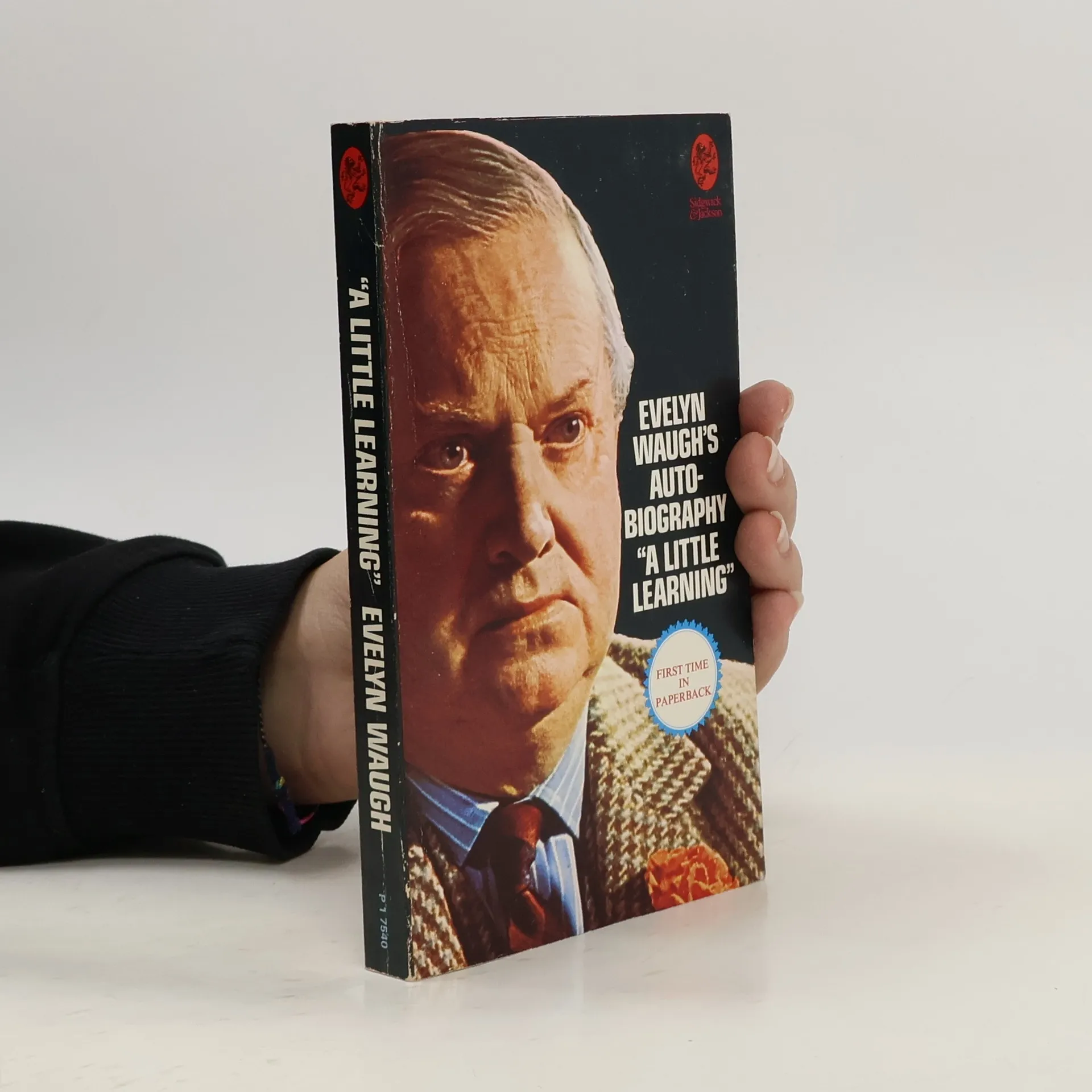
The First Volume of an Autobiography - First Time in Paperback
223 stránek
8 hodin čtení
A Little Learning The author's childhood was warm, bright and serene. The Hampstead and Lancing schooldays which followed were sometimes agreeable, but often not. His life at Oxford - which he evokes in Brideshead Revisited - was essentially a catalogue of friendship. This title presents a portrait of his recollection of those hedonistic days. Full description
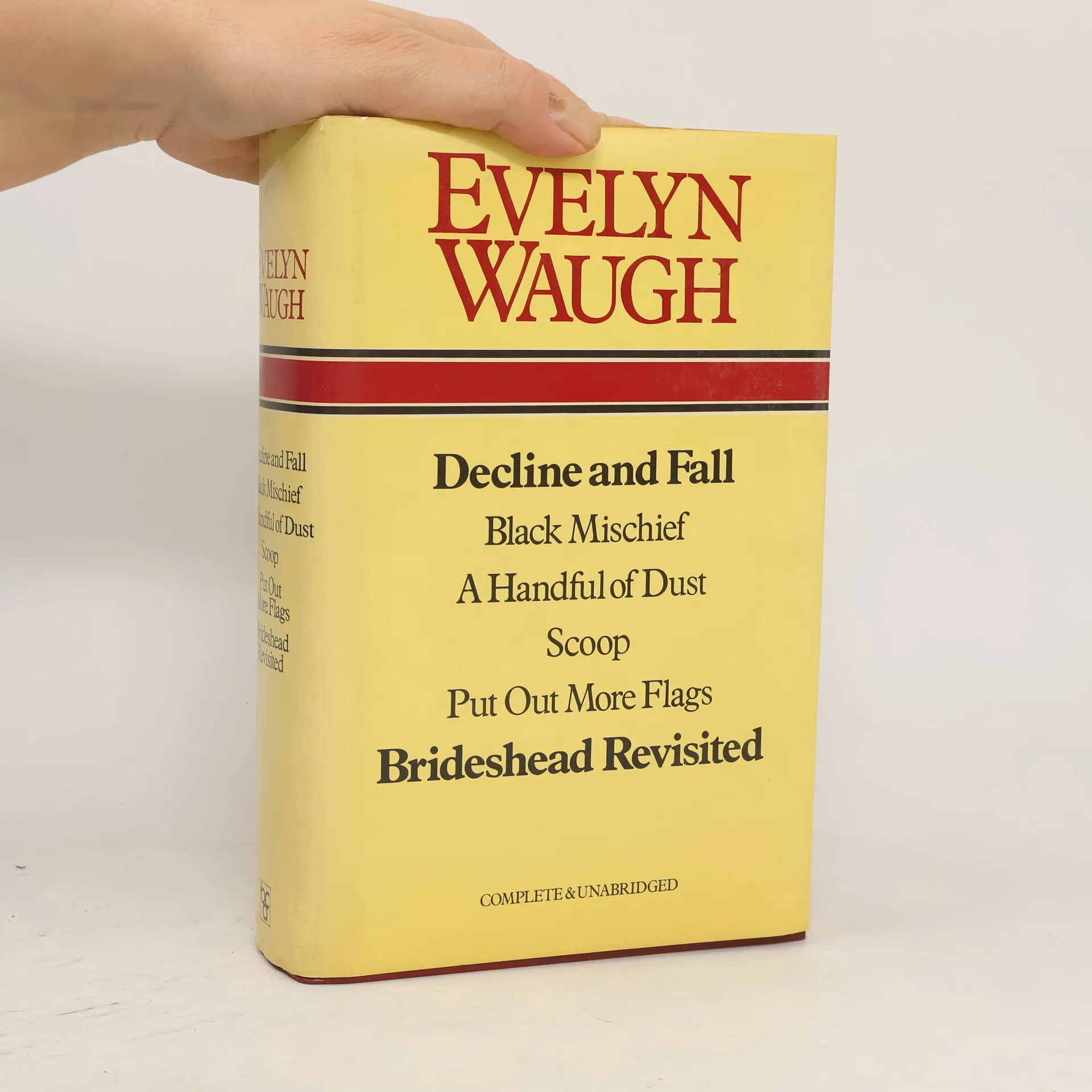
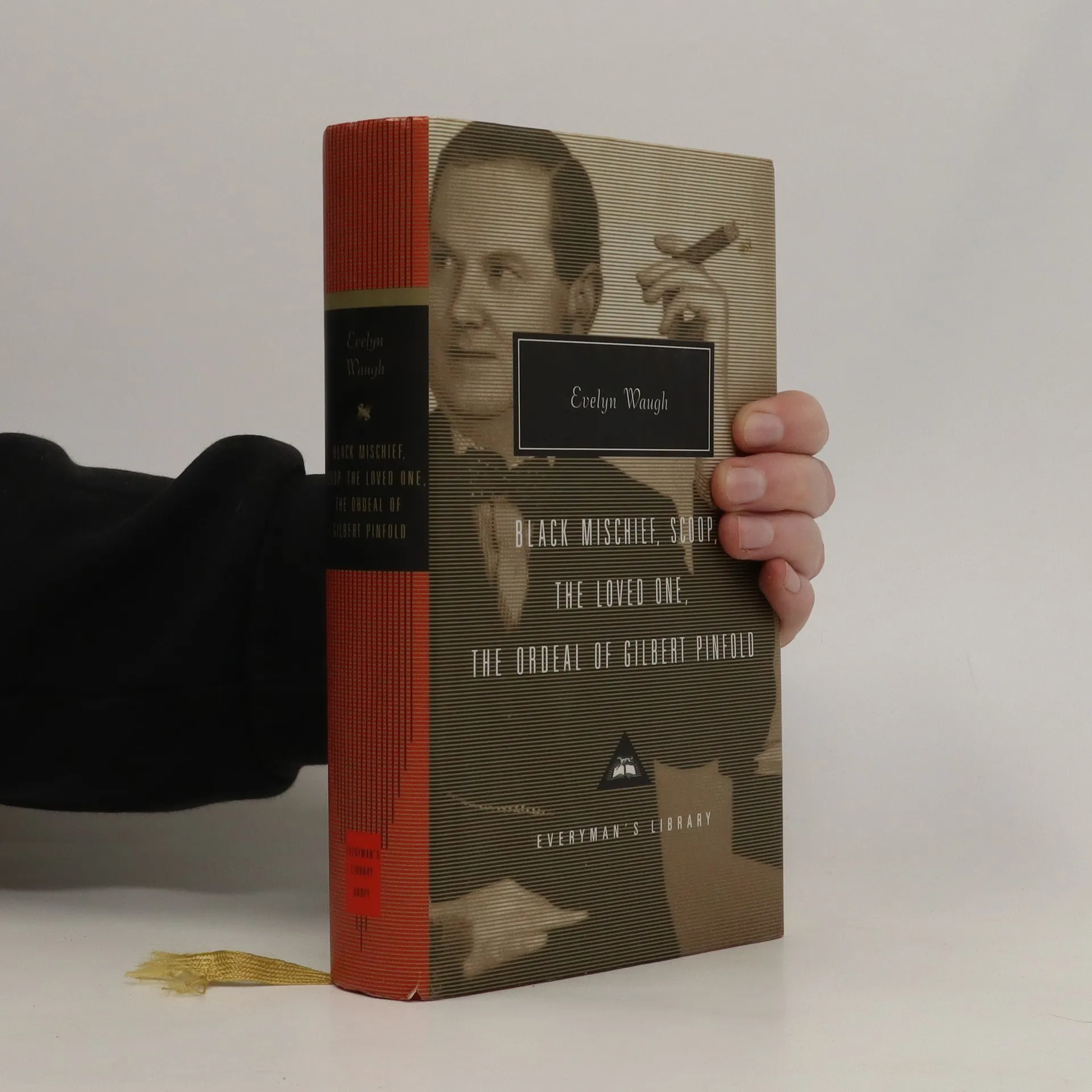
(Book Jacket Jacketed)In honor of the hundredth anniversary of Evelyn Waugh’s birth, four of the master’s most wickedly scathing comedies are here brought together in one volume.Black Mischief is Waugh at his most mischievous–inventing a politically loopy African state as a means of pulverizing politics at home. In Scoop , it is journalism’s turn to be drawn and quartered. The Loved One (which became a famously hilarious film) sends up the California mortuary business. And The Ordeal of Gilbert Pinfold is a burst of fictionalized autobiography in which Pinfold goes mad, more or less, on board an ocean liner.Here in four short–very different–novels are the mordant wit, inspired farce, snapping dialogue, and amazing characters that are the essence of everything Waugh ever wrote.
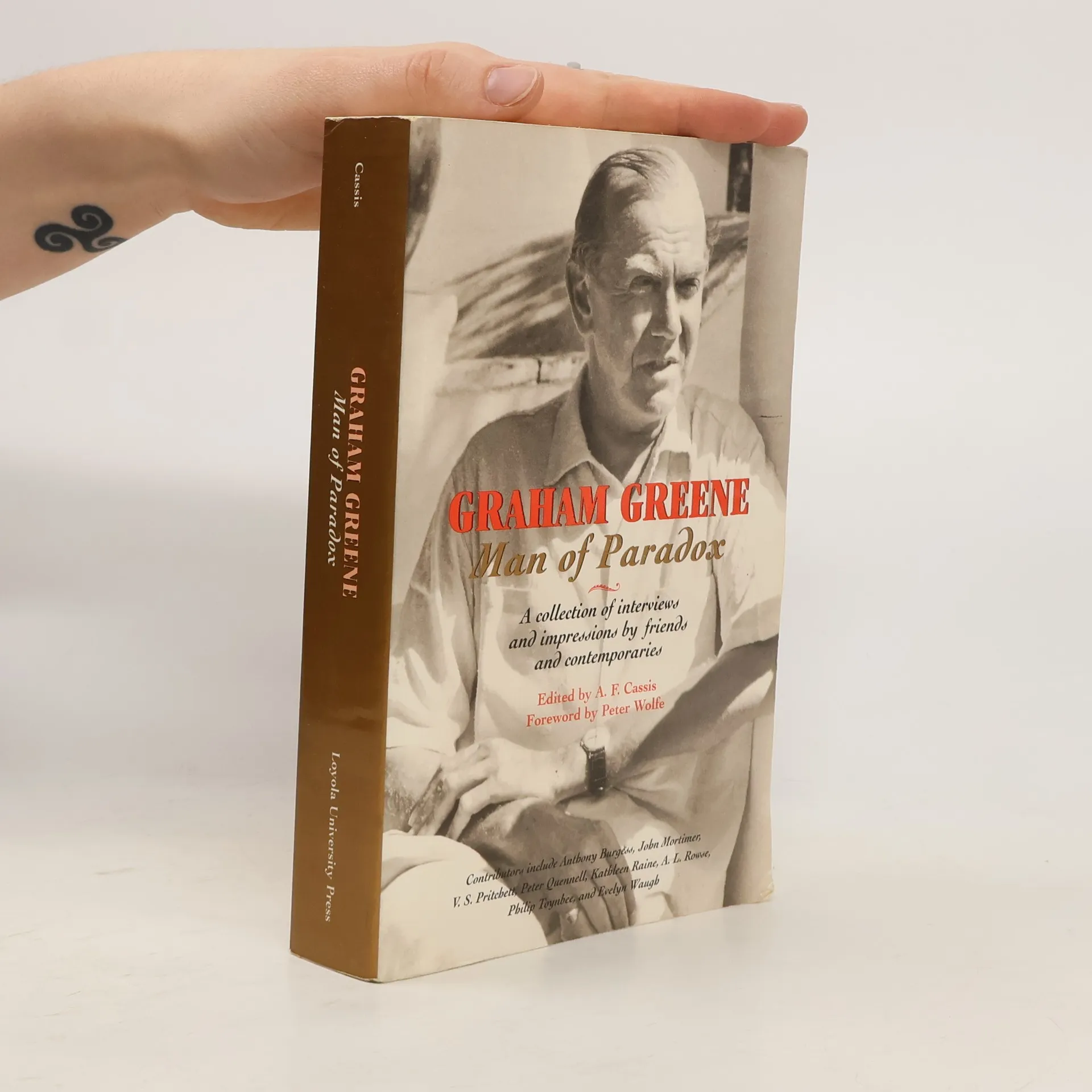
This collection of essays sheds light on one of the finest literary talents of the 20th century. fifty-seven excerpts of interviews, personal impressions, diary entries, articles, essays, and literary pieces reveal the private life of Greene--opinionated, charming, articulate, controversial.
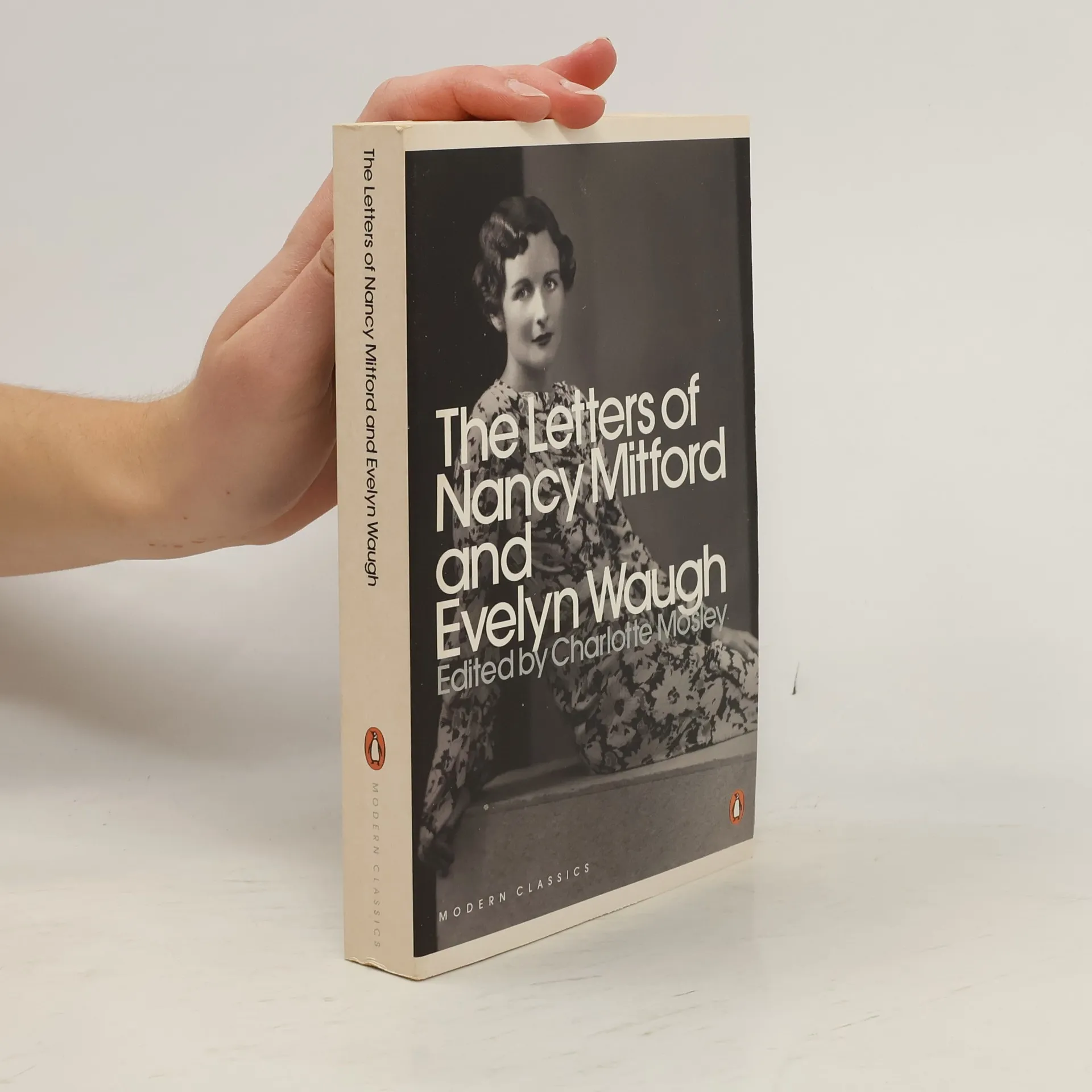
Nancy Mitford and Evelyn Waugh were two of the twentieth century's most amusing and gifted writers, who matched wits and traded literary advice in more than five hundred letters over twenty-two years. Dissecting their friends, criticizing each other's books and concealing their true feelings beneath a barrage of hilarious and knowing repartee, they found it far easier to conduct a friendship on paper than in person. This correspondence provides a colourful glimpse into the literary and social circles of London and Paris, during the Second World War and for twenty years after.
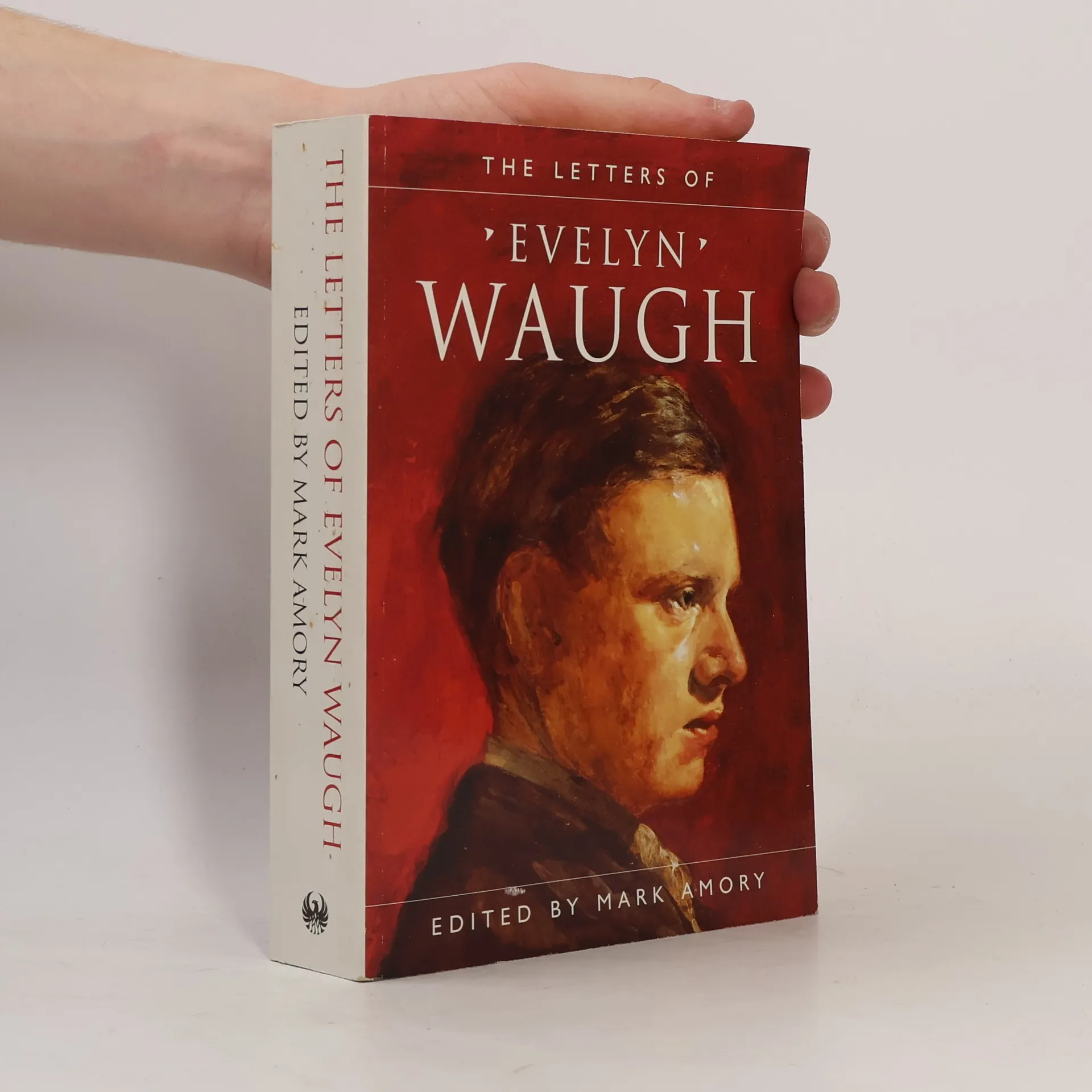
Evelyn Waugh was a loving Husband, a wise and affectionate father and the funniest English novelist of the century. This selection of letters does full justice to these splendid attribute's " Phillip Toynbee.
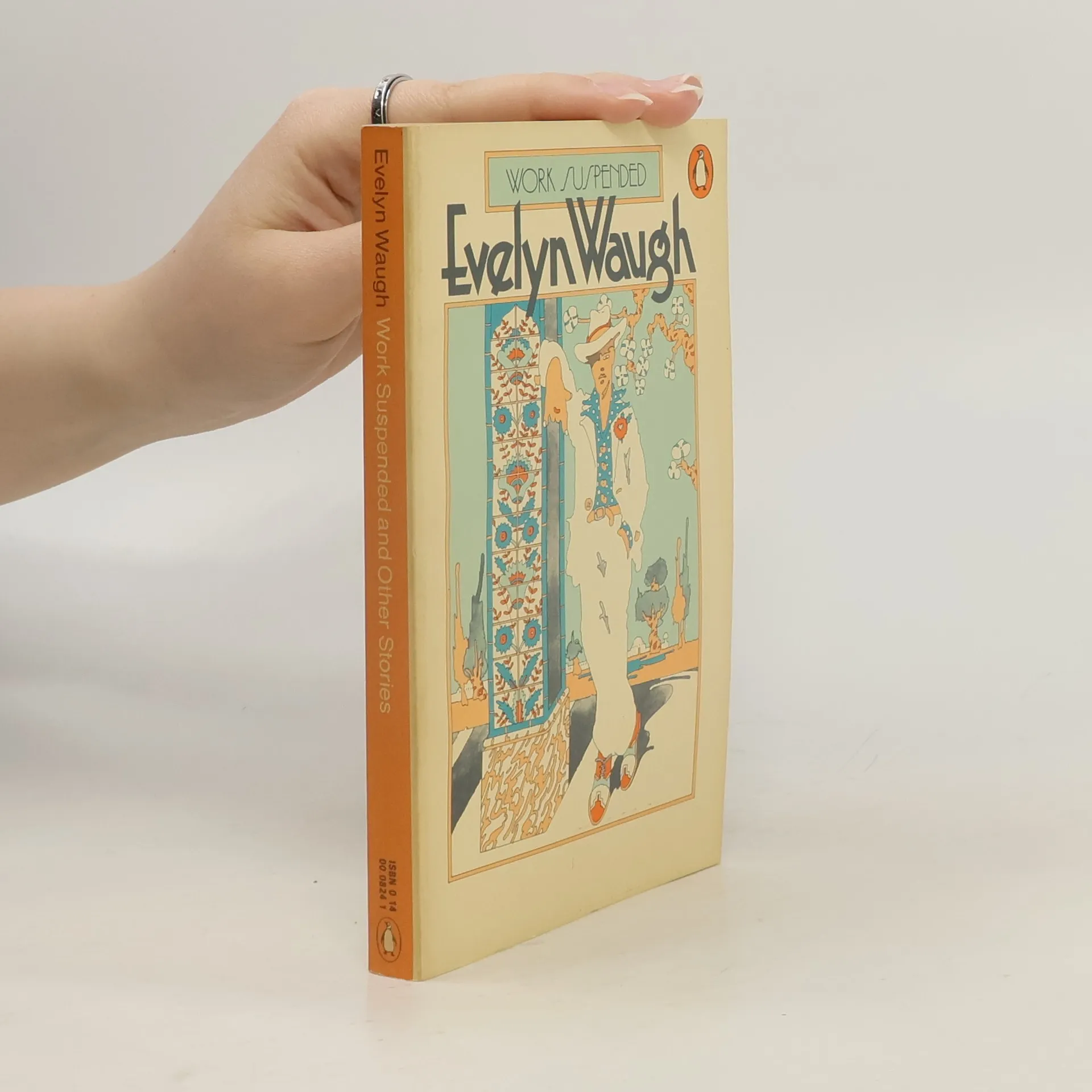
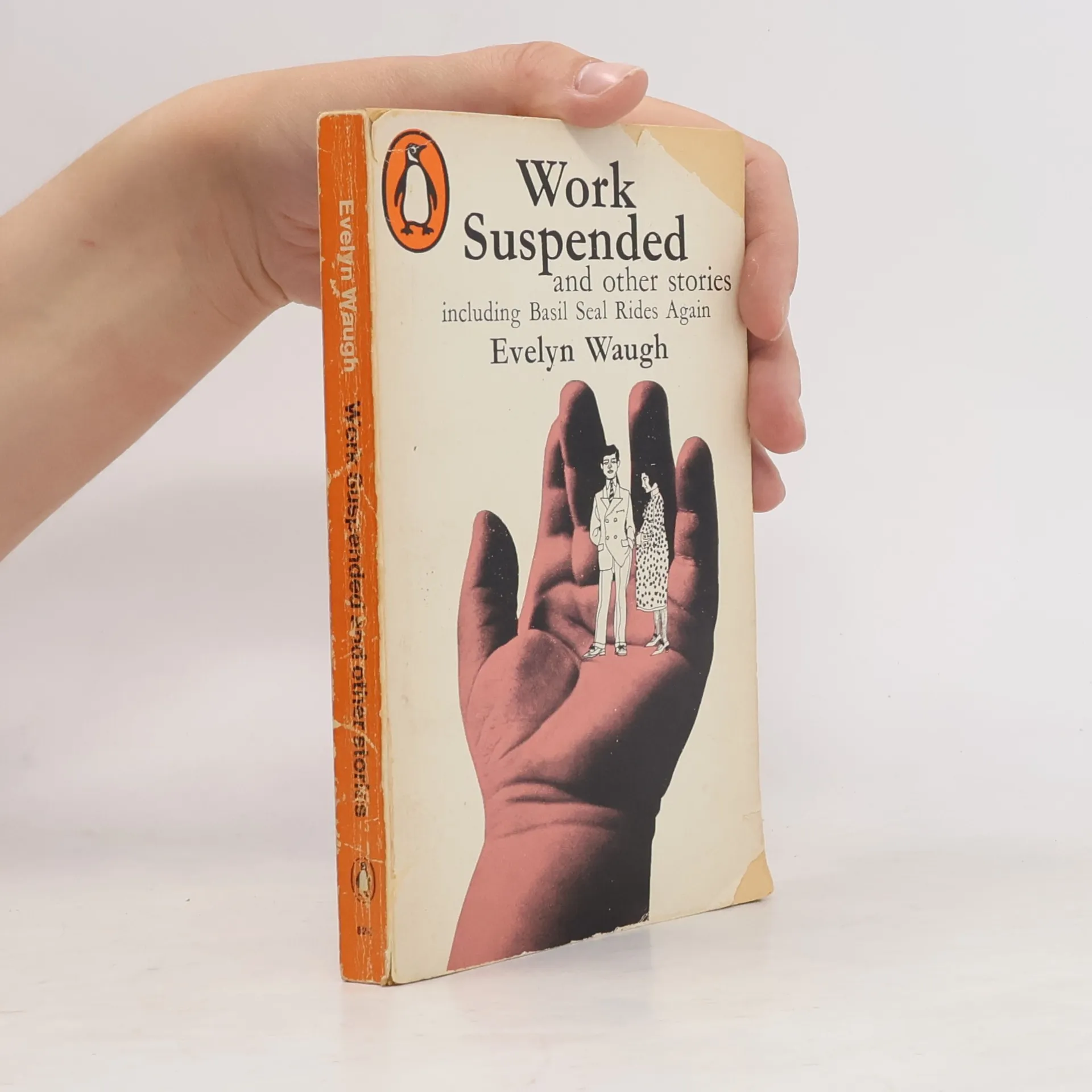
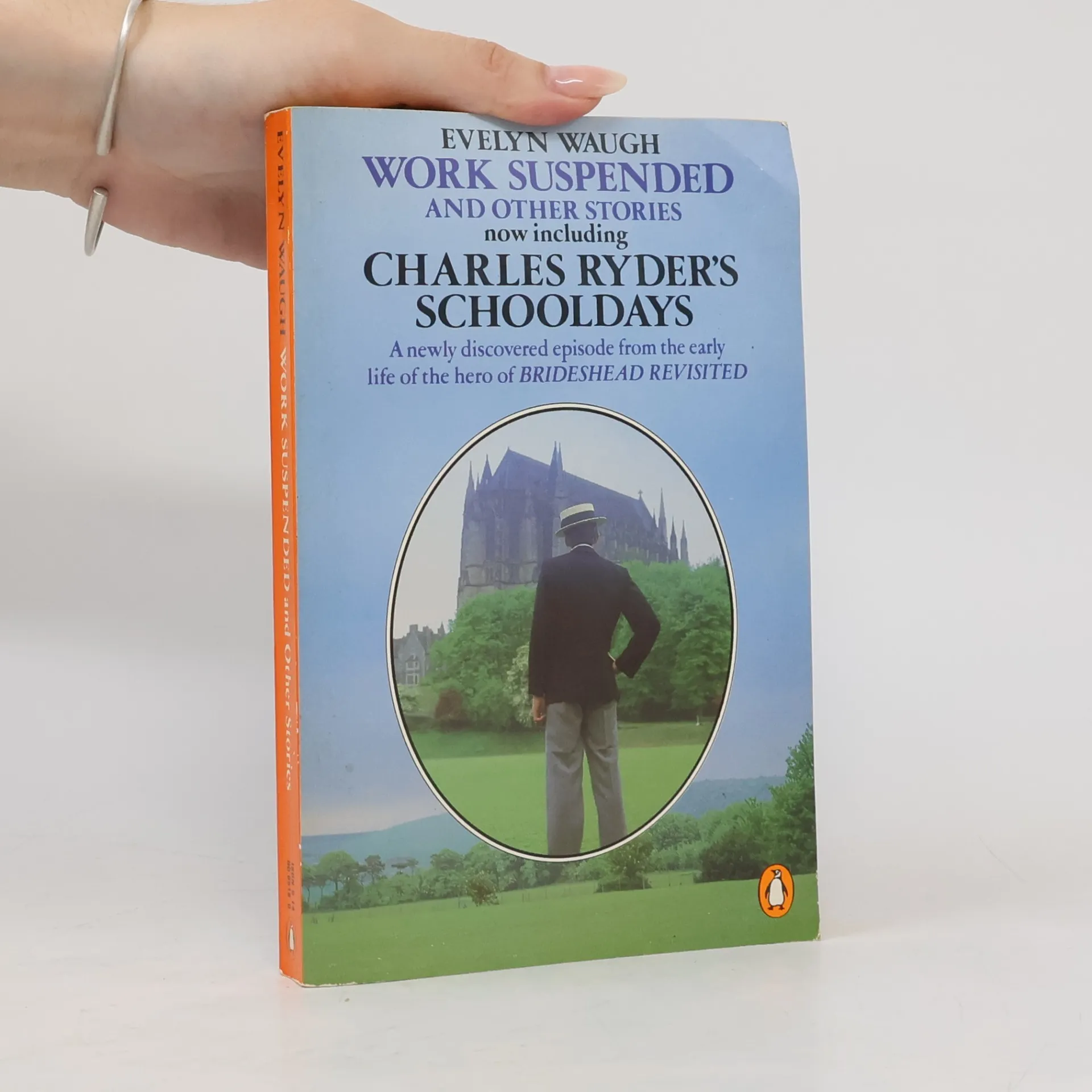
Mr Loveday's Little Outing, Cruise, Period Piece, On Guard, An Englishman's Home, Excursion in Reality, Bella Fleace Gave A Party, Winner Takes All, Work Suspended, Scott-King's Modern Europe, Basil Seal Rides Again, Charles Ryder's Schooldays
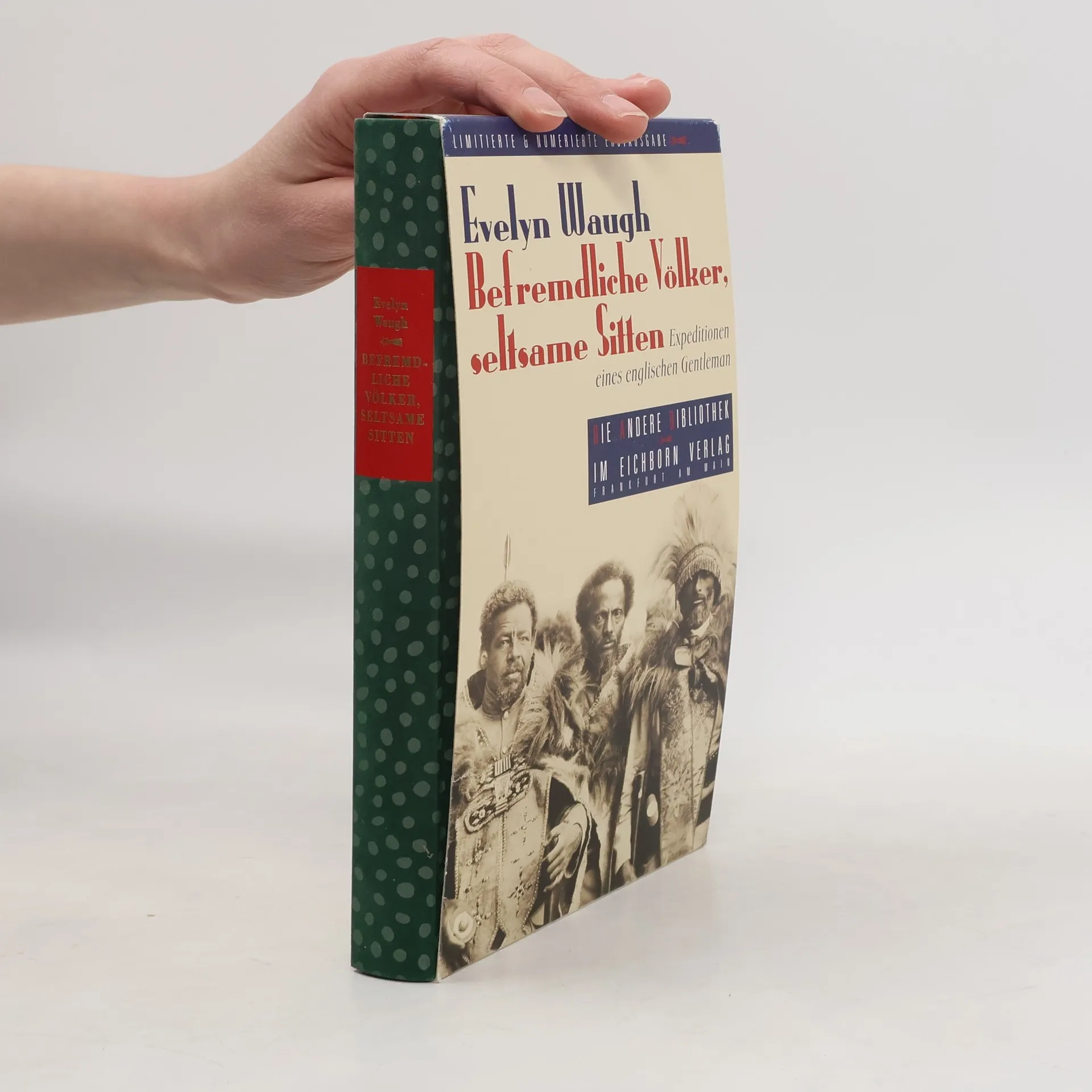
This title starts with a detailed description of Emperor Haile Selassie I's coronation and follows with travels across Africa, showcasing interactions between locals, eccentric expatriates, settlers, Arab traders, dignitaries, and monks.
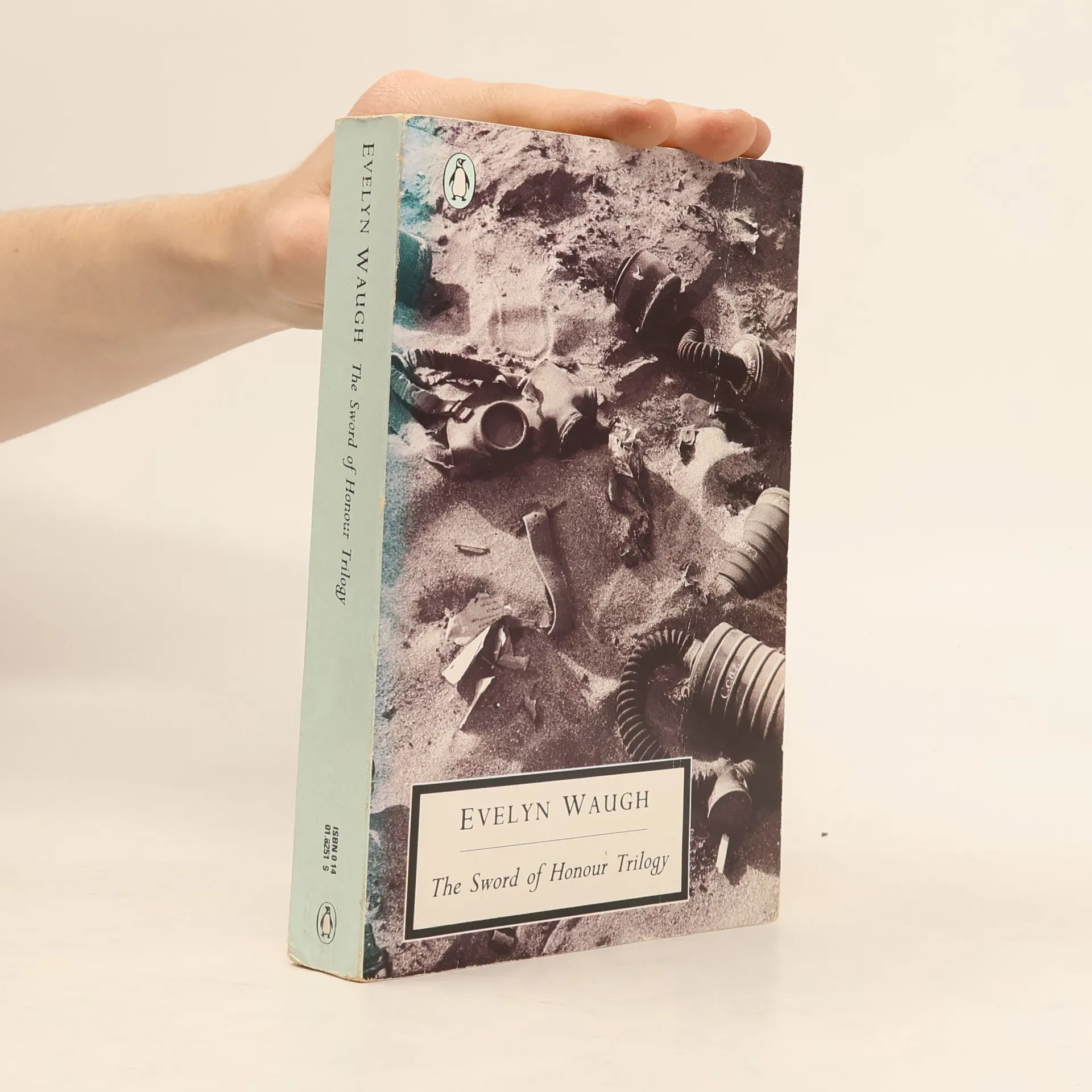
This trilogy spanning World War II, based in part on Evelyn Waugh's own experiences as an army officer, is the author's surpassing achievement as a novelist. Its central character is Guy Crouchback, head of an ancient but decayed Catholic family, who at first discovers new purpose in the challenge to defend Christian values against Nazi barbarism, but then gradually finds the complexities and cruelties of war overwhelming. Though often somber, Sword of Honor is also a brilliant comedy, peopled by the fantastic figures so familiar from Waugh's early satires. The deepest pleasures these novels afford come from observing a great satiric writer employ his gifts with extraordinary subtlety, delicacy, and human feeling, for purposes that are ultimately anything but satiric.
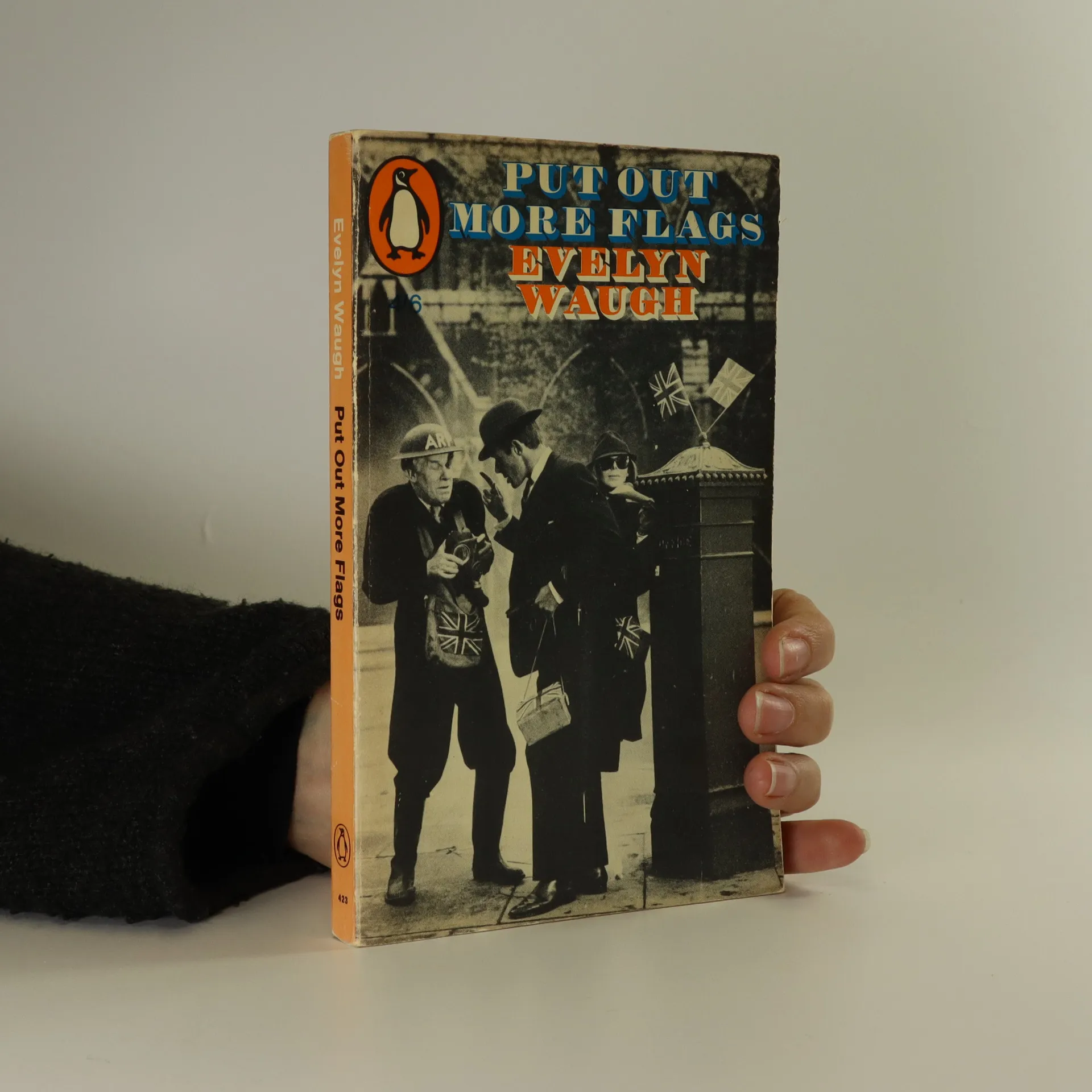
"Put Out More Flags" is Waugh's superb send-up of "smart" England, the bohemian crowd, as World War II approaches. Making a return appearance, Basil Seal this time insinuates himself into an odd but profitable role in the country's mobilization.
Evelyn Waugh kept a diary almost continuously from the age of seven until a year before his death in 1966, and extracts from the diaries caused sensation when they were published by in The Observer. Providing the background to the novels which made Waugh famous, these diaries are a sharp and baleful view of the social history of our times.
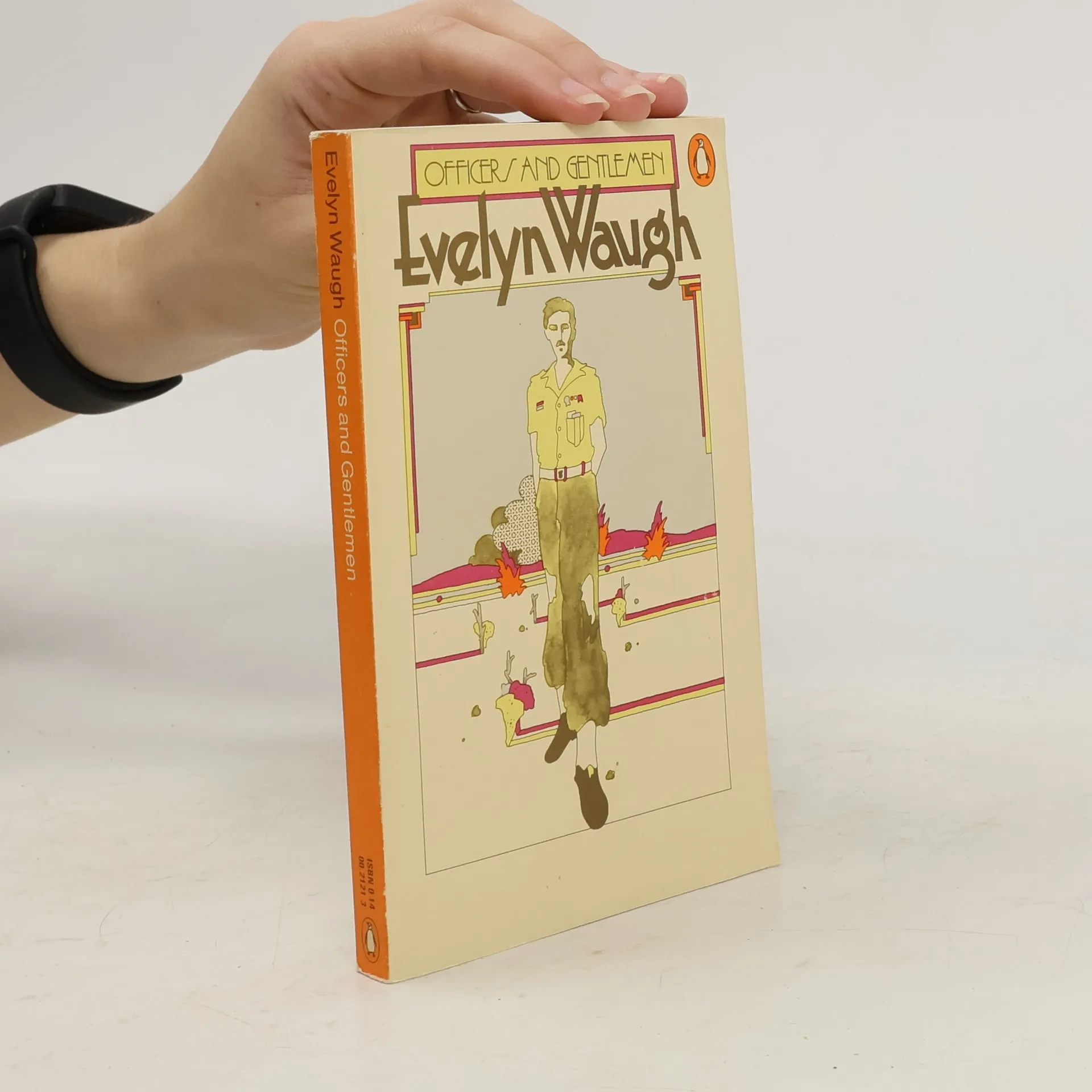
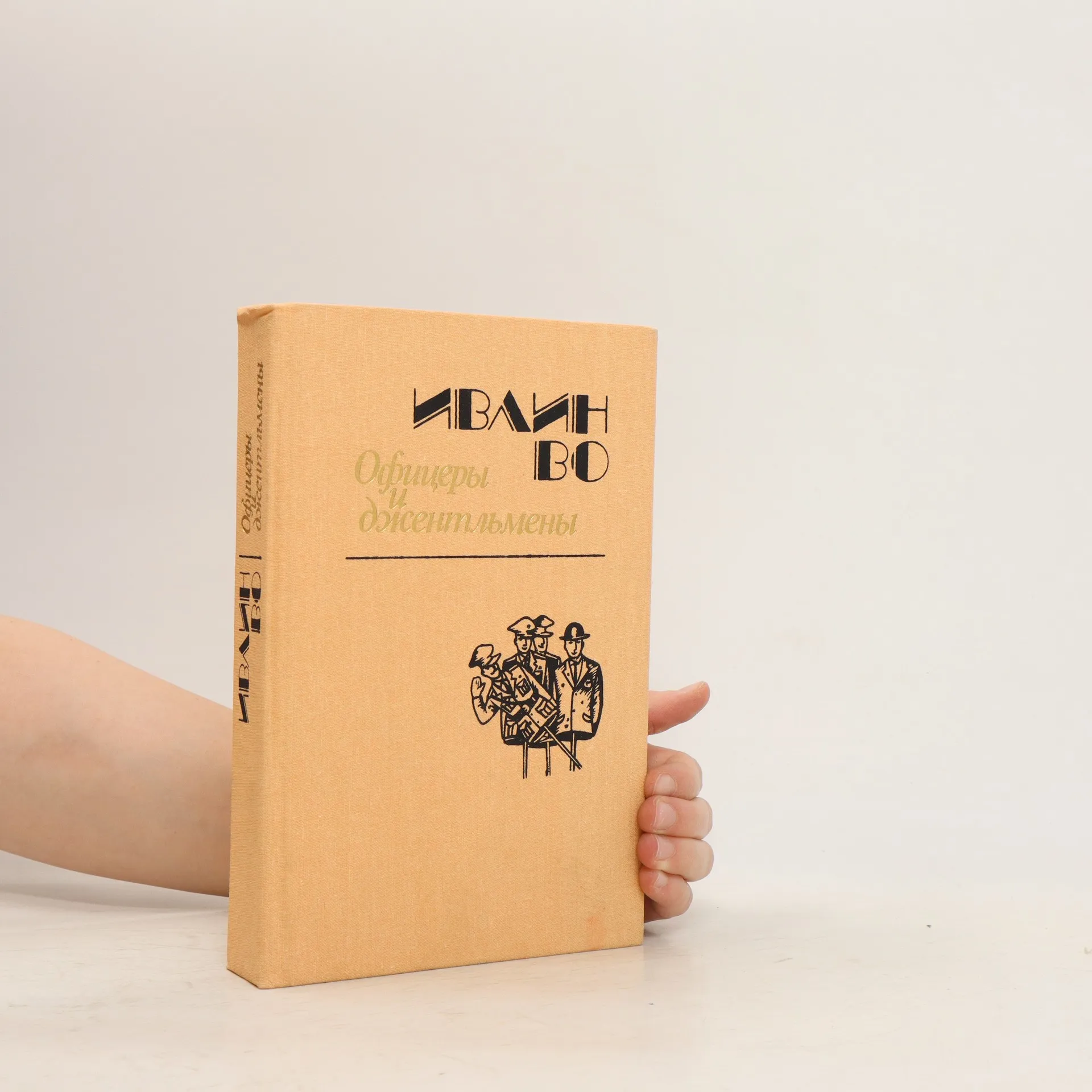
Fueled by idealism and eagerness to contribute to the war effort, Guy Crouchback becomes attached to a commando unit undergoing training on the Hebridean isle of Mugg, where the whisky flows freely and respect must be paid to the laird. But the comedy of Mugg is soon followed by the bitterness of Crete, where chaos reigns and a difficult evacuation must be accomplished. Officers and Gentlemen is the second novel in Waugh's brilliant Sword of Honor trilogy recording the tumultuous wartime adventures of Guy Crouchback, which also comprises Men at Arms and Unconditional Surrender.
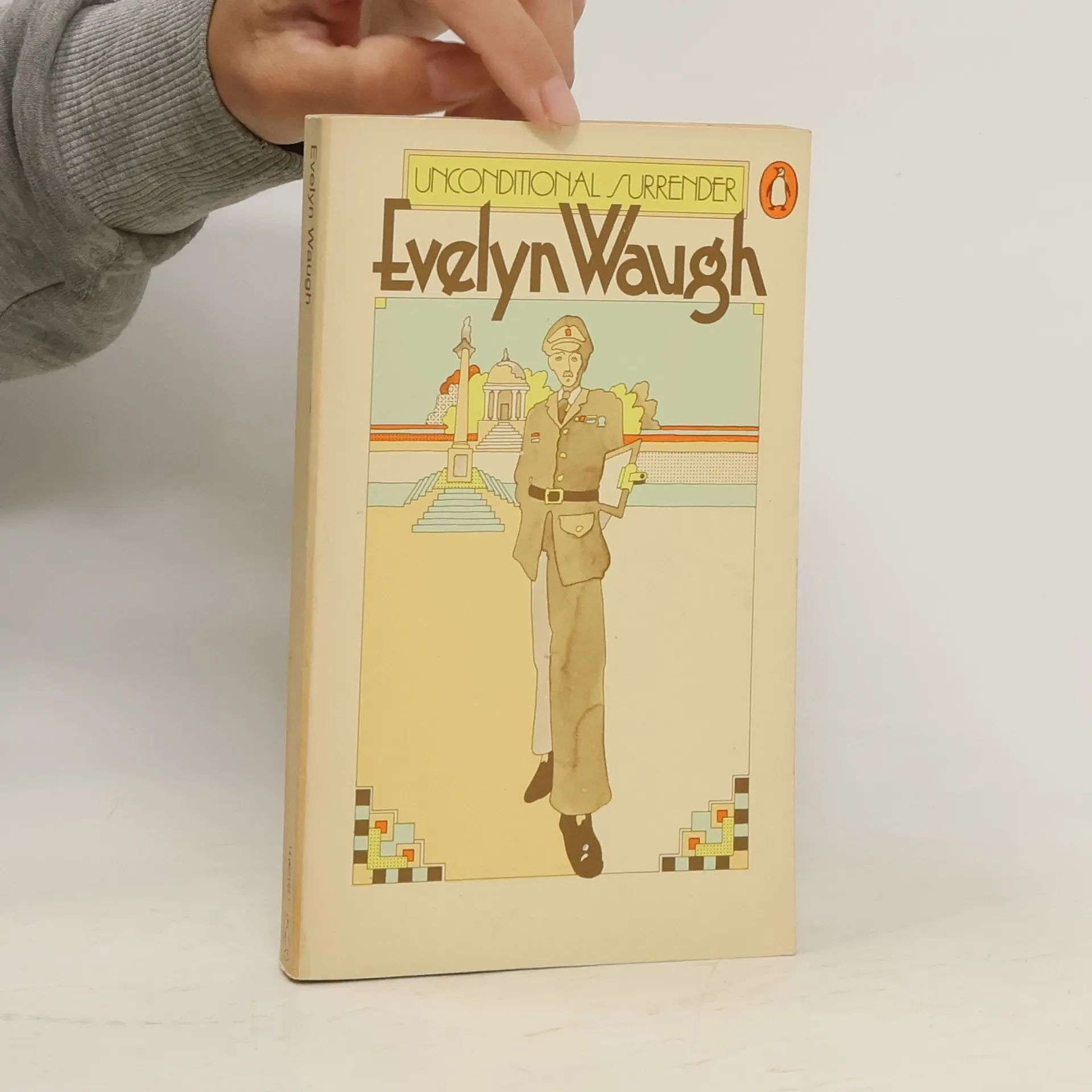
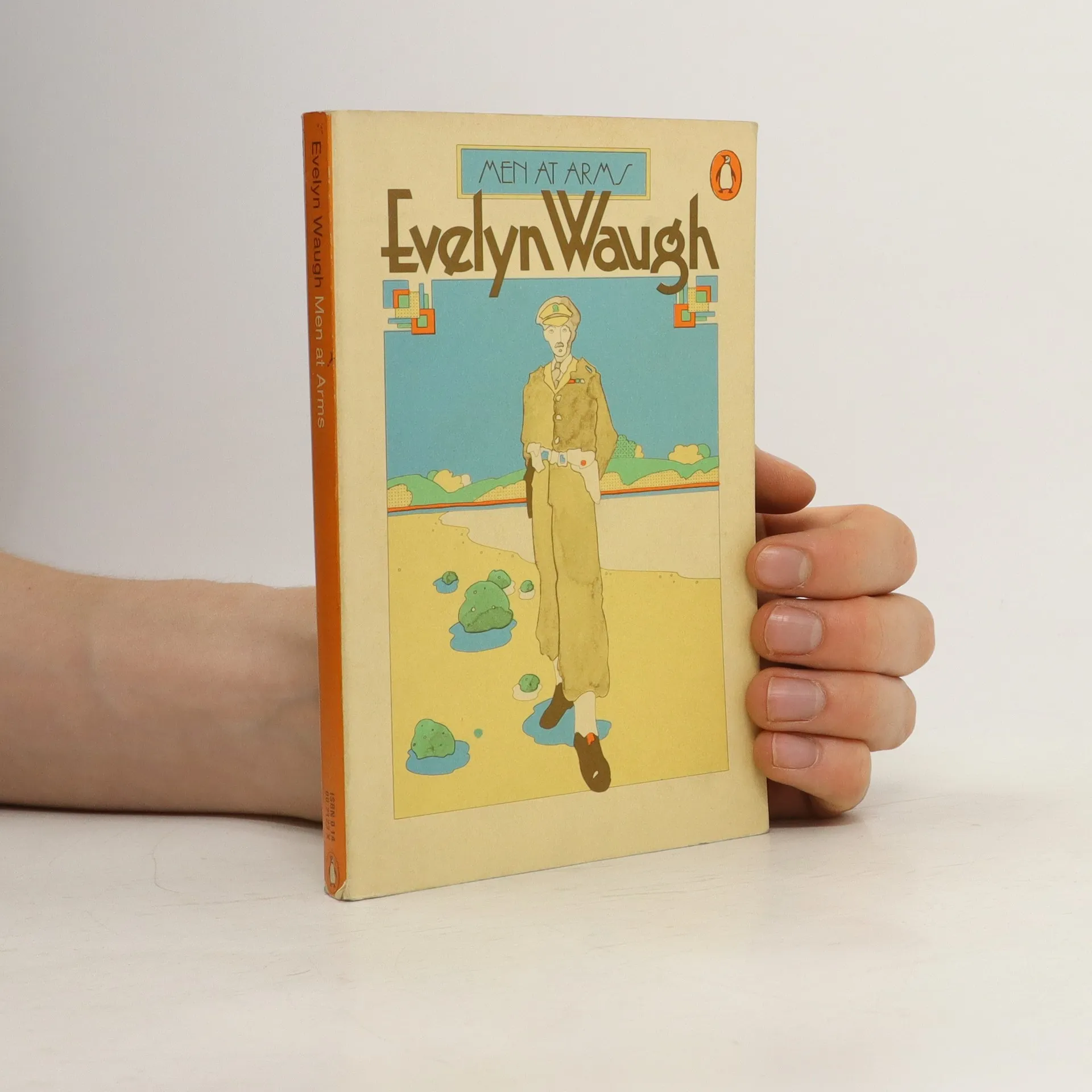
Third of World War II trilogy. M̀en of arms' 30 LP I/S; Òfficers and gentlemen' 15 I/S; Ùnconditonal surrender' 1 I/S. Rev ed. incorporating all these works as a whole under title S̀word of honour' 8 I/S.
These stories have all Waugh's characteristically brilliant, savage wit and reproduce his unmistakable world in miniature. They also constitute a vital supplement to the major novels, while being significant works in their own right
Evelyn Waugh's first book: a portrait of one of the greatest artists of the nienteenth century, from one of the greatest writers of the twentieth 'Biography, as books about the dead are capriciously catalogued, is still very much in the mode' This is a sparkling account of Dante Gabriel Rossetti's tragic and mysterious life, telling the story behind some of the greatest poetry and painting of the nineteenth century. Shot through with charm and dry wit, and illuminated by his sense of kinship with the Pre-Raphaelite artist, Rossetti is at once a brilliant reevaluation of Rosetti's work and legacy, as well as a blast of defiance against the art establishment of Waugh's day. 'The youthful high spirits of the writing make this a true cultural delight' New Statesman 'To be celebrated with fireworks, bunting and marching bands' Country Life
(Book Jacket Status: Jacketed)Evelyn Waugh’s 1934 novel is a bitingly funny vision of aristocratic decadence in England between the wars. It tells the story of Tony Last, who, to the irritation of his wife, is inordinately obsessed with his Victorian Gothic country house and life. When Lady Brenda Last embarks on an affair with the worthless John Beaver out of boredom with her husband, she sets in motion a sequence of tragicomic disasters that reveal Waugh at his most scathing. The action is set in the brittle social world recognizable from Decline and Fall and Vile Bodies, darkened and deepened by Waugh’s own experience of sexual betrayal. As Tony is driven by the urbane savagery of this world to seek solace in the wilds of the Brazilian jungle, A Handful of Dust demonstrates the incomparably brilliant and wicked wit of one of the twentieth century’s most accomplished novelists.
In 1935 Italy declared war on Abyssinia and Evelyn Waugh was sent to Addis
Ababa to cover the conflict. This title captures the dilemmas and complexities
of a feudal society caught up in twentieth-century politics and confrontation.
schovat popis
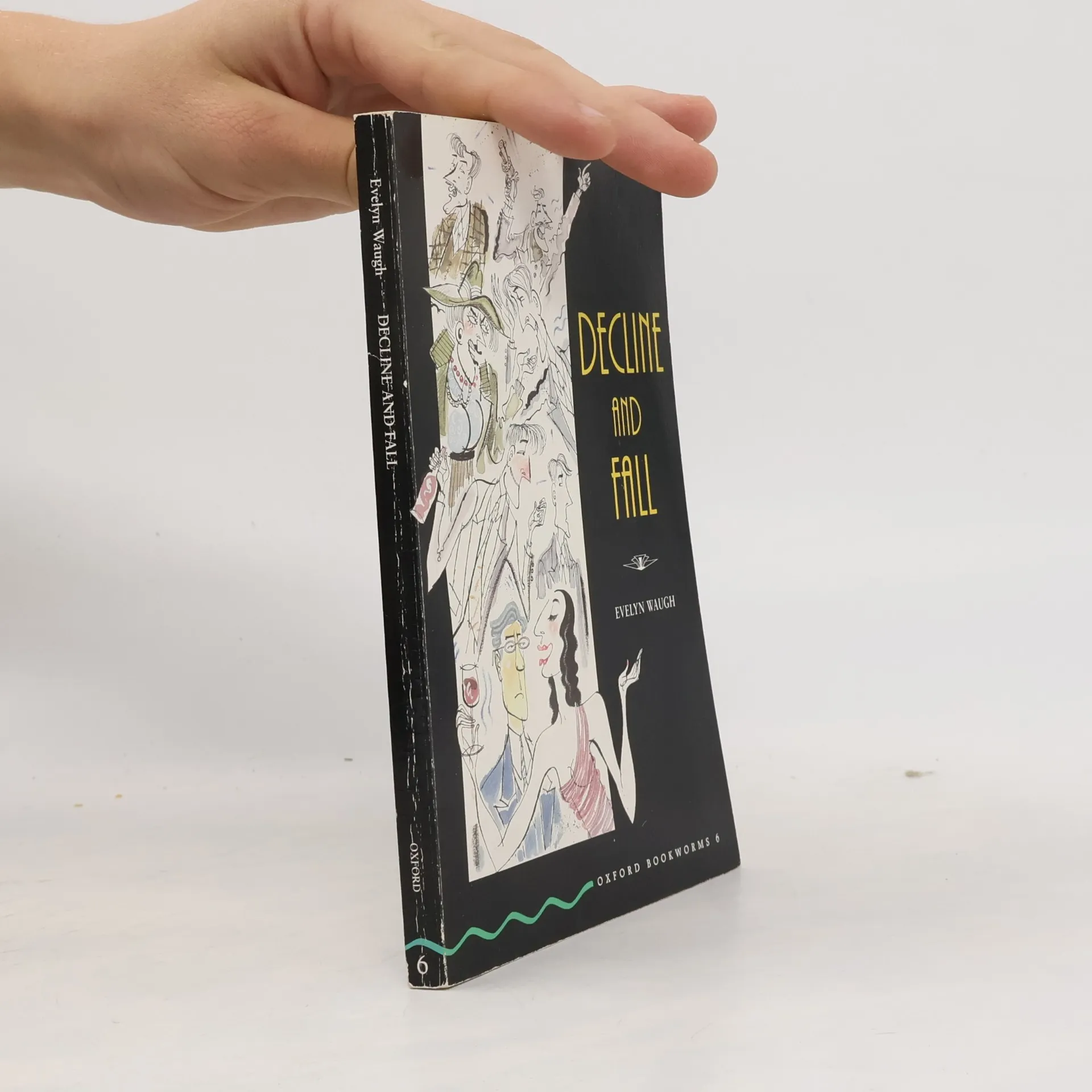
Sent down from Oxford after a wild, drunken party, Paul Pennyfeather is oddly surprised to find himself qualifying for the position of schoolmaster at a boys' private school in Wales. His colleagues are an assortment of misfits, rascals and fools, including Prendy (plagued by doubts) and Captain Grimes, who is always in the soup (or just plain drunk). Then Sports Day arrives, and with it the delectable Margot Beste-Chetwynde, floating on a scented breeze. As the farce unfolds in Evelyn Waugh's dazzling debut as a novelist, the young run riot and no one is safe, least of all Paul.
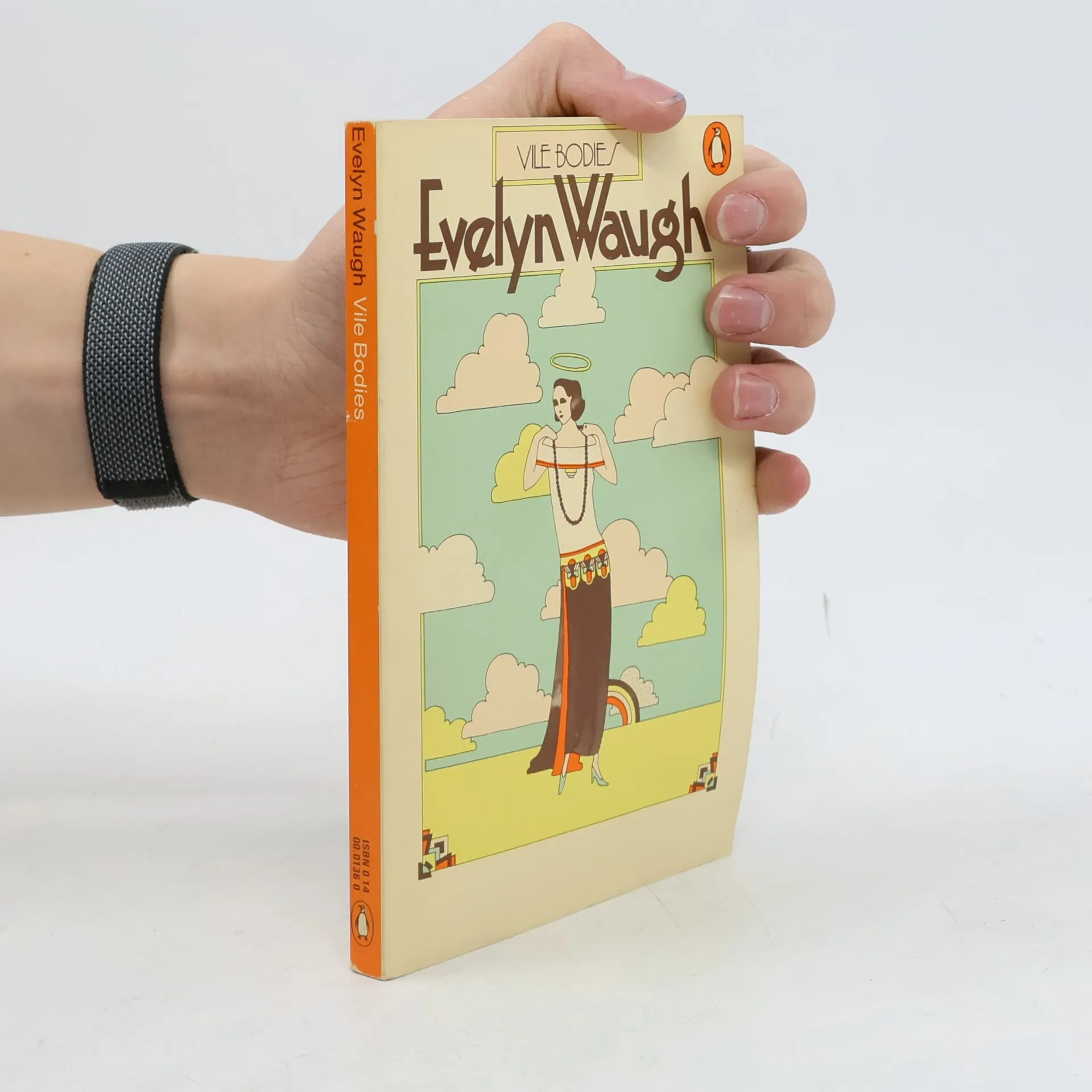
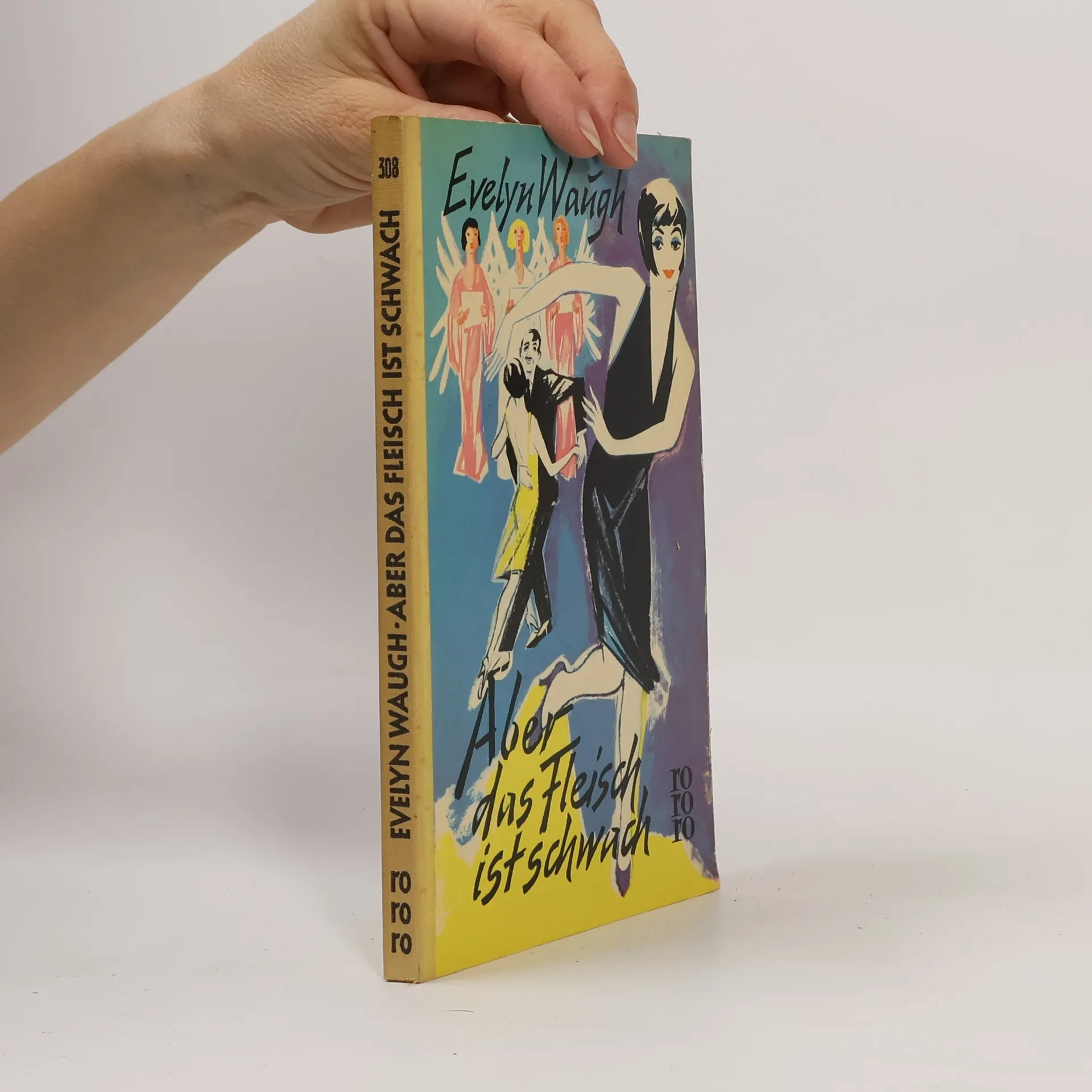
The Bright Young Things of 1920s Mayfair, with their paradoxical mix of innocence and sophistication, exercise their inventive minds and vile bodies in every kind of capricious escapade, whether it is promiscuity, dancing, cocktail parties or sports cars. A vivid assortment of characters, among them the struggling writer Adam Fenwick-Symes and the glamorous, aristocratic Nina Blount, hunt fast and furiously for ever greater sensations and the hedonistic fulfilment of their desires. Evelyn Waugh’s acidly funny and experimental satire shows a new generation emerging in the years after the First World War, revealing the darkness and vulnerability beneath the glittering surface of the high life.
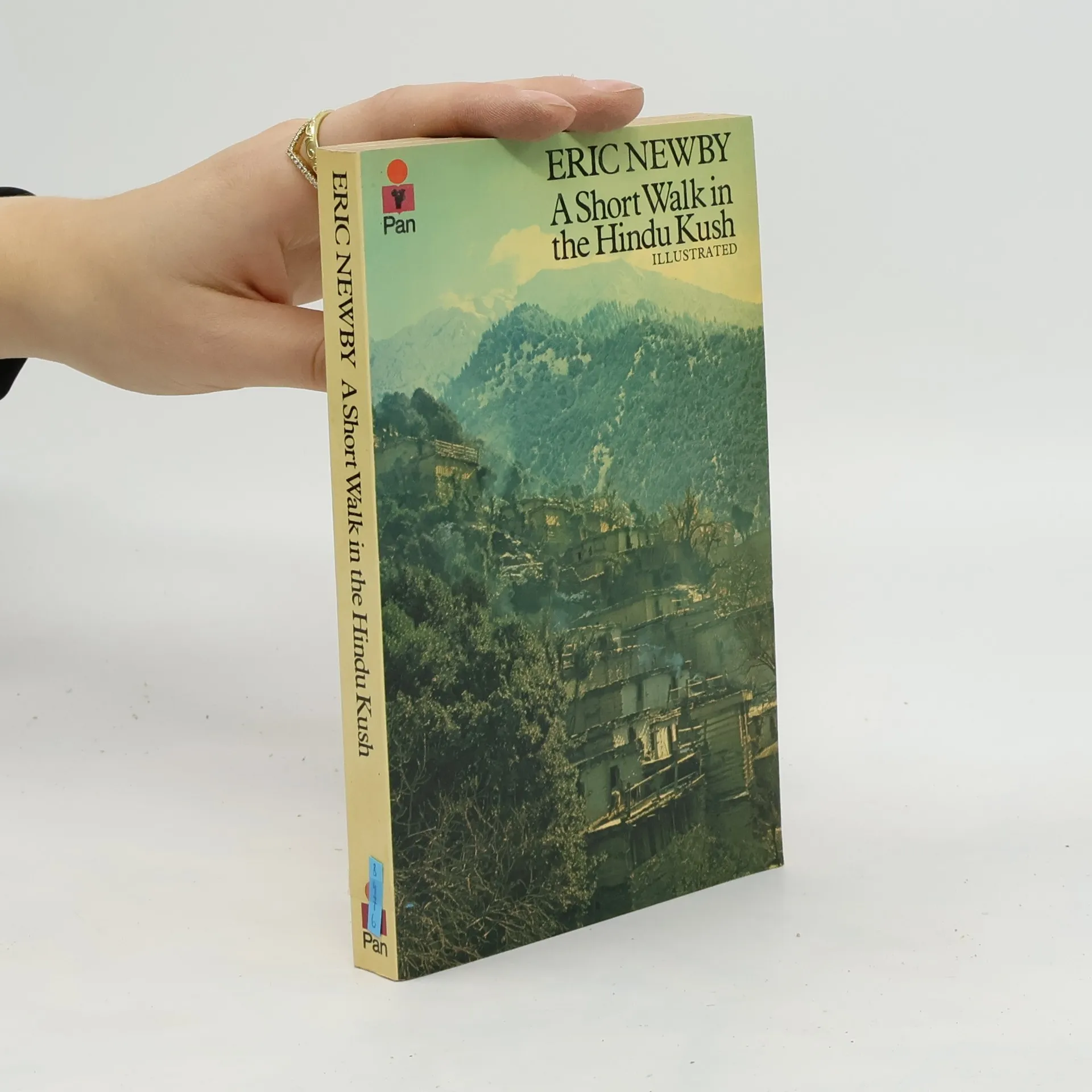
Some of the maps in this title are best viewed on a tablet device. A classic of travel writing, 'A Short Walk in the Hindu Kush' is Eric Newby's iconic account of his journey through one of the most remote and beautiful wildernesses on earth. It was 1956, and Eric Newby was earning an improbable living in the chaotic family business of London haute couture. Pining for adventure, Newby sent his friend Hugh Carless the now-famous cable - CAN YOU TRAVEL NURISTAN JUNE? - setting in motion a legendary journey from Mayfair to Afghanistan, and the mountains of the Hindu Kush, north-east of Kabul. Inexperienced and ill prepared (their preparations involved nothing more than some tips from a Welsh waitress), the amateurish rogues embark on a month of adventure and hardship in one of the most beautiful wildernesses on earth - a journey that adventurers with more experience and sense may never have undertaken. With good humour, sharp wit and keen observation, the charming narrative style of 'A Short Walk in the Hindu Kush' would soon crystallise Newby's reputation as one of the greatest travel writers of all time. One of the greatest travel classics from one of Britain's best-loved travel writers, this edition includes an epilogue from Newby's travelling companion, Hugh Carless, and a prologue from one of Newby's greatest proponents, Evelyn Waugh.
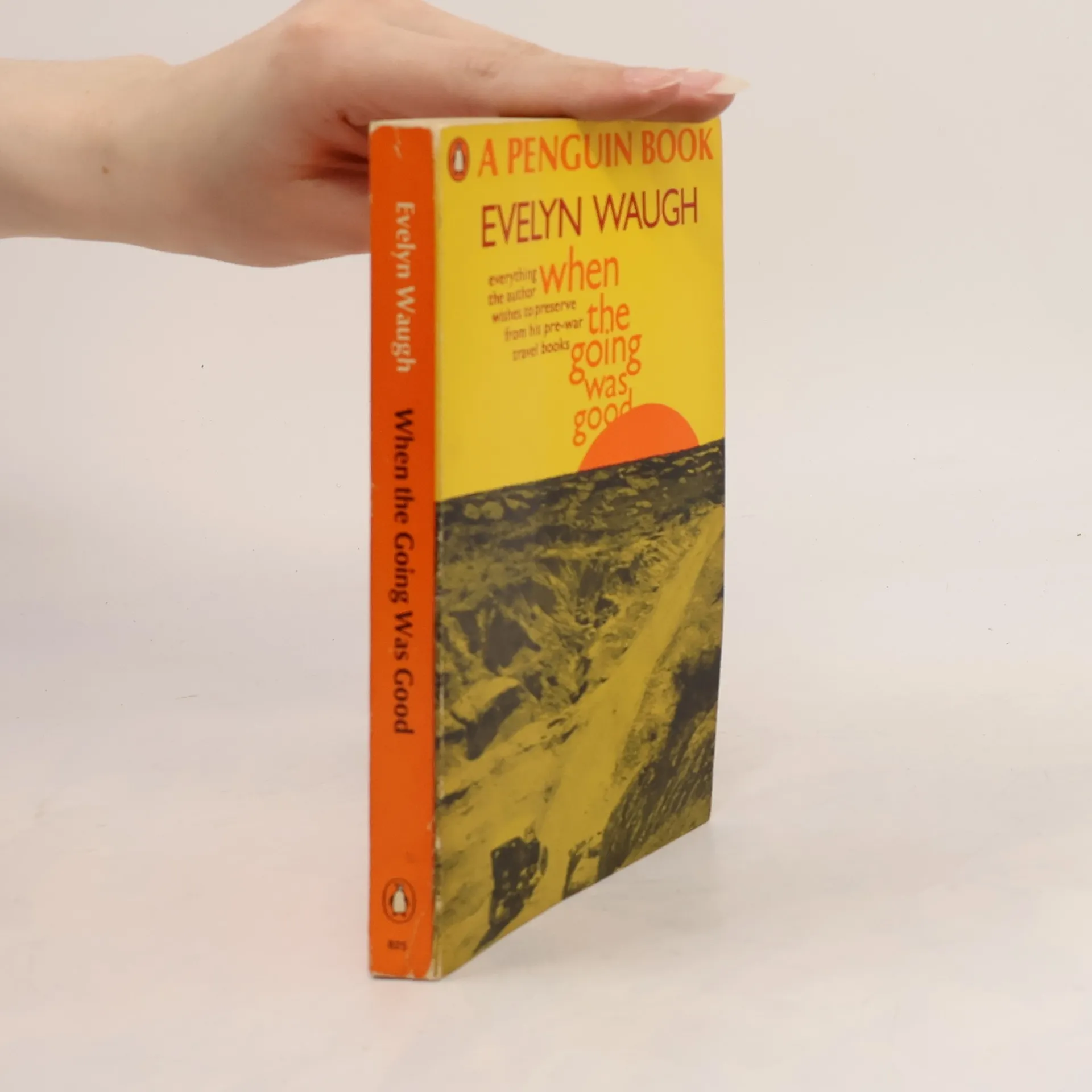
Between 1929 and 1935 the author travelled widely and wrote about his experiences. This title discusses a cruise around the Mediterranean; a train trip from Djibouti to Abyssinia to attend Emperor Haile Selassie's coronation in 1930; and, his travels in Aden, Zanzibar, Kenya and the Congo, coping with unbearable heat and plagued by mosquitoes.
Gilbert Pinfold is a reclusive Catholic novelist suffering from acute inertia. In an attempt to keep insomnia at bay he has been imbibing an unappetizing cocktail of bromide, chloral and creme de menthe. He books a passage on the SS Caliban, and as it cruises towards Rangoon, he slips into madness.
Published by Penguin for more than fifty years, Evelyn Waugh is one of the greatest satirical writers of the twentieth century. In this irreverent personal account of the crowning of the last Emperor of Ethiopia who inspired the Rastafarian religion he makes full use of his comic genius, brilliantly capturing the bureaucracy, lunacy and passion of a country gripped by coronation fever. Extracts from Remote people (1931).
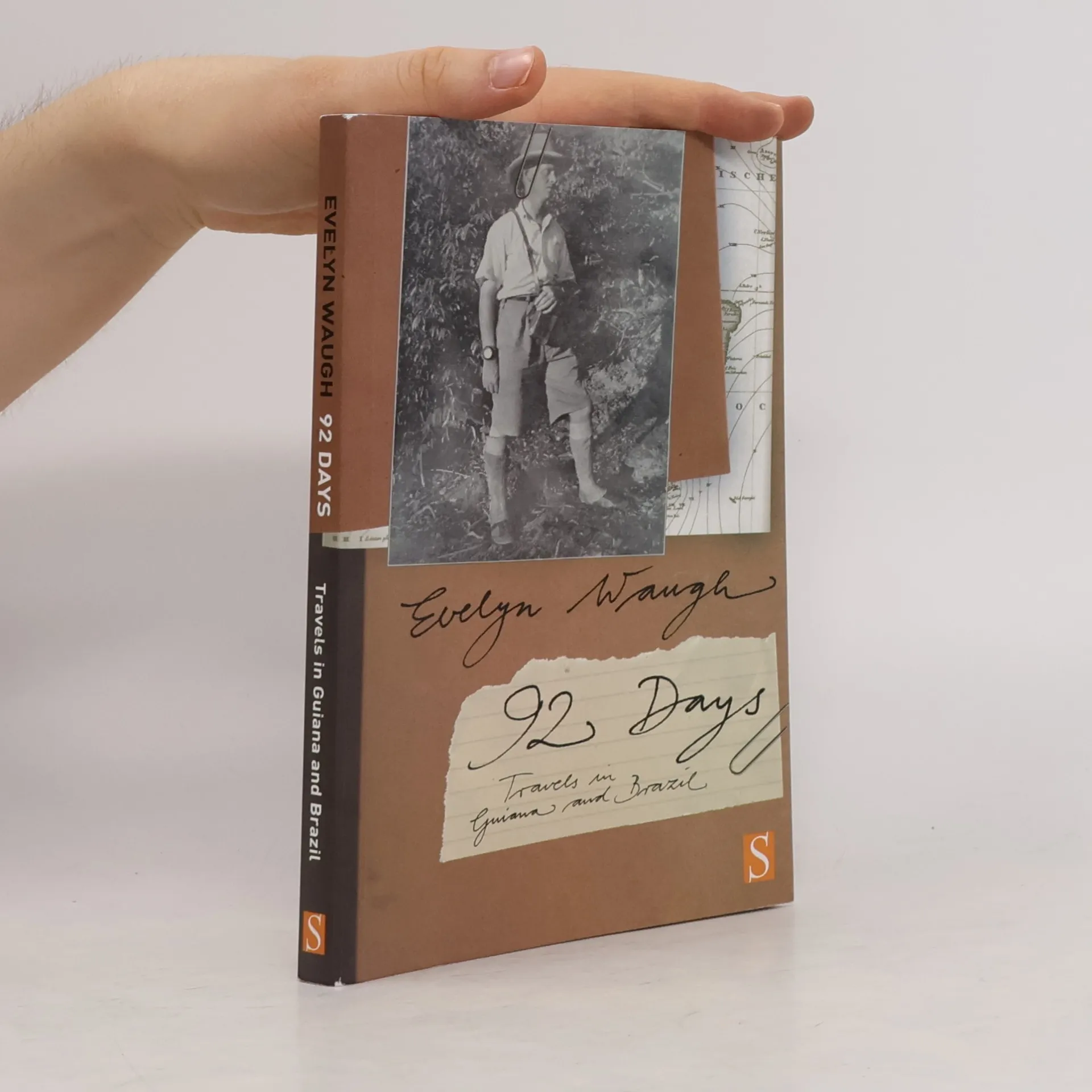
Ninety-two Days The great author's account of the journey that gave birth to his novel 'A Handful of Dust' makes gripping and often hilarious he travels through Guyana and northern Brazil on foot, horseback and by boat in 1932. The Guardian's reviewer found it 'exquisitely miserable'. Full description
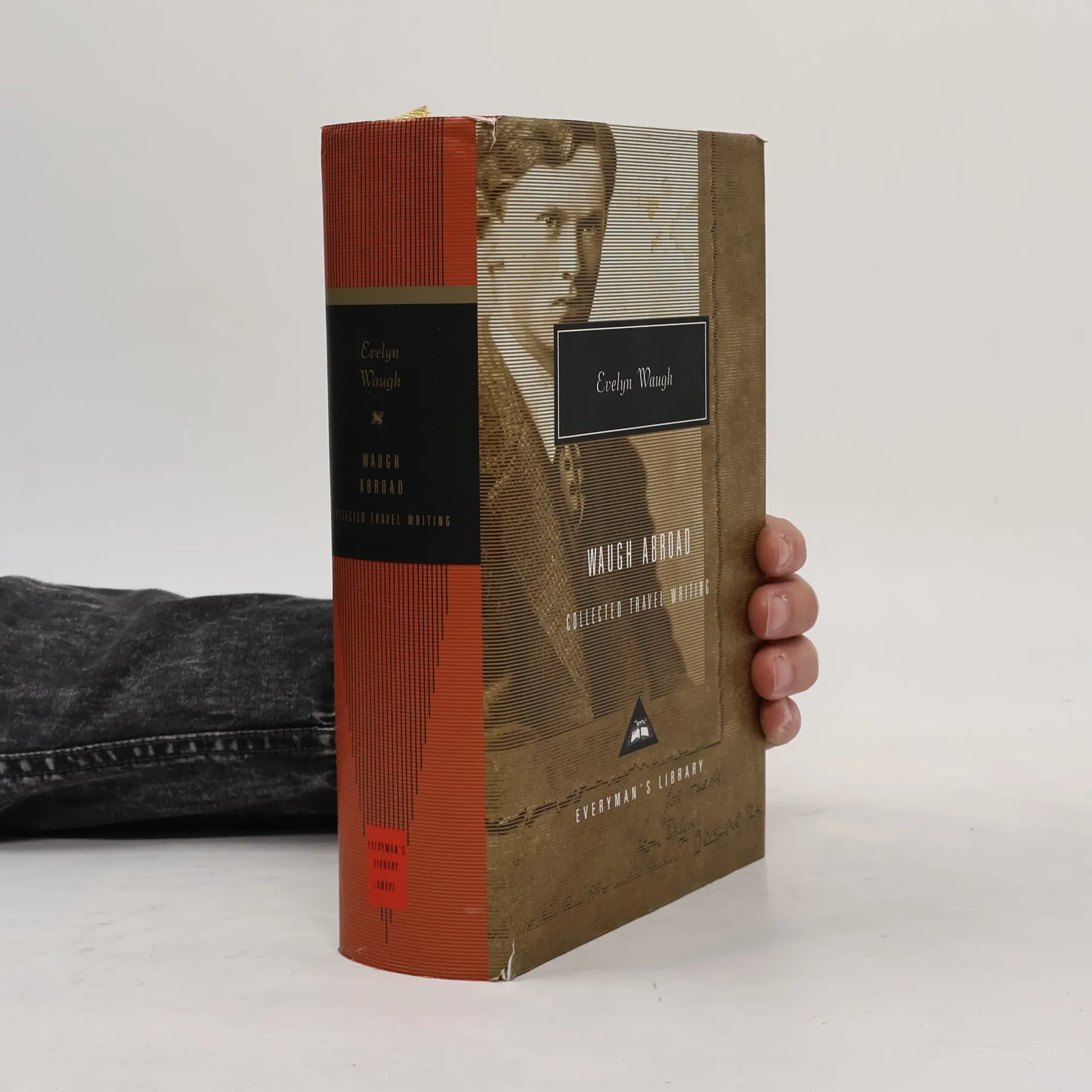
(Book Jacket Jacketed)Thirty years’ worth of Evelyn Waugh’s inimitable travel writings have been gathered together for the first time in one volume.Waugh’s accounts of his travels–spanning the years from 1929 to 1958–describe journeys through the West Indies, Mexico, South America, the Holy Land, and Africa. And just as his travels informed his fiction, his novelist’s sensibility is apparent in each of these pieces. Waugh pioneered the genre of modern travel writing in which the comic predicament of the traveler is as central as the world he encounters. He wrote with as sharp an eye for folly as for foliage, and a delight in the absurd, not least where his own comfort and dignity are concerned.From his fresh take on the well-traveled and hence already “fully labeled” Mediterranean region in Labels, to a close-up view of Haile Selassie’s coronation in Remote People, from a comically miserable stint in British Guiana.
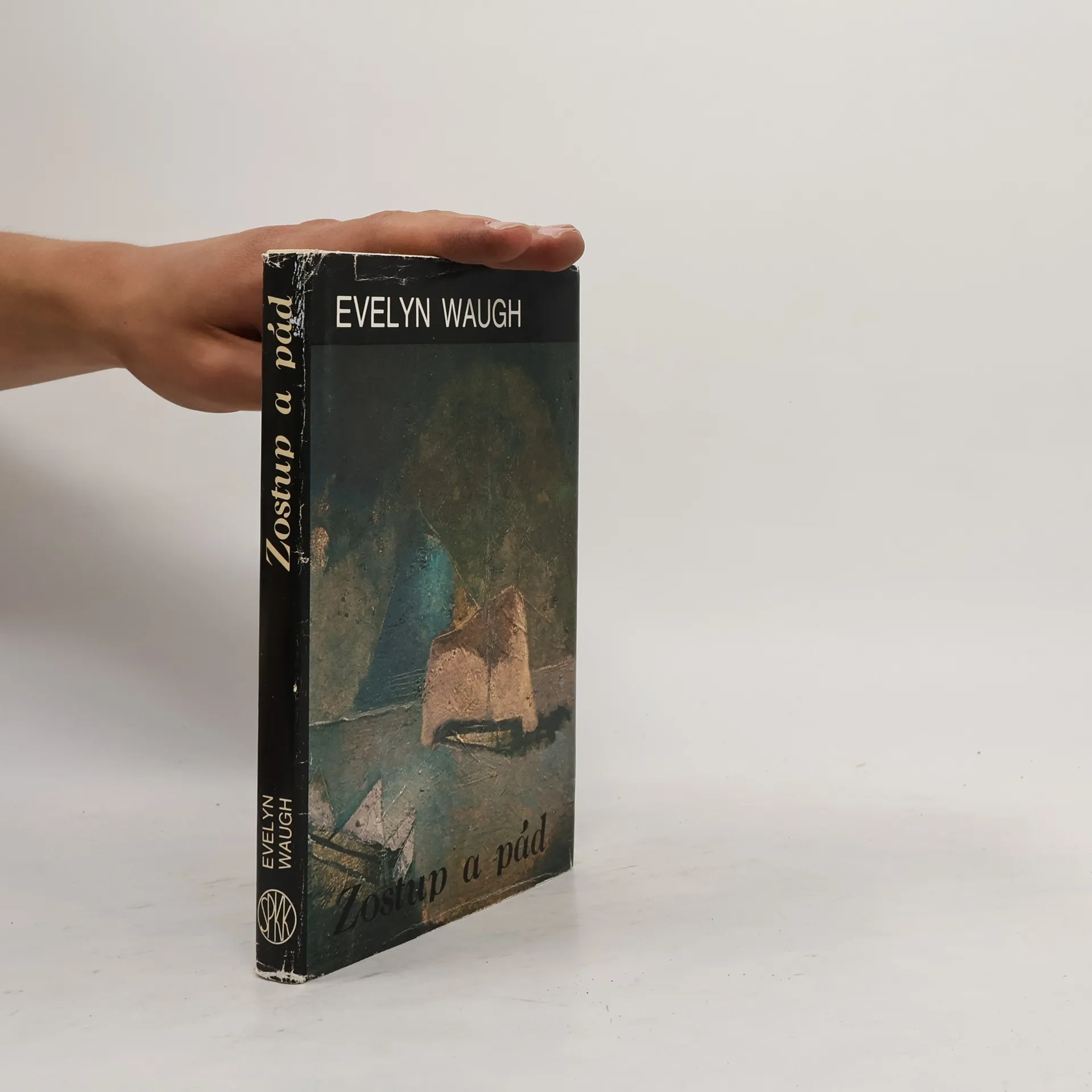
Významný anglický satirik Evelyn Waugh je autorom viacerých úspešných románov, v ktorých sa vedel majstrovsky vysmiať z chýb a vlastností svojho národa a kritizovať ich literárnou formou. Takým je i v románe Zostup a pád v jedinečnej satire na anglické výberové školy, na systém známostí,súdnictvo a na anglickú spoločnosť vôbec. Dejová niť románu je vcelku jednoduchá: Paula Pennyfeathera vylúčia z teologickej fakulty za nemravnosť, keď ho opiti kolegovia v klube po pijatike vyzlečú z nohavíc. Potom sa mu už smola neprestane lepiť na päty. Stráca dedičstvo a nezostáva mu nič iné, len si zarábať na živobytie v podradnej súkromnej škole. Tu sa autorovi natíska príležitosť vykresliť celú galériu komických a kurióznych postavičiek, ktoré sa vyznačujú najmä lenivosťou a presvedčením. že v každej životnej situácií narazia na starého spolužiaka, ktorý im pomôže. Paula, ktorý to všetko ohromene sleduje, v deň sobáša zatknú a uväznia. V dôsledku neuveritelných skutočností mu vystavia dokonca úmrtný list, vďaka ktorému sa stáva novým človekom a vracia sa ta, kde začal do študentských lavíc.
Expeditionen eines englischen Gentleman - Limitierte & nummerierte Erstausgabe
325 stránek
12 hodin čtení
Perhaps the funniest travel book ever written, Remote People begins with a vivid account of the coronation of Emperor Ras Tafari - Haile Selassie I, King of Kings - an event covered by Evelyn Waugh in 1930 as special correspondent for The Times. It continues with subsequent travels throughout Africa, where natives rub shoulders with eccentric expatriates, settlers with Arab traders and dignitaries with monks. Interspersed with these colourful tales are three 'nightmares' which describe the vexations of travel, including returning home.
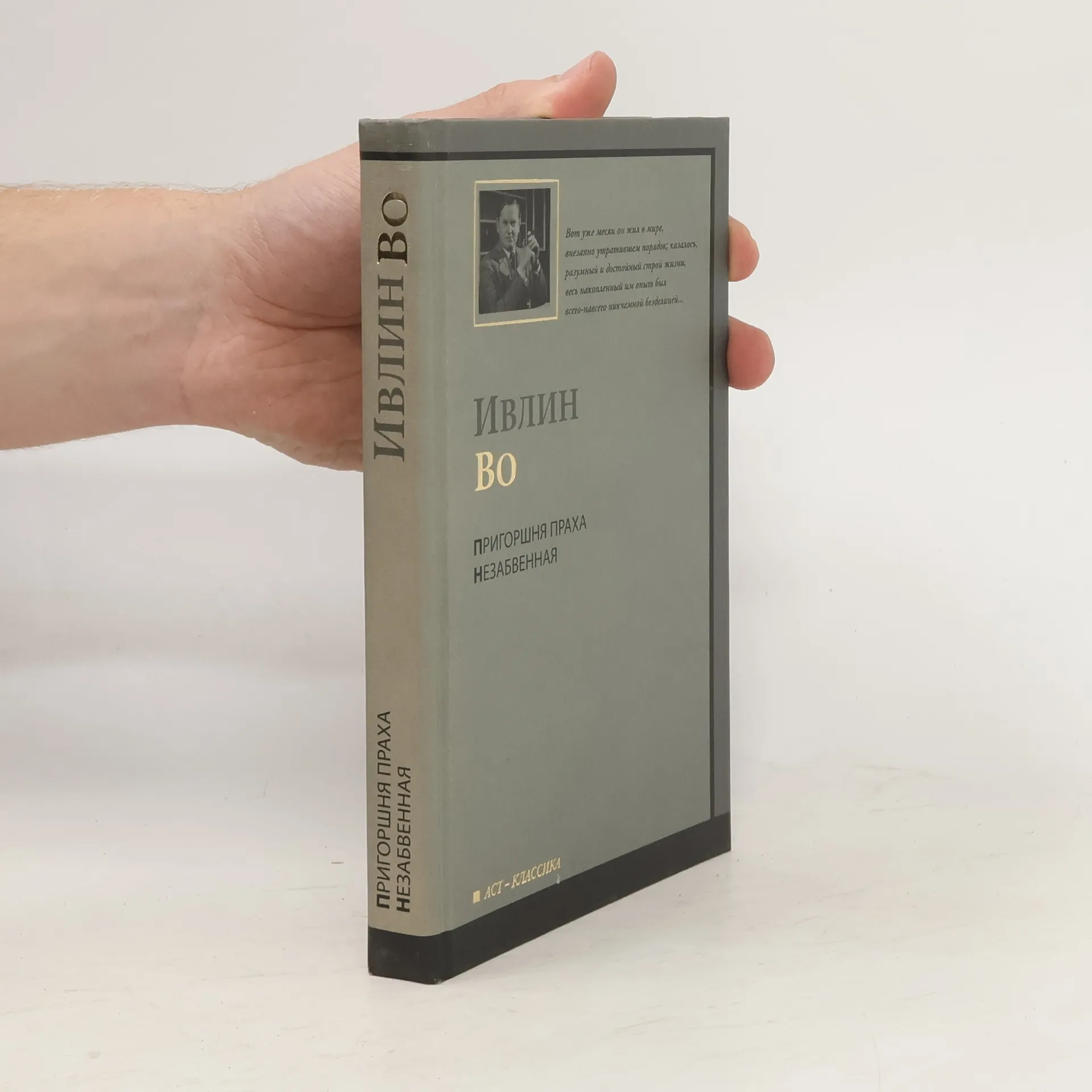
Эти остроумные, саркастично-злые произведения, сюжетно и стилистические разные, объединены общей темой парадоксальной абсурдности бытия и трагедии интеллектуалов, задушенных стремительным ритмом жизни XX века
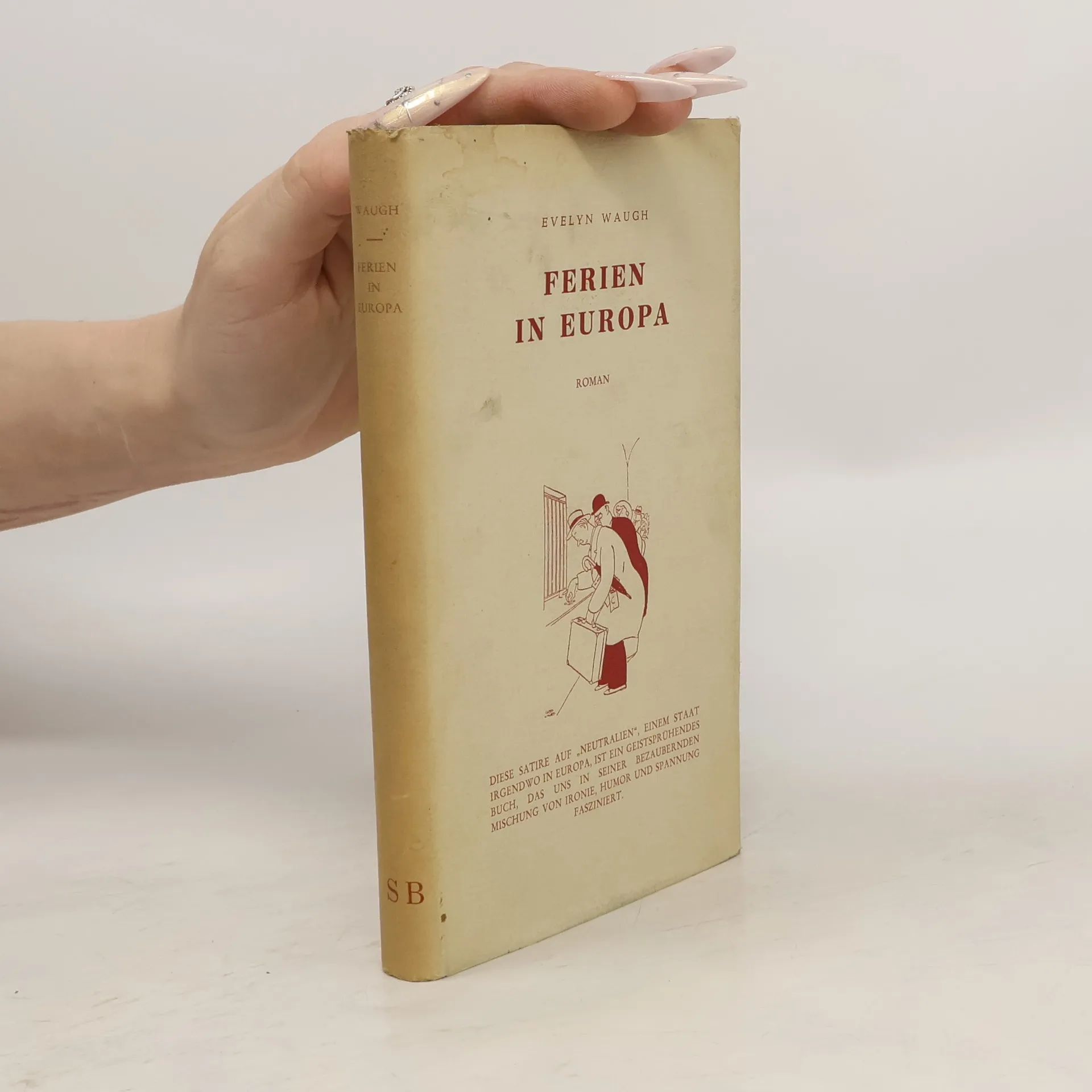
Scott-King ist ein staubtrockener Gelehrter, wie er im Buche steht. Er ist Lehrer für Latein und Griechisch in einem englischen Internat, findet moderne Sprachen vulgär und führt ein angenehm gleichförmiges Leben. Ein Essay, den er über den obskuren Dichter Bellorius geschrieben hat, trägt ihm eine Einladung zu einem Kongress in dessen Heimatland Neutralien ein. Dort aber herrscht eine Militärdiktatur, und der aufrechte Brite findet sich bald in absurder internationaler Gesellschaft wieder, mit aufdringlicher Gastfreundschaft traktiert, für politische Zwecke vereinnahmt – und in Lebensgefahr.
Millicent Blade hat die hübscheste Nase und die meisten Verehrer von ganz London, aber wenn ihrem Schoßhündchen die Verehrer nicht passen, hat auch die Nase nichts mehr zu lachen; Lord Moping hat im Alter etwas merkwürdige Steckenpferde entwickelt; Johns Arbeit an seinem Manuskript ruht, denn sein Freund hat eine reizvoll-exzentrische Verlobte: Lucy. Und zuletzt die Geschichte von Charles Ryders Schulzeit.§
Eine junge Dame der Londoner Gesellschaft erlebt auf einer Schiffsreise zahlreiche Verlobungen und Entlobungen. Simons Ausflug ins echte Leben wird zu einem Schattenboxen mit Shakespeares Hamlet. Waugh kontrastiert meisterhaft den morbiden Stolz einer untergehenden Gesellschaft mit der Abgeklärtheit des modernen Menschen.
Die besten Erzählungen von Evelyn Waugh in neuen und revidierten Übersetzungen, darunter vier zum ersten Mal auf Deutsch. »Wörter sollten ein intensives Vergnügen sein«, so Waugh. Seine Erzählungen sind genau das: satirisch, verblüffend, konzentriert, melancholisch, boshaft und stets glänzend geschrieben.