

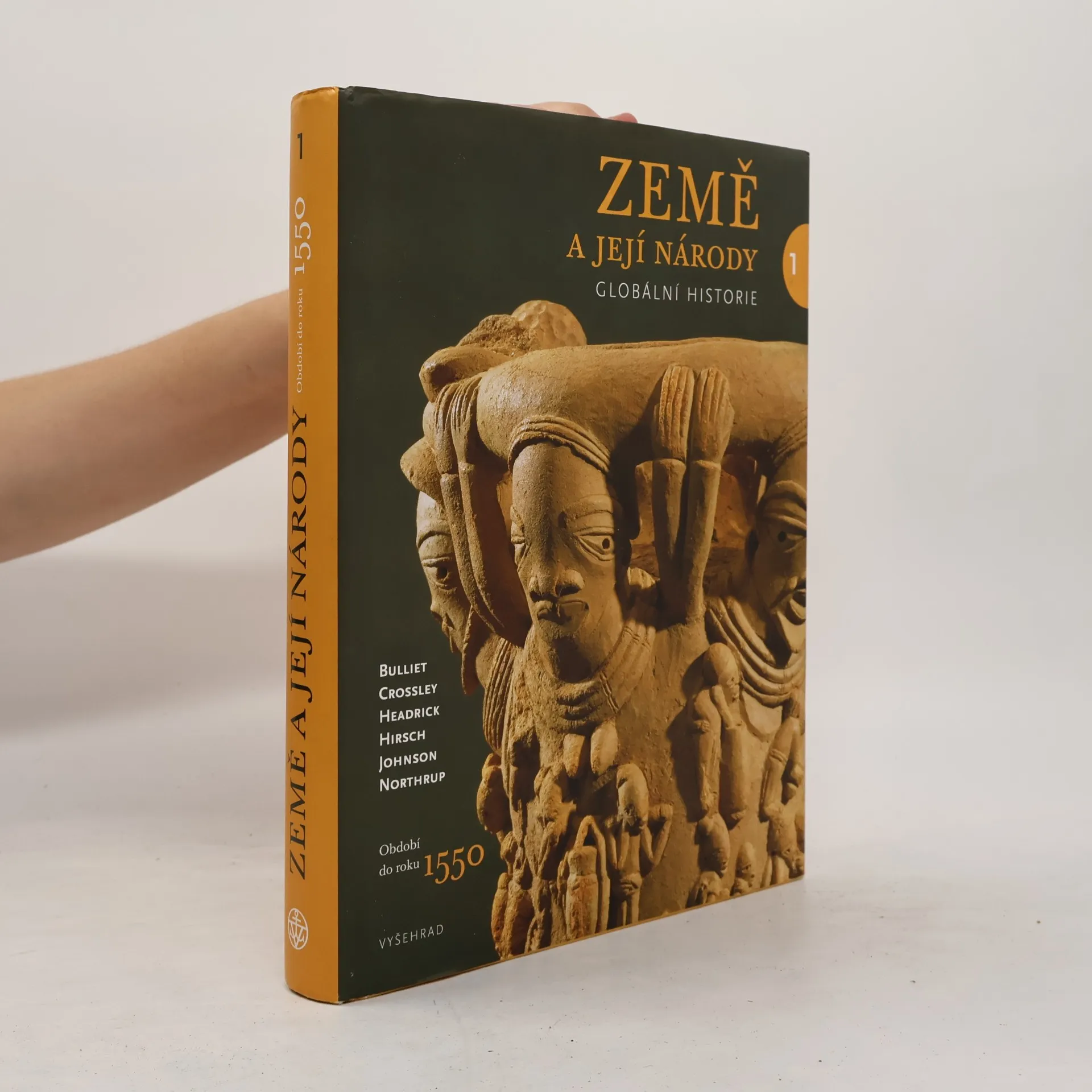
Moderní průvodce světovými dějinami ve výpravném provedení První díl rozsáhlé dvoudílné publikace, která se v anglickém originále dočkala mnoha aktualizovaných vydání. Kniha představuje světové dějiny ve vyváženém celosvětovém rámci a přesouvá pozornost od politických center moci, jimž byla tradičně věnována pozornost. Jde o globální přehled světových dějin, jehož základním tématem je interakce člověka s jeho životním prostředím. Na tomto základě autoři přistupují k porovnání různých dob, míst a společností. Zvláštní důraz je přitom kladen na technologie (v nejširším slova smyslu) a na to, jakým způsobem technologický vývoj podmiňoval lidskou činnost. Desítky map, unikátních ilustrací a chronologických tabulek poskytují skutečně interaktivní čtenářský zážitek.
Daniel R. Headrick Knihy


Power Over Peoples
Technology, Environments, and Western Imperialism, 1400 to the Present
- 412 stránek
- 15 hodin čtení
Focusing on historical studies, technological change, and economic history, the author explores often-overlooked questions with a unique analytical approach. This work promises to be a significant contribution to its fields, likely to be referenced extensively in academic discussions.
Technology
- 200 stránek
- 7 hodin čtení
Today technology has created a world of dazzling progress, growing disparities of wealth and poverty, and looming threats to the environment. A World History offers an illuminating backdrop to our present moment--a brilliant history of invention around the globe. Historian Daniel R. Headrick ranges from the Stone Age and the beginnings of agriculture to the Industrial Revolution and the electronic revolution of the recent past. In tracing the growing power of humans over nature through increasingly powerful innovations, he compares the evolution of technology in different parts of the world, providing a much broader account than is found in other histories of technology. We also discover how small changes sometimes have dramatic results--how, for instance, the stirrup revolutionized war and gave the Mongols a deadly advantage over the Chinese. And how the nailed horseshoe was a pivotal breakthrough for western farmers. Enlivened with many illustrations, Technologyoffers a fascinating look at the spread of inventions around the world, both as boons for humanity and as weapons of destruction.
When Information Came of Age
- 256 stránek
- 9 hodin čtení
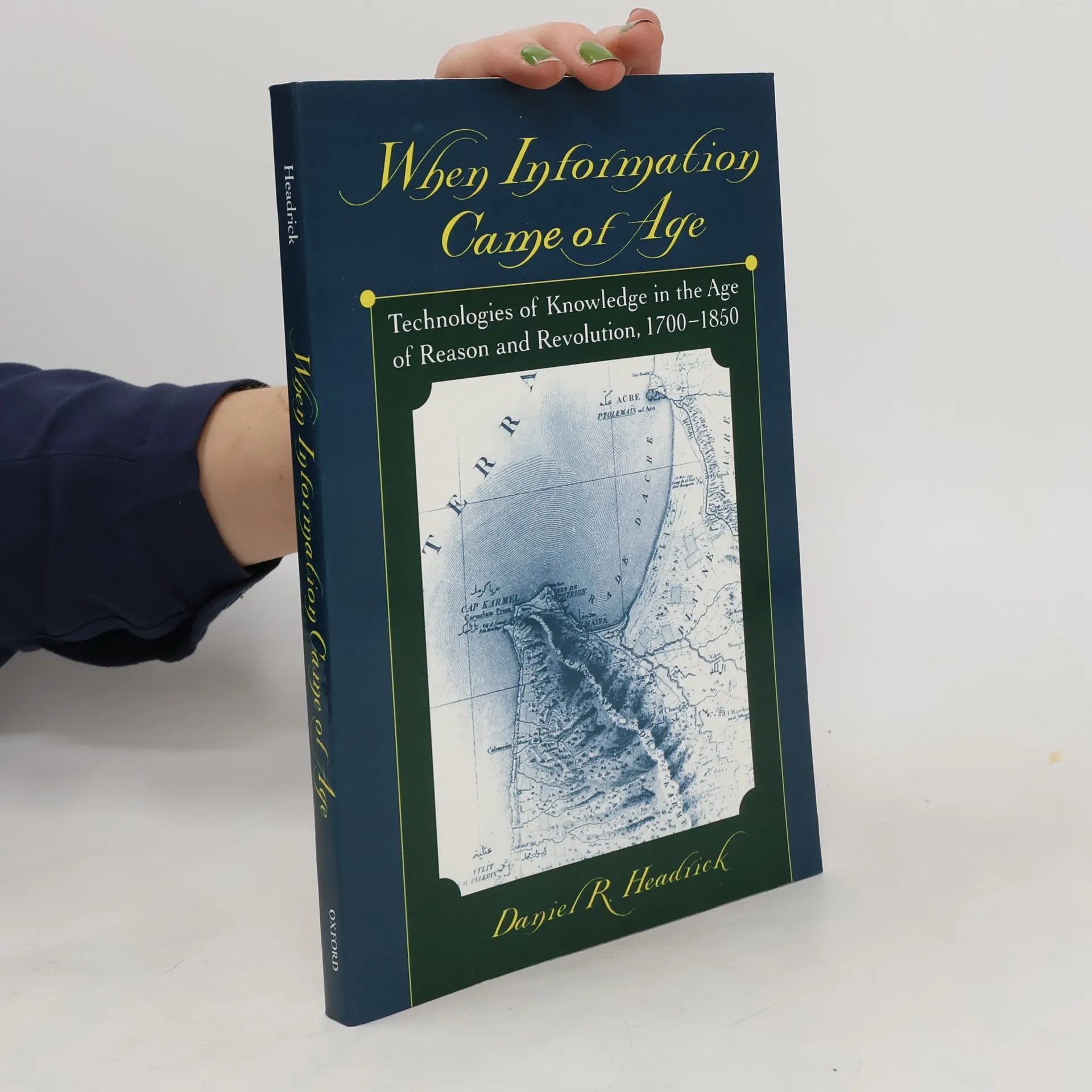
"One of the myths of the computer era is that it is our age that invented Information Technology. In a book that is as timely as it is scholarly, Dan Headrick shows how the age of enlightenment discovered 'information' as a systematic way of organizing the things we know. Information technologies preceded industrialization and clearly played a major role in the emergence of modern production techniques and the democratic institutions of free market. Headrick isone of the most imaginative and original minds working on historical questions today."--Joel Mokyr, Northwestern University
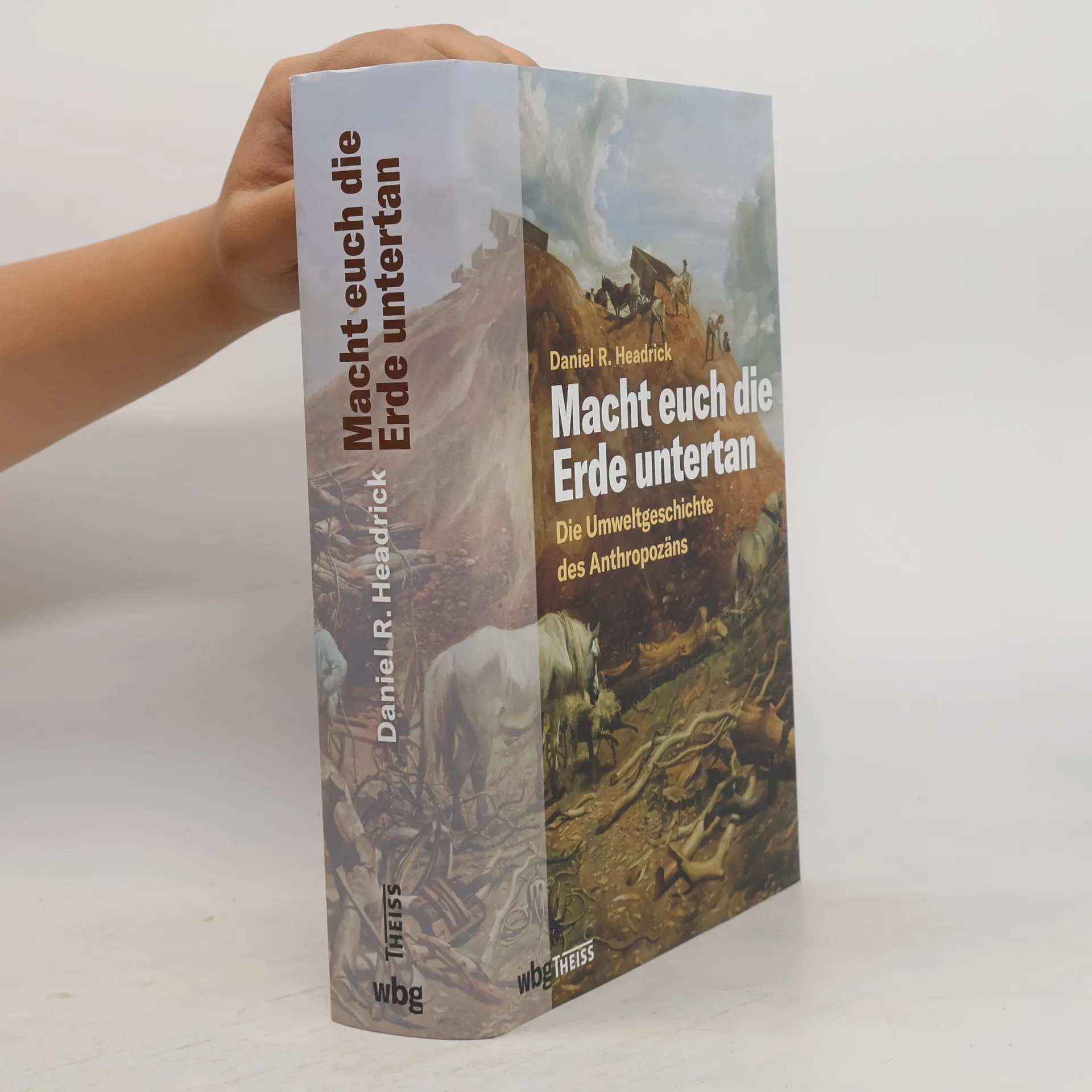
Der Einfluss des Menschen auf Ökosysteme reicht bis in die Zeit der Jäger und Sammler zurück. Doch die rücksichtlose Ausbeutung natürlicher Ressourcen hat tiefgreifende Spuren hinterlassen. Der amerikanische Historiker Daniel R. Headrick untersucht die komplexen Wechselwirkungen zwischen Mensch und Natur und verdeutlicht, dass Probleme wie Erderwärmung, Epidemien und Umweltverschmutzung eine lange Geschichte haben, die bis in die Steinzeit zurückreicht. Die Ausbeutung der Erde erstreckt sich von den ersten Zivilisationen bis zur modernen Konsumgesellschaft. Headrick thematisiert, wie die Natur auch als Täter auftritt, etwa durch Naturkatastrophen und Seuchen. Zudem beleuchtet er die rasanten biologischen Veränderungen, die im 16. bis 18. Jahrhundert zwischen der Alten und Neuen Welt stattfanden, und analysiert die verschobenen Machtverhältnisse im Anthropozän. Die Frage, ob Klimakrise und Massenaussterben noch gestoppt werden können, wird aufgeworfen, während Headrick auf die Lehren hinweist, die aus der Geschichte gezogen werden können. Mit dem technischen Fortschritt und der Industrialisierung nahmen die Eingriffe des Menschen in die Natur zu, was zu einer radikalen Transformation führte, die der Menschheit nun schadet. Sein Werk bietet nicht nur eine fundierte Analyse der aktuellen Umweltkrise, sondern auch einen Ausblick auf mögliche Lösungswege.