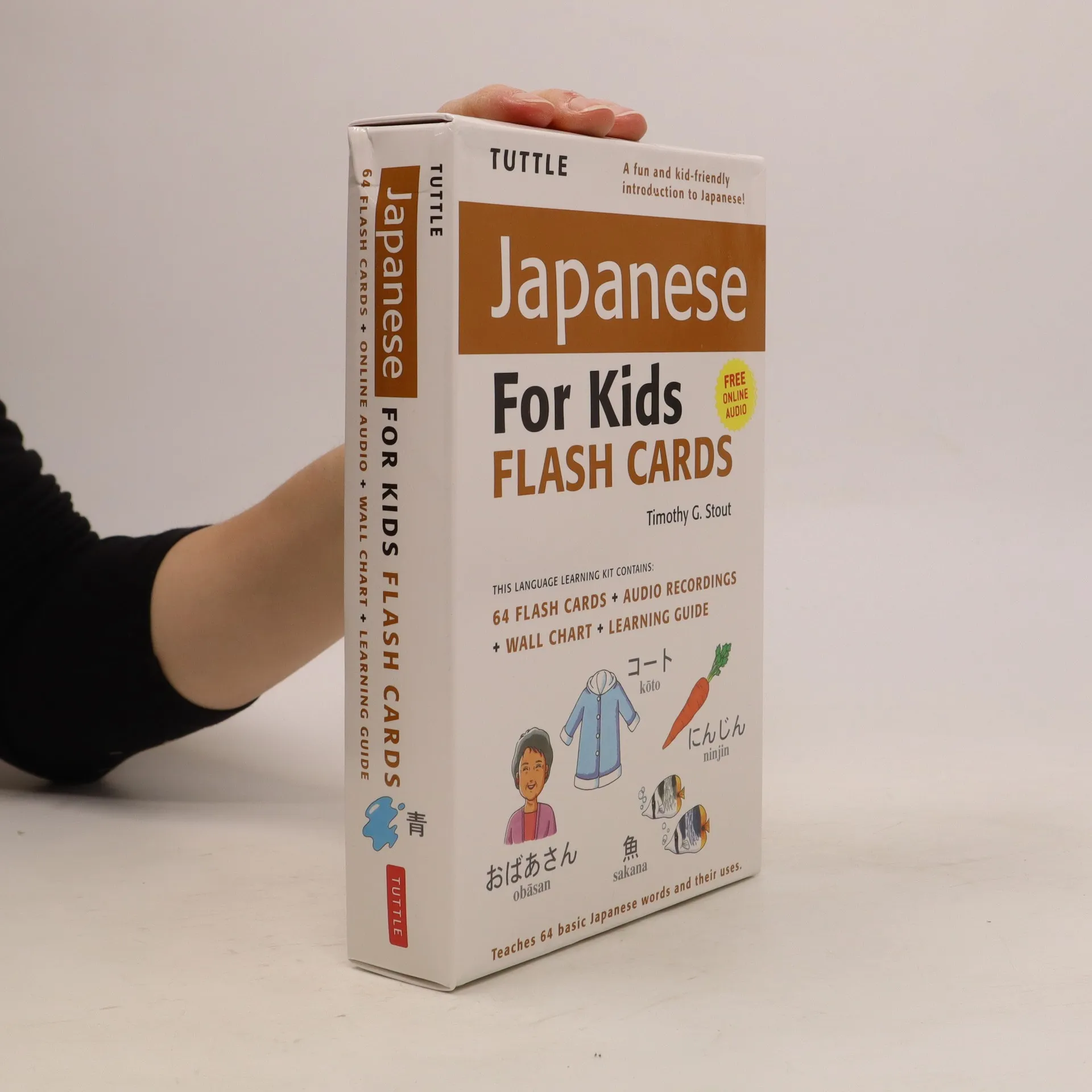
Timothy G. Stout se již dvě desetiletí věnuje Japonsku, kde působil jako pedagog. Jeho práce se zaměřuje na metody výuky japonského jazyka, konkrétně na využití mnemotechnických pomůcek pro osvojení klíčových slov. Stoutovy didaktické přístupy jsou navrženy tak, aby studentům usnadnily cestu k porozumění a používání japonštiny. Jeho pedagogické zkušenosti a výzkum v této oblasti z něj činí cenného autora pro každého, kdo se chce naučit japonsky.
If a picture is worth a thousand words, students of the Japanese language have
everything they need in Tuttle's Japanese Picture Dictionary. Deftly
illustrating the use of more than 1,500 commonly used Japanese words and
phrases, author Timothy Stout gives learners a clear, easy-to-use introduction
to this fascinating language.
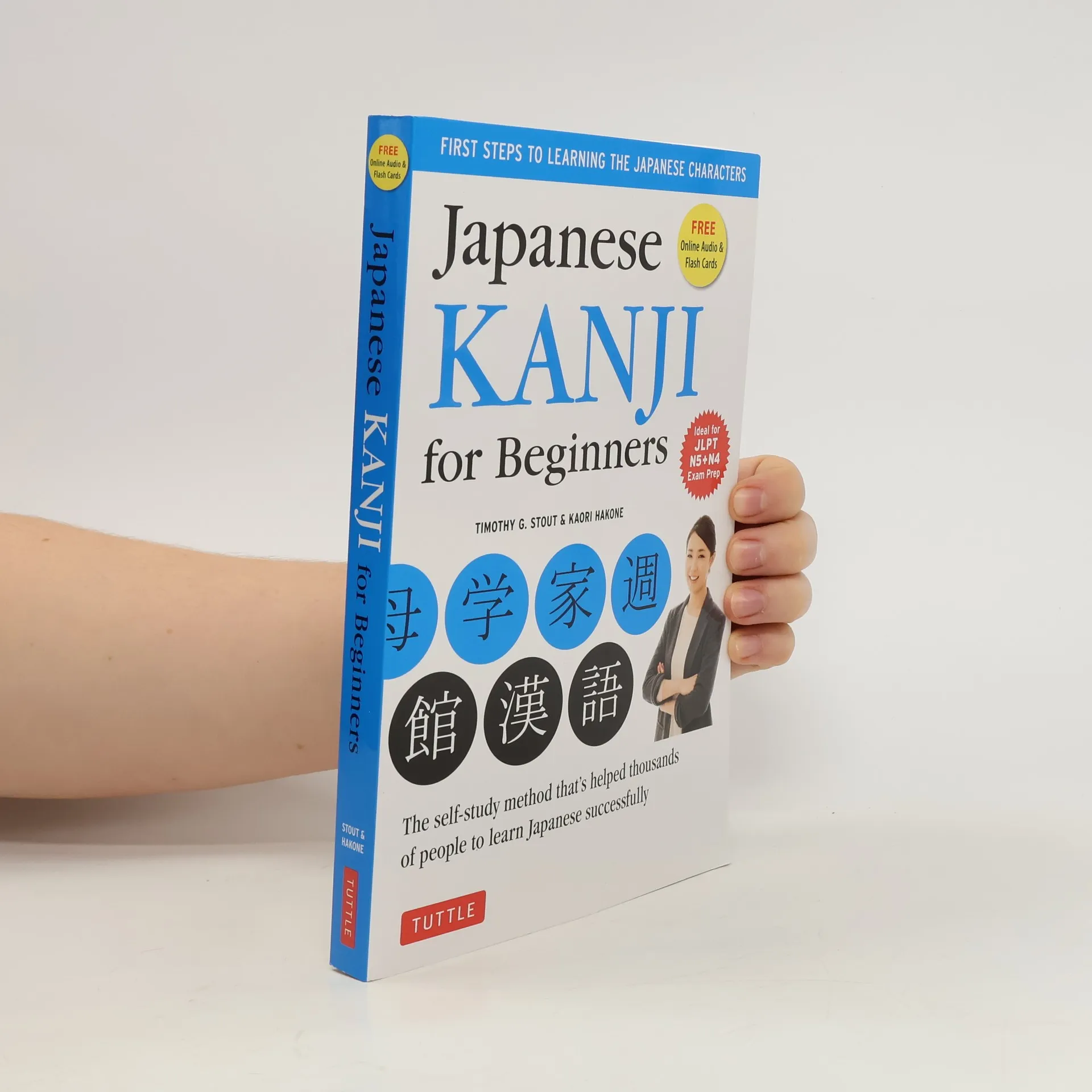
The method that's helped thousands in the U.S. and Japan learn Japanese successfully.The Japanese language has two basic writing systems, kanji characters—which are based on Chinese characters and hiragana and katakana—a mnemonics based alphabet. This handy book teaches you a new mnemonicsubased method to read and write the 410 highest-frequency kanji characters.Japanese Kanji for Beginners contains everything you need to learn the kanji characters required for the Advanced Placement Japanese Language and Culture Exam. It is designed for use by high school or college students as well as independent learners. It also contains sample vocabulary quizzes in a multiple-choice format similar to those in the AP exam, as well as additional exercises that further reinforce the newly learned kanji.
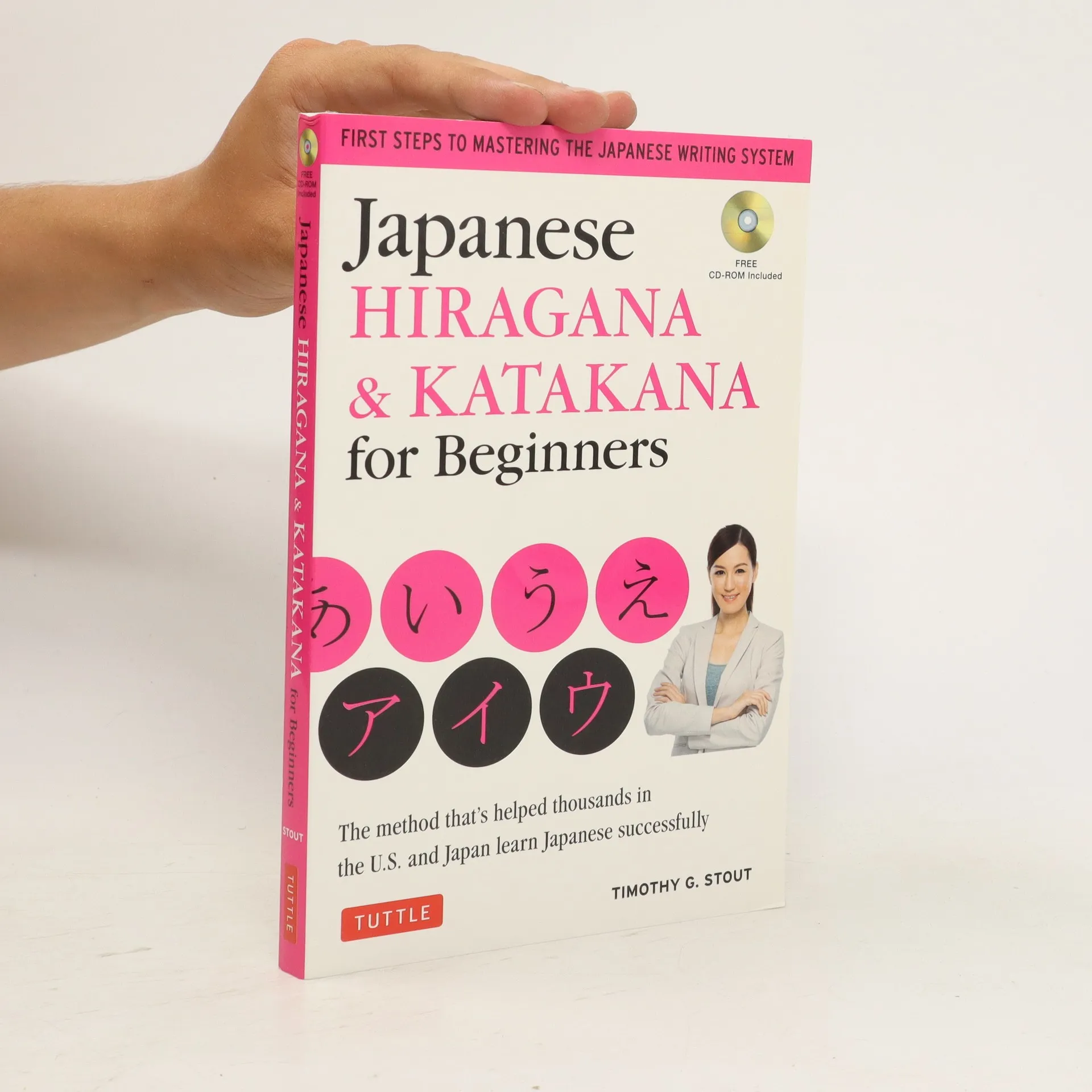
The method that's helped thousands in the U.S. and Japan learn Japanese successfully. The Japanese language has two basic writing systems, hiragana, and katakana, in addition to the one that uses Chinese characters or Kanji. This handy book teaches you a new mnemonic–based method to read and write the fundamental 92 hiragana and katakana characters. Along with its sister book: Japanese Kanji for Beginners it provides a complete introduction to written Japanese. Memorable picture mnemonics help you to learn the characters by associating their shapes and sounds with combinations of images and English words already familiar to you. Clear examples and engaging exercises offer opportunities to read, write, use and practice all 92 primary hiragana katakana characters, plus the remaining kana that stand for more complex sounds. Polish your knowledge with word searches, crossword puzzles, fill–in–the–blanks, timed recognition quizzes, and other engaging activities.