

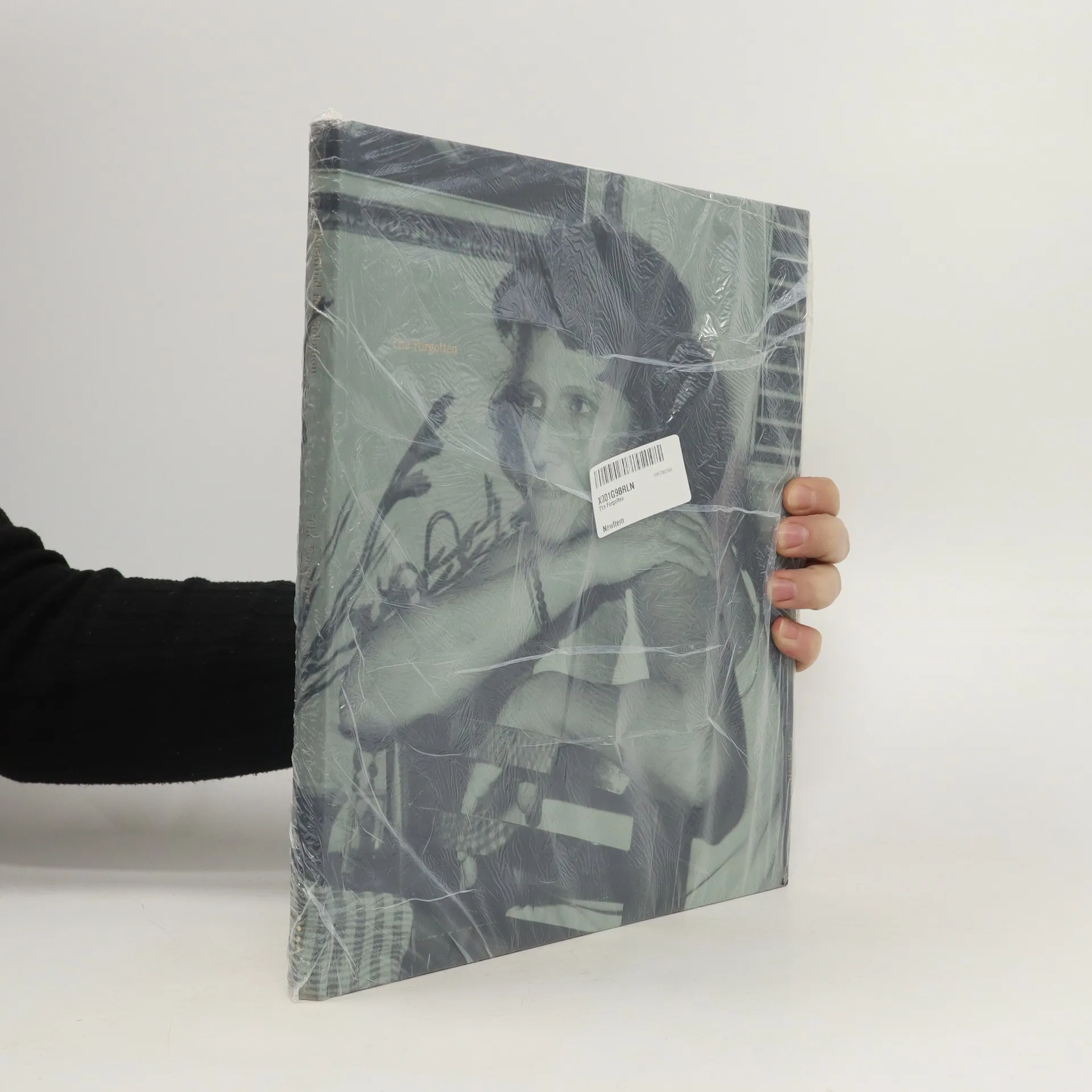
The Forgotten
- 84 stránek
- 3 hodiny čtení
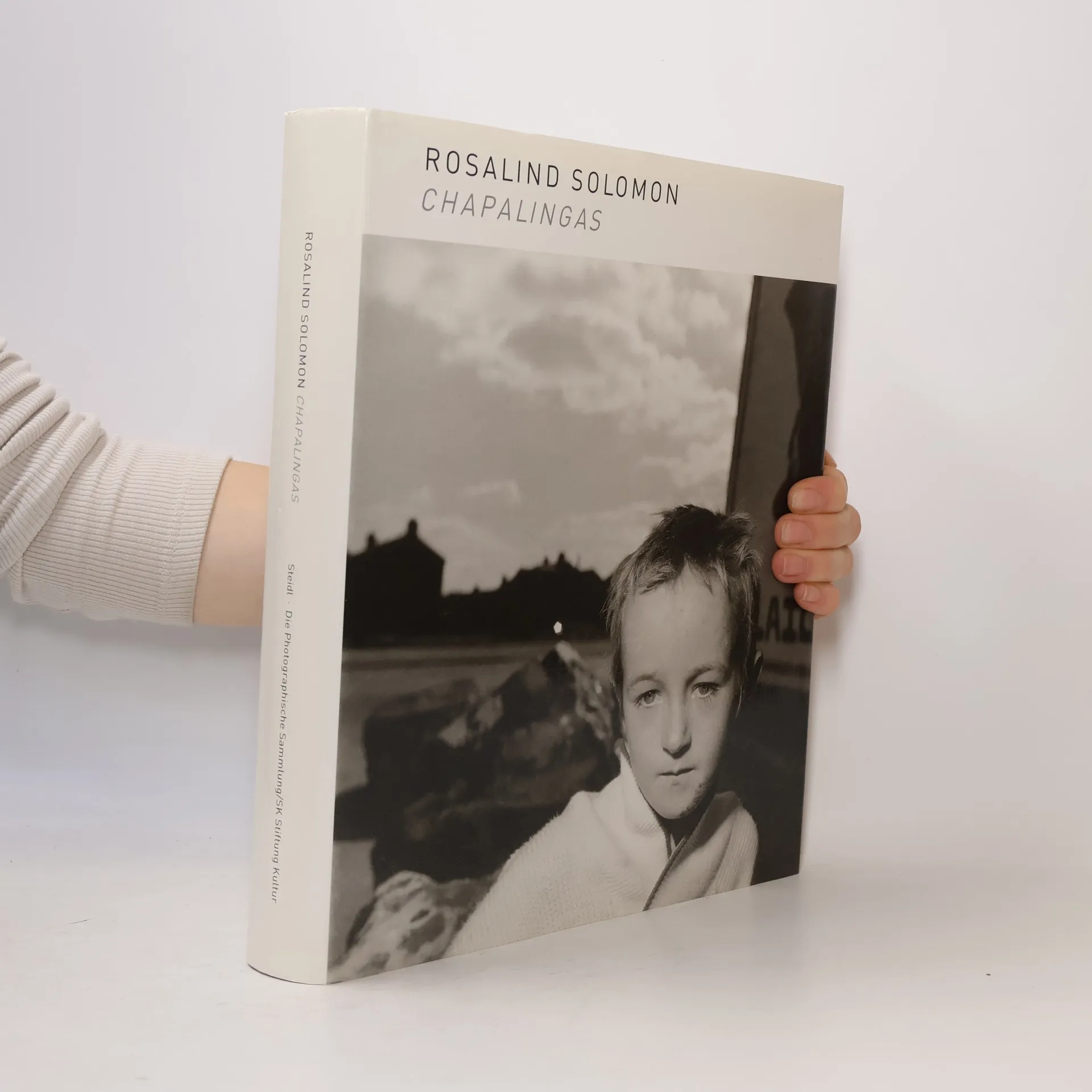
"Could this be my own face, I wondered. My heart pounded at the idea, and the face in the mirror grew more and more unfamiliar." - Masuji Ibuse, Black Rain. The latest work by photographer Rosalind Fox Solomon explores the contrasts and commonalities in lives across the globe. In a Brazilian favela, a man daydreams with a replica of a French royal painting. In New York, a mother proudly watches her daughter don a Statue of Liberty crown. In rural Guatemala, children pretend to play music with paper instruments. As the narrative unfolds, a darker story emerges, shaped by the violent events of recent global history that some may wish to forget. Through her poignant black-and-white photographs, Fox Solomon reflects on the horrors of war and its lasting effects. The physical scars of her subjects reveal the impact of conflict and aggressive foreign policies: Cambodian teenagers who lost their legs to landmines, victims of Agent Orange affecting children long after the Vietnam War, and a Hiroshima survivor highlighting the ongoing threat of nuclear weapons. Solomon's compassionate images serve as a tribute and a stark reminder of those whose bodies bear witness to the relentless pursuit of power and the consequences of conflict.