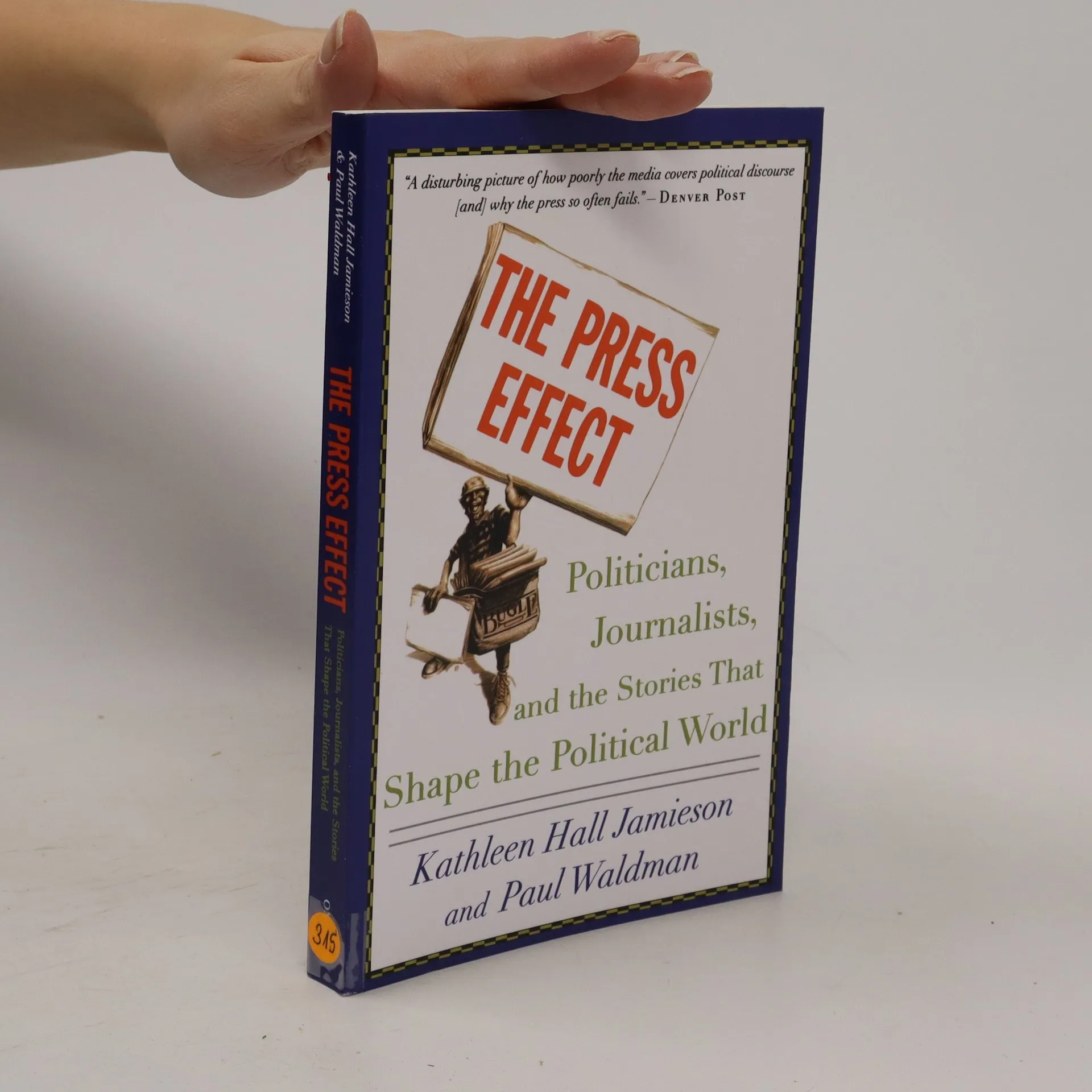
Jamieson and Waldman analyze press coverage and public opinion to examine one of the most interesting periods of modern presidential history--from the summer of 2000 through the aftermath of September 11th.
"The question of how Donald Trump won the 2016 election looms over his presidency. In particular, were the 78,000 voters who gave him an Electoral College victory affected by the Russian trolls and hackers? Trump has denied it. So too has Vladimir Putin. Others cast the answer as unknowable. Drawing on path-breaking work in which she and her colleagues isolated significant communication effects in the 2000 and 2008 presidential campaigns, the eminent political communication scholar Kathleen Hall Jamieson marshals the troll posts, unique polling data, analyses of how the press used the hacked content, and a synthesis of half a century of media effects research to argue that, although not certain, it is probable that the Russians helped elect the 45th president of the United States.In the process, Cyberwar tackles questions that include: How extensive was the troll messaging? What characteristics of the social media platforms did the Russians exploit? Why did the mainstream press rush the hacked content into the citizenry's newsfeeds? Was Clinton telling the truth when she alleged that the debate moderators distorted what she said in the leaked speeches? Did the Russian influence extend beyond social media and news to alter the behavior of FBI director James Comey?"--Dust jacket flap.
In recent years, Americans have become thoroughly disenchanted with political campaigns, especially with ads and speeches that bombard them with sensational images while avoiding significant issues. Now campaign analyst Kathleen Hall Jamieson provides an eye-opening look at the tactics used by political advertisers. Photos and line drawings.
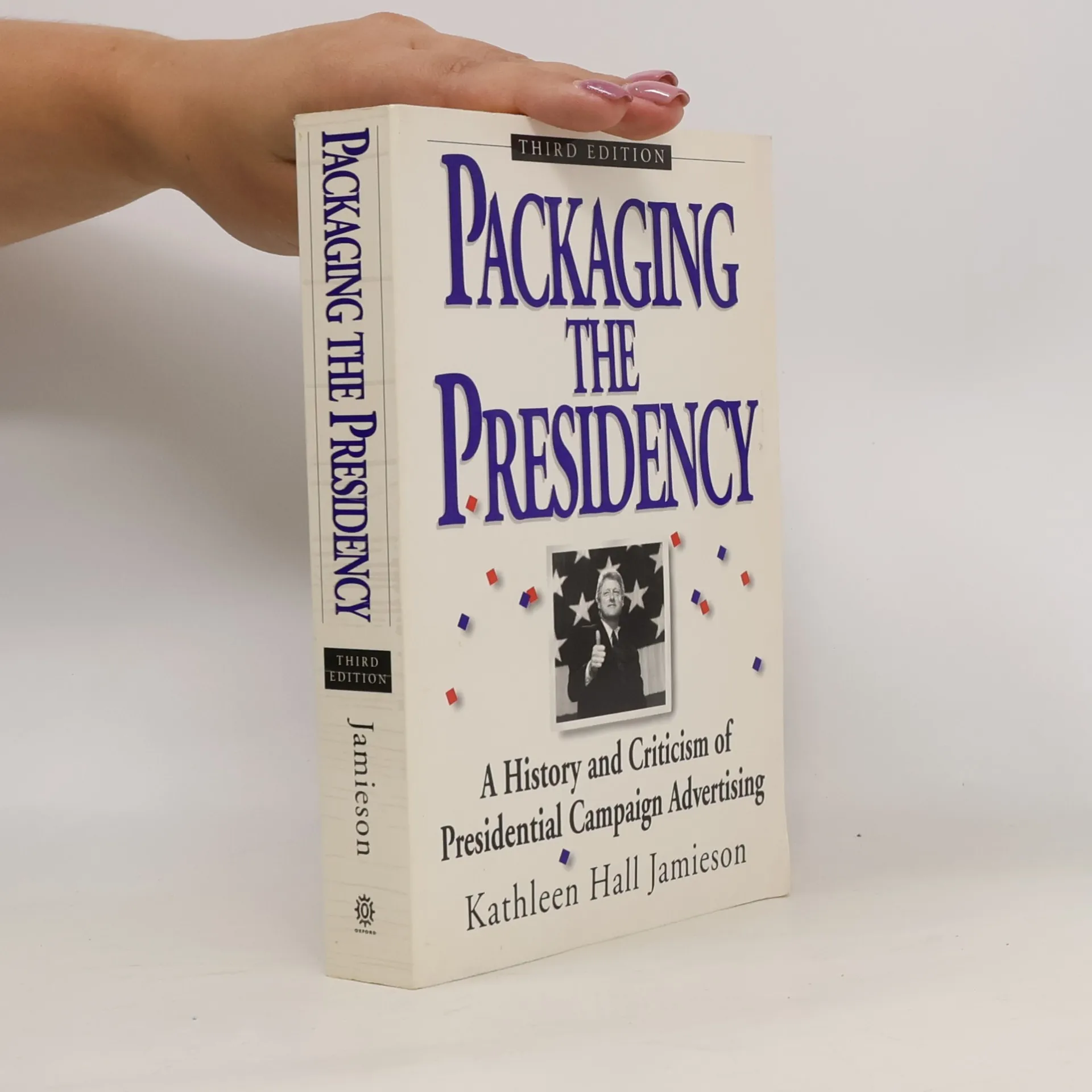
A History and Criticism of Presidential Campaign Advertising - Third Edition
608 stránek
22 hodin čtení
Packaging the Presidency, Third Edition , is now completely updated to offer the only comprehensive study of the history and effects of political advertising in the United States. Noted political critic Kathleen Hall Jamieson traces the development of presidential campaigning from early political songs and slogans through newsprint and radio, and up to the inevitable history of presidential campaigning on television from Eisenhower to Clinton. The book also covers important issues in the debate about political advertising by touching on the development of laws governing political advertising, as well as how such advertising reflects, and at the same time helps to create, the nature of the American political office. Finally, current public concerns about political advertising are addressed as Jamieson raises the topic of ads dealing mainly in images rather than issues, and of political aspirations becoming increasingly only for the rich, who can afford the enormous cost oftelevision advertising.