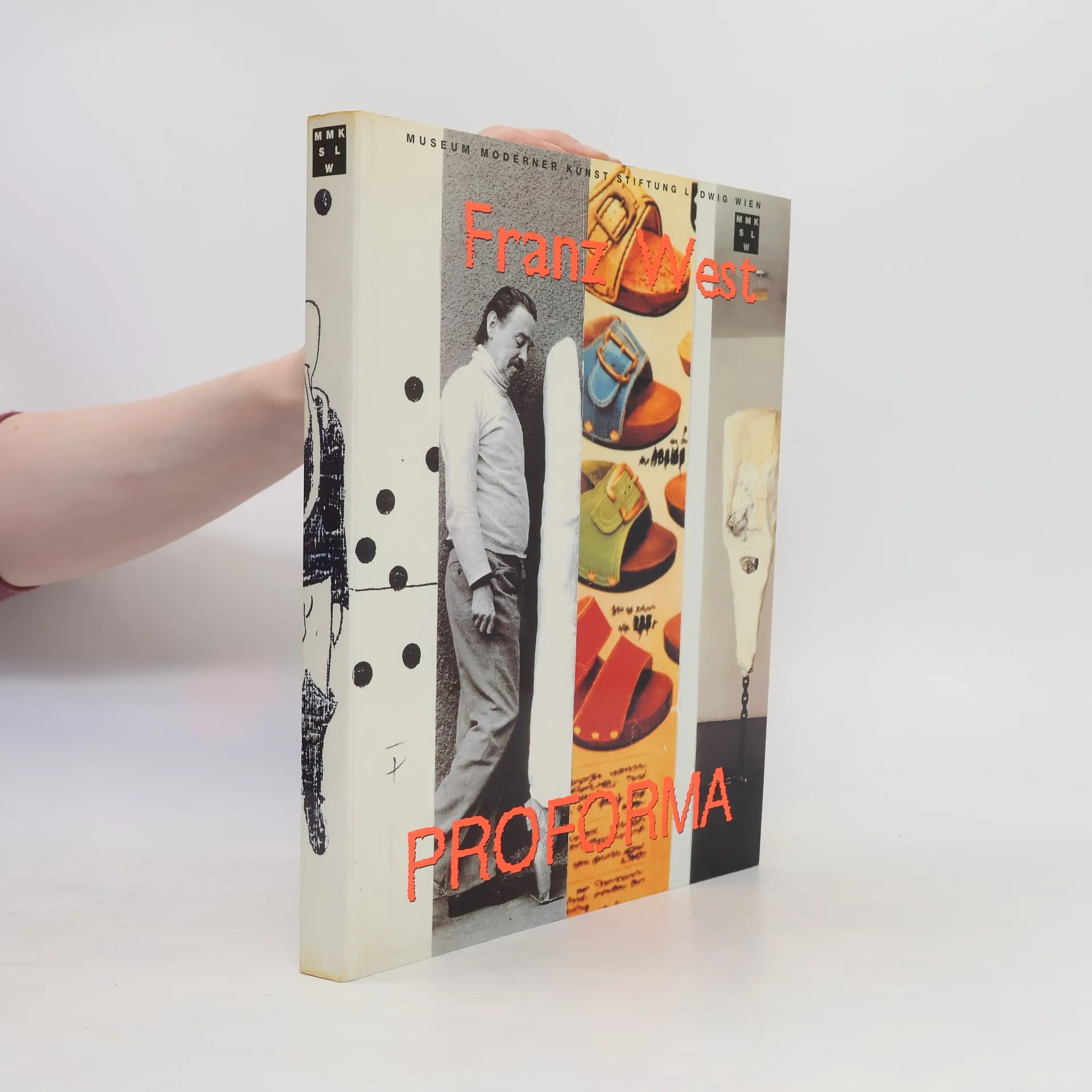
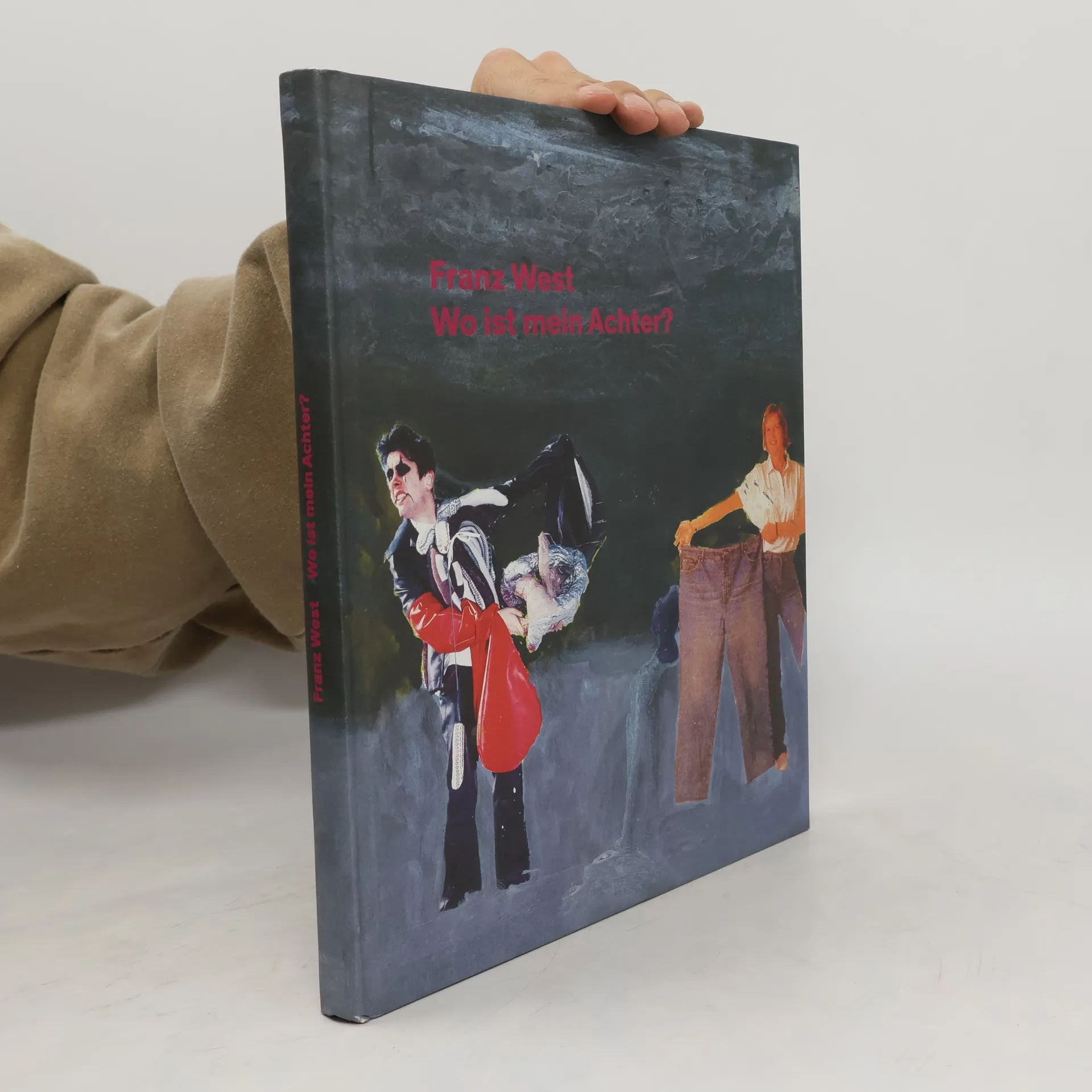
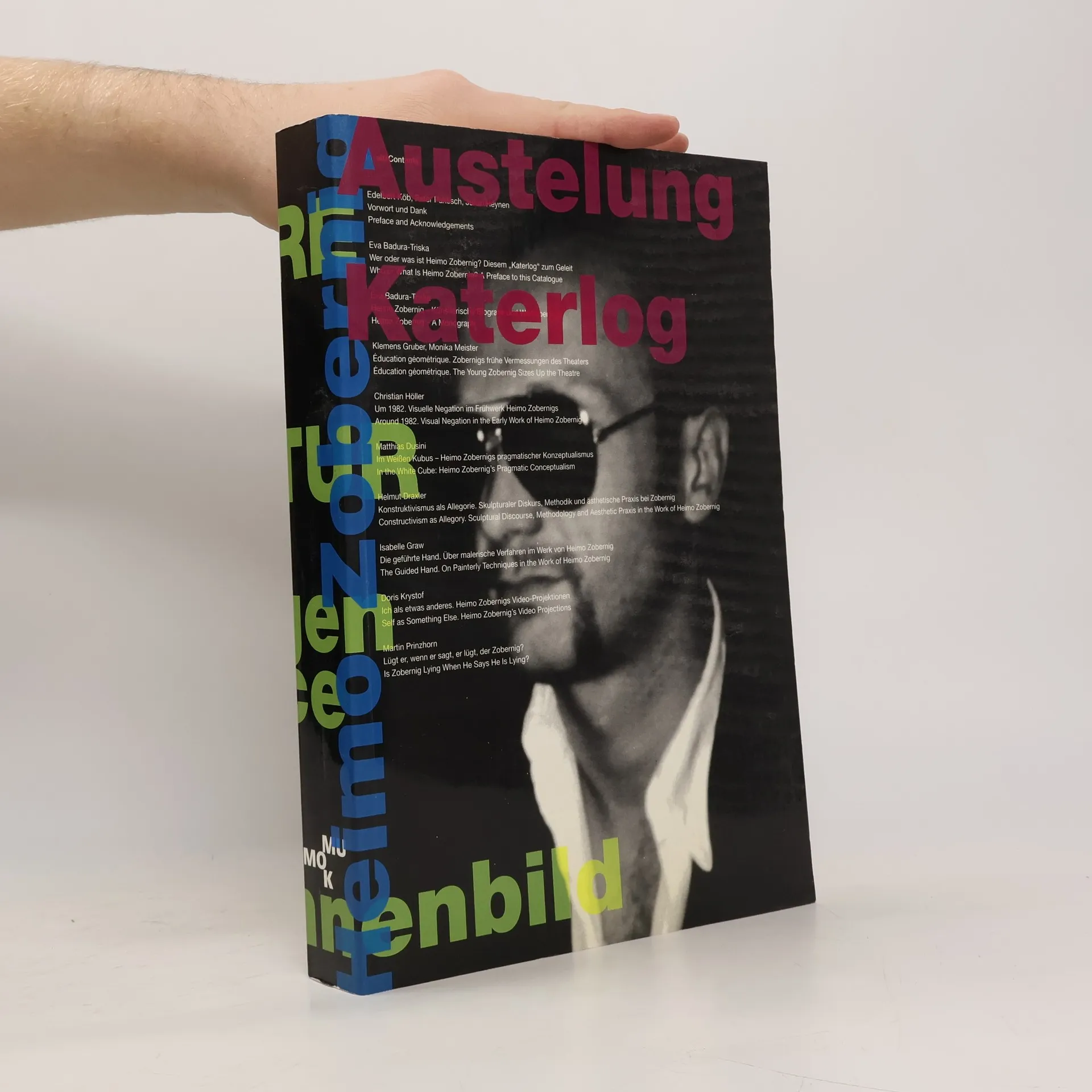
Eine umfassende Werkübersicht gibt einen fundierten Überblick über 25 Jahre künstlerischer Tätigkeit. Jede Arbeit wird fotografisch dokumentiert und in ihrem Kontext erläutert. Dieses Standardwerk, das Layout besorgte der Künstler, ist quasi ein Catalogue Raisonné.
Eva Badura-Triska Knihy
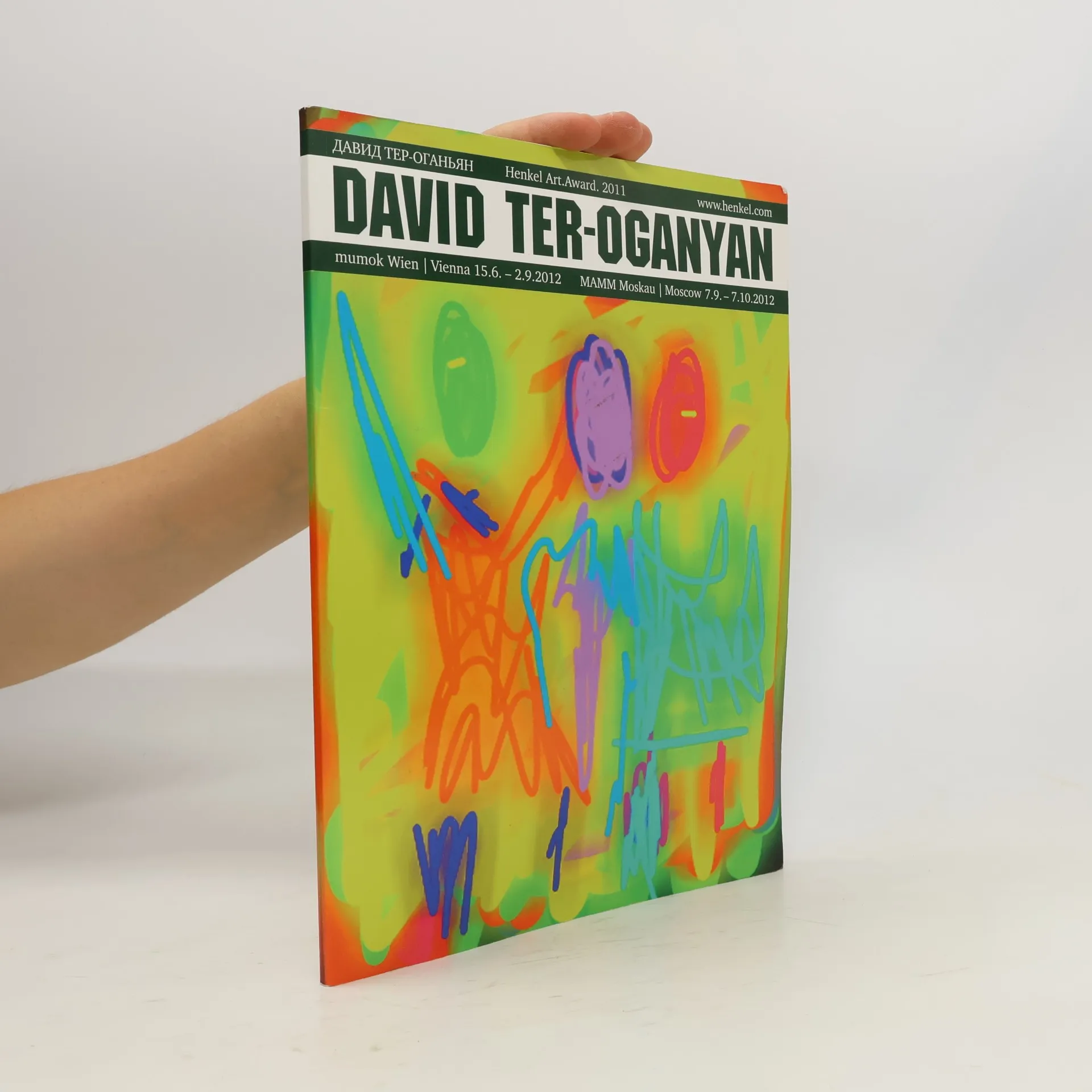
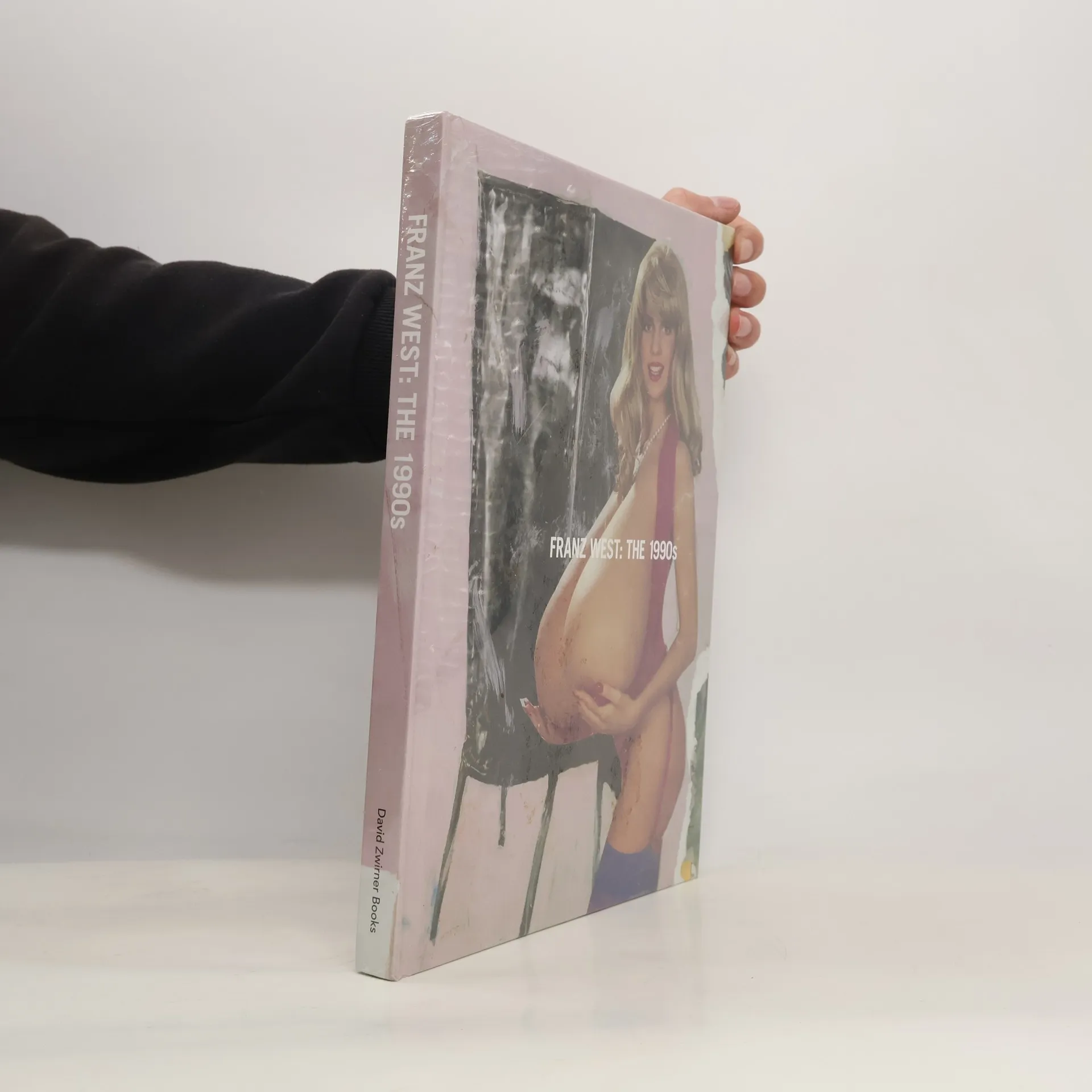
During the 1990s, Franz West’s work moved in new and innovative stylistic directions, as his career was solidified through important international exhibitions. This publication delves into this significant decade in an effort to contextualize the evolution of West’s singular practice. The 1990s proved critical in the development of the idiosyncratic style for which West is still known today. His key innovations from this period—which included the addition of exuberant color to his papier-mâché forms, the incorporation of furniture both as art object and as social incubator, and the inclusion of work by other artists in his own installations—resulted in dynamic, frequently interactive installations that helped to expand the possibilities of sculpture and the ways in which art is experienced. Produced on the occasion of David Zwirner’s 2014 exhibition in New York, this fully illustrated publication gives an in-depth overview of the decade, arguably the most important of the artist’s lengthy career. It features essays by noted West scholars Eva Badura-Triska and Veit Loers, as well as a personal account by Bernhard Riff on video collaborations made with the artist throughout the 1990s.
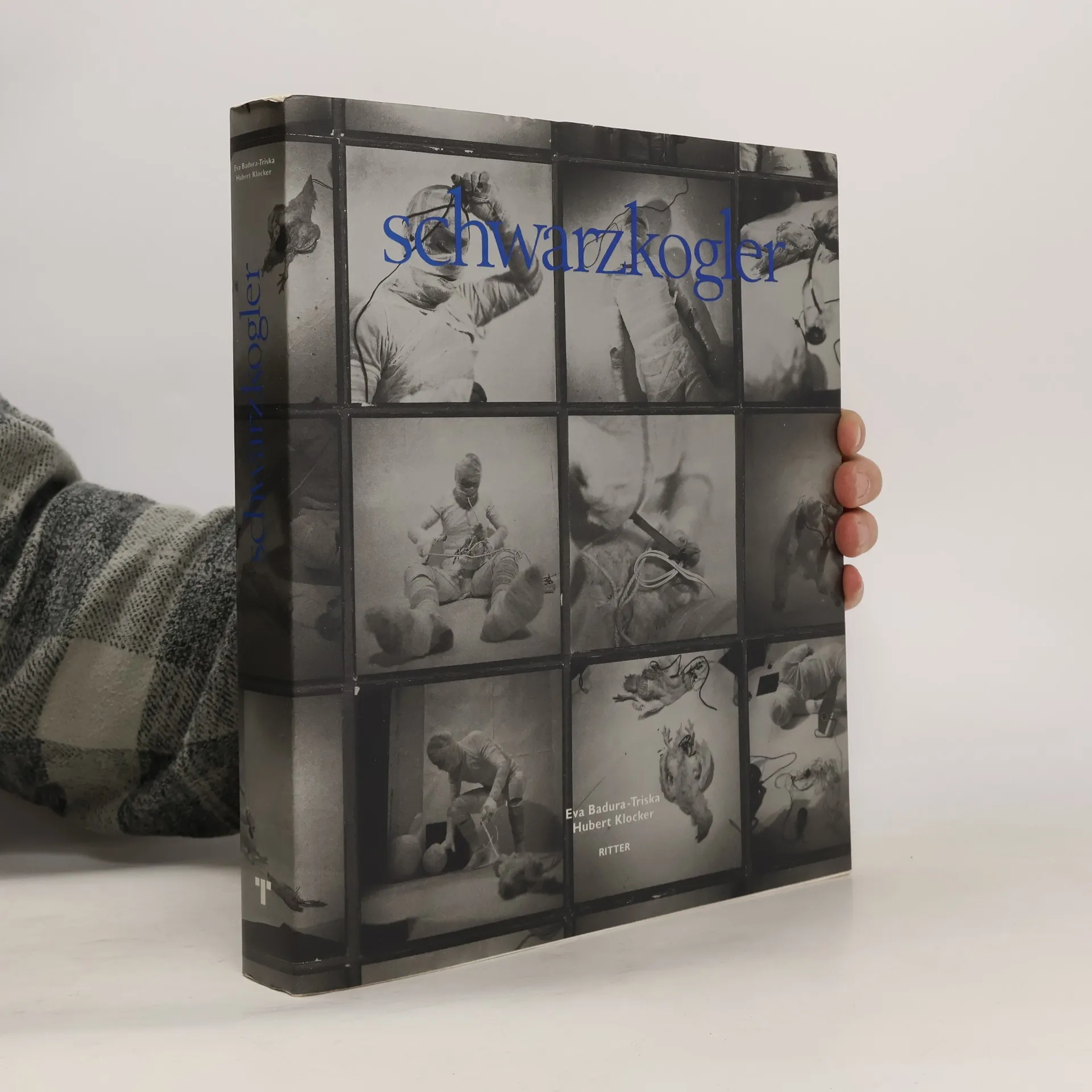
Rudolf Schwarzkogler
Leben und Werk
Franz West - Wo ist mein Achter?
- 159 stránek
- 6 hodin čtení
David Ter-Oganyan
Henkel Art.Award. 2011 : mumok Wien/Vienna 15.6.-2.9.2012, MAMM Moskau/Moscow 7.9.-7.10.2012
- 95 stránek
- 4 hodiny čtení
Vertigo
- 256 stránek
- 9 hodin čtení
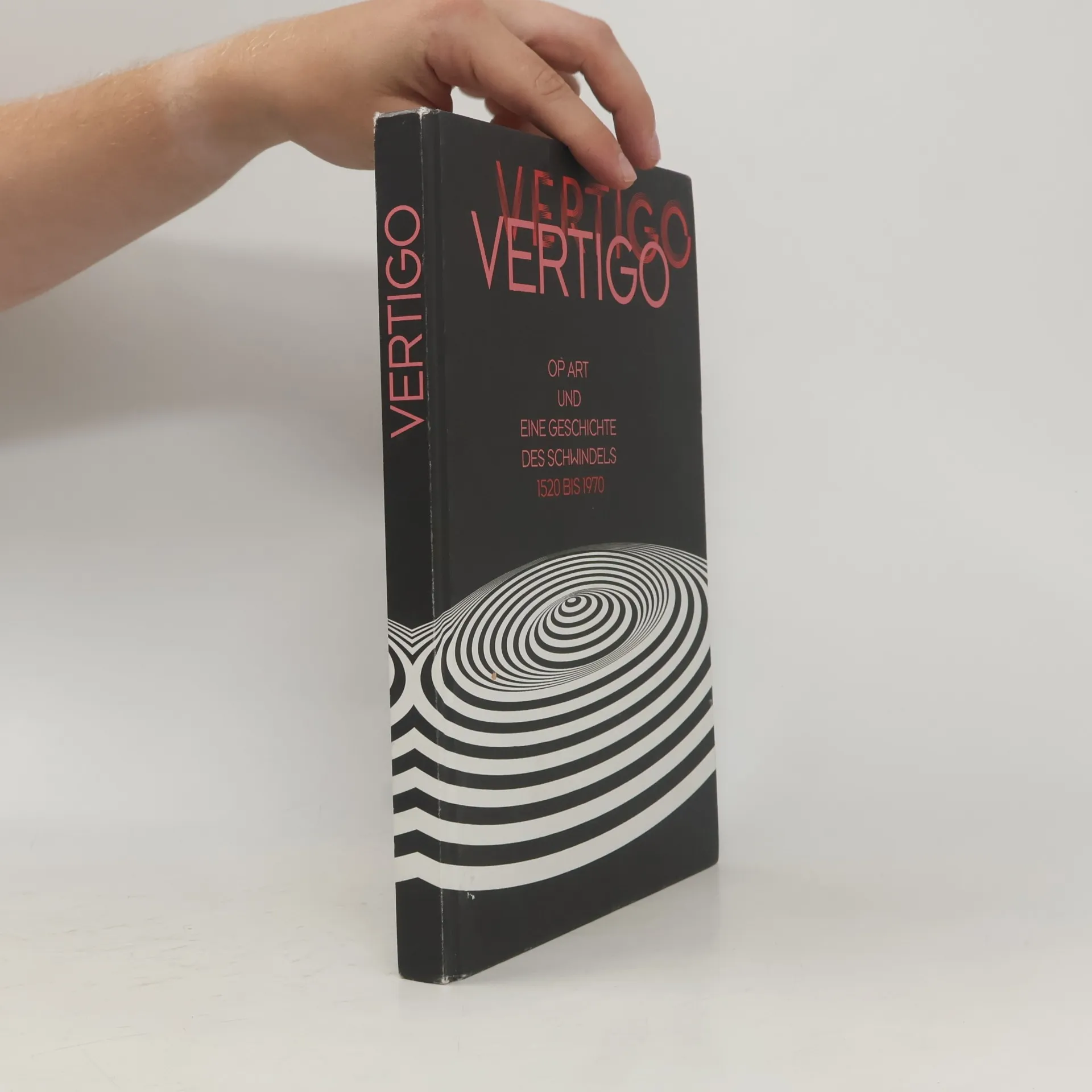
Der Katalog präsentiert ein Vexierspiel der Sinne, das von Tafelbildern, Reliefs und Objekten über installative Arbeiten und Erfahrungsräume bis hin zu Film und computergenerierter Kunst ein breites Spektrum umfasst. Werke der Op Art richten sich keineswegs nur an den Sehsinn. Mit ihren heftigen Effekten und optischen Täuschungen vermitteln sie Erfahrungen, die zu einer sensorischen Überforderung führt. Mit all dem ist die Op Art dem Prinzip des Anti-Klassischen verpflichtet. In diesem Sinne werden Bezüge zu Beispielen anti-klassischer Kunst des 16. bis 18. Jahrhunderts sowie zu Vorläuferpositionen in der ersten Hälfte des 20. Jahrhunderts hergestellt, die ebenfalls mit vibrierenden Mustern, pulsierenden, flüchtigen Nachbildern, paradoxen Raum-illusionen und anderen Methoden optischer Täuschung operieren. Text: Eva Badura-Triska, Eva-Marina Froitzheim, Ulrike Groos, Sergius Kodera, Karola Kraus, Charissa N. Terranova, Markus Wörgötter
German