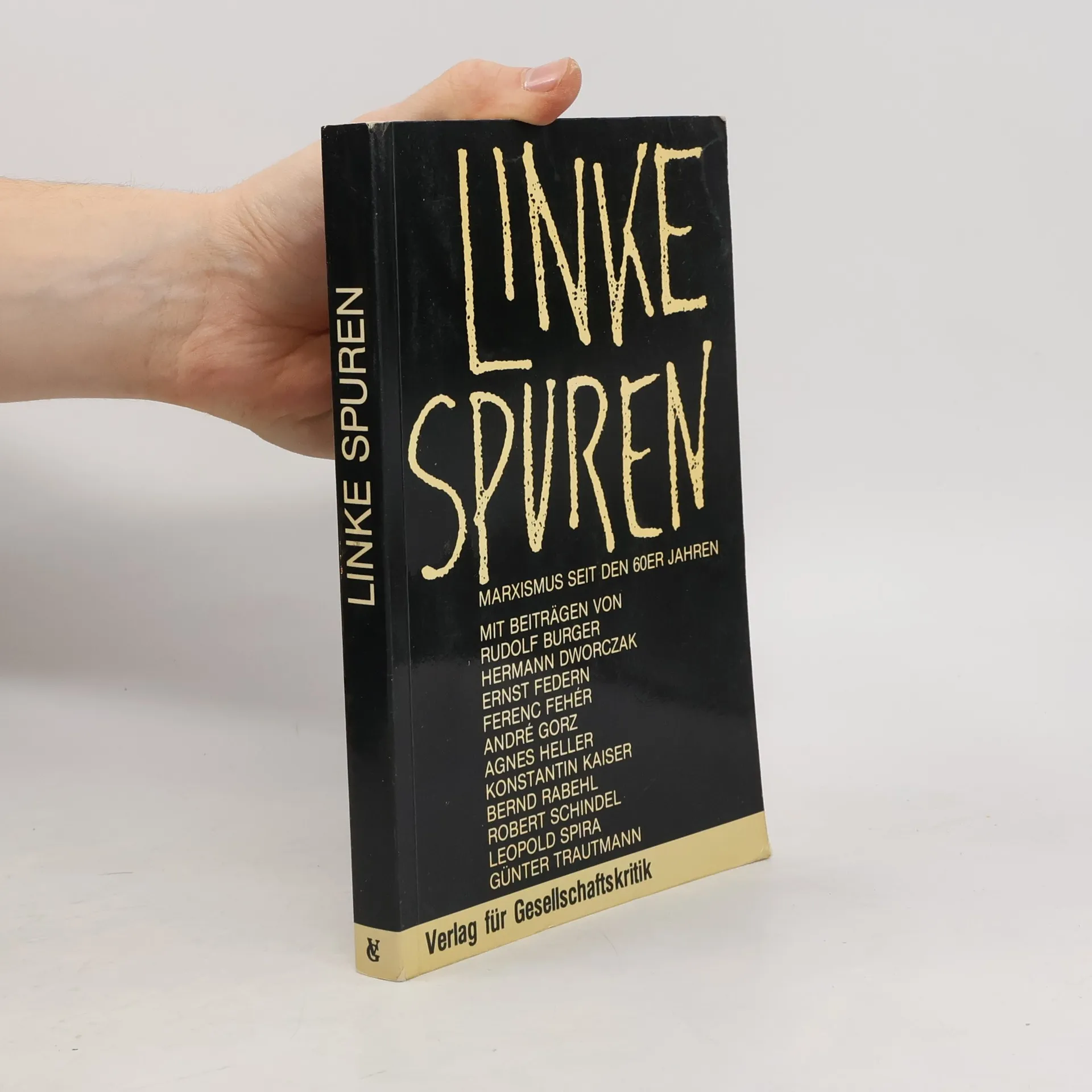
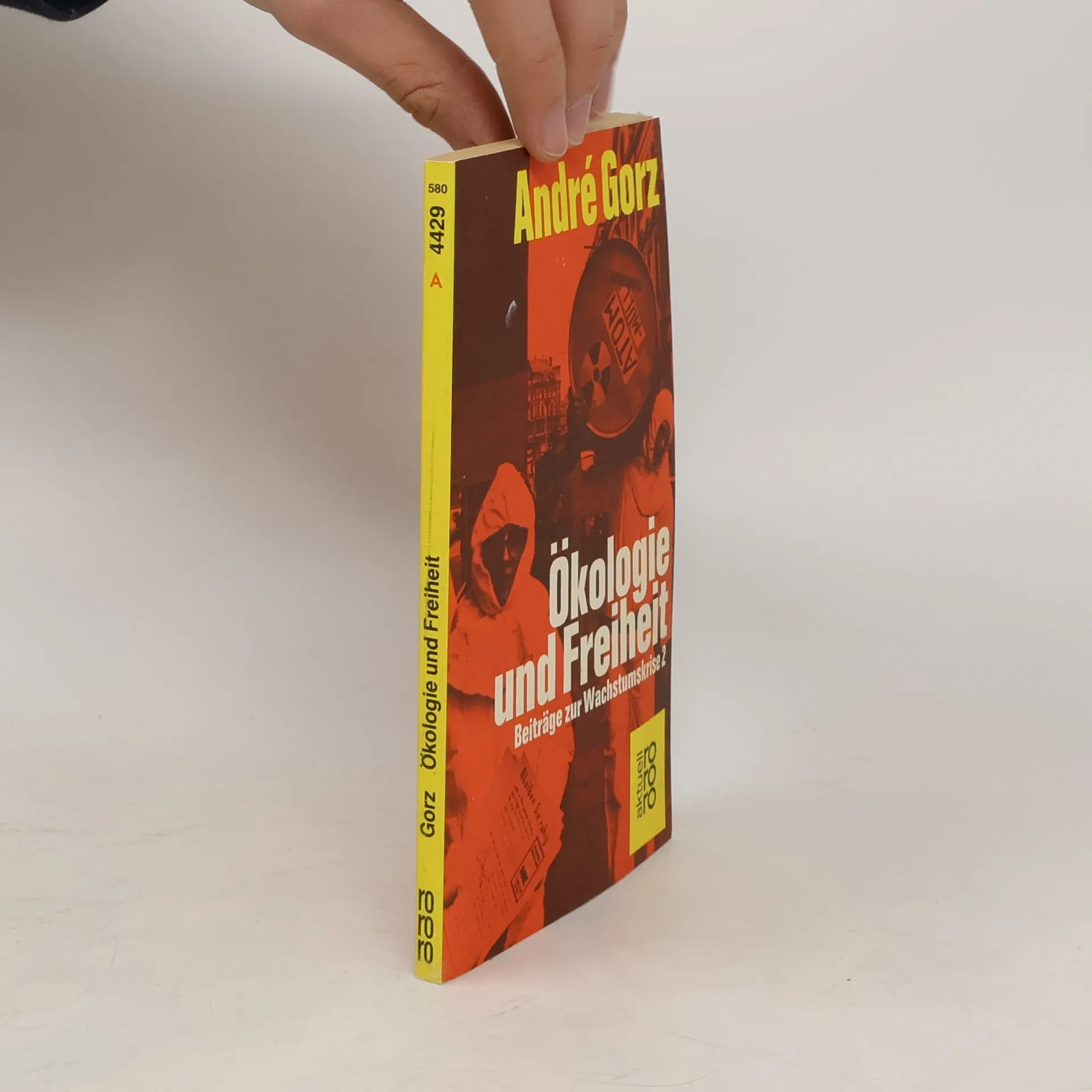
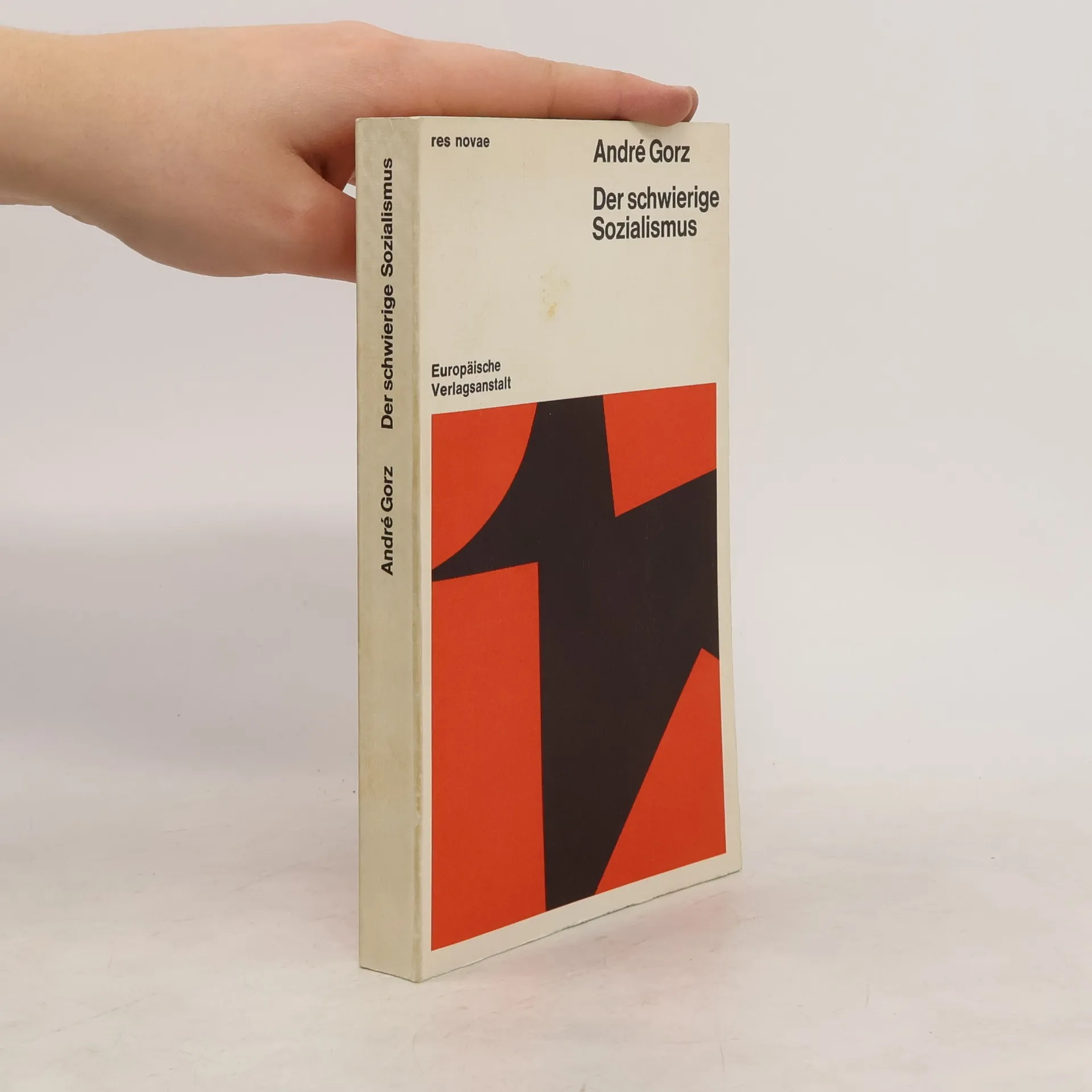
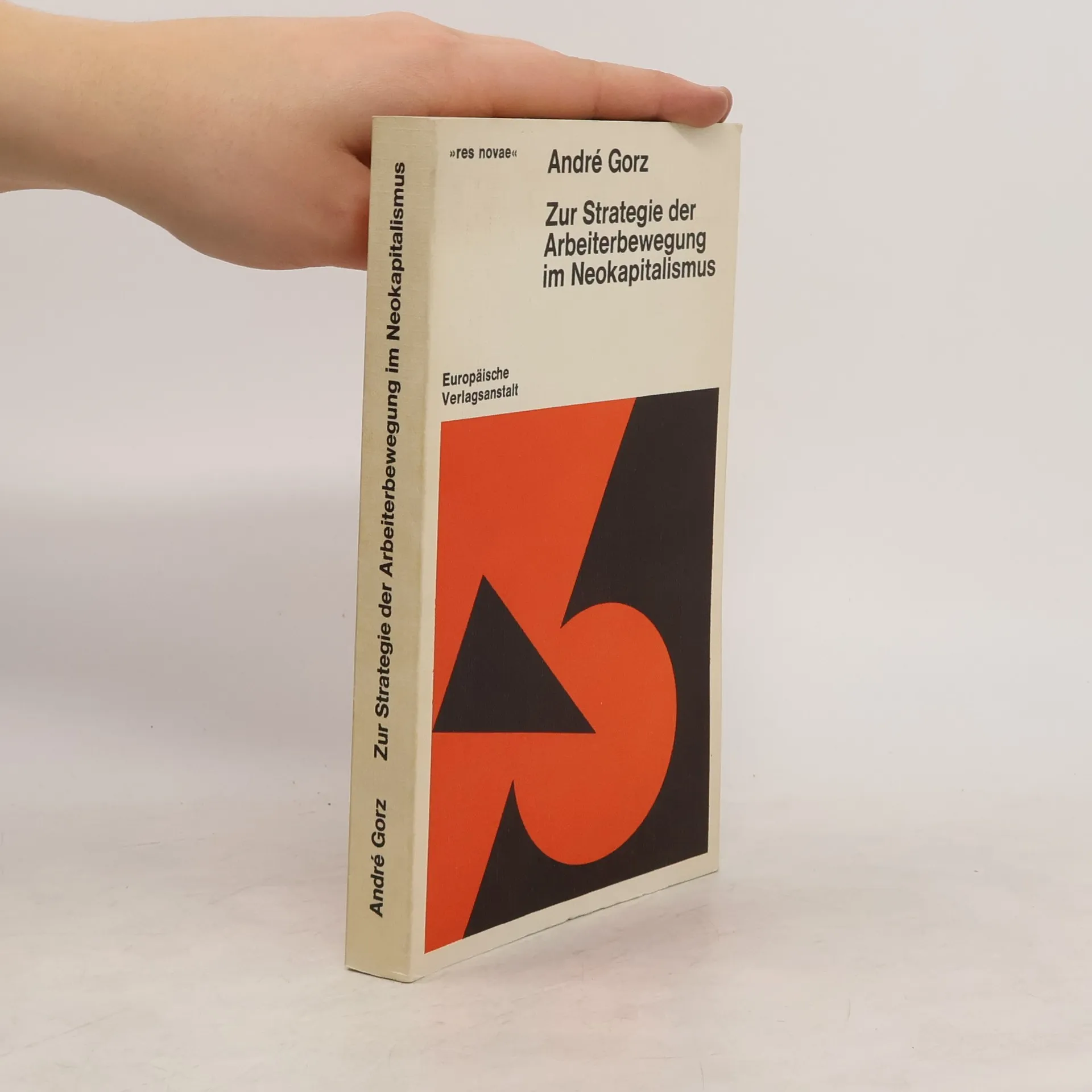
Tento francouzský sociální filozof a novinář se zabýval především analýzou práce a jejího osvobození. Jeho dílo, ovlivněné existenciálním marxismem a později politickou ekologií, zkoumá témata sociální odcizení a spravedlivé distribuce práce. Byl klíčovým teoretikem hnutí Nové levice a zabýval se otázkami jako je zaručený základní příjem. Jeho psaní nabízí hluboký vhled do vztahu mezi prací, společností a individuálním bytím.
"La bagnole a rendu la grande ville inhabitable. Elle l'a rendue puante, bruyante, asphyxiante, poussiéreuse, engorgée au point que les gens n'ont plus envie de sortir le soir. Alors, puisque les bagnoles ont tué la ville, il faut davantage de bagnoles encore plus rapides pour fuir sur des autoroutes vers des banlieues encore plus lointaines. Impeccable circularité : donnez- nous plus de bagnoles pour fuir les ravages que causent les bagnoles."
Die Texte zu diesem Buch - grundlegende Schriften zur politischen Ökologie -
hat André Gorz kurz vor seinem Tod im September 2007 zusammengestellt. Er
schrieb dazu: 'Dass bei der Arbeit Herrschaft über uns ausgeübt wird, wissen
wir seit etwa 170 Jahren. Nicht aber dass das Gleiche für unsere Bedürfnisse
und Wünsche, unsere Gedanken und unser Selbstbild genauso gilt. Durch die
Kritik des Modells unserer Konsumgesellschaft bin ich zum Ökologen avant la
lettre geworden. Mein Ausgangspunkt war ein Artikel, der 1954 in einer US-
amerikanischen Zeitschrift erschien. Darin stand zu lesen, dass der Konsum in
den kommenden acht Jahren mindestens um 50 Prozent wachsen müsse, damit die
Produktionskapazitäten gewinnbringend ausgeschöpft werden könnten, dass aber
die Leute gar nicht in der Lage seien, sich vorzustellen, worin denn diese 50
Prozent zusätzlichen Konsums bestehen sollten.'§§Kapitalismuskritik und
politisch-ökologisches Denken ergänzen sich und bedingen sich gegenseitig, so
die zentrale These von André Gorz. Und ein wirksamer Schutz der Umwelt ist
ohne radikale Kritik des Kapitalismus nicht zu haben.
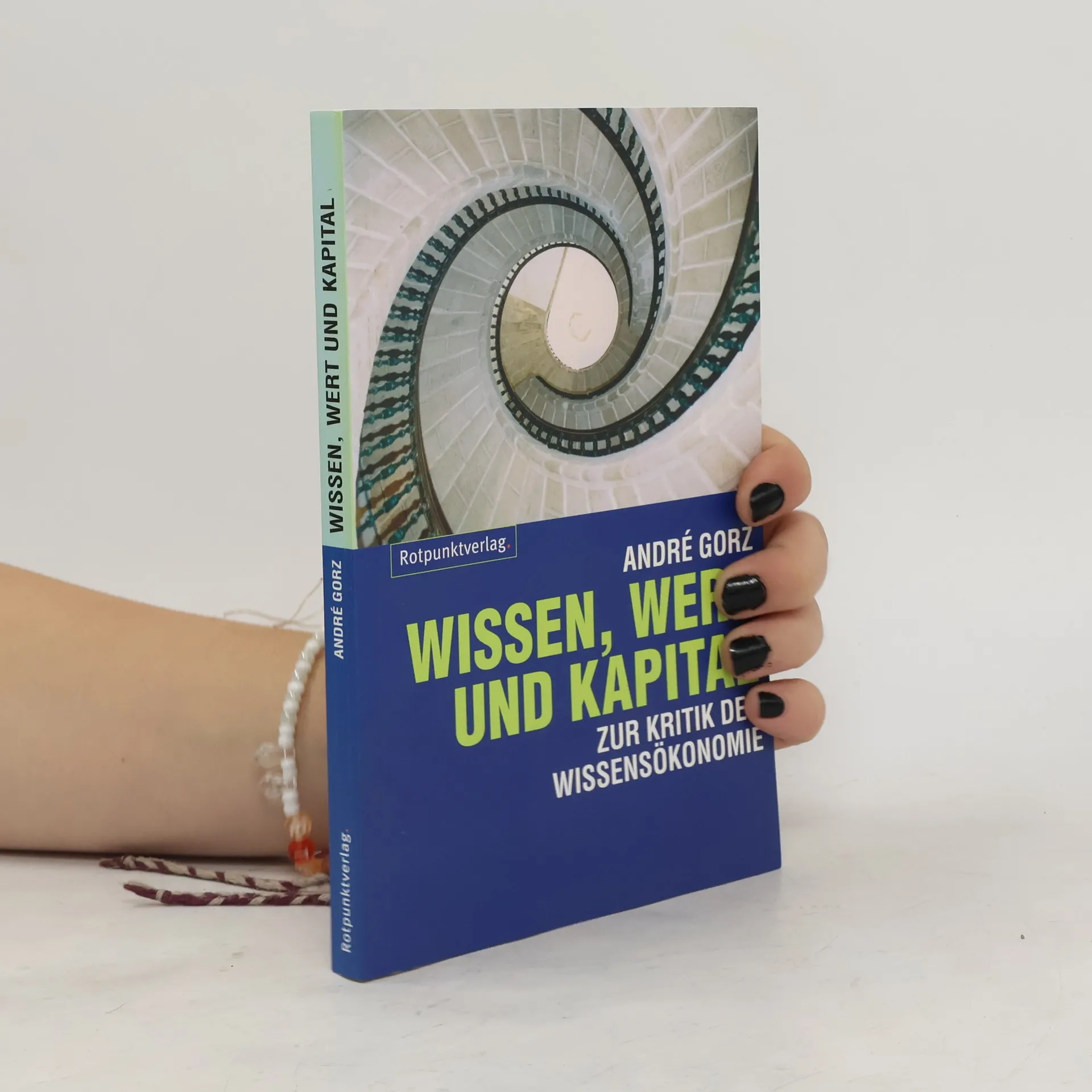
Wissen ist keine ordinäre Ware. Es eignet sich nicht dazu, als Privateigentum behandelt zu werden. Seine Inhaber verlieren es nicht, wenn sie es weitergeben; je weiter es verbreitet ist, umso reicher ist die Gesellschaft. Es verlangt geradezu, als Gemeingut behandelt und von vorneherein als Resultat gesamtgesellschaftlicher Arbeit betrachtet zu werden. Wenn Wissen aber als fixes Kapital funktionieren und zur Mehrwertabschöpfung dienen soll – wie der Kapitalismus es will –, so muss es ein patentiertes Monopoleigentum sein, welches seinem Inhaber eine Monopolrente einbringt. Der Wissenskapitalismus privatisiert denn auch Gemeingüter wie das Genom von Pflanzen, Tieren und Menschen und greift nach kulturellem Gemeingut, um es als kulturelles Kapital, als 'Humankapital' zu verwerten. In dieser Logik steht die massive Förderung der künstlichen Intelligenz und des künstlichen Lebens: Deren Ziel ist nicht die Wissensgesellschaft, sondern eine posthumane Zivilisation. Von einer Wissensgesellschaft im zukunftsweisenden Sinn, meint André Gorz, wird erst die Rede sein können, wenn sich Wissenschaft und Ökonomie nach gesellschaftspolitischen, ökologischen und kulturellen Zielen richten und nicht nach dem Imperativ der Kapitalverwertung. Dafür gibt es eine noch kleine, aber steigende Anzahl von Befürwortern.
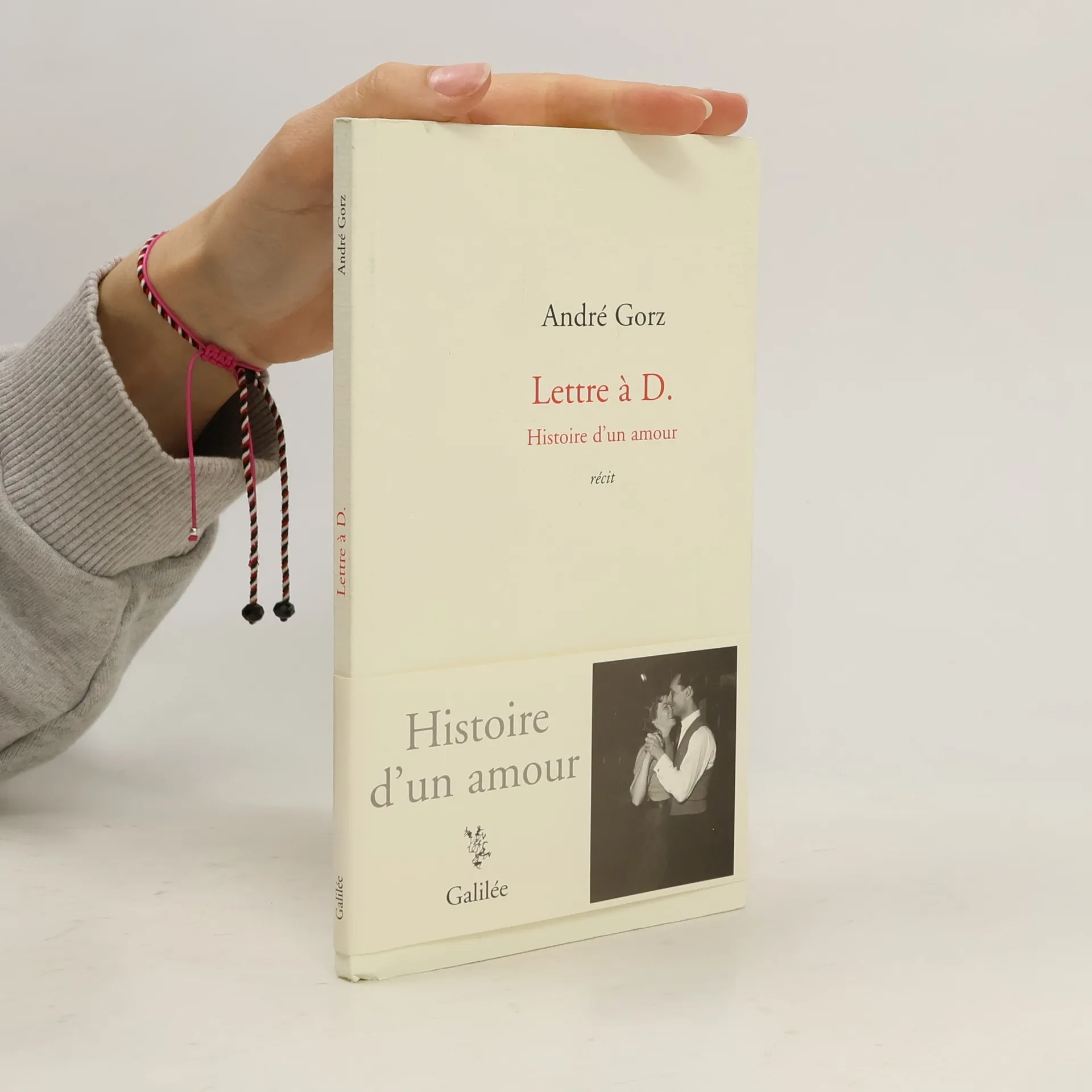
Dans ce récit, André Gorz revient à plusieurs reprises sur ses années d'étude (de chimie) passées à Lausanne, (de 1939 à 1945) et durant lesquelles il participe aux spectacles créés par la jeune troupe des Faux Nez (p. 28).
Dopis Andrého Gorze, filozofa česko-rakouského původu, je kromě milostného vyznání také rekapitulací autorova politického a ekologického myšlení. Gorz v něm nahlíží, jakým způsobem jej filosofické myšlení oddalovalo od toho, co bylo skutečně podstatné: společný život s milovanou osobou. Nelehký, křehký a upřímný.
Gorz se ve svém textu táže po vztahu filosofie a lásky partnerského soužití a dotýká se také ideje lásky vůbec. Na místo tragické nenaplněnosti čteme životní příběh dvou lidí, kteří spolu dokázali takřka šedesát let žít, aniž by se zdroj jejich lásky vyčerpal.
Ulrich Beck ist ein international anerkannter Soziologe, dessen 1986 veröffentlichtes Buch über die Risikogesellschaft ein neues Zeitalter prägte und ihn über akademische Kreise hinaus bekannt machte. Zwei Jahrzehnte später erweiterte er seine Analyse in einem weiteren Werk, das sich mit der Suche nach Sicherheit in einer Welt voller Terrorismus, Klimakatastrophen und Finanzkrisen beschäftigt. Beck war von 1997 bis 2002 Herausgeber der Reihe Edition Zweite Moderne im Suhrkamp Verlag und von 1992 bis 2009 Professor für Soziologie an der Ludwig-Maximilians-Universität München. Zudem leitete er von 1999 bis 2009 einen Sonderforschungsbereich zur Reflexiven Modernisierung, gefördert von der Deutschen Forschungsgemeinschaft. 2012 erhielt er eine Förderung des Europäischen Forschungsrats für ein Projekt über Methodologischen Kosmopolitismus im Kontext des Klimawandels. Für seine Verdienste wurde er beim Weltkongress für Soziologie 2014 mit dem Lifetime Achievement Award der International Sociological Association ausgezeichnet. Beck wurde am 15. Mai 1944 in Stolp geboren und promovierte 1972 in München. Sein wissenschaftliches Interesse galt dem Wandel moderner Gesellschaften, den er mit Konzepten wie Reflexiver Modernisierung und Kosmopolitismus erforschte. Er erhielt zahlreiche Ehrendoktorwürden und Preise und verstarb am 1. Januar 2015.
(Source : site de l'éditeur) « Qu’est-ce maintenant qu’une perspective de gauche ? Que signifie être socialiste ? Comment faut-il concevoir la place future du travail-emploi dans la vie des individus et de la société ? Une société peut-elle se perpétuer sans orientation, ni but, ni espoir ? »
André Gorz’s earlier books—from Ecology as Politics to Farewell to the Working Class and Paths to Paradise—have informed and inspired the most radical currents in Green movements in Europe and America over the last two decades. In Critique of Economic Reason, he offers his fullest account to date of the terminal crisis of a system where every activity and aspiration has been subjected to the rule of the market. By carefully delineating the existential and cultural limits of economic rationality, he emphasizes the urgent need to create a society which rejects the work ethic in favor of an emancipatory ethic of free time. At the heart of his alternative is an advocacy not of “full employment,” but of an equal distribution of the diminishing amount of necessary paid work. He presents a practical strategy for reducing the working week, and develops a radical version of a guaranteed wage for all. Above all, he argues that a utopian vision is now the only realistic proposal, and that “economic reason must be returned to its true—that is subordinate—place.”
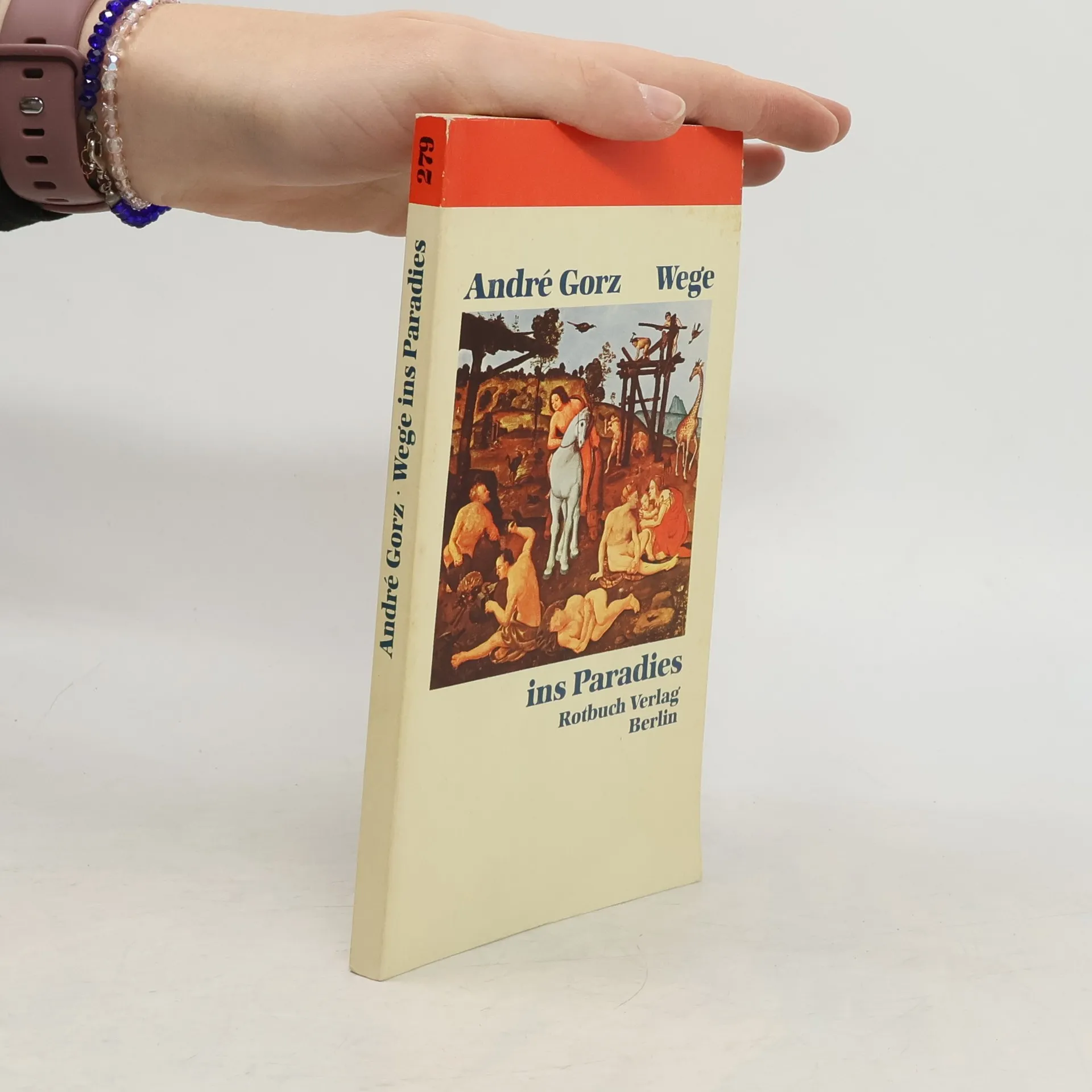
« Bevor sie aus dem Paradies vertrieben wurden, lebten Adam und Eva ohne zu arbeiten auf hohem Niveau. Nach ihrer Vertreibung mussten sie elend leben und von morgens bis abends arbeiten. Die Geschichte des technischen Fortschritts der letzten zwei Jahrhunderte ist die Geschichte des hartnäckigen Versuchs, den Weg zurück ins Paradies zu finden. Wenn uns jedoch alle Reichtümer ohne Arbeit für einen Lohn angeboten würden, würden wir im Paradies verhungern – es sei denn, wir antworten mit einer neuen Einkommenspolitik auf die neue technische Situation. »
« Wir erreichen den genauen Punkt, den die ersten Visionäre des Nach-Kapitalismus ankündigten, als sie jenseits der aufkommenden industriellen Ordnung eine andere Gesellschaft vorausahnten: Kapital und Ware, um die „verfügbare Zeit“ als Maß für den „wahren Reichtum“ erscheinen zu lassen. Die mikroelektronische Revolution führt uns in diese Richtung, und doch warten wir weiterhin elend darauf, dass die Zukunft uns die Vergangenheit zurückbringt, dass der Kapitalismus aus seiner Agonie wieder aufsteht, dass die Automatisierung mehr Arbeit schafft, als sie vernichtet. Die Linke steht kurz davor, an mangelnder Vorstellungskraft zu sterben. »
Andre Gorz, to my mind the greatest of modern French social thinkers, dares to venture where no one really has before. Fighters for democratic socialism and an ecological society have each recognized the handwriting on the wall: modern society cannot continue on its present path. Neither group, however, has even begun to recognize the other's value, beyond being little more than a tactical means towards achieving their own ends. Gorz, in this exciting and penetrating gem of a book, addresses precisely this question, and offers a connection between the political and the ecological.In an age of crisis the realist becomes visionary and the visionary the rational architect of the future. Andre Gorz is just that. The present decade will be a debacle for progressive change unless our creative efforts move towards linking our concerns with the quality of life to those of economic and political structure. Andre Gorz, as this little volume bears witness, has taken up where Herbert Marcuse left off. 'The only things worthy of each,' Gorz says, 'are those which are good for all.' This book is worthy indeed of each.
In seinem Brief an D. hatte André Gorz geschrieben: 'Ich habe die gründliche Erforschung, die ich mir vornahm, als ich Der Verräter schrieb, nicht wirklich geleistet. Es bleiben noch viele Dinge, die ich verstehen, klären muss.' Und dennoch geht das erste Buch, das Gorz – 1958 – auf Französisch veröffentlicht hat, schon sehr weit in der Selbsterforschung. Es ist unerbittlich und schonungslos in seiner Selbstentblößung und -kritik. Gorz erzählte in Er-Form sein bisheriges Leben, die Kindheit in Wien als Sohn eines jüdischen Vaters und einer katholischen Mutter, dann die Jahre als Gymnasiast und Student (und Flüchtling) in der Schweiz, wo er beschließt, Franzose zu werden, schließlich die Übersiedlung nach Paris. Das Außerordentliche an diesem Buch ist die Genauigkeit, mit der hier Zeitgeschichte, Theorieentwicklung und individuelle Erfahrung verknüpft werden. Gorz, Emigrant, Sozialtheoretiker, vielfältig involviert in die Auseinandersetzungen der europäischen Linken seit den 1930er-Jahren, hat mit Der Verräter viel mehr als die Autobiografie des jungen Mannes geschrieben. Es ist die Monografie eines Denk- und Lebenszusammenhangs. Der Essay 'Über das Altern', den der noch junge Gorz 1961/62 geschrieben hat, wird hier zum ersten Mal auf Deutsch publiziert.
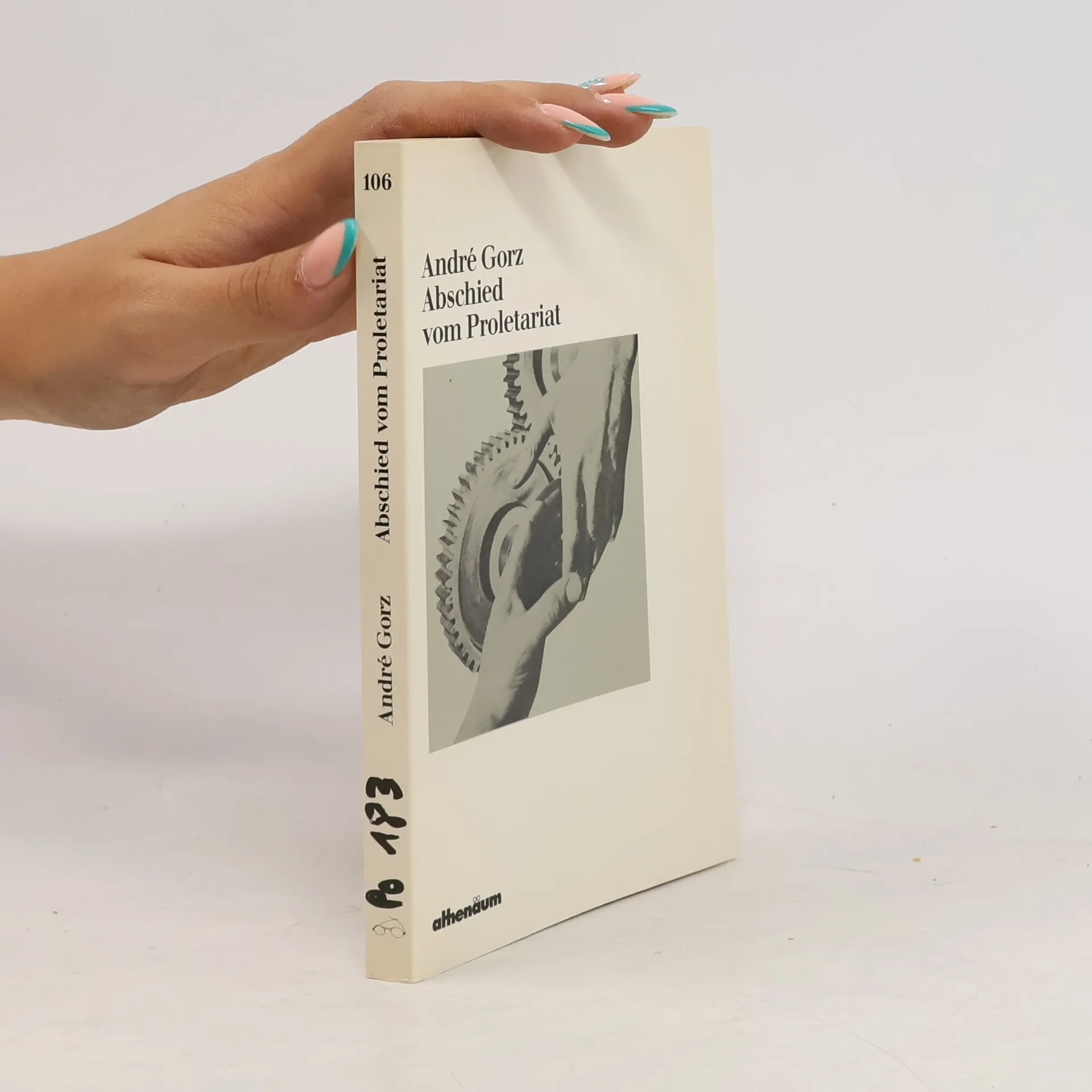
André Gorz argumentiert, dass Veränderungen in der Rolle der Arbeit und des Arbeitsprozesses in den letzten Jahrzehnten des 20. Jahrhunderts die Macht der qualifizierten Industriearbeiter endgültig geschwächt haben. Ihren Platz haben soziale Bewegungen wie die Frauenbewegung und die Umweltbewegung eingenommen sowie all jene, die die Arbeitsmoral, die für die frühen kapitalistischen Gesellschaften so grundlegend war, ablehnen. Provokant und ketzerisch ist Abschied vom Proletariat eine klassische Studie über Arbeit und Arbeitslosigkeit in der postindustriellen Welt.