Engaging sports themes capture the interest of both avid fans and hesitant readers. The content is designed to draw in those who might typically shy away from reading, making it an ideal choice for a diverse audience.
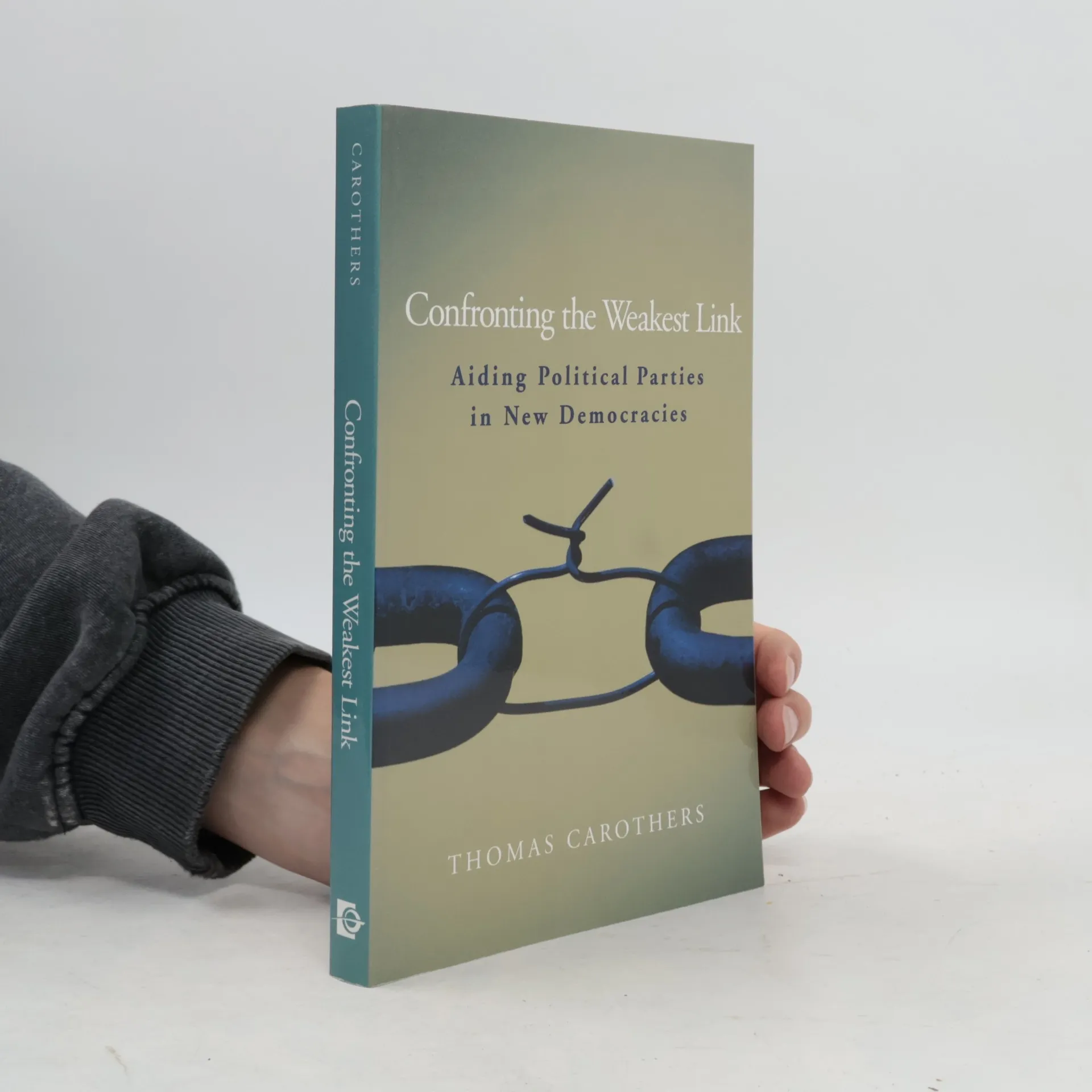
Beset with persistent problems of self-interest, corruption, ideological incoherence, and narrow electoral majorities, political parties are the weakest link in many democratic transitions around the world.
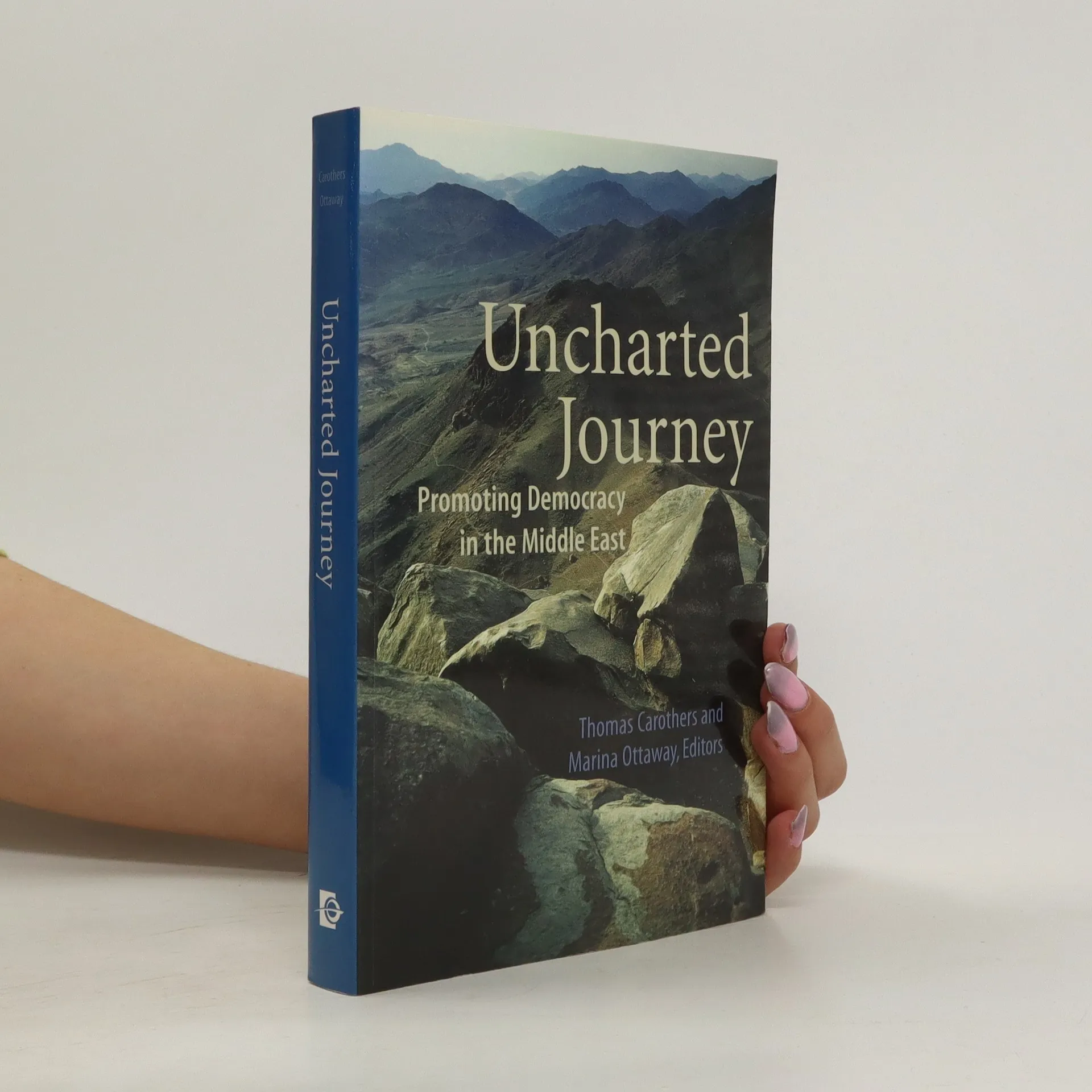
The United States faces no greater challenge today than successfully fulfilling its new ambition of helping bring about a democratic transformation of the Middle East. Uncharted Journey contributes a wealth of concise, illuminating insights on this subject, drawing on the contributors' deep knowledge of Arab politics and their substantial experience with democracy-building in other parts of the world. The essays in part one vividly dissect the state of Arab politics today, including an up-to-date examination of the political shock wave in the region produced by the invasion of Iraq. Part two and three set out a provocative exploration of the possible elements of a democracy promotion strategy for the region. The contributors identify potential false steps as well as a productive way forward, avoiding the twin shoals of either reflexive pessimism in the face of the daunting obstacles to Arab democratization or an unrealistic optimism that fails to take into account the region's political complexities. Contributors include Eva Bellin (Hunter College), Daniel Brumberg (Carnegie Endowment), Thomas Carothers (Carnegie Endowment), Michele Dunne (Georgetown University), Graham Fuller, Amy Hawthorne (Carnegie Endowment), Marina Ottaway (Carnegie Endowment), and Richard Youngs (Foreign Policy Centre).
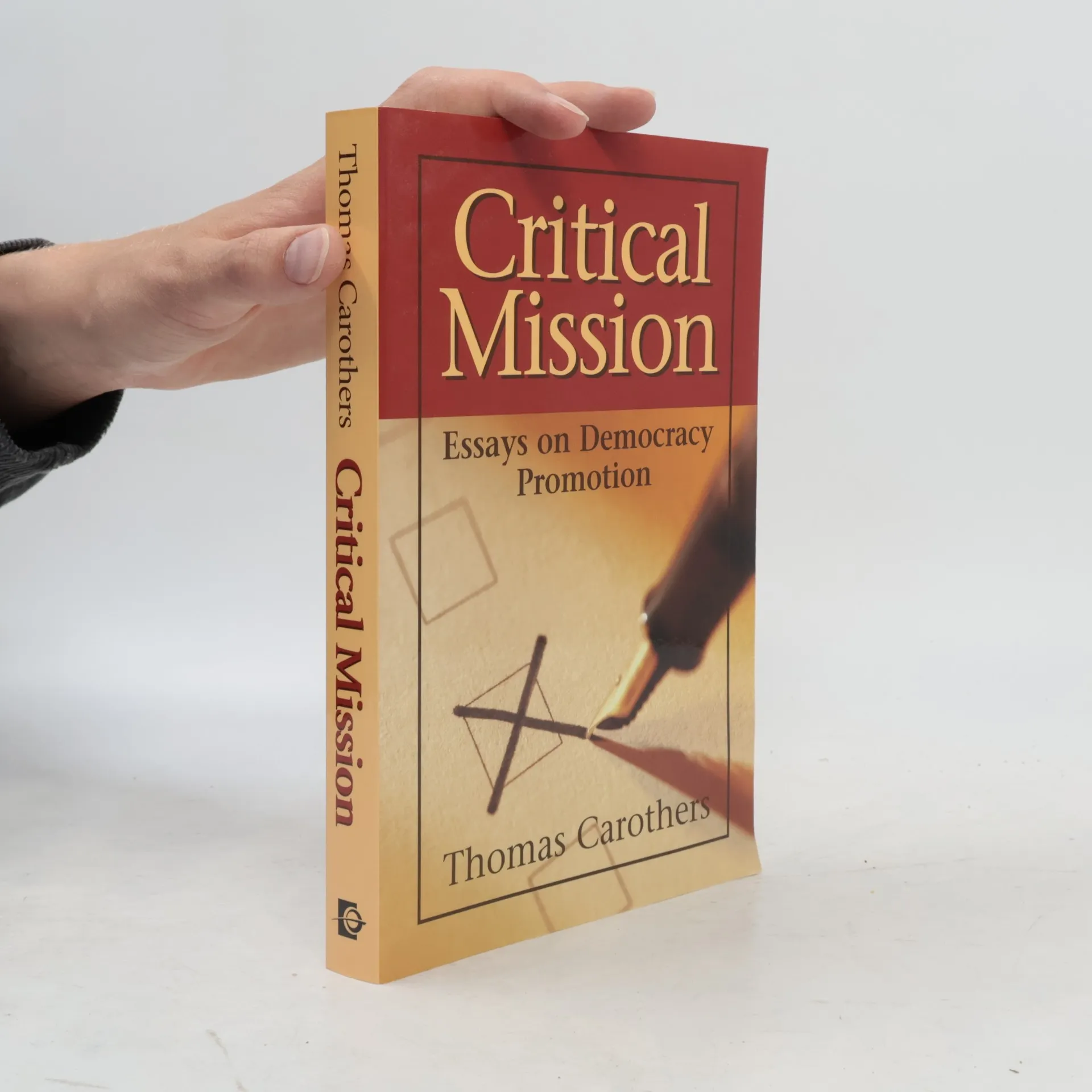
In "Critical Mission," Thomas Carothers compiles essential essays on democracy promotion, addressing its role in U.S. foreign policy, key elements of democracy aid, and the global state of democracy. This insightful work challenges myths and offers a comprehensive bibliography, making it a crucial resource for policymakers and scholars.
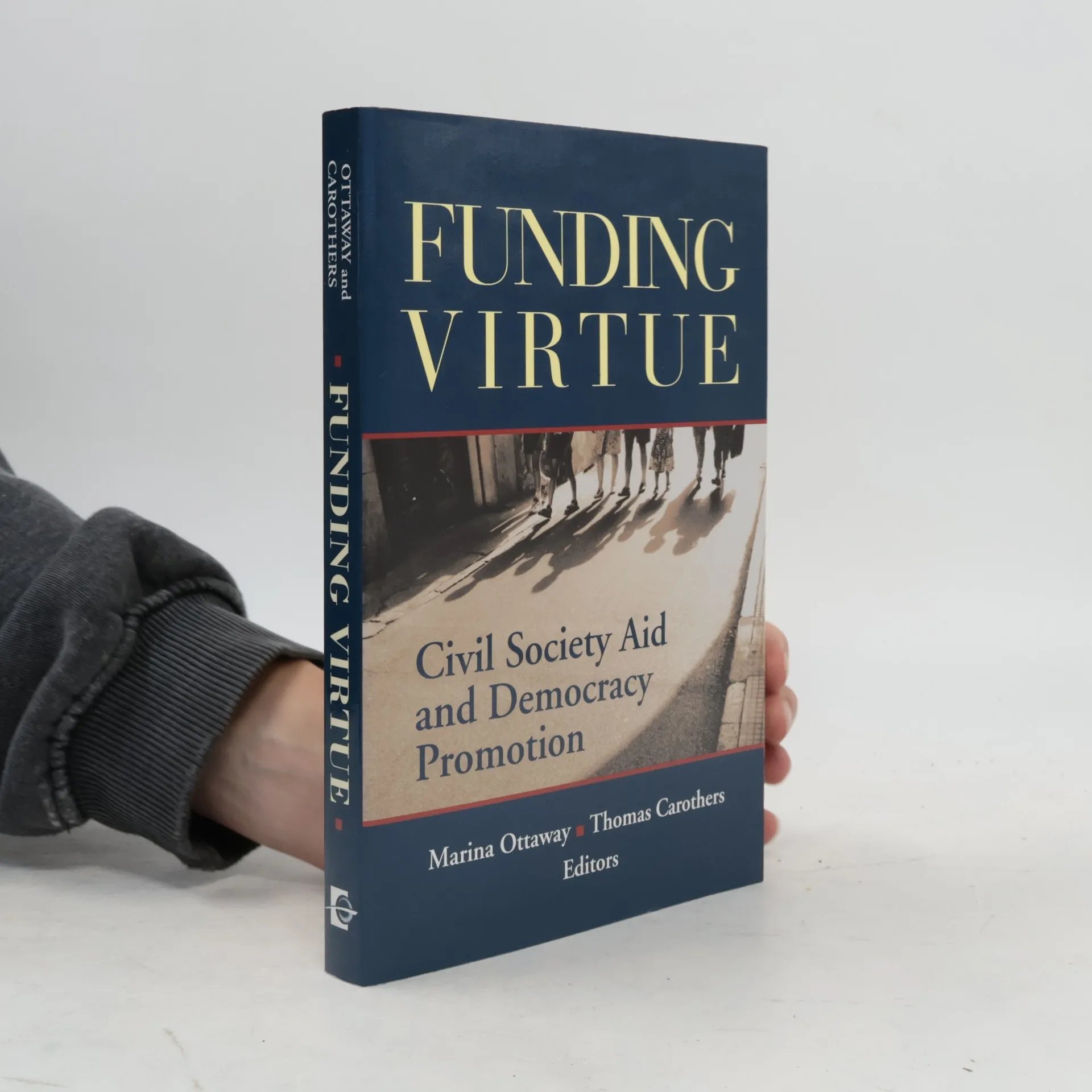
In recent years the United States and many other international donors have embraced civil society aid as a key tool of democracy promotion. They support thousands of NGOs around the world in the name of civil society development, investing in these organizations high hopes for fostering democratic participation and values.
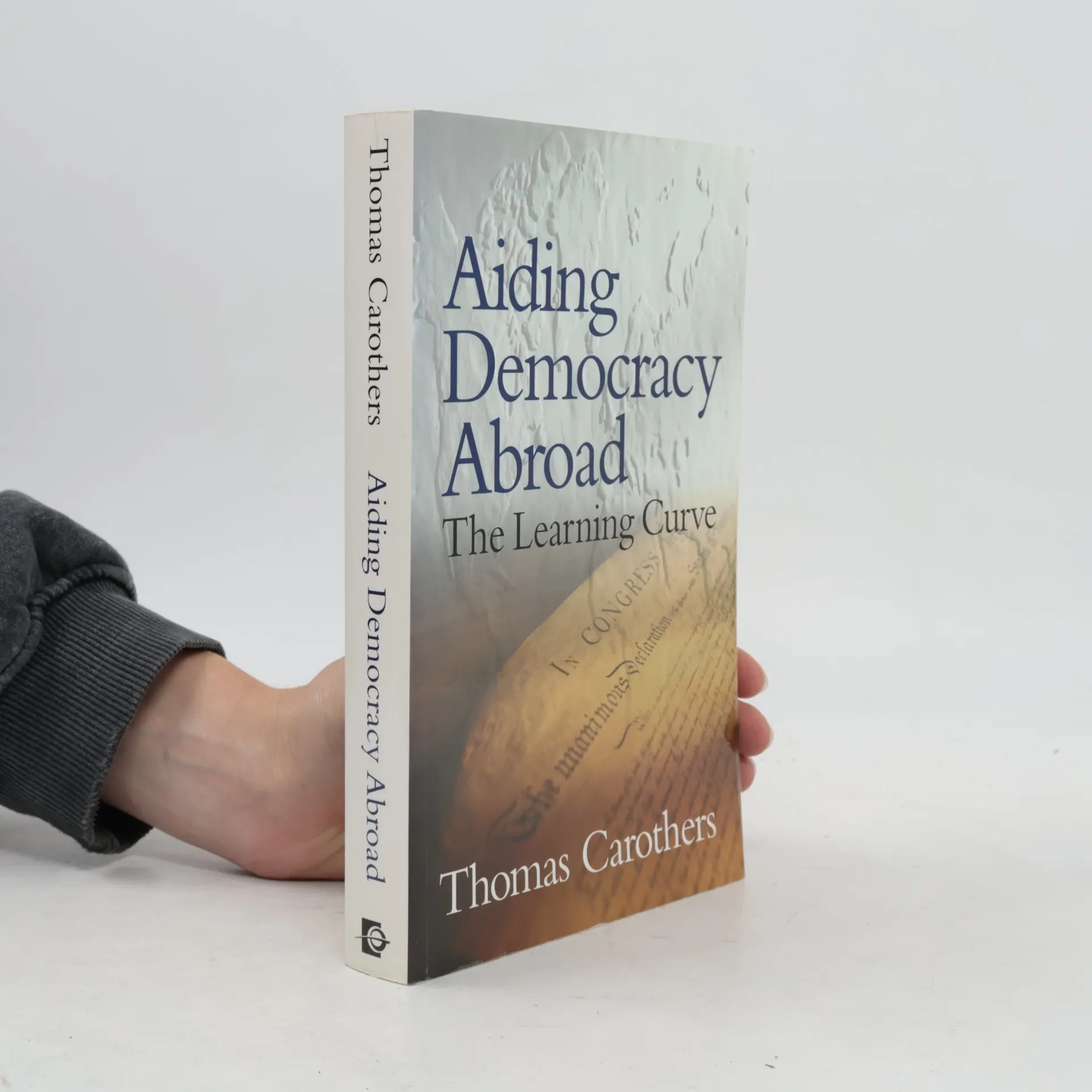
Aid to promote democracy abroad has emerged as a major growth industry in recent years. Not only the United States but many other Western countries, international institutions, and private foundations today use aid to support democratic transitions in Eastern Europe, the former Soviet Union, Asia, Africa, Latin America, and the Middle East.