

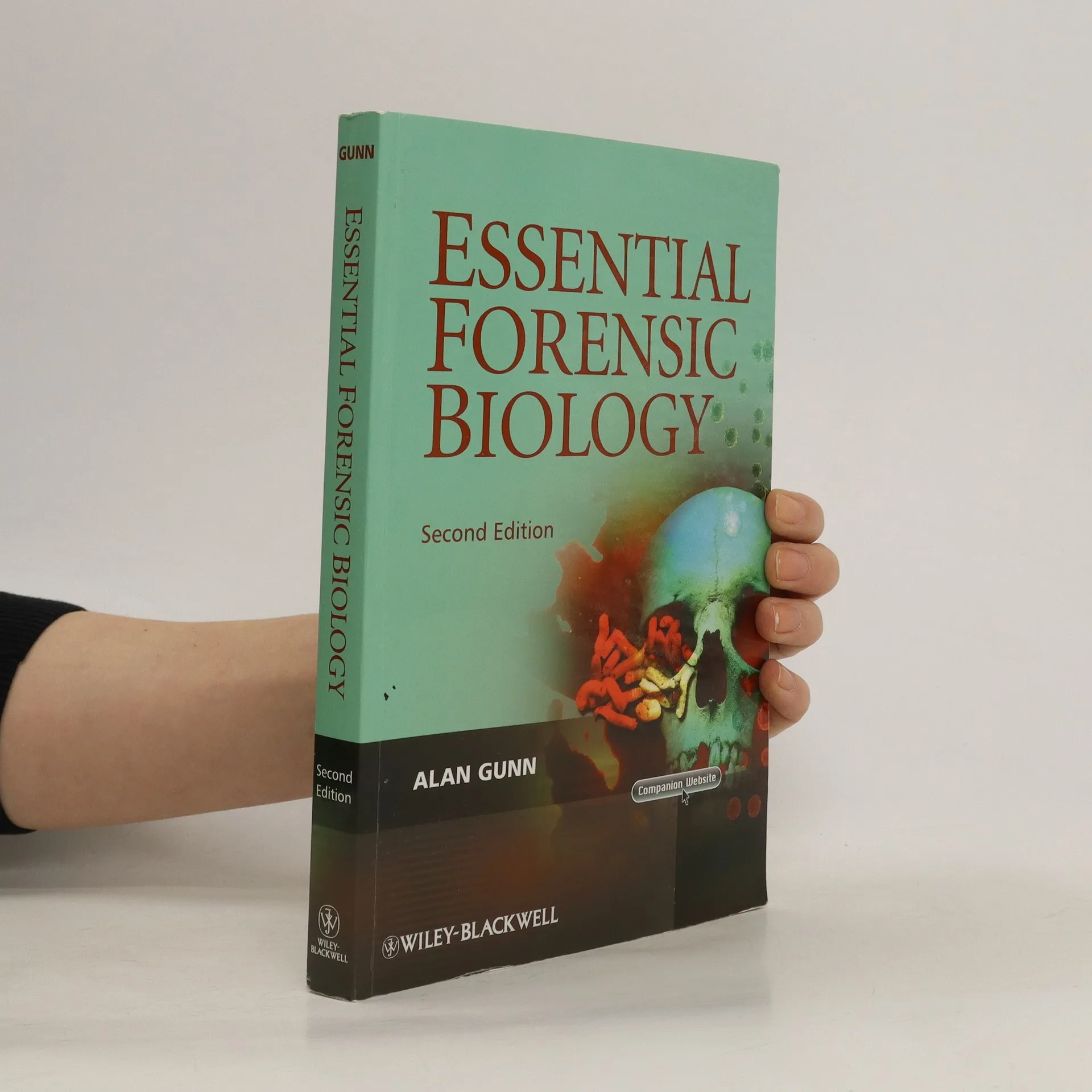
This book introduces the application of biology in legal investigations, providing a comprehensive overview of essential concepts. The fully revised second edition covers a range of organisms used as evidence in forensics, including invertebrates, vertebrates, plants, and microbes. It discusses the decay process and the role of forensic indicators such as human fluids, blood cells, hair, teeth, bones, and wounds, particularly in cases of suspicious death. The coverage of molecular techniques has been expanded, with new material on bioterrorism and wildlife forensics. It addresses the use of DNA and RNA for individual identification and the ethical implications of maintaining DNA databases. The textbook features self-assessment questions at the end of each chapter and includes case studies, now presented in full color. A supplementary website offers additional material and self-test questions to enhance student understanding. Reviews of the first edition praise its contribution to legal investigations and recommend it as a valuable resource for naturalists and biologists alike. Overall, it is highly regarded for its engaging content, despite some sad or gruesome topics.
Alan Gunn Knihy
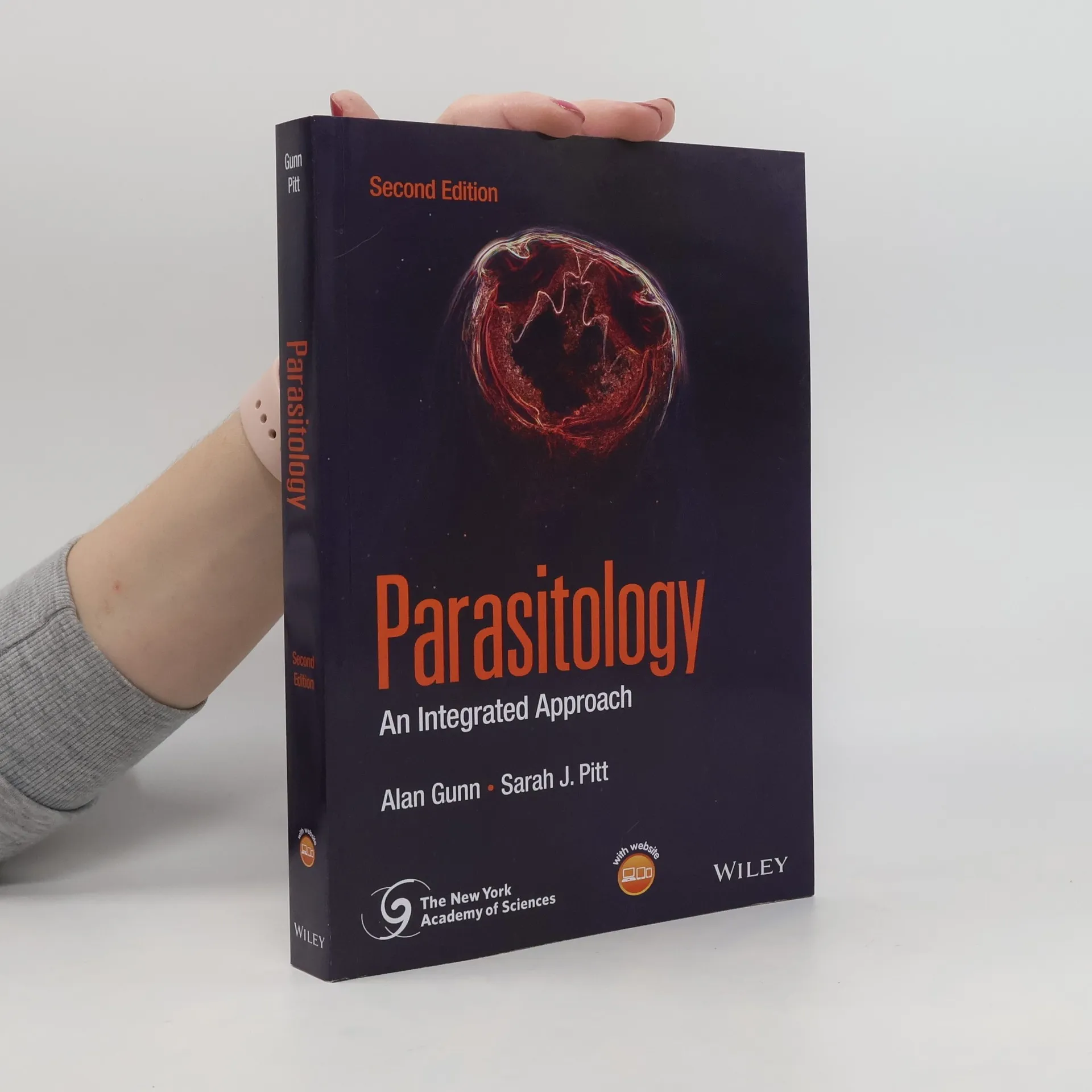
Parasitology Highly detailed textbook on parasites and parasite relationships The fully revised edition of An Integrated Approach holds true to its engaging and easy-to-read approach. It comprehensively covers the complex and dynamic interaction between the parasite and its host ranging from invertebrates to vertebrates. Following an integrated approach, the authors explain how the study of parasites requires an understanding of biological concepts such as growth and reproduction, molecular biology, biochemistry, immunology, and pathology. In this second edition, they further address parasites and parasite relationships in the grand scheme of global changes and their impact. This textbook also reviews the often-neglected positive aspects of parasite infections and how humans have used parasites for their own advantage. An Integrated Approach, 2 nd edition includes supplementary learning resources such as self-assessment quizzes, practical exercises, and an extensive collection of photographs. A valuable and comprehensive learning resource for undergraduate students in the biological, biomedical and veterinary sciences and in medicine. It is also of interest to postgraduates and professionals with an interest including but not limited to parasitology, animal welfare, ecology, and medical microbiology.