John Robert Baines is a distinguished scholar of Ancient Egypt, whose work delves into the art, religion, literature, and biographies of this ancient civilization. His research employs comparative and anthropological approaches to model ancient Egyptian society, offering profound insights into its complexities. Baines's approach is characterized by a deep engagement with diverse aspects of Egyptian culture, seeking to understand the society through its artistic expressions, spiritual beliefs, and written records. His scholarly contributions provide a rich understanding of one of history's most enduring civilizations.
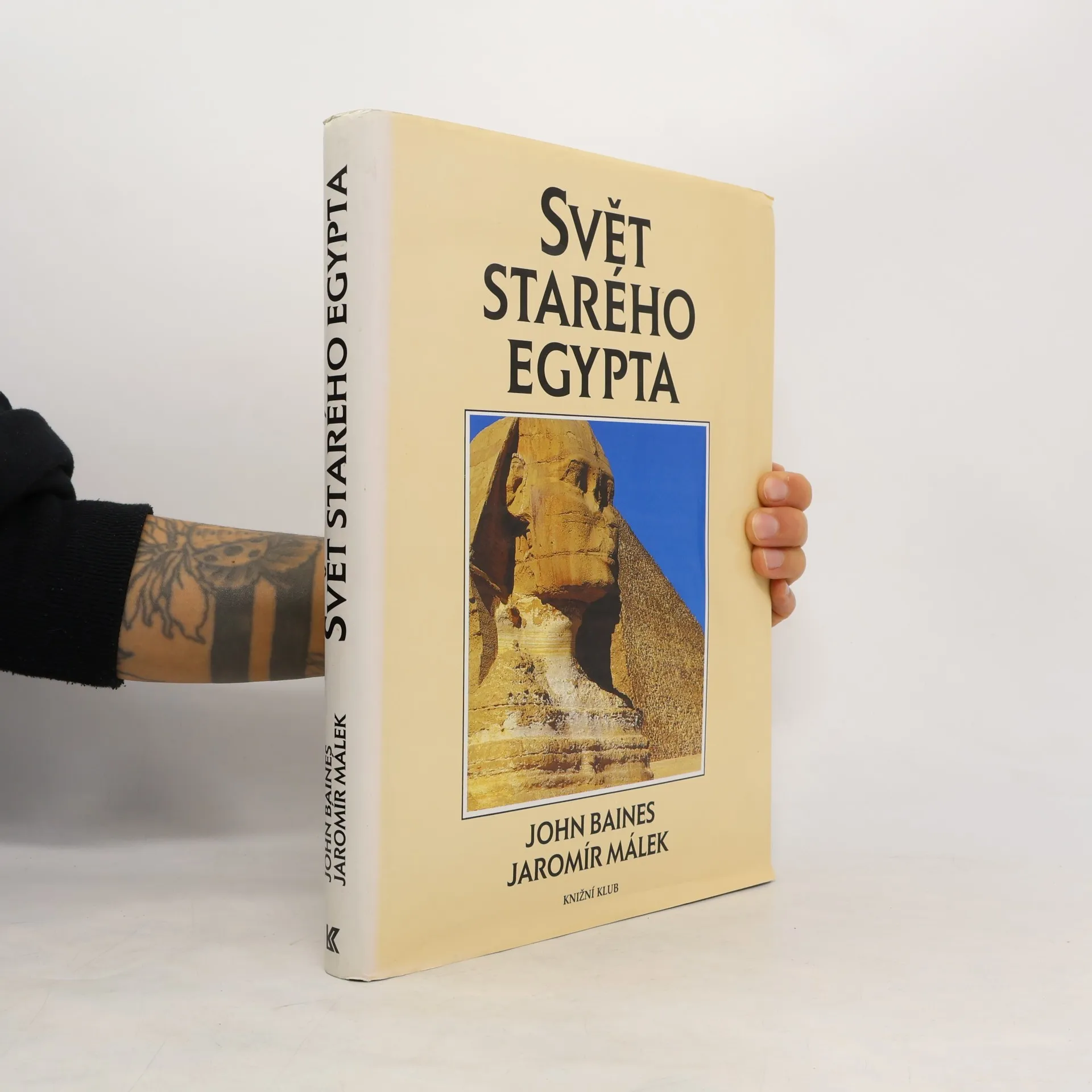
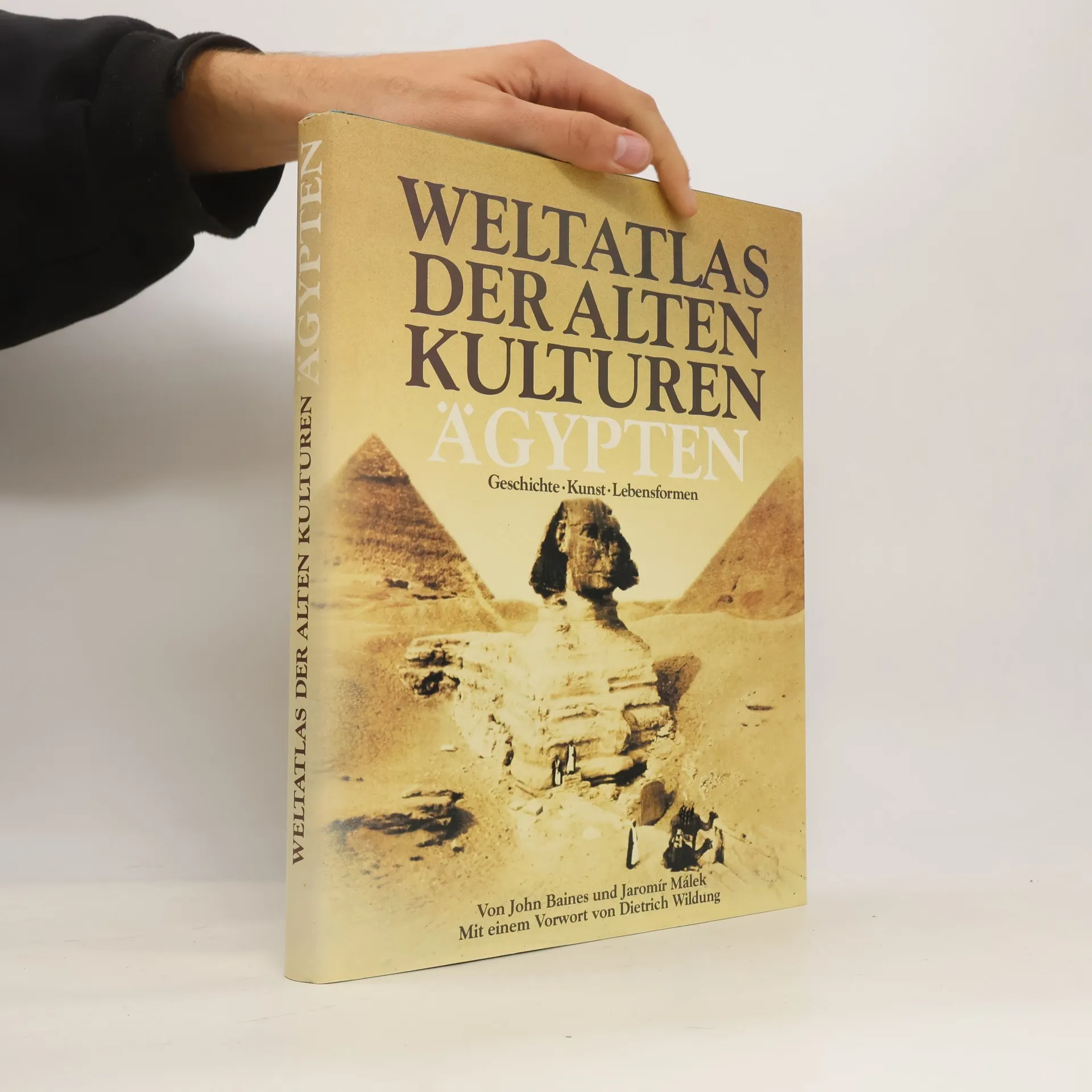
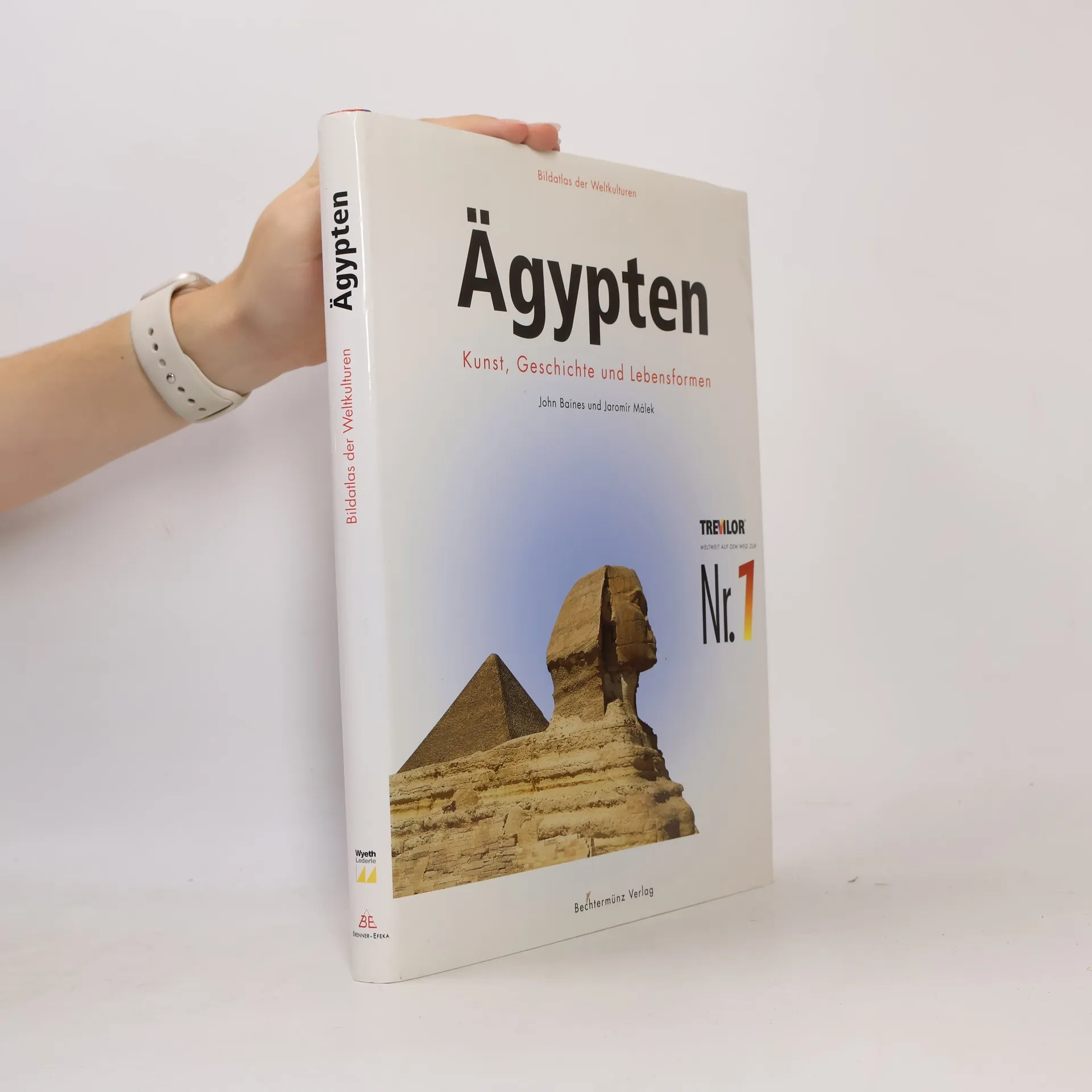
Tato kniha pojednává zcela novým způsobem o starém tématu - starověkém Egyptě. Dosud nikdy nebylo toto téma představeno formou kulturního atlasu, jenž přináší nejen mnoho historických a topografických map, ale také erudovaný text, ve kterém se dvěma významným egyptologům podařilo obsáhnout kulturu - chápanou v širokém smyslu - této staré civilizace.
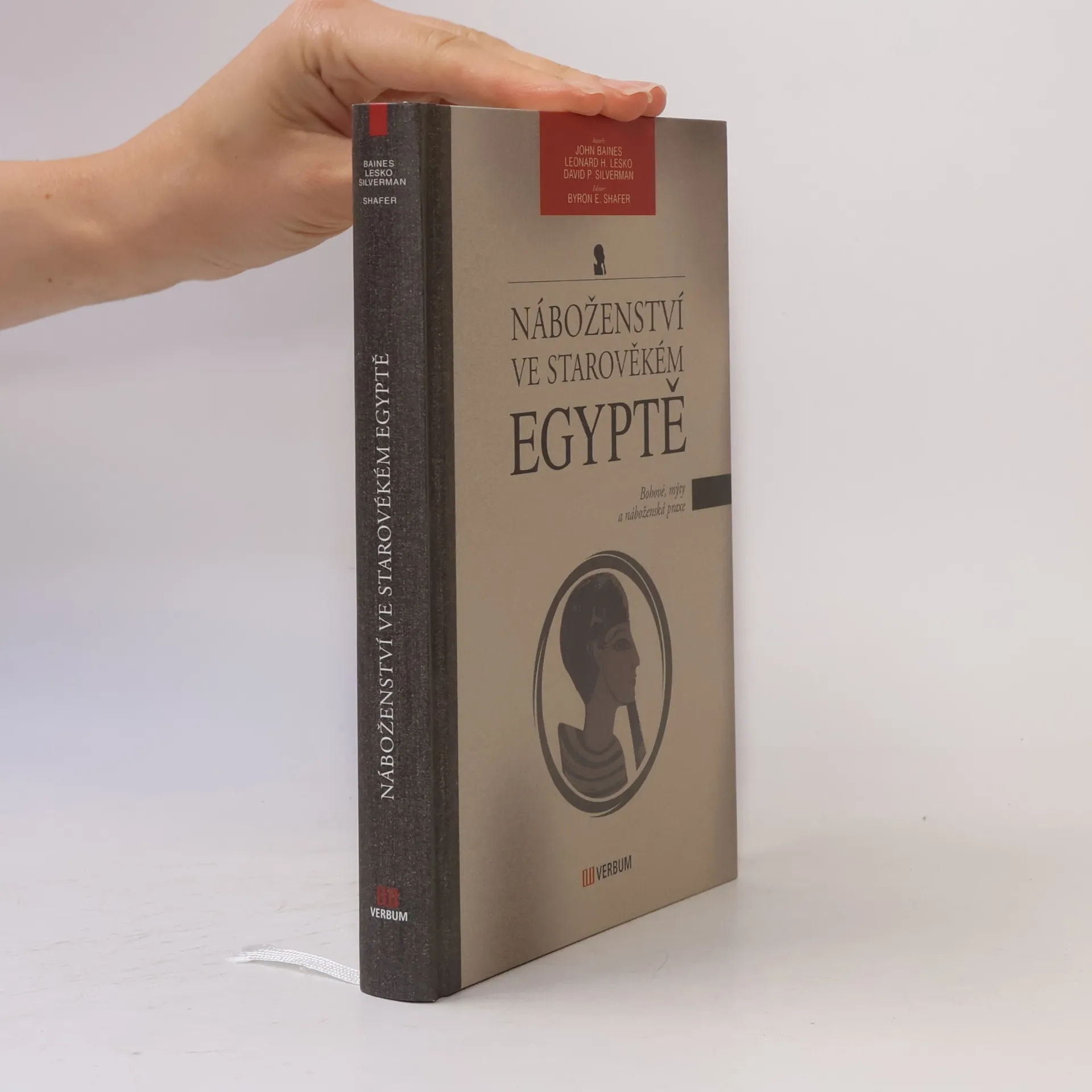
Při přípravě a uspořádání této knihy se autoři zaměřili na to, aby ukázali náboženství jak ze strany společenské elity, tak i z pohledu obyčejných lidí. David Silverman nastiňuje a analyzuje staroegyptské představy o božském a následně třídí a diskutuje specifická božstva a bohy, jejich aspekty a místa v božské hierarchii. Leonard Lesko odkrývá staroegyptskou mytologii a nabízí vlastní překlady klíčových částí. Předně se zaměřuje na kosmogonii a předkládá stručný souhrn kosmologického myšlení – chápání přírody, struktury a uspořádání vesmíru. John Baines se snaží odkrýt náboženské praktiky prostých lidí, v jejichž životě byla konfrontována realita obecně přítomného utrpení a neštěstí v kontrastu k honosným obrazům života zachyceným v umění a literatuře.
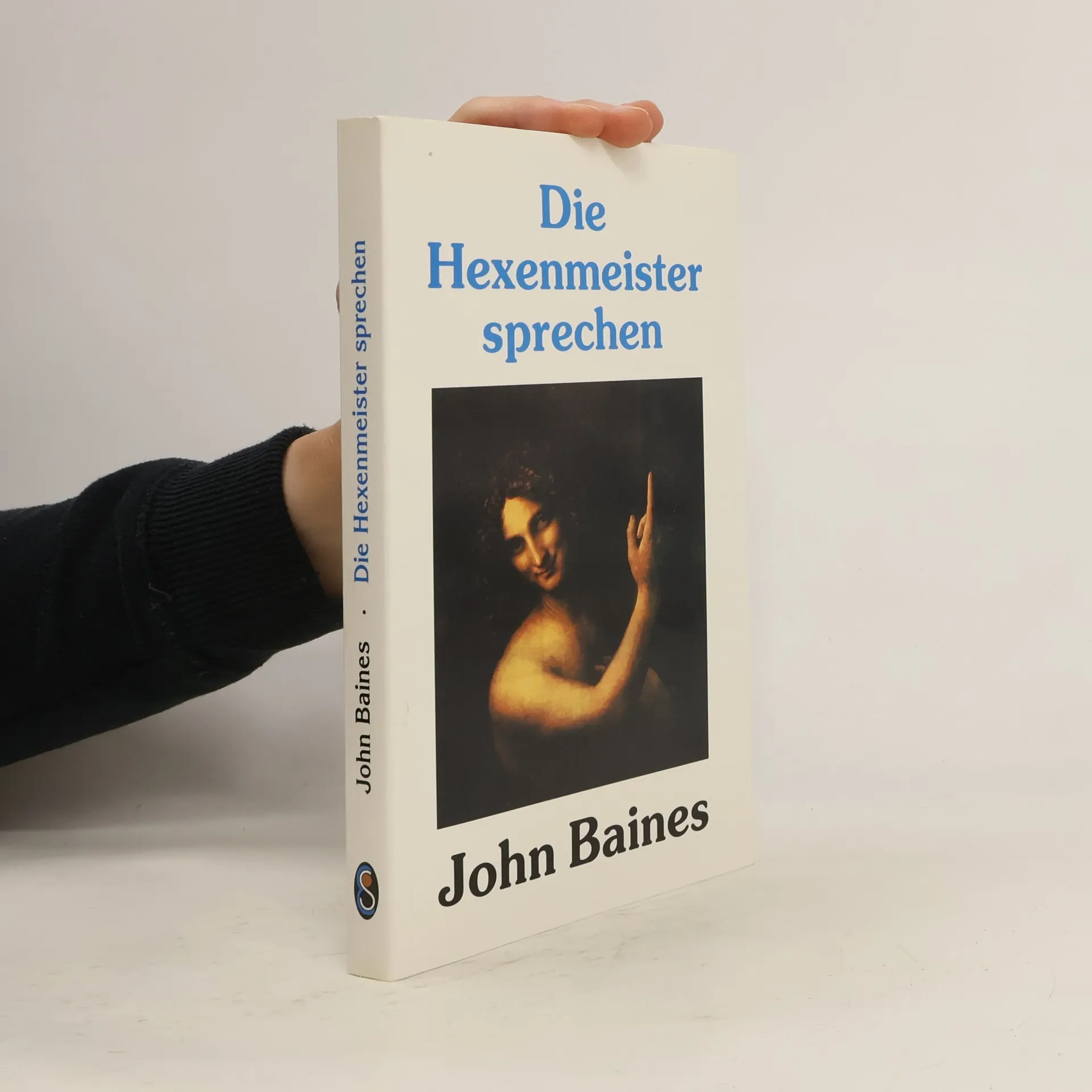
Tato kniha je určena každému, kdo chce poznat pravdu, koho pohání ideál lepšího světa dosažitelný individuálním duchovním rozvojem a kdo usiluje o mentální i duchovní sebezdokonalování.
Pojednává o pravé podstatě okultismu a duchovního růstu, jež přesahuje četné školy, směry i náboženství; rozebírá, co je duch, duše, rozum; Bůh, hmota a duch, život a smrt; osud a karma. Ve druhé části pak autor prakticky radí, jak se duchovně zdokonalovat, jak rozvíjet své vědomí, svou vůli i srdce. Značná část je věnovaná lásce, sexualitě, skutečnému spojení dvou lidí a správnému vztahu muže a ženy. Pokud se naučíme správně žít, budeme šťastní a hodni svého lidství.
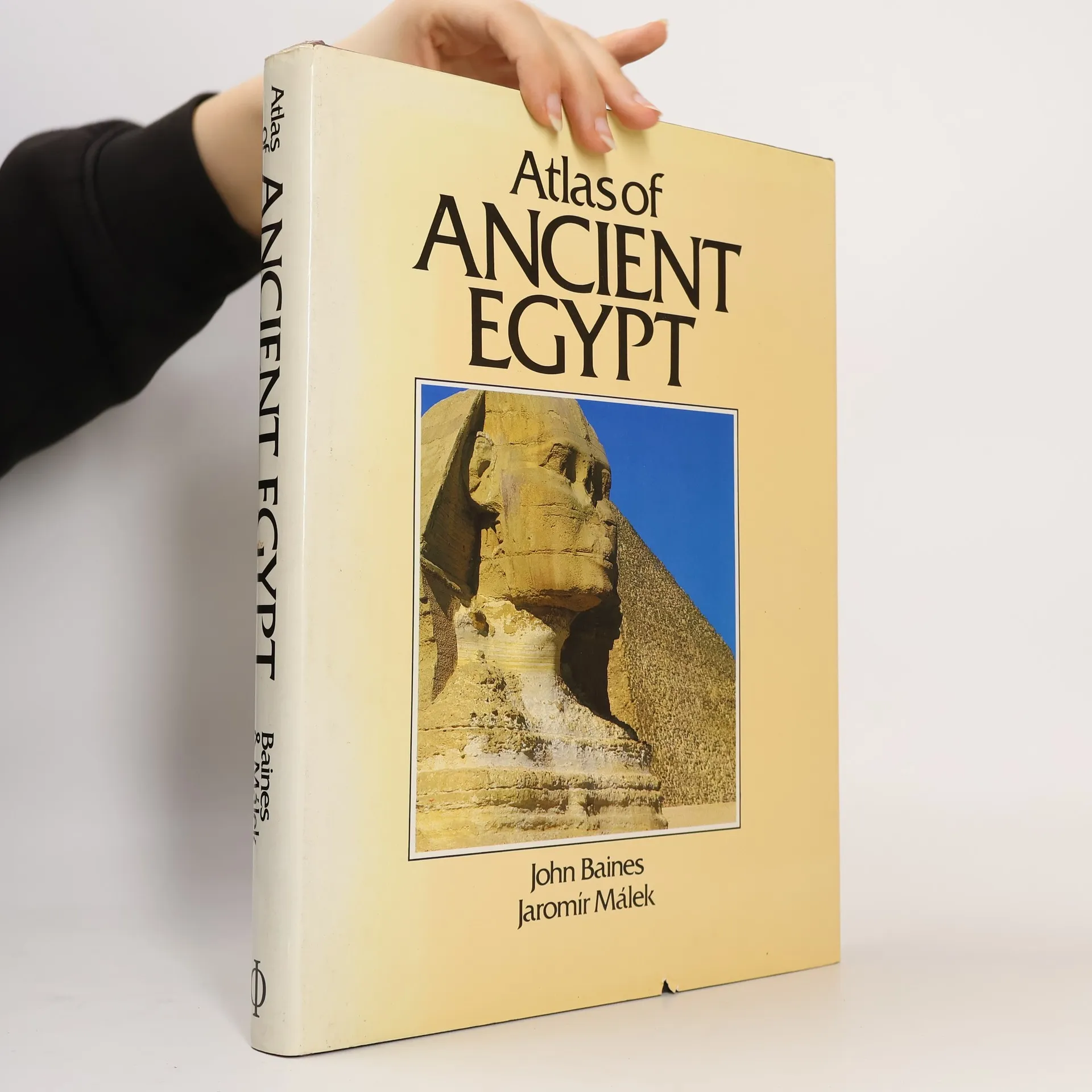
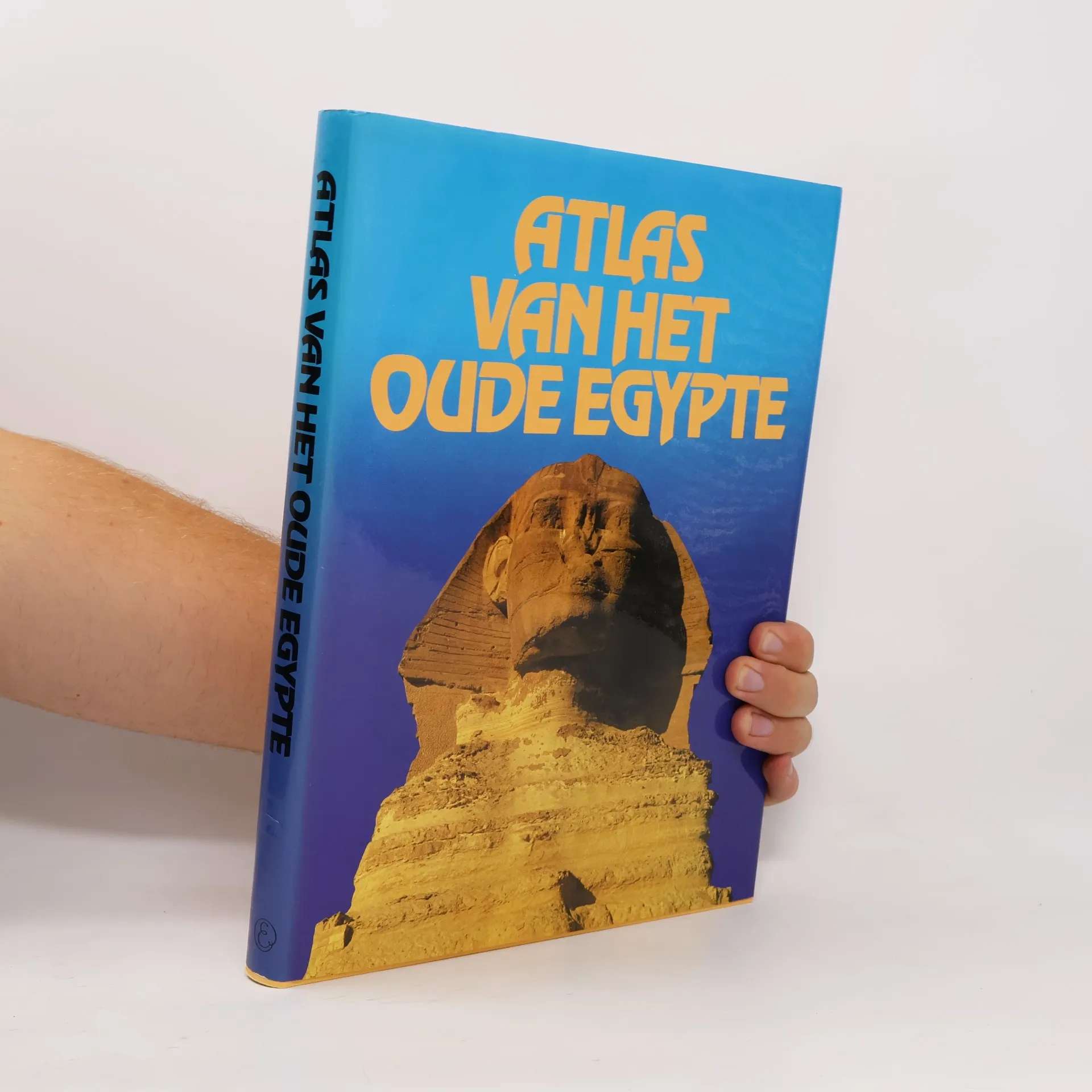
The book is divided into three parts. The first establishes the cultural setting of ancient Egypt, with chapters on its geography, archaeology, history, art and architecture. The central section of the book takes the reader on a journey down the Nile, calling at some 90 sites where significant discoveries have been made or spectacular monuments stand. From the rock-cut tombs of Aswan to the pyramids at Giza, from he treasures of Tut'ankhamun to the shifting sands of the delta, the reader is transported effortlessly by means of maps, photographs, site plans and descriptive accounts of the visible remains. A further journey takes the intrepid traveler into Nubia and to the temples of Abu Simbel, rescued from the waters of Lake Nasser. The third part considers important aspects of Egyptian society and daily life.
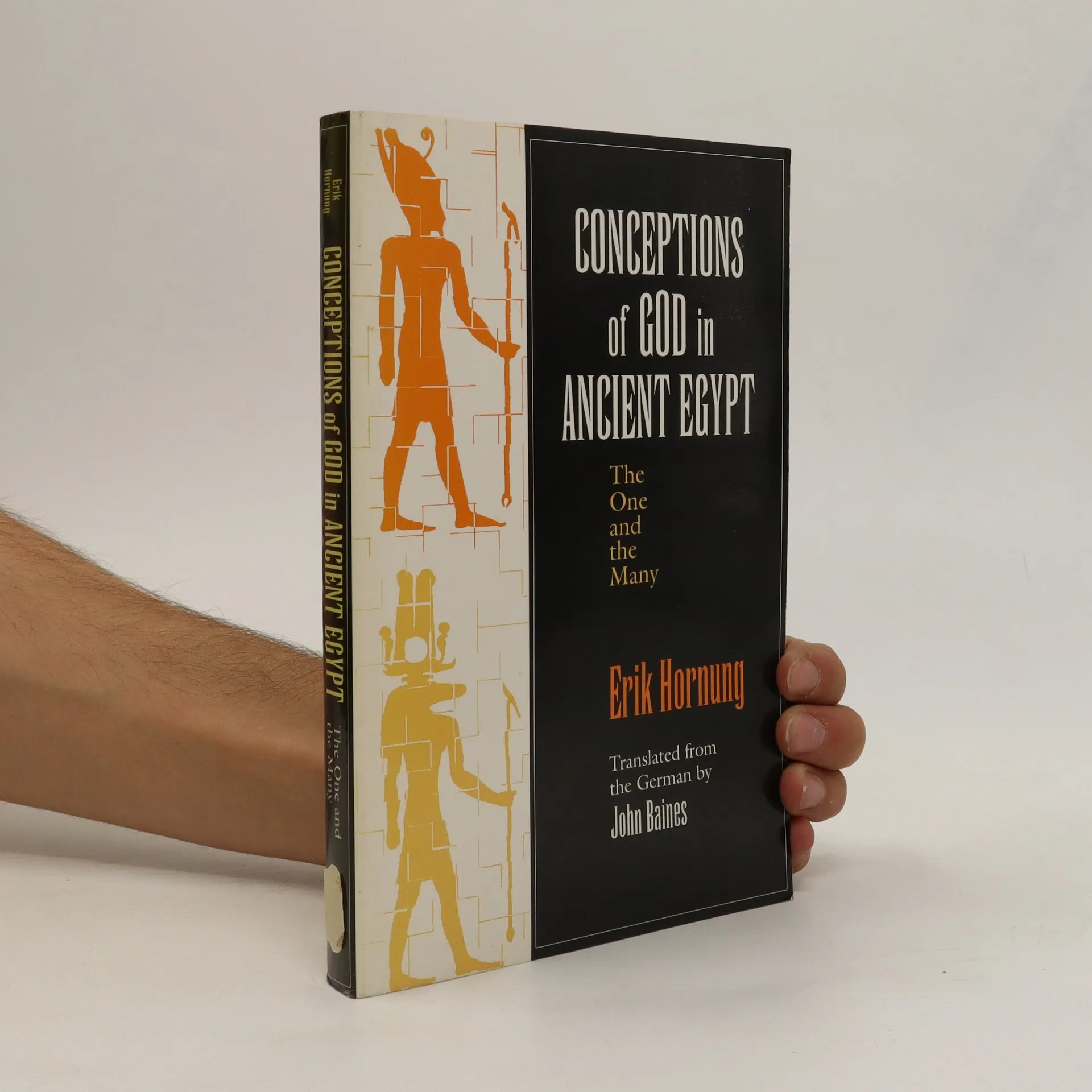
Osiris, Horus, Isis, Thoth, Anubis—these captivating figures of the Egyptian pantheon have long intrigued scholars and enthusiasts alike. In this comprehensive study, renowned Egyptologist Erik Hornung delves into the ancient Egyptians' understanding of their gods, drawing from a meticulous reappraisal of primary sources. This work, now available in English for the first time, represents the most thorough exploration of Egyptian religion to date. Hornung investigates the characteristics, roles, and significance of the gods and goddesses, while also analyzing the evolving iconography that depicts them. He addresses the complex and often contradictory elements of their faith, seeking to answer two fundamental questions: How did the Egyptians perceive their deities? Did they believe in an impersonal force behind their diverse pantheon? Throughout the text, Hornung captures the intricate and rich tapestry of ancient Egyptian religion and worldview, which stands in stark contrast to contemporary perspectives. This distinguished work will resonate with anyone fascinated by ancient Egypt, religion, and the history of belief systems, as well as students and scholars in fields such as history, anthropology, and archaeology. Translated by John Baines and enhanced for an English-speaking audience, this edition includes a new preface by the author.
This book primarily allows readers to elevate their ordinary level of consciousness, overcome stress and anxiety, learn to effectively solve problems, achieve relaxation, and create an unchanging inner "self." In addition to scientific explanations, the book contains a series of simple practical exercises accessible to anyone. By correctly following the method of hypsoconsciousness, one can achieve happiness and live a full life as a developed and mature person, consciously making decisions rather than going with the flow.
Provides a comprehensive range of facts and figures about the United States, covering topics such as landscape, resources, population, daily life, law, food, industry, transport and the environment. Suggested level: intermediate, junior secondary.
Part of a series in which each book examines all aspects of a particular country from its physical features to the lifestyle of its people, its environmental concerns and its potential for future development. Instant information is offered by means of maps, graphs and statistical data.
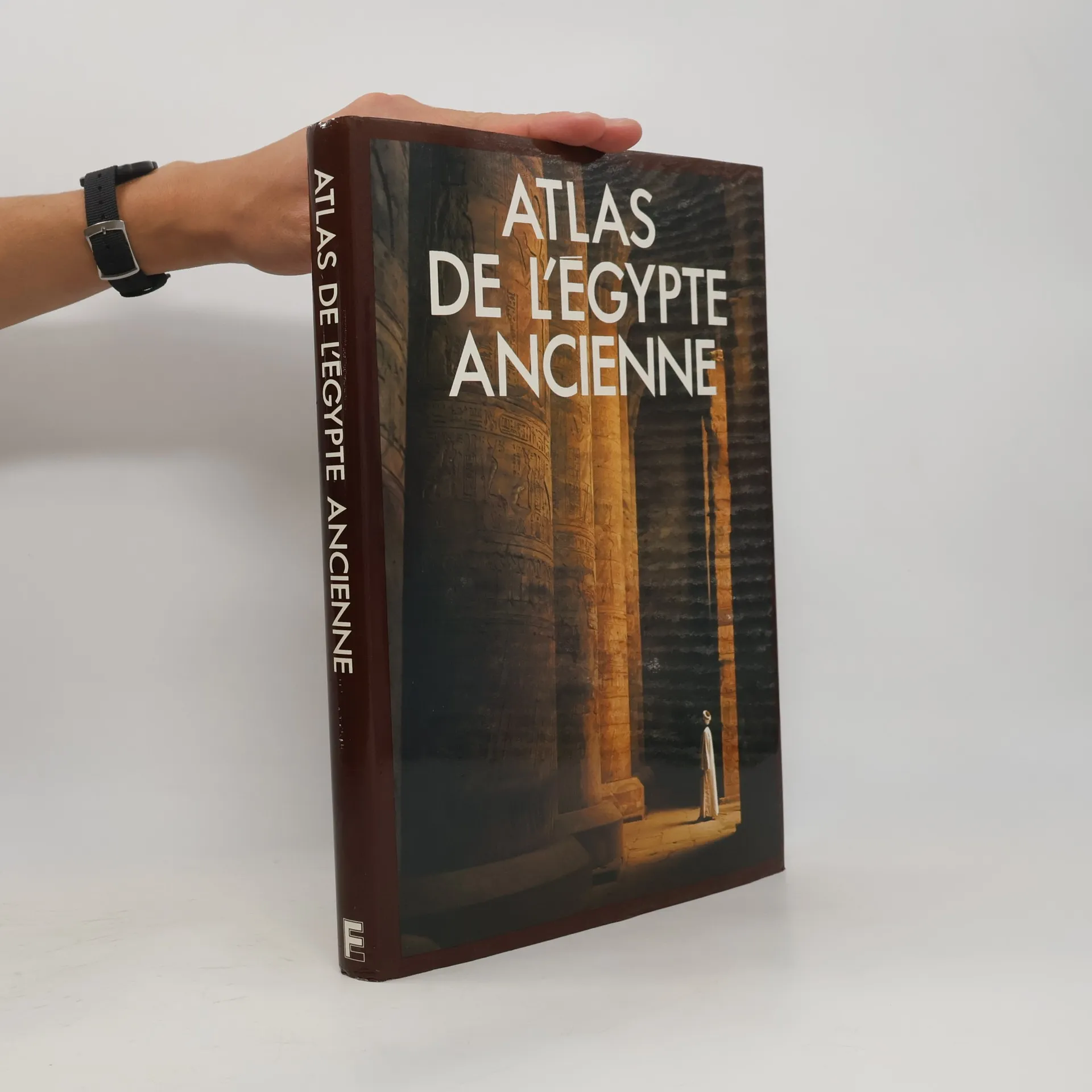
Rayon : Civilisation Editeur : Editions du Fanal Date de parution : 1991 Description : In-4, 240 pages, relié entoilé avec jaquette parfaite, occasion, très bon état. Envois quotidiens du mardi au samedi. Les commandes sont adressées sous enveloppes bulles. Photos supplémentaires de l'ouvrage sur simple demande. Réponses aux questions dans les 12h00. Librairie Le Piano-Livre. Merci. Référence catalogue vendeur: X14618. Please let us know if you have any questions. Thanks