

Hugo Chavez, the populist leader of Venezuela, stands as a formidable challenger to U.S. global authority. Leading one of the largest oil-producing nations, he has significantly influenced world oil prices, diminishing the power of multinational oil companies while directing wealth to the impoverished in his country and beyond. As the democratically elected president of a major South American democracy, Chavez's staunch opposition to the Bush administration's Free Trade Area of the Americas (FTAA) has severely hindered U.S. ambitions in the region. The situation escalated in 2005 when Pat Robertson, a Bush ally, suggested Chavez's assassination, prompting public outrage and raising questions about potential CIA involvement and U.S. invasion plans. Chavez hinted at receiving intelligence regarding such plans during a September 2005 interview. The April 2002 coup attempt against him, which he survived after mass protests, further complicates the narrative. Venezuelan-American attorney Eva Golinger and journalist Jeremy Bigwood leveraged the Freedom of Information Act to uncover U.S. government documents related to its intervention in Venezuela. Their findings in The Chavez Code reveal undeniable evidence that the U.S. was aware of the coup plot beforehand, hinting at a more sinister history of U.S. involvement in Latin America.
Saul Landau Knihy
Saul Landau byl mezinárodně uznávaný učenec, autor a komentátor, který se po čtyřicet let věnoval sociálním, politickým otázkám a otázkám lidských práv. Ve své práci se zabýval hlubokými společenskými problémy a využíval svůj autorský a filmařský talent k tomu, aby podnítil zamyšlení a diskusi. Jeho díla zkoumají složitosti lidské společnosti a úsilí o spravedlnost. Landauův odkaz spočívá v jeho neúnavném úsilí o osvětu a prosazování lidských práv prostřednictvím své obsáhlé tvorby.
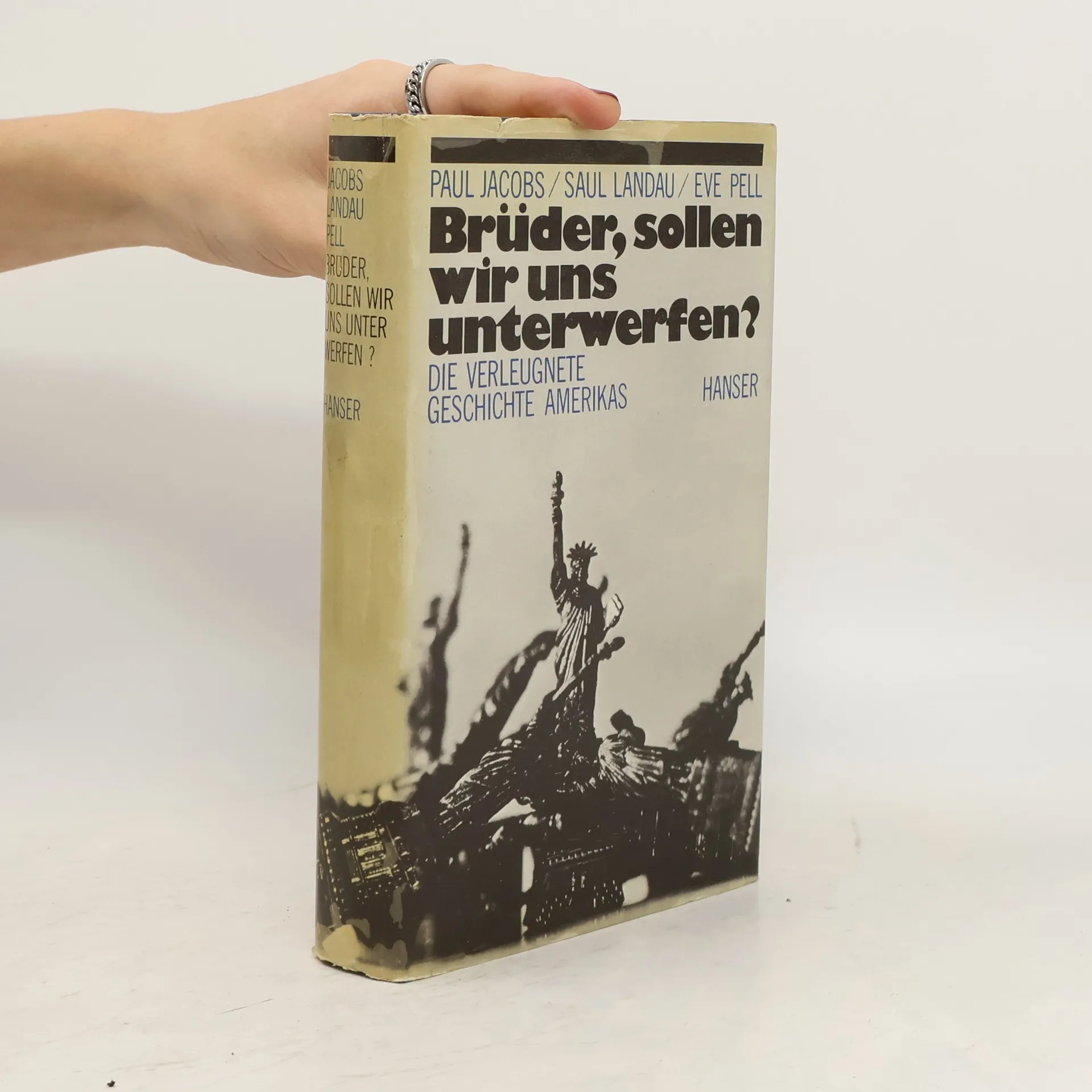
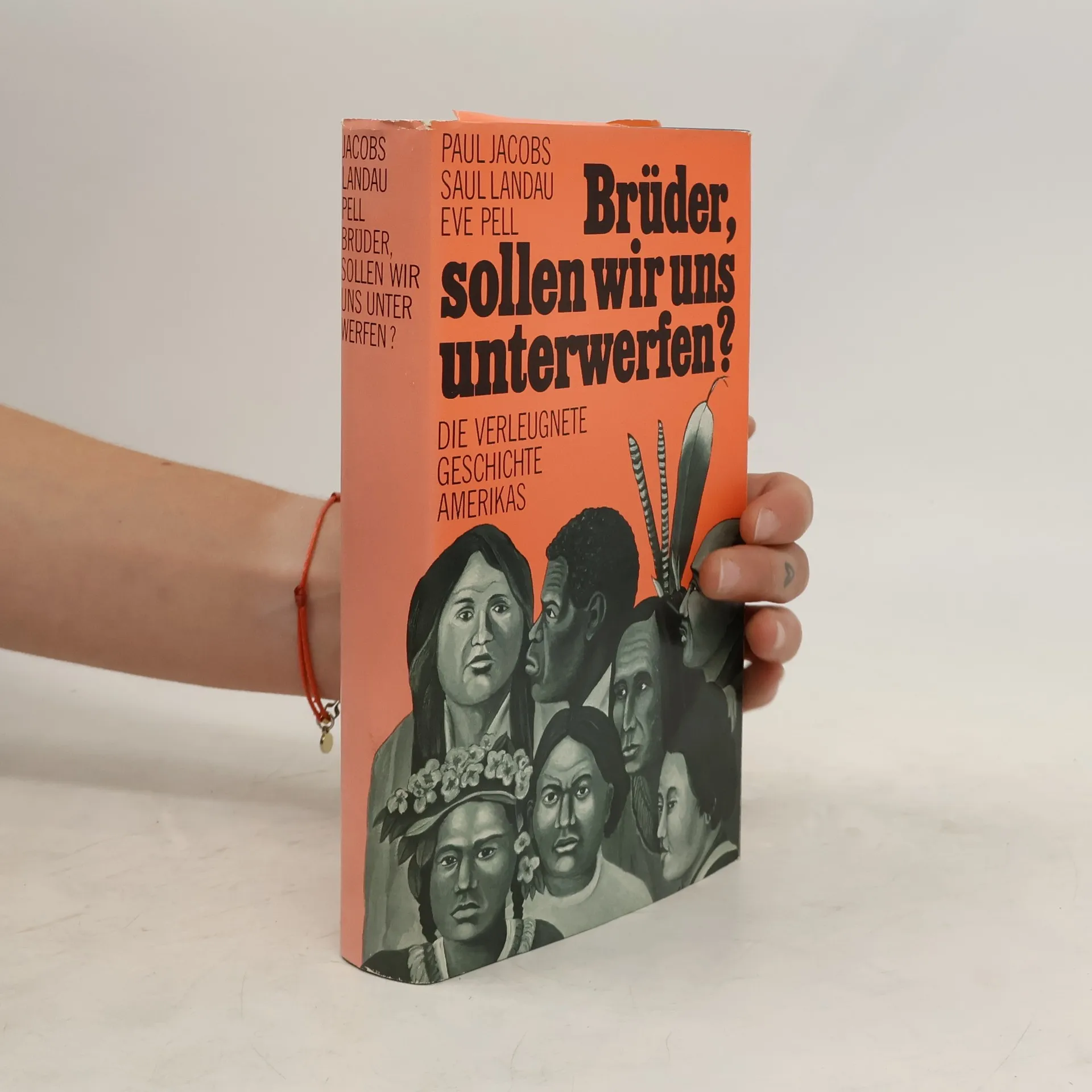
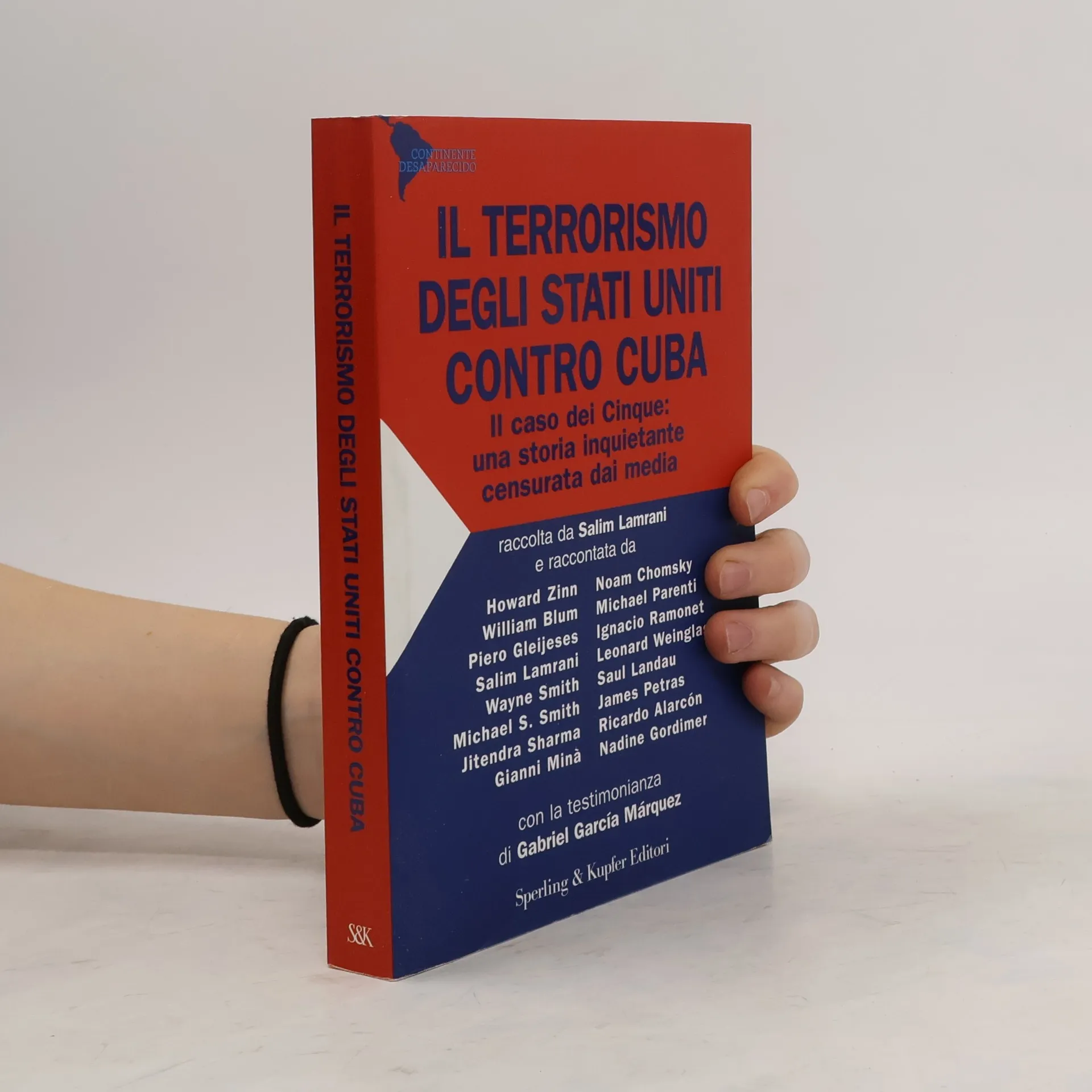

Il terrorismo degli Stati Uniti contro Cuba
- 266 stránek
- 10 hodin čtení
Noam Chomsky, Howard Zinn, William Blum, la premio Nobel Nadine Gordimer, Michael Parenti e Leonard Weinglass descrivono le gravi realtà delle aggressioni statunitensi contro Cuba dal 1898. Nel 1959, con il trionfo della Rivoluzione cubana, Washington ha implementato il terrorismo internazionale come strumento della sua politica estera, e la violenza è diventata una norma dottrinale negli affari mondiali. Viene anche esaminato il destino dei Cinque cubani, che si recarono negli Stati Uniti per indagare su gruppi terroristici in Florida e che poi ricevettero pene detentive a vita per averlo fatto. Salim Lamrani è un ricercatore presso l'Università della Sorbona di Parigi. Si è specializzato nelle relazioni tra Stati Uniti e Cuba dal 1959 e ha scritto articoli tradotti in diverse lingue e pubblicati in tutto il mondo.
Brüder, sollen wir uns unterwerfen?
- 365 stránek
- 13 hodin čtení
Brüder, sollen wir uns unterwerfen?
Die verleugnete Geschichte Amerikas