

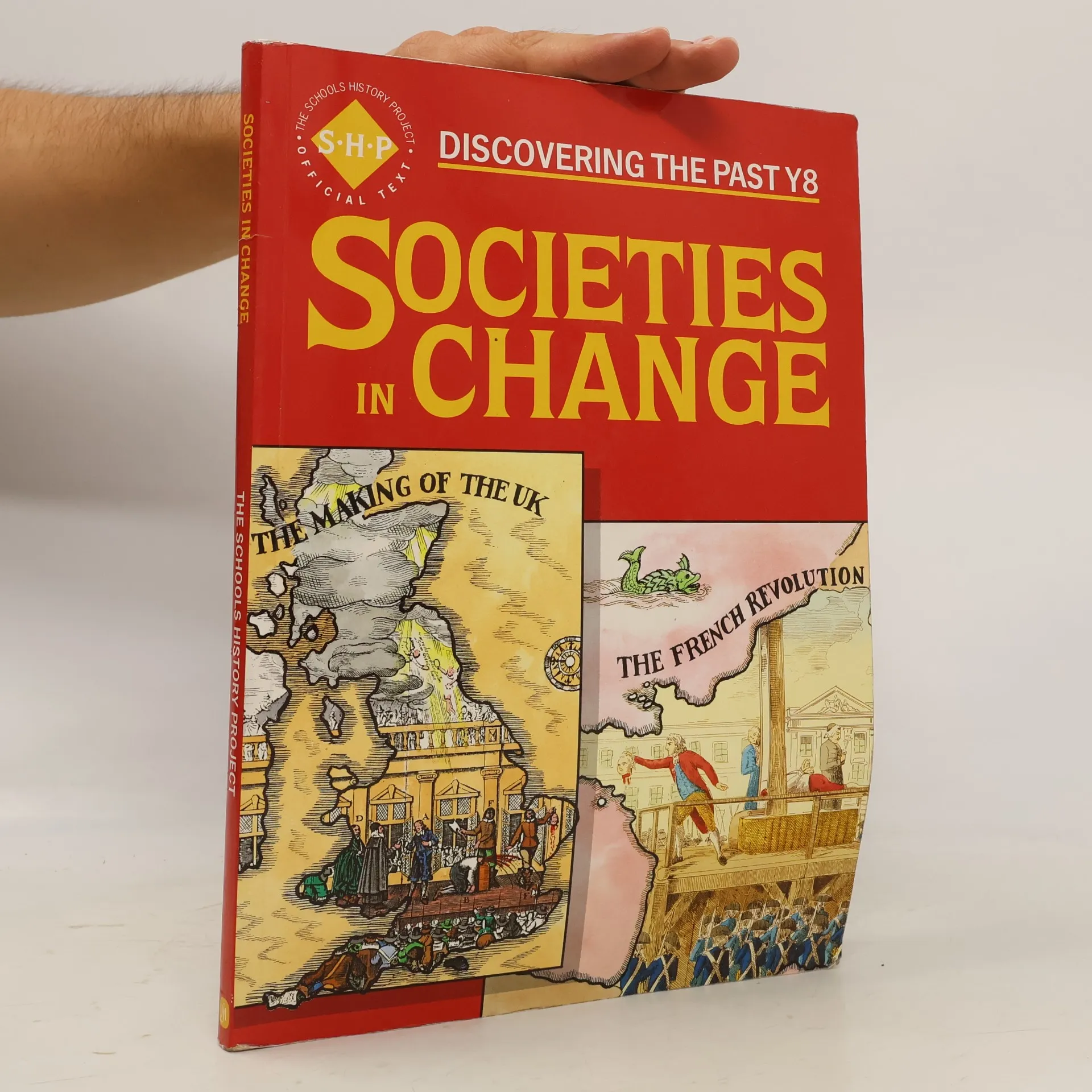
The Discovering the Past series is an integrated series of colour textbooks that offer enquiry-based tasks. This book is suitable for students in Year 8/age 12 of all abilities. It focuses on different kinds of change - political, social and religious - demonstrating how they are linked and also drawing comparisons.
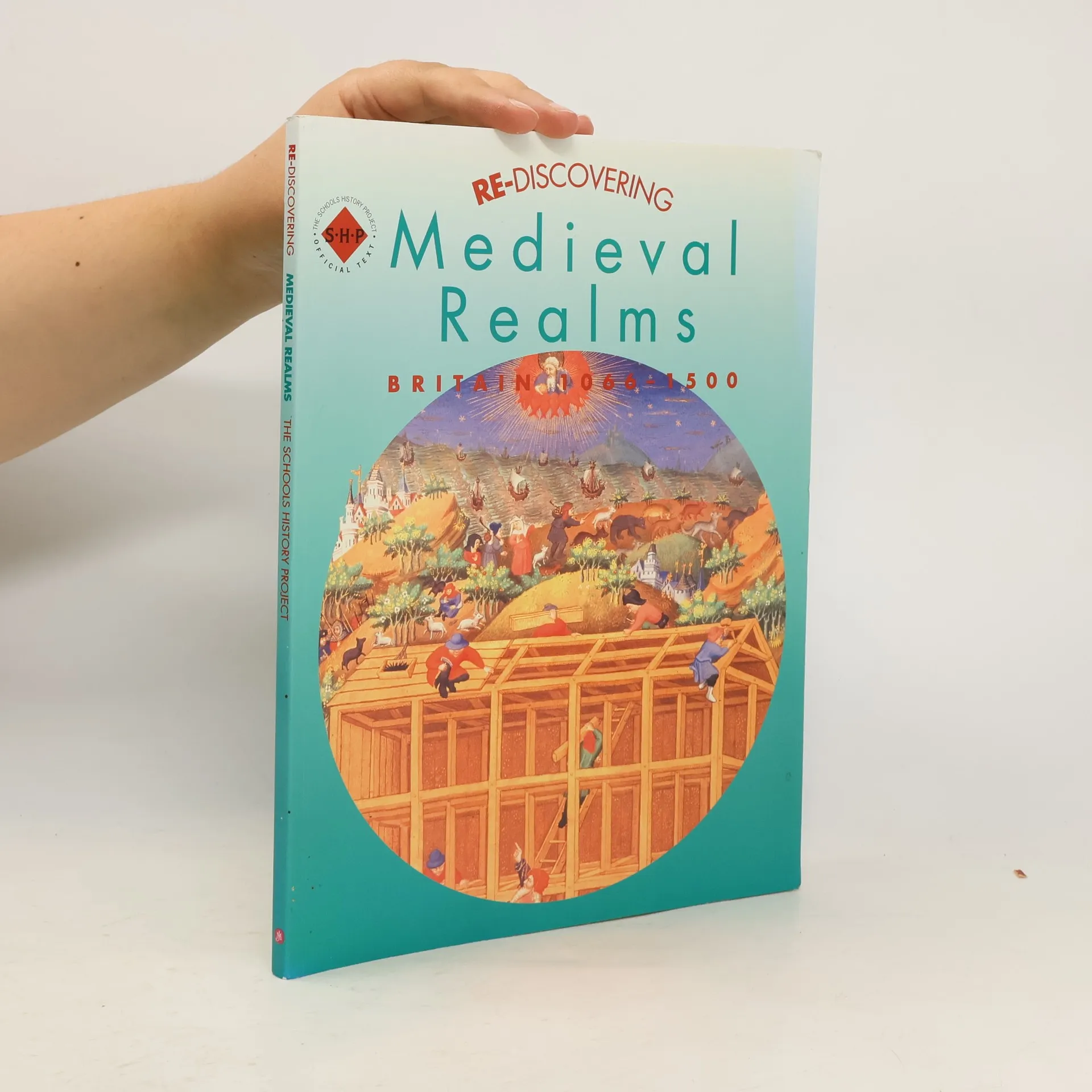
An exploration of life in the Middle Ages. The foundation edition, "Discovering Medieval Realms", won the TES textbook award on its publication. This updated and streamlined edition has made the material more usable in mixed ability teaching while retaining the Schools History Project's characteristic emphasis on challenging readers to think deeply. It should be particularly useful for Year 7 pupils in Britain, especially those of average or below-average ability. The book features simplified text, structured tasks with support for extended writing, source investigation, and new enquiries.
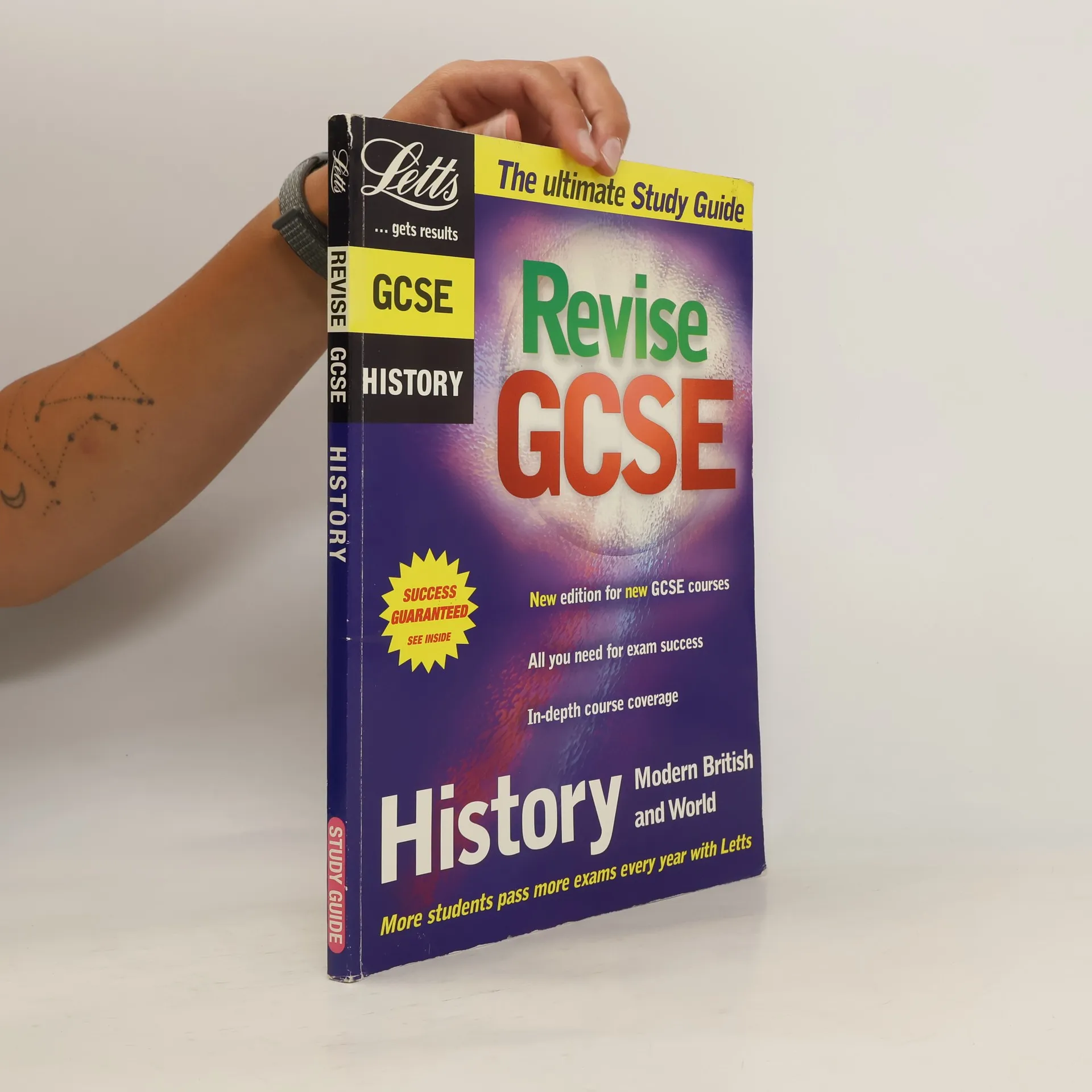
A new generation of study/revision guides for the new GCSE specifications (taught from September 2001). All books in the series have a fresh, modern look and are highly illustrated and in full colour. Written by top examiners, they contain in-depth course coverage plus invaluable hints, tips and advice on how to get the best grades. Progress check questions, sample questions and model answers and realistic exam practice questions provide essential practice and help improve exam technique.
The countries surrounding the Baltic Sea - Denmark, Estonia, Latvia, Finland, Germany, Lithuania, Poland, Russia, and Sweden - have experienced immense social and political change, from the territorial maneuverings of Sweden, Russia, and Denmark, the reunification of Germany, to more recent moves towards independence of Eastern Bloc countries as the Soviet Union crumbled. Tensions surrounding the Baltic Sea have not dissipated but rather new challenges and contentions have emerged, resulting in a multicultural and multilingual region. Dance in the region has been tightly interwoven with political trends and events, yet the dance history of the region to date has focused almost entirely on state sponsored folk and classical dance.Dance, Diversity and Difference presents contemporary stories of dance, revealing the diverse voices of dance practitioners and demonstrating the ways in which dance has connections with families, societies, governments, the economy and can offer fresh insights into cultural and political change.