

Mira Bartok píše a ilustruje díla, která se noří do hlubin lidské paměti a zkušenosti. Její psaní je známé svou poetickou kvalitou a schopností zachytit složité emoce s jemností a silou. Prostřednictvím svých děl zkoumá témata jako trauma, zotavení a hledání identity. Její jedinečný styl a pronikavý pohled na lidskou psychiku rezonují s čtenáři po celém světě.
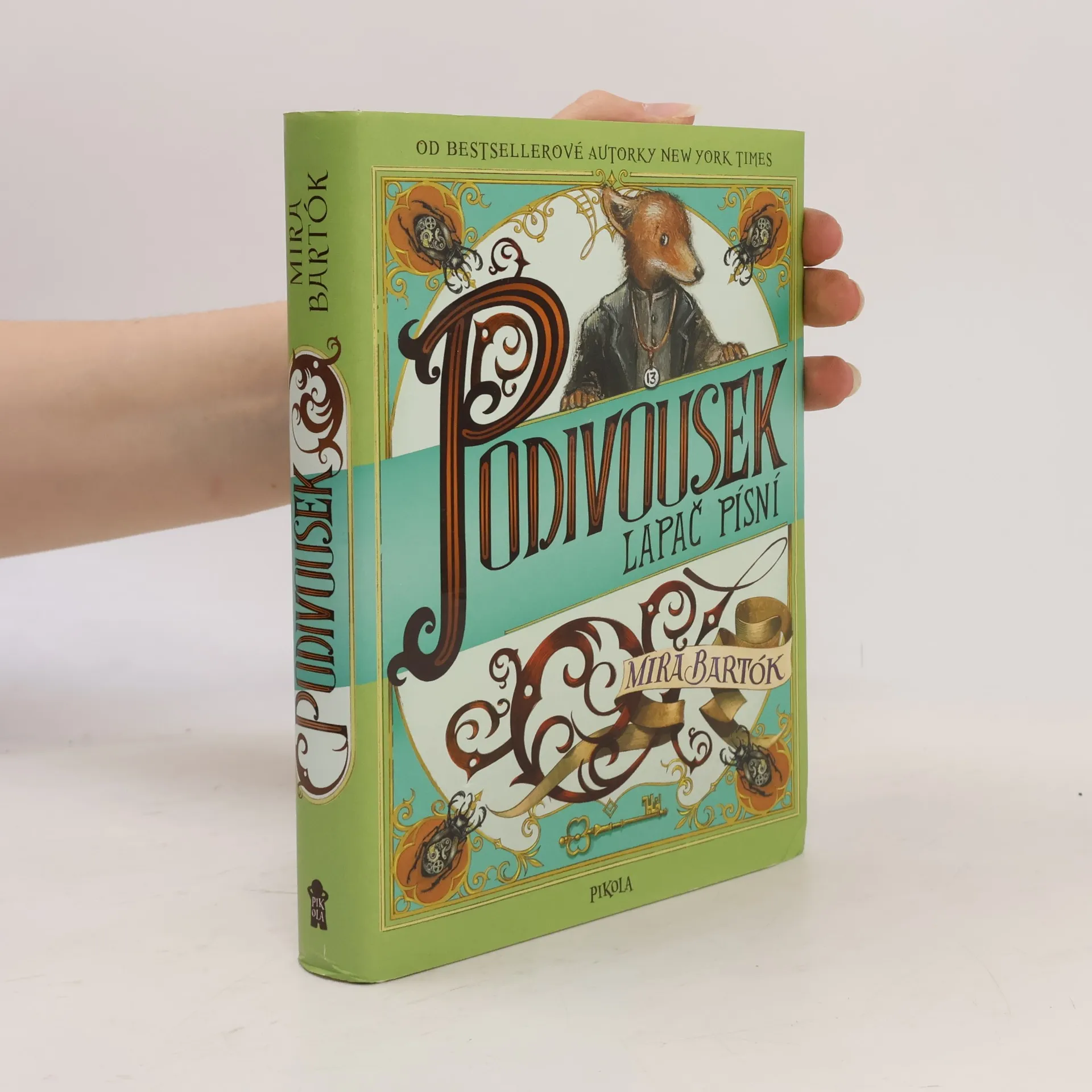
Dojemný, napínavý příběh o plachém Wonderlingovi, polochlapci, pololišákovi, učaruje každému, jehož vábí svět velkých hrdinů a fantazie. Wonderling žije v chladném sirotčinci pod vedením kruté ředitelky. Všichni si ho pamatují podle toho, že má jen jedno ucho. Wonderling se v drsném prostředí sirotčince snaží nebýt nikomu na očích a nadávat o sobě příliš vědět. Jednoho dne mu ale osud do cesty připlete malé ptáče Trinket, které je obětí zlosti ostatních. Trinket se stane Wonderlingovi nerozlučnou kamarádkou. Vypráví mu o světě za zdmi sirotčince, který Wonderling nikdy nespatřil, až se jednou rozhodnou společně utéct. Trinket chce najít svého vzdáleného strýčka za mořem a Wonderling míří do vysněného Velkého bílého města, aby našel svůj osud. Kniha je určena pro děti od 9 let.
In the tradition of The Glass Castle , two sisters confront schizophrenia in this poignant literary memoir about family and mental illness. Through stunning prose and original art, The Memory Palace captures the love between mother and daughter, the complex meaning of truth, and family’s capacity for forgiveness. “People have abandoned their loved ones for much less than you’ve been through,” Mira Bartók is told at her mother’s memorial service. It is a poignant observation about the relationship between Mira, her sister, and their mentally ill mother. Before she was struck with schizophrenia at the age of nineteen, beautiful piano protégé Norma Herr had been the most vibrant personality in the room. She loved her daughters and did her best to raise them well, but as her mental state deteriorated, Norma spoke less about Chopin and more about Nazis and her fear that her daughters would be kidnapped, murdered, or raped. When the girls left for college, the harassment escalated—Norma called them obsessively, appeared at their apartments or jobs, threatened to kill herself if they did not return home. After a traumatic encounter, Mira and her sister were left with no choice but to change their names and sever all contact with Norma in order to stay safe. But while Mira pursued her career as an artist—exploring the ancient romance of Florence, the eerie mysticism of northern Norway, and the raw desert of Israel—the haunting memories of her mother were never far away. Then one day, a debilitating car accident changes Mira’s life forever. Struggling to recover from a traumatic brain injury, she was confronted with a need to recontextualize her life—she had to relearn how to paint, read, and interact with the outside world. In her search for a way back to her lost self, Mira reached out to the homeless shelter where she believed her mother was living and discovered that Norma was dying. Mira and her sister traveled to Cleveland, where they shared an extraordinary reconciliation with their mother that none of them had thought possible. At the hospital, Mira discovered a set of keys that opened a storage unit Norma had been keeping for seventeen years. Filled with family photos, childhood toys, and ephemera from Norma’s life, the storage unit brought back a flood of previous memories that Mira had thought were lost to her forever.