Para contener los libros de historia menos academicos y mas divulgativos nacio en 1997 esta coleccion que ha ido creciendo con extraordinaria rapidez, ya que en cinco anos se han publicado titulos que han alcanzado, en general, una extraordinaria difusion. Entre ellos, las tres famosas « eras de Hobsbawm: La era de la revolucion; La era del capital y La era del imperio, pero tambien libros tan destacados como Pensar historicamente, de Pierre Vilar, Sobre la historia, del propio Hobsbawm, Carlos V y su tiempo, de John Lynch, Historia economica de la Europa contemporanea, de Vera Zamagni, La historia de los hombres, de Josep Fontana o Espana en su cenit, de Jordi Nadal. Esta es, sencillamente, la mejor vision de conjunto de la historia contemporanea de America Latina que se haya publicada hasta la fecha.

Thomas E. Skidmore Pořadí knih (chronologicky)
Thomas Elliot Skidmore byl americký historik a vědec, který se specializoval na brazilské dějiny. Jeho pozornost se po kubánské revoluci přesunula na Jižní Ameriku, přičemž jeho postdoktorský výzkum na Harvardu se zaměřil na Brazílii. Zkoumal jedinečný demokratický experiment v Brazílii a analyzoval politické a sociální procesy země. Skidmoreovo dílo osvětluje složité dějiny Brazílie a její cestu k demokracii.


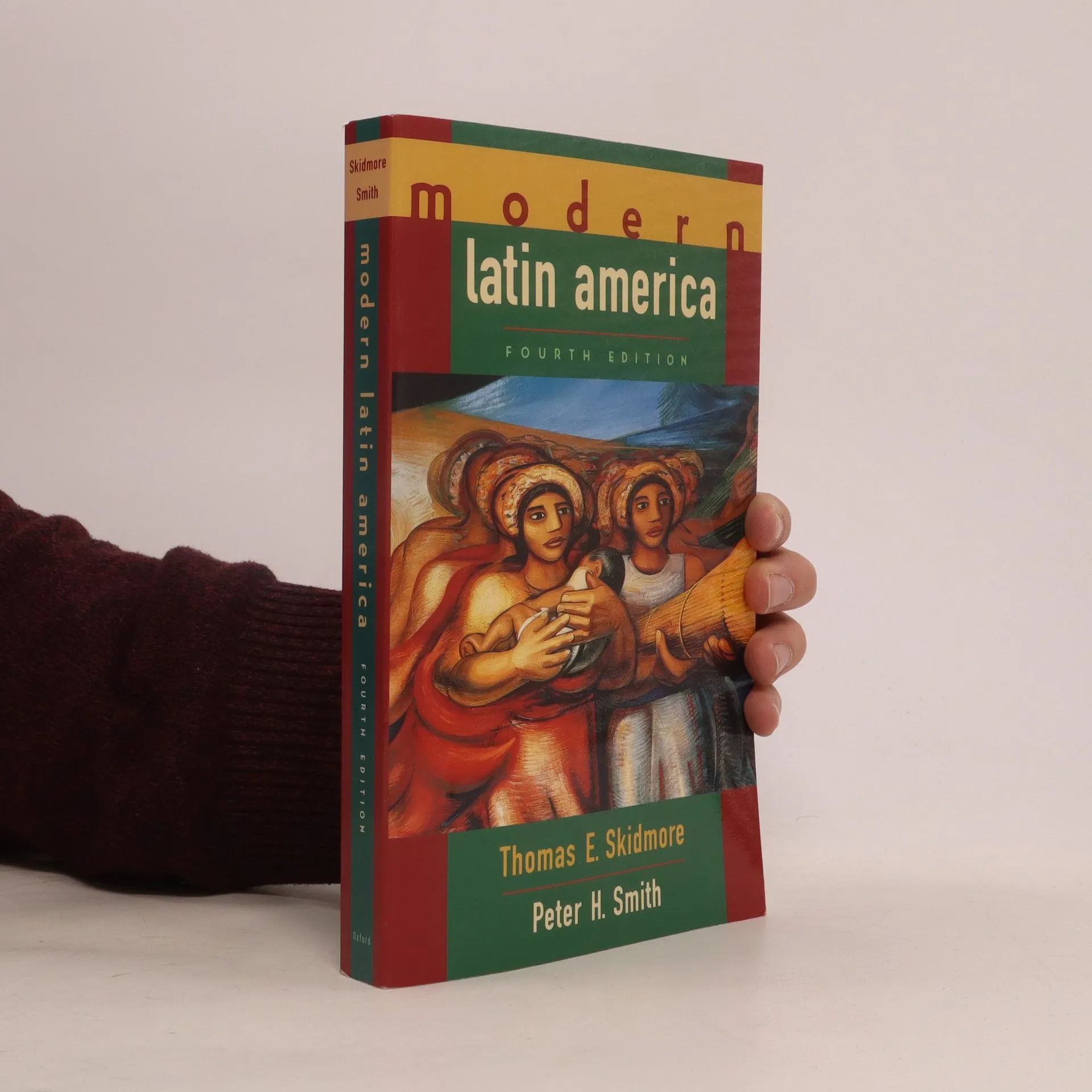
This history of Latin America includes the ongoing war against international drug trafficking, the difficulties and promises of NAFTA, the increasing trend toward democratic and pluralist politics, and the large-scale immigration of Latin Americans into the United States.
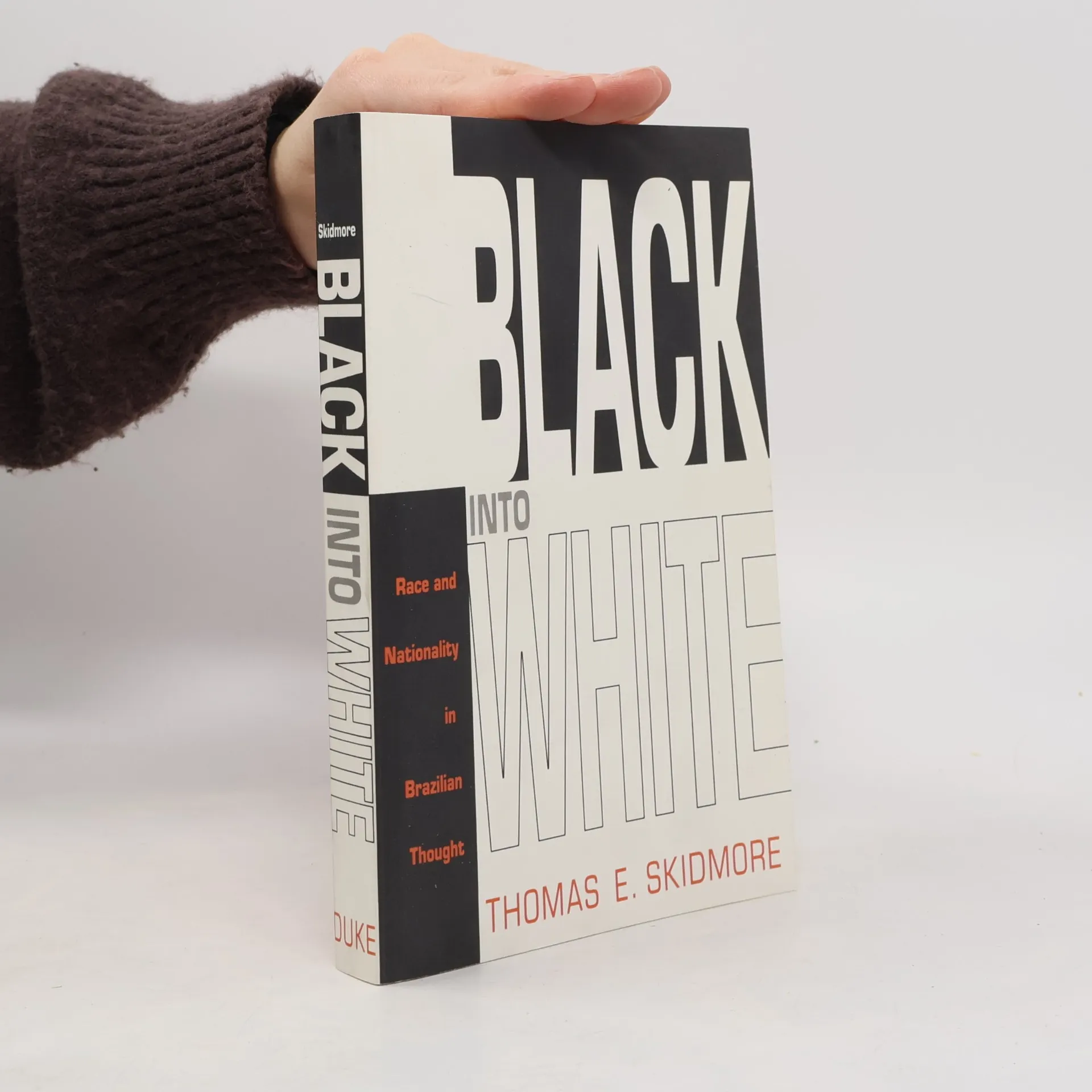
Black Into White
Race and Nationality in Brazilian Thought: With a Preface to the 1993 Edition and Bibliography
- 305 stránek
- 11 hodin čtení
Published to wide acclaim in 1974, Thomas E. Skidmore's intellectual history of Brazilian racial ideology has become a classic in the field. Available for the first time in paperback, this edition has been updated to include a new preface and bibliography that surveys recent scholarship in the field. Black into White is a broad-ranging study of what the leading Brazilian intellectuals thought and propounded about race relations between 1870 and 1930. In an effort to reconcile social realities with the doctrines of scientific racism, the Brazilian ideal of "whitening"—the theory that the Brazilian population was becoming whiter as race mixing continued—was used to justify the recruiting of European immigrants and to falsely claim that Brazil had harmoniously combined a multiracial society of Europeans, Africans, and indigenous peoples.