Kvalitní, velmi obsáhlá a zajímavá publikace o historii "saské Florencie", zejména o ničivém bombardování města na sklonku 2. světové války. Nálety na Varšavu, Rotterdam, Coventry, Londýn, Hamburk či Drážďany... bezpočet mrtvých, obrovské materiální škody, zničené památky nevyčíslitelné ceny. Běsnění 2. světové války si nevybíralo. V únoru r. 1945 bylo při opakovaných spojeneckých náletech téměř úplně zničeno jedno z nejkrásnějších německých měst s velmi bohatou a pestrou minulostí. Exkurs do historie města, sídla po více než osm století vládnoucí dynastie Wettinů, je jen doplňkem podrobného popisu událostí z 13. února 1945.
Frederick Taylor Knihy
Frederick Taylor je britský autor, který se zaměřuje na moderní německé dějiny. Jeho díla se ponořují do složitých událostí a společenských proudů Německa, přičemž obzvláště zkoumá vzestup krajní pravice na počátku dvacátého století. Taylorův prozaický styl je pečlivý a analytický, což čtenářům umožňuje pochopit hloubku historických událostí. Jeho schopnost propojit historickou přesnost s poutavým vyprávěním z něj činí významného hlasatele v oblasti historické literatury.

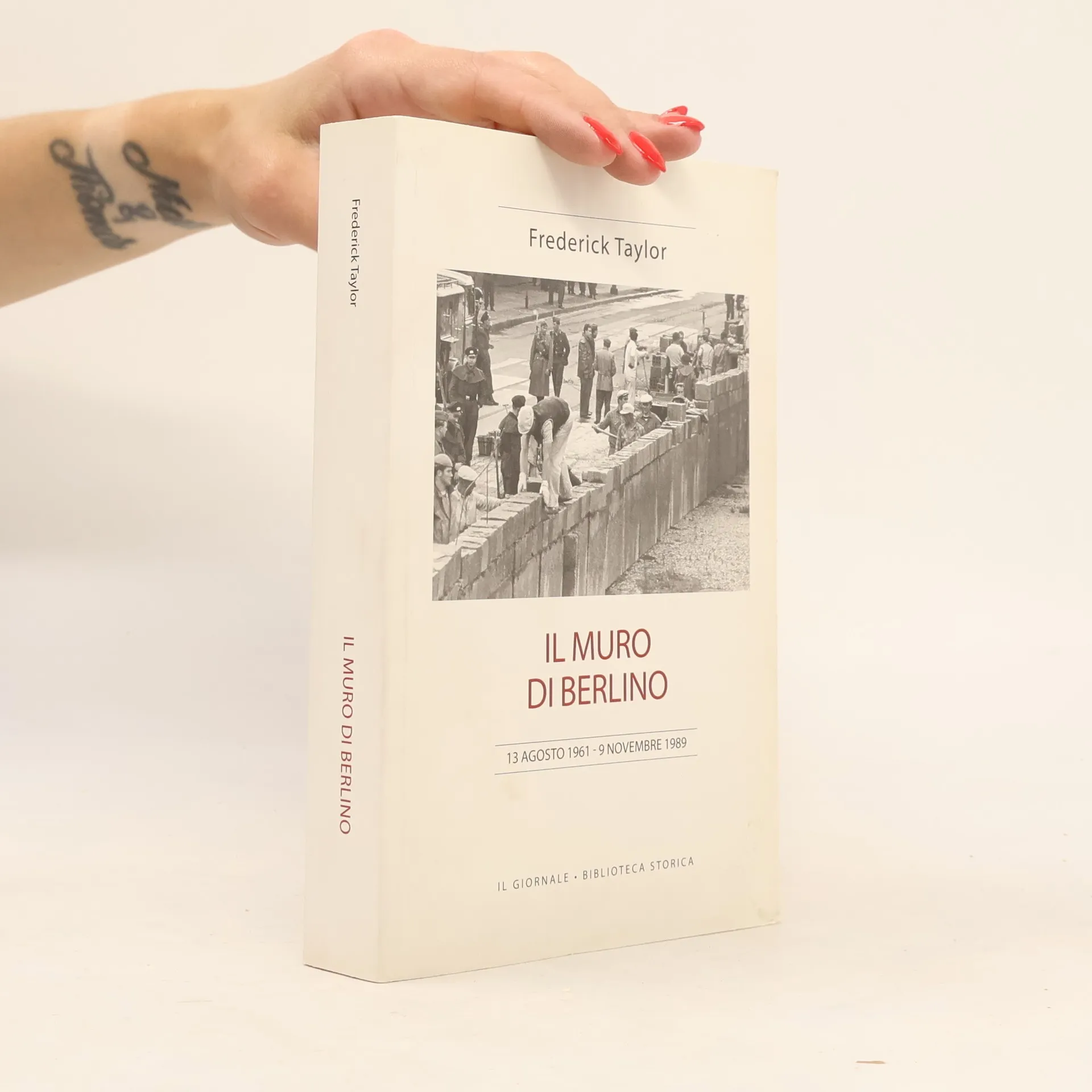
Neexistoval snad výmluvnější symbol studené války, než byla berlínská zeď, dělící rozdělené město v rozdělené zemi na rozděleném evropském kontinentě. S příběhem berlínské zdi jsou spojeny osudy a tragédie mnoha lidí, strategické i taktické úvahy a rozhodnutí předních světových politiků. Frederick Taylor její příběh pečlivě prozkoumal v mnoha archivech, a strhujícím způsobem popsal. Kniha je prvním mimořádně zdařilým pokusem celou událost všestranně vylíčit a zhodnotit. Obraz proslulého města, jeho obyvatel i jeho osudu.
Exorcising Hitler. The occupation and denazification of Germany
- 480 stránek
- 17 hodin čtení
The first major account of the birth of democracy in the ruins of Hitler's Germany, from "one of the brightest historians writing today" (Newsweek)
Since 1911, this classic of decision theory and managerial technique has helped administrators eliminate inefficiency.
Shop Management
- 144 stránek
- 6 hodin čtení
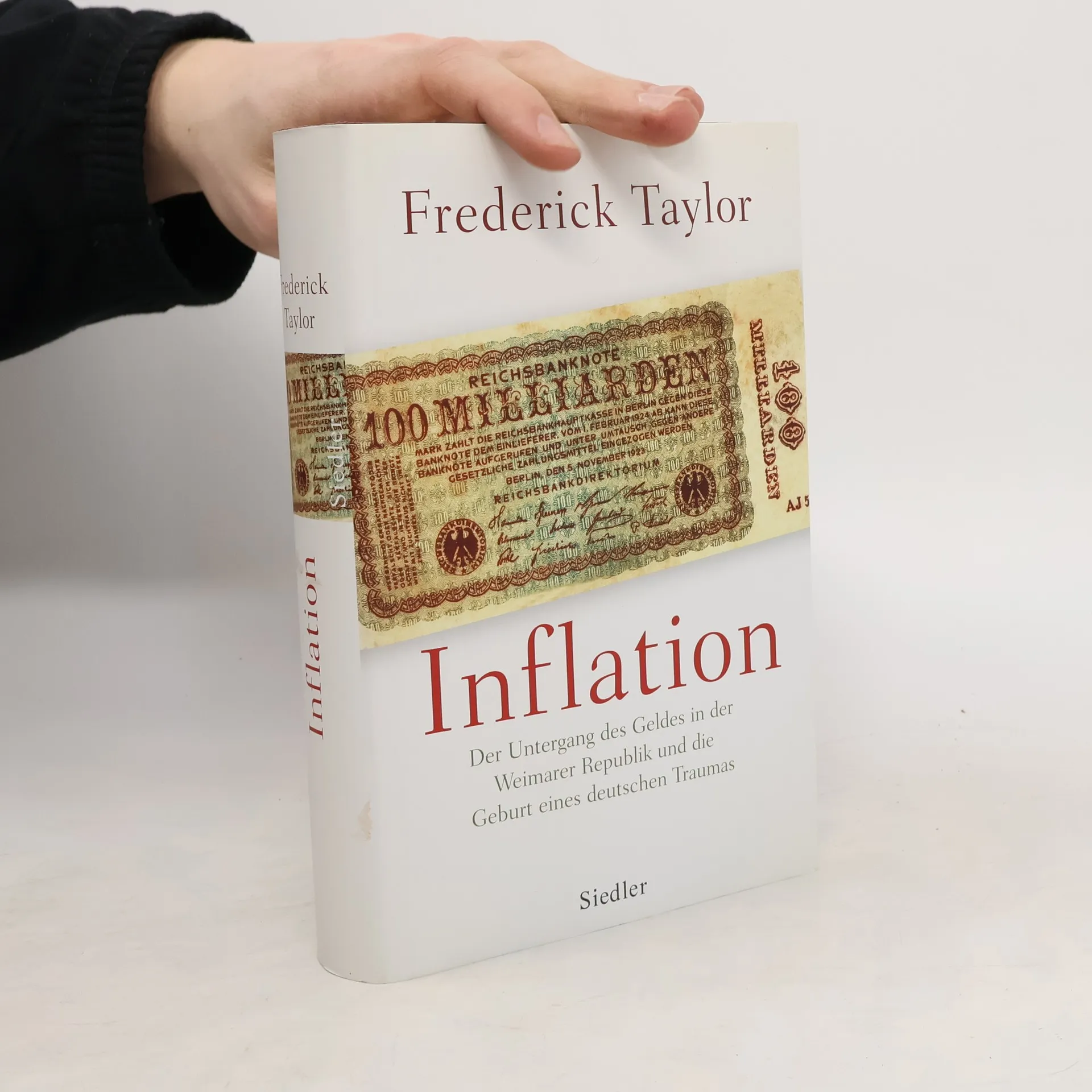
Inflation
Der Untergang des Geldes in der Weimarer Republik und die Geburt eines deutschen Traumas
- 400 stránek
- 14 hodin čtení
Die Deutschen und das Trauma der Inflation Die Inflation, die Deutschland zwischen 1914 und 1923 erlebte, war die dramatischste Geldentwertung, die je in einem modernen Finanzsystem stattgefunden hat. Hilflos mussten die Menschen der Weimarer Republik mitansehen, wie die deutsche Wirtschaft zusammenbrach und sich ihr Geld in Luft auflöste. Diese existenzielle Krise fügte nicht nur der jungen Demokratie nachhaltigen Schaden zu, sie sollte sich auch tief ins kollektive Gedächtnis der Deutschen eingraben. Die galoppierende Inflation ließ Anfang der zwanziger Jahre die Menschen das Vertrauen in Staat und Wirtschaft verlieren, was sich für die junge Weimarer Demokratie letztlich als fatales Erbe erweisen sollte. Der Staat war in den Augen vieler diskreditiert, vor allem die Mittelschicht fühlte sich betrogen. Profitieren konnten davon die Parteien der extremen Linken und Rechten: Kommunisten und Nationalsozialisten. Ausgehend von den Anfängen der fehlgeleiteten Geldpolitik im Kaiserreich zeigt Frederick Taylor in seinem neuen Buch eindrucksvoll, was die Inflation der zwanziger Jahre für die Menschen der Weimarer Republik bedeutete. Zugleich hebt er die Bedeutung der Hyperinflation für die deutsche Geschichte hervor. Denn die Angst vor der Geldentwertung wurde in diesen Jahren zu einem deutschen Trauma, das unsere Politik bis heute bestimmt. Ausstattung: mit Abbildungen
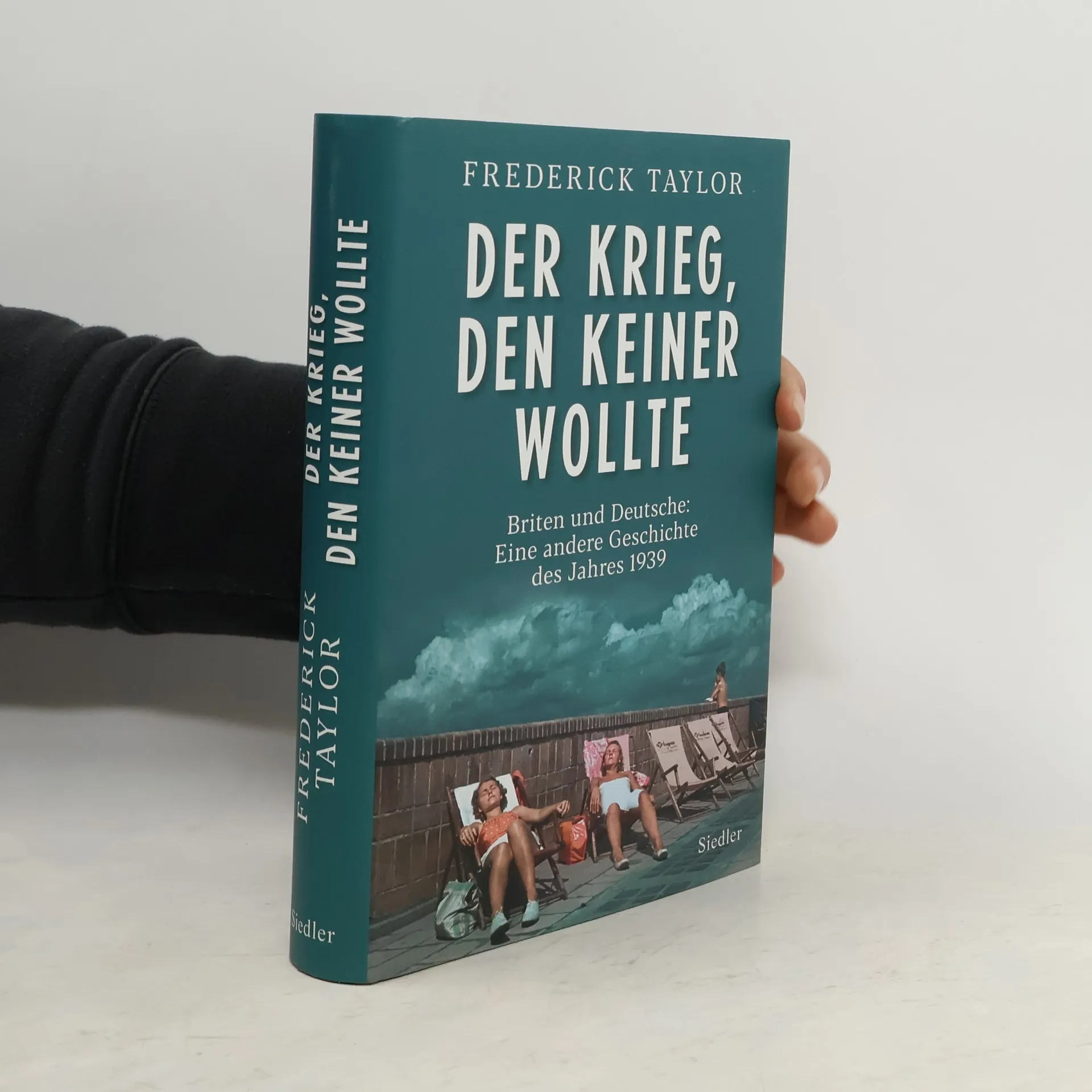
Der Krieg, den keiner wollte
- 432 stránek
- 16 hodin čtení
Zwei Völker am Abgrund: Die Geschichte des Sommers vor der Katastrophe Sommer 1939: Zwanzig Jahre nach dem Ende des Ersten Weltkriegs steht Europa erneut am Abgrund. Die Diplomatie hat versagt, die Militärs haben aufgerüstet, was aber denken und fühlen die Menschen in Deutschland und in England? Frederick Taylor hat unzählige Quellen ausgewertet, Zeitzeugen interviewt und private Dokumente erschlossen - und zeichnet so ein eindrückliches Bild der Gefühlslage in beiden Völkern. Er verwebt auf kunstvolle Weise große Politik und persönliche Schicksale und verleiht den einfachen Bürgern eine Stimme. Dabei erweist sich, dass vielfach eine Kriegsmüdigkeit herrschte, die die Menschen dazu brachte, die Augen vor der Realität zu schließen. Eine glänzend geschriebene historische Reportage und das Porträt einer kurzen Epoche, die in der Katastrophe endete.
Il Muro di Berlino
13 agosto 1961-9 novembre 1989
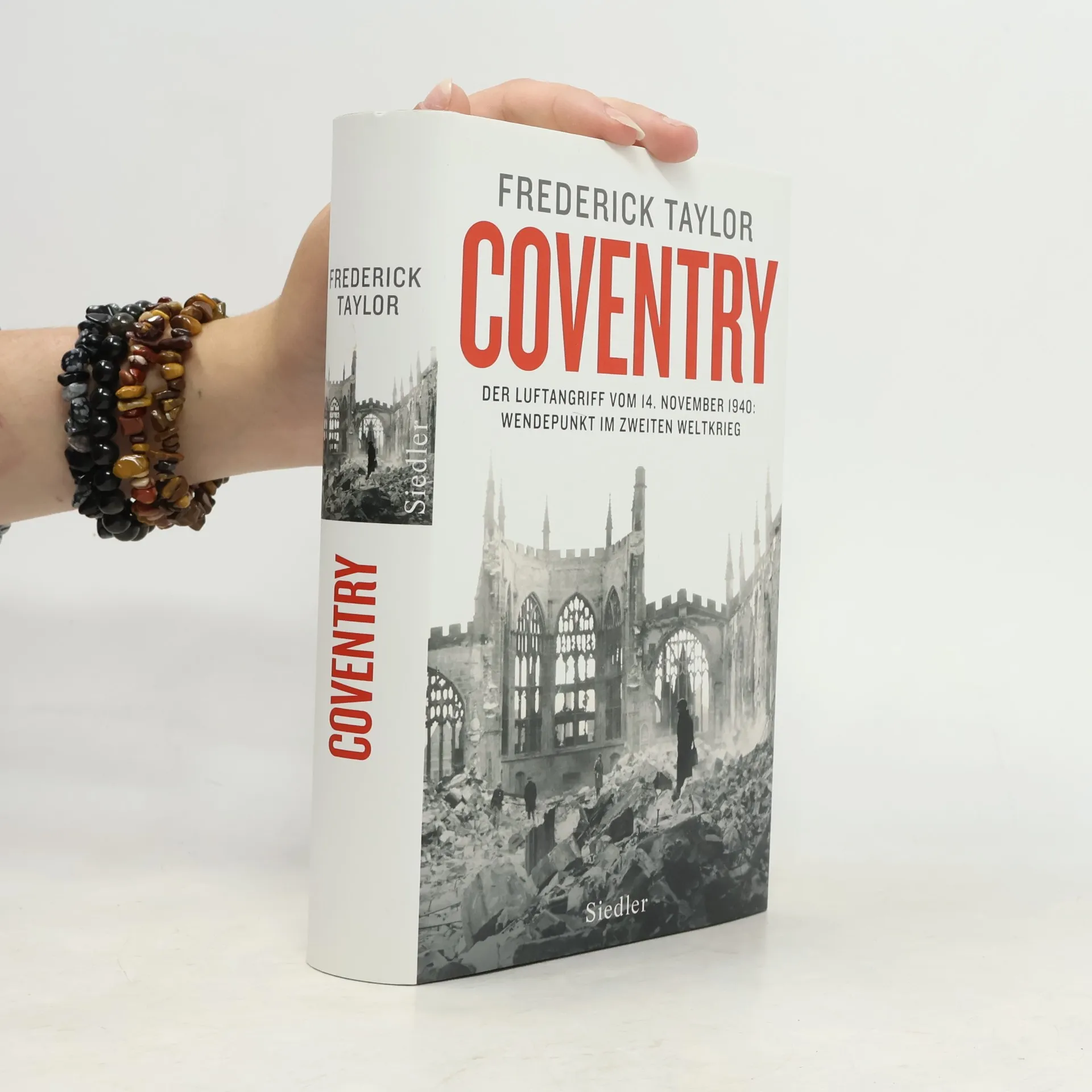
Coventry - der Luftangriff vom 14. November 1940: Wendepunkt im Zweiten Weltkrieg
- 448 stránek
- 16 hodin čtení
Tod aus der Luft. Das Inferno von Coventry und seine FolgenAm Abend des 14. November 1940 begann die Bombardierung der englischen Industriestadt Coventry durch die deutsche Luftwaffe. Innerhalb weniger Stunden wurde ein Großteil der Stadt zerstört. Der Angriff, der keinem unmittelbaren militärischen Nutzen folgte, entfachte nicht nur den britischen Widerstandswillen, er wurde auch zum Symbol einer neuen Art der Kriegführung – und zu einem Wendepunkt im Zweiten Weltkrieg. Fassungslos reagierte die britische Bevölkerung auf die Zerstörung der historischen Metropole und die Gleichgültigkeit des deutschen Gegners angesichts der zivilen Opfer. Zudem trug die Bombardierung Coventrys wesentlich dazu bei, dass die öffentliche Meinung in den USA umschlug zugunsten eines Kriegseintritts an der Seite Großbritanniens. In der Folge wurde die »Coventry-Taktik« aber auch zur Blaupause: Mit diesem Bombardement rechtfertigten die Alliierten spätere Angriffe auf deutsche Städte wie Dresden. Frederick Taylor, einer der renommiertesten englischen Neuzeithistoriker, rekonstruiert den Angriff und seine historische Bedeutung nicht nur aus der Perspektive der beiden Kriegsparteien, er verleiht auch den Opfern des Infernos eine Stimme. Ein erschütterndes Zeitdokument – und ein Meisterwerk angelsächsischer Geschichtsschreibung.