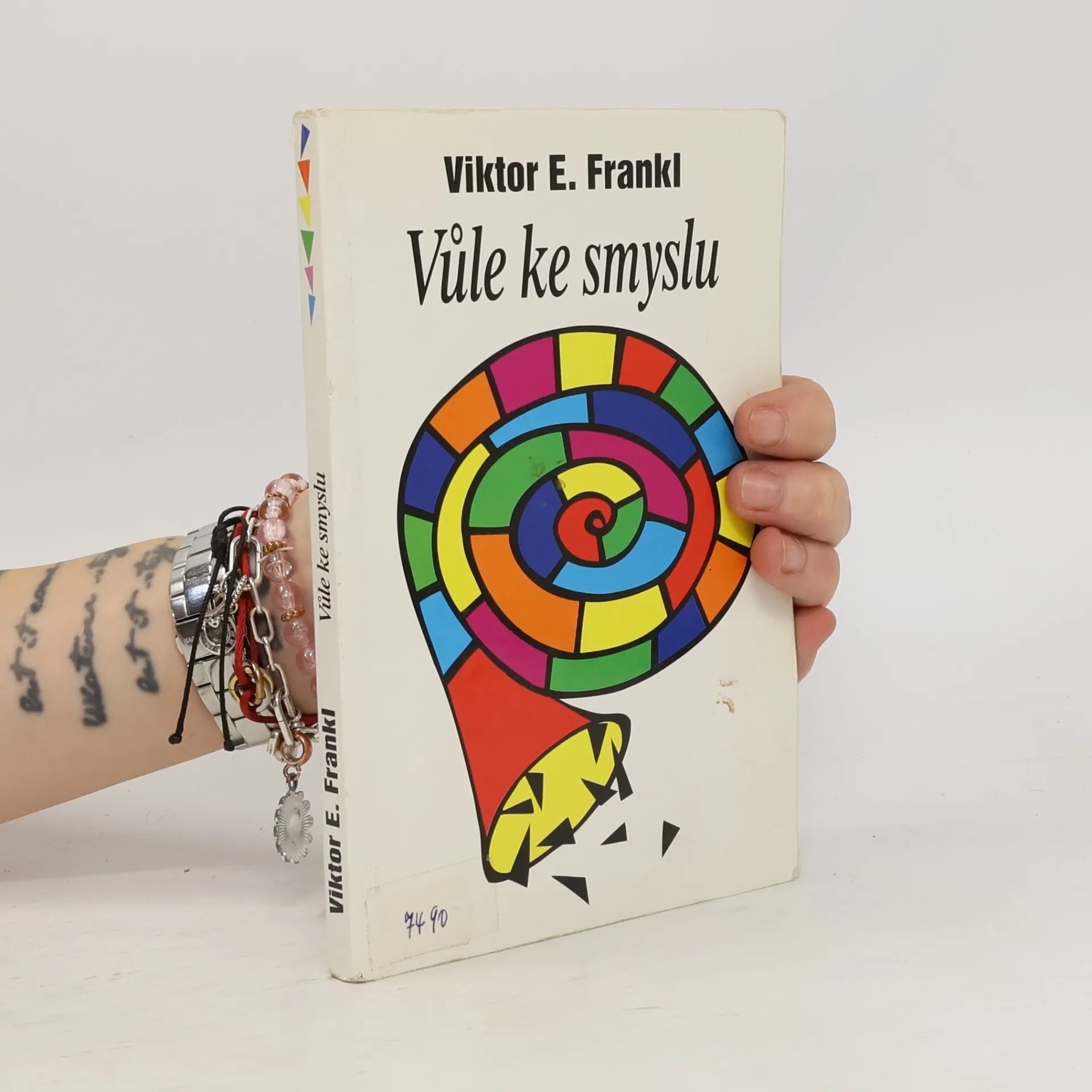
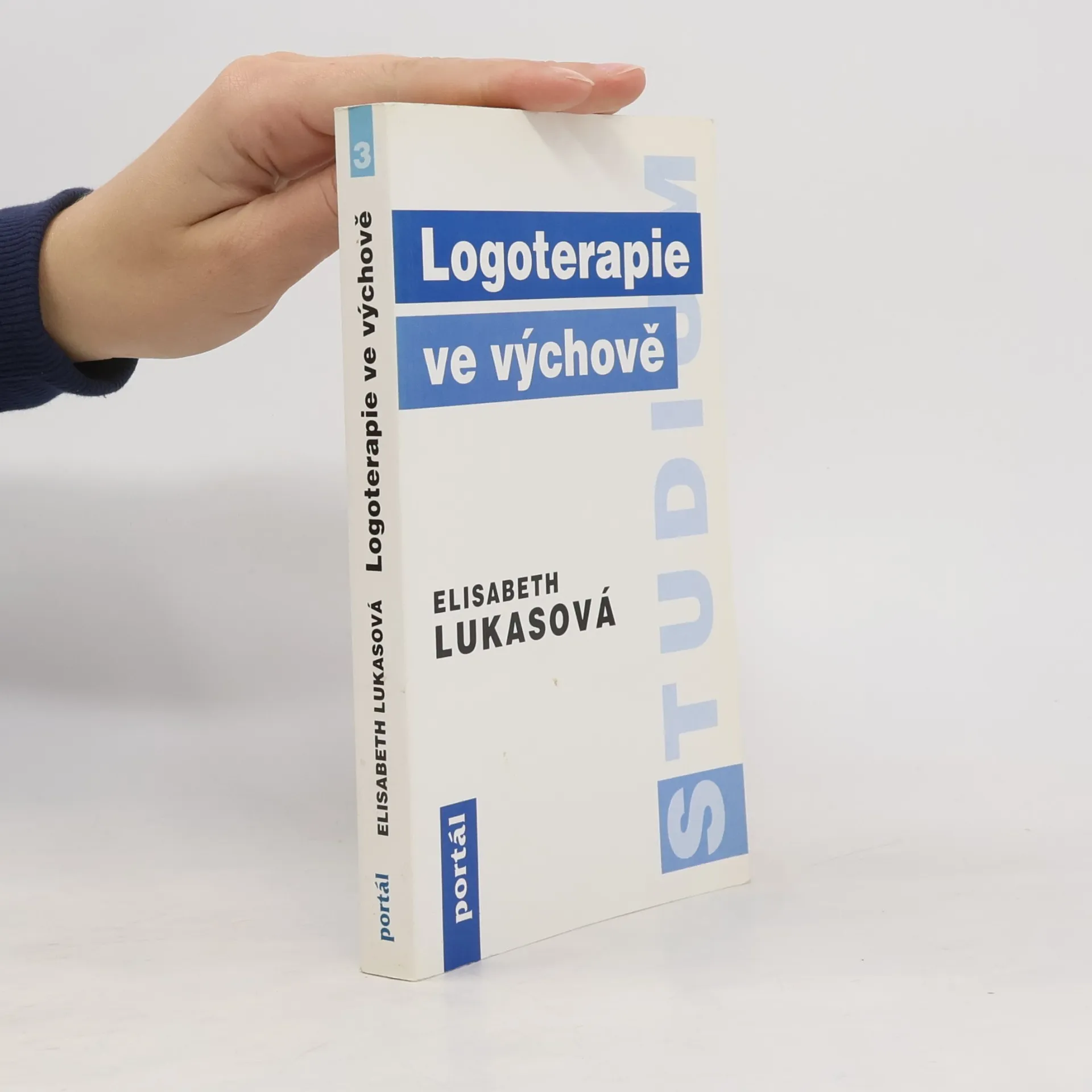
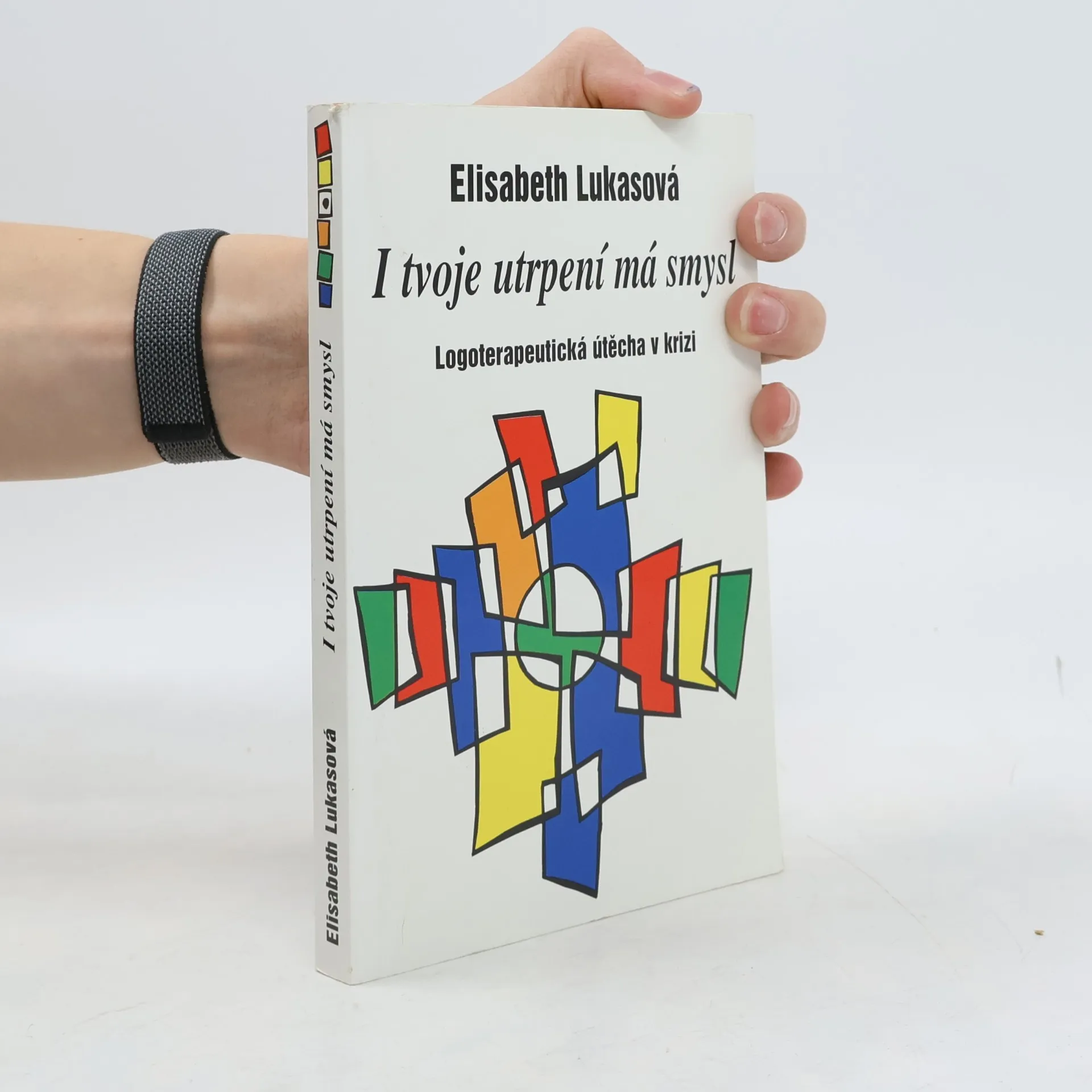
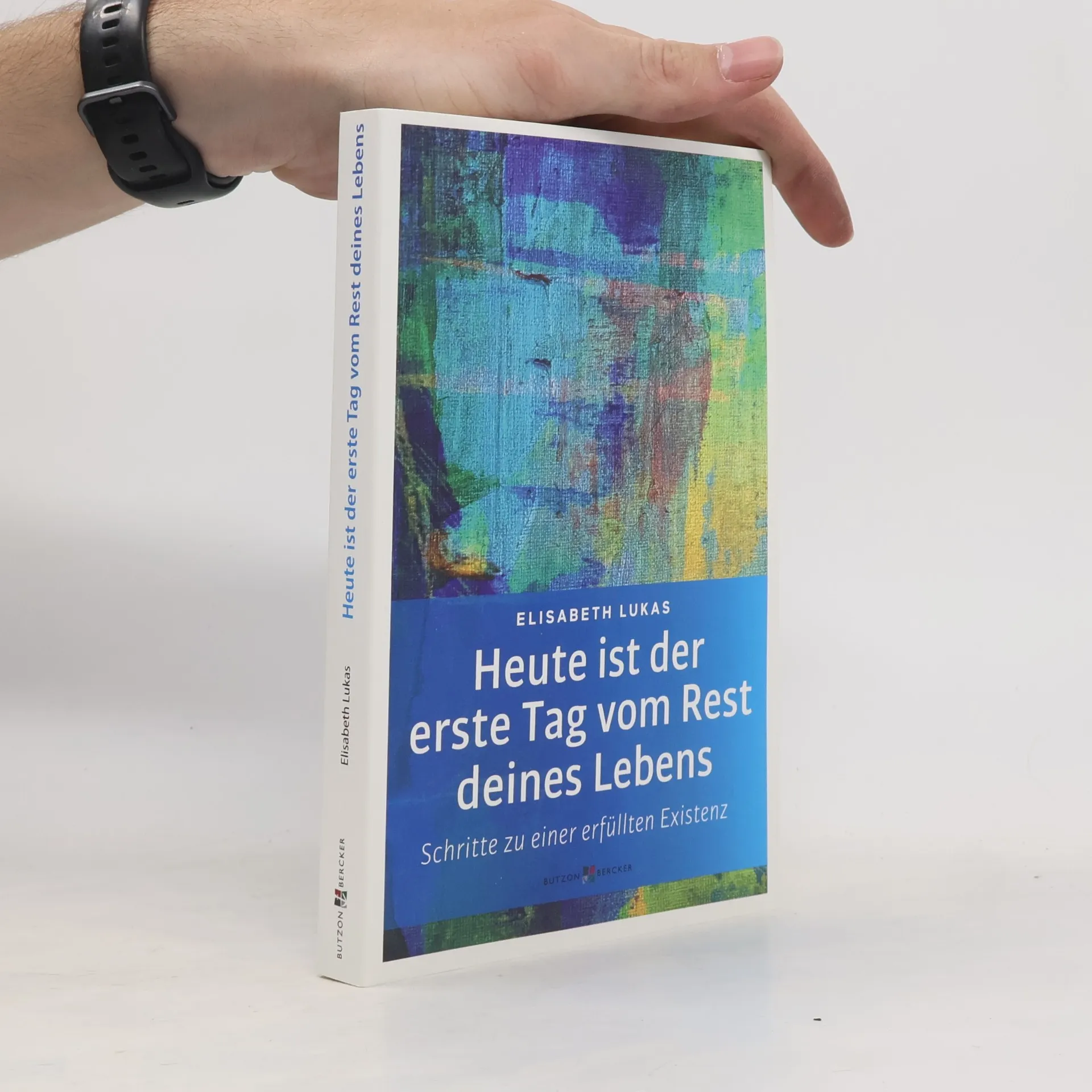
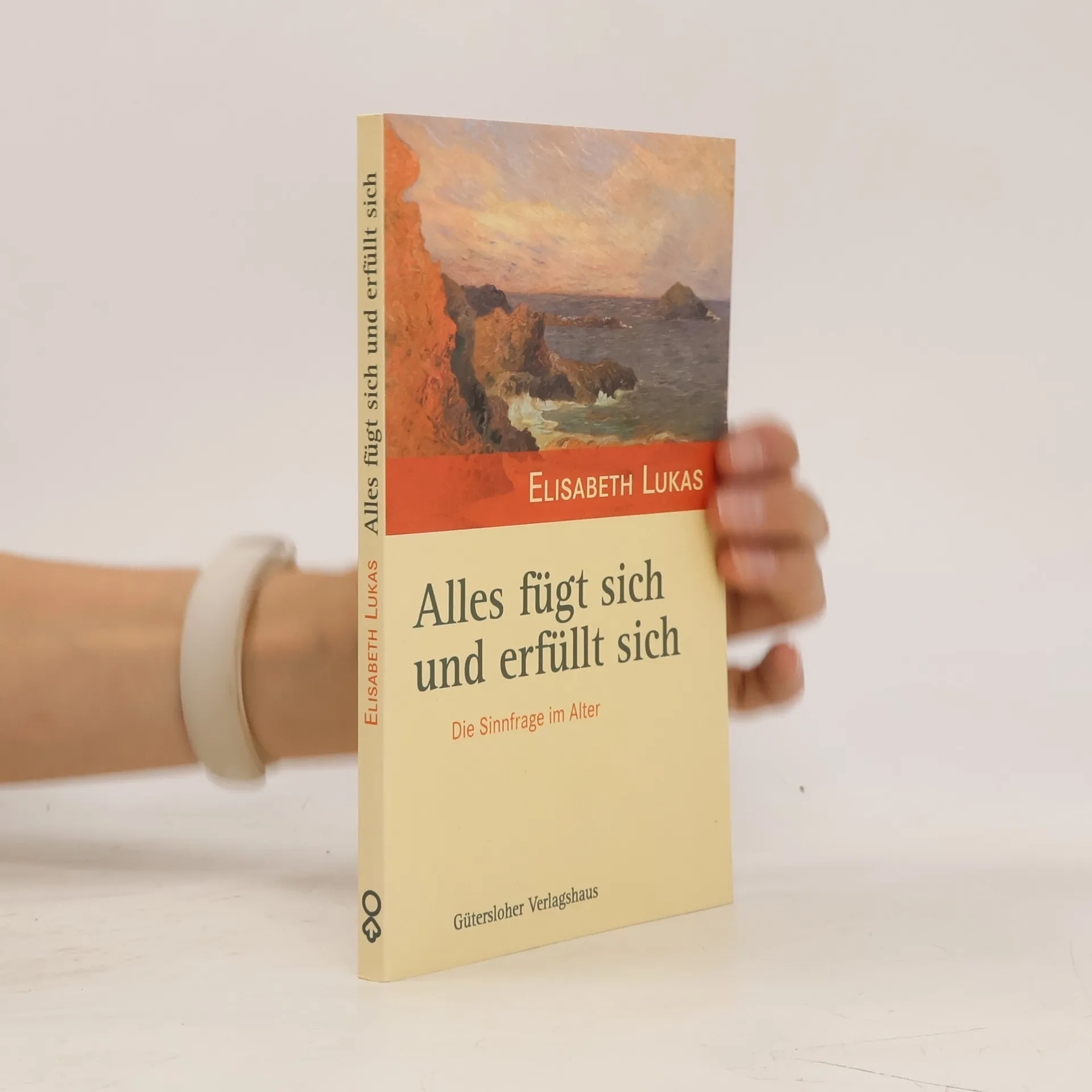
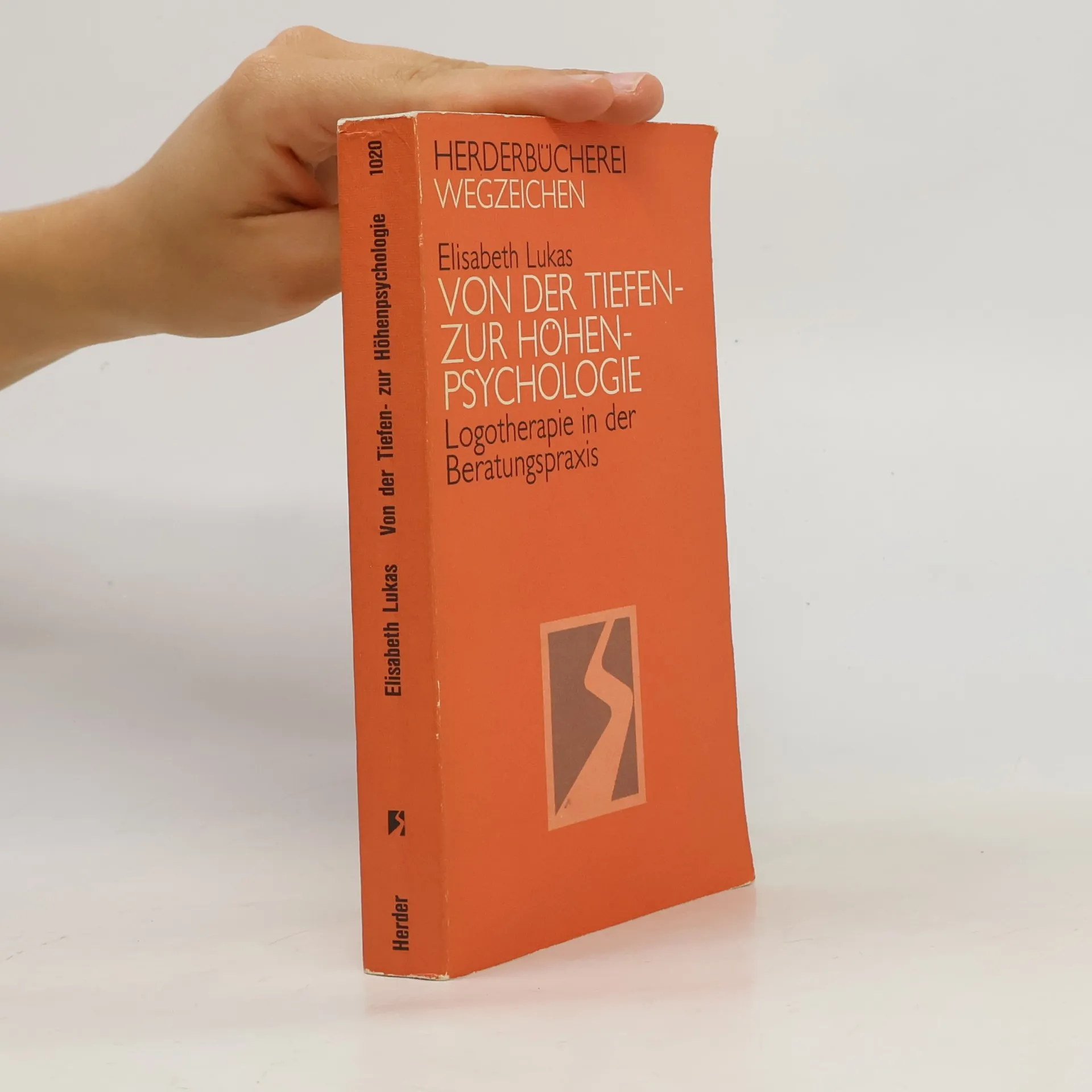
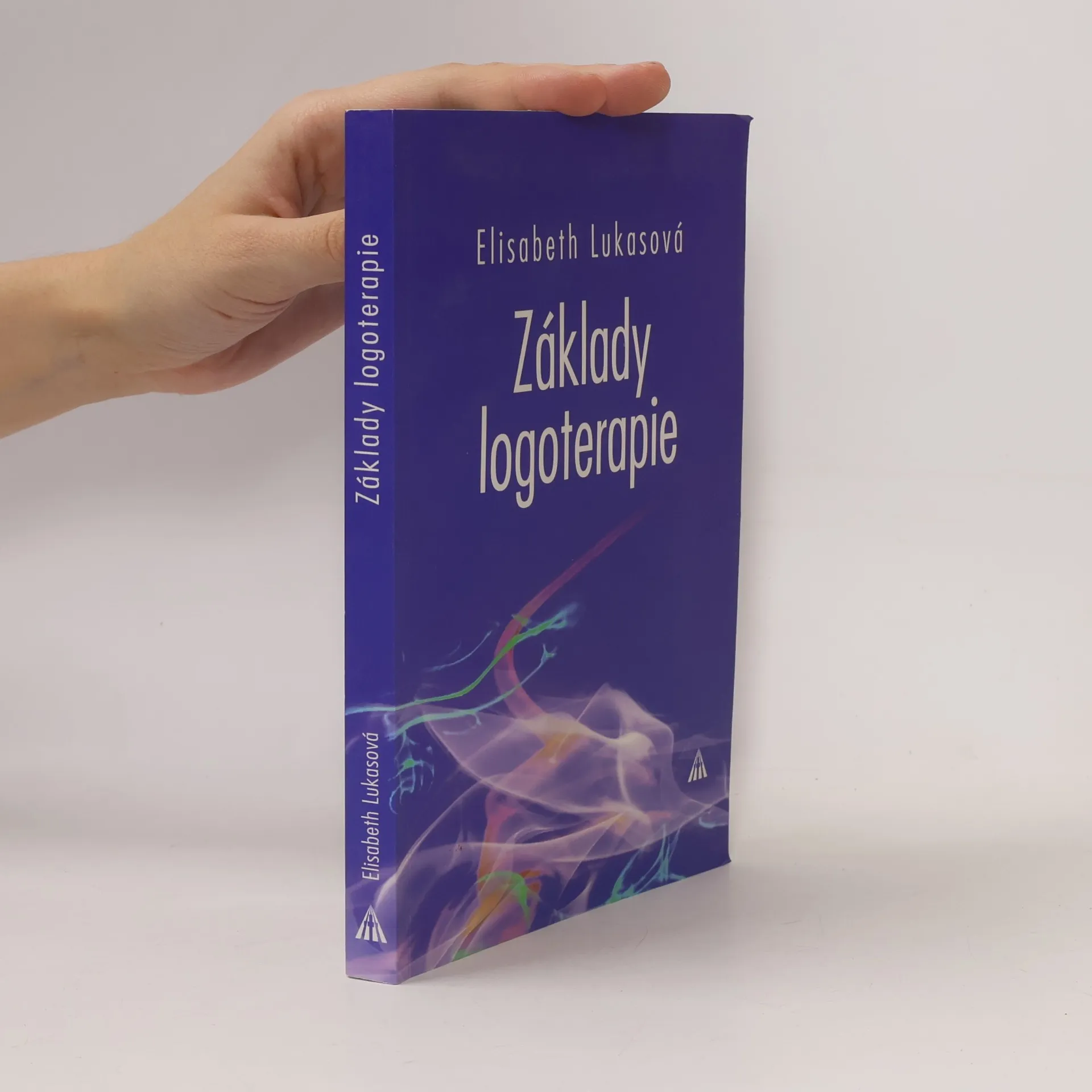
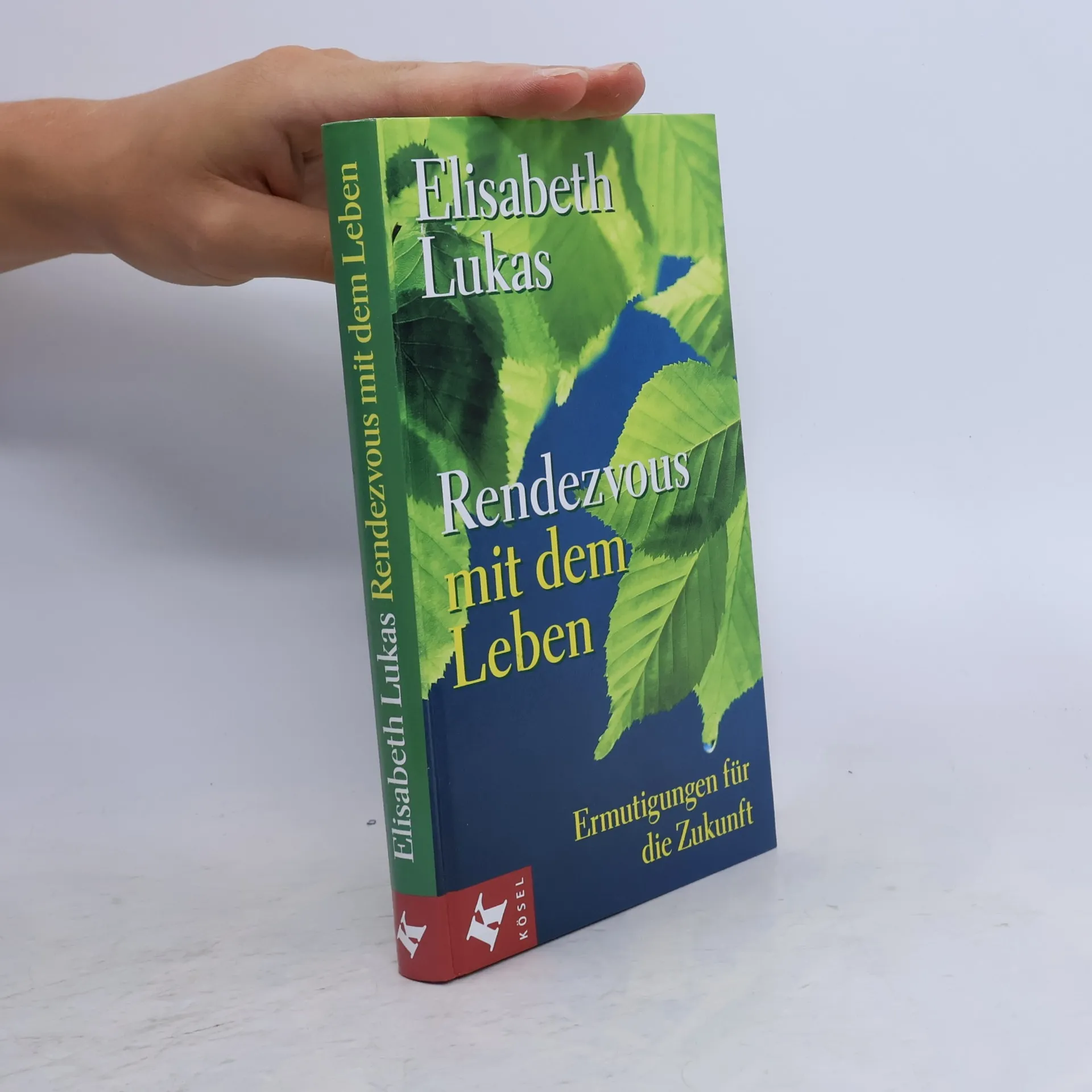
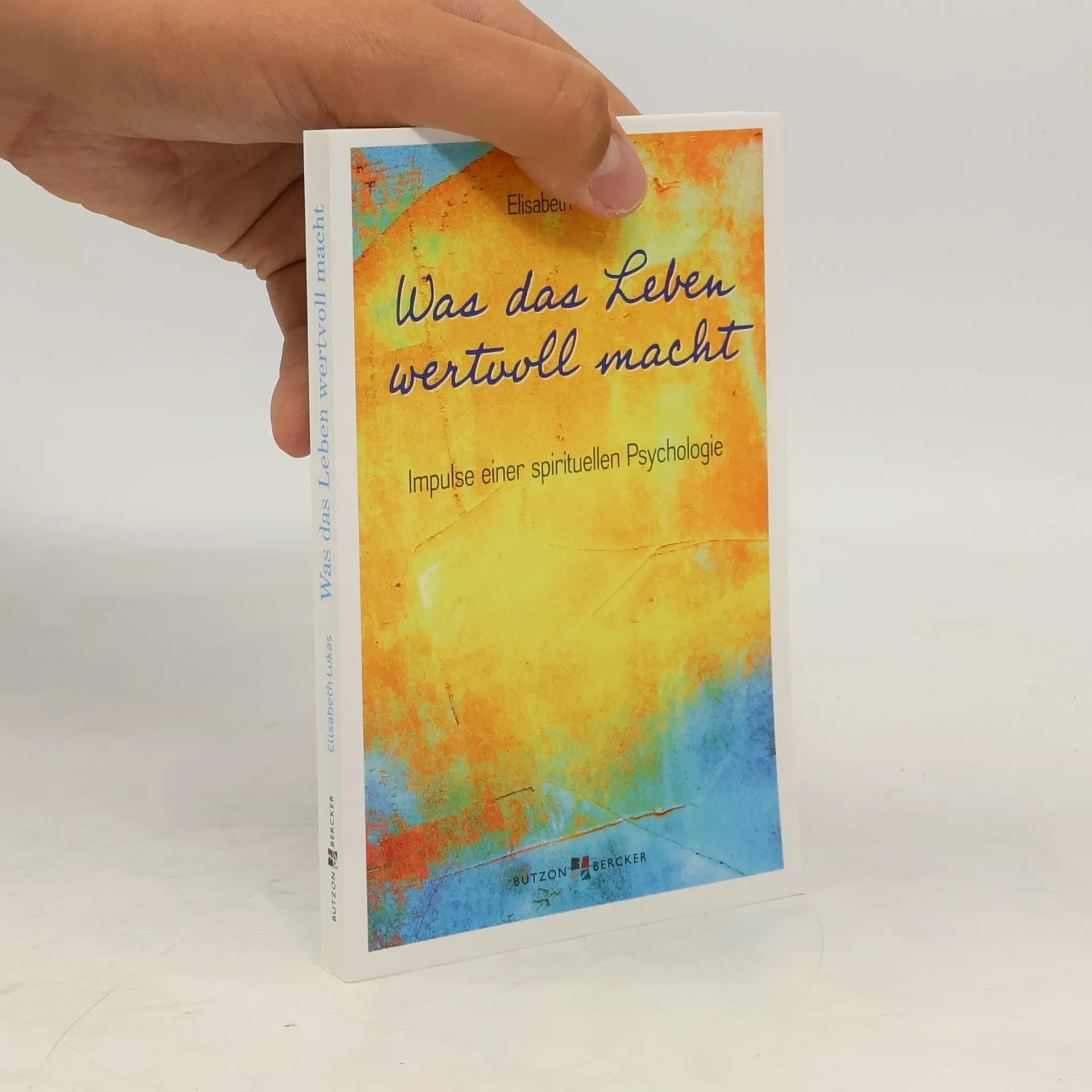
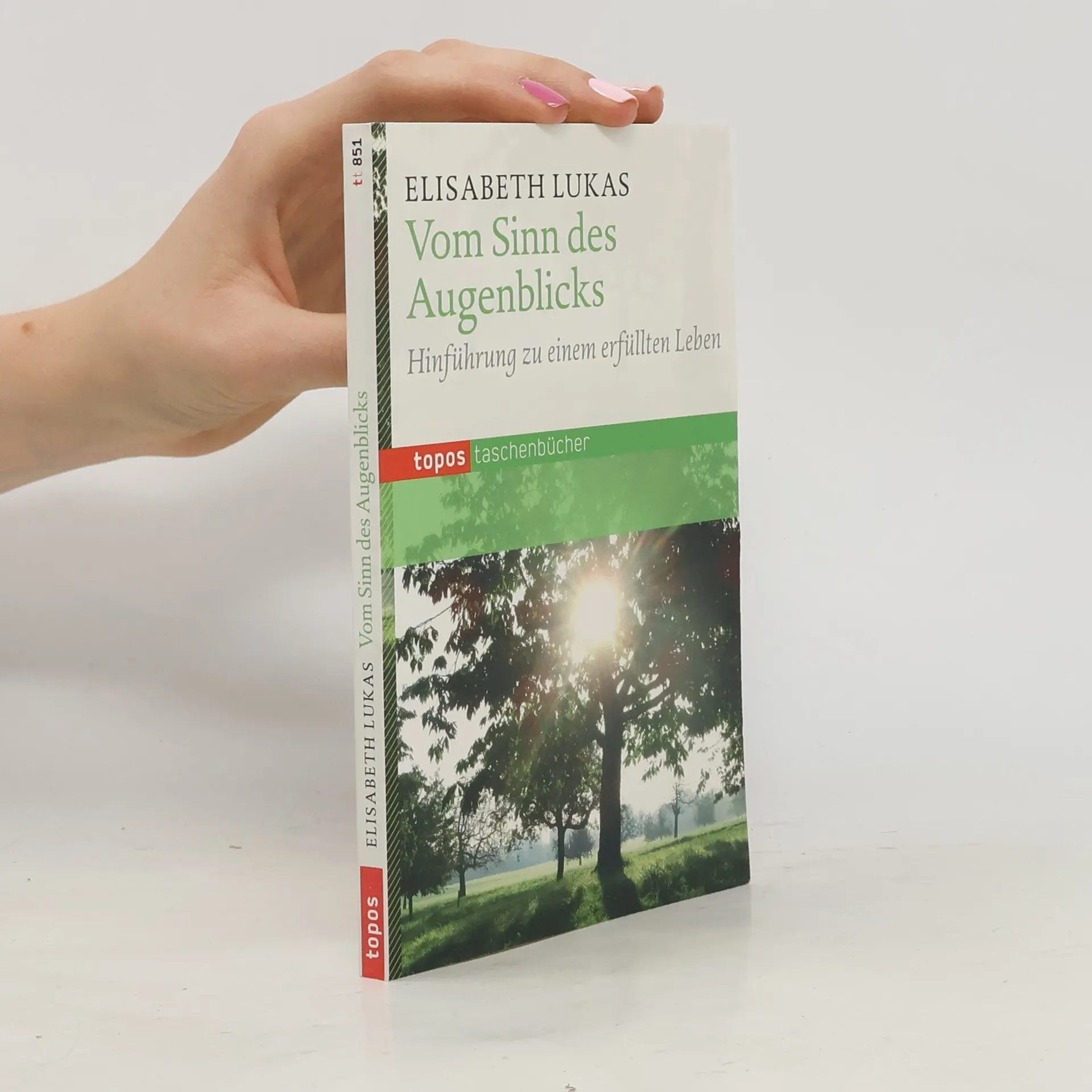
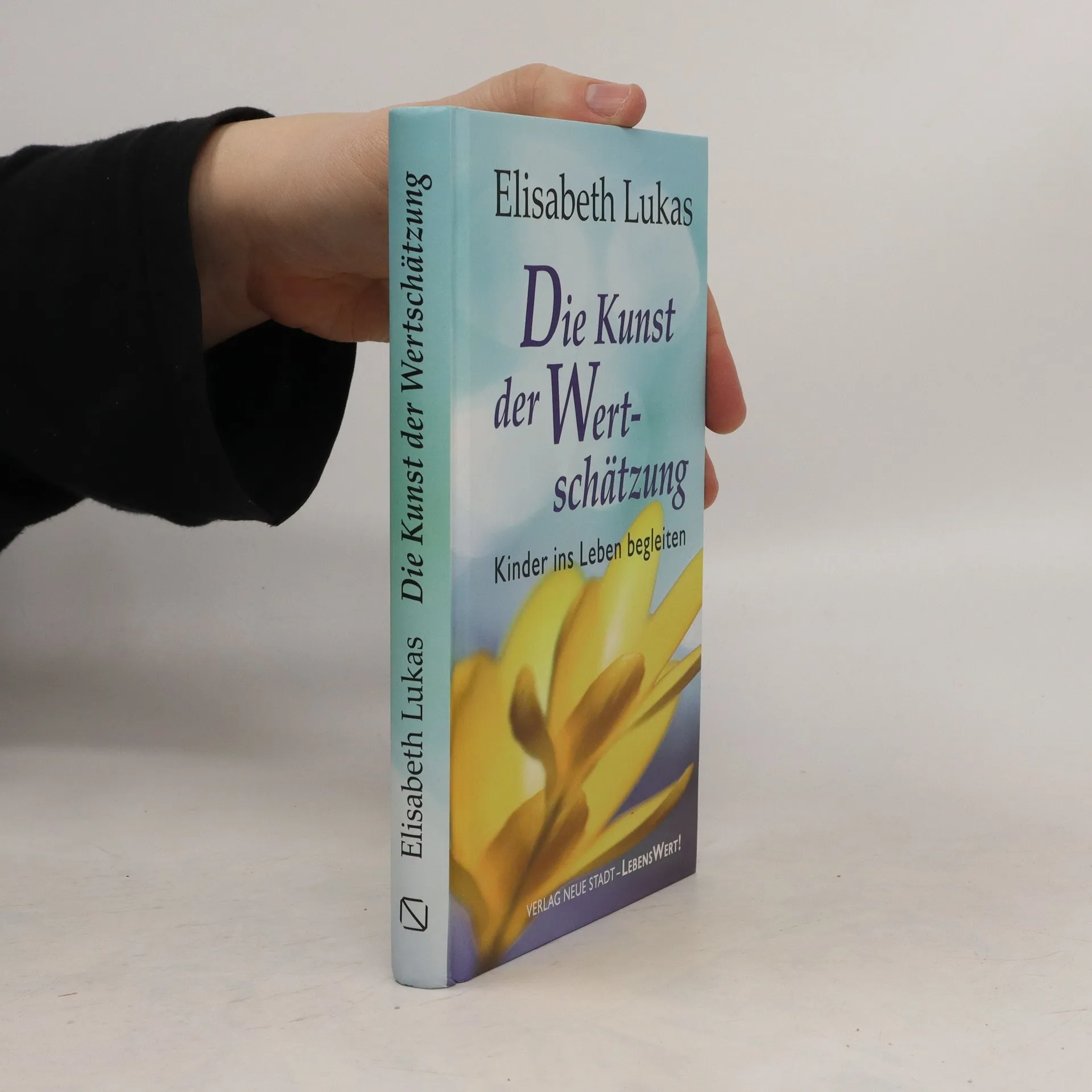
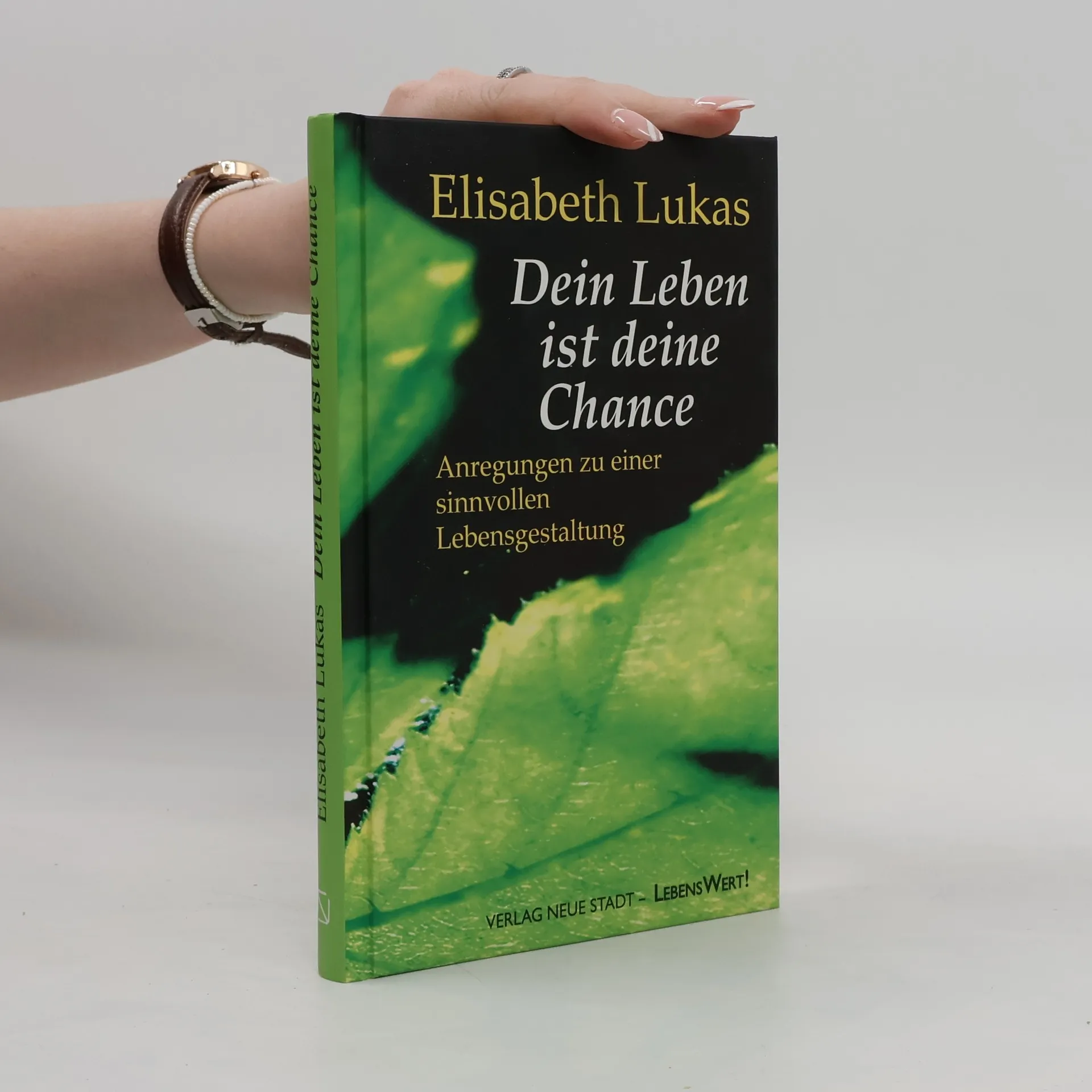
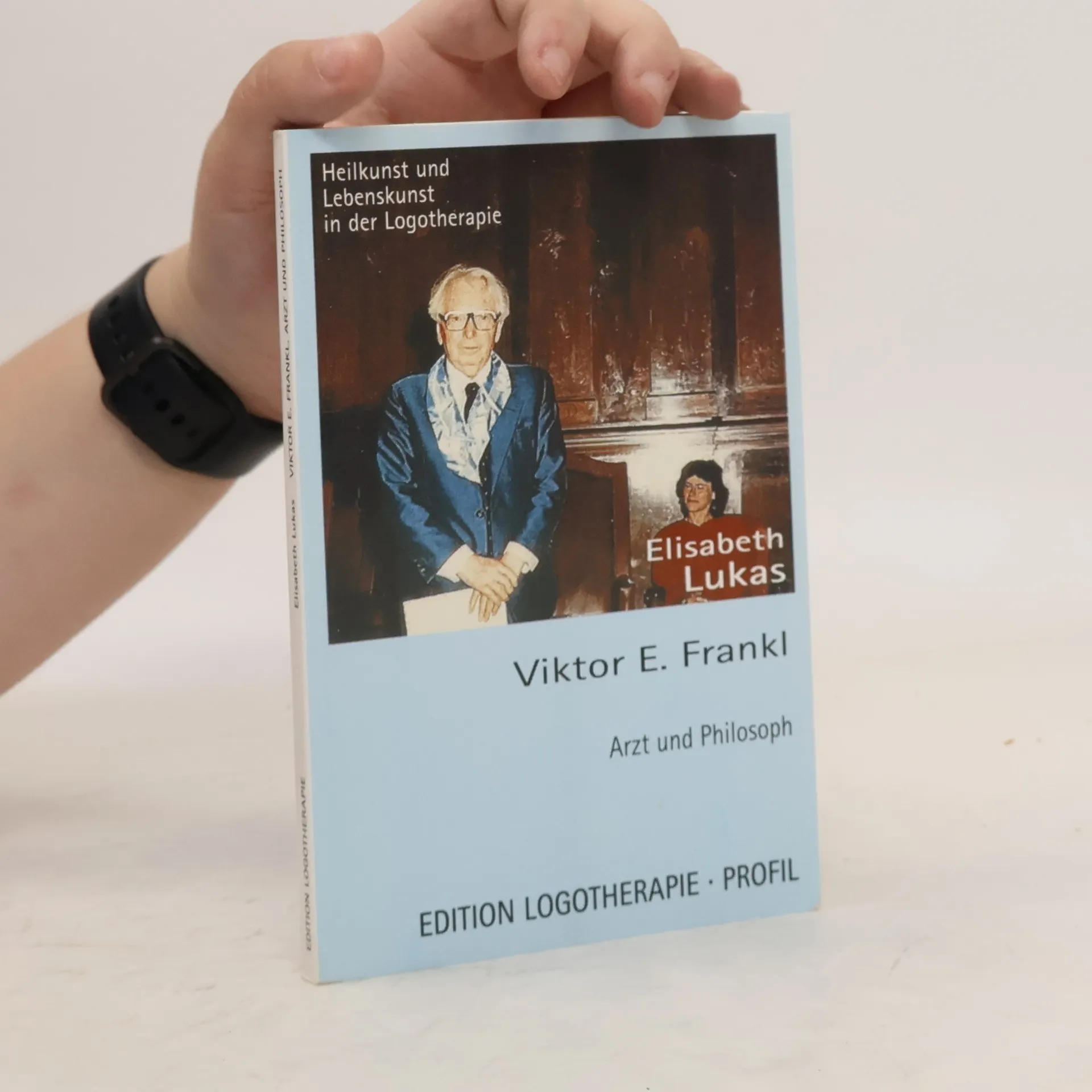
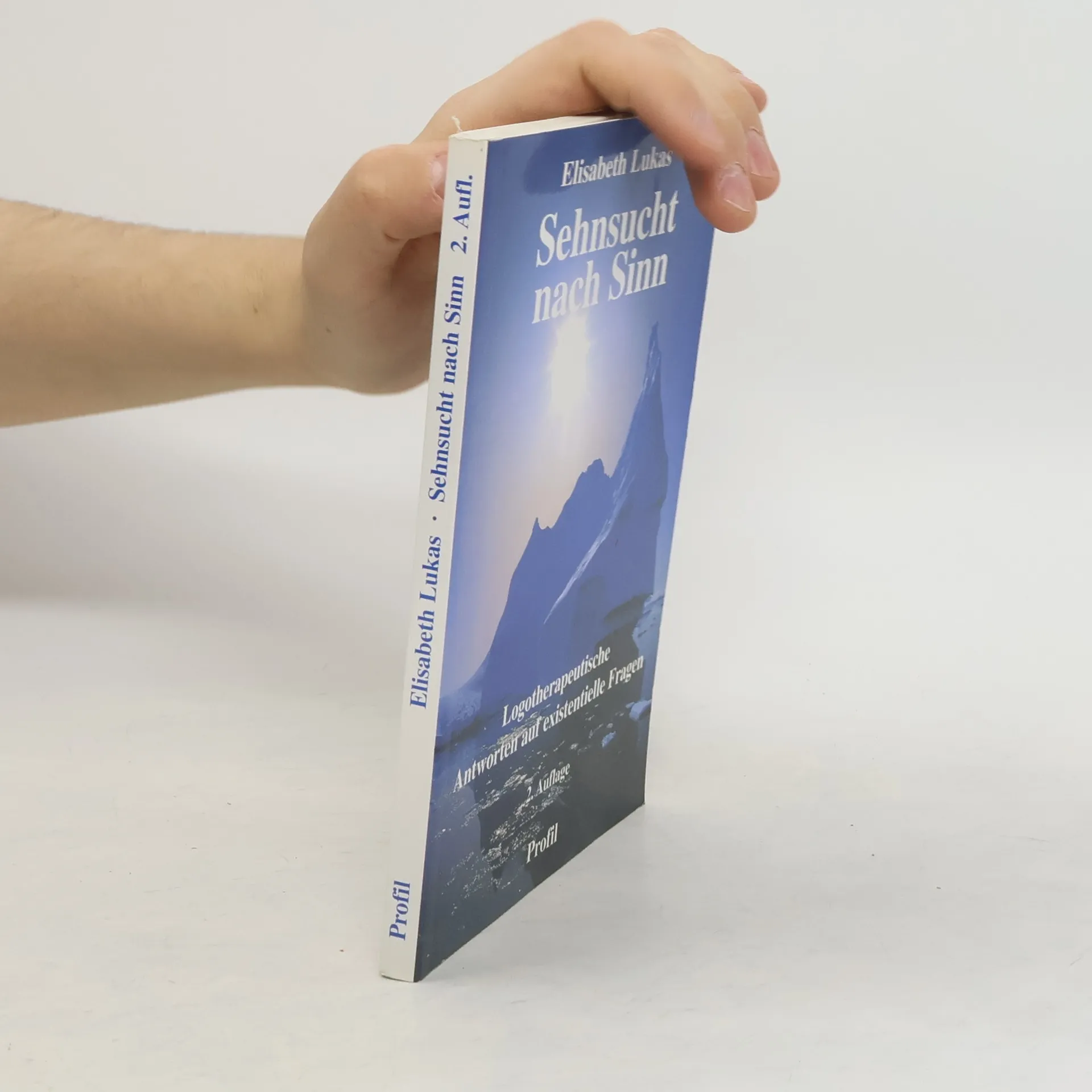
Autorka mistrně uplatňuje logoterapeutické principy v konkrétním dialogu s lidmi, kteří potřebují radu, hledají smysl utrpení a potřebují útěchu v krizových situacích.
Vybrané přednášky o logoterapii. "Člověk je tvor hledající smysl, logos, a poskytnout člověku pomoc v jeho hledání je jeden z úkolů psychoterapie - je to právě úkol logoterapie."
Founded by Viktor E. Frankl, logotherapy is a form of psychotherapy that has proven itself over decades - through periods of war and prosperity - to work for the happiness and mitigate the unhappiness of all sorts of people. It has an impressive track record of success. It helps people to remain mentally supple in crisis situations and opens up new possibilities for discovering meaning. Its sophisticated methods all rely on the inalienable dignity of the unique person - who is trusted, in the interplay of freedom and responsibility, to outgrow his or her own problems and weaknesses. In this book, two experts in logotherapy report on their experiences. Through real case histories and expert discussion, readers discover for themselves just how beneficial this form of psychotherapy can be.
Viktor E. Frankl, the founder of the "meaning centred psychotherapy" called logotherapy, was awarded 29 honorary doctorates from around the world for his work. One distinguishing feature of this form of psychotherapy is that it works well in the long term as well as providing short time relief. This is more and more important in view of the increasing numbers of people in the world who suffer from mental instabilities or disorders. The two renowned authors of this book offer exciting insights into the practical application of logotherapy. In doing so, they inspire readers to come up with ideas and tips for their own lives.
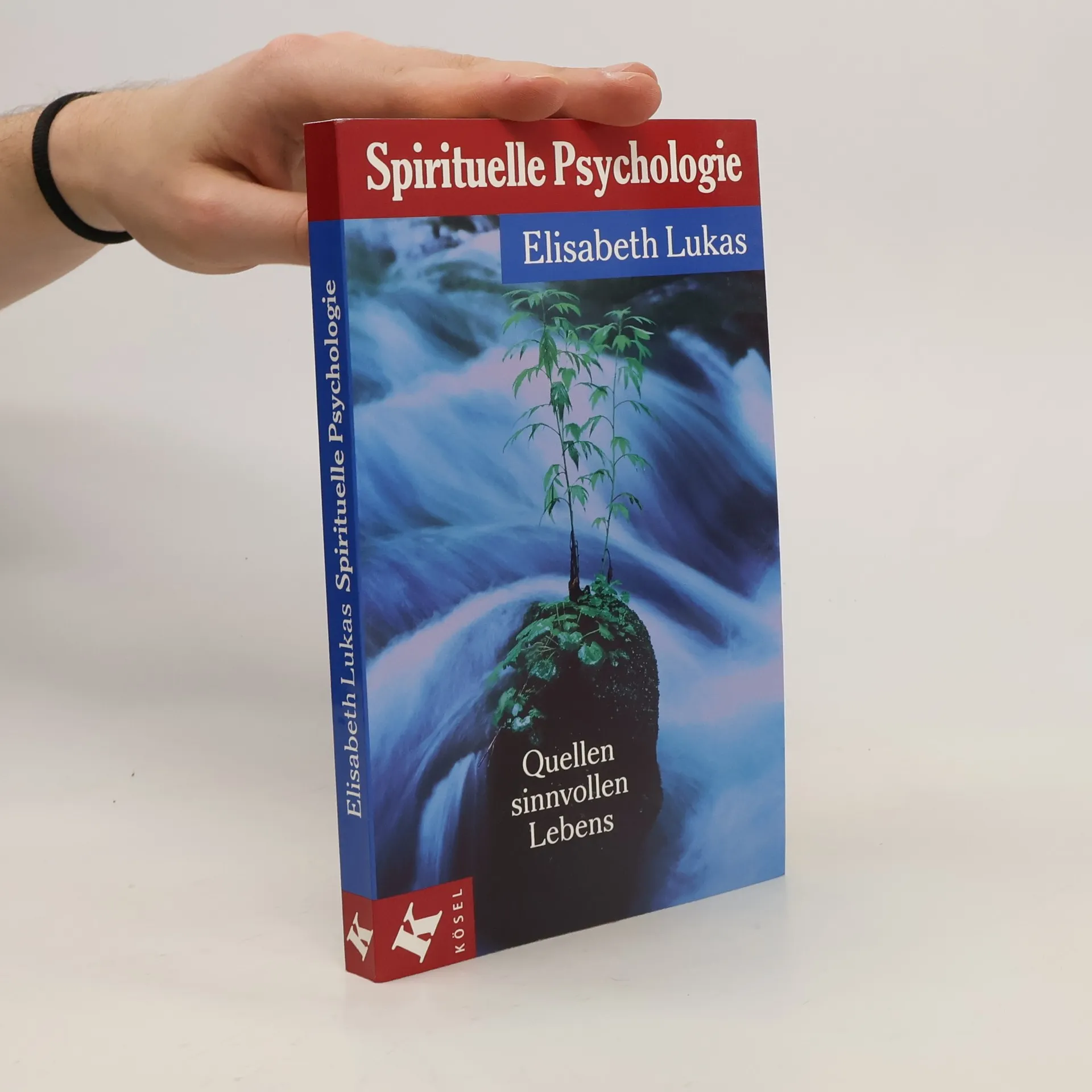
Wie lässt sich Sinn im Leben erspüren? Wie hält er sich gerade auch in Lebenskrisen durch? Elisabeth Lukas, bekannte Vertreterin der von Viktor E. Frankl begründeten Logotherapie, ermöglicht einen befreienden Blick auf persönliche Schwierigkeiten. Sie zeigt über konkrete Fallgeschichten aus ihrer therapeutischen Erfahrung, über Erzählungen und Gleichnisse Sinnpotentiale auf: Quellen authentischen Lebens erschließen sich, wenn Menschen ihre spirituellen Wurzeln erkennen. Das Buch regt an, Lebensfragen kreativ anzugehen. Es macht Mut, Lebensglück und eine gesunde Spiritualität zusammen zu sehen. So ergeben sich auch neue Dimensionen der therapeutischen Arbeit bzw. ihres Erfolges, wenn Psychotherapie und Religion sich begegnen.
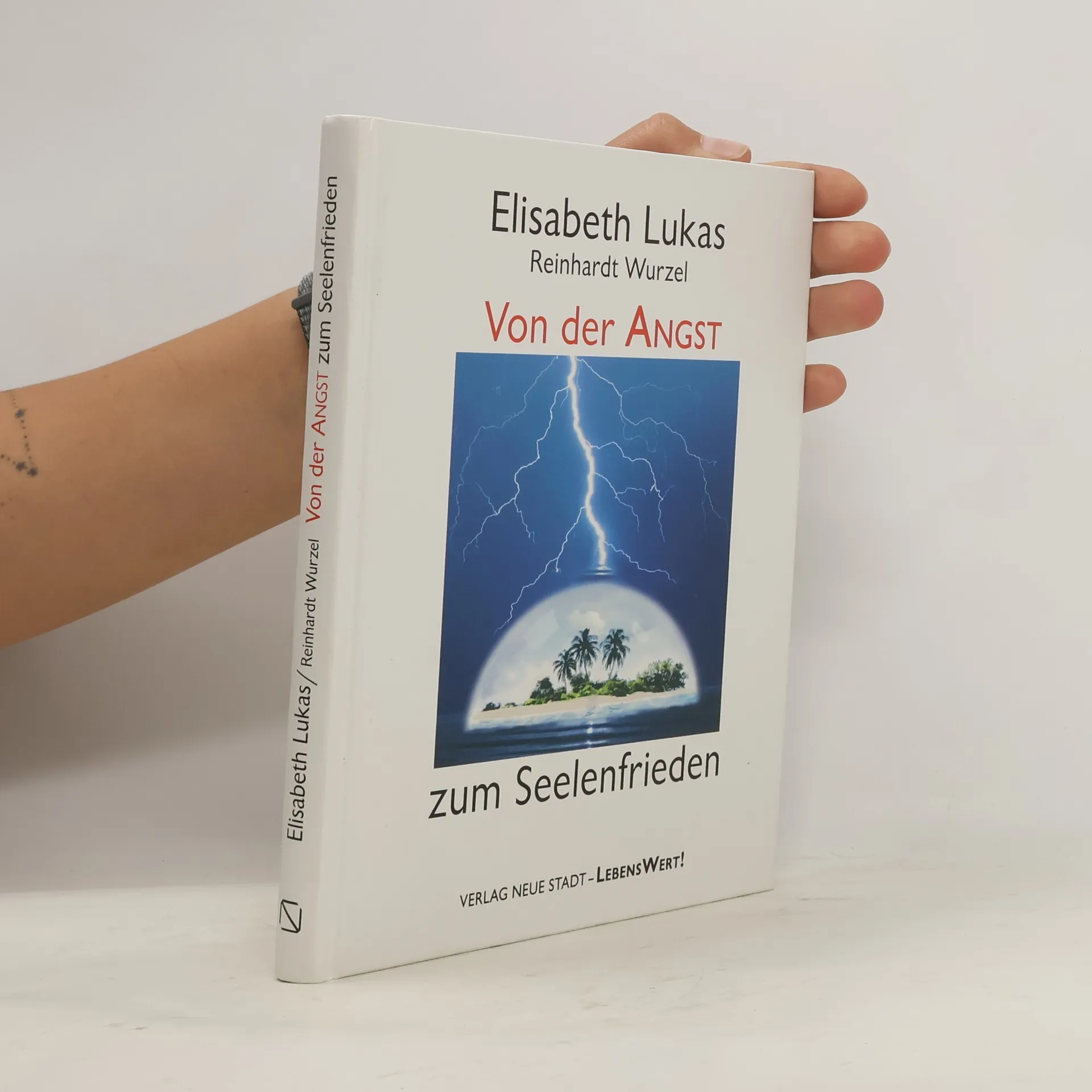
Zahlreiche Krankheiten und physische Beschwerden sind mit einer Angstkomponente verbunden. Ängste können sehr belastend, ja übermächtig werden. Die von Viktor E. Frankl begründete Logotherapie bietet wichtige Hilfen, um dem vorzubeugen. Aus ihrem reichen Erfahrungsschatz bringt seine renommierte Schülerin Elisabeth Lukas viele Beispiele und gut umsetzbare Tipps, die einen reifen Umgang mit verschiedensten Ängsten fördern. Ihr neuestes Werk entstand in Zusammenarbeit mit Reinhardt Wurzel, Journalist und Inhaber einer Praxis für Vitametik. Eindrucksvolle Farbfotografien bringen wichtige Aussagen anschaulich ins Bild: zeitgemäße Lebenshilfe zu einem Thema, das viele Menschen umtreibt.
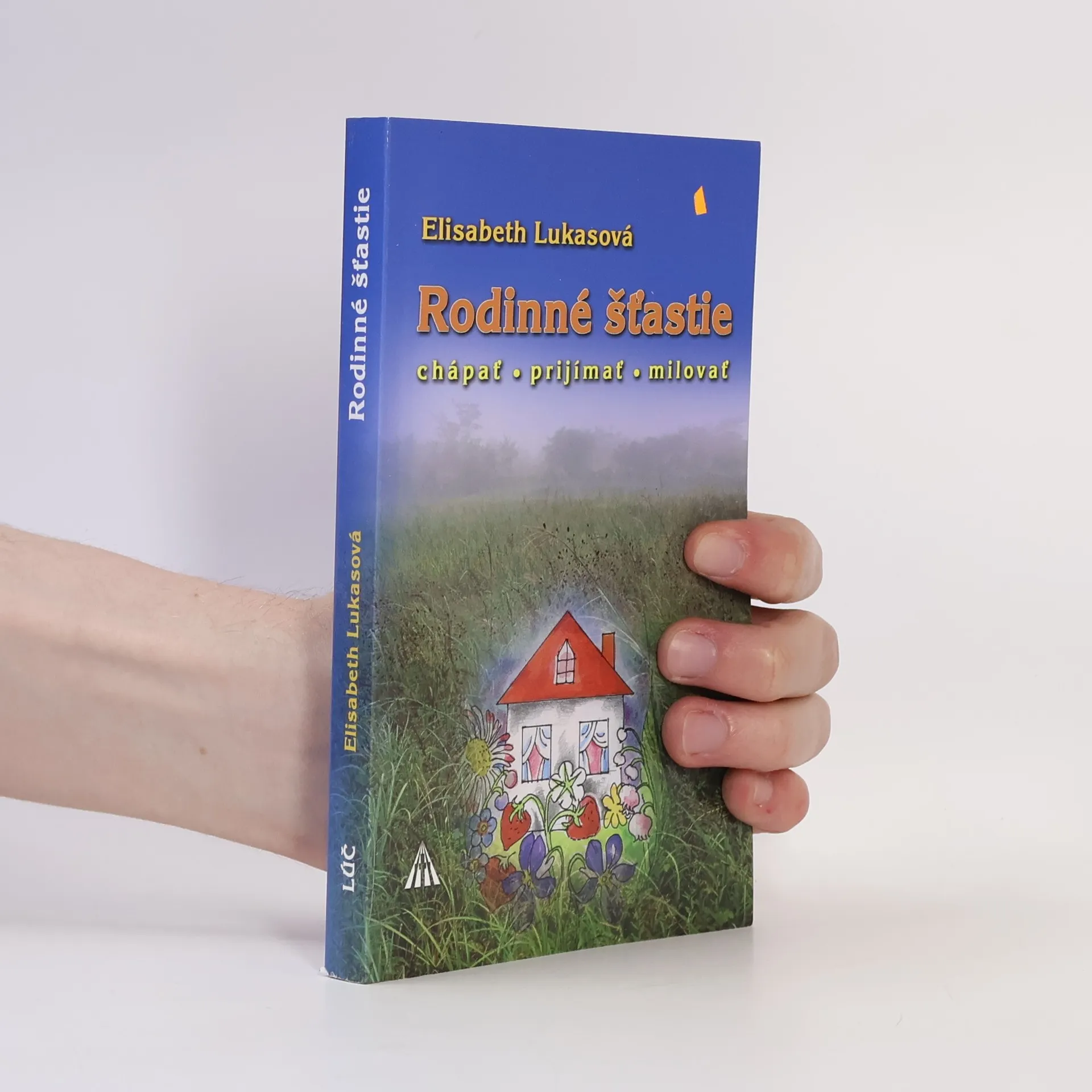
Ak hľadáte knihu, ktorá Vám skutočne pomôže nájsť rodinné šťastie, tak ju máte pred sebou. Kniha Rodinné šťastie sa zaoberá prípravou vlastnej osobnosti na to, aby sme boli strojcami šťastia v našej rodine. V druhej časti ukazuje, ako komunikovať v rodine, aby sme sa navzájom nezraňovali, ako napraviť narušené vzťahy, ako zvládať komunikáciu s labilnými osobnosťami v rodine. Tretia časť knihy sa sústreďuje na opísanie lásky v rodine a jej možného dosiahnutia napriek rozličným osobnostiam a ich hodnotám, a to aj vtedy, ak je súčasťou rodiny duševne chorý človek. Autorka nám podáva realisticko-optimistický pohľad na svet, poukazuje na to, že nešťastná láska neexistuje a láska vôbec je silnejšia ako akákoľvek smrť. Všetko toto jej úsilie je jednoducho zamerané na pomoc človeku, ktorý márne hľadá šťastie v rodine, a preto je nesmierne vydarené. Kniha je veľkou pomôckou v snahe „naučiť sa žiť“ aj vďaka množstvu skutočných príbehov z terapeutickej praxe autorky, ktoré sa prepletajú jednotlivými rozoberanými témami.
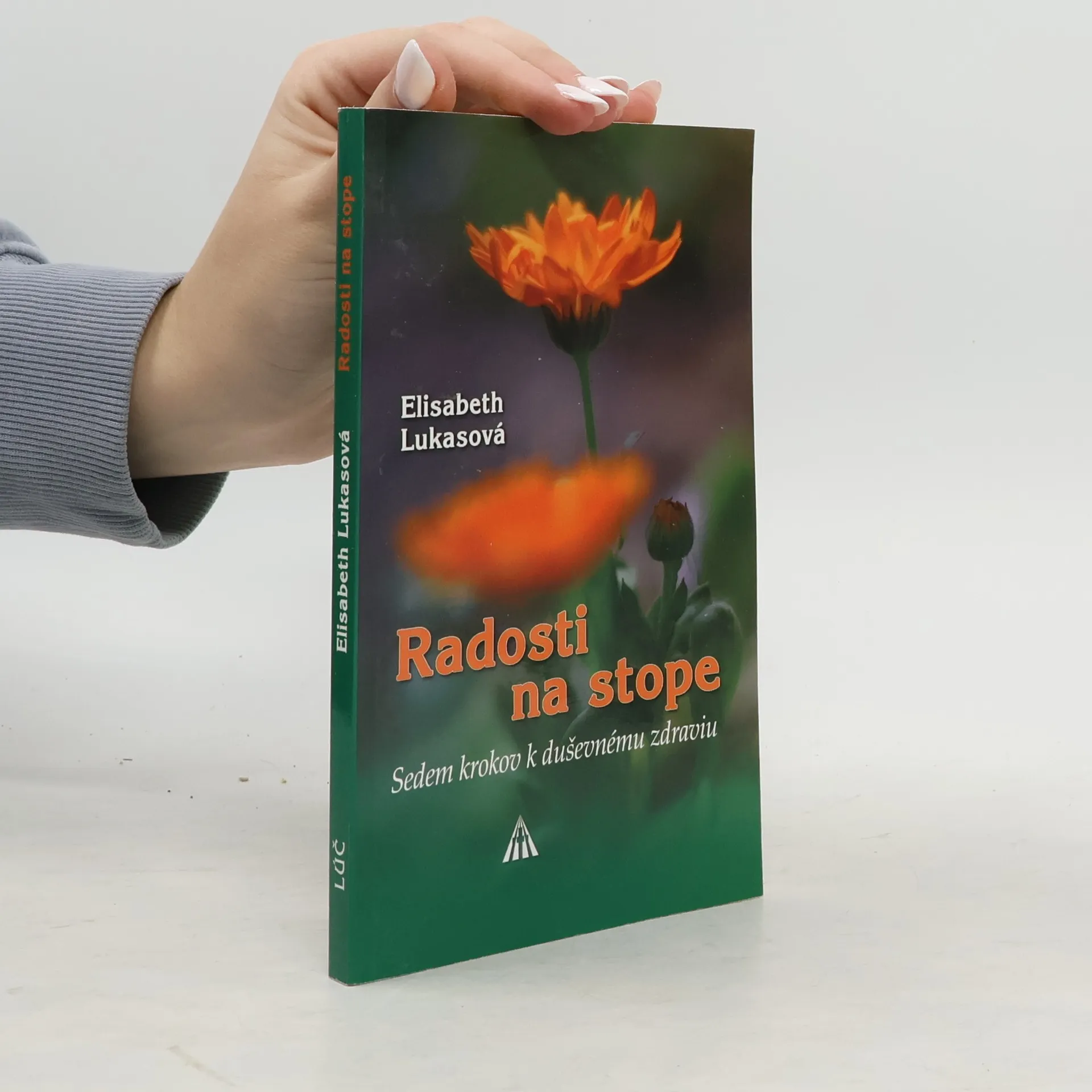
Radosť – kto by ju nechcel prežívať? Taký človek na svete nie je, je však veľa takých, ktorí radosť neprežívajú z najrozmanitejších dôvodov. Radosť sa však nedá ani kúpiť, ani vynútiť, tak ako k nej prísť?
Známa rakúska psychoterapeutka Elisabeth Lukasová, žiačka Viktora Frankla, zostavila praktickú príručku o tom: ako sa dá radosť opäť nadobudnúť, ako sa dá udržať, ako sa dá z radosti čerpať duševná sila po celý život.Teóriu ilustruje konkrétnymi prípadmi zo svojej desaťročia trvajúcej liečebnej praxe.
Kniha je jedinečná! Odporúčame ju každému „záujemcovi“ o radosť.
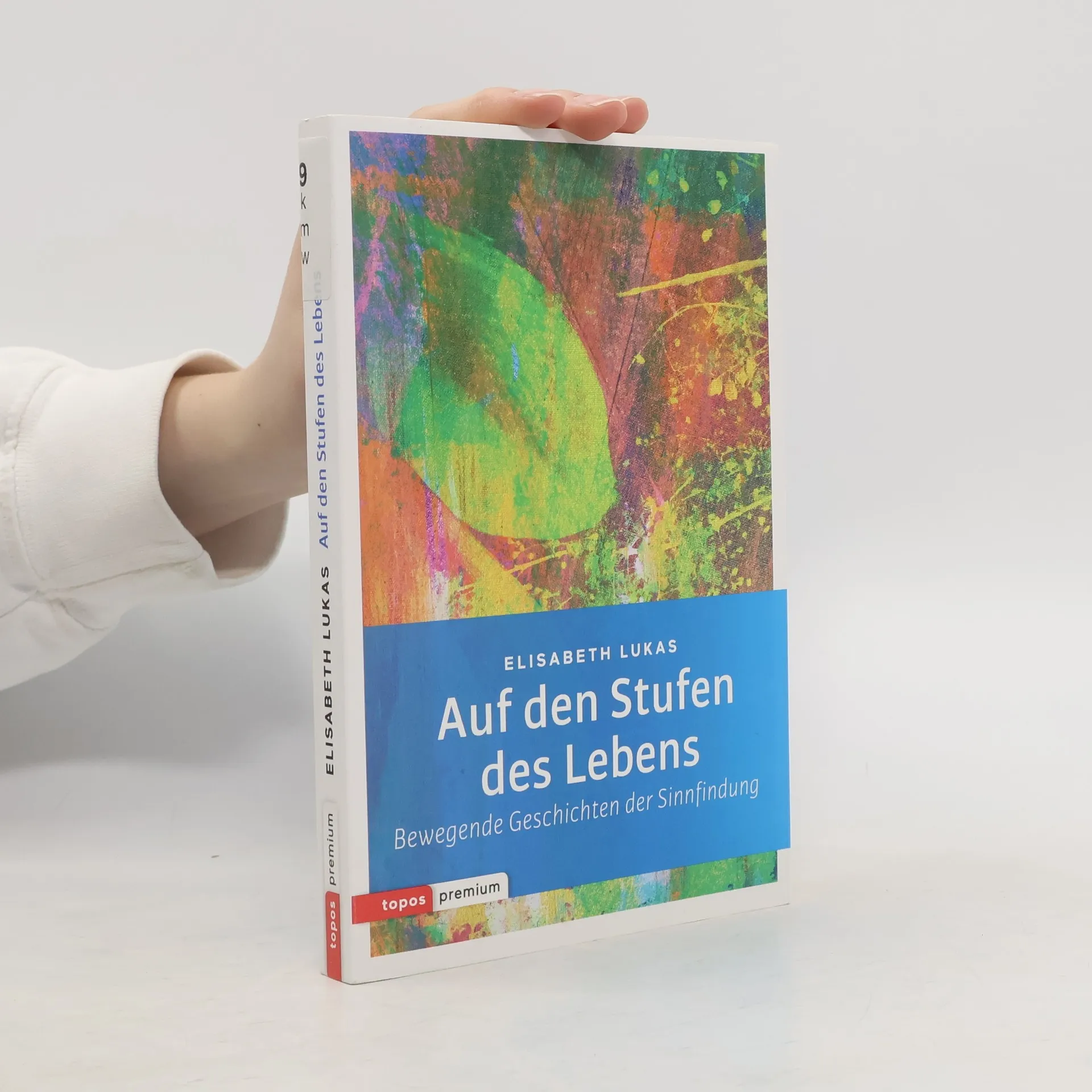
Bewegende Geschichten der Sinnfindung (topos premium)
213 stránek
8 hodin čtení
Elisabeth Lukas berichtet aus ihrer therapeutischen Arbeit und zeigt anhand von konkreten Beispielen, wie Leben trotz aller Rückschläge gelingen kann und wie es letztlich in seine Sinnfülle mündet. Ihr Buch ist eine Ermutigung, dem eigenen Leben gerade angesichts schmerzlicher Erfahrungen bewusst Gestalt zu verleihen.
Sieben Schritte, wie man die Freude bewahren, wiederfinden und aus der Freude seelische Kraft schöpfen kann. Elisabeth Lukas bringt aus ihrer reichen Lebens- und Therapieerfahrung viele konkrete Beispiele. Anschauliche Bilder verleihen der Lektüre eine wohltuende Leichtigkeit. Hilfreich für jeden, der den „Götterfunken“ Freude lebendig halten möchte!
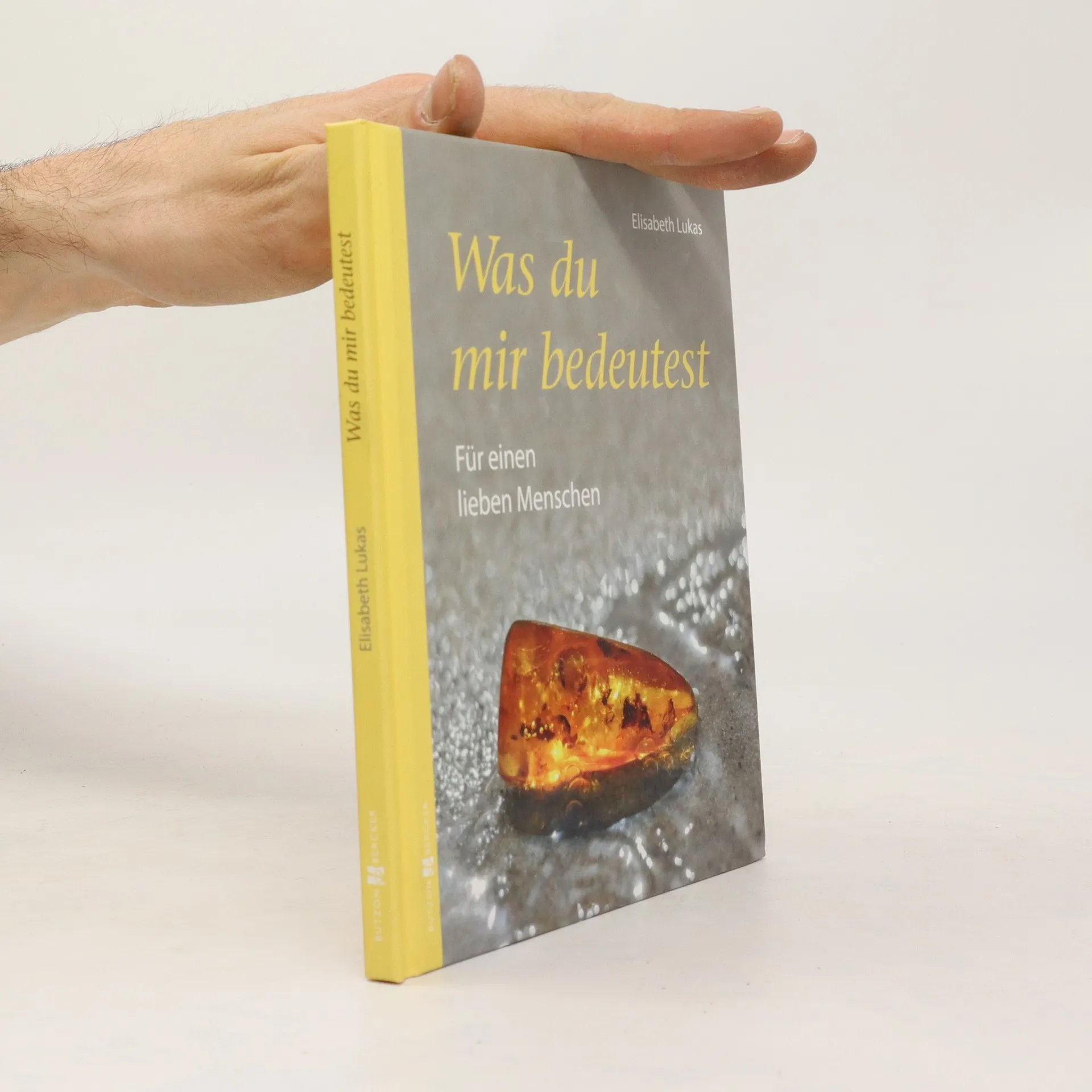
In der Betriebsamkeit des Alltags bleibt leider viel zu oft ungesagt, warum die oder der andere so wertvoll für uns ist. Die gedankenreichen, einfühlsam bebilderten Texte von Elisabeth Lukas können helfen, dies wettzumachen. Sie rufen dem Leser eindrucksvoll ins Bewusstsein, dass unser eigenes Leben und das vieler anderer ohne diesen einzigartigen Menschen anders aussähe und etwas Bereicherndes fehlen würde.
Egal, ob es um Zeitmanagement, Entscheidungen oder Konflikte geht, um Krankheitsentstehung oder Leidensbewältigung: Kein anderes Buch zeigt so konkret, wie vielfältig und alltagstauglich die Konzepte der Logotherapie sind. Wer sich an Werten und Sinn orientiert, findet sein Lebensglück – das belegt die bekannteste Frankl-Schülerin mit eindrucksvollen Beispielen aus ihrer therapeutischen Praxis. Viktor Frankls geniale TherapieformEin konkurrenzloser Überblick über Viktor Frankls IdeenFür alle auf der Suche nach LebensglückAlltagstauglich und konkret, mit zahlreichen Fallbeispielen
Kraft schöpfen – Leben gestalten Was gibt unserem Leben Gestalt? Woraus schöpfen wir Kraft und wie können wir unser Schicksal jederzeit selbst aktiv formen? Die von Viktor E. Frankl (1905–1997) begründete psychologische Schule der Logotherapie hat die Frage nach dem Sinn wieder in den Mittelpunkt gerückt. Elisabeth Lukas versteht es, die großen Einsichten Frankls gut verständlich darzustellen und aus ihnen mit Hilfe zahlreicher Fallbeispiele echte Lebenshilfe für uns zu schöpfen.
Von der bekanntesten Logotherapeutin im deutschsprachigen Raum - Dr. ELISABETH LUKAS DAS WELTWEIT EINZIGE LEHRBUCH DER LOGOTHERAPIE NACH VIKTOR FRANKL - JETZT IN DER FÜNFTEN AUFLAGE
Auf der Grundlage der von Viktor E. Frankl begründeten Logotherapie entfaltet die Autorin auf allgemeinverständliche Weise Möglichkeiten, Sinn im Leben zu entdecken. Sinnorientierung ist nicht etwa nur im gesunden und aktiv schaffenden Leben in seiner Blütezeit gefragt, sondern auch im Alter, angesichts von Krankheit, Pflegebedürftigkeit oder Todesnähe. Die Autorin begleitet Leser und Leserin beim Ziehen einer existentiellen Lebensbilanz und hilft, diese positiv und bejahenswürdig ausfallen zu lassen.
Sústreďte sa na to, čo máte pred sebou, a netrápte sa s vecami, ktoré môžu počkať. Stačí naplniť zmysel okamihu – každé „naviac" je v rozpore so zmyslom a namiesto osohu prináša nešťastie.Elisabeth Lukasová, žiačka Viktora E. Frankla, na základe svojich bohatých logoterapeutických skúseností poskytuje množstvo príkladov a ľahko realizovateľných tipov, ktoré podporujú zrelý spôsob zvládania najrôznejších strachov.Ilustrácia na obálke tejto knihy zobrazuje malý tropický ostrov pokrytý palmami, obklopený ochranným zvonom, ktorý pripomína sklený štít. Udierajú prenikavé blesky, zúri búrka, ale slnečný ostrov nezasiahnu. Dokážeme takto ochrániť seba a svoje hodnoty, ovládnuť agresivitu a násilie voči sebe a iným? Elisabeth Lukasová hovorí áno.
Základy logoterapie sú odbornou knihou písanou prístupnou formou i pre menej odborne zainteresovaného čitateľa. Kniha približuje dielo V. E. Frankla v jadrnej forme a obsahuje množstvo grafov, ktoré vizuálne uľahčujú porozumenie logoterapeutických ideí.
Logoterapia vo svojej podstate dokazuje nádej, že naša námaha, snaha, neúspechy a obety majú zmysel. Niekedy je viditeľný hneď, inokedy sa ukáže neskôr, dokonca až v ďalších generáciách. Podstatné je, že sme sa pokúšali žiť svoj život čo najzmysluplnejšie, že sme sa pokúšali zasvätiť ho "dobrej veci". To je nosná myšlienka tejto knihy. Jej odborné kapitoly dopĺňa a obohacuje autorka i mnohými konkrétnymi príkladmi z praktickej skúsenosti psychoterapeuta. Želáme každému, komu sa táto kniha dostane do rúk, aby pri jej čítaní našiel okrem odbornej rady i radu pre svoj vlastný život.
Für jede Woche des Jahres: Geschichten vom erfahrenen Glück Das Leben hat seine Tücken. Jeder gibt sein Bestes, bemüht sich, einen guten Weg zu finden – und doch gelingt das nicht immer. Im Labyrinth des Alltags ist dieses Jahreslesebuch ein einfühlsamer Wegweiser. Die Mutter, deren Kind nicht lernen will, der lustlose Musiklehrer, die Dreißigjährige mit den vorzeitig ergrauten Haaren, der eifersüchtige Ehemann – 52 Geschichten von Menschen wie du und ich, die ermutigen: Überraschende Wendungen zum Guten sind immer möglich. Die klugen Tipps von Elisabeth Lukas, erfahrene Psychotherapeutin und wichtigste Vertreterin der Logotherapie Viktor Frankls, regen dazu an, in kleinen und größeren Lebenskrisen als echte Lebenskünstler zu bestehen. 52 Denkanstöße für mehr Glück, Mitgefühl und Sinn im Leben: ein hilfreicher Begleiter durch das ganze Jahr.
Viele Menschen leiden an ängstlichen oder depressiven Verstimmungen, Unsicherheits- und Hilflosigkeitsgefühlen. Manche kommen mit schmerzlichen Erlebnissen aus ihrer Vergangenheit nicht zurecht. Andere lassen sich von düsteren Zukunftsaussichten lähmen. Im Buch zeigt die erfahrene Psychotherapeutin auf, wie es dennoch immer wieder gelingen kann, sinnvolle Möglichkeiten in der Gegenwart zu entdecken und zu ergreifen – und wie sehr solche Sinnerfüllung zur seelischen Gesundheit beiträgt. Eine inspirierende Lektüre, die zur Lebenskunst anstiftet.
Das Glück vieler Familien ist dadurch getrübt, dass sich die Erwachsenen nicht mehr verstehen, meist ungewollt gegenseitig verletzen und dann vorschnell auseinander streben. Die nächste Generation ist die leidtragende. Unfriede, Stress und Einsamkeit gehen um. Seelische Störungen nehmen zu. Das neue Buch der bekannten Psychologin und Psychotherapeutin Dr. Elisabeth Lukas möchte dem entgegenwirken. Es bietet konkrete Kommunikationshilfen für gelingendes Miteinander in den Familien an. Die Familie ist von unaufgebbarem Wert und kann trotz mancher Extrembelastungen immer wieder aufs Neue eine glückliche Entwicklung nehmen, solange der „gute Wille“ noch in ihr wohnt.
30 (31) Geschichten mit logotherapeutischer Heilkraft
197 stránek
7 hodin čtení
Lesen Sie sich gesund. Das Medium Buch entwickelt Heilkraft. Bibliotherapie wird zur Unterstützung für die Seelenheilkunde und kann aus Lebenskrisen führen. Elisabeth Lukas gibt viele Beispiele dafür. Sie zeigt, wie man mit alten Märchenstoffen, Kurzgeschichten oder Sinnsprüchen den in jedem Menschen gesundgebliebenen Kern ansprechen und beleben kann.
Des Menschen Chance und Bürde. Mit Fallbeispielen von Heidi Schönfeld
160 stránek
6 hodin čtení
Zwischen Schicksal und Freiheit Wie findet man Sinn im Leben – auch nach schmerzhaften Erfahrungen? Wie überlebt man Krisen und Traumata und bleibt dabei seelisch heil? Was schützt vor einer posttraumatischen Belastungsstörung? In ihrem neuen Buch zeigt Elisabeth Lukas, Schülerin Viktor Frankls und eine der bekanntesten Vertreterinnen der Logotherapie, wie Menschen ihre seelische Widerstandskraft stärken und Krisen überstehen können. Ausgehend von der sinnzentrierten Psychotherapie nach Viktor Frankl beschreibt Lukas, wie wir unsere inneren Stärken entdecken, den persönlichen Sinn des Lebens finden und auch mit schwierigen Lebenssituationen besser umgehen können. Die lebensnahen Fallbeispiele von Heidi Schönfeld machen deutlich, wie Logotherapie im Alltag wirkt – konkret, empathisch und ermutigend. Ein Buch für alle, die sich nicht von äußeren Umständen lähmen lassen wollen, sondern die eigene Persönlichkeit entfalten möchten – zwischen Schicksal und Freiheit. Die eigenen Stärken sehen und nutzen Selbstverwirklichung und Sinnerfüllung Konkrete Impulse zur Persönlichkeitsentwicklung Auf der Grundlage von Viktor Frankls Logotherapie Mit authentischen Fallbeispielen von Heidi Schönfeld Für Menschen, die Sinn suchen und innere Freiheit entdecken möchten
Das Buch behandelt die Herausforderungen des Lebens und die Unvorhersehbarkeit des Schicksals, wie sie am Beispiel von Viktor E. Frankl verdeutlicht werden. Elisabeth Lukas, Schülerin Frankls, zeigt auf, wie Menschen trotz Tragödien seelisch regenerieren und dem Leben mit Mut begegnen können, gestützt auf ihre Erfahrungen in der Logotherapie.
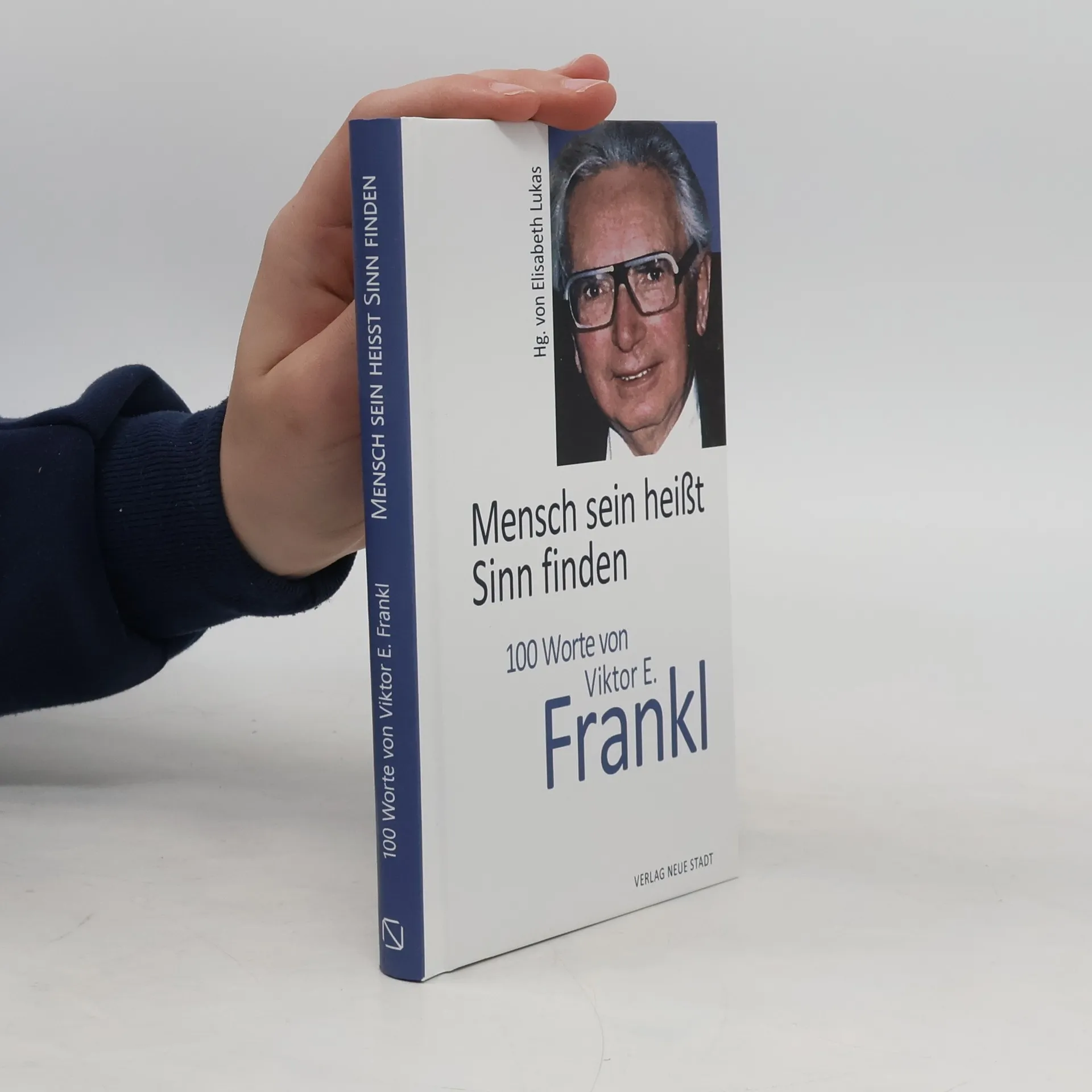
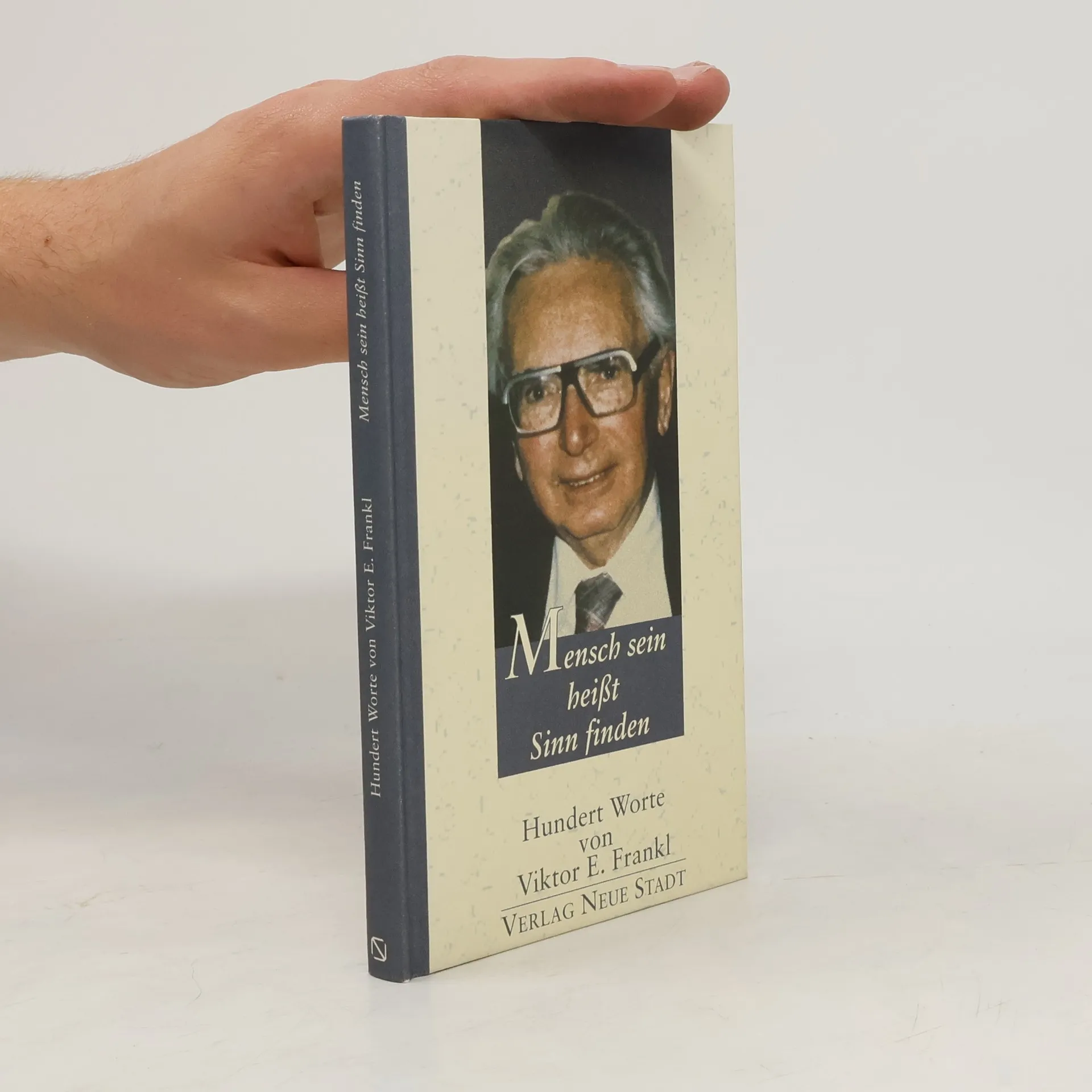
Die Sammlung enthält 100 zentrale Gedanken von Viktor Frankl, dem Begründer der Logotherapie, ausgewählt von seiner Schülerin Elisabeth Lukas. Neu ist eine biografische Skizze von Bernd Aretz. Frankls ganzheitliche Sicht auf den Menschen bietet Orientierung in herausfordernden Zeiten und betont die Bedeutung von Sinnerfüllung.
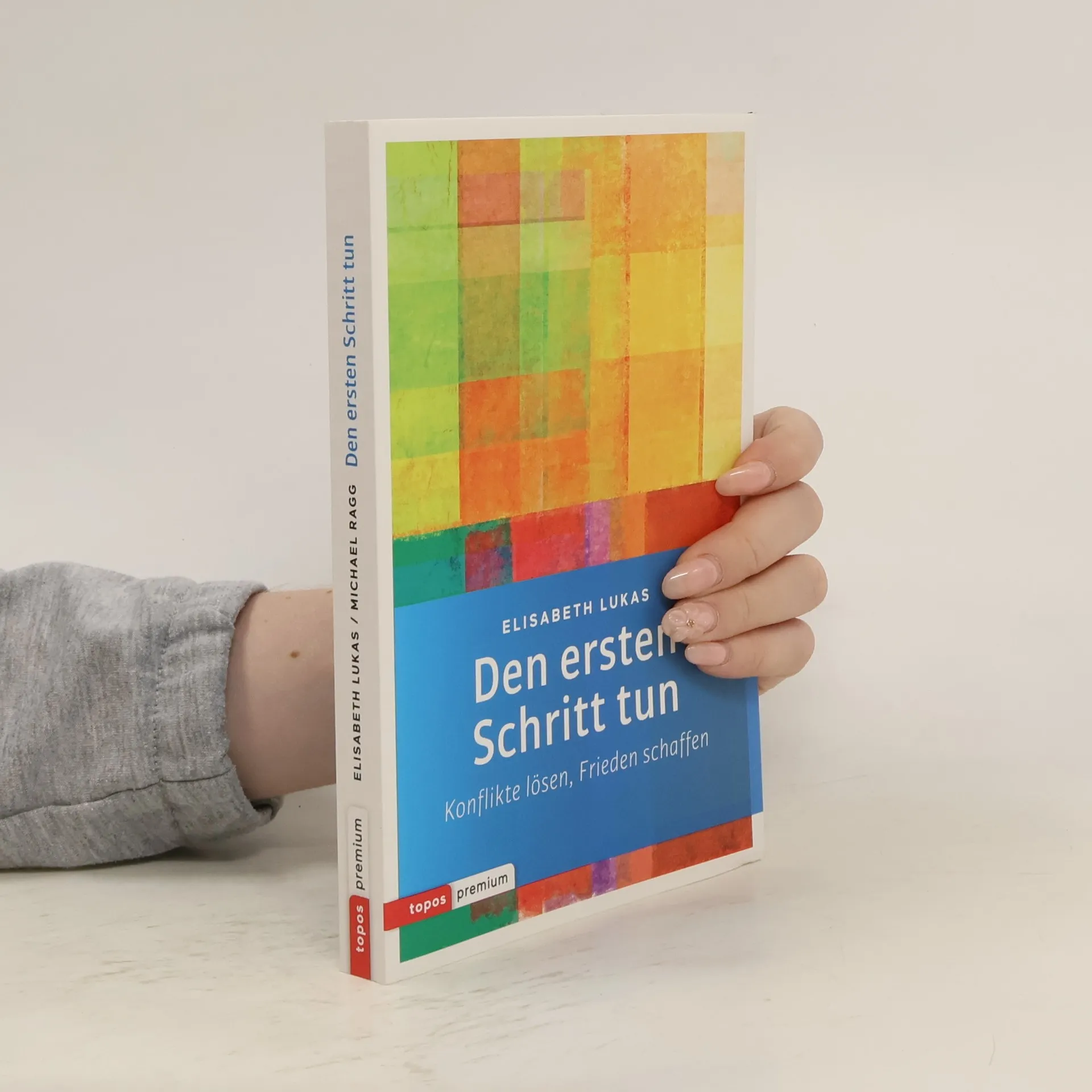
„Du wirst gebraucht in dieser Welt“ Im Gespräch mit dem Publizisten Michael Ragg erschließt uns Elisabeth Lukas eine Schatzkammer für den Alltag. Indem wir lernen, sinnvoll zu leben, können wir die täglichen Aufgaben bewältigen, Ängste besiegen, mit Verlusten und Trauer umgehen, Freiheit und Freude wiedergewinnen. Die Meisterschülerin des Begründers der Logotherapie, Viktor E. Frankl, gibt den Lesern eine neue Sicht auf das Leben. So eröffnen sich ungeahnte Ressourcen, um das eigene Leben selbst in die Hand zu nehmen und ihm eine neue Wendung zu geben.
Die von Viktor E. Frankl begründete Logotherapie ist eine Psychotherapieform, die sich seit Jahrzehnten durch Kriegs- und Wohlstandsperioden hindurch zum Glück und im Unglück vieler Menschen bewährt hat. Ihre Erfolgsrate ist erfreulich hoch. Sie hilft auch in schweren Krisensituationen, noch geistig beweglich zu bleiben und neue Sinnmöglichkeiten zu entdecken. Bei all ihren ausgereiften Methoden setzt sie auf die unverlierbare Würde der Person, der sie zutraut, im Wechselspiel von Freiheit und Verantwortung über die eigenen Probleme und Schwächen hinauszuwachsen. Im vorliegenden Buch berichten zwei Expertinnen der Logotherapie von ihren Erfahrungen. Die Leserinnen und Leser mögen sich anhand authentischer Fallgeschichten und deren professionellen Kommentierungen selbst davon überzeugen, wie segensreich diese Psychotherapieform wirkt.
Eine Depression kann viele Ursachen haben: Trauer über den Verlust eines geliebten Menschen oder der Lebensaufgabe, körperliche Beschwerden, das Gefühl der Sinnlosigkeit und Leere, Sucht, Zukunftsangst usw. Das Buch zeigt am Beispiel konkreter Fälle aus der logotherapeutischen Praxis, wie Menschen lernen können, die hinter den Wolken der Depression verborgene Sonne wieder wahrzunehmen. Das Wissen um die Möglichkeit, sich jederzeit ändern zu können, der Blick über den eigenen Tellerrand hinaus, die Pflege von stabilen Beziehungen zu anderen und ein Grundvertrauen in die eigenen Fähigkeiten gehören zu den vielfältigen von Elisabeth Lukas vorgestellten Ansatzpunkten für einen Weg aus der Depression.
Erweiterte Neuausgabe mit einem Gespräch zwischen Elisabeth Lukas und Stefan Liesenfeld über die Herausforderungen im digitialen Zeitalter: - Wo stehen wir? Beobachtungen und Reflexionen - Praktische Tipps für den Erziehungsalltag. "Du sollst glücklich werden!..." ...dies ist der größte Wunsch aller liebenden Eltern. Vieles hängt nicht von ihnen ab, aber was können sie selbst dazu beitragen? Elisabeth Lukas lenkt den Blick auf Aspekte, die in der Begleitung von Kindern heute wichtiger denn je sind, vor allem auf "die hohe Kunst gegenseitiger Wertschätzung". Eine grundlegende Orientierung, Stütze und Ermutigung für Eltern und Erziehungspersonen. »Sie sind Mutter oder Vater. Sie möchten, dass Ihr Kind ein glücklicher Mensch wird? Dann lassen Sie uns darüber nachdenken, ob es etwas gibt, das die Chancen erhöht, dass ein Mensch glücklich wird.« Elisabeth Lukas in der Einführung Mit vielen Beispielen aus der Praxis
Radosť kto by ju nechcel prežívať? Taký človek na svete nie je, je však veľa
takých, ktorí radosť neprežívajú z najrozmanitejších dôvodov. Radosť sa však
nedá ani kúpiť, ani vynútiť, tak ako k nej prísť? Známa rakúska
psychoterapeutka Elisabeth Lukasová, žiačka Viktora Frankla, zostavila
praktickú príručku o tom: ako sa dá radosť opäť nadobudnúť ako sa dá udržať
*ako sa dá z radosti čerpať duševná sila po celý život. Teóriu ilustruje
konkrétnymi prípadmi zo svojej desaťročia trvajúcej liečebnej praxe. Kniha je
jedinečná! Odporúčame ju každému záujemcovi o radosť.
Mut zum Leben Elisabeth Lukas schöpft in diesem Buch aus ihrer reichen therapeutischen Praxis und zeigt anhand von zahlreichen, authentischen Fallbeispielen, wie es gelingen kann, Ängste zu besiegen und auch in Leid und schwierigen Konfliktsituationen noch Sinn zu entdecken. Sie führt uns ein in Techniken der Logotherapie wie etwa die „Paradoxe Intention“, die wir selbst in vielen Lebenssituationen anwenden können. Damit gibt sie uns einen alltagstauglichen Ratgeber zur Bewältigung von Ängsten und Konflikten an die Hand und macht uns Mut zum Leben. • Die Logotherapie Viktor Frankls lebensnah und alltagstauglich! • Beeindruckende Fallbeispiele aus der therapeutischen Praxis • Ratgeber zur Bewältigung von Ängsten und Konflikten Zur Autorin: Elisabeth Lukas, geb. 1942 in Wien, hat als Meisterschülerin von Viktor E. Frankl dessen Logotherapie entscheidend weiterentwickelt und in einer mehr als dreißigjährigen therapeutischen Praxis umgesetzt. Als Dozentin und auf Einladung von ca. fünfzig Universitäten hat sie eine ganze Generation von logotherapeutischen Fachkräften ausgebildet. Ihre zahlreichen Vorträge sowie Publikationen in zwanzig Sprachen machten sie international bekannt. Ihr Werk ist mit der Ehrenmedaille der Santa Clara University in Kalifornien, mit dem Großen Preis des Viktor-Frankl-Fonds der Stadt Wien und mit einer Ehrenprofessur an der Universität Moskau ausgezeichnet worden.
Authentisch · bewegend · bedenkenswert Zum 80. Geburtstag der renommierten Therapeutin Zahllosen Menschen hat Elisabeth Lukas, die renommierte Psychotherapeutin und Viktor-E.-Frankl-Schülerin, beratend und helfend zur Seite gestanden – und sie tut es bis heute. Anlässlich ihres bevorstehenden 80. Geburtstags im November 2022 hat sie autobiografische Auszüge aus ihren zahlreichen Publikationen systematisch zusammengestellt und ergänzt. Ein Buch voller erfahrungsgesättigter Orientierung in unübersichtlichen, herausfordernden Zeiten. • Berührende Einblicke in ein bewegtes Leben • Ein wegweisendes Zeugnis, wie Höhen und Tiefen als Anfragen des Lebens verstanden und fruchtbar werden können • Zum tieferen Kennenlernen der bedeutenden Therapeutin, bei der sich profunde professionelle Kenntnis und menschliche Erfahrung und Weisheit durchdringen
Gesundheit bewahren - Krankheit bewältigen Ganzheitlich und fundiert. Ermutigend und tröstlich. In einer Flut von Gesundheitsratgebern und -tipps tut es gut, Grundkoordinaten menschlichen Lebens in den Blick zu nehmen und »den ganzen Menschen« zu sehen: Körper, Psyche und Geist. Wir wissen, alle Gesundheit ist ein hohes Gut! Dieses Buch macht Mut, Signale wahrzunehmen, und gibt praktische Hilfestellungen, um möglichst gesund zu bleiben und mit »guten Vorsätzen« ernst zu machen. Wir wissen aber auch: Unser Leben bleibt - trotz allem - krankheitsanfällig. Dieses Buch zeigt, warum vorschnelle Krankheitsdeutungen zu vermeiden sind - und dass selbst bei einer ernsten Erkrankung zutiefst sinnvolles Leben möglich ist. »Lebe so, als ob du zum zweiten Mal lebtest und das erste Mal alles so falsch gemacht hättest, wie du es zu machen - im Begriffe bist!« (Viktor E. Frankl) Auf dieser Linie gibt Elisabeth Lukas, seine prominenteste Schülerin, wegweisende Orientierungshilfen für Zeiten, in denen es einem gut geht, wie für den Fall, dass einen - oft plötzlich - eine Krankheit trifft. · Lebenshilfe aus der von Viktor E. Frankl begründeten Logotherapie · Von der international renommierten Therapeutin Elisabeth Lukas (mit Koautor Reinhardt Wurzel) 20 Farbbilder bringen wichtige Aussagen anschaulich ins Bild.
Wenn Menschen von Streit und Auseinandersetzung berichten, konzentrieren sie sich immer auf den anderen. Ja, wenn sich der andere ändern würde, dann wäre das Leben wieder lebenswert. Egal ob es sich um Ehefrauen oder Ehemänner, Verwandte oder Kinder, Arbeitgeber oder Arbeitskollegen, Freunde oder Freundinnen handelt, im Laufe Ihrer mehr als 30 Praxisjahre hat Elisabeth Lukas diese Argumentation tausendfach gehört. Warum ein Schulbladendenken wenig tragfähig ist und wie heilsam ein klärendes Gespräch sein kann, das zeigt die Autorin anhand zahlreicher Beispiele aus der Praxis lebensnah auf. – Sich selbst ändern für mehr Harmonie und Frieden im Leben – Konfliktursachen suchen, finden und beseitigen – Vielseitige Fallbeispiele
Eine Fundgrube der Lebensweisheit: ermutigende und heilsame Worte und Kurztexte des Begründers der „Logotherapie“. Ausgewählt und herausgegeben von Frankls bekanntester Schülerin.
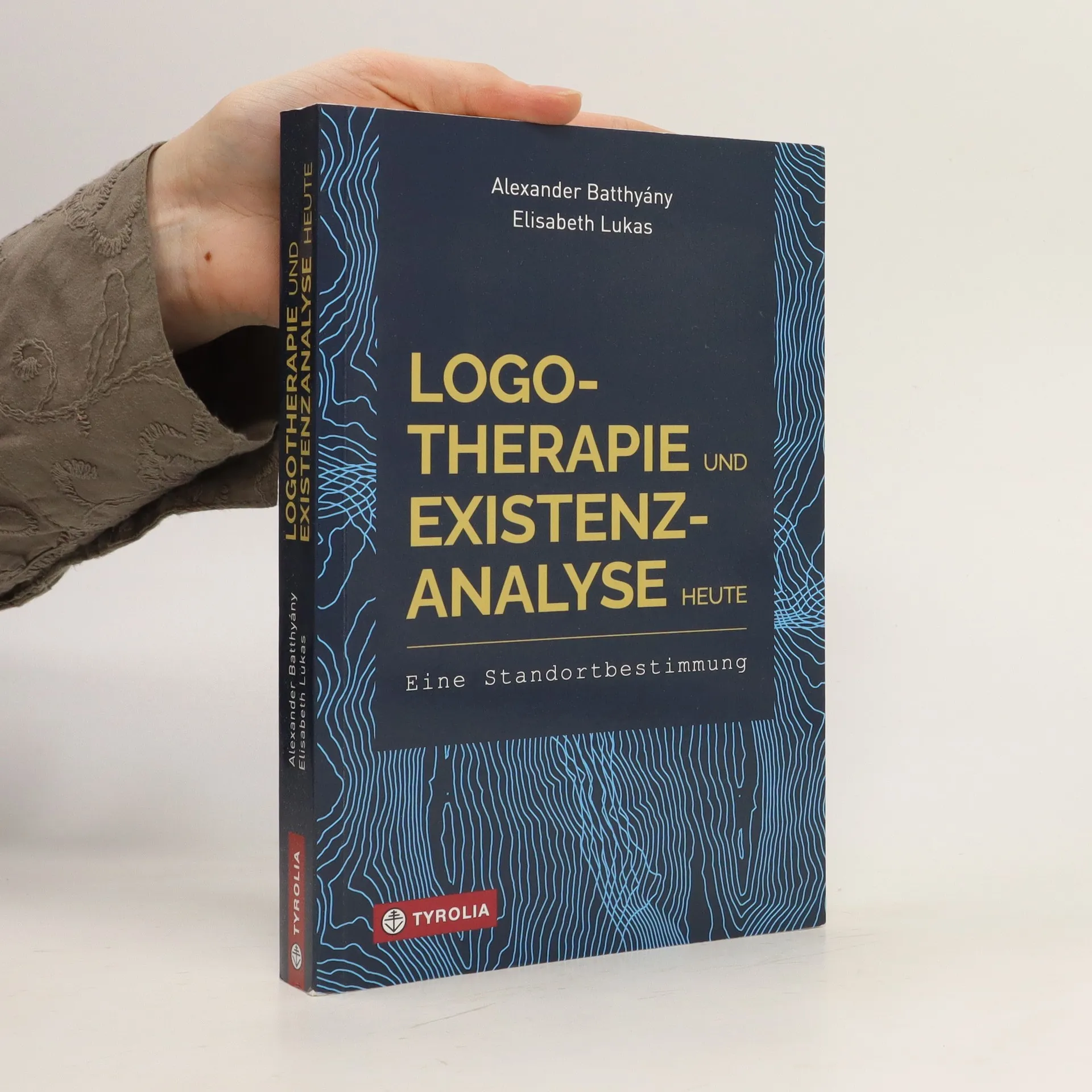
Eine Standortbestimmung. Mit einem Geleitwort von Eleonore Frankl und einem Vorwort von Franz Vesely. Vertreter der Psychotherapieschule Viktor Franks im Gespräch
Was würde Viktor E. Frankl heute sagen?
Aktuelle Fragen in offener Diskussion
Die von Viktor E. Frankl (1905–1997) begründete „Logotherapie und Existenzanalyse“ ist heute weltweit verbreitet; tausende Therapeuten, Seelsorger, Berater und Ärzte arbeiten mit den von Frankl entwickelten Hilfsmitteln.
Alexander Batthyány und Elisabeth Lukas führen in diesem Buch einen Dialog über Fragen, die vielen Logotherapeuten unter den Nägeln brennen. Sie präzisieren zentrale Begriffe wie beispielsweise Selbstdistanz und Selbsttranszendenz, sprechen offen über Abspaltungen und Kritiker innerhalb der Logotherapie, thematisieren die Stellung Frankls zur Religion und behandeln heutige Phänomene wie Handysucht oder die steigende Zahl an Menschen, denen die Sinnfrage vermeintlich egal ist. Wie würde Viktor E. Frankl damit umgehen?
„Es ist eine glückliche Fügung, dass just die beiden Personen, die über das wohl tiefste Verständnis des Werks Viktor Frankls verfügen, gemeinsam ein Buch über die Logotherapie und Existenzanalyse verfasst haben“, schreibt Eleonore Frankl im Vorwort, „denn beide haben die Logotherapie nicht nur verstanden, sondern auch vom Herzen her begriffen, was mein Mann mit seinem Werk bewirken wollte. – Wenn sich die beiden Besten zusammensetzen, kommt auch das Beste heraus.“
Tipps:
Ein Streifzug durch die Logotherapie
Heutige Anfragen an die Lehre Frankls
Renommierte und bekannte Autoren
Ein Muss für jeden Logotherapeuten
Nicht selten vergessen wir, dass Liebe Orientierung am Du, am Anderen bedeutet. Dieses wechselseitige Glück ist Grundbedingung erfüllten Lebens. Elisabeth Lukas, die große und erfahrene Therapeutin, öffnet mit einfühlsamen, leicht zugänglichen Texten die Augen für die vielen Facetten der Liebe. Immer ausgerichtet auf konkrete Lebensfragen wird neben der Liebe zwischen Partnern auch die Liebe in der Familie, unter Geschwistern, die Mutterliebe und Liebe als Basis unseres Menschseins überhaupt thematisiert. Durch die Deutung literarischer Kostbarkeiten – heilende Geschichten u.a. von Paul Alverdes, Viktor E. Frankl, den Gebrüdern Grimm, Leo Leoni, Anthony de Mello, Iwan Turgenjew und Oscar Wilde – ermutigt dieses Buch seine Leser/innen, auf ihre Liebesfähigkeit zu setzen.
"Antworten, Hinweise und Lösungsvorschläge aus der Logotherapie Zahlreiche Fallbeispiele aus der logotherapeutischen Praxis Grundlegende Informationen zur Logotherapie Selbsthilfe für Betroffene Konkrete Problemstellungen unserer Zeit: - geringes Urvertrauen - übergroße Angst - Zwang und Sucht - Familienzerwürfnis - unerfülltes Leben - fliehende Zeit Noch niemals hatte der Mensch so viele Freiheiten wie heute - und doch spielen gerade jetzt seelische Krisen und Störungen eine immer größere Rolle. Fast scheint es so, als würde mit dem Abbröckeln alter Traditionen, dem Verlust festgefügter Rollen innerhalb der Gesellschaft und der Verdrängung jedweden Glaubens eine Orientierungslosigkeit einhergehen, die viele Menschen psychisch kaum noch aushalten können. Anhand konkreter seelischer Störungsbilder und Problemfälle zeigt die bekannte Logotherapeutin Elisabeth Lukas, wie sehr gerade die Logotherapie Viktor E. Frankls in der heutigen Welt geeignet ist, den kranken Menschen wieder auf einen festen Boden zu stellen und somit ins Leben zurückzuführen. Ein informatives Buch, das nicht nur die grundlegenden Gedanken Frankls darlegt, sondern vor allem Betroffenen Mut macht, sich ihren Problemen bewusst zu stellen, und ihnen Wege aus der Krise zeigt.
Neues Vertrauen gewinnen Wir alle brauchen das Vertrauen darauf, dass wir auch schwierige Situationen meistern können – entweder aus eigener Kraft oder weil jemand uns hilft. Die Grundlage dazu ist das Urvertrauen, mit dem jedes Neugeborene auf die Welt kommt. Elisabeth Lukas zeigt auf, wie wir dieses Vertrauen zurückgewinnen können, wenn es durch schwierige Familienverhältnisse oder traumatische Erfahrungen erschüttert wurde. Und mehr noch: Sie zeigt, wie wir gerade diese negativen Erfahrungen als Quelle nutzen können, um neues Vertrauen zu schöpfen. - Eine mutmachende Sicht auf Krisen und ihre Chancen - Wie man Vertrauen in sich und die eigenen Fähigkeiten bewahrt oder neu gewinnt - Auf Basis der Logotherapie Viktor E. Frankls - Mit Hinweisen zum Umgang mit aktuellen Herausforderungen wie Pandemie, Fake News und Krieg
Die Trauer - ein Wissen um ein verlorenes Kostbares»Ja, Trauende sind Wissende, in vielerlei Hinsicht. Doch seltsam: Das nicht abzuschüttelnde Wissen um das Verlorene kann ihnen bei der Bewältigung ihres Leides helfen. Es öffnet ihnen gleichsam Tore der Erkenntnis. Sollten sie diese durchschreiten, wandeln sie sich - und mit ihnen wandeln sich ihre Gefühle. Sie wachsen aus der Trauer in eine neue > hellsichtige< Form ihres Menschseins hinein.« Elisabeth Lukas
In diesem großen Werk bündelt die renommierte Psychologin ihre reichen Erfahrungen in 12 Themenkreisen – ein Lese- und Lebensbuch. · 12 Monate – 12 Lebensthemen: die Quintessenz ihrer Lebens- und psychotherapeutischen Beratung · Lebendig erzählte Geschichten exemplarischer Figuren zeigen, was für die eigene Lebensbewältigung und -gestaltung, was für ein Sinn-erfülltes Leben wichtig ist AUS DEM INHALT: Januar: Von der Faszination des Neu-anfangen-Könnens; Februar: Von der Freude, die in keinem Leben fehlen soll; März: Vom Erringen der Kraft zur heilsamen Selbstbeschränkung; April: Vom Wiederaufstehen, wenn alles zusammengebrochen ist; Mai: Vom Aufblühen beim Pläne-Schmieden und Ziele-Setzen; Juni: Von der Freundschaft; Juli: Vom Segen der gern und gut getanen Arbeit; August: Vom Urlaub-Machen, Sich-Besinnen und Horizont-Erweitern; September: Von der Erfahrung nachlassender Lebenswärme; Oktober: Vom Einfahren iridischer Ernte in himmlische Speicher; November: Von der Trauer und der Kunst des Loslassens; Dezember: Vom Ende und der nie endenden Hoffnung
Sinn finden - das Leben meistern Elisabeth Lukas, erfahrene Psychologin und Psychotherapeutin, macht Mut, sich von Lebensproblemen nicht beherrschen zu lassen, sondern kreativ mit ihnen umzugehen. Trotz Verunsicherungen und Ängsten haben wir alle die Chance, im Alltag Kraft und Sinn zu entdecken. Wir sind eingeladen, offen und erwartungsvoll dem Leben entgegenzugehen. Die persönliche Schülerin Victor E. Frankls, des Begründers der Logotherapie, fasst ihre tiefe Sympathie mit dem Menschen zusammen in konkreten Vorschlägen, Leben anders, tatkräftiger und - trotz aller Schwierigkeiten - vertrauensvoller anzugehen. Wer Stütze sucht, findet sie in den Fallgeschichten, den einleuchtenden Hilfestellungen und den humorvollen Erzählungen dieses Buches. Eine Orientierung - gerade zu Beginn des 3. Jahrtausends.
Kraftlosigkeit und Unzufriedenheit plagen uns, weil wir von der Vergangenheit nicht loskommen oder uns vor der Zukunft ängstigen. Wir verpassen den Augenblick und laufen am Glück eines erfüllten Lebens vorbei. Wir können solchen Fallgruben entrinnen und unseren Lebenslauf stets neu in die Hand nehmen. Schöpferische Hingabe, vernünftiger Lebensstil und die Freiheit vom Haben-Müssen sind Kostbarkeiten. Viel mehr bedarf es zu einem glücklichen Leben nicht.
Was ist in der Erziehung heute wichtig? Was hilft den Kindern und jungen Leuten auf dem Weg in ihr Leben? Die Autorin zeigt, wie grundlegend die Wertschätzung ist: die der Partner untereinander ebenso wie die dem Kind gegenüber. Und dann gibt es da eine Reihe einfacher, aber oft vergessener Leitlinien … In seiner Klarheit bietet dieses herausfordernde Buch Orientierung für alle Eltern und Erzieher. Mit vielen Beispielen aus der Praxis!
Oftmals finden Menschen nicht mehr aus Krisen heraus, weil sie in ihrer Lebenssituation keinen Sinn mehr sehen. Dabei hat jeder von uns im Ganzen des Lebens eine einzigartige Aufgabe – auch und gerade wenn er vom Schicksal gebeutelt ist. Anhand einprägsamer Symbolgeschichten und Fallbeispiele zeigt Elisabeth Lukas, wie die Klärung des je eigenen Lebenssinns nicht nur Motor zur psychischen Gesundung werden, sondern auch helfen kann, seelischen Erkrankungen nachhaltig vorzubeugen.
Die große Schülerin Viktor E. Frankls erzählt anschaulich aus ihrem Leben, das geprägt ist vom Einsatz für die Logotherapie. In persönlichen Erinnerungen und Fallbeispielen aus ihrer Praxis wird diese wohltuende Methode lebendig. Wir können, auch in schweren Phasen, Sinn entdecken, der unser Leben trägt.
Zum Inhalt Den eigenen „Lebenskarren“ voranbringen, das ist nicht immer leicht. Vielfältig sind die Herausforderungen im „Glücksspiel des Lebens“, vielleicht auch die Blockaden in einem selbst. Elisabeth Lukas weiß aus ihrer Lebens- und Therapieerfahrung, wie wichtig es ist, „den Karren an einen Stern zu binden“ (Leonardo da Vinci): Wer spürt, was sinnvoll ist, wer ein Ziel anvisiert, der kommt weiter! Viele konkrete Beispiele machen Mut - an welchem Punkt man auch steht. Aus dem Inhalt: Wenn Pläne zerbrechen - Schuld und Schuldgefühle - Ängste und Vertrauenskrisen - Die Kraft des Geistigen - Gute Freunde der Seele.
Die bekannte Logotherapeutin Elisabeth Lukas spürt hier den „Einzelzellen“ des Lebensstils, den sog. „Habits“ nach. Ihre Bedeutung für das seelische und körperliche Gesundbleiben bzw. Gesundwerden ist nicht zu überschätzen. Besonders bei psychosomatischen Krankheitsprozessen haben sinnwidrige Habits häufig die fatale Funktion von Auslösern wiederkehrender Krankheitsschübe. Können sie durch sinnvollere Habits ausgetauscht werden, steigt die Lebensqualität wesentlich an, und Wohlbefinden stellt sich ein.
Lebensprojekte hängen entscheidend von sinnvollen Lebenszielen ab. Was kann ich, was will ich aus meinem Leben machen? Diese Frage stellen sich junge wie ältere Menschen. Wie lohnend es ist, dieser Frage auf den Grund zu gehen, zeigt Elisabeth Lukas in diesem Buch. Aus ihrer reichen Erfahrung gibt sie viele lebenspraktische Tipps: eine Ermutigung, das eigene Leben bewusst und sinnvoll zu gestalten! – Aus dem Inhalt: Lebenssinn und Lebensziele – Junge Menschen „auf der Suche wonach?“ – Schach der Reizüberflutung! – Die guten Gaben der Stille – Sich selbst überschreiten – Des Lebens überdrüssig? – Die guten Gaben der Dankbarkeit – Tipps für „junge Alte“.
Ob im Berufsleben, in der Partnerschaft, im öffentlichen und politischen Raum: Schier unlösbar erscheinende Konflikte vergiften unsere Beziehungen und uns selbst, schaukeln sich hoch und eskalieren oftmals tragisch. Wie kann dieser Teufelskreis durchbrochen werden? In ihrer langjährigen Tätigkeit als Therapeutin hat Elisabeth Lukas auf der Grundlage von Viktor Frankls Logotherapie tragfähige Modelle dafür entwickelt. „Finale Vorleistung“ lautet das entscheidende Stichwort hierfür. Ein Trainingsbuch für alle, die in ihrem Umfeld und Verantwortungsbereich zu einer Atmosphäre des Friedens beitragen wollen.
Am 25. März 2005 jährt sich der hundertste Geburtstag des 1997 verstorbenen Wiener Neurologen, Psychiaters und Psychotherapeuten Viktor E. Frankl, Begründer der Logotherapie und Existenzanalyse. Frankl war Professor für Neurologie und Psychiatrie an der Universität Wien und hatte zudem Professuren an der Harvard University sowie an Universitäten in Dallas und Pittsburgh inne. Die U. S. International University in Kalifornien richtete eine Professur für Logotherapie speziell für ihn ein, die als „Dritte Wiener Richtung“ bekannt ist, neben der Psychoanalyse von Sigmund Freud und der Individualpsychologie von Alfred Adler. Ihm wurden 29 Ehrendoktorate von Universitäten weltweit verliehen, und die Österreichische Akademie der Wissenschaften ernannte ihn zum Ehrenmitglied, die höchste Auszeichnung für Wissenschaftler in Österreich. Frankls 32 Bücher sind in 29 Sprachen erschienen. 1995 wurde er zum Ehrenbürger von Wien ernannt und hielt Vorträge an 209 Universitäten in allen fünf Erdteilen. Zudem wurde er für den Friedens-Nobelpreis vorgeschlagen. Die American Medical Society, die American Psychiatric Association und die American Psychological Association anerkannten die Logotherapie als wissenschaftlich fundierte psychotherapeutische Schule. Sein Lebenswerk wurde auf dem letzten Weltkongress für Logotherapie im Frühjahr 2005 in Wien gewürdigt.
Elisabeth Lukas ist eine der bekanntesten Psychotherapeuten deutscher Sprache. Sie studierte Psychologie an der Wiener Universität und lernte dort die faszinierende Existenzanalyse und Logotherapie des weltberühmten Psychiaters Viktor E. Frankl kennen, mit sie bis zu seinem Tod 1997 in intensivem und freundschaftlichem Kontakt stand. Seit 1973 arbeitet sie als Klinische Psychologin und (approbierte) Psychotherapeutin in Deutschland, gründete und leitete das „Süddeutsche Institut für Logotherapie“ in Fürstenfeldbruck bei München. Sie half, Logotherapiezentren in aller Welt aufzubauen, war 15 Jahre lang Vizepräsidentin der „Deutschen Gesellschaft für Logotherapie und Existenzanalyse e. V.“, hatte Lehraufträge an über 50 Universitäten in Europa, Nord- und Südamerika. Ihre über 40 Bücher sind in 17 Sprachen übersetzt worden. Elisabeth Lukas ist als Lehrtherapeutin und Supervisorin international anerkannt, sie erhielt hohe Auszeichnungen, zuletzt 2002 den „Grossen Preis des Viktor-Frankl-Fonds der Stadt Wien zur Förderung einer sinnorientierten humanistischen Psychotherapie“. Es ist ihr Lebenswerk, die Logotherapie Viktor E. Franks anzuwenden und weiterzuentwickeln.
„Das Tinnitusleiden hat - wie jedes gravierende Handikap - seinen Auftrag und seine Botschaft. „Du sollst mit neuen Ohren hören! Nicht mit den Ohren des Kopfes, sondern mit den Ohren des Herzens. Du sollst dein „Sinn-Organ“ (Frankl) entwickeln, das den „Ruf“ vernimmt , der täglich und stündlich an dich ergeht: den Ruf zur konkret-sinnvollen Lebensgestaltung. Du sollst auf Inhalte lauschen, nicht auf Töne. Auch Musik ist mehr als eine Aneinanderreihung von Tönen. Genauso ist dein Leben mehr als eine Aneinanderreihung von Tagen und Stunden. Es ist dasjenige, was du daraus machst; das einmalige Kunstwerk einer einzigartigen Person, unwiederholbar und unvergleichbar im riesigen Universum! Also kümmere dich nicht um hohlen Schall, sondern taste mit geistigen Fühlern nach der Stille jenseits aller Störeinflüsse. Genieße die Stille, tanke in ihr auf und höre, was dir in ihr und durch sie übermittelt wird. - Das vorliegende Buch möchte dazu psychologische Hilfen aus dem Franklschen Gedankenschatz präsentieren.“ (Elisabeth Lukas)
Viele Lebensfragen lassen sich mit Hilfe der von Viktor E. Frankl begründeten und philosophisch-psychologisch fundierten Logotherapie neu beantworten; viele Lebensprobleme lassen sich damit lösen oder zumindest auf ein erträgliches Maß reduzieren. Es ist vor allem das Verdienst seiner Schülerin Elisabeth Lukas, diese "dritte Wiener Richtung der Psychotherapie" in ihrer praktischen Anwendbarkeit weiterentwickelt zu haben. Die vorliegenden Beiträge sind ein entsprechender Beleg dafür. Sie zeigen, daß persönliche Entwicklung und familiäres Zusammenleben, daß Jugend und Alter, Berufstätigkeit und Freizeitgestaltung, Gesunderhaltung und Krankheitsbewältigung besser gelingen, wenn man dem jedem Menschen innewohnenden "Willen zum Sinn" raum gibt - und sei es unter Fruchtbarmachung der heilenden Quellen des Lesens. Anhand vieler Beispiele demonstriert die Autorin, daß eine sinnerfüllte Existenz auch verwirklicht werden kann in bedrohlicher Zeit.
Von sinnvollen Entscheidungen und konsequentem Handeln Wie der Schmerz der Seele uns reifen lässt Mit zahlreichen bewegenden Fallbeispielen Ein Wegweiser bei der Suche nach einem erfüllten Dasein Immer wieder geraten Menschen in Situationen, die sie in schwere Krisen stürzen: Schwere Schicksalsschläge müssen verarbeitet, Lebensentscheidungen revidiert und innere Blockaden, Depressionen oder Angstzustände durchlebt und überwunden werden. Elisabeth Lukas, Psychotherapeutin und Schülerin von Viktor E. Frankl, dem Begründer der sinnzentrierten Psychotherapie, zeigt in diesem Buch anhand zahlreicher bewegender Fallbeispiele auf, wie es gelingen kann, an leidvollen Krisen zu wachsen. Wie wir trotz allem die Lebensfreude bewahren und so zu einer positiven und wertorientierten Verwirklichung unseres Selbst finden können. „Erst unter den Hammerschlägen des Schicksals, in der Weißglut des Leidens an ihm, gewinnt das Leben Form und Gestalt.“ Viktor E. Frankl Die Autorin: Elisabeth Lukas, geboren 1942, Dr. phil. habil., ist Leiterin des Süddeutschen Instituts für Logotherapie in Fürstenfeldbruck. Lehraufträge an den Universitäten München, Innsbruck und Wien. Autorin von über 30 Fachbüchern.
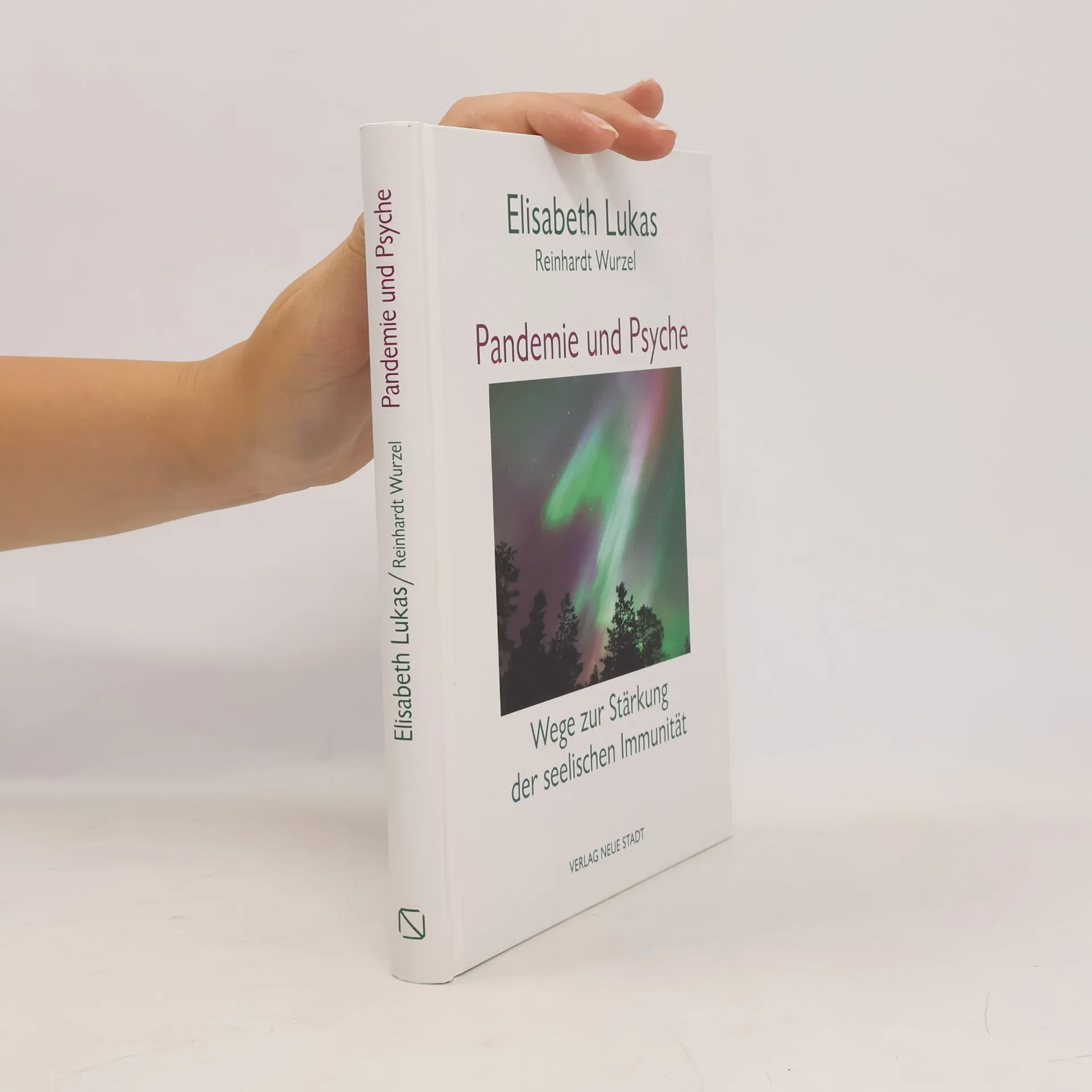
Für einen selbst und für Menschen, die einem am Herzen liegen: Ob wir wollen oder nicht: Die Folgen der Corona-Pandemie waren und sind einschneidend – und längst nicht überschaubar. Auch für die Seele, für die eigene Befindlichkeit. Ungewissheit und durchkreuzte Pläne, die Konfrontation mit Krankheit und Tod rufen Ängste und Depressionen, Aggressionen und Frustrationen hervor. Die Realität auszublenden hilft nicht. Aber wie kann es gelingen, sich dem Leben mit seinen Herausforderungen, auch dieser Pandemie, zu stellen? Elisabeth Lukas und Koautor Reinhardt Wurzel zeigen auf, wie sich »die seelische Immunität« stärken lässt, ja wie die veränderte Situation beitragen kann, das eigene Leben voll und ganz zu leben – mit einem geweiteten Horizont. Wir freuen uns auf diese kostbaren Orientierungshilfen!