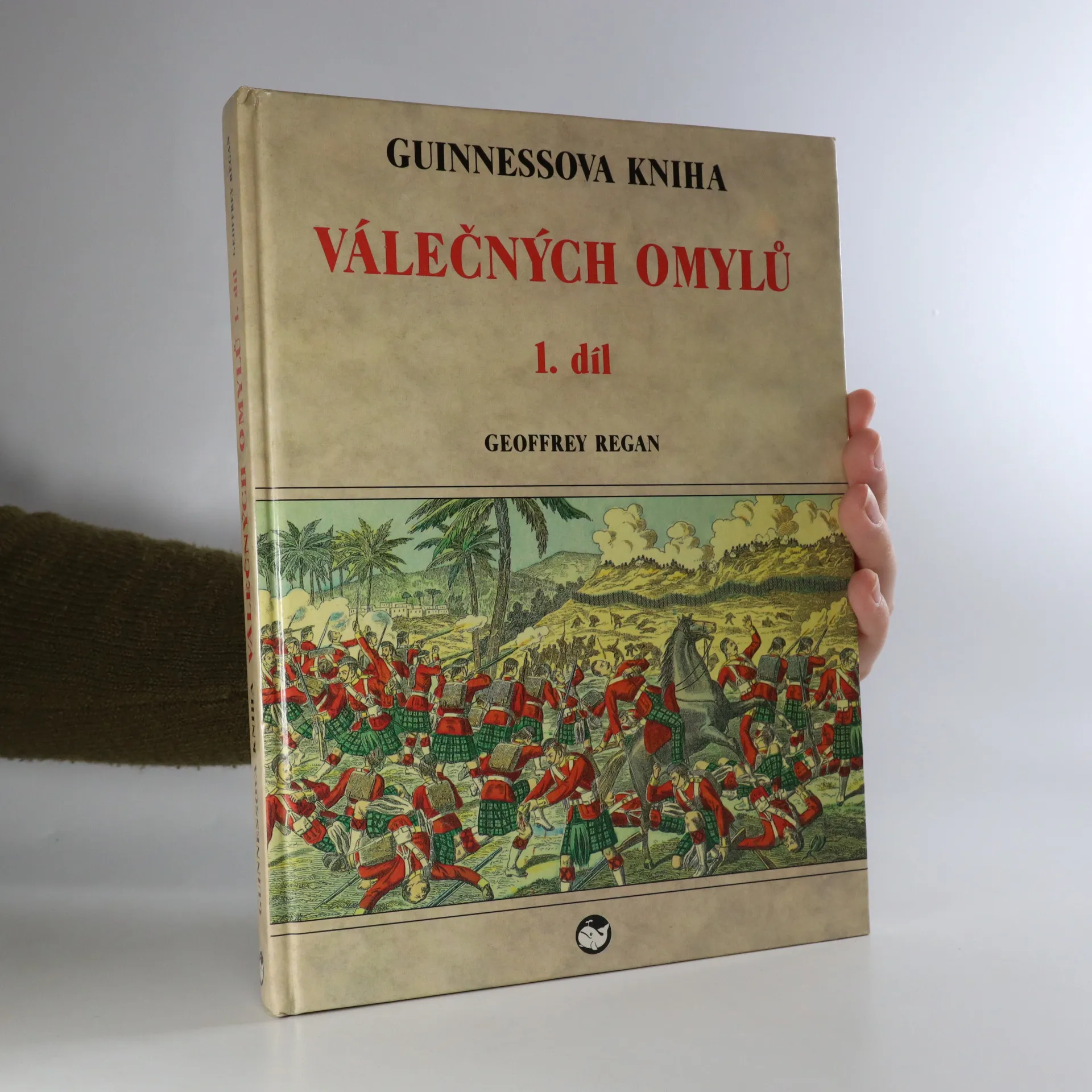
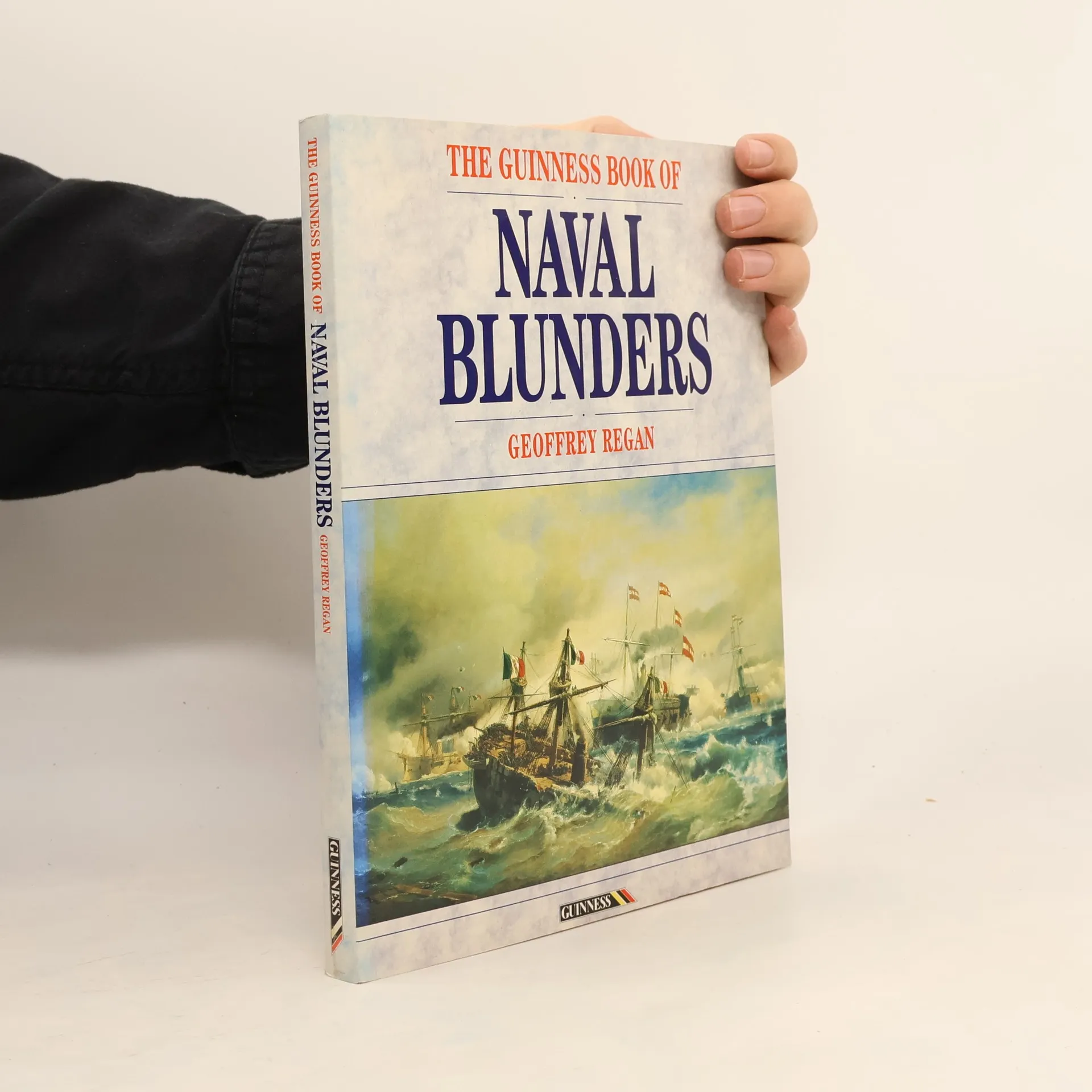
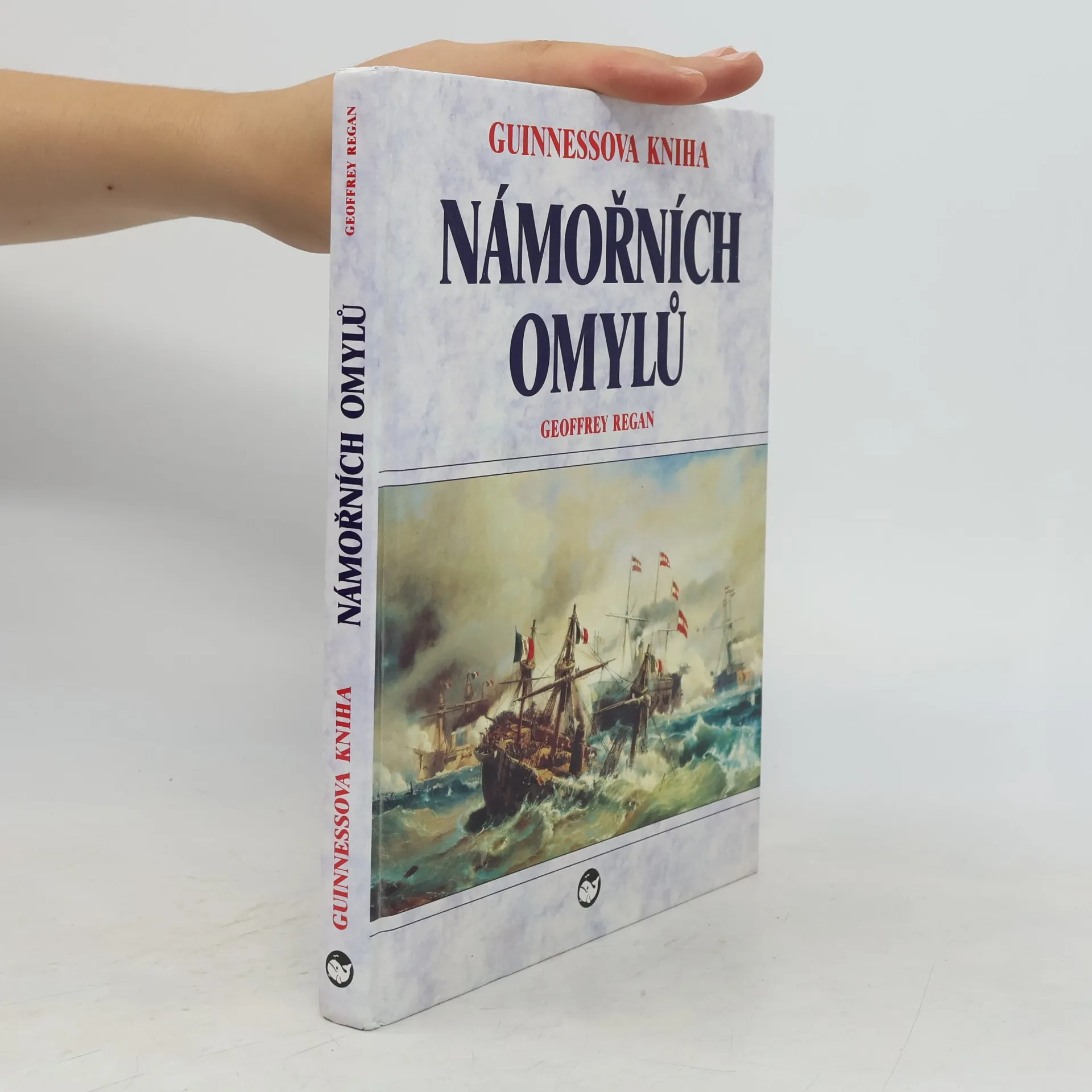
Guinnessova kniha námořních omylů
- 186 stránek
- 7 hodin čtení



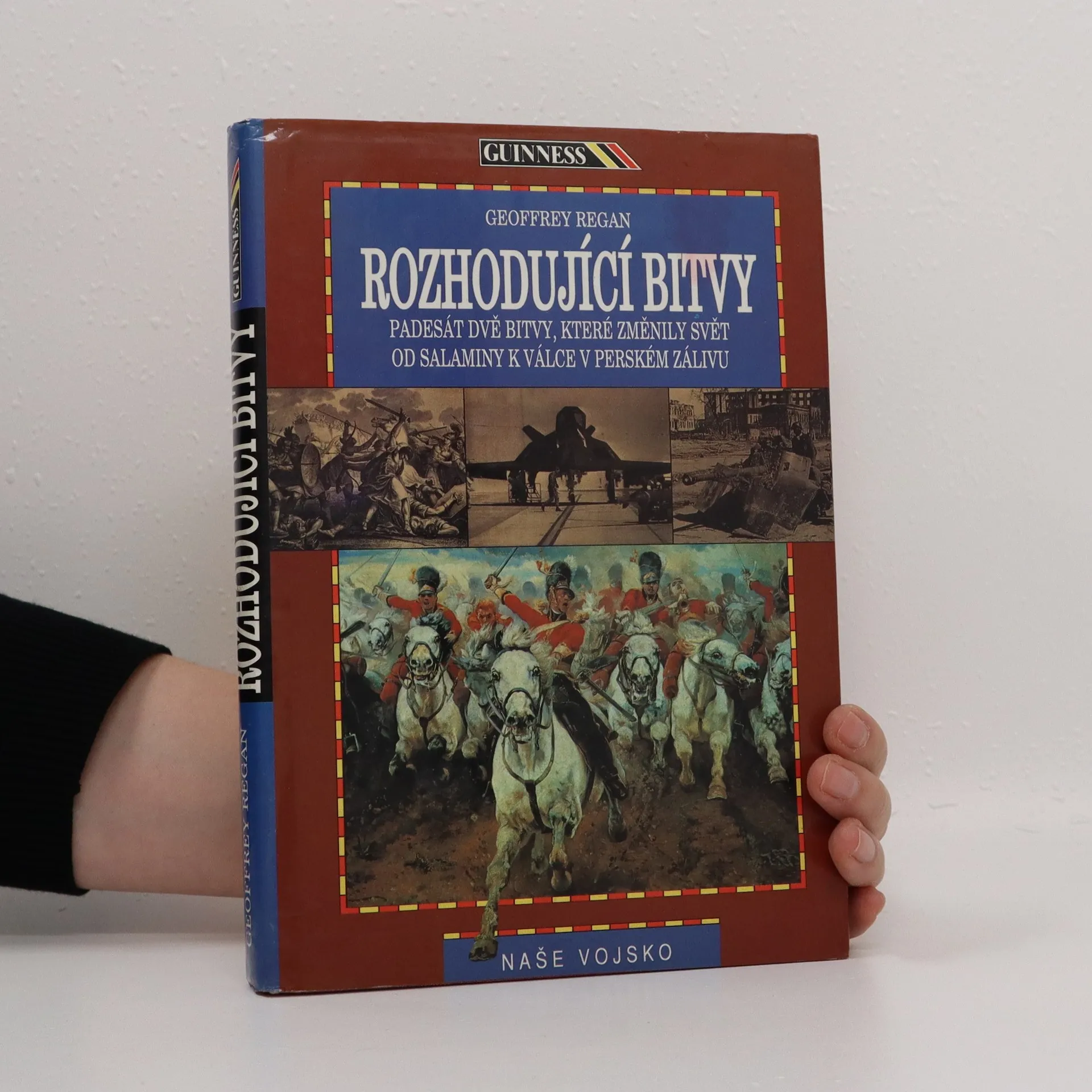
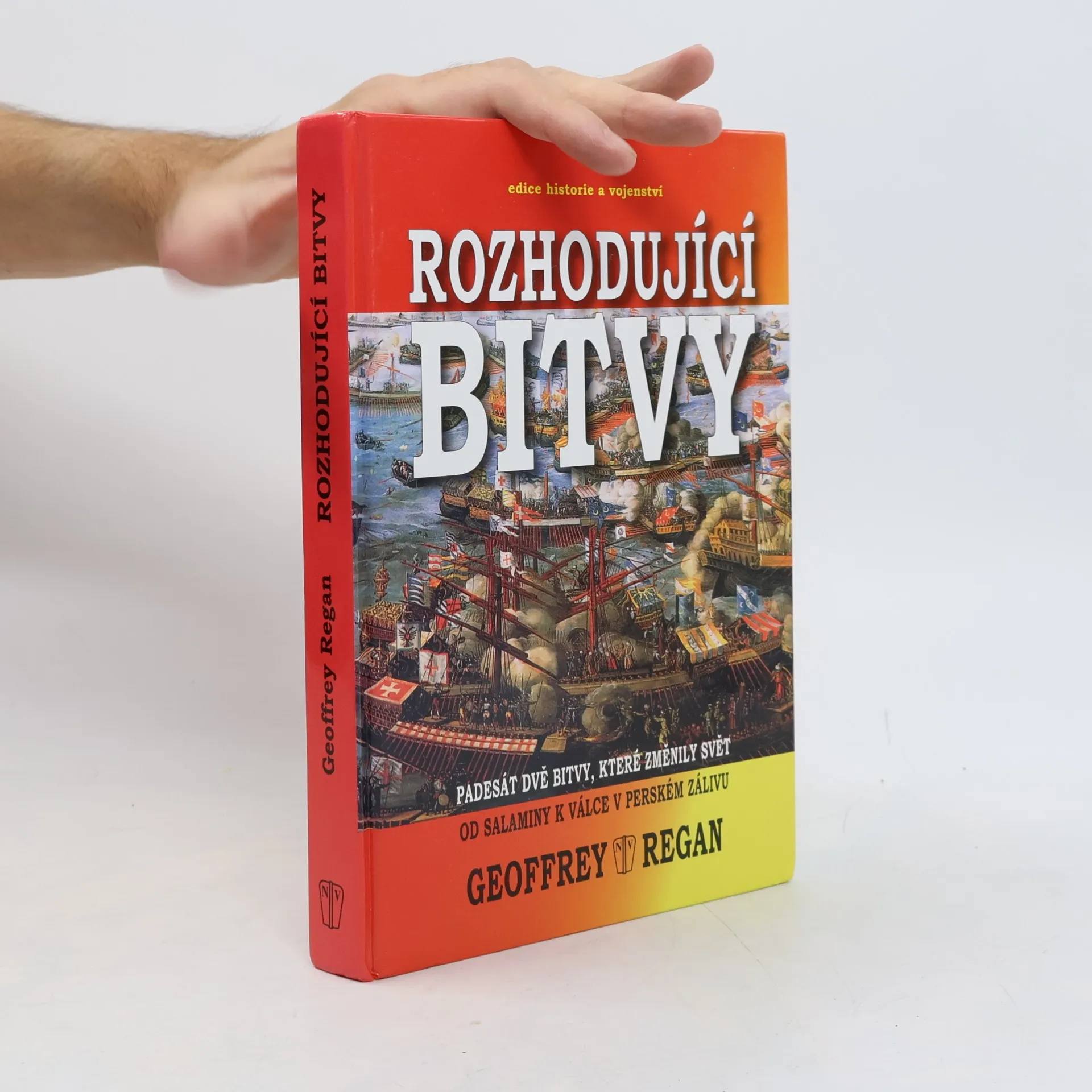
Podnětná a živě napsaná zpráva o 52 bitvách, které změnily běh dějin, od řeckého vítězství nad Peršany u Dalamány v roce 480 př. n. l., až po operaci Pouštní bouře a její následky. S pomocí velkého množství map a ilustrací autor zkoumá nejen historické pozadí a následky každé z bitev, ale dramatickým způsobem popisuje také průběh bojů, analyzuje taktiku a podává charakteristiky nejvýznamnějších velitelů i použitých zbraní.
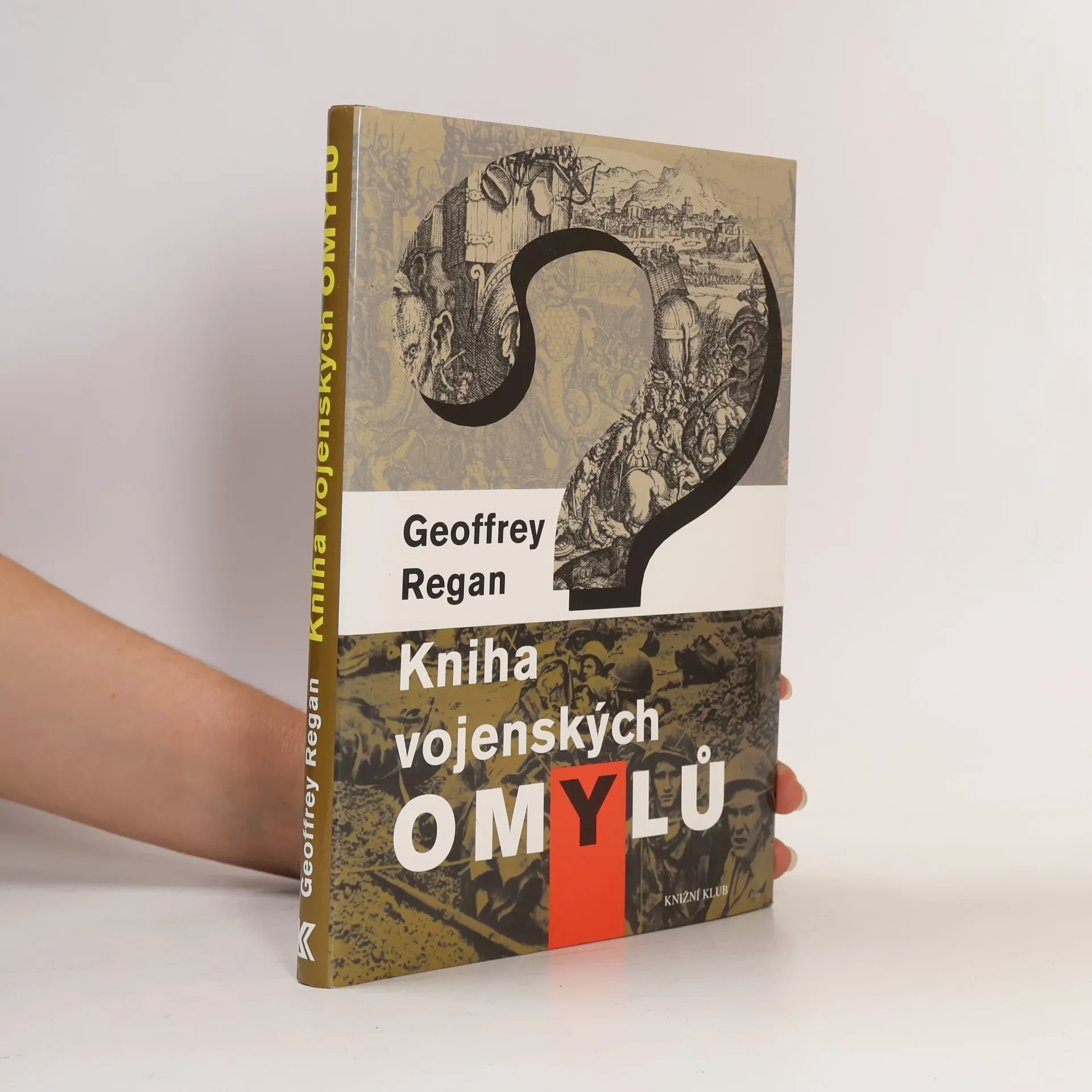
Soubor krátkých příběhů na téma často osudných omylů a chyb vojenských vůdců a generálů v bojových a válečných konfliktech.
Soubor krátkých příběhů na téma často osudných omylů a chyb vojenských vůdců a generálů v bojových a válečných konfliktech.
Podtitul: Přehmaty, trapasy a osudná pochybení v historii válek Publikace zkoumá příčiny největších vojenských porážek v dějinách.
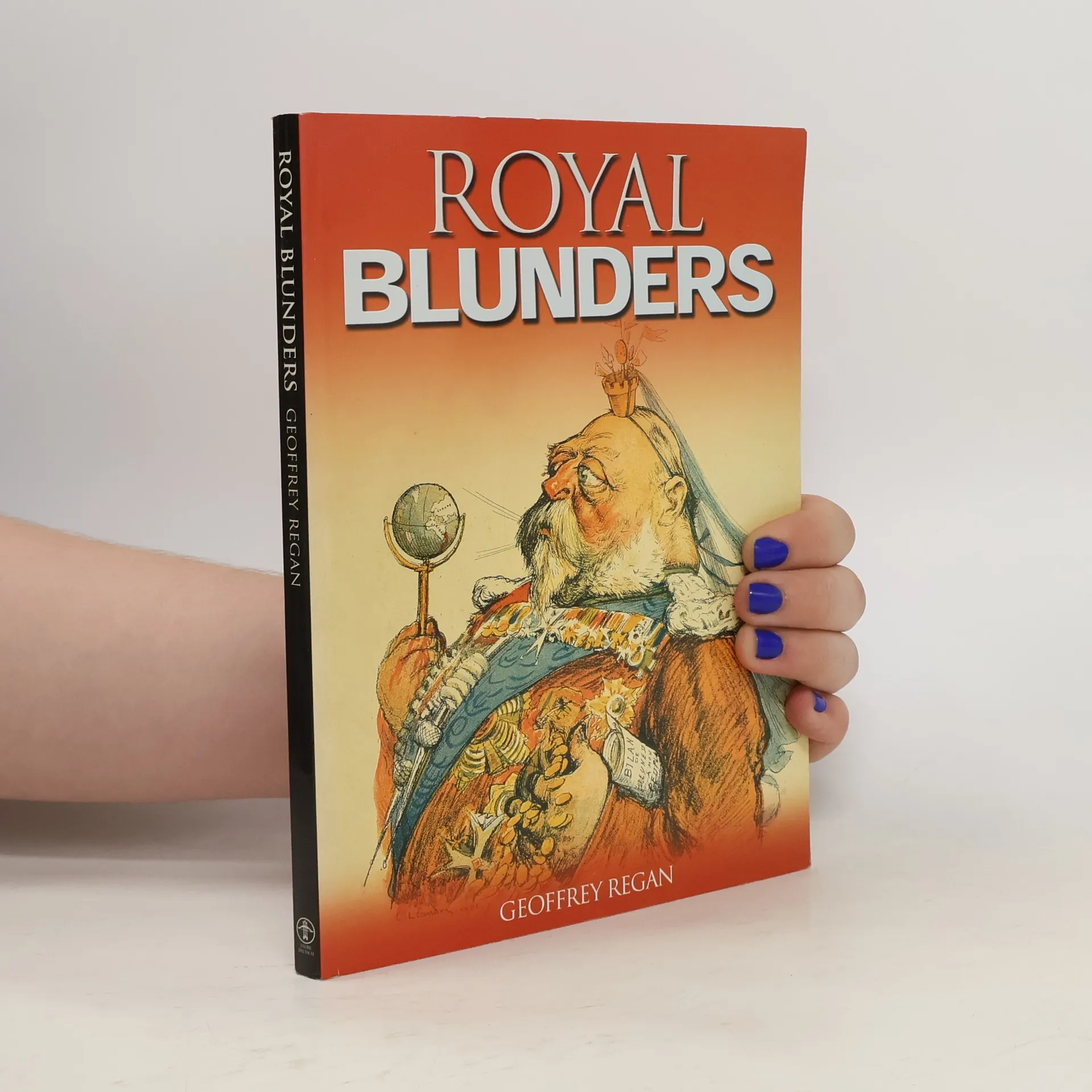
From the emperors of Rome to the princes of the present-day House of Windsor, those of royal blood have not always behaved with dignity fitting of their regal standing. In Royal Blunders, Geoffrey Regan casts a jaundiced eye over the lapses, gaffes, and indiscretions of kings, queens, and kaisers. Discover which Hapsburg emperor retired to a monastery for a quiet life and ended up eating himself to death. Learn which of Edward VII's sons was suspected of being Jack the Ripper. Read about the medieval French monarch who was utterly convinced that he was made of glass and the prince who confessed his marital infidelity on television.
No damage Save owner's name stamp inside cover page. 1995, 7 1/2 By 10" Mostly text, some photos/illustrations.
-Fascinating surveys of disastrous decisions in naval and military warfare history -Both entertaining and informative, here is a look at a history that has been marked as much by incompetence as by gallantry and glory. From ancient times to the Bay of Pigs and the Falklands War, military history has been marked as much by misjudgments as by gallantry and glory. Such blunders have sometimes ended in tragedy. Sometimes, they turn into farce. Sometimes they have ended in triumph, despite all odds. In this collection, Geoffrey Regan not only recounts the staggering stories but also examines the kinds of problems that can lead to disaster--from the Prussian general who believed he was pregnant with an elephant to the British cruiser HMS Trinidad that torpedoed itself in the Arctic in 1942.
This entertaining and enlightening history examines landmark military screw-ups and their consequences, from those that are merely amusing in hindsight to the truly tragic. Twenty-five blunders span 600 years, but focus on episodes from major 19th and 20th century conflicts like the Boer War, World Wars I and II, the Zulu Wars, Indochina, the Tehran hostage crisis, Grenada, and Kosovo. Organized around themes like "Unfit to Lead", "Planning", "Underestimating the Enemy", "Hubris and Nemesis", and "Technology", the book is illustrated throughout with period drawings, paintings, photographs, and maps.
In this book, the author not only recounts some staggering stories, but also examines the kinds of problems that can lead to disaster. These problems range from the insanity of commanders to the provision of inadequate equipment.
„Der Krieg ist eine viel zu ernste Angelegenheit, als daß man ihn den Generälen überlassen dürfte.“ Geoffrey Regan illustriert diese Wahrheit anhand zahlreicher Beispiele aus verschiedenen Epochen und Kontinenten. Er zeigt, wie hochrangige Führungskräfte Feldzüge katastrophal misslingen lassen, sei es durch hungrige oder schlecht ausgerüstete Soldaten, übermäßigen Eifer oder übertriebene Vorsicht. Eifersüchteleien und fehlerhafte Informationen führen oft zu fatalen Missverständnissen, und Regan verdeutlicht, wie nah Farce und Tragödie beieinanderliegen. Das Buch enthält eine Typologie militärischer Persönlichkeiten, die viele Legenden von Tapferkeit und Taktik entlarvt. Detaillierte Schlachtbeschreibungen, vom Peloponnesischen Krieg bis zum Iran-Desaster unter Präsident Carter, verdeutlichen die Schwierigkeiten bei der Planung und Durchführung von Feldzügen. Regan zeigt, dass militärische Leistungen oft schwerer zu bewerten sind, als es scheint. Am Ende erscheint die Welt der Kriege als eine Ansammlung von Missgeschicken, Inkompetenz und Dummheit, die in Blutvergießen und Leid enden. Regan beleuchtet alle Facetten militärischer Fehlleistungen und bietet damit eine unterhaltsame und aufschlussreiche Lektüre.
Η λέξη 'Σταυροφορίες' αναφέρεται παραδοσιακά στους πολέμους που διεξήχθησαν μετά τον τελευταίο αιώνα του ενδεκάτου αιώνα για την ανάκτηση της Ιερής Γης από τους Μουσουλμάνους. Ο Ρέιγκαν υποστηρίζει ότι στην πραγματικότητα ξεκίνησαν τον έβδομο αιώνα με την κατάκτηση της Βυζαντινής Αυτοκρατορίας από τους Πέρσες. Σε αντίποινα, ο αυτοκράτορας Εράκλειος χρησιμοποίησε χριστιανική προπαγάνδα για να μετατρέψει τον πόλεμο στην πρώτη σταυροφορία. Συμπτωματικά, η καριέρα του Εράκλειου εξελισσόταν την ίδια στιγμή με αυτήν του Μουσουλμάνου Προφήτη Μωάμεθ. Μόλις ο Εράκλειος ανέτρεψε την εξουσία των Περσών και επανέκτησε την Ιερή Γη, την έχασε από τους ακαταμάχητα ισχυρούς Άραβες. Ο Πρώτος Σταυροφόρος είναι μια διασκεδαστική και προκλητική επανερμηνεία των Σταυροφοριών.