Organized into four principal sections with a scope ranging from the ancient world to the nineteenth century, this illustrated volume offers a detailed accounting of men's and women's clothing, both fashions and formal wear as well as everyday garb.
Provides a chronological history and overview of evolutionary changes in women's, men's and children's clothing during the period from the fourteenth to the twentieth century in Britain - Each illustration has notes on the head, body and accessories of the characters involved.
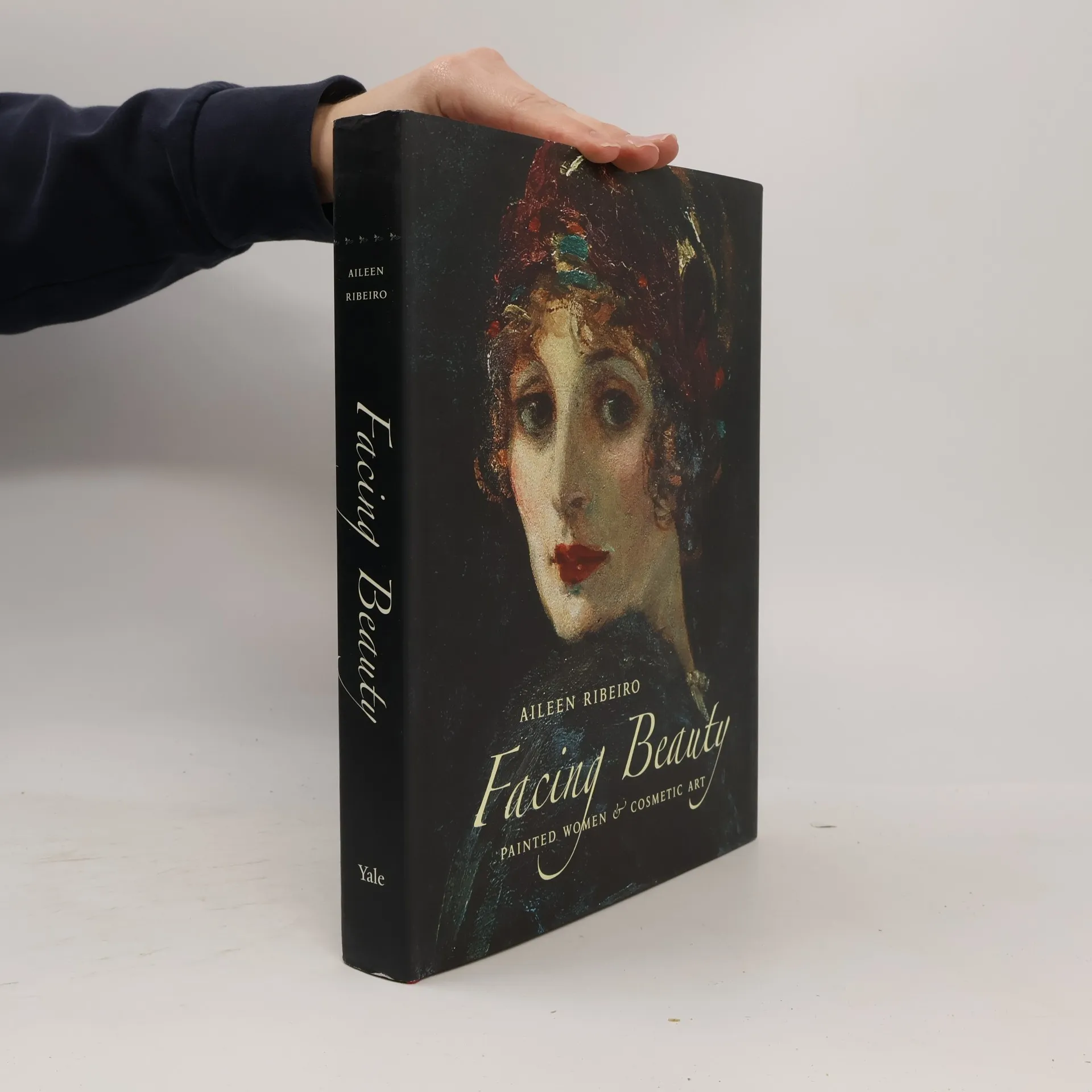
This comprehensive survey spans four centuries, illuminating the changing perceptions of female beauty through art and the evolution of cosmetics. Throughout Western history, numerous attempts have defined beauty, particularly concerning women's bodies and faces. The exploration of female beauty delves into the ideal versus the real, examining how beauty is represented in art and literature, alongside enhancements from cosmetics and hairstyles. The discussion focuses on the period from approximately 1540 to 1940, starting with the Renaissance, which emphasized individuality and celebrated beauty in portraits. The Baroque period introduced fluid, sensual lines, leading to a more "natural" look, while the 18th century saw a shift toward a stylized, artificial face—essentially a mask of ideal beauty. By the late 19th century, the rise of commercial beauty preparations and technological advancements transformed the beauty industry in the early 20th century. The emergence of beauty salons and increased access to cosmetics revolutionized women's self-perception. Accompanied by stunning images of historically beautiful women, both real and ideal, along with illustrations from costume books, fashion plates, advertisements, and caricatures, this narrative vividly captures the evolving story of beauty.
Explores the evolution of handbags and purses since 1600, examining styles designed for and adopted by men as well as women and contrasting purses used for day and evening
This is a concise history of gloves from 1600 to the present day. The first part describes the way gloves were made and the book contains some examples which have never been photographed before. The books in this series are aimed at designers, restorers, collectors, and art historians.