

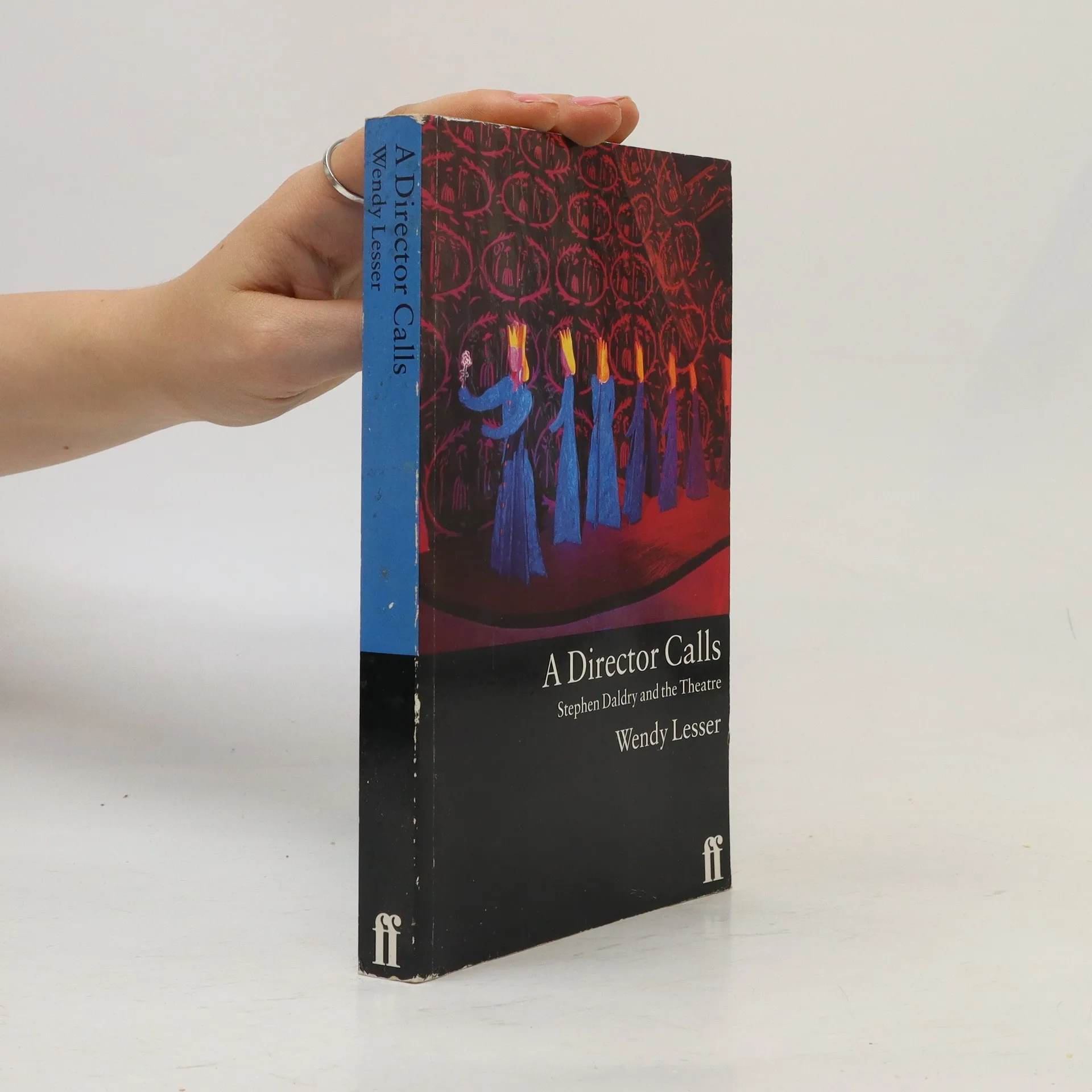
Stephen Daldry's reputation as a brilliant showman whose bold vision has revitalized the Royal Court Theatre is tempered by his detractors' assertion that he takes third-rate plays and fashions them into a triumph of style over content. In this study Lesser looks at the man and his work.
Wendy Lesser Knihy
Wendy Lesserová je uznávanou kritičkou, romanopiskyní a editorkou. Její díla se vyznačují hlubokým vhledem do literatury a společenských témat. Lesserová přináší do literární kritiky jedinečný pohled a její beletrie často zkoumá složitost lidských vztahů a vnitřního světa postav. Její práce je ceněna pro svou inteligenci a stylistickou vytříbenost.

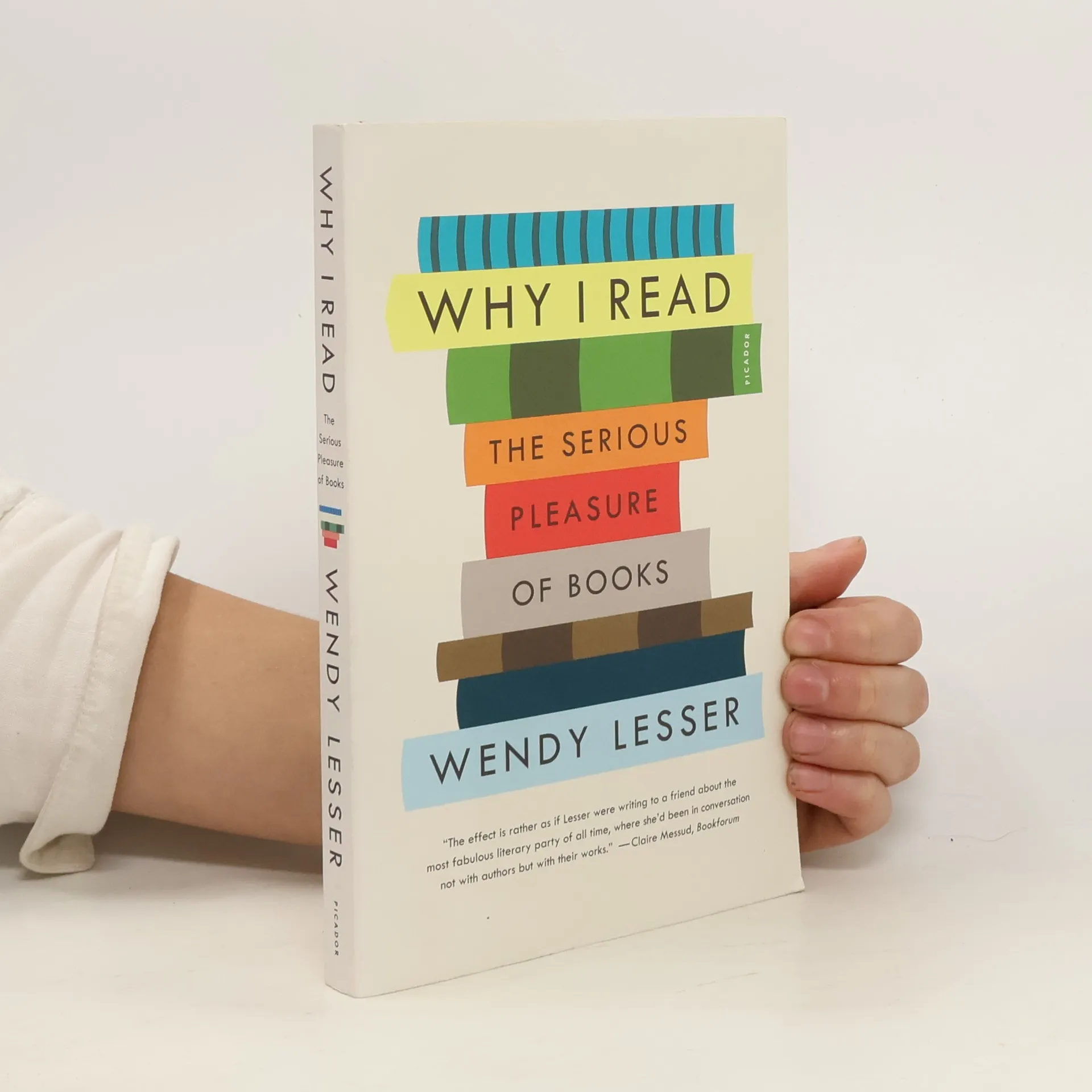
Why I Read
- 236 stránek
- 9 hodin čtení
Engaging and thought-provoking, this book offers a delightful exploration of the joys of reading through the lens of a passionate and articulate narrator. It invites readers to join a vibrant conversation about beloved books, making it feel like a personal book club experience. The author's insights and opinions create a rich dialogue that celebrates literature and encourages deeper appreciation for the written word.
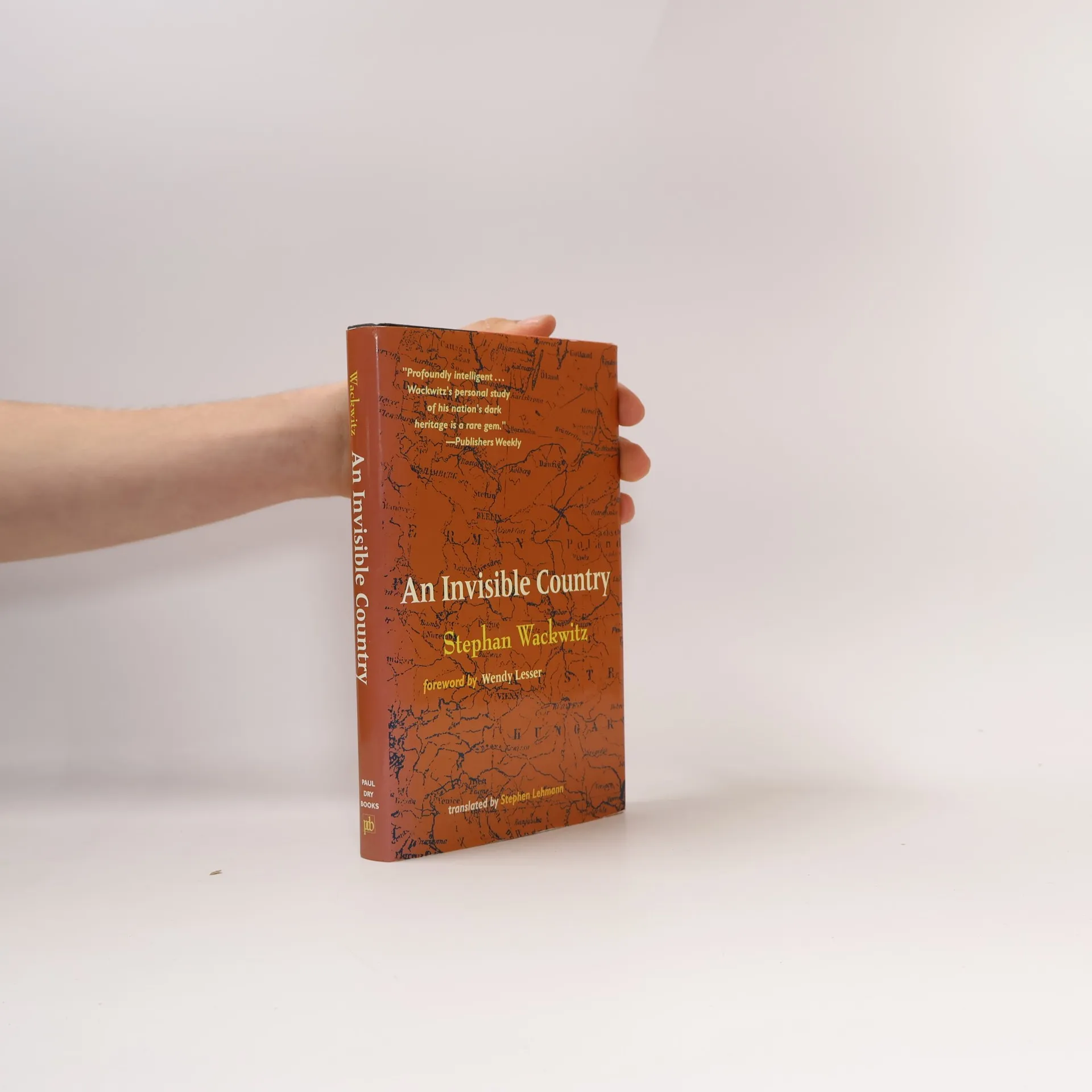
An Invisible Country
- 254 stránek
- 9 hodin čtení
Stephan Wackwitz's family "never spoke about the fact that the scene of their childhood and the site of the century's greatest crime were separated by nothing more than a longish walk and barely a decade." With insight and wit, Wackwitz breaks this silence in 'An Invisible Country', a learned meditation on twentieth-century German history as viewed through the prism of one family's story. Writing of his grandfather (born in 1893), his father (1922), and himself (1952), Wackwitz places himself in the historical and emotional landscape of the 'invisible country' surrounding Anhalt in Upper Silesia, a town ten kilometres from Auschwitz, and the site of his grandfather's Lutheran pastorate from 1921 to 1933.
Scandinavian Noir
- 288 stránek
- 11 hodin čtení
A deep dive into Scandinavian crime fiction and Scandinavian culture at large
In this engaging collection, 15 writers reflect on how their bilingualism shapes their craft, resonating with Luc Sante's notion of "internal foreignness." They share a common sentiment: the feeling of displacement is what ultimately drives them to write. For Sante and others, foreignness is a dual-edged sword; their mother tongue, French, serves as both a barrier to complete assimilation into American life and a cherished refuge of expression. This linguistic exile grants the contributors the freedom to articulate their thoughts without constraints. The essays, featuring voices like Amy Tan, Josef Skvoreck, and Ariel Dorfman, invite readers to explore the writers' formative years, often tinged with nostalgia, even when the past may not seem fondly remembered. The narratives typically follow a familiar arc: moving from the linguistic and cultural comfort of family to the challenges of assimilation, often marked by a rejection of the native language, and culminating in a renewed appreciation for their heritage. Despite this predictable trajectory, the writers vividly illustrate the universal journey of discovering the boundless potential of language, capturing the essence of what it means to fall in love with words.