Tato britská autorka proslula svými psychologickými thrillery a detektivními příběhy. Ve svých dílech mistrně zkoumá temné stránky lidské psychiky a motivace zločinu. Její stylistická obratnost a schopnost vytvářet napínavé zápletky čtenáře vtáhnou do spletitých případů a odhalování pravdy.
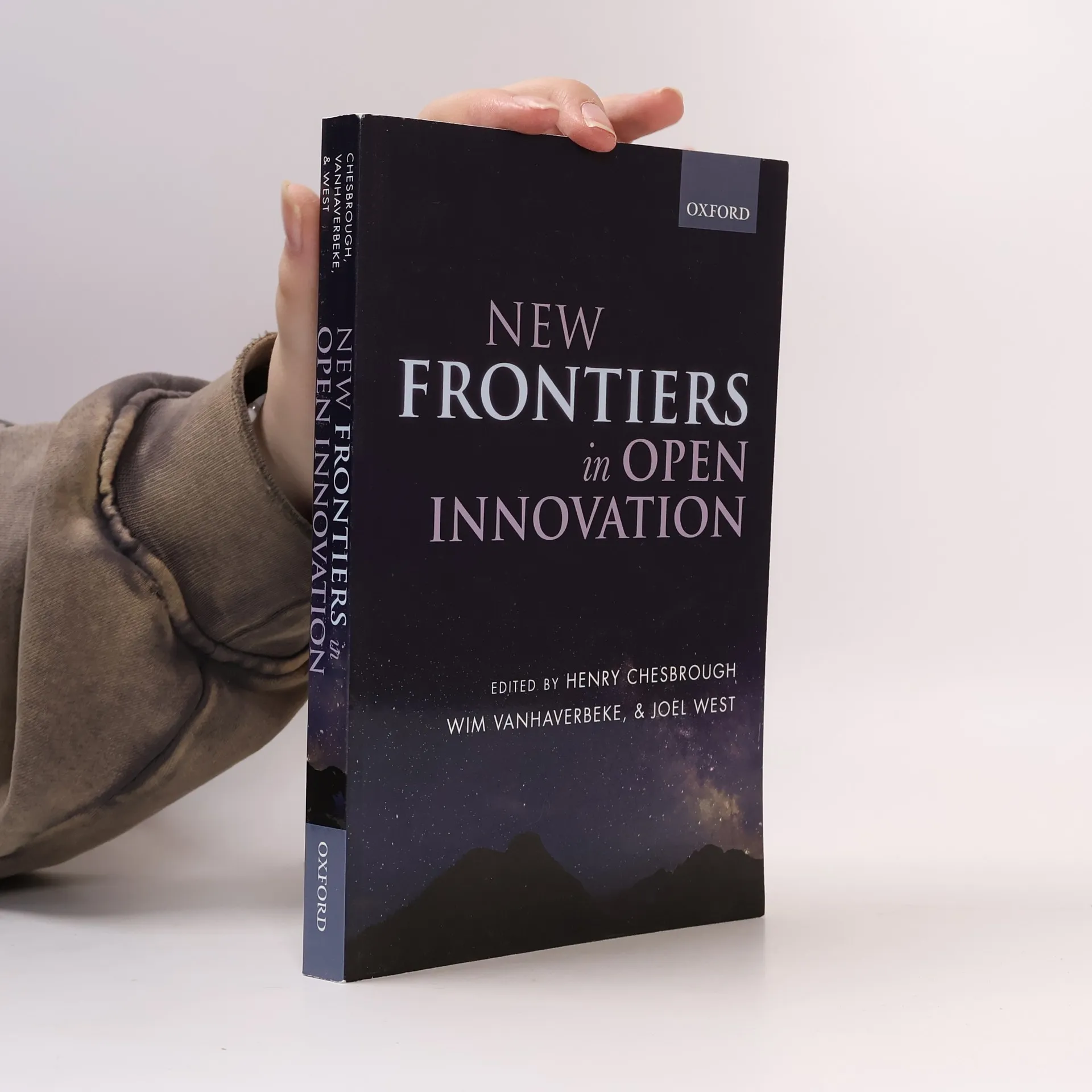
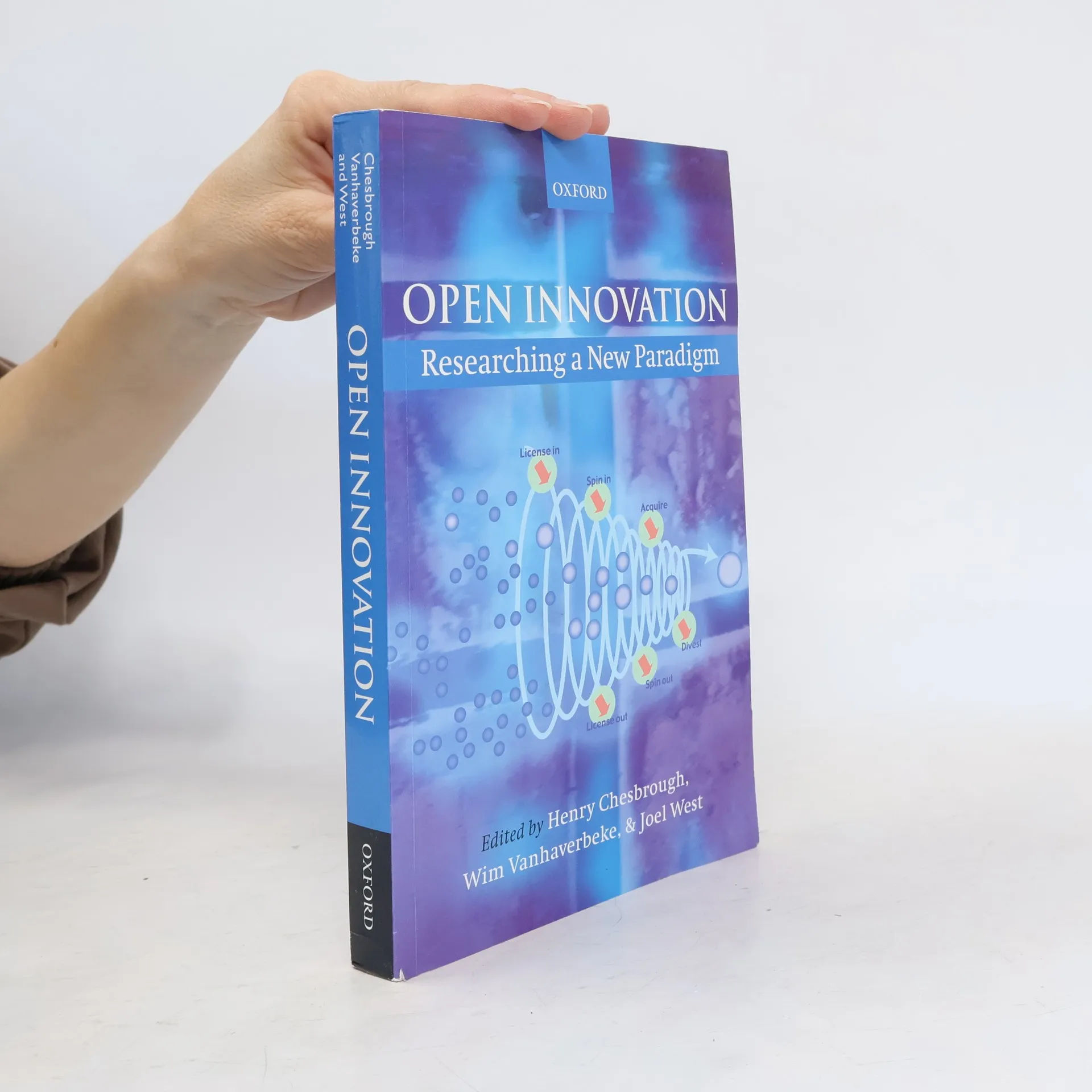
Following on from their previous book Open Innovation: Researching a New Paradigm ( OUP 2006), the Editors have compiled this book, as a major initiative of top scholars in open innovation setting out a research agenda for the next 5 to 10 years.
Bestselling author and the father of Open Innovation is back with his most
expansive, most generally appealing book on Open Innovation in Services. Shows
how to develop new business models in a world moving toward a service economy.
This collection investigates the phenomenon of "Open Innovation,", in which firms draw on research and development that may lie outside their own boundaries. The book's contributors link the practice of innovation to the established body of innovation rsearch, showing what's new and what's familiar in the process. Looking in depth at a process recently adopted by such leading firms as Intel and Cisco, this book will lead the intellectual debate in an increasingly important area.
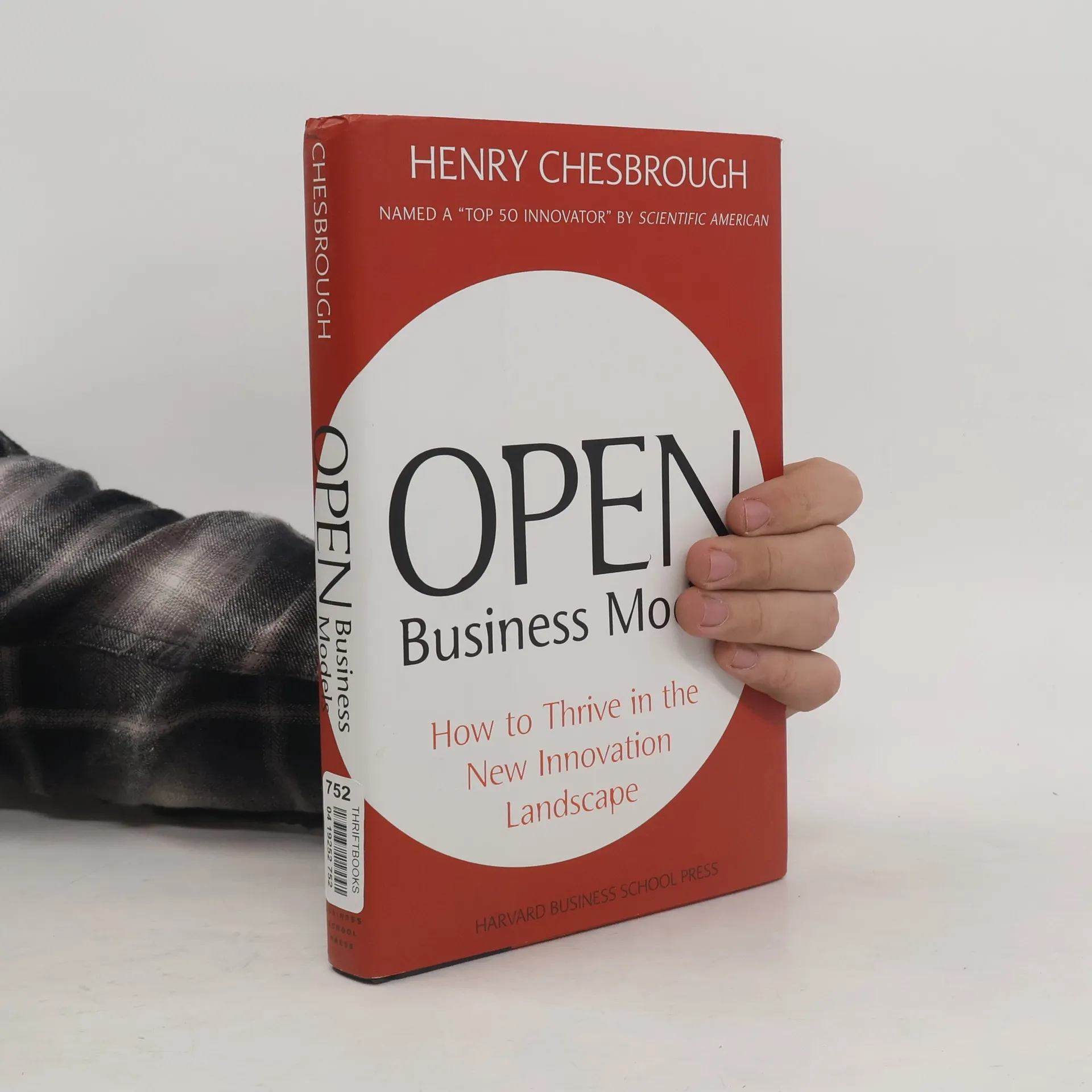
In his landmark book Open Innovation, Henry Chesbrough demonstrated that because useful knowledge is no longer concentrated in a few large organizations, business leaders must adopt a new, “open” model of innovation. Using this model, companies look outside their boundaries for ideas and intellectual property (IP) they can bring in, as well as license their unutilized home-grown IP to other organizations.In Open Business Models, Chesbrough takes readers to the next step—explaining how to make money in an open innovation landscape. He provides a diagnostic instrument enabling you to assess your company’s current business model, and explains how to overcome common barriers to creating a more open model. He also offers compelling examples of companies that have developed such models—including Procter & Gamble, IBM, and Air Products.In addition, Chesbrough introduces a new set of players—“innovation intermediaries”—who facilitate companies’ access to external technologies. He explores the impact of stronger IP protection on intermediate markets for innovation, and profiles firms (such as Intellectual Ventures and Qualcomm) that center their business model on innovation and IP.This vital resource provides a much-needed road map to connect innovation with IP management, so companies can create and capture value from ideas and technologies—wherever in the world they are found.
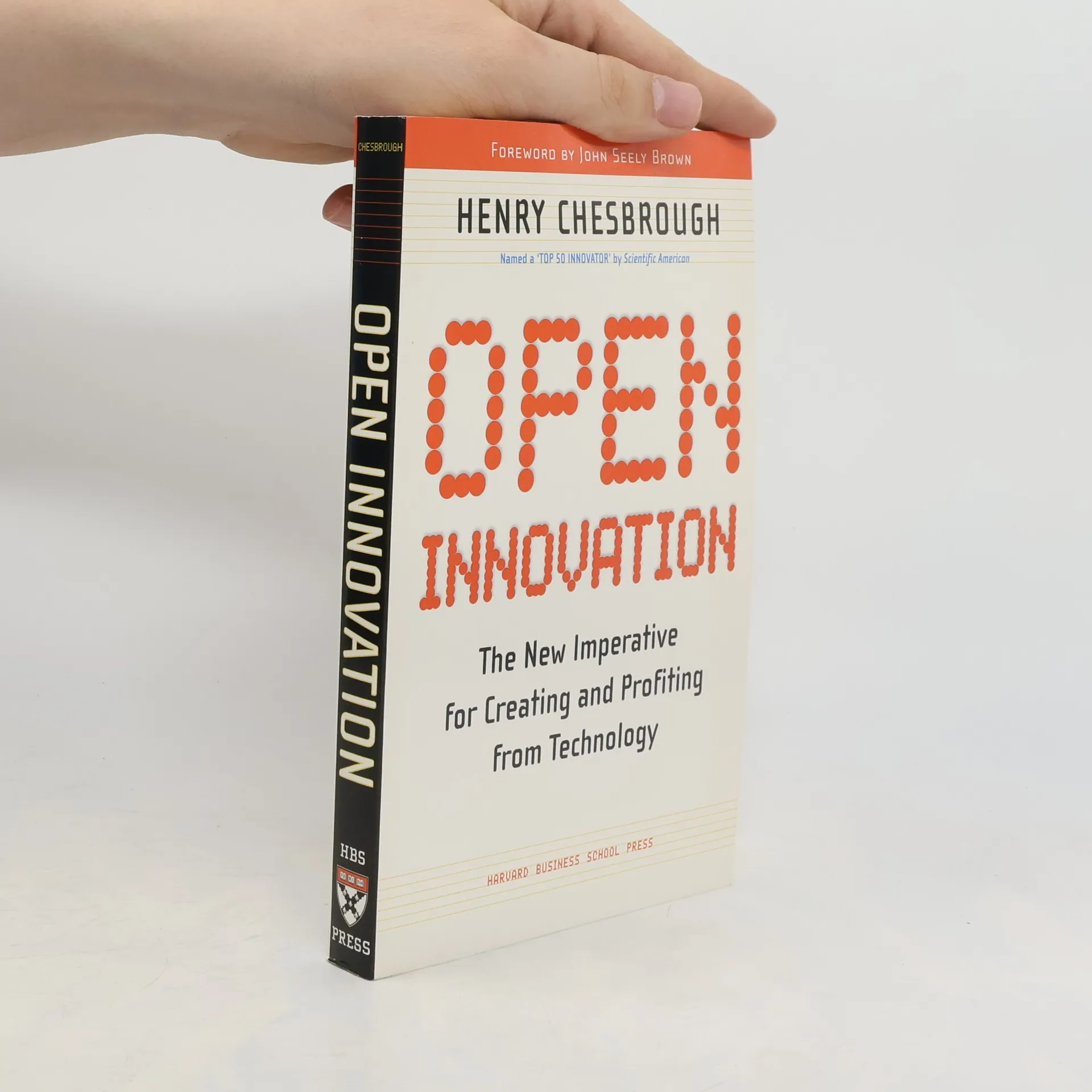
The information revolution has made for a radically more fluid knowledge environment, and the growth of venture capital has created inexorable pressure towards fast commercialisation of existing technologies Companies that don't use the technologies they develop are likely to lose them. Key features Over the past several years, Hank Chesbrough has done excellent research and writing on the commercialisation of technology and the changing role and context for R&D. This book represents a powerful synthesis of that work in the form of a new paradigm for managing corporate research and bringing new technologies to market Chesbrough impressively articulates his ideas and how they connect to each other, weaving several disparate areas of work R&D, corporate venturing, spinoffs, licensing and intellectual property into a single coherent framework.