Hegel G. W. F. Pořadí knih (chronologicky)

This new translation of The Science of Logic (also known as 'Greater Logic') includes the revised Book I (1832), Book II (1813), and Book III (1816). Recent research has given us a detailed picture of the process that led Hegel to his final conception of the System and of the place of the Logic within it. We now understand how and why Hegel distanced himself from Schelling, how radical this break with his early mentor was, and to what extent it entailed a return (but with a difference) to Fichte and Kant. In the introduction to the volume, George di Giovanni presents in synoptic form the results of recent scholarship on the subject, and, while recognizing the fault lines in Hegel's System that allow opposite interpretations, argues that the Logic marks the end of classical metaphysics. The translation is accompanied by a full apparatus of historical and explanatory notes.
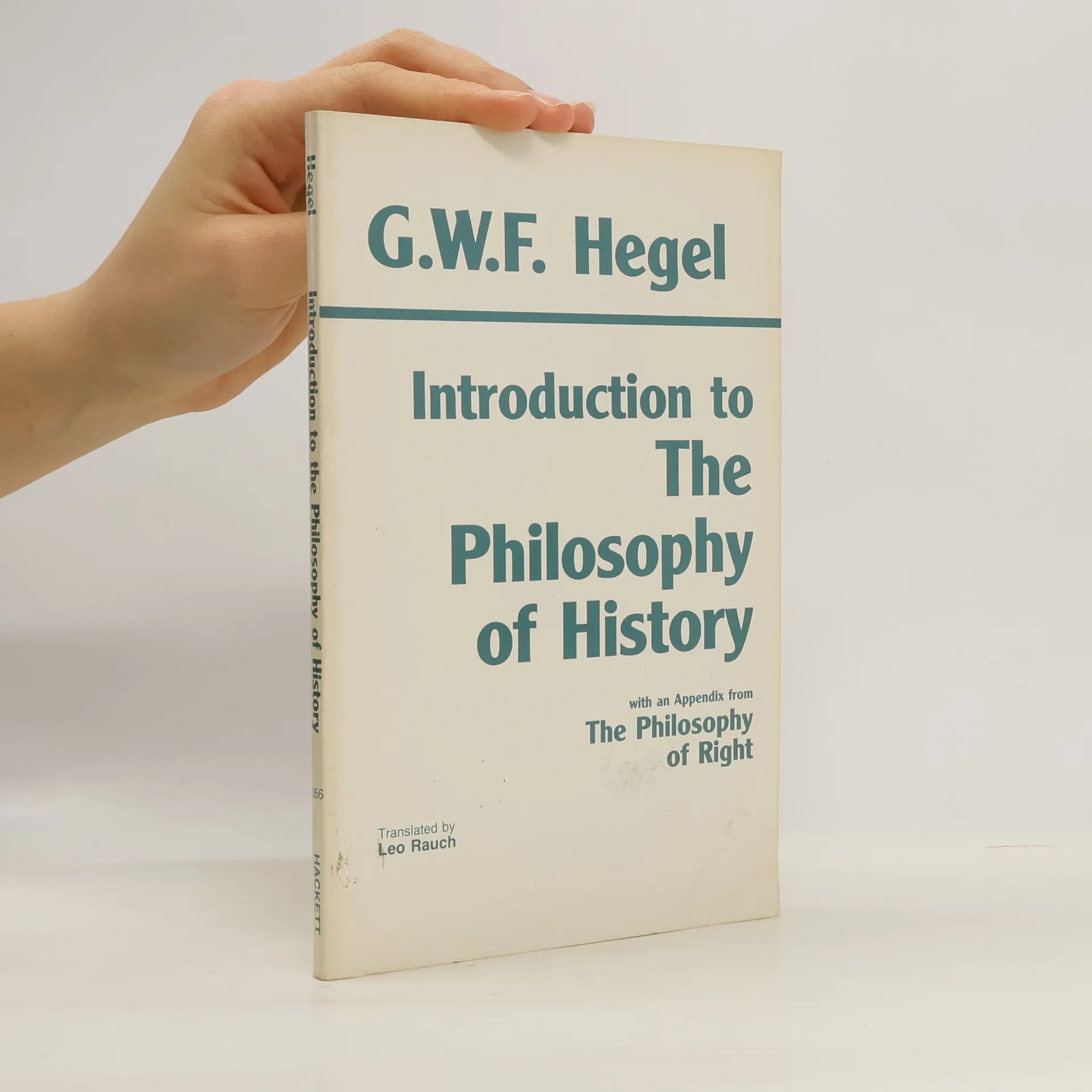
Introduction to the Philosophy of History
- 106 stránek
- 4 hodiny čtení
Provides a solution to the problem of how to introduce students to Hegel in a survey course in the history of Western philosophy.
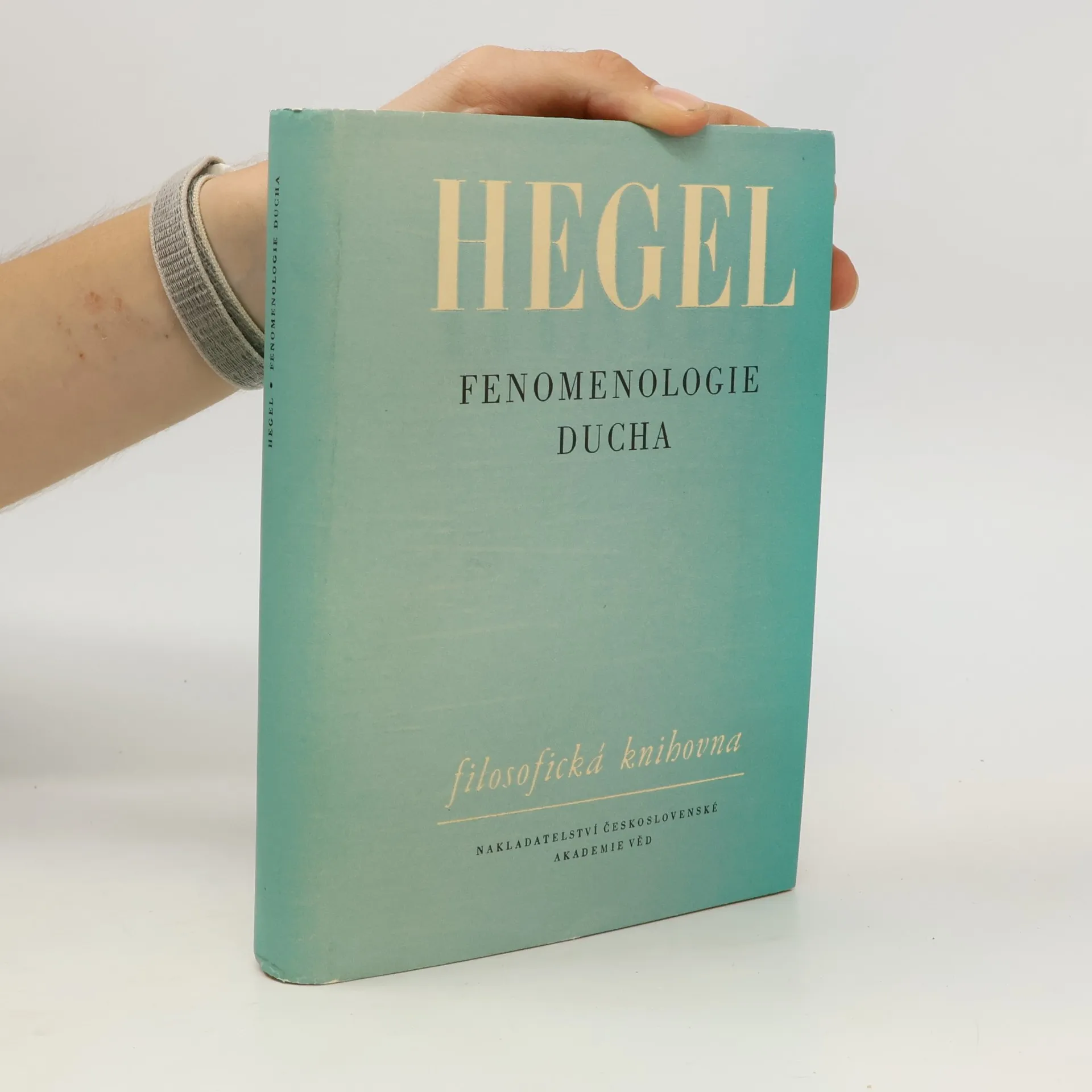
Toto Hegelovo obsahově velmi bohaté dílo vešlo do kultury 19. a 20. století zejména skvělými rozbory antropogeneze a intersubjektivity, stejně jako filosofickým výkladem některých klíčových etap lidských dějin (antická polis, křesťanství, křížové výpravy, vznik absolutní monarchie či teror Francouzské revoluce). Ve Fenomenologii ducha znázorňuje Hegel dialektický pohyb ducha na slavném příkladu „pána a raba“, inspirovaném Hérakleitem. Ve střetu na život a na smrt se rabem stává ten, kdo se bojí smrti a uzná druhého za svého pána. Ten se tím však postupně dostává do závislosti na rabově práci, kdežto rab se díky své dovednosti stává svobodným, tj. tvořivým člověkem. Tento motiv dialektiky a dějinného vývoje mohla využít Marxova teorie společnosti, opřená spíše o Adama Smithe a D. Ricarda, Hegela však musela obrátit, „postavit z hlavy na nohy“, jak říká Marx. Je tedy paradoxní, že Hegel, který vždy platil i působil jako filosof svobody (proto např. český překlad Filosofie práva mohl vyjít až po roce 1989), se stal pro K. R. Poppera (vedle Platóna) myslitelem totality.
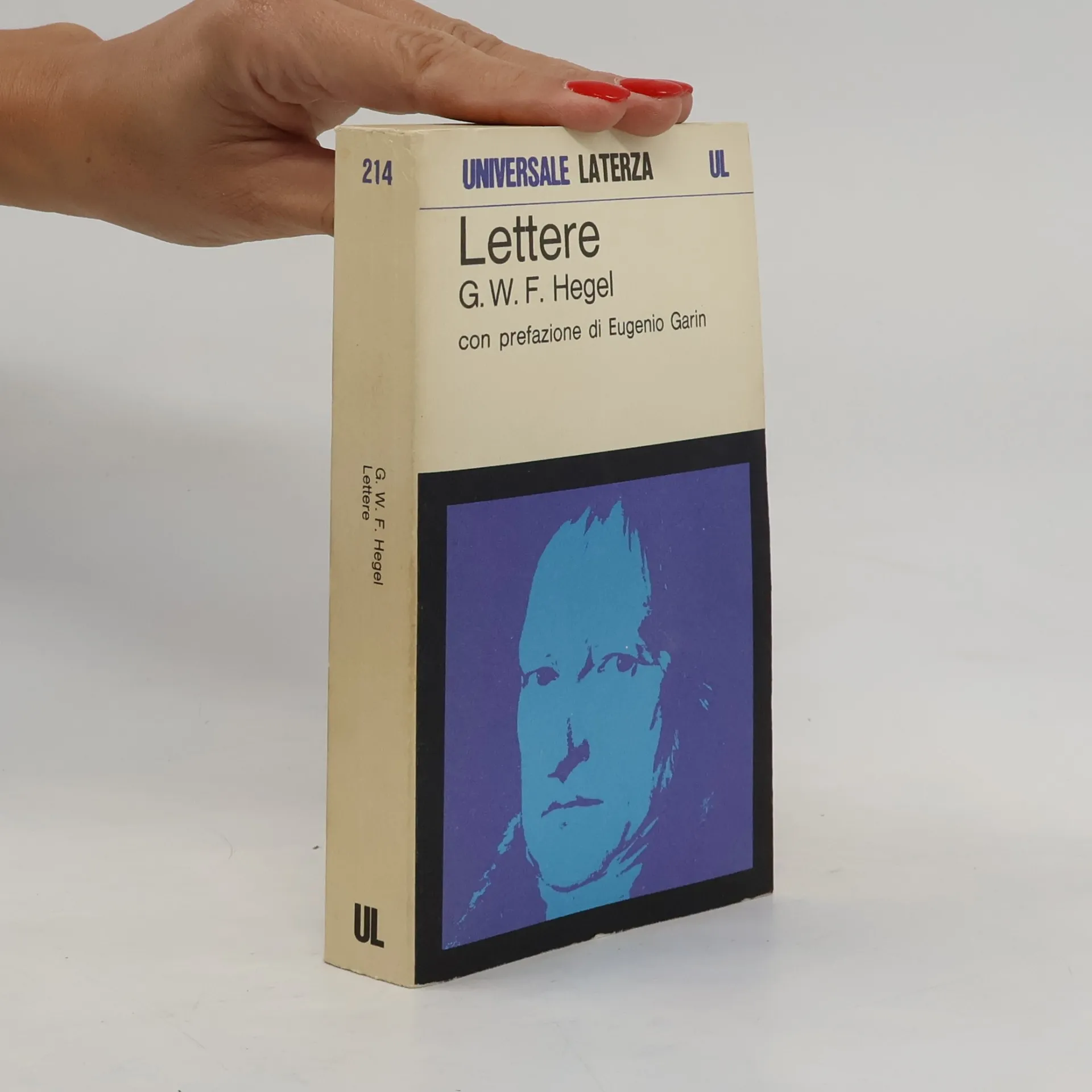
Lettere
con prefazione di Eugenio Garin