Marie Curie made pioneering discoveries in the field of radioactivity and
discovered two elements, Radium and Polonium, the latter having acquired new
notoriety over one hundred years after Curie's discovery, when she named it in
honour of her native Poland. schovat popis
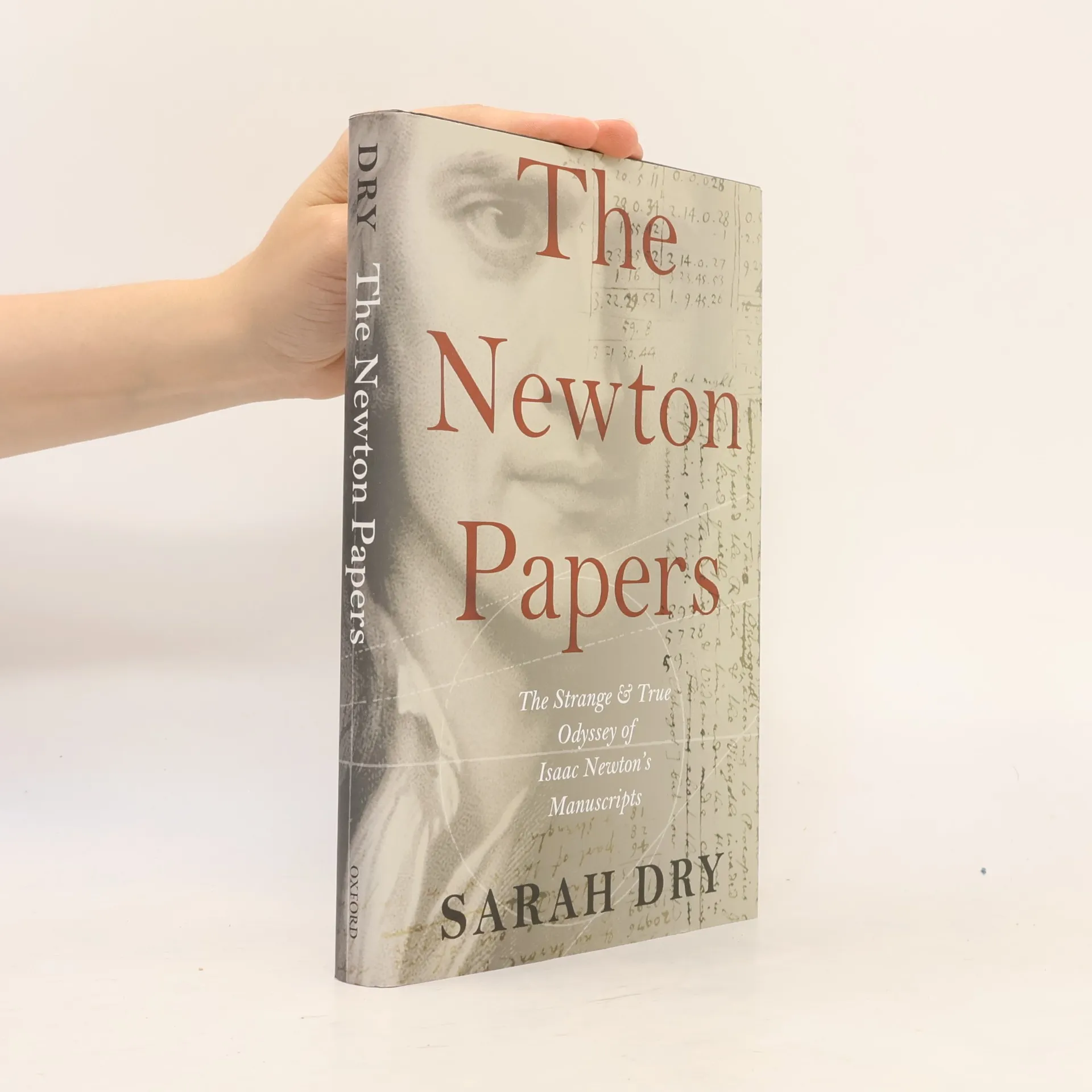
The Strange and True Odyssey of Isaac Newton's Manuscripts
250 stránek
9 hodin čtení
When Isaac Newton died at 85 on March 20, 1727, he left behind a vast collection of disorganized papers—over 8 million words—that posed a challenge for his heirs. These writings, covering topics from secret alchemical formulas to his groundbreaking discoveries in calculus and universal gravitation, were deemed "not fit to be printed" by his family. The controversial nature of these documents, revealing a Newton who was rabidly heretical and possibly mad, threatened both his reputation and the status of science itself. Consequently, his private papers remained largely hidden for over two hundred years. In this work, Sarah Dry uncovers the story of how this secret archive was eventually revealed, shedding light on the complex man behind the legacy. She examines the historical figures who influenced the perception of Newton's work and the efforts to recover his private thoughts, including notable individuals like economist John Maynard Keynes and Abraham Yahuda, a friend of Albert Einstein. The narrative traces the 300-year journey of Newton's papers, illustrating how his legacy has been shaped by various collectors, scholars, and scientists, reflecting the evolving status of science through the ages.