
Knihobot

Michael T. Taussig

    3. duben 1940

    Michael Taussig je známý svou hlubokou sondou do Marxovy myšlenky komoditního fetišismu. Zkoumá, jak tato myšlenka rezonuje s dílem Waltera Benjamina a aplikuje ji na současné společenské jevy. Jeho práce se vyznačuje interdisciplinárním přístupem, který propojuje medicínu, antropologii a filozofii. Taussigův osobitý styl nabízí čtenářům pronikavý pohled na složité vztahy mezi kulturou, ekonomikou a lidskou psychikou.

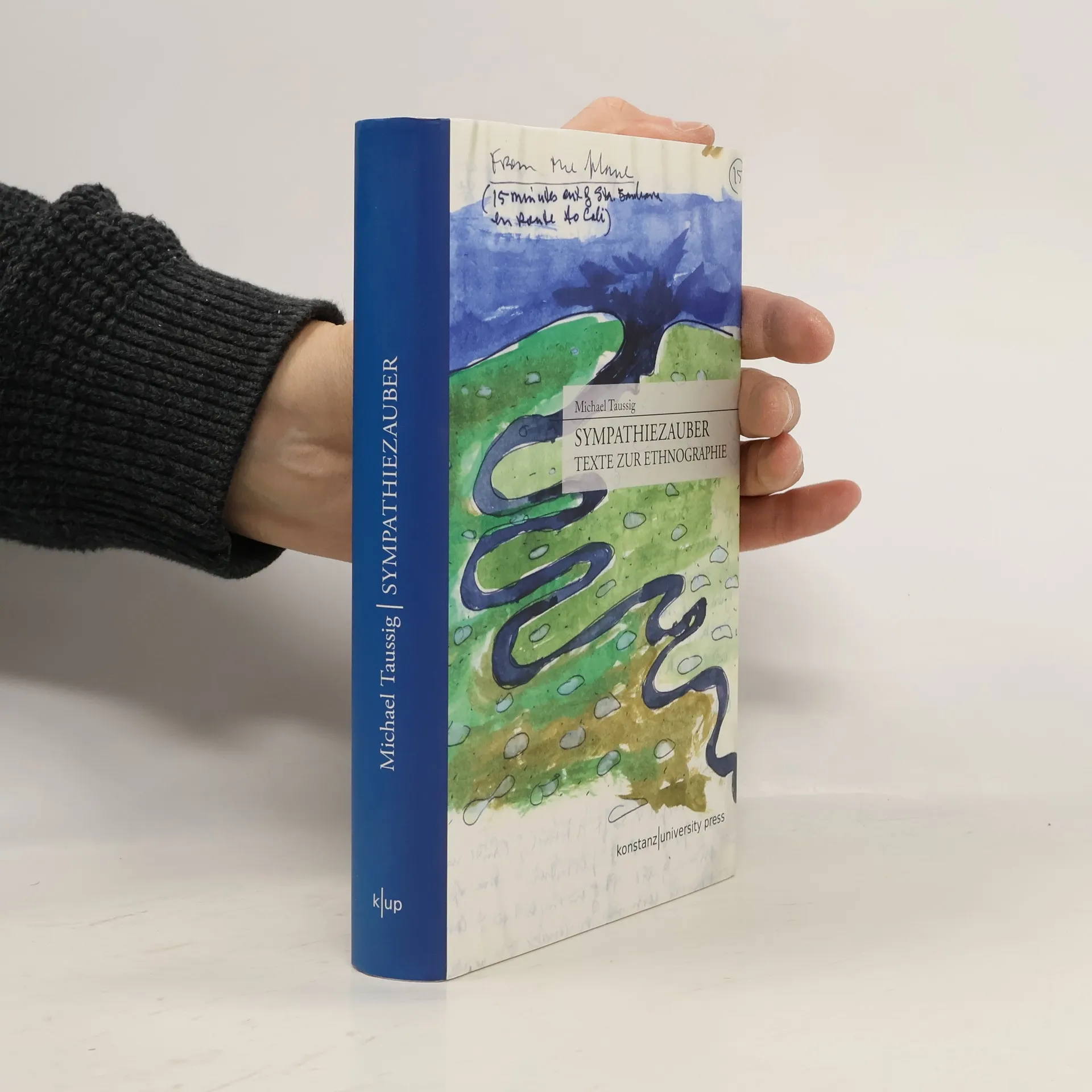
    Sympathiezauber
    N. Dash
    Palma Africana
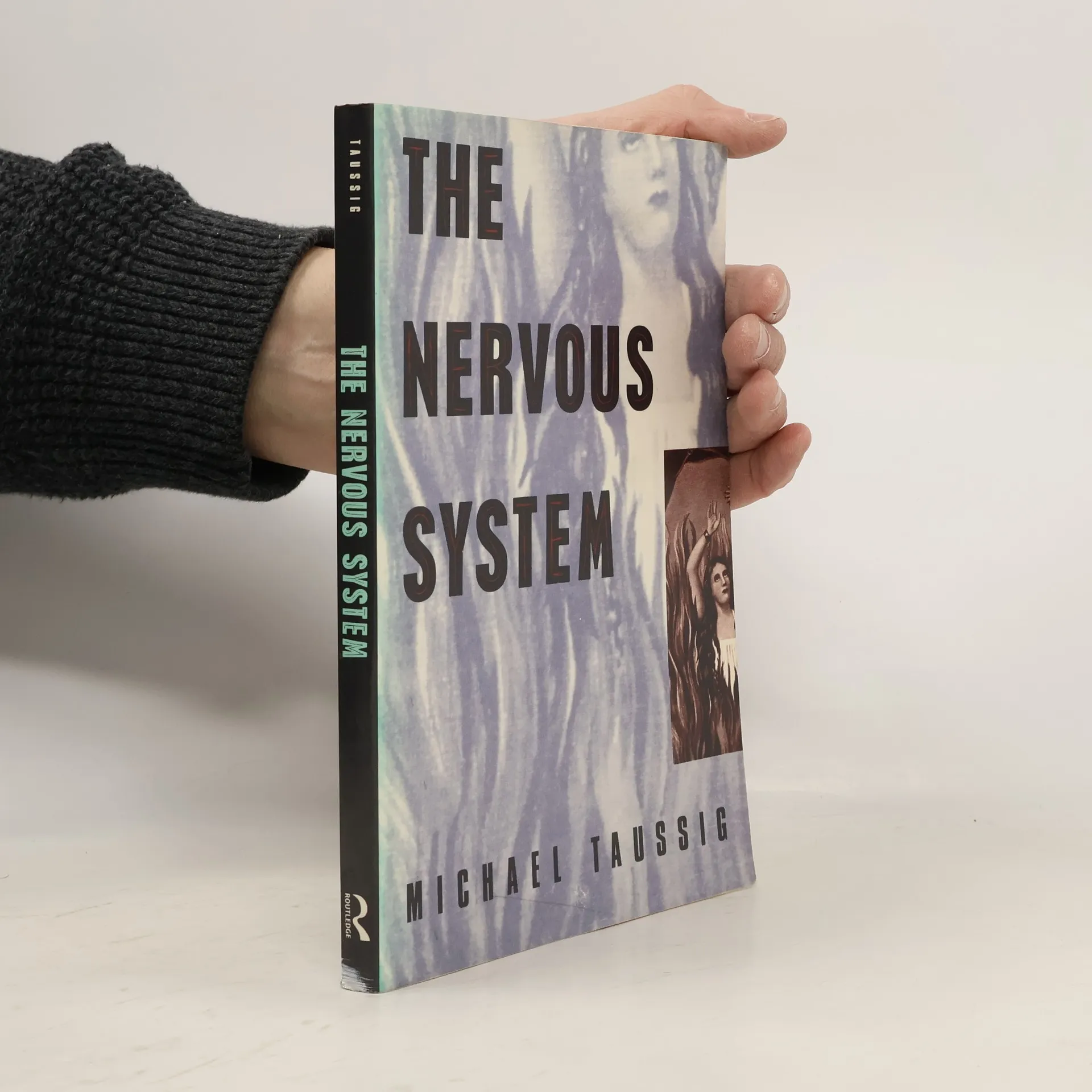
    The Nervous System
    Michael Taussig
    And the Garden Is You
    • And the Garden Is You

      • 200 stránek
      • 7 hodin čtení

      "Michael Taussig's works are known not only for their critical insights, but also for their bold and experimental style. In these essays, Taussig finds himself reflecting on the act of writing itself, revealing its importance for anthropological practice and calling for the discipline to keep experiential knowledge from extinguishing as fieldnotes become scholarship. Taussig calls for and exemplifies a form of exploratory writing that preserves the spontaneity and magic of notes scribbled down in haste. His reflections take us from his childhood in Sydney to trips to Afghanistan, Colombia, Finland, Italy, Turkey, and Syria. Along the way, Taussig also explores themes of fabulation and provocation that are central to his work, in addition to the thinkers dearest to him--Bataille, Benjamin, Burroughs, and Nietzsche, among others. This collection is vintage Taussig, bound to interest longtime readers and newcomers alike"--
      And the Garden Is You
      4,0
    • Michael Taussig

      Fieldwork Notebooks

      • 36 stránek
      • 2 hodiny čtení

      What is it that makes notebooks so fascinating? Anthropologist Michael Taussig, for whom fieldwork notebooks are an indispensable tool, discusses this very question. A starting point of his investigation is Walter Benjamin, who obsessively filled his own notebooks and was intrigued by their materiality. Roland Barthes, Le Corbusier, and Joan Didion are some of the many other notorious note takers that Taussig visits so as to crystallize his ideas of what a notebook really is. Far more than a mere “thing,” Taussig argues that a notebook develops a life of its own, a life, which is often fed by what hasn’t been written down and other externalities. In the end, this history can even take possession of its possessor by transforming a notebook into a magical object, a fetish.

      Michael Taussig
      4,0
    • The Nervous System

      • 220 stránek
      • 8 hodin čtení

      In a series of intriguing essays ranging over terror, State fetishism, shamanic healing in Latin America, homesickness, and the place of the tactile eye in both magic and modernity, anthropologist Michael Taussig puts into representational practice a curious type of engaged writing. Based on a paranoiac vision of social control and its understanding as in a permanent state of emergency leaving no room for contemplation between signs and things, these essays hover between story-telling and high theory and thus create strange new modes of critical discourse. The Nervous System will appeal to writers, scholars, artists, film makers, and readers interested in critical theory, aesthetics, and politics.

      The Nervous System
      4,0
    • Palma Africana

      • 224 stránek
      • 8 hodin čtení

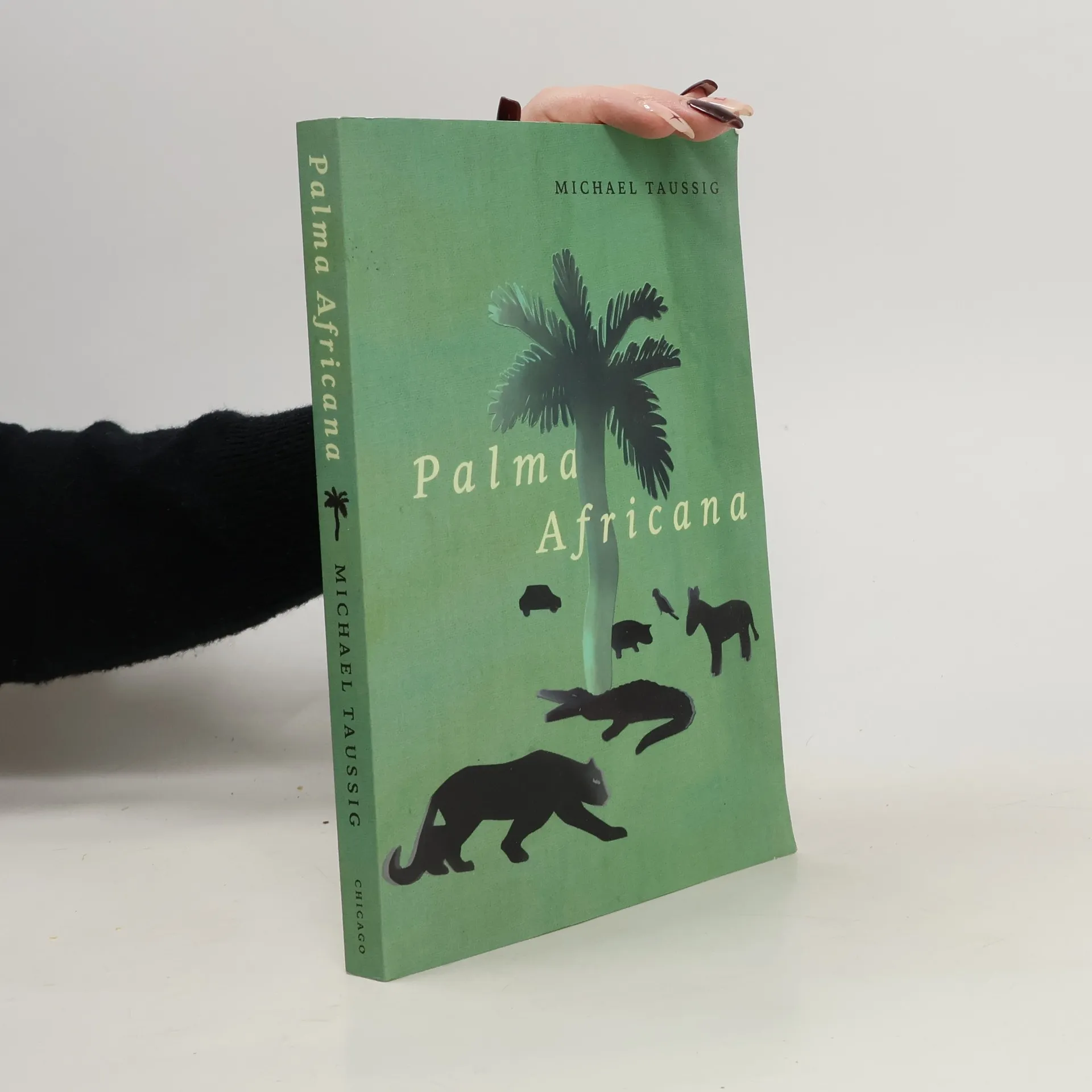
      In his usual incantatory style, Taussig takes on palm oil, one of the most perniciously exploitative commodities in our world today.

      Palma Africana
      3,8
    • N. Dash

      • 268 stránek
      • 10 hodin čtení

      Highlighting the journey of an emerging artist, this first monograph showcases a collection of their work. The book features a unique French fold jacket that opens to reveal a striking, poster-sized piece, emphasizing the artist's creative vision and talent. It serves as both a celebration of their achievements and an introduction to their artistic style, making it a significant addition to the art world.

      N. Dash
    • Sympathiezauber

      Texte zur Ethnographie

      • 361 stránek
      • 13 hodin čtení
      Sympathiezauber
      4,0
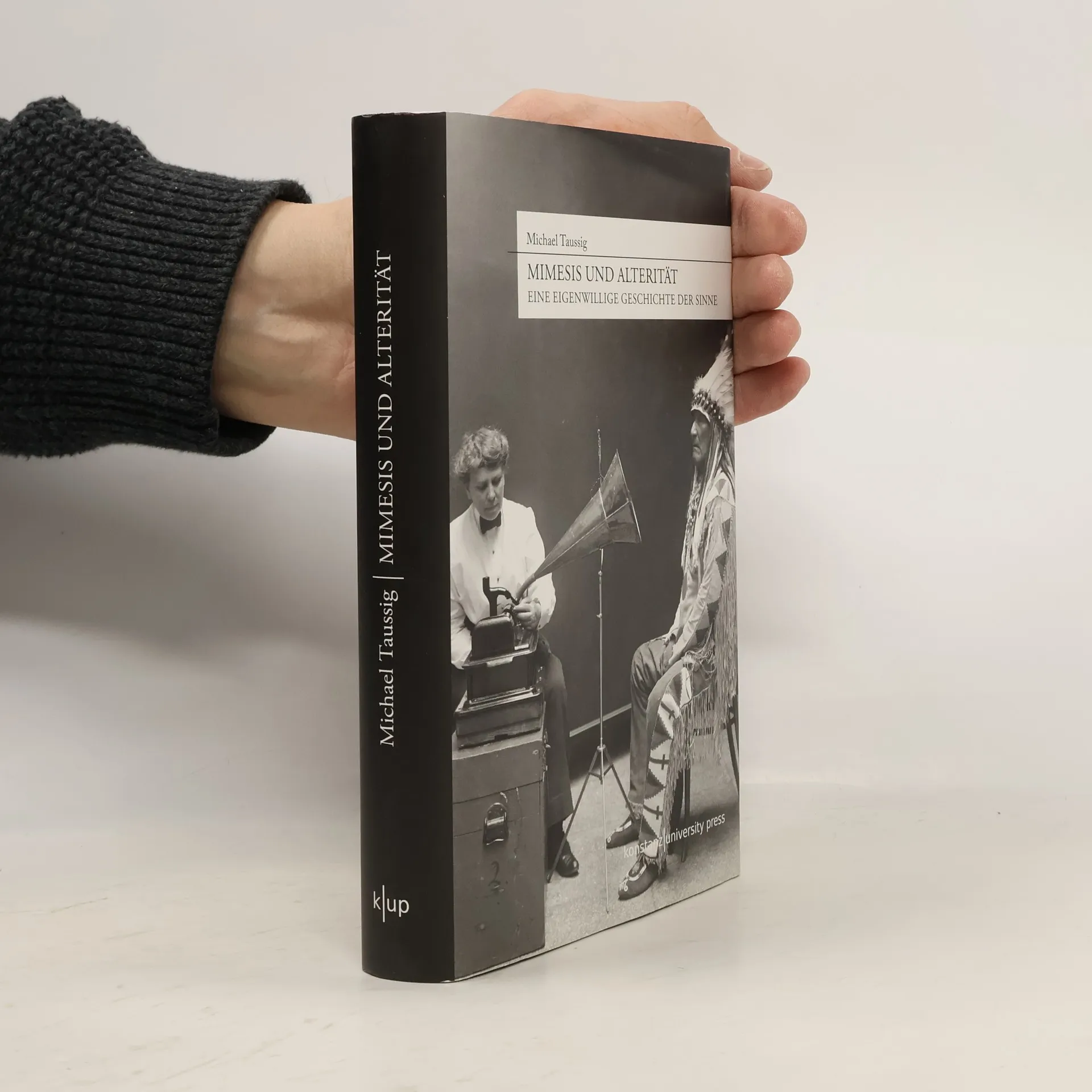
    • Mimesis und Alterität

      Eine eigenwillige Geschichte der Sinne

      • 388 stránek
      • 14 hodin čtení

      Was passiert, wenn ein „Zivilisierter“ auf einen „Wilden“ trifft? Der Zivilisierte beschreibt, klassifiziert und bemächtigt sich des Anderen. Doch was geschieht, wenn der Wilde bereits die Kontrolle über den Zivilisierten hat? Taussigs Buch bietet Antworten und führt auf eine spannende Reise durch die komplexe Geschichte von Identität und Nachahmung, Wirklichkeit und Kopie, Fremdwahrnehmung und Selbstinszenierung. Die Erzählung beginnt mit Charles Darwins Begegnung mit den Feuerlandbewohnern, deren mimetisches Talent ihn beeindruckt. Sie setzt sich fort bei den Cuna-Indiarnern Nordkolumbiens, die die Abbilder weißer Seeleute zur magischen Beschwörung und Selbstbehauptung nutzen. Schließlich behandelt das Buch die mimetischen Maschinen wie Phonographen und Fotoapparate, die die Realität verdoppeln und die Ungleichzeitigkeit des Gleichzeitigen sichtbar machen. Walter Benjamins Diktum, dass neue Technologien das Primitivum in der Moderne konstituieren, wird hier evident. Taussigs „Geschichte der Sinne“ thematisiert die Beziehungen zwischen der „ersten“ und der „dritten“ Welt und setzt sich mit den Kulturtheorien der Moderne und Postmoderne auseinander.

      Mimesis und Alterität
    • Nach dem Animismus

      • 256 stránek
      • 9 hodin čtení

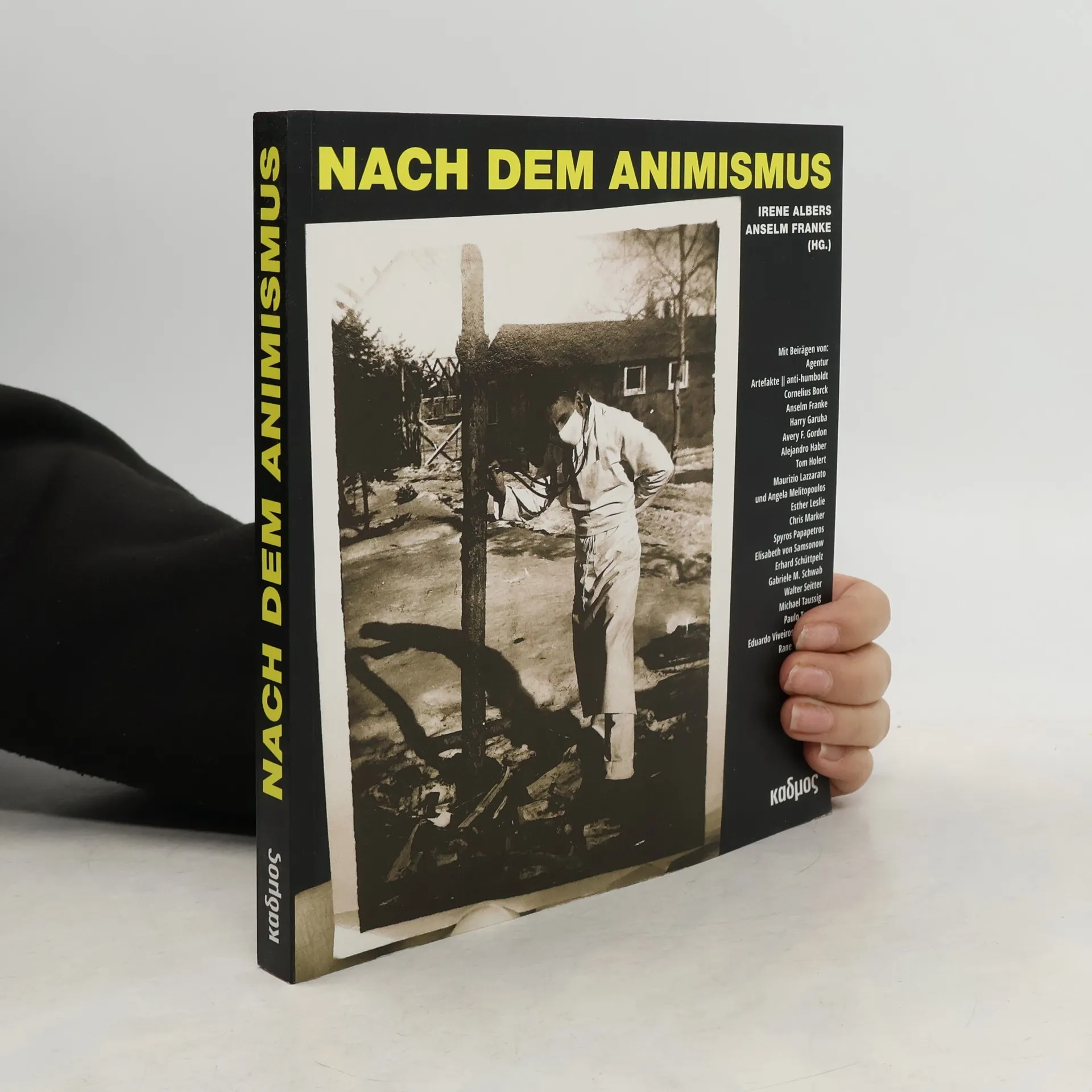
      'Animismus' bezeichnet Praktiken und Ontologien, die die Natur und Objekte nicht objektiv, sondern subjektiv wahrnehmen und behandeln. Edward B. Tylor, der den Begriff prägte, sah Animisten als unfähig an, zwischen belebter und unbelebter Materie zu unterscheiden, was zu kolonialistischen Überlegenheitsvorstellungen führte. Der Begriff bezieht sich nicht auf eine Wiederbelebung, sondern auf eine notwendige Revision, die durch ethnologische Beiträge verdeutlicht wird, darunter ein Text des brasilianischen Ethnologen Eduardo Viveiros de Castro, der eine Welt mit vielfältigen subjektiven Positionen entwirft. Animismus wird als relationale Epistemologie oder Ontologie verstanden, die die Differenz von Natur und Kultur provoziert und nicht-menschlichen Akteuren Handlungsmacht verleiht. Paulo Tavares diskutiert, wie die Natur zum Rechtssubjekt werden kann, während das 'animistische Imaginäre' innerhalb der westlichen Moderne thematisiert wird. Bruno Latour hinterfragt, wie die Moderne Materie für tot erklärt und gleichzeitig den Animismus zum Schweigen bringt. Die Beiträge des Bandes nutzen das Animismus-Konzept als analytisches Werkzeug, um ethnographische Perspektiven auf Wissenschaft, Wirtschaft, Kunst und Philosophie zu reflektieren. Der Band versammelt wissenschaftliche und künstlerische Beiträge aus der Konferenz und Ausstellung 'Animismus' im Haus der Kulturen der Welt.

      Nach dem Animismus