

David C. Lay Pořadí knih (chronologicky)


Street Zen
- 272 stránek
- 10 hodin čtení
Drag queen. Prostitute. Drug addict. American bodhisattva. These words describe the unlikely persona of Issan Dorsey, one of the most beloved teachers to emerge in American Zen. From his early days as a gorgeous female impersonator to the LSD experiences that set him on the spiritual path, Issan's life was never conventional. In 1989, after twenty years of Zen practice, he became the Founding Abbot of San Francisco's Hartford Street Zen Center, where he established Maitri Hospice for AIDS patients. Featuring Bernie Glassman's foreword to the second edition, as well as a new foreword by Koshin Paley Ellison, Street Zen paints a vivid portrait of a teacher whose creativity, honesty, joy, and compassion awakened new possibilities for American Buddhism.
The Invention of Surgery
- 400 stránek
- 14 hodin čtení
A fascinating history of the practice of surgery from one of the leading figures in the field, chronicling centuries of scientific breakthroughs by the discipline's most dynamic, pioneering doctors.
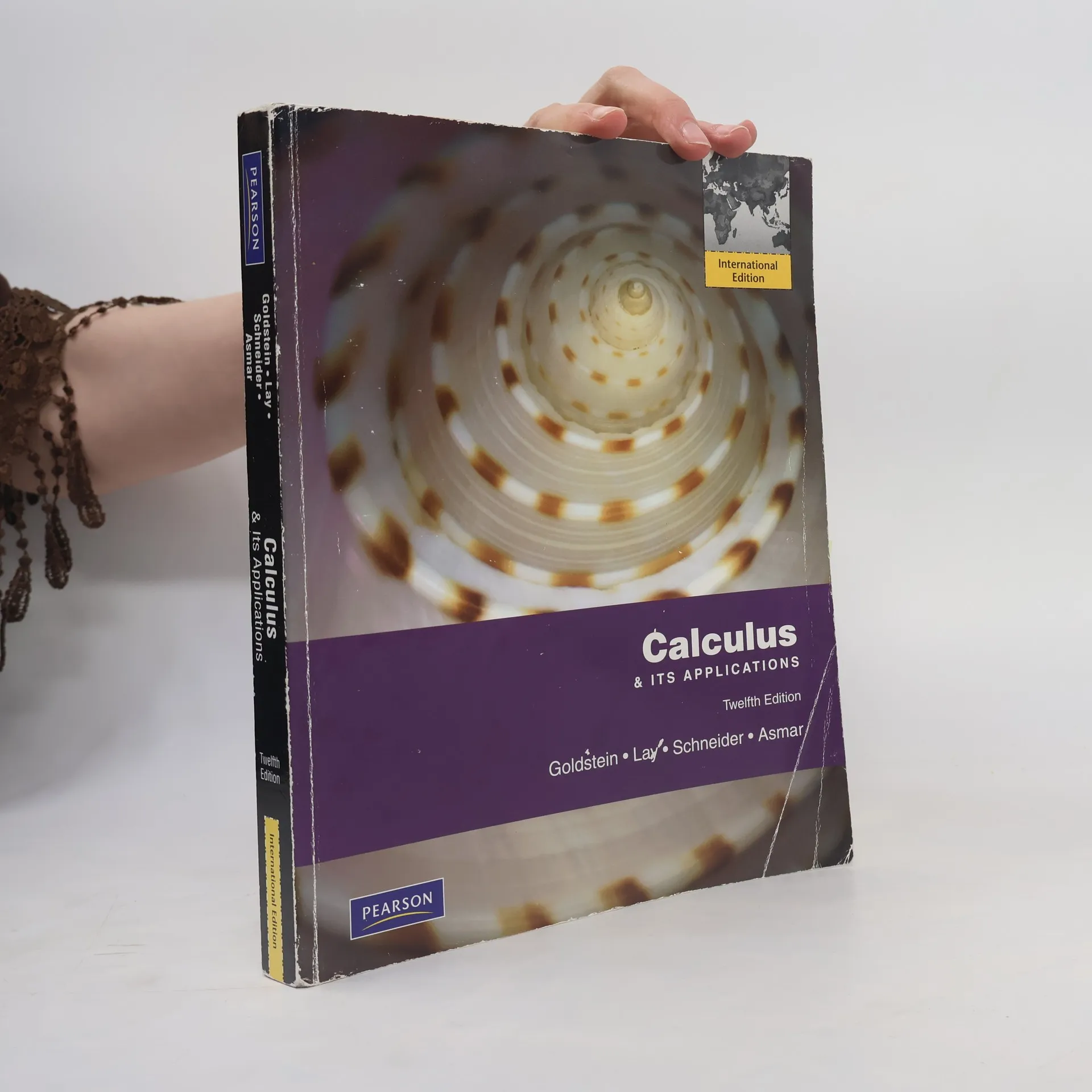
The bestselling text for the Business, Life and Social Science Calculus course, this book sets the standard with clear exposition and realistic examples. Focusing on geometric visualization, the text fits either one or two term course sequences. Includes new computer and technology problems.
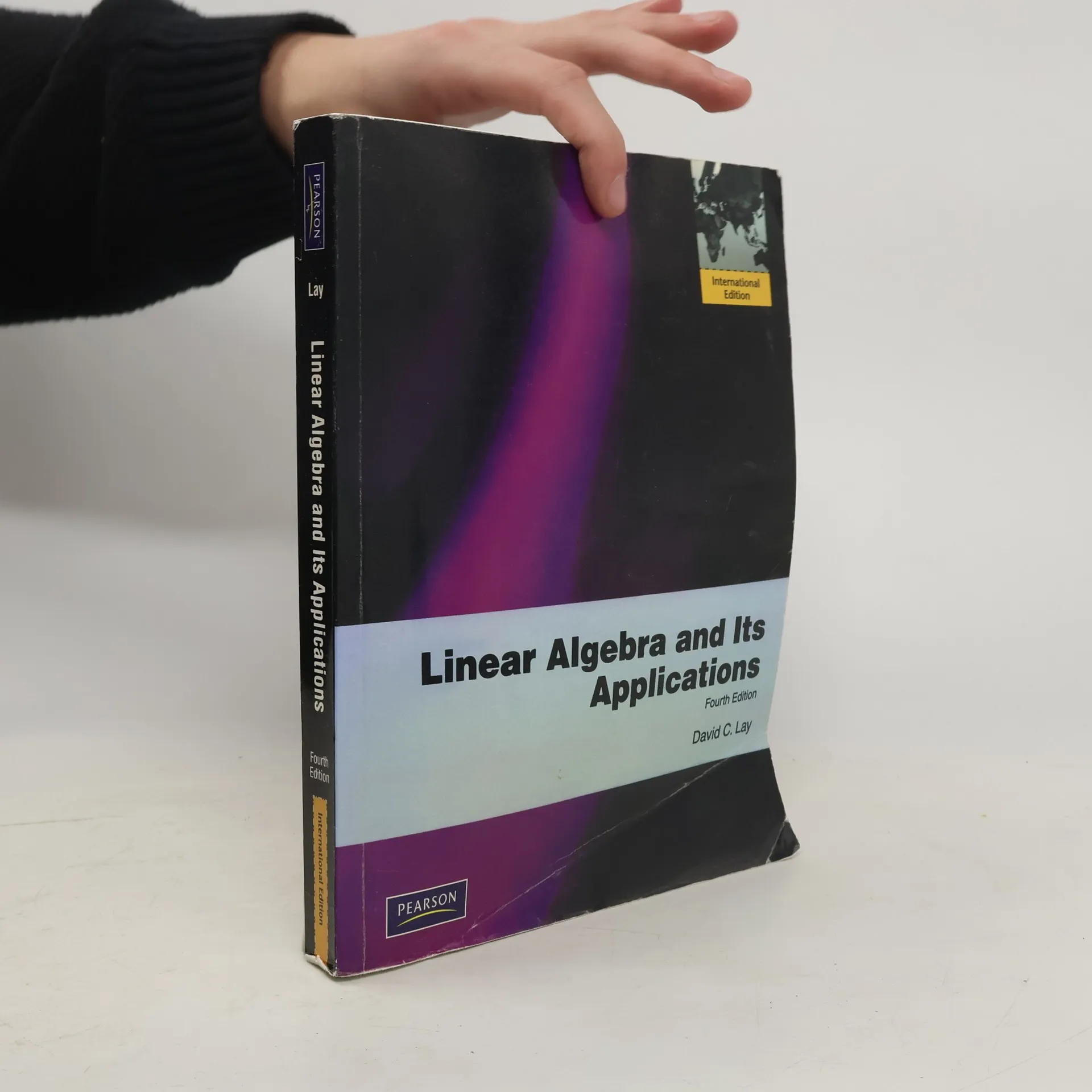
Linear Algebra and Its Applications
- 576 stránek
- 21 hodin čtení
Line algebra is relatively easy for students during the early stages of the course, when the material is presented in a familiar, concrete setting. But when abstract concepts are introduced, students often hit a brick wall. Instructors seem to agree that certain concepts are not easily understood, and require time to assimilate.