

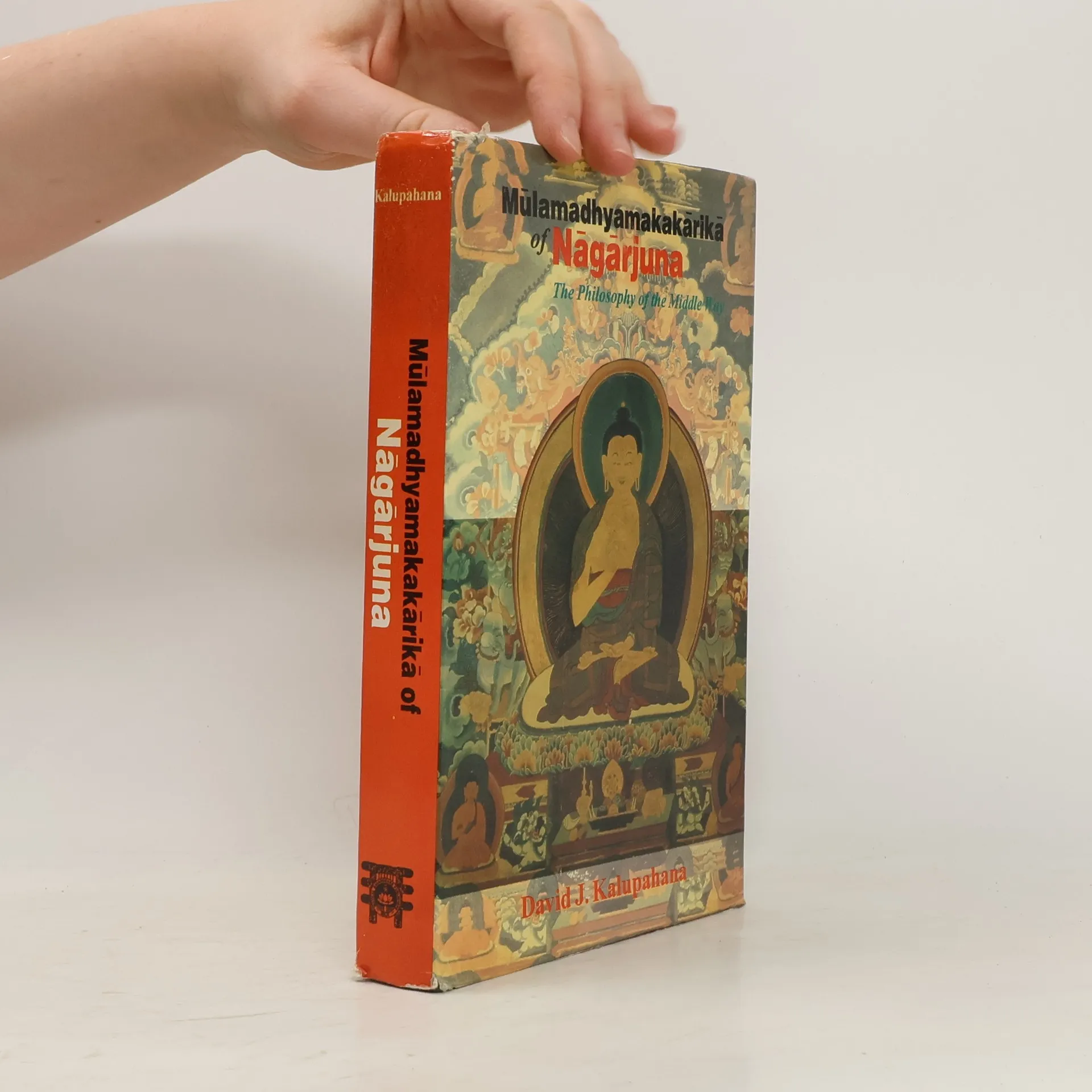
This is a completely new translation of Nagarjuna`s major work the Mulamadhyamakakarika, accompanied by a detailed annotation of each of the verses. The annotation identifies the metaphysical theories of the scholastics criticized by Nagarjuna, and traces the source material and the arguments utilized in his refutation back to the early discourses of the Buddha. The Introduction presents a completely new hypothesis about the nature of treatise. The work is a grand commentary on the Buddha's "Discourse to Katyayana" (Kaccayanaqotta-sutta). The concluding part of the Introduction compares the teaching of the Buddha and Nagarjuna in regard to epistemology, ontology, ethics and philosophy of language indicating how the latter was making a determined attempt to reconstruct the Buddha's teachings in a very faithful manner, avoiding the substantialist metaphysics of the scholastics. The book shows that Nagarjuna`s ideas are neither original nor are they an advancement from the early Buddhist period. Nagarjuna is not a Mahayanist.
Shoryu Katsura Knihy

A shorter and less technical treatment of its subject than the author’s acclaimed Buddhism As Philosophy (second edition, Hackett, 2021), Mark Siderits's The Buddha’s Teachings As Philosophy explores three different systems of thought that arose from core claims of the Buddha. By detailing and critically examining key arguments made by the Buddha and developed by later Buddhist philosophers, Siderits investigates the Buddha's teachings as a set of claims—in this case, claims about the nature of the world and our place in it—supported by rational argumentation and, here, developed with a variety of systematic results. The Buddha’s Teachings As Philosophy will be especially useful to students of philosophy, religious studies, and comparative religion—to anyone, in fact, encountering Buddhist philosophy for the first time.
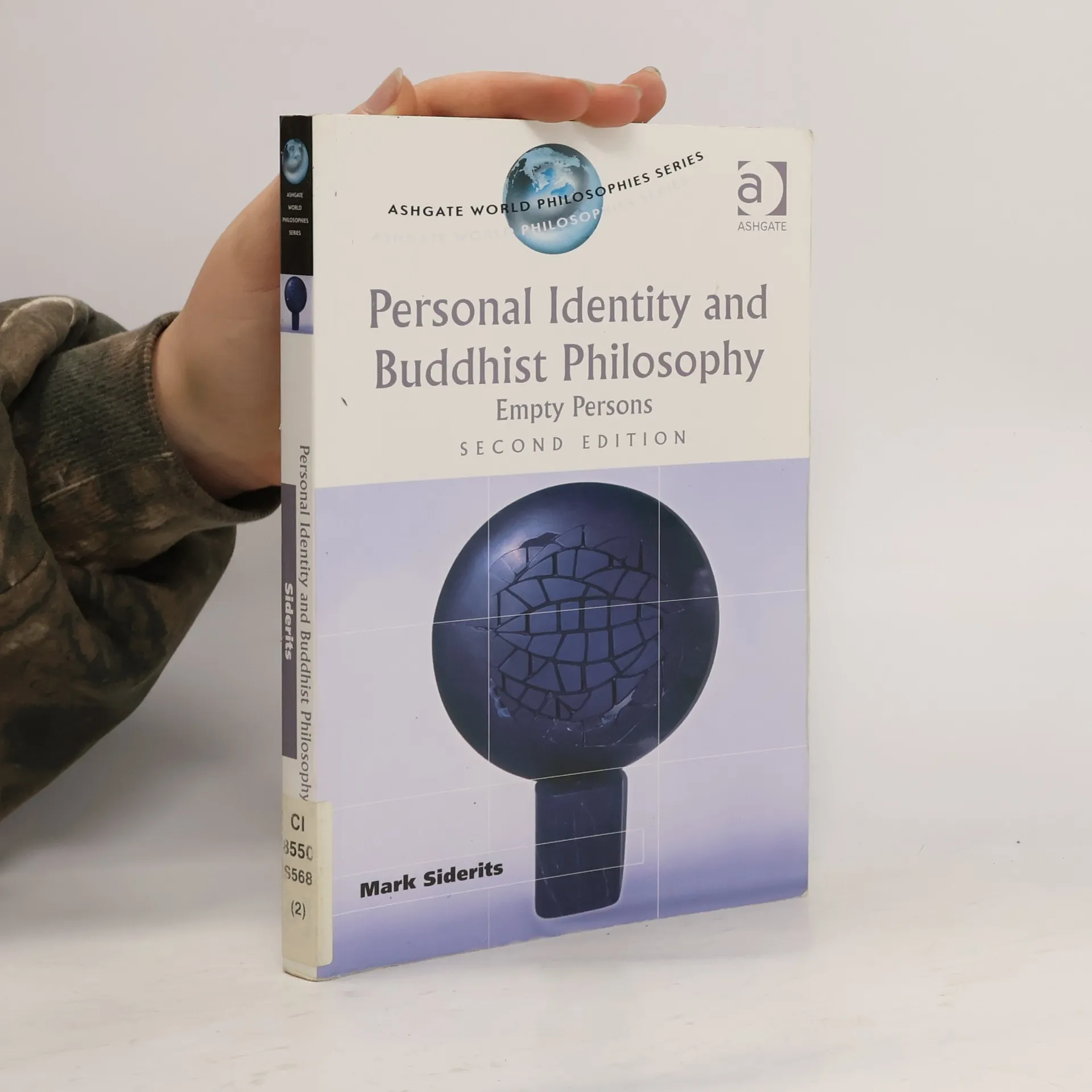
Personal Identity and Buddhist Philosophy
- 248 stránek
- 9 hodin čtení
Fully revised and updated, and drawing on developments in the author's own thinking, Siderits's second edition explores the conversation between Buddhist and Western Philosophy showing how concepts and tools drawn from one philosophical tradition can help solve problems arising in another. Siderits discusses afresh areas involved in the philosophical investigation of persons, including recent attempts by scholars of Buddhist philosophy to defend the attribution of an emergentist account of personhood to at least some Buddhists, and whether a distinctively Buddhist antirealism can avoid problems that beset other forms of ontological anti-foundationalism.