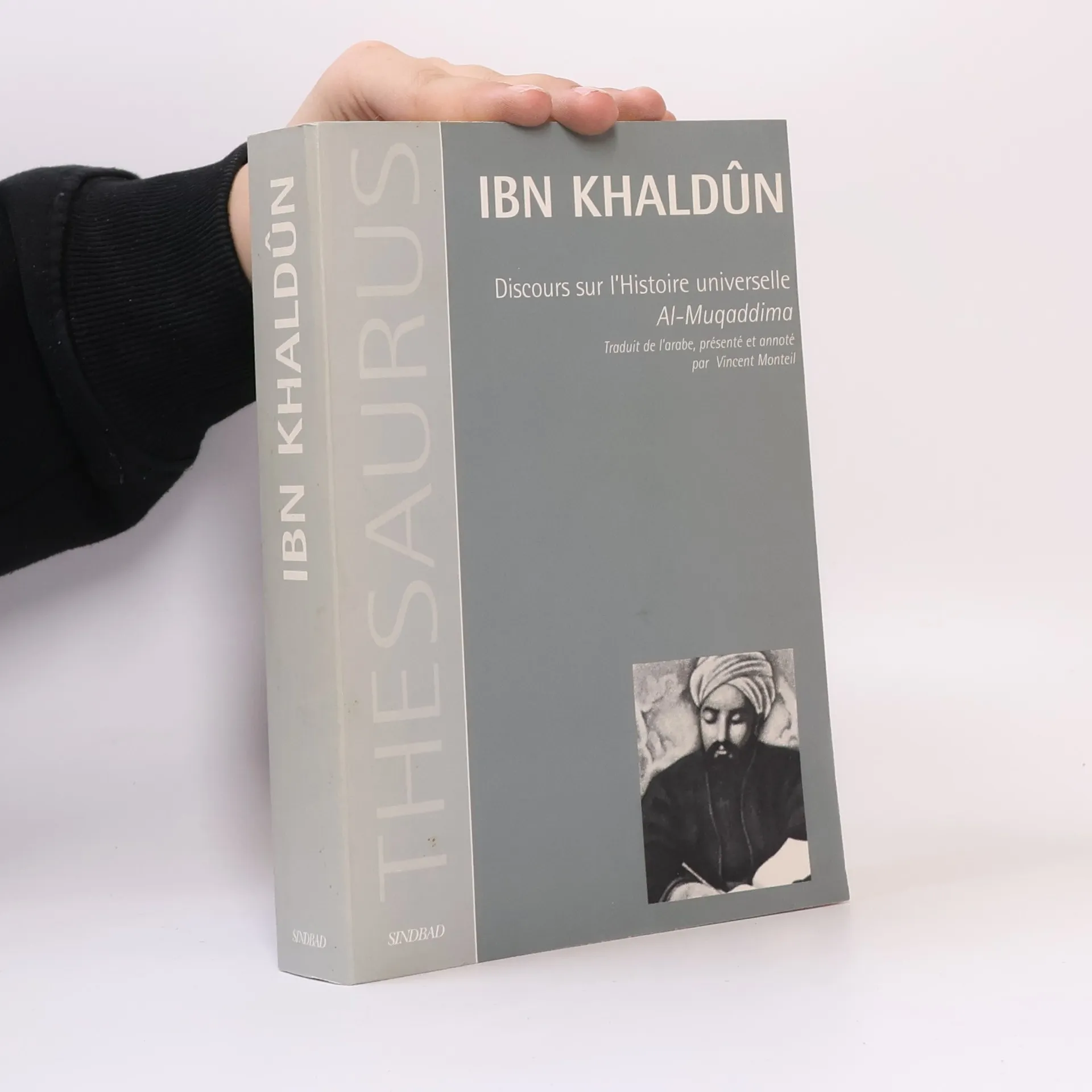
Neue Orientalische Bibliothek / Die Muqaddima
Betrachtungen zur Weltgeschichte
- 541 stránek
- 19 hodin čtení


Ibn Khaldūn je považován za jednoho ze zakladatelů moderní historiografie, sociologie a ekonomie. Jeho práce, zejména Muqaddimah, zkoumá cykly vzestupu a úpadku civilizací a nabízí vhled do fungování společnosti. Jeho analytický přístup a teorie o sociálních skupinách a jejich dynamice představují zásadní příspěvek k pochopení lidské společnosti. Dílo Ibn Khaldūna si udrželo svůj vliv po staletí a dodnes inspiruje badatele v různých oborech.
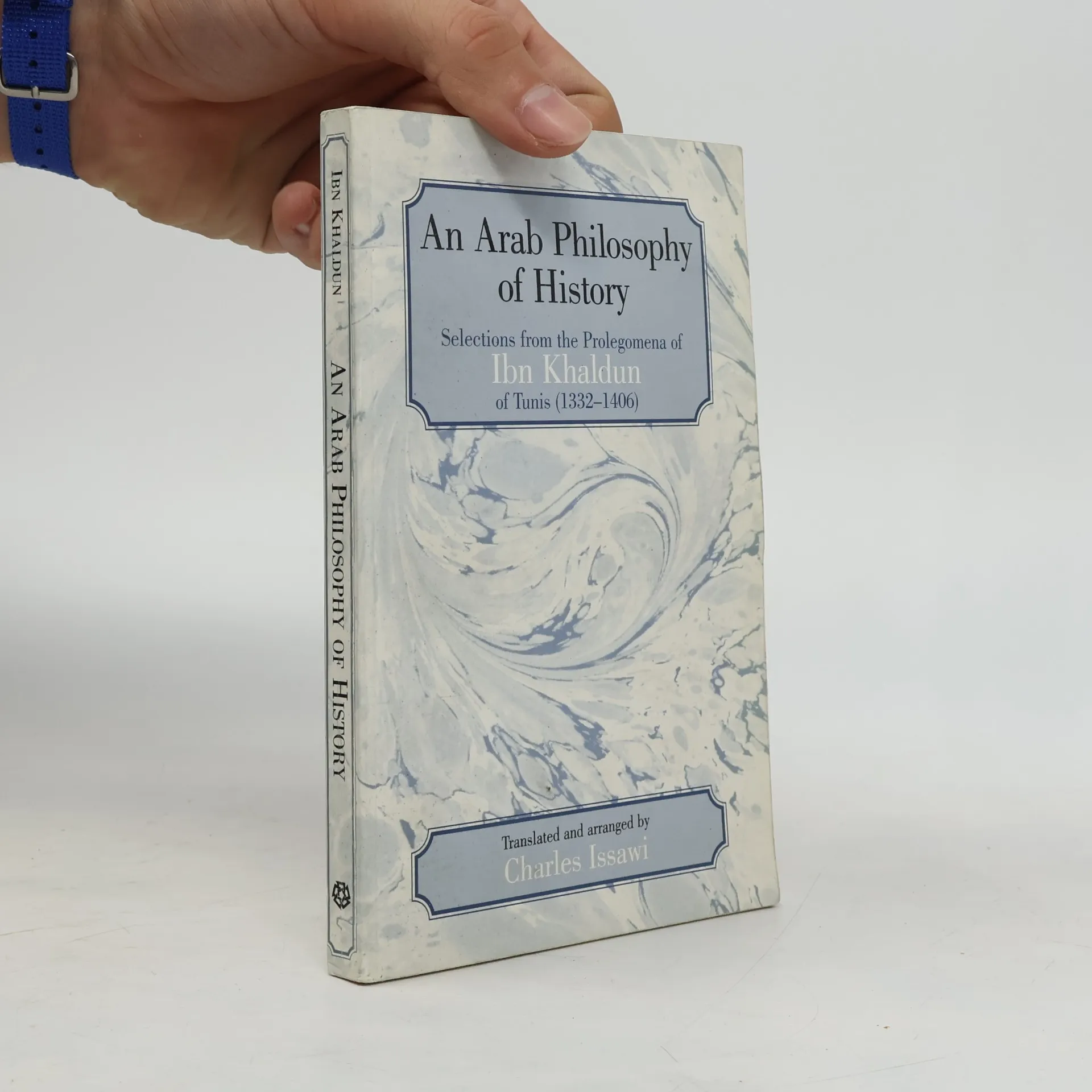

Betrachtungen zur Weltgeschichte
The political writings of a fourteenth-century philosopher offer profound insights into society and governance in the pre-modern Arab world. This volume highlights Ibn Khaldun's enduring relevance, examining his theories and their applicability to contemporary issues. Through a detailed exploration of his ideas, the book invites readers to reflect on the nature of politics and social dynamics, bridging historical thought with modern contexts.
"This work is essentially a legal opinion, a fatwa, asserting the inherent validity of the Sufi path"-- Provided by publisher
Ibn Khaldun's monumental work from the fourteenth century serves as a foundational text in various fields such as history, sociology, ethnography, and economics. It offers profound insights into the dynamics of civilization and the factors influencing societal development, making it a crucial resource for understanding the premodern Islamic world. The Muqaddimah's analytical approach and innovative concepts have left a lasting impact on multiple disciplines, highlighting Khaldun's significance as a pioneering thinker.
Ibn Khaldun's monumental work, written in the fourteenth century, is a foundational text in various fields, including history, sociology, ethnography, and economics. It provides a comprehensive analysis of the rise and fall of civilizations, emphasizing the importance of social cohesion and economic factors in historical development. This influential text not only serves as an introduction to Islamic history but also lays the groundwork for modern social sciences, making it a crucial resource for understanding historical and cultural dynamics.
The Muqaddimah (المقدمة), often translated as "Introduction" or "Prolegomenon," is the most important Islamic history of the premodern world. Written by the great fourteenth-century Arab scholar Ibn Khaldun (d. 1406), this monumental work established the foundations of several fields of knowledge, including the philosophy of history, sociology, ethnography, and economics. The first complete English translation, by the eminent Islamicist and interpreter of Arabic literature Franz Rosenthal, was published in three volumes in 1958 as part of the Bollingen Series and received immediate acclaim in the United States and abroad.
إن الكلام عن عبقرية الإنسانية الممثلة بابن خلدون وعن رسالته في تاريخ العالم ومظاهر عظمته فيما خلّفه من آثار وبصمات في عقول العلماء وخاصة في مقدمته، التي نقلب صفحاتها، والتي أنشأ فيها علماً جديداً وهو ما يسمى الآن علم الاجتماع أو السوسيولوجيا وأتى فيها بما لم يستطع أحد من قبله أن يأتي بمثله، بل عجز كثير ممن جاء بعده من الأئمة والباحثين وعلم الاجتماع أن يصلوا إلى رتبته. وهذا إن دلّ على شيء إنما يدلّ على رسوخ قدمه في كثير من العلوم، حتى لم يغادره فرع من فروع المعرفة إلا ألمّ به ووقف على كنهه. وتتوضح نقاط المقدمة الأساسية في عنوانها، فهي بحث تمهيدي للمعالجات الواسعة التي ضمتها مؤلفات ابن خلدون اللاحقة، أي أنها تقع بالنسبة للعمل قبل المقاطع الأخرى بل تتعلل أولوياتها بشكل أساسي بالنتيجة المنطقية التي تتركها على بنية البحث التالي ذاتها. وهذا يفترض فيها مبتدأ في النحو لأي خبر، والواقع أن التاريخ هو خبر عن الاجتماع الإنساني الذي هو عمران العالم.
Selections from the Prolegomena of Ibn Khaldun of Tunis
The Prolegomena of Ibn Khaldun of Tunis (A.D. 1332–1406) are in many ways the most remarkable product of Islamic thought. Not only did Ibn Khaldun sum up the accumulated knowledge and leading doctrines of his civilization, but in many fields he broke new ground and anticipated the findings of Western social scientists of the last two centuries. The passages have been grouped to illustrate Ibn Khaldun’s views on historical method, geography, economics, public finance, population, society and state, and the theory of being and theory of knowledge. This selection is intended for students of thought, rather than specialized Arabic scholars, and for those interested in the intellectual background of the Arab world.
Ibn Khaldun a réalisé d'importantes analyses sur tous les domaines des sciences islamiques, des sciences naturelles et sociales, et est considéré comme le fondateur de la "Philosophie de l'Histoire" et de la "Science de l'Économie". Il a également acquis le statut du premier sociologue de l'histoire de l'humanité. En formulant de nombreux principes fondamentaux de la sociologie des siècles avant les scientifiques occidentaux, Ibn Khaldun a établi des méthodes qui éclairent des penseurs tels que Vico et Machiavel dans les domaines de l'histoire, de la théorie politique et de la psychologie sociale, Montesquieu sur les principes généraux de l'ordre social, Rousseau et Auguste Comte en philosophie de l'histoire, et Edward Gibbon sur le principe de la chute des États, ainsi que William James et Herbert Spencer en pédagogie. Sans lire Ibn Khaldun, nous ne pouvons pas comprendre la philosophie, l'histoire, les formes de gouvernement, et surtout ce que l'Islam a apporté.
19x12. 192 pgs. Firma y sello de biblioteca en la portada. Puntos de óxido en cubiertas.