
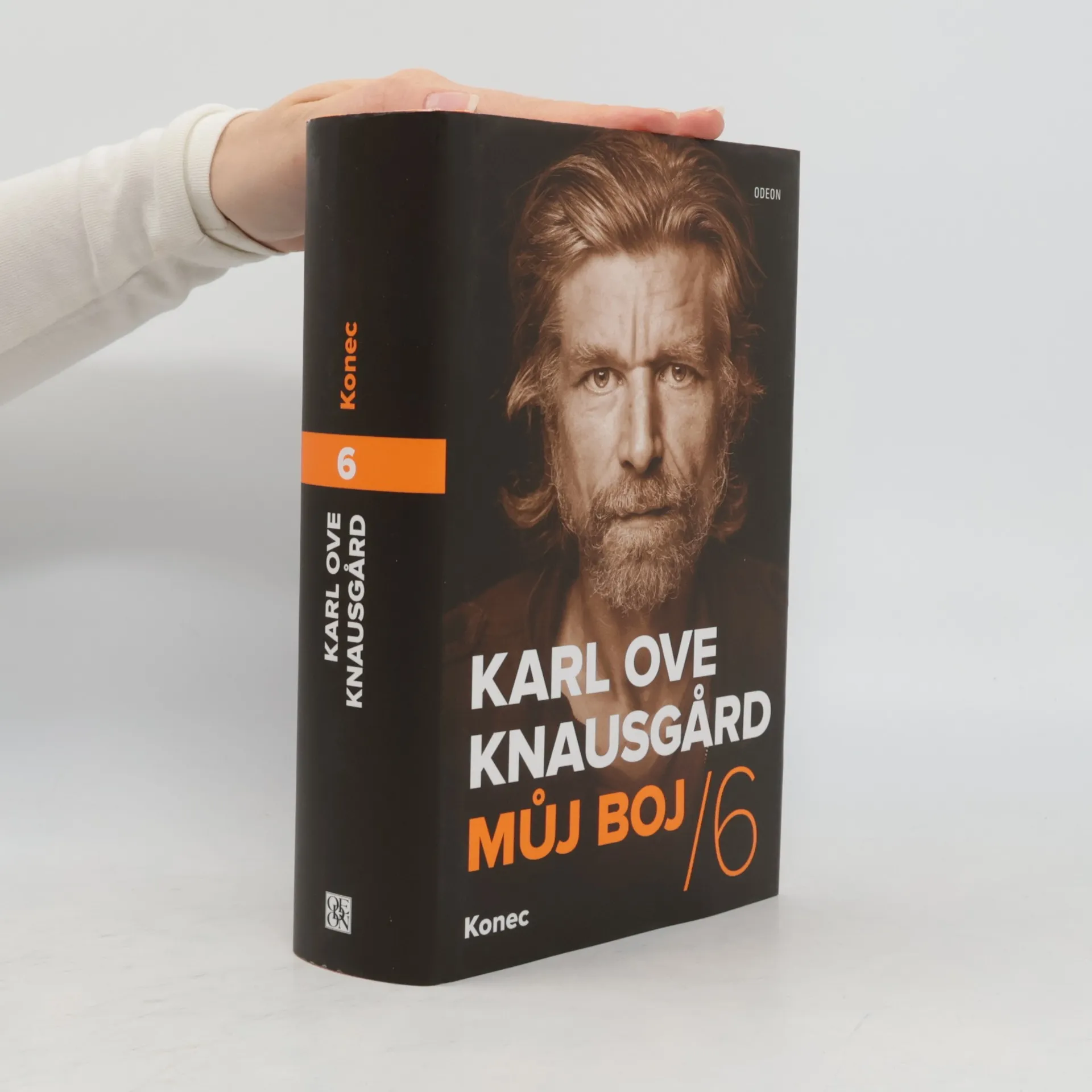
Karl Ove Knausgård se ve své tvorbě zaměřuje na introspektivní zkoumání každodenního života a osobních zkušeností. Jeho psaní se vyznačuje syrovou upřímností a detailním pozorováním, které čtenáře vtahuje do hlubin lidské psychiky. Knausgårdův jedinečný styl, často označovaný jako „literární proud vědomí“, zkoumá témata identity, paměti a vztahů s neobyčejnou naléhavostí. Jeho díla představují odvážný experiment s formou a obsahem, který posouvá hranice moderní prózy.
Monumentální závěrečný díl hexalogie Můj boj nazvaný příznačně Konec. Karl Ove Knausgard definitivně a nemilosrdně bilancuje a ukazuje nám, jak „nebýt spisovatelem“. Ale aby toho nebylo málo, střední část tohoto svazku tvoří čtyřsetstránkový esej o Adolfu Hitlerovi.
It's a typical summer night in August. Literature professor Arne and artist Tove are with their children at a summer house in southern Norway. Their friend Egil is staying nearby. Kathrine, a priest, is on her way home from a seminar, journalist Jostein is out on the town, and his wife, Turid, an assistant nurse, is on the night shift. Above them all, a huge star suddenly appears blazing in the sky. No one knows what this phenomenon might be. Is it a star burning itself out? But why, then, has no one seen it before? Is it a brand new star? Life goes on, but not quite as before, as strange things start to happen on the fringes of human existence. 'The Morning Star' is a novel about what we do not understand, about great drama seen through the ordinary lens of life. But first and foremost, it is about what happens when the dark forces in the world are set free.