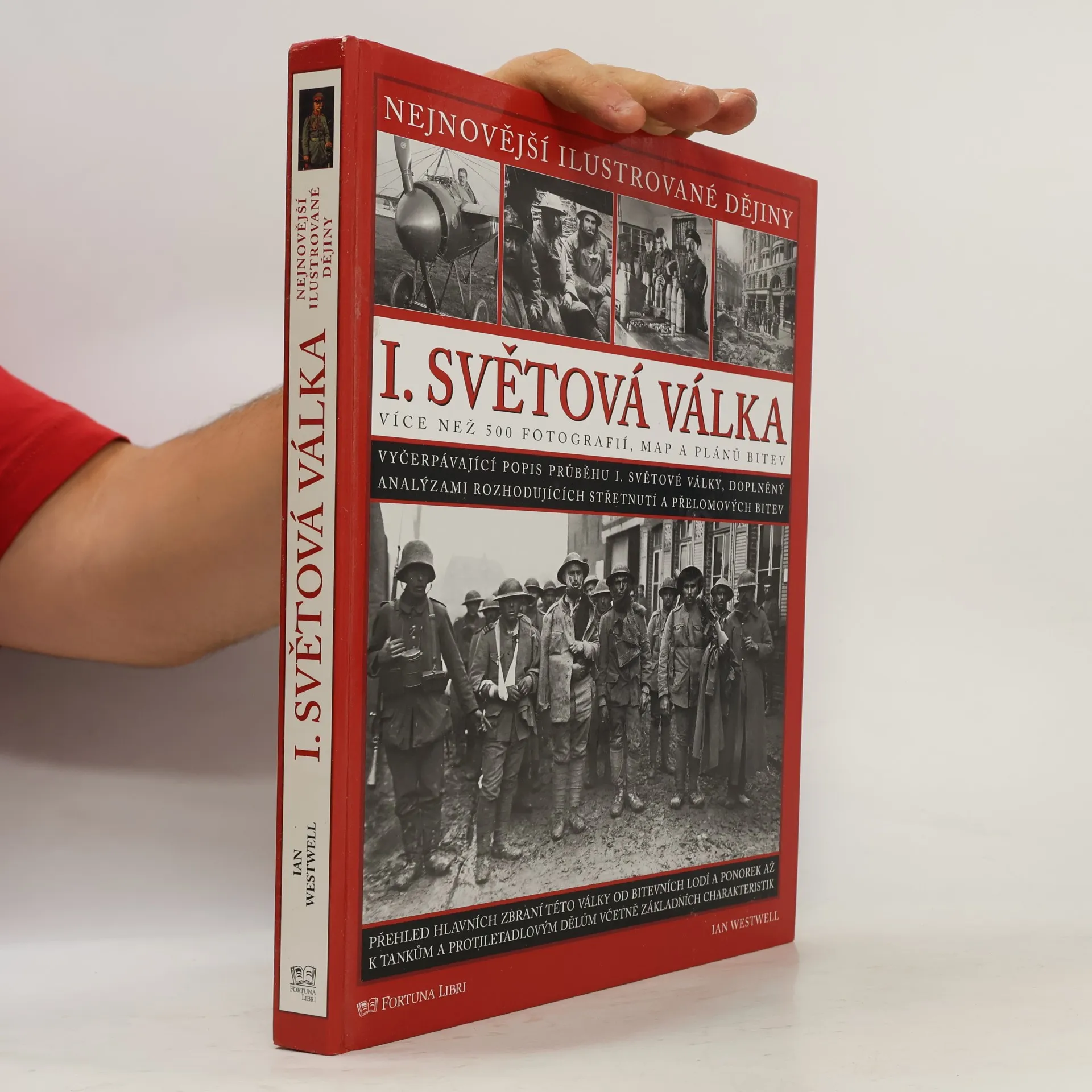
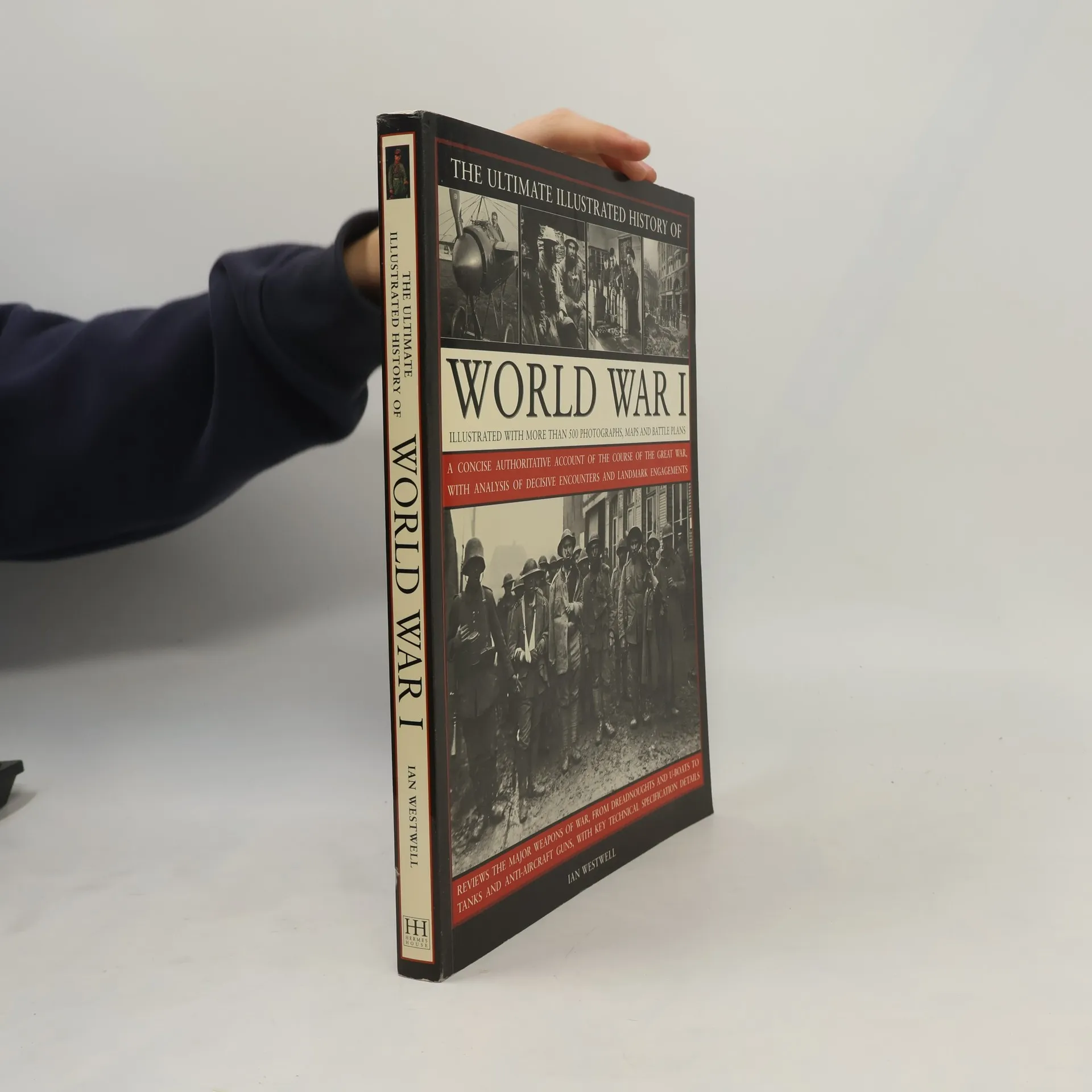
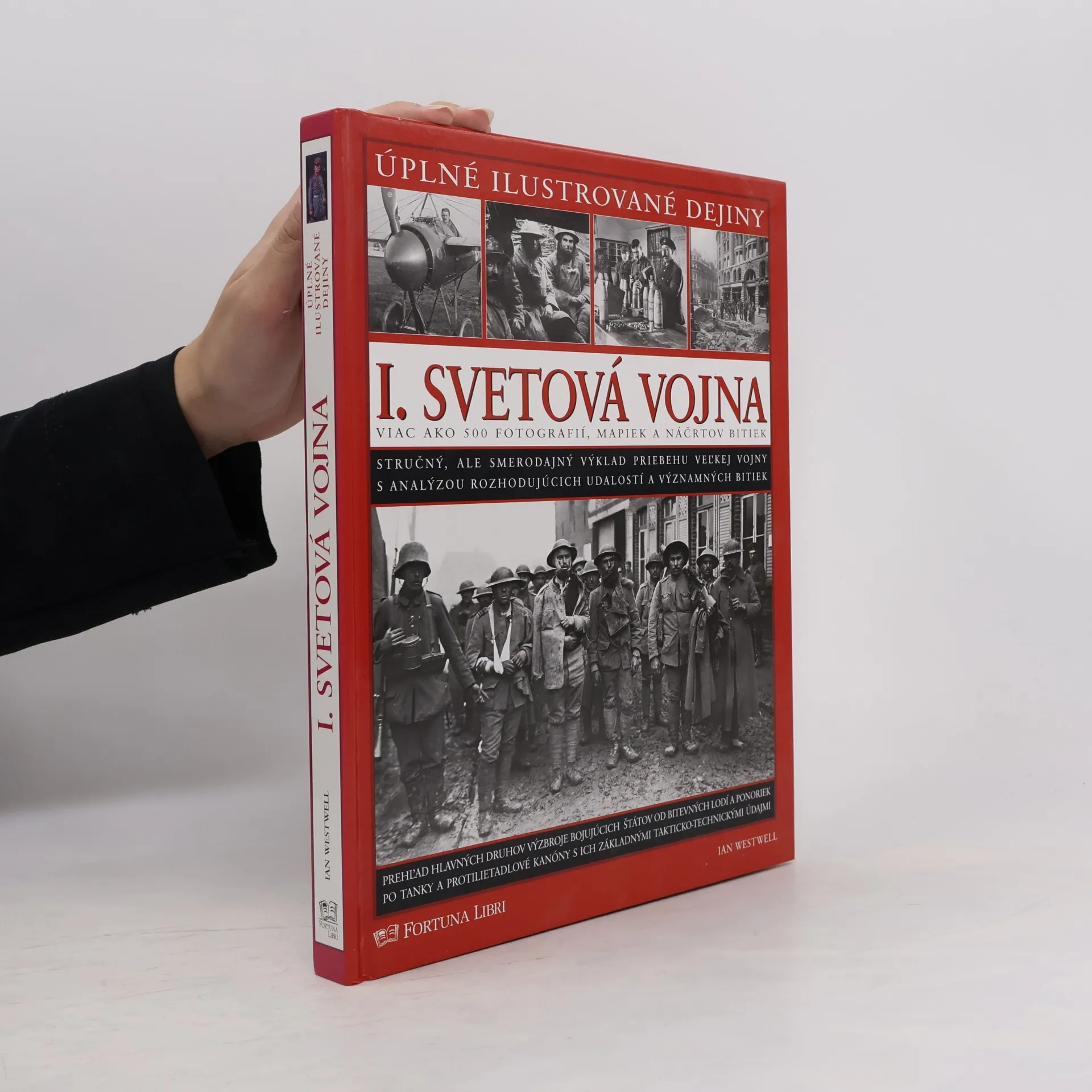
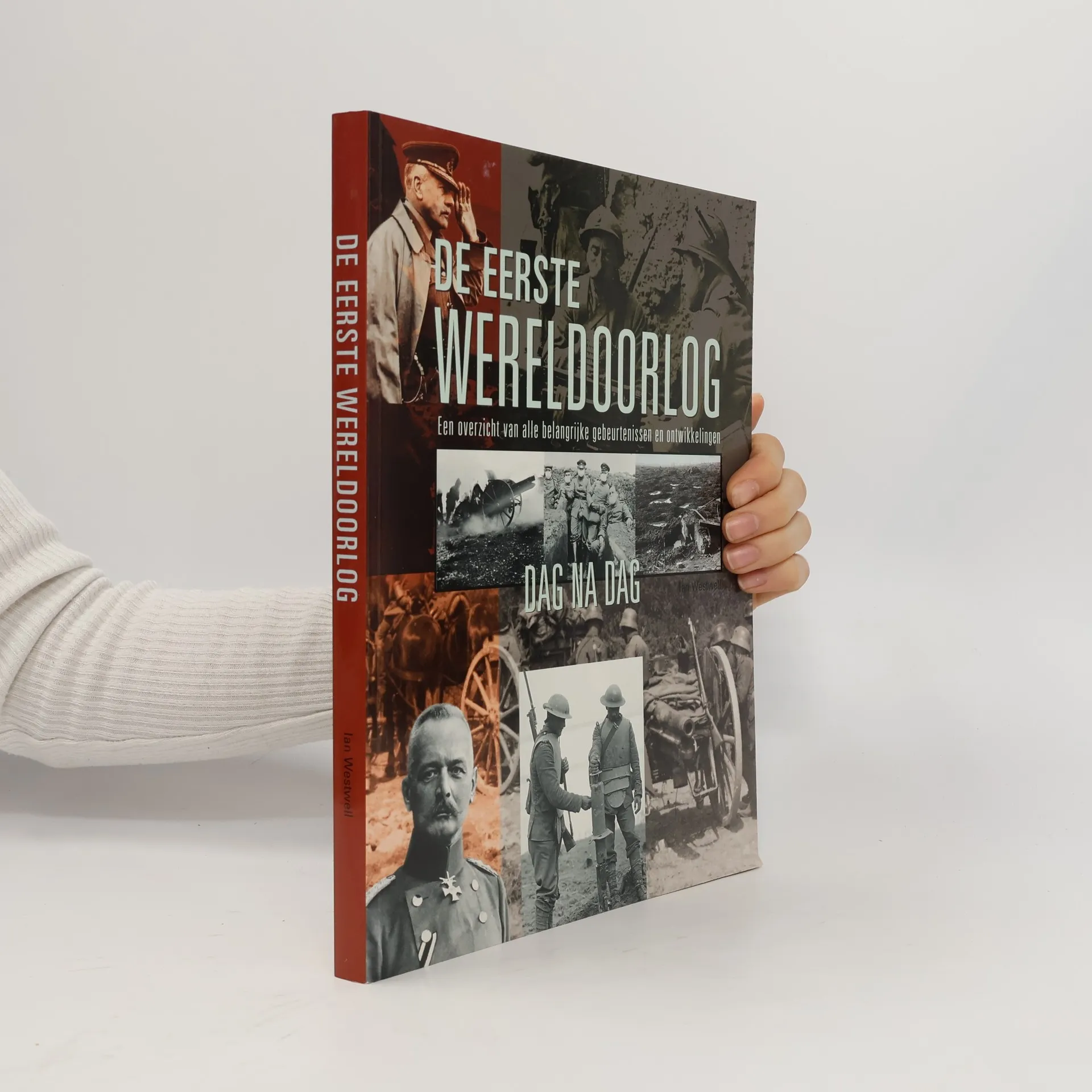
První světová válka den po dni je chronologickou historií tohoto konfliktu od prvních výstřelů v Sarajevu v červnu 1914 až do uzavření příměří v listopadu 1918. Jsou v ní popisovány události na všech bojištích, stejně jako boje ve vzduchu a na moři. Jsou zmiňovány i špionáž, události na domácích frontách, politické okolnosti a technické prostředky, jež měly podstatný vliv na průběh válečných událostí. Mimo to jsou součástí knihy i zvláštní kapitoly pojednávající o klíčových osobnostech války, nejdůležitějších zbraních, událostech a otázkách strategie a taktiky. Kniha obsahuje téměř 400 fotografií a map.
Vyčerpávající popis průběhu I. světové války, doplněné analýzami rozhodujících střetnutí a přelomových bitev. Přehled hlavních zbraní této války od bitev lodí a ponorek až k tankům a protiletadlovým dělům včetně základních charakteristik.
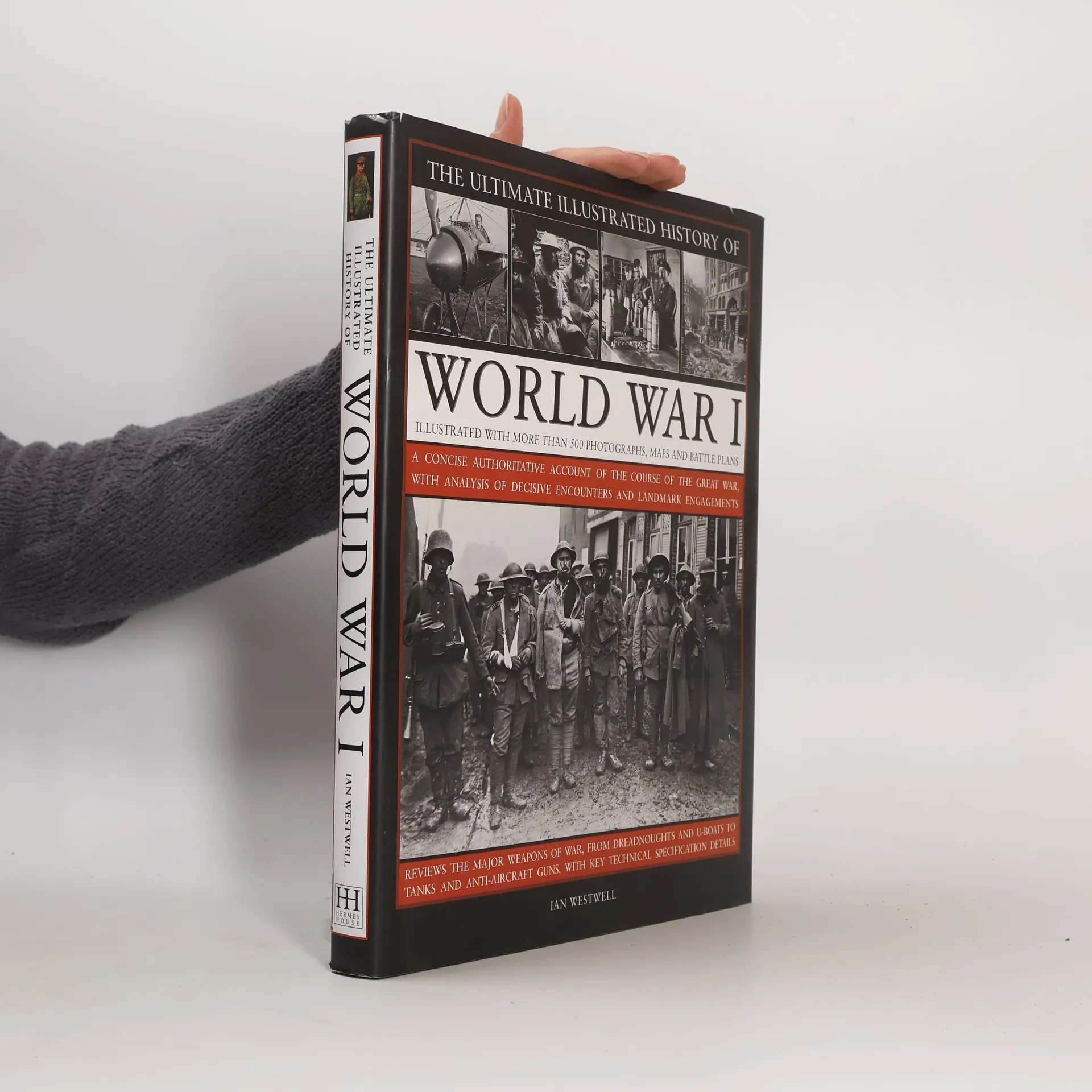
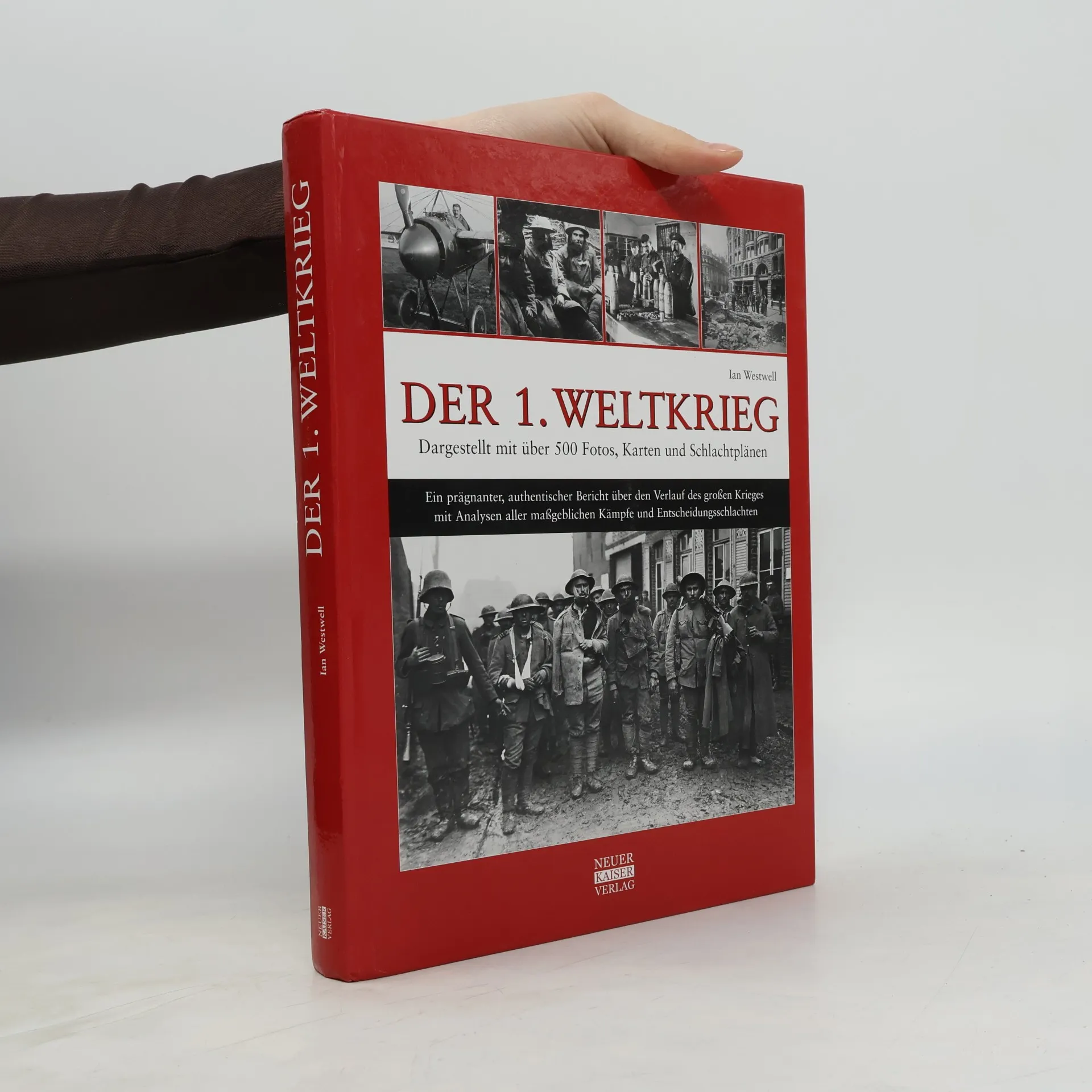
Illustrated with More Than 500 Photographs, Maps and Battle Plans
256 stránek
9 hodin čtení
World War I was the first truly global conflict. The scale of human loss was staggering: some 8 million soldiers and more than 6 million civilians died in four years of fighting, and a further 21 million troops were wounded. It was also the first time that many of the military technologies we now take for granted were seen, including aircraft, submarines and tanks. Yet these were overshadowed by more established weapons such as machine guns, and artillery, the most lethal weapon of all. This wide-ranging book begins with the state of Europe before the war and then chronicles the course of the war a year at a time. Major battles are interspersed with features detailing the weapons and tactics that often decided the outcomes. The final chapter looks at the aftermath of war and the newly emerging European states. All aspects of the conflict are covered, from common war illnesses through to espionage, the use of propaganda and atrocities on all sides. Fact boxes highlight the lives of the most important political leaders, generals and fighters, while also discussing the different political movements which flourished, such as pacifism. The full story of World War I is told in an accessible style and is supplemented with more than 500 photographs, maps and battle plans. This is the perfect book for both general and specialist readers.
A highly readable popular history of the military and political events of World War I, illustrated with more than 500 compelling contemporary photographs, maps, and plans of key engagements. Focuses on key military figures of WWI.
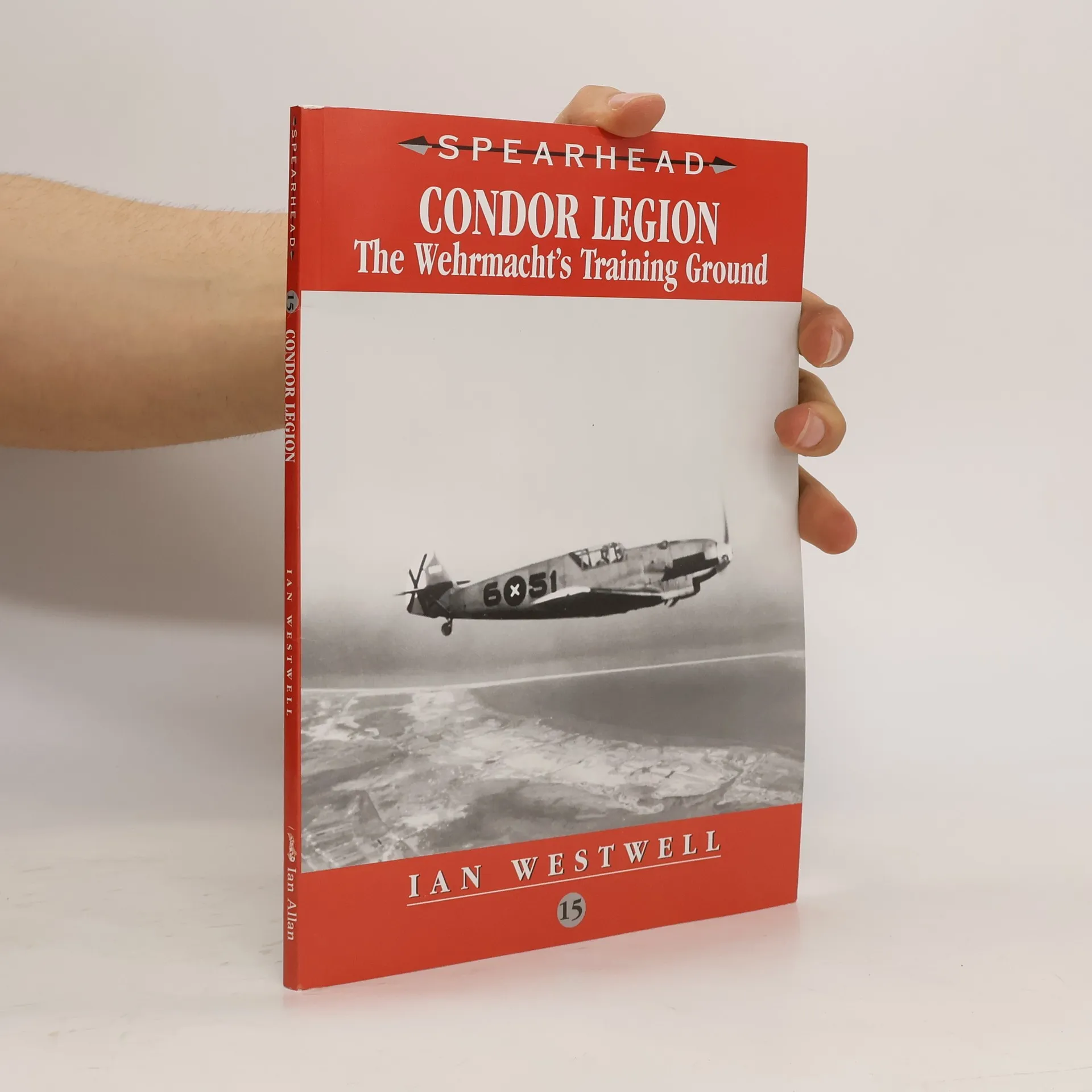
"The Spanish Civil War between the Nationalists, under Gen. Francisco Franco, and the Republicans polarised international opinion. The Nationalists received aid from the fascists -- Nazi Germany and Italy; the Republicans from Russia and the International Brigades. German assistance started in July 1936, when Hitler sent Ju52 transports to Morocco from where they transported the Army of Africa to Spain. In October 1936, Hitler gave permission for the Condor Legion to be formed. An autonomous unit responsible only to Franco, the legion participated in all the major engagements of the war -- including Brunete, Teruel, Aragon and Ebro -- but possibly its best remembered participation was the carpet-bombing of the market town of Guernica, immortalised by Picaso. The Condor Legion returned to Germany in 1938"--Page 4 of cover.
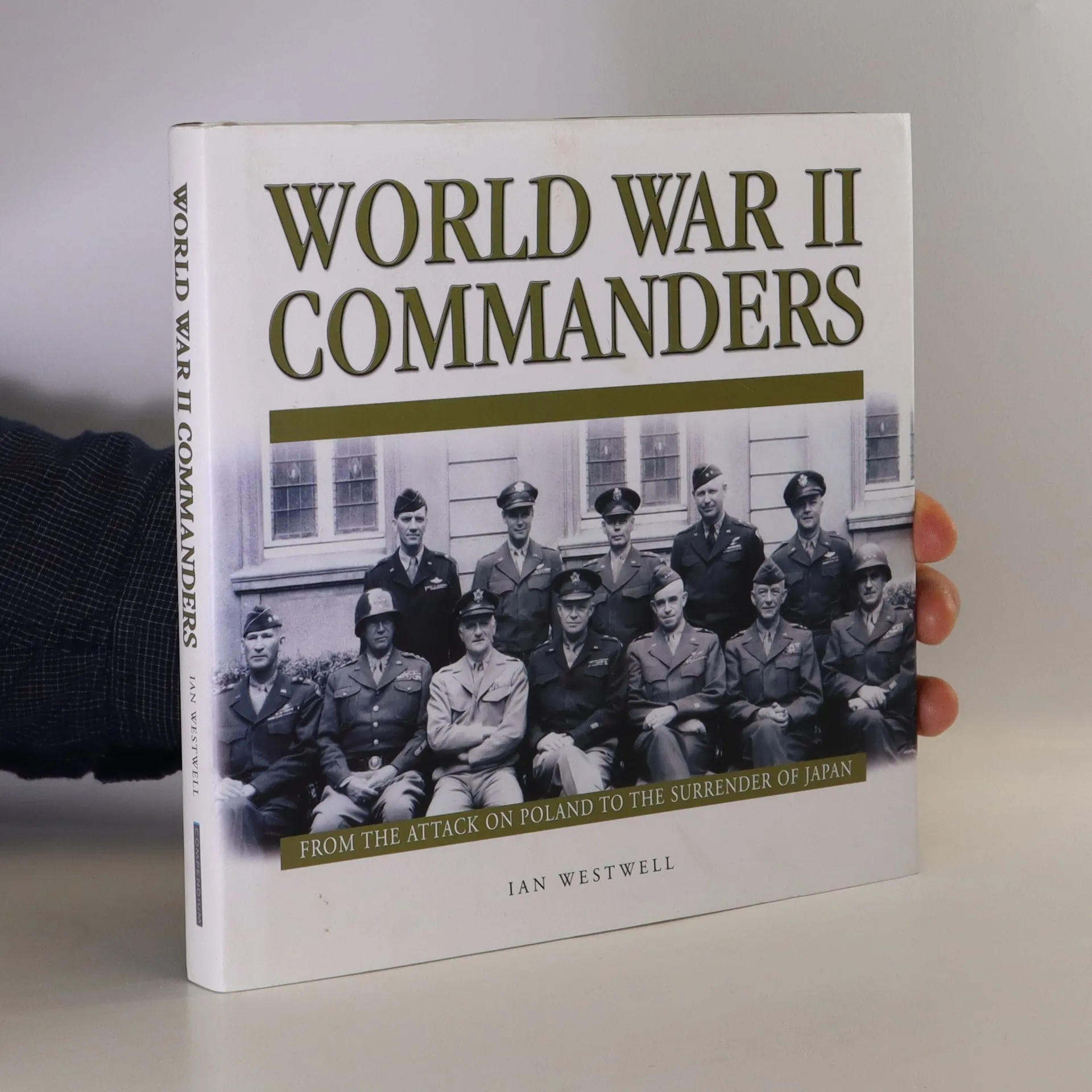
"The main focus of the book ... is the concise career descriptions of approximately 180 individual commanders -- of countries and alliances, of military units and militias -- that determined the progress and outcome of the war: they generally made decisions, led the troops, and instilled discipline, morale and fighting spirit of the soldiers, sailors, and airmen who found the war in Europe and the Pacific"--Dust jkt.
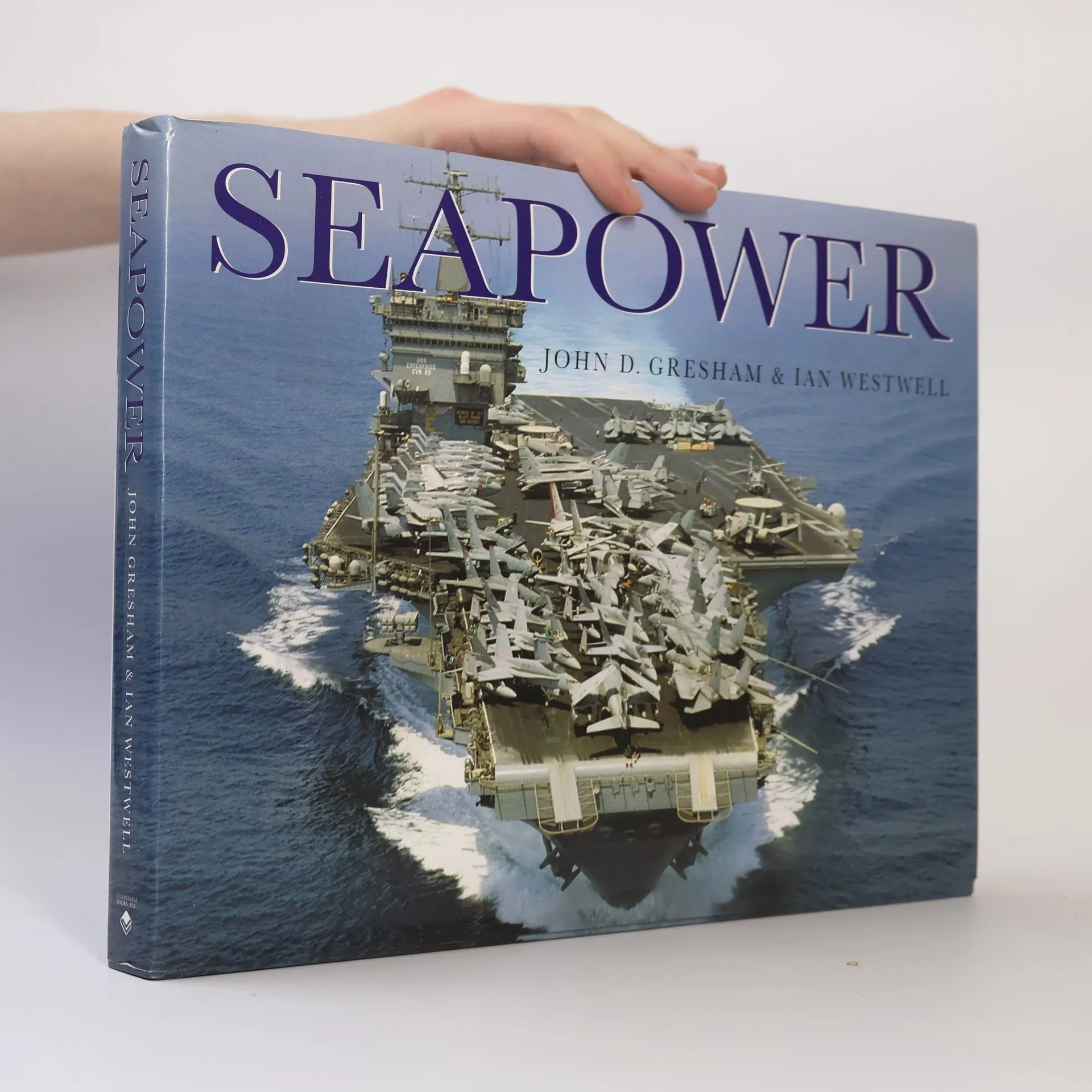
A spectacular arrangement of photographs highlights the 26 classes plus 8 other types of vessels represented here, with complete specifications and histories.
Dargestellt mit über 500 Fotos, Karten und Schlachtplänen
256 stránek
9 hodin čtení
Die militärischen und politischen Geschehnisse des 1. Weltkriegs werden in diesem Buch ausführlich dargestellt: - Die wichtigsten Fakten zu den politischen Voraussetzungen, Kriegsausbruch und Kriegsverlauf. - Feld- und Seeschlachten, militärische Strategien sowie Siege und Niederlagen werden genau erläutert. - Die zentralen militärischen und politischen Führungspersönlichkeiten, wie Paul von Hindenburg, Erich Ludendorff, Kaiser Wilhelm II. und Georges Clemenceau, werden detailliert beschrieben. - Umfassendes dokumentarisches Material, über 500 Fotos und topografische Karten.