

Exploring two centuries of interactions, this book delves into the rich historical connections among the regions surrounding the western Indian Ocean, particularly focusing on India, Iran, and Africa. It examines the cultural, economic, and political exchanges that shaped these areas, highlighting the impact of maritime trade and migration on their development. Through detailed analysis, the narrative uncovers how these interactions influenced local societies and fostered a shared maritime heritage.
Sanjay Subrahmanyam Pořadí knih (chronologicky)
21. květen 1961
Tento autor zkoumá složité propojení mezi historií a ekonomikou. Jeho práce se často zaměřuje na globální perspektivu a zkoumá, jak se společnosti v průběhu času vyvíjely. Prostřednictvím své rozsáhlé akademické kariéry v předních institucích po celém světě přináší hluboký a promyšlený pohled na historické procesy. Čtenáři se mohou těšit na analýzy, které osvětlují dlouhodobé trendy a vzorce v lidských dějinách.

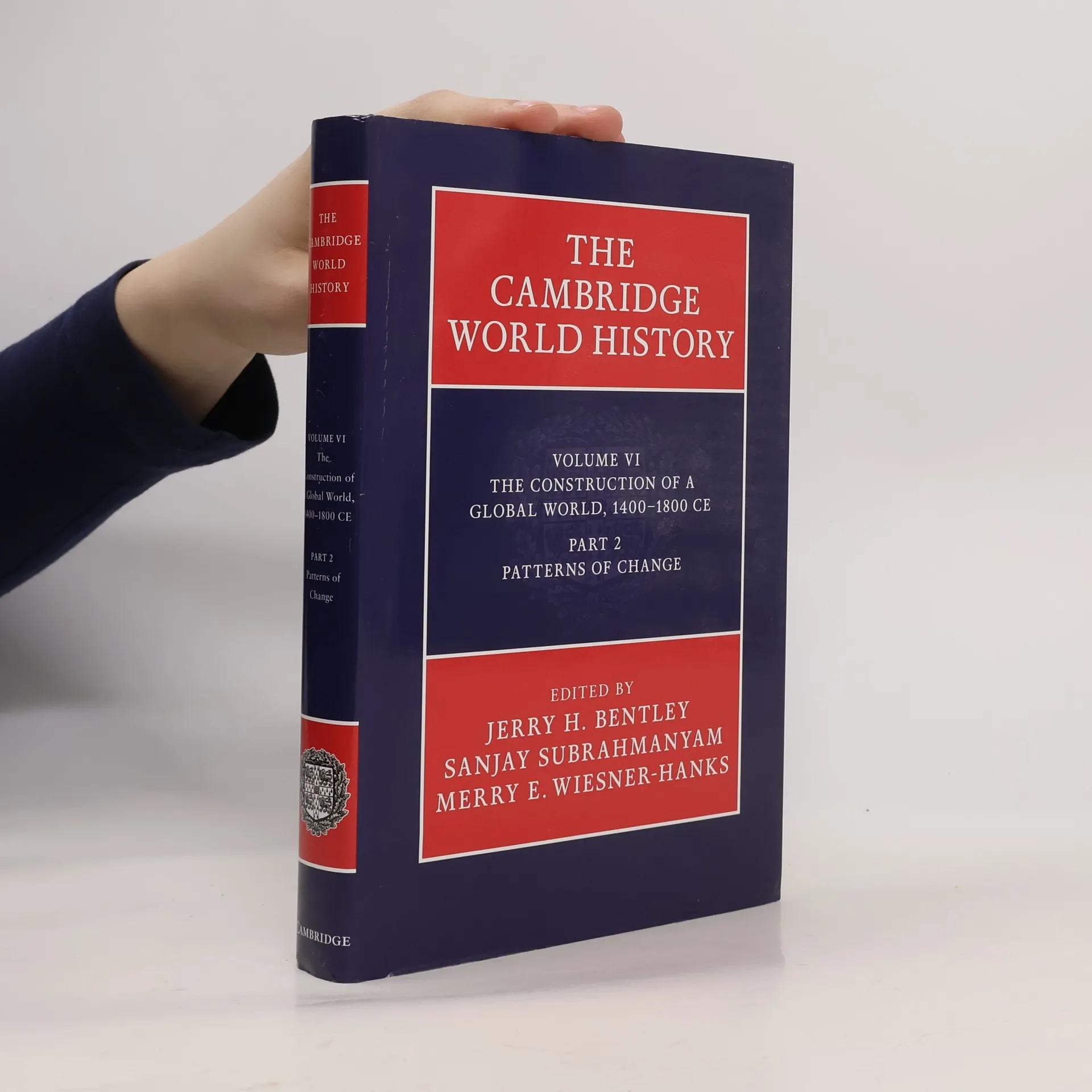
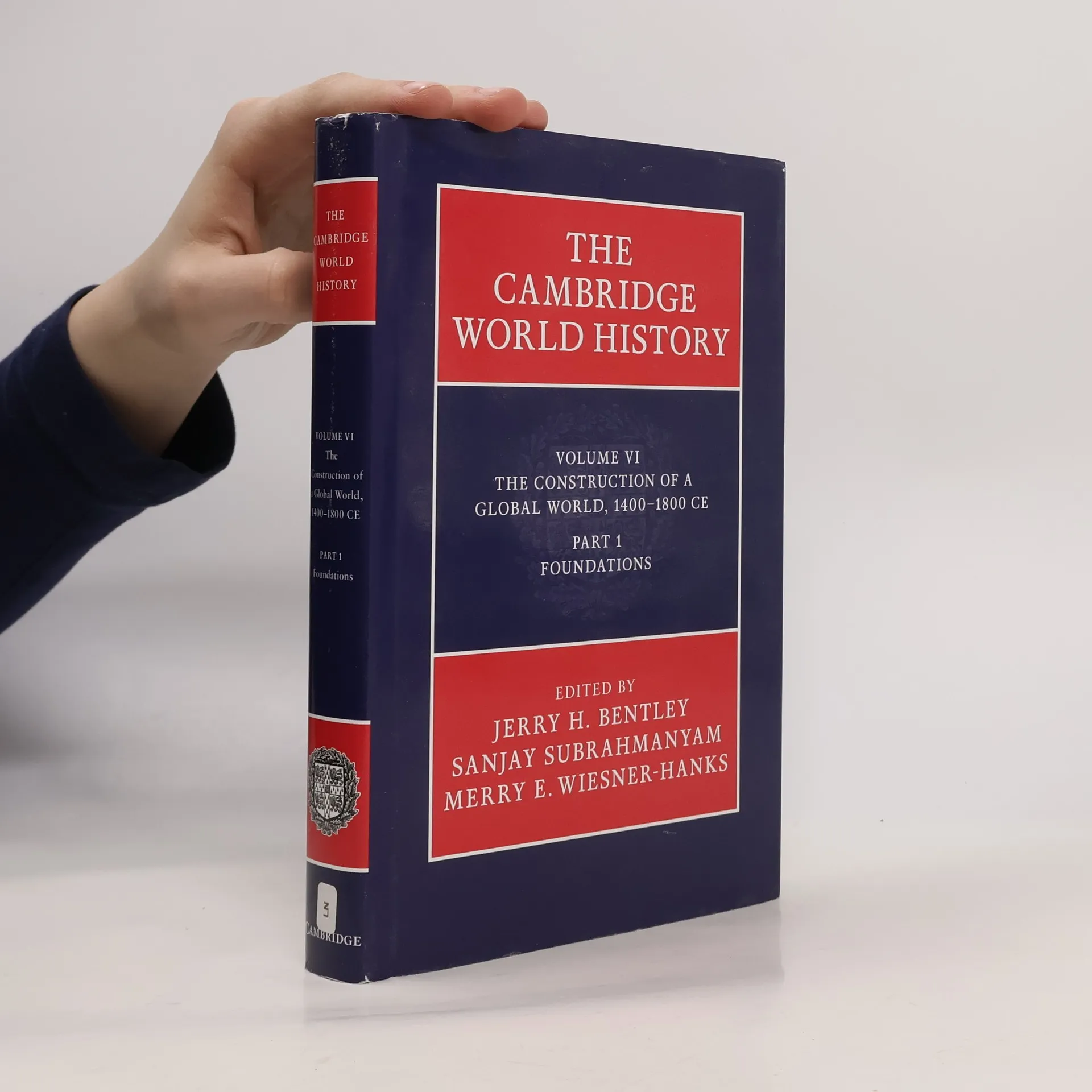
The era from 1400 to 1800 saw intense biological, commercial, and cultural exchanges, and the creation of global connections on an unprecedented scale. Divided into two books, Volume 6 of the Cambridge World History series considers these critical transformations. The first book examines the material and political foundations of the era, including global considerations of the environment, disease, technology, and cities, along with regional studies of empires in the eastern and western hemispheres, crossroads areas such as the Indian Ocean, Central Asia, and the Caribbean, and sites of competition and conflict, including Southeast Asia, Africa, and the Mediterranean. The second book focuses on patterns of change, examining the expansion of Christianity and Islam, migrations, warfare, and other topics on a global scale, and offering insightful detailed analyses of the Columbian exchange, slavery, silver, trade, entrepreneurs, Asian religions, legal encounters, plantation economies, early industrialism, and the writing of history.
The Cambridge World History
The Construction of a Global World, 1400-1800 CE - Part 2: Patterns of Change
- 512 stránek
- 18 hodin čtení
The era from 1400 to 1800 saw intense biological, commercial, and cultural exchanges, and the creation of global connections on an unprecedented scale. Divided into two books, Volume 6 of the Cambridge World History series considers these critical transformations. The first book examines the material and political foundations of the era, including global considerations of the environment, disease, technology, and cities, along with regional studies of empires in the eastern and western hemispheres, crossroads areas such as the Indian Ocean, Central Asia, and the Caribbean, and sites of competition and conflict, including Southeast Asia, Africa, and the Mediterranean. The second book focuses on patterns of change, examining the expansion of Christianity and Islam, migrations, warfare, and other topics on a global scale, and offering insightful detailed analyses of the Columbian exchange, slavery, silver, trade, entrepreneurs, Asian religions, legal encounters, plantation economies, early industrialism, and the writing of history.
The Career and Legend of Vasco Da Gama
- 428 stránek
- 15 hodin čtení
This revisionist account reexamines Vasco da Gama's journey as the discoverer of the sea route to India between 1497 and 1499. It challenges traditional narratives, exploring the complexities of his character, motivations, and the broader implications of his voyages. The book delves into the cultural encounters and conflicts that arose during this period, providing a nuanced perspective on the impact of da Gama's expeditions on global trade and colonialism.