Empress of the East
- 384 stránek
- 14 hodin čtení
The extraordinary story of a slave-girl who rose from concubine to become the Ottoman Empire's only queen.


Leslie P. Peirce je historička se zájmem o raně novověkou historii Osmanské říše, zejména o gender, právo a společnost. Její práce se vyznačuje hlubokým vhledem do sociálních struktur a právních systémů té doby. Peirce zkoumá každodenní život a mocenské vztahy prostřednictvím pečlivé analýzy historických pramenů. Její přístup nabízí jedinečný pohled na formování společnosti a postavení žen v raně novověkém Osmanském císařství.
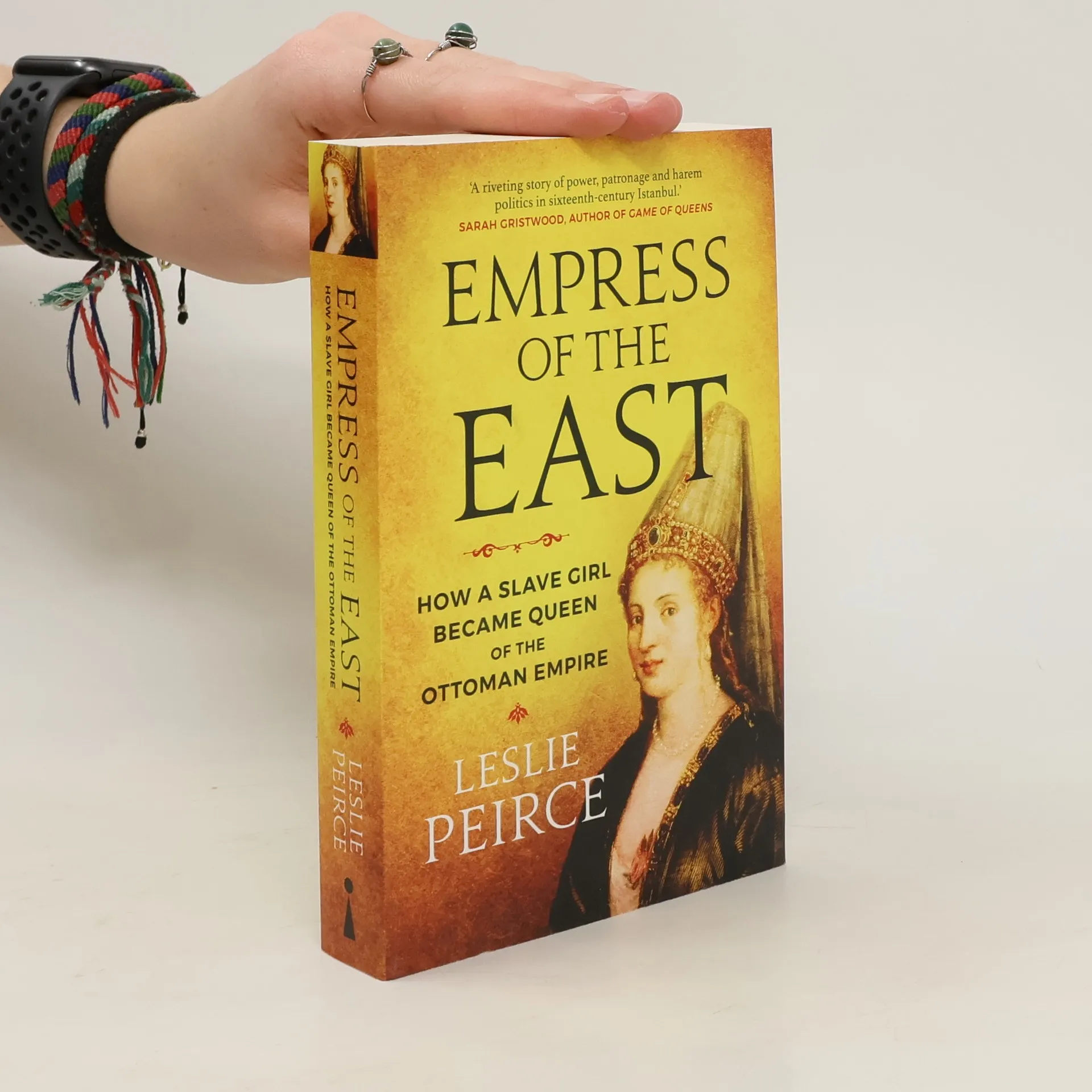
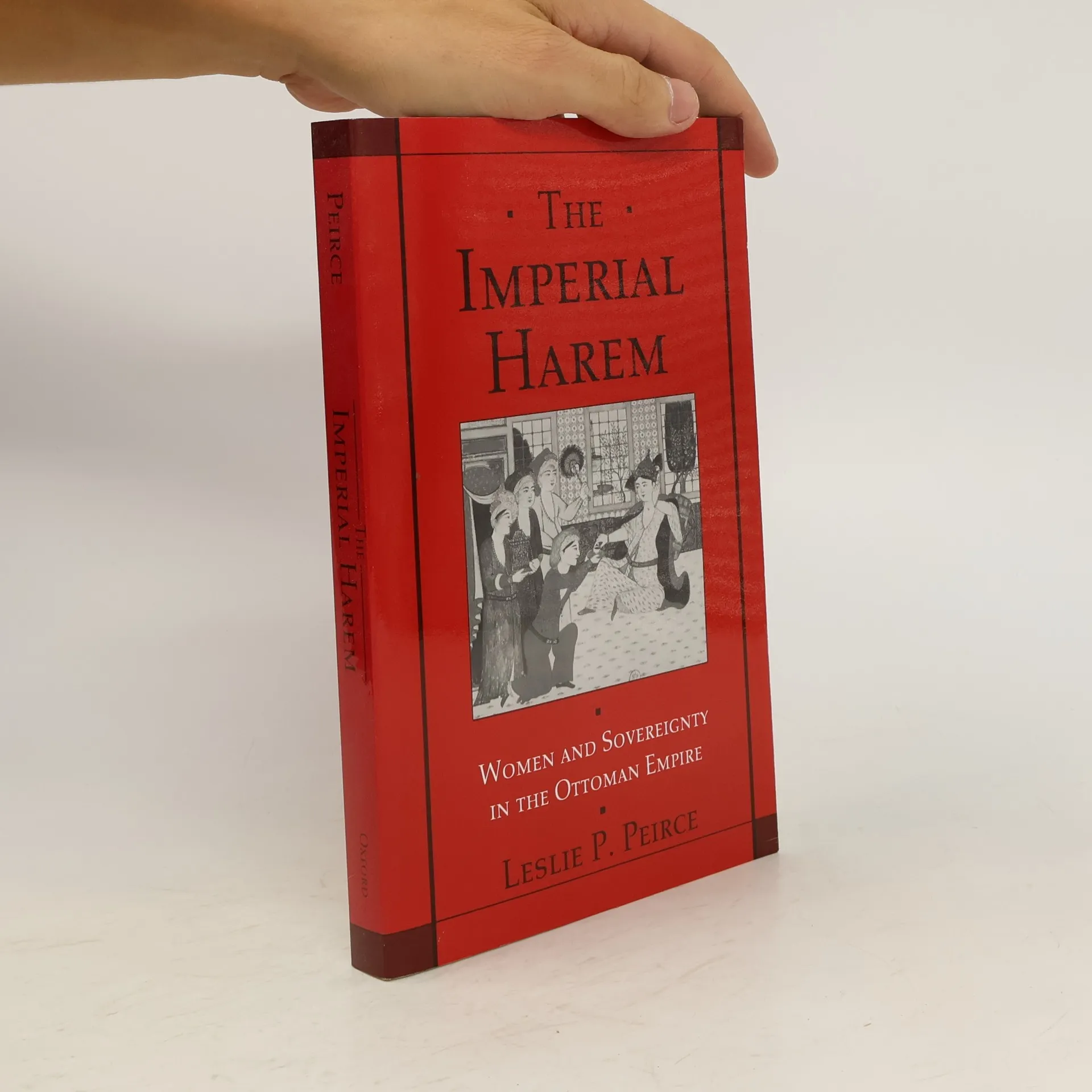
The extraordinary story of a slave-girl who rose from concubine to become the Ottoman Empire's only queen.
The unprecedented political power of the Ottoman imperial harem in the sixteenth and seventeenth centuries is widely viewed as illegitimate and corrupting. This book examines the sources of royal women's power and assesses the reactions of contemporaries, which ranged from loyal devotion to armed opposition. By examining political action in the context of household networks, Leslie Peirce demonstrates that female power was a logical, indeed an intended, consequence of political structures. Royal women were custodians of sovereign power, training their sons in its use and exercising it directly as regents when necessary. Furthermore, they played central roles in the public culture of sovereignty--royal ceremonial, monumental building, and patronage of artistic production. The Imperial Harem argues that the exercise of political power was tied to definitions of sexuality. Within the dynasty, the hierarchy of female power, like the hierarchy of male power, reflected the broadersociety's control for social control of the sexually active.