Knihobot

Mark A. Richards

    Mark Richards se věnuje psaní o venkovní přírodě a zkoumá malebnou krajinu Velké Británie. Jeho díla se soustředí na pěší turistiku, zejména v oblastech jako Cotswolds, Peak District a Lake District. S hlubokou vášní pro tyto regiony Richards vytváří podrobné průvodce, které čtenářům přibližují krásu a výzvy venkovních dobrodružství. Jeho práce je inspirována láskou k přírodě a touhou sdílet tyto zážitky s ostatními.

    Handbuch moderner Softwarearchitektur
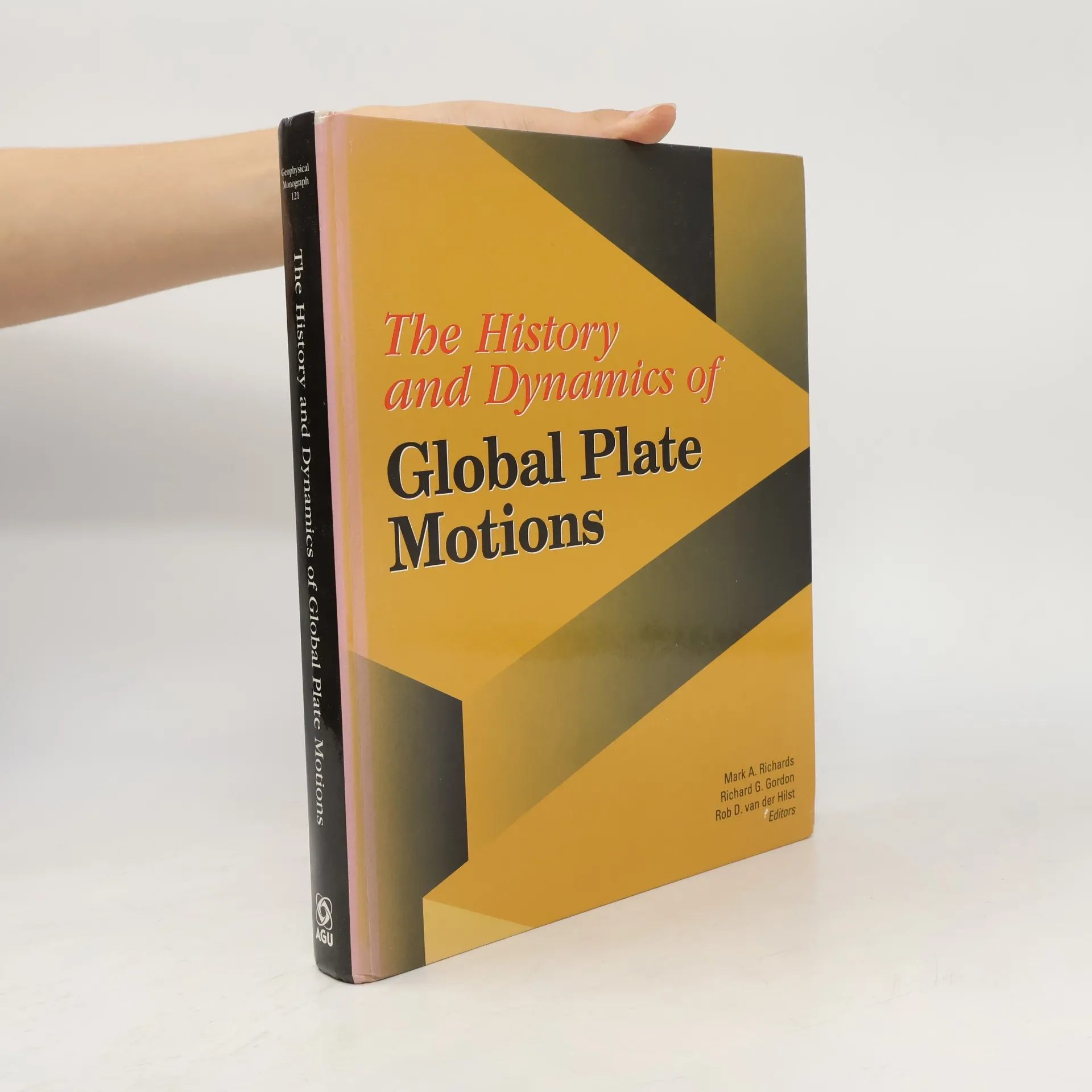
    Geophysical Monograph - 121: The History and Dynamics of Global Plate Motions
    • Handbuch moderner Softwarearchitektur

      Architekturstile, Patterns und Best Practices

      • 456 stránek
      • 16 hodin čtení

      Obwohl Gehaltsumfragen weltweit regelmäßig den Softwarearchitekten als einen der zehn besten Berufe identifizieren, gibt es bisher keine angemessenen Leitfäden, die Entwicklern helfen, Architekten zu werden. Dieser praktische Leitfaden bietet einen umfassenden Überblick über die vielen Aspekte der Softwarearchitektur. Sie werden architektonische Merkmale, architektonische Muster, die Bestimmung von Komponenten, das Diagrammieren und Präsentieren von Architekturen, evolutionäre Architekturen und viele andere Themen untersuchen. Die Autoren Neal Ford und Mark Richards helfen Ihnen, durch Beispiele in verschiedenen gängigen Programmiersprachen wie Java, C#, JavaScript und anderen zu lernen. Sie konzentrieren sich auf Architekturprinzipien mit Beispielen, die für alle Technologiestacks gelten.

      Handbuch moderner Softwarearchitektur2020
    • Published by the American Geophysical Union as part of the Geophysical Monograph Series, Volume 121. The new global tectonics that emerged three decades ago profoundly changed our view of the Earth and its evolution. Although the theory of plate tectonics gives a kinematic description of much of Earth's surface motions, our dynamical understanding remains incomplete and unsatisfactory in many ways. Key remaining issues include the mechanics of plate boundaries and intraplate deformation, the relation between plate-scale dynamics and hotspot volcanism, vertical surface motions (dynamic topography) associated with subduction, and the origin of the plate-tectonic style of convection itself. The past two decades have seen fairly steady progress on a number of these problems, spurred in large part by the advent of 3-D seismic imaging of the Earth's interior. More recently, advances in high performance computing have provided long-needed 3-D geodynamic modeling tools that are yielding new insights into the relation between mantle convection and plate tectonics, and the interpretation of seismic heterogeneity structure.

      Geophysical Monograph - 121: The History and Dynamics of Global Plate Motions2000