

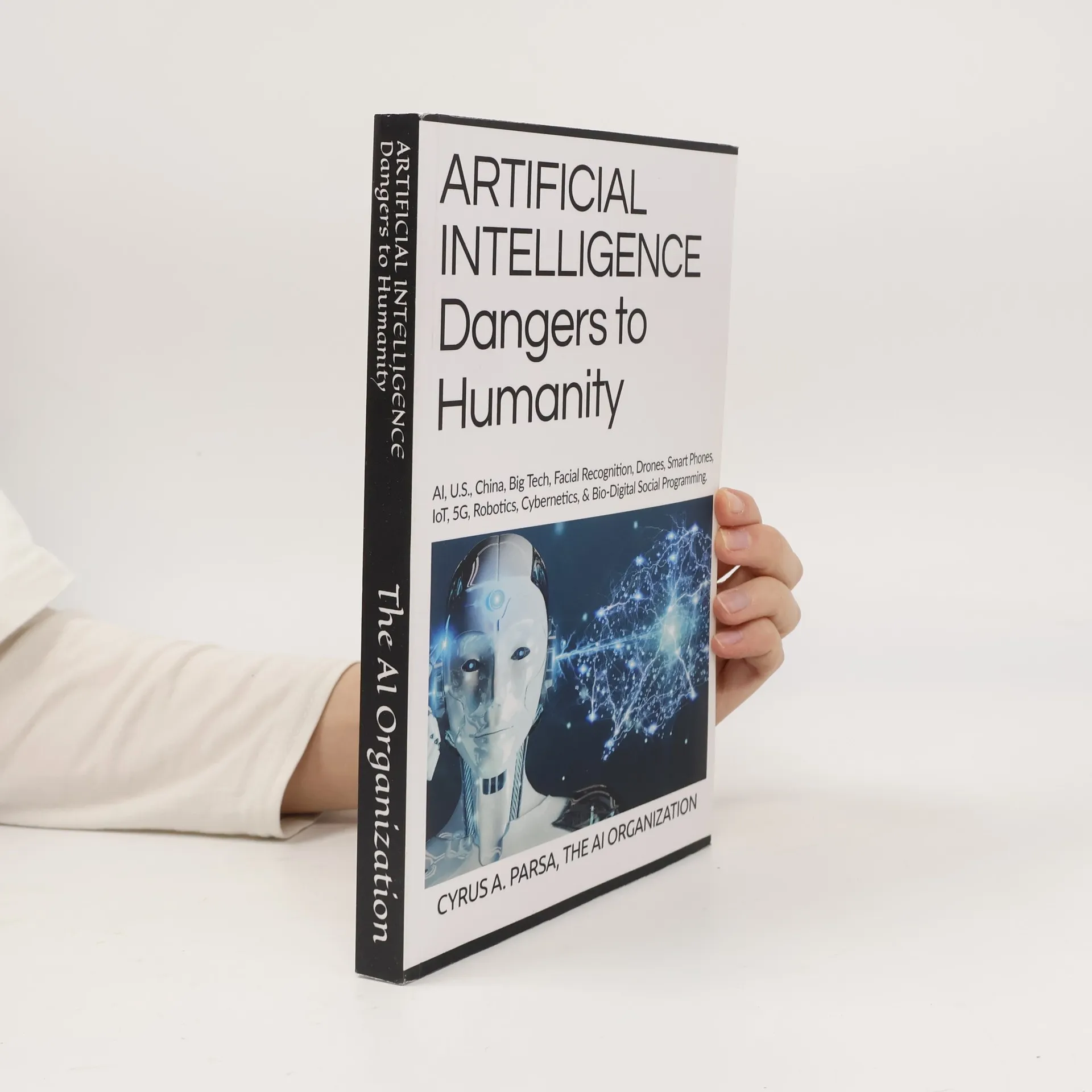
Artificial Intelligence Dangers to Humanity
AI, U. S, China, Big Tech, Facial Recognition, Drones, Smart Phones, IoT, 5G, Robotics, Cybernetics, and Bio-Digital Social Program
- 262 stránek
- 10 hodin čtení
What are the interconnections between AI, the U.S., China, Big Tech, and the global use of technologies such as facial recognition, biometrics, drones, smartphones, smart cities, IoT, VR, mixed reality, 5G, robotics, cybernetics, and bio-digital social programming? This book explores the current and future threats posed by Artificial Intelligence in collaboration with Big Tech, including technologies that could be used for assassination or to manipulate human thought through AI bio-digital social programming. It delves into the concepts of cyborgs and superintelligence, examining how these can operate undetected within the AI Global Network and connect with the Human Bio-Digital Network. Presented in an accessible manner, the book guides readers through complex ideas about AI, encouraging deep thinking and insights that can contribute positively to society. The AI Organization aims for the general public to grasp the implications of the upcoming age of AI, robotics, and 5G, acknowledging both its dangers and benefits. It calls for scientists and tech leaders to innovate responsibly, advocating for an algorithm that considers all angles to protect life. The book also addresses risk management and the cultural dimensions of AI, seeking to safeguard humanity's interests and appeal to a diverse audience, including liberals, conservatives, religious individuals, atheists, government officials, media, and scientists.