The Blockchain and the New Architecture of Trust
- 344 stránek
- 13 hodin čtení
How the blockchain-a system built on foundations of mutual mistrust-can become trustworthy.


Tento autor se zabývá hlubokými otázkami etiky v podnikání a práva. Jeho práce zkoumá, jak lze principy herního myšlení využít k transformaci obchodních strategií a inovací. Klade důraz na praktickou aplikaci teoretických konceptů, aby pomohl organizacím dosáhnout větší efektivity a úspěchu. Jeho psaní je určeno pro ty, kteří hledají nové přístupy k řešení složitých obchodních výzev.
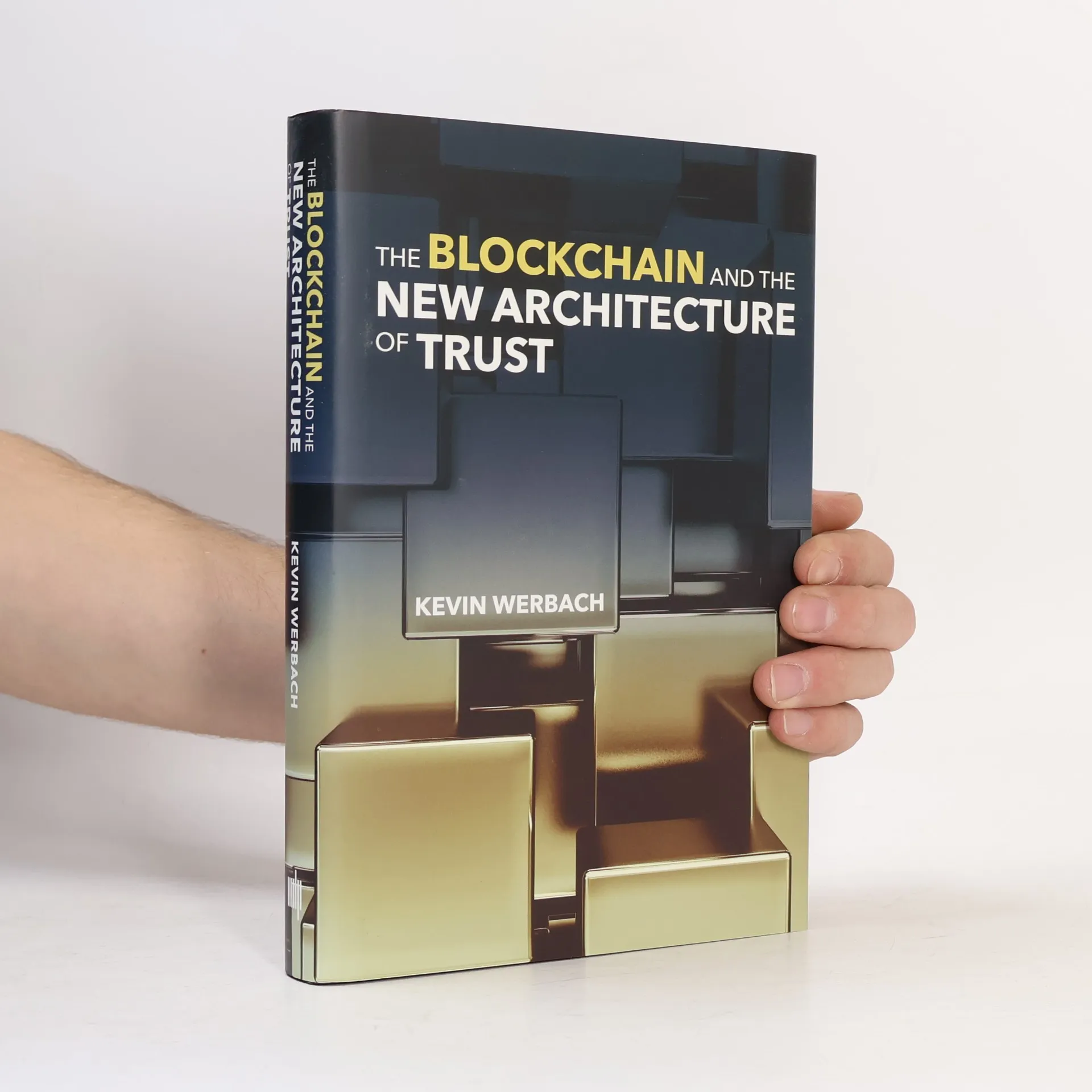
How the blockchain-a system built on foundations of mutual mistrust-can become trustworthy.
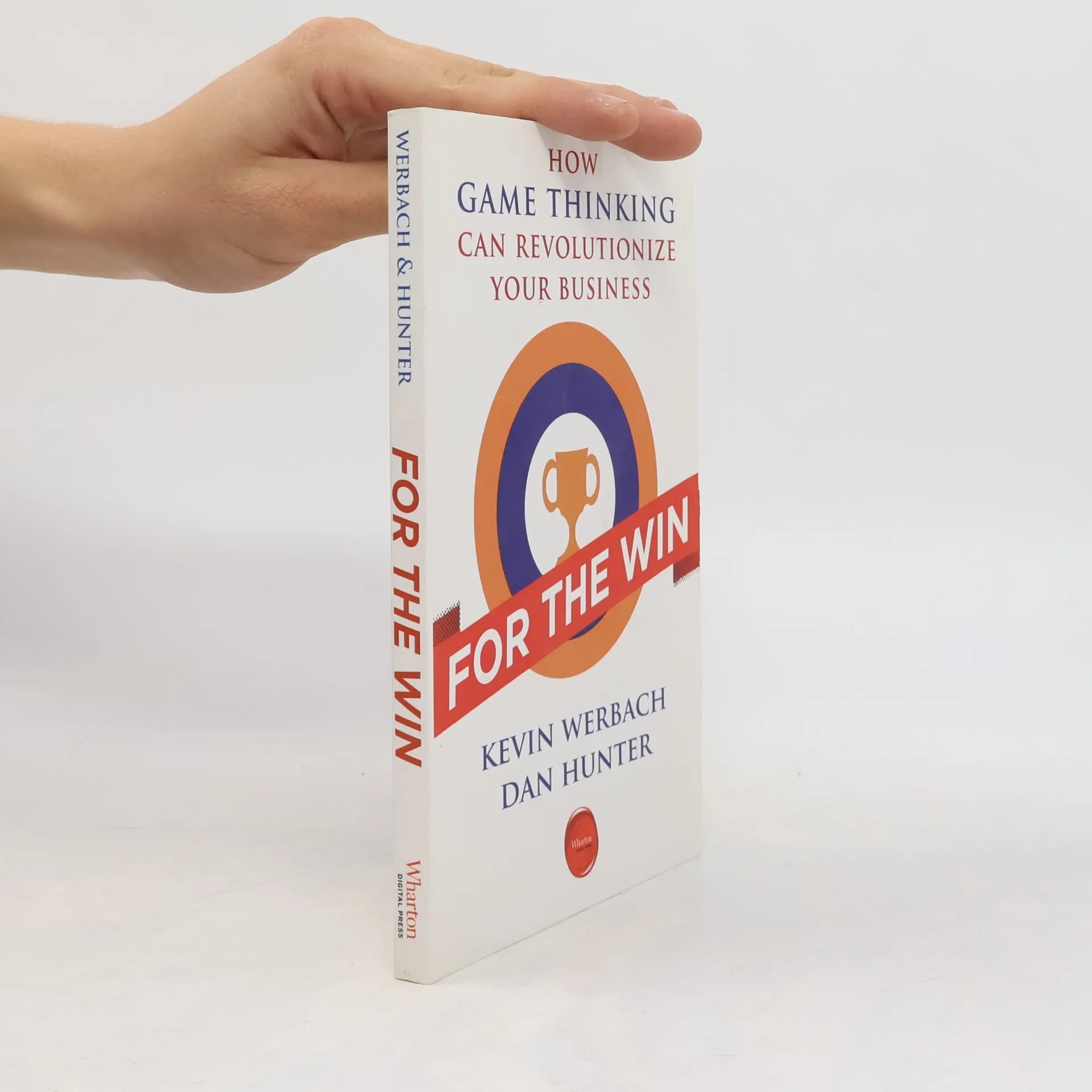
Millions play Farmville, Scrabble, and countless other games, generating billions in sales each year. The careful and skillful construction of these games is built on decades of research into human motivation and psychology: A well-designed game goes right to the motivational heart of the human psyche. In For the Win, Kevin Werbach and Dan Hunter argue persuasively that game-makers need not be the only ones benefiting from game design. Werbach and Hunter, lawyers and World of Warcraft players, created the world's first course on gamification at the Wharton School. In their book, they reveal how game thinking--addressing problems like a game designer--can motivate employees and customers and create engaging experiences that can transform your business. For the Win reveals how a wide range of companies are successfully using game thinking. It also offers an explanation of when gamifying makes the most sense and a 6-step framework for using games for marketing, productivity enhancement, innovation, employee motivation, customer engagement, and more.