
At the dawn of the twentieth century, a bright new age for children seemed imminent, with advancements in ending child labor, providing public education, ensuring food and drug safety, combating abuse, and establishing a juvenile justice system. However, a century later, the promised light remains elusive. Over eleven million American children live in poverty, and more than four million lack health insurance. Each year, thousands are prosecuted as adults, while schools deteriorate. Young people are denied political power, and urgent issues like gun violence, racism, inequality, and climate change are neglected. Through compelling real-life stories, law professor Adam Benforado presents a vivid portrait of what's at stake. We witness three-year-old Ariel placed in an orphanage after her parents are imprisoned for marijuana transport; thirteen-year-old Harold's disbelief at the pristine lawn of an elite school after a childhood of neglect; and seventeen-year-old Wylie punished for protesting gun violence. The root of many societal challenges—from crime to poor health—lies in our mistreatment of children, and we all bear the cost of ignoring the importance of early intervention and empowerment. Yet, this sobering truth reveals a path to change. By prioritizing children in budgets, policies, and community initiatives, we can seize the opportunity that childhood represents for our collective future.
Adam Benforado Pořadí knih
Adam Benforado je profesorem, spisovatelem a právníkem, jehož práce se zabývá odhalováním skrytých sil ovlivňujících náš právní systém. Prostřednictvím inovativních experimentů a rozvíjení stávajících zjištění zkoumá faktory, které formují naše rozhodování v právním kontextu. Jeho interdisciplinární přístup propojuje vědecké poznatky s právní praxí a osvětluje složitosti lidského chování v rámci zákona. Benforadova práce si klade za cíl zpochybnit zavedené představy a nabídnout nový pohled na spravedlnost.

- 2023
- 2016
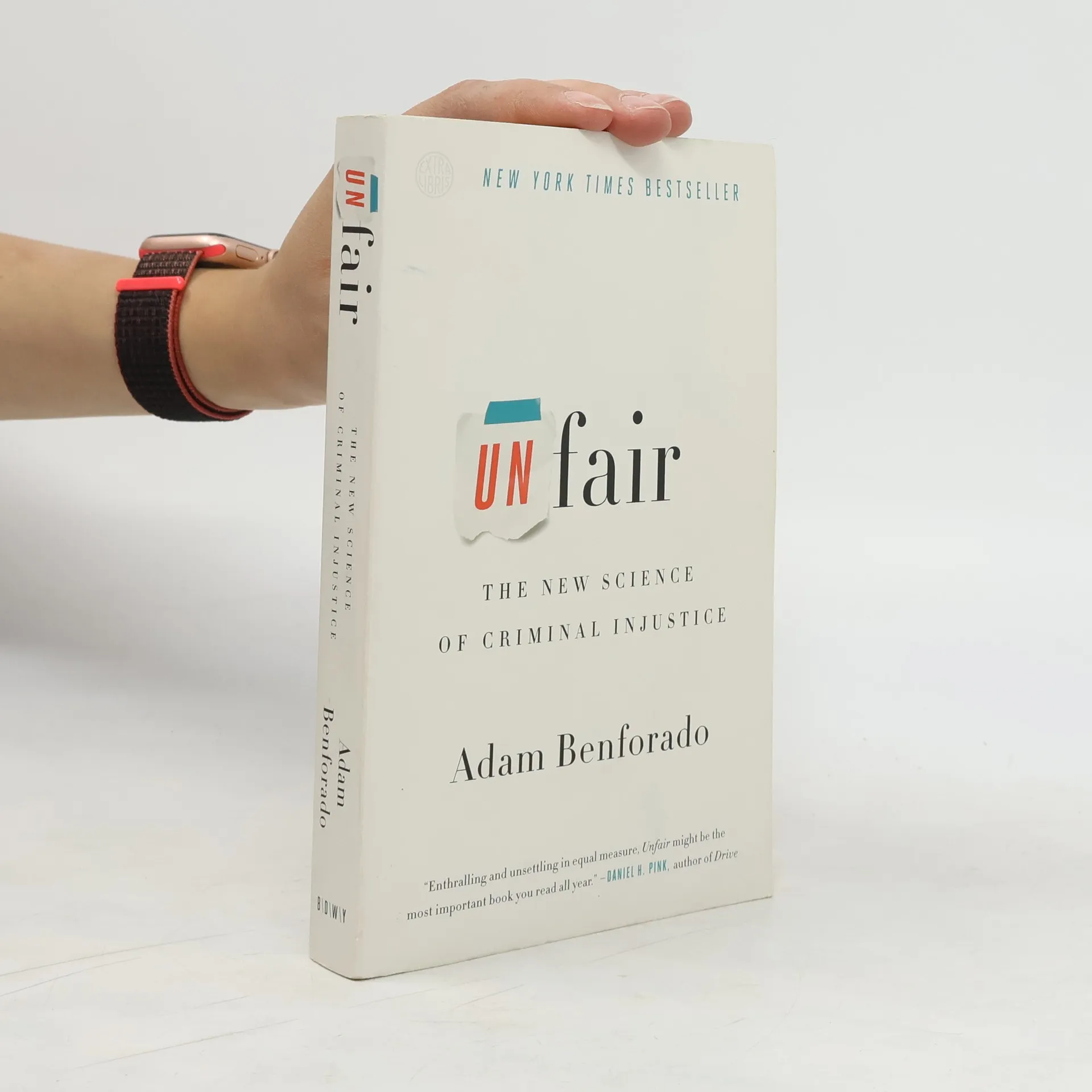
Cutting-edge research reveals the inaccuracies and flaws in the criminal justice system, highlighting how these issues affect legal outcomes. Through compelling case studies, the book illustrates the systemic problems that undermine justice, challenging readers to reconsider the reliability of established procedures. It offers a persuasive examination of the need for reform in a system that often fails to deliver fair results.