

Addressing the urgent need for global action against environmental collapse, the author critiques human hubris and anthropocentrism as key contributors to current crises. By proposing an integrated cognitive framework (ICF), the book explores the interconnectedness of humans, nonhuman lifeforms, and artificial intelligence. Through case studies on gene editing, autopoiesis, and Gaia theory, it examines how these elements interact to foster both risks and opportunities, advocating for a positive path forward that considers the broader ecological context.
N. Katherine Hayles Pořadí knih (chronologicky)
16. prosinec 1943

Postprint
- 240 stránek
- 9 hodin čtení
N. Katherine Hayles traces the emergence of what she identifies as the postprint condition, exploring how the interweaving of print and digital technologies has changed not only books but also language, authorship, and what it means to be human.
The Cosmic Web
- 210 stránek
- 8 hodin čtení
From the central concept of the field-which depicts the world as a mutually interactive whole, with each part connected to every other part by an underlying field- have come models as diverse as quantum mathematics and Saussure's theory of language. In The Cosmic Web, N. Katherine Hayles seeks to establish the scope of the field concept and to...
Focusing on the evolution of electronic literature, N. Katherine Hayles presents a comprehensive survey that examines its genres and challenges to traditional literary theory. She argues for a new understanding that integrates both print and digital texts, emphasizing the interplay between humans and technology. Through close readings of significant works, Hayles highlights emerging narrative modes and the digital origins of contemporary literature. Accompanied by a CD of diverse electronic literature and a supportive website for educators, this book serves as a vital resource for integrating electronic literature into academic settings.
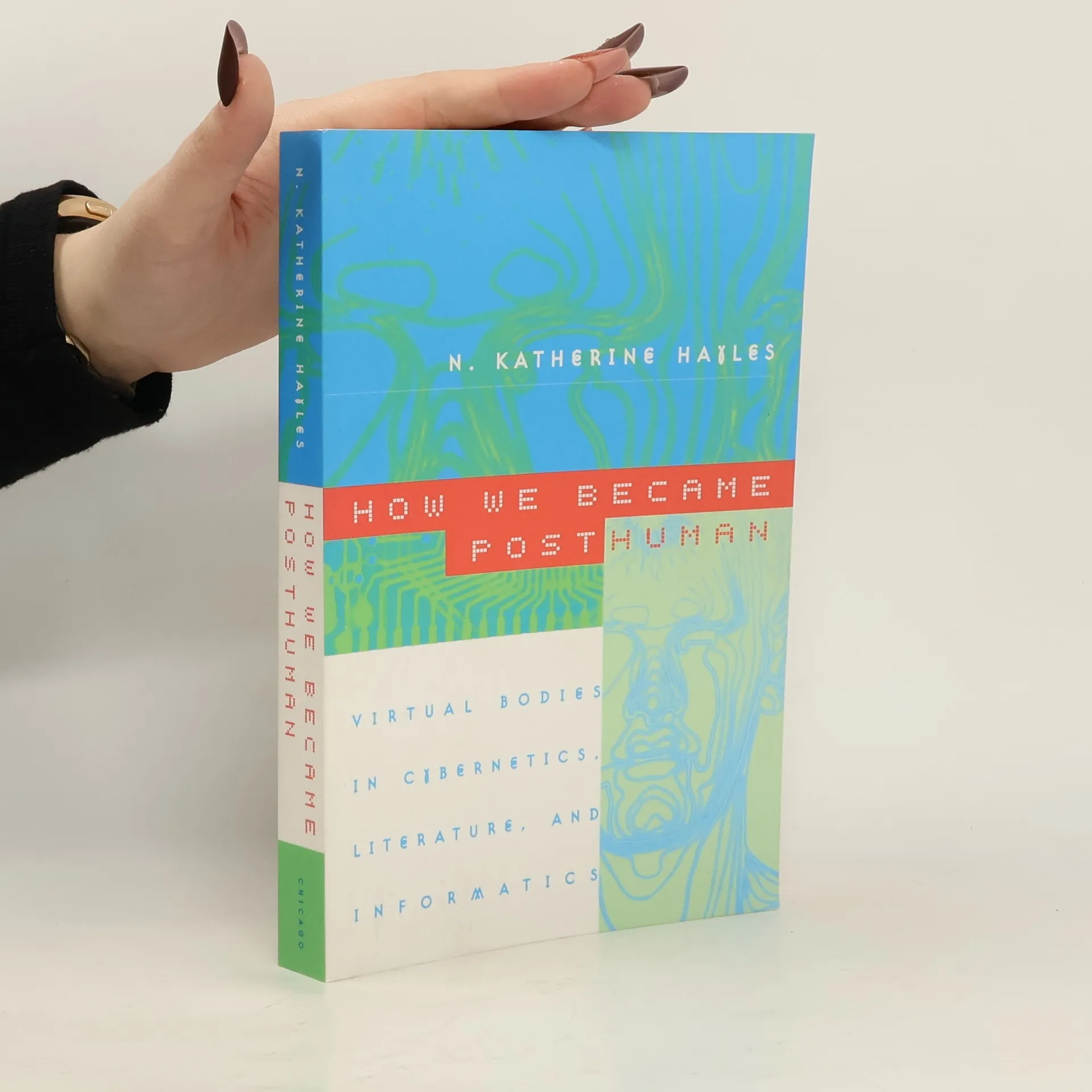
Separating hype from fact, this text investigates the fate of embodiment in an information age. It relates three issues: information as an entity separate from the material forms that carry it; the construction of the Cyborg; and the dismantling of the humanist subject in cybernetic discourse.
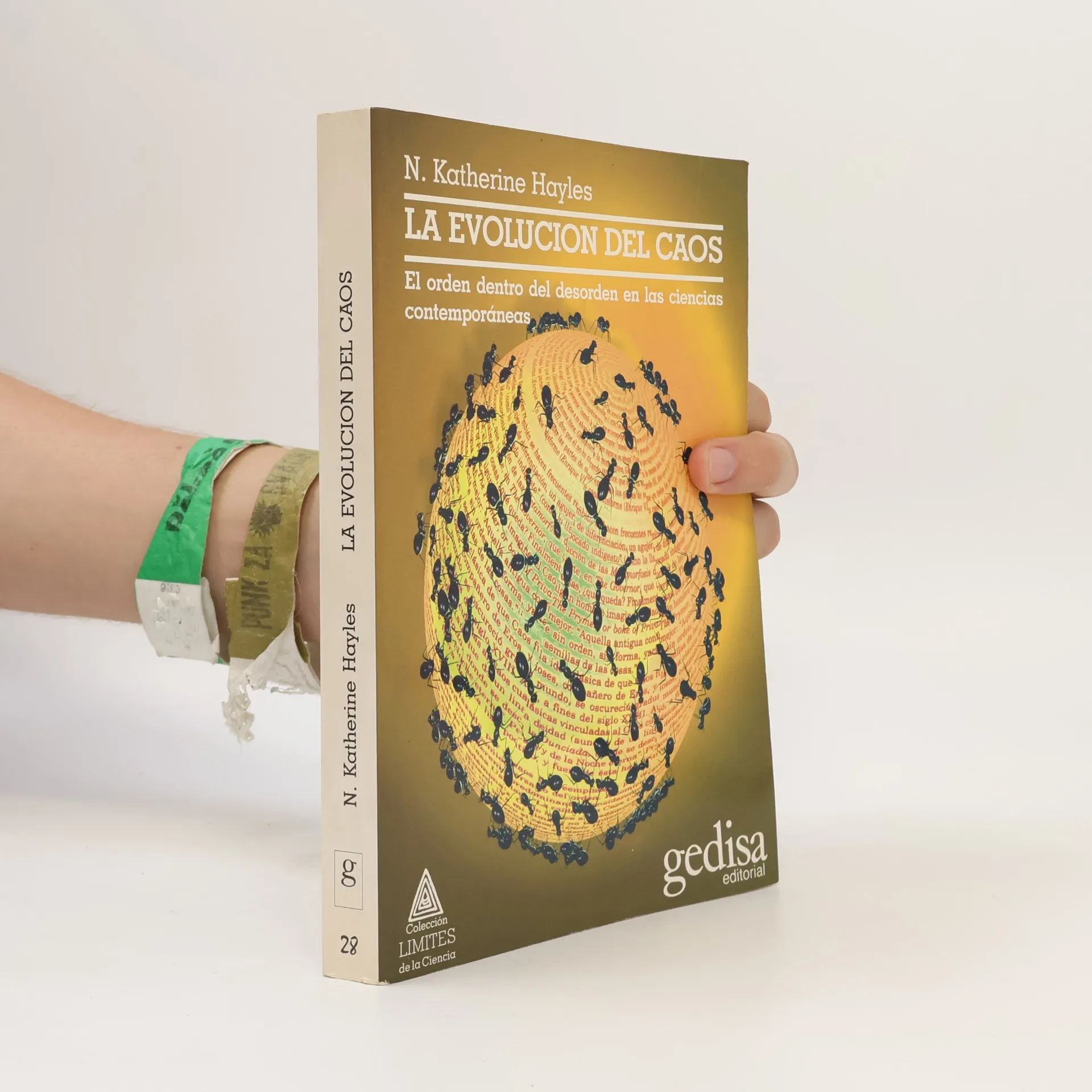
Límites de la ciencia - 28: La evolución del caos
El orden dentro del desorden en las ciencias contemporáneas
- 384 stránek
- 14 hodin čtení
N. Katherine Hayles investiga los paralelismos entre la literatura, la teoría crítica contemporánea y la ciencia del caos, donde el caos se redefine como un locus de máxima información y complejidad, en lugar de desorden. La autora argumenta que el nuevo paradigma del caos refleja elementos presentes en la teoría literaria antes de su prominencia en las ciencias naturales, sugiriendo que las similitudes entre ambas disciplinas provienen de una matriz cultural común. Hayles analiza la evolución del concepto de caos y evalúa a teóricos como Prigogine, Feigenbaum y Mandelbrot, quienes ven el caos como un universo abierto e impredecible, donde el conocimiento nunca puede agotar las posibilidades de lo real. Sin embargo, los científicos continúan buscando explicaciones totalizadoras, reconociendo que el caos también contiene su propio orden. La autora examina temas del desorden en obras como La educación de Henry Adams, El cuaderno dorado de Doris Lessing y algunas de Stanislaw Lem, destacando que los teóricos posestructuralistas integran características clave de la teoría del caos, como la conexión entre lo local y lo global, el impacto de pequeñas causas en sistemas complejos y la coexistencia de determinismo e imprevisibilidad. Este análisis enriquece los debates entre teóricos del caos, críticos literarios y aquellos interesados en la relación entre ciencia y cultura.