Tento autor se zabývá kritikou a demystifikací ekonomické teorie, především prostřednictvím odhalování jejích metodologických nedostatků a zjednodušujících matematických modelů. Jeho práce vychází z osobní zkušenosti s autoritářským režimem, což ho vedlo k odmítnutí cynismu a k obraně pokroku a svobody myšlení. S neotřelým přístupem se snaží podkopat to, co je v ekonomii považováno za legitimní vědu, a vyzývá čtenáře k hlubšímu zamyšlení nad podstatou ekonomických argumentů.
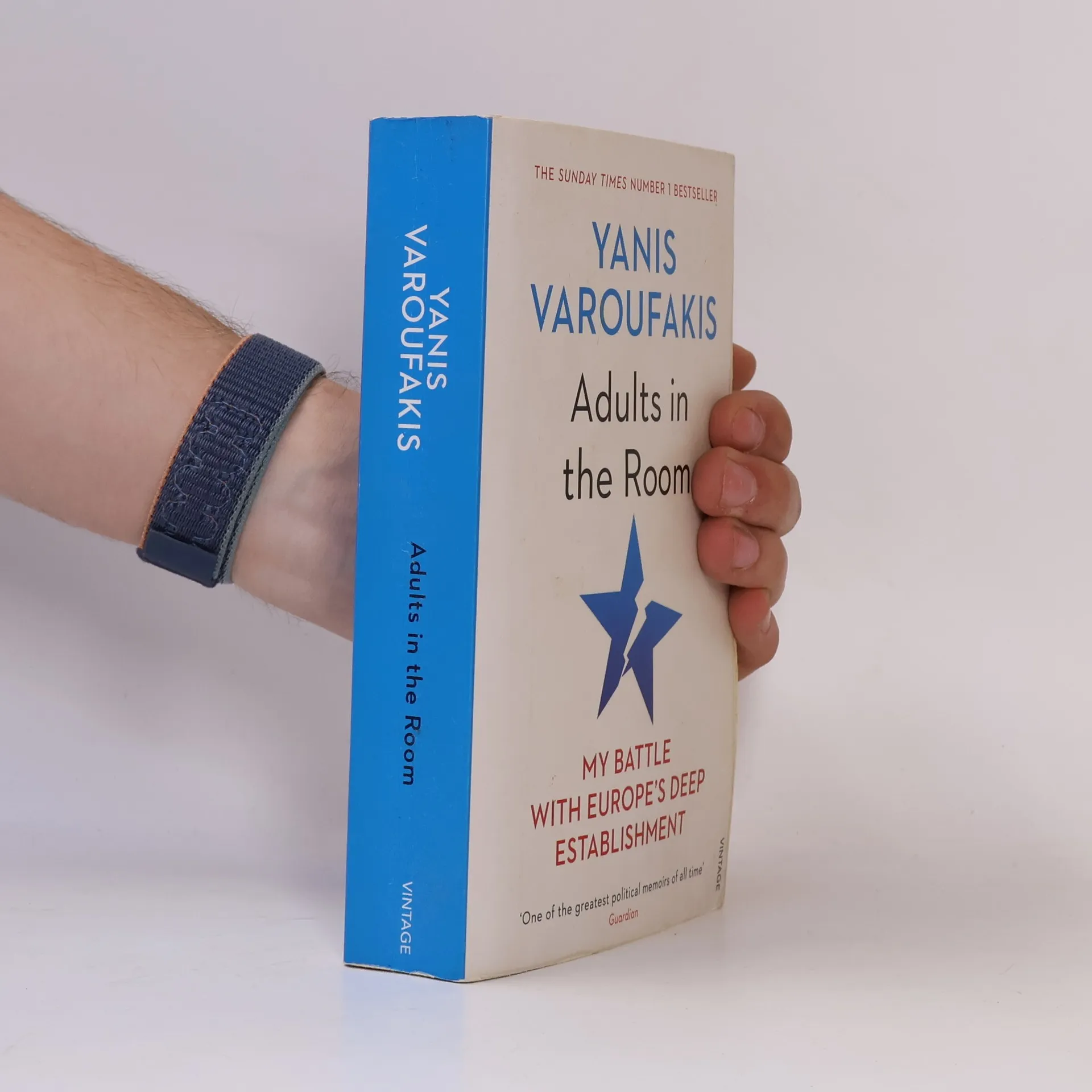
How do we choose between what is fair and just, and what our debtors demand of
us? Yanis Varoufakis was put in such a dilemma in 2015 when he became the
finance minister of Greece. In this rousing book, he charts the absurdities
that underpin calls for austerity, as well as his own battles with a
bureaucracy bent on ignoring the human cost of its every action. Passionately
outspoken and tuned to the voices of the oppressed, Varoufakis presents a
guide to modern economics, and its threat to democracy, like no other.
Varoufakis has written one of the greatest political memoirs of all time [and]
one of the most accurate and detailed descriptions of modern power ever
written Guardian
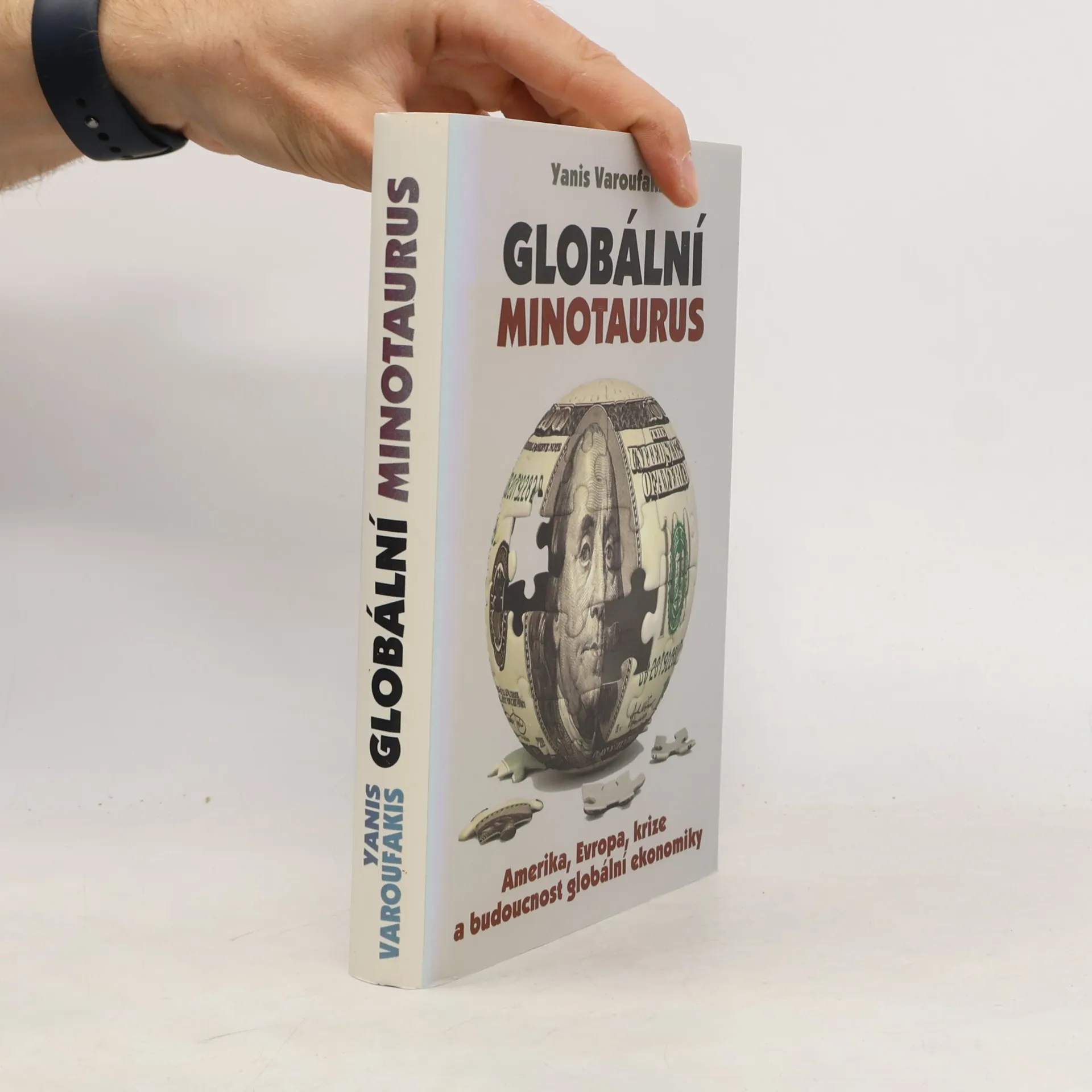
Mezinárodně uznávaný řecký ekonom Yanis Varoufakis nabízí nekonvenční pohled na krizi, která vypukla v roce 2008 a přetrvává dodnes. Zkoumá historické kořeny a souvislosti této krize, včetně příčin krachu systému, který fungoval po desetiletí, a vyhlídky na ekonomické oživení. Varoufakis tvrdí, že běžně uváděné důvody, jako neoliberální ideologie a chamtivost, sice odrážejí realitu, ale neodhalují jádro problému. To spočívá v kolapsu globálního uspořádání, které vzniklo kolem roku 1971, jež autor přirovnává k mytické obludě Glogálnímu Minotaurovi.
V období od padesátých do sedmdesátých let USA vytvářely zahraniční poptávku po svém exportu a pomáhaly rozvíjet ekonomiky svých bývalých nepřátel, jako jsou Německo a Japonsko. Když USA začaly ztrácet postavení tvůrce globálního přebytku, zvolily strategii záměrného zvyšování deficitů, což se stalo nástrojem posílení jejich hegemonie. Tyto deficity přitahovaly zahraniční kapitál a umožnily americkým spotřebitelům konzumovat zboží vyprodukované přebytkovými ekonomikami.
Krize v roce 2008 nastala, když Globální Minotaurus, který zajišťoval stabilitu a růst, byl vážně zraněn. Jeho pád vedl k narušení globální ekonomiky a vyvolal radikální nejistotu a stagnaci. Bez nalezení způsobu, jak žít bez této obludy, hrozí pokračující nebezpečí a hrozby.
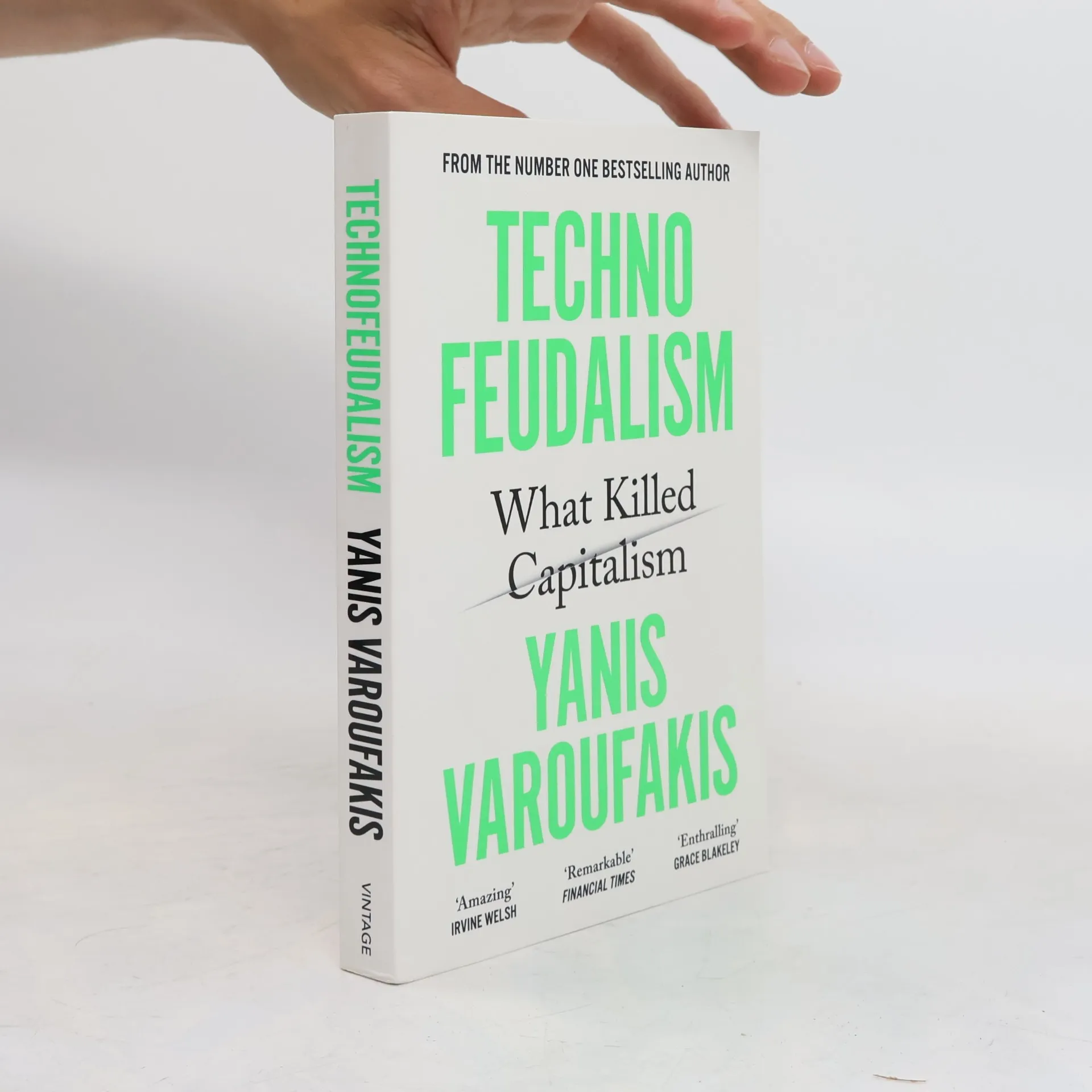
'What an amazing piece of work this is. Ground-breaking, thought-provoking and
highly accessible. Everyone should read it. The dark, scary, exciting song of
our age. 100 out of 100' IRVINE WELSHCapitalism is dead. Welcome to
technofeudalism.In his boldest and most far-reaching book, the visionary
economist and number-one bestselling author Yanis Varoufakis shows how the
owners of big tech became the world's feudal overlords - replacing capitalism
with a fundamentally new system that enslaves our minds, defies democracy and
rewrite the rules of global power.But as Varoufakis also reveals,
technofeudalism contains new opportunities to thwart and overturn it, bringing
into focus more clearly than ever the revolution we need to escape our digital
prison.'An epochal, once-in-a-millennium shift . . . this isn't just new
technology. This is the world grappling with an entirely new economic system
and therefore political power' Observer'An urgent demand to seize the means of
computation' CORY DOCTOROWA FINANCIAL TIMES BEST BOOK OF THE YEAR
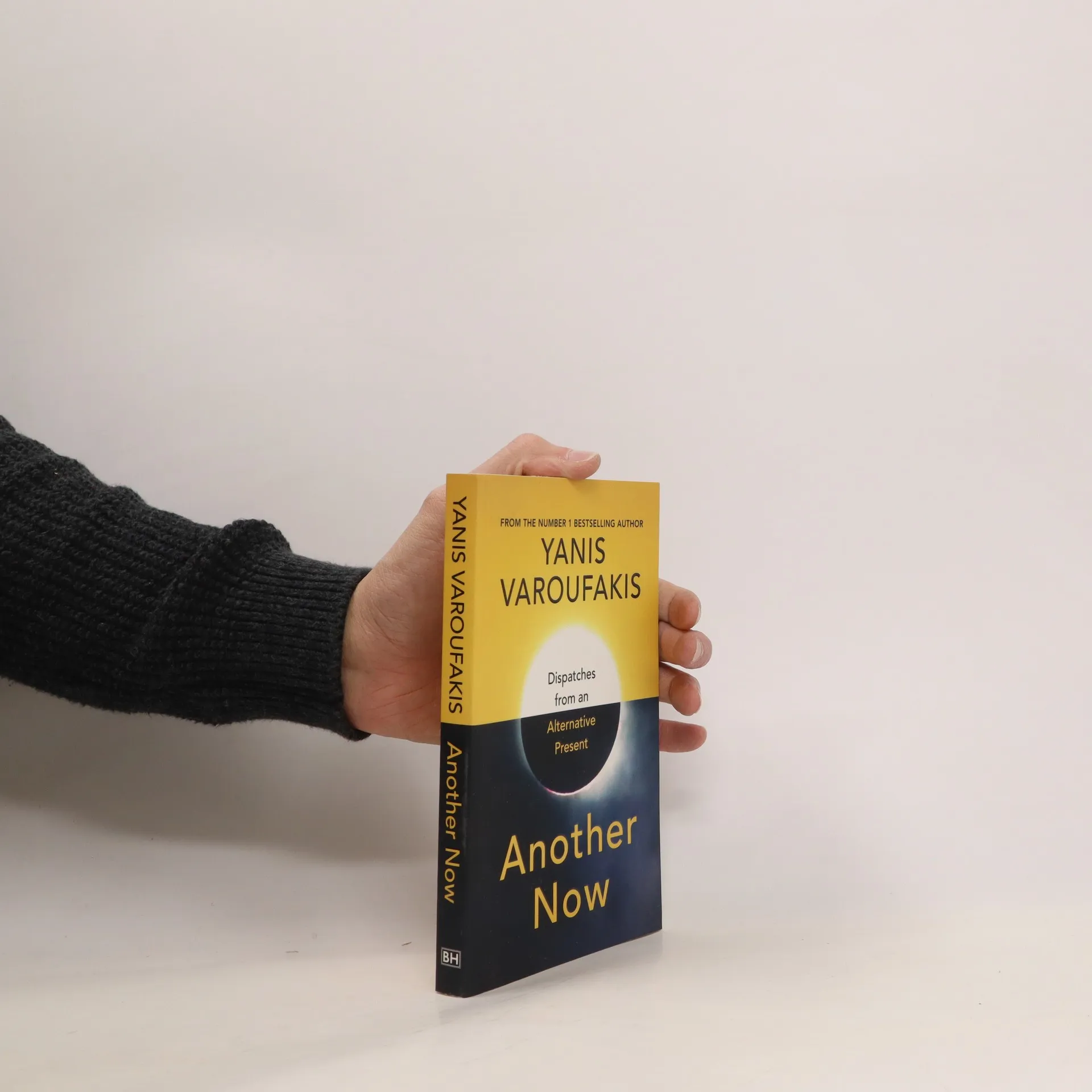
What would a fair and equal society look like? The world-renowned economist and bestselling author Yanis Varoufakis presents his radical and subversive answer. Imagine it is now 2025 and that years earlier, in the wake of the world financial crisis of 2008, a new post-Capitalist society had been born. In this ingenious book, Yanis Varoufakis draws on the greatest thinkers in European culture from Plato to Marx, as well as the great thought-experiments of science fiction, to offer us a dramatic and tantalising glimpse of a brave new world where the principles of democracy, equality and justice are truly embedded in our economy. Through the eyes of three characters - a liberal economist, a radical feminist and a left-wing technologist - we come to see what would be needed to forge such a world but also at what cost. This transformative vision forces each of us to confront the profound questions and trade-offs that underpin all societies- how do we balance freedom with fairness? How do we unleash the best that humanity has to offer without opening the door to the worst? Another Now offers answers to some of the most pressing questions of today. It also challenges us to consider how far we are willing to go in pursuit of our ideals.
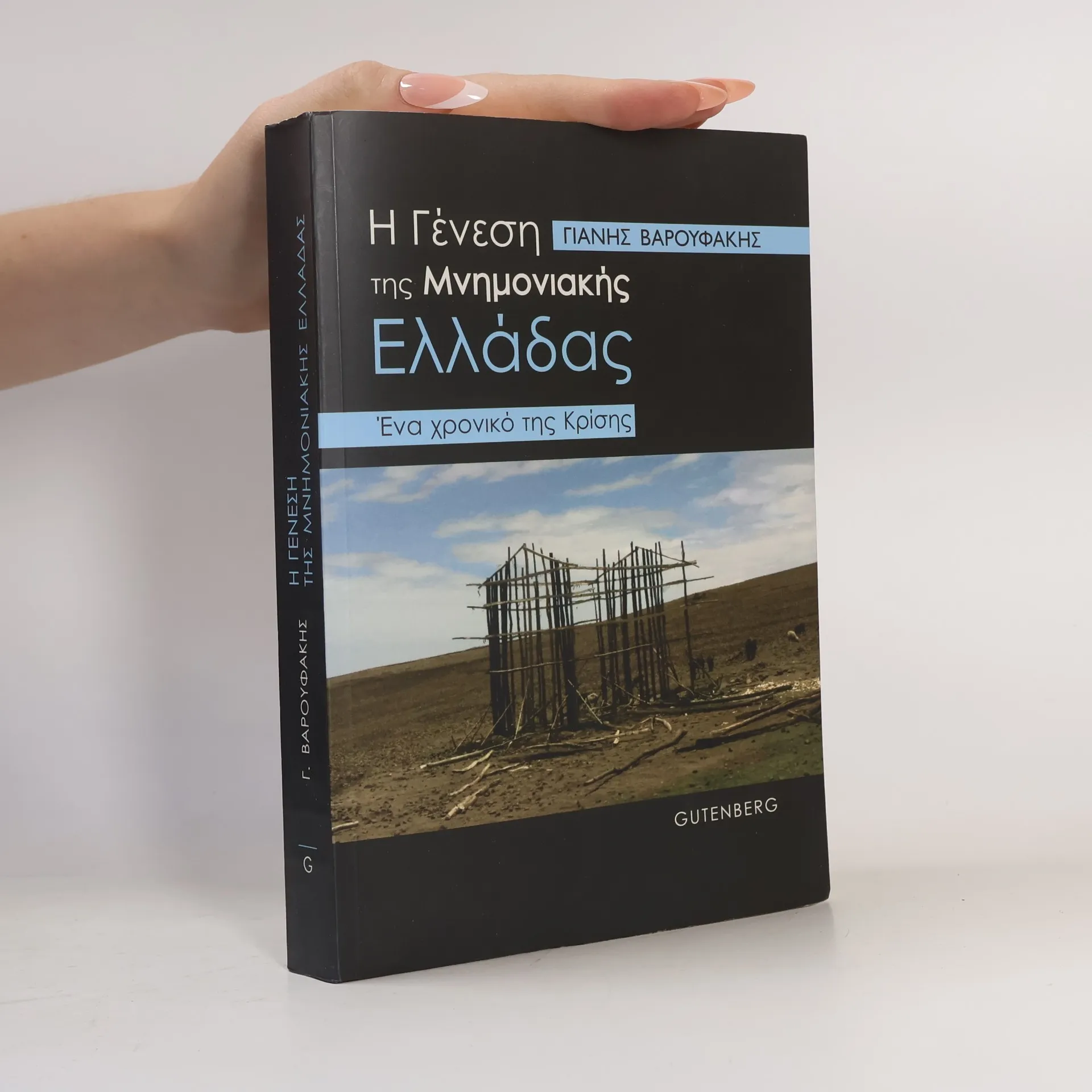
Το 2009 το ελληνικό κράτος πτώχευσε. Ευρώπη και Αθήνα είχαν την επιλογή μεταξύ της Αλήθειας και της Άρνησης. Επέλεξαν την Άρνηση που, για να συντηρείται, απαιτούσε το μεγαλύτερο δάνειο της παγκόσμιας ιστορίας στο πιο πτωχευμένο κράτος, υπό τον όρο ότι θα συρρικνωθεί βάναυσα το εθνικό εισόδημα! Το παράλογο αυτό δάνειο μεταμφιέστηκε ως έκφραση της ευρωπαϊκής... αλληλεγγύης. Στην πραγματικότητα, στόχος του ήταν η κυνική μεταφορά αμύθητων ζημιών από τις τράπεζες στα κράτη, πριν καταλήξουν στους ώμους των πιο αδύναμων εκ των πολιτών.Έτσι οικοδομήθηκε η Μνημονιακή Ελλάδα. Τρία ήταν τα "οικοδομικά υλικά": τοξικά δάνεια, η πλάνη περί μονοδρόμου, και ο φόβος της σύγκρουσης με την Πτωχοτραπεζοκρατία που επιστράτευσε, διατηρώντας τα εν ζωή, τα πτωχευμένα μέσα "ενημέρωσης". Σήμερα, το καθεστώς που οικοδόμησε τη Μνημονιακή Ελλάδα διαρρηγνύει τα ιμάτιά του ότι "το Μνημόνιο τελειώνει". Αν ήταν έτσι, το βιβλίο τούτο, που καταγράφει τη "γένεσή" της μέσα από (ξαναδουλεμένα) κείμενα γραμμένα την περίοδο 2006-14, δεν θα είχε εκδοθεί.