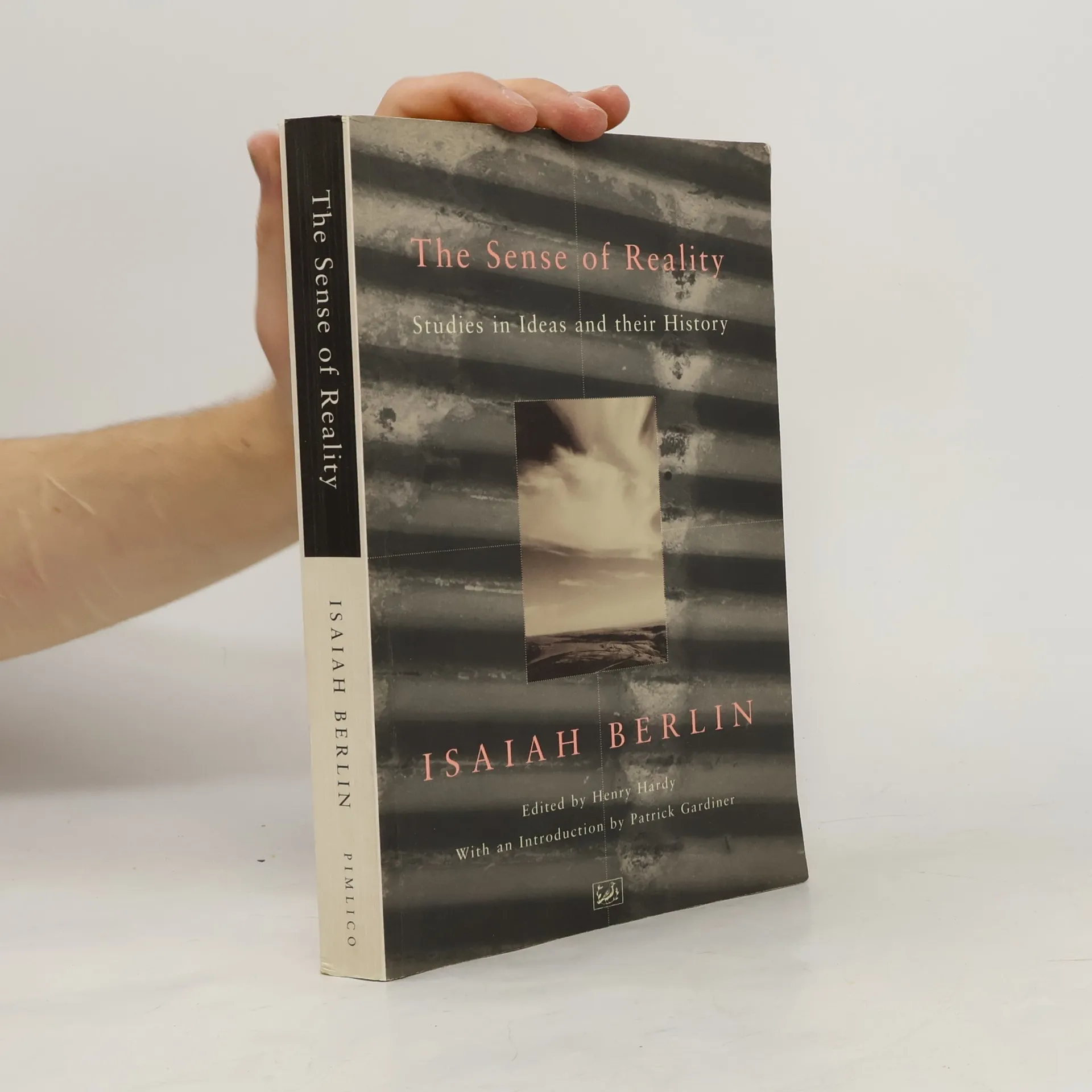
Eight of the nine pieces in The Sense of Reality are published here for the
first time. The range is characteristically wide: realism in history; the
history of socialism; the radical cultural revolution instigated by
romanticism; The title essay, starting from the impossibility of recreating a
bygone epoch, provides a superb centrepiece.
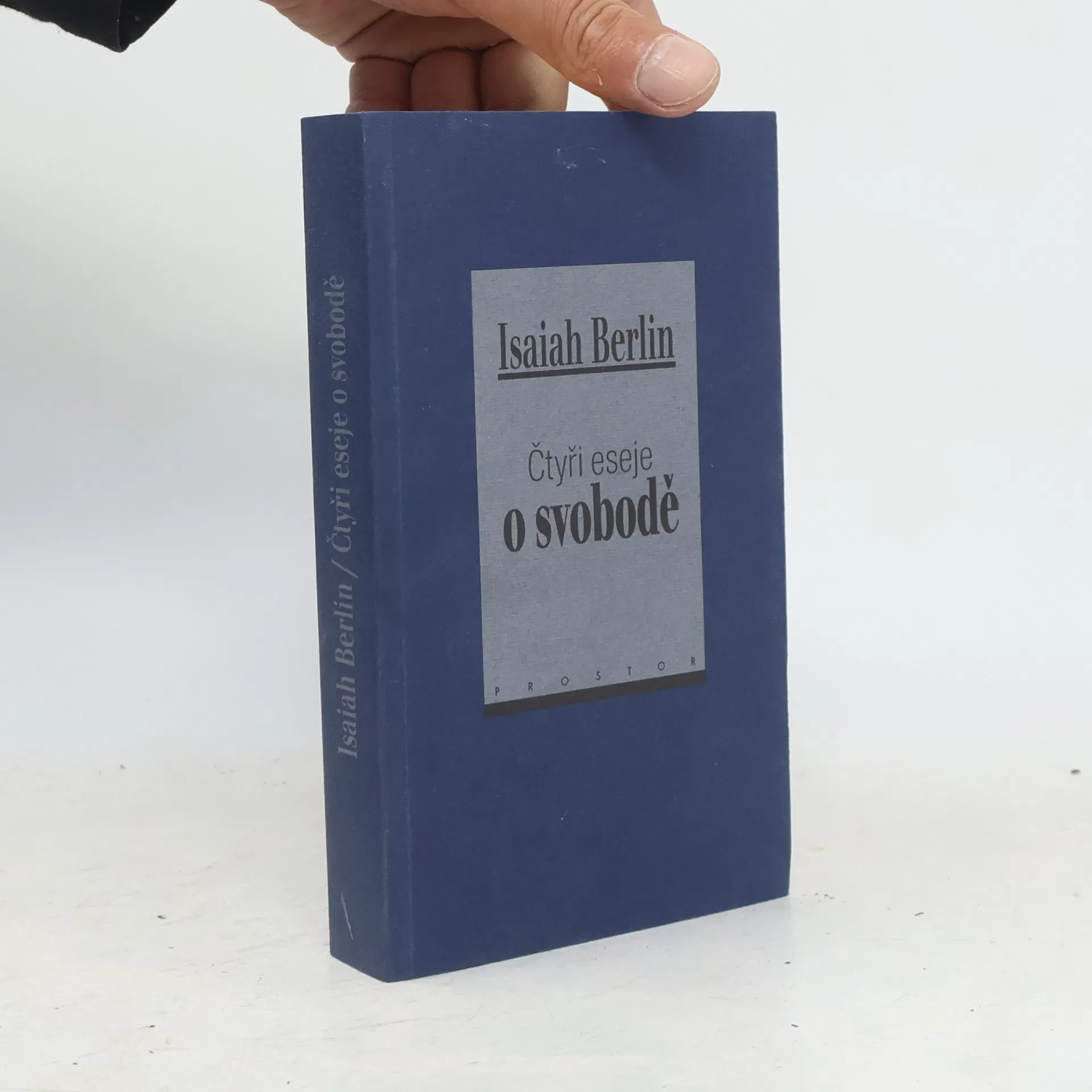
Dnes již klasické dílo britského historika idejí a politického myslitele Čtyři eseje o svobodě sestavil autor ze svých starších textů a poprvé vydal v roce 1969. Zabývá se zde politickými idejemi 20. století, zejména rozmanitými aspekty individuální svobody, rozborem myšlenek J. S. Milla, a především provádí rozlišení mezi negativním a pozitivním pojmem svobody. Berlinovy eseje o svobodě vycházejí jednak z hluboké znalosti dějin idejí, zejména od osvícenství po myslitele 20. století, jednak z několika základních východisek, která zastával po celý život. Patří k nim především odmítnutí metafyzického monismu a víra v hodnotový pluralismus, jež však v jeho pojetí neznamená mravní či kulturní relativismus. Berlin rovněž odmítá determinismus, tj. učení, že svobodná lidská vůle je iluzí, respektive je přesvědčen, že bez ohledu na jeho filozofickou pravdivost či nepravdivost je neslučitelný s mravními postoji a jednáním.
Isaiah Berlin was one of the greatest thinkers of the twentieth century – a man who set ideas on fire. His defence of liberty and plurality was passionate and persuasive and inspired a generation. His ideas – especially his reasoned rejection of excessive certainty and political despotism – have become even more prescient and vital today. But who was the man behind such influential views? In Search of Isaiah Berlin tells the compelling story of a decades-long collaboration between Berlin and his editor, Henry Hardy, who made it his vocation to bring Berlin's huge body of work into print. Hardy discovered that Berlin had written far more than people thought, much of it unpublished. As he describes his struggles with Berlin, who was almost on principle unwilling to have his work published, an intimate and revealing picture of the self-deprecating philosopher emerges. This is a unique portrait of a man who gave us a new way of thinking about the human predicament, and whose work had for most of his life remained largely out of view.