Knihobot

Joseph P. Farrell

    1. leden 1955

    Tento autor zkoumá nekonvenční pohledy na historii a vědu, propojuje zdánlivě nesourodé obory jako nacistické Německo, fyziku a starověké stavby. Jeho práce se ponořuje do tajemství a skrytých agend, které podle něj formují náš svět. Své rozsáhlé bádání prezentuje formou argumentace, která vyzývá k zamyšlení nad přijatými narativy. Čtenáři se mohou těšit na odvážné teorie a provokativní interpretace.

    Joseph P. Farrell
    Juno's Aeneid
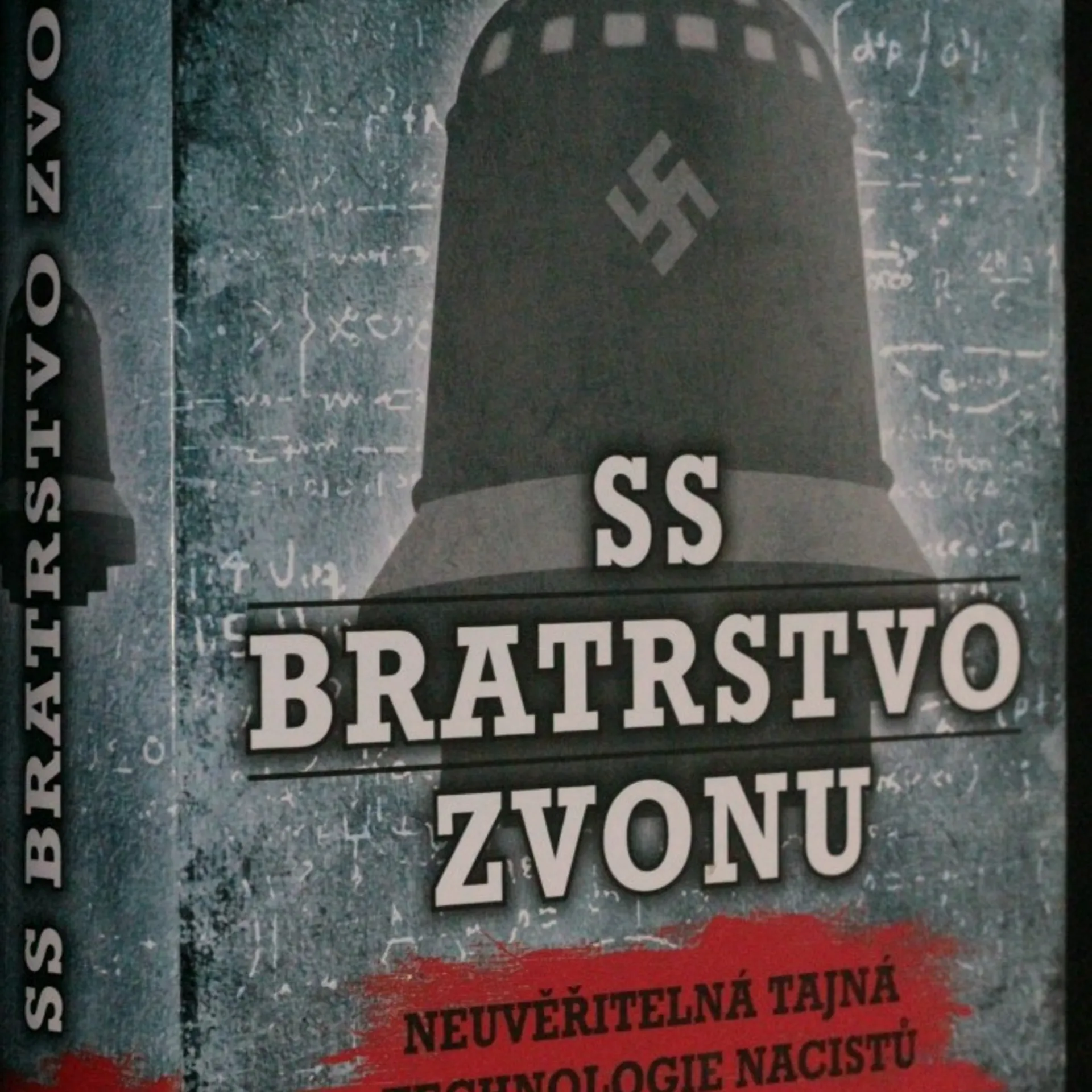
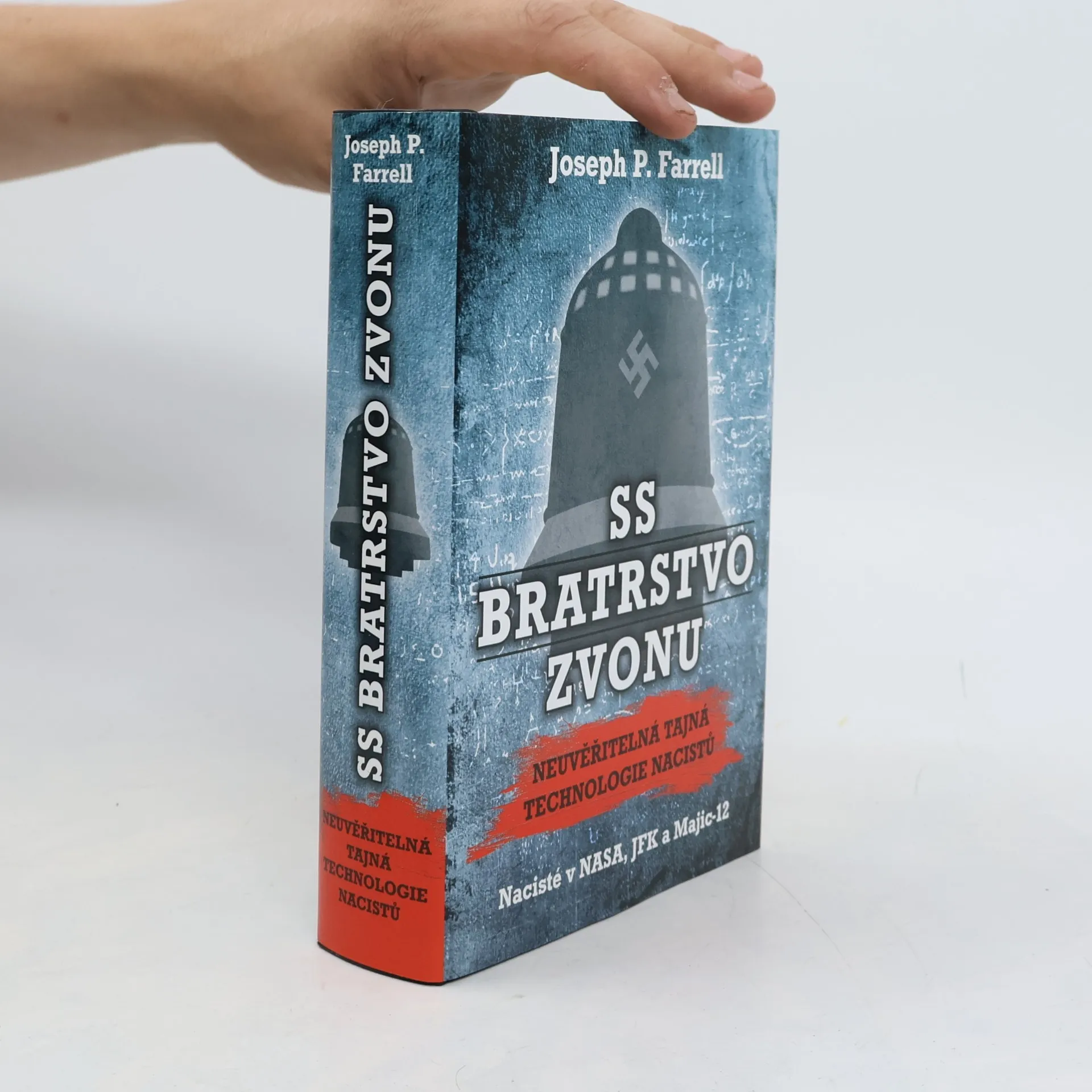
    SS Bratrstvo zvonu : neuvěřitelná tajná technologie nacistů : nacisté v NASA, JFK a Majic-12
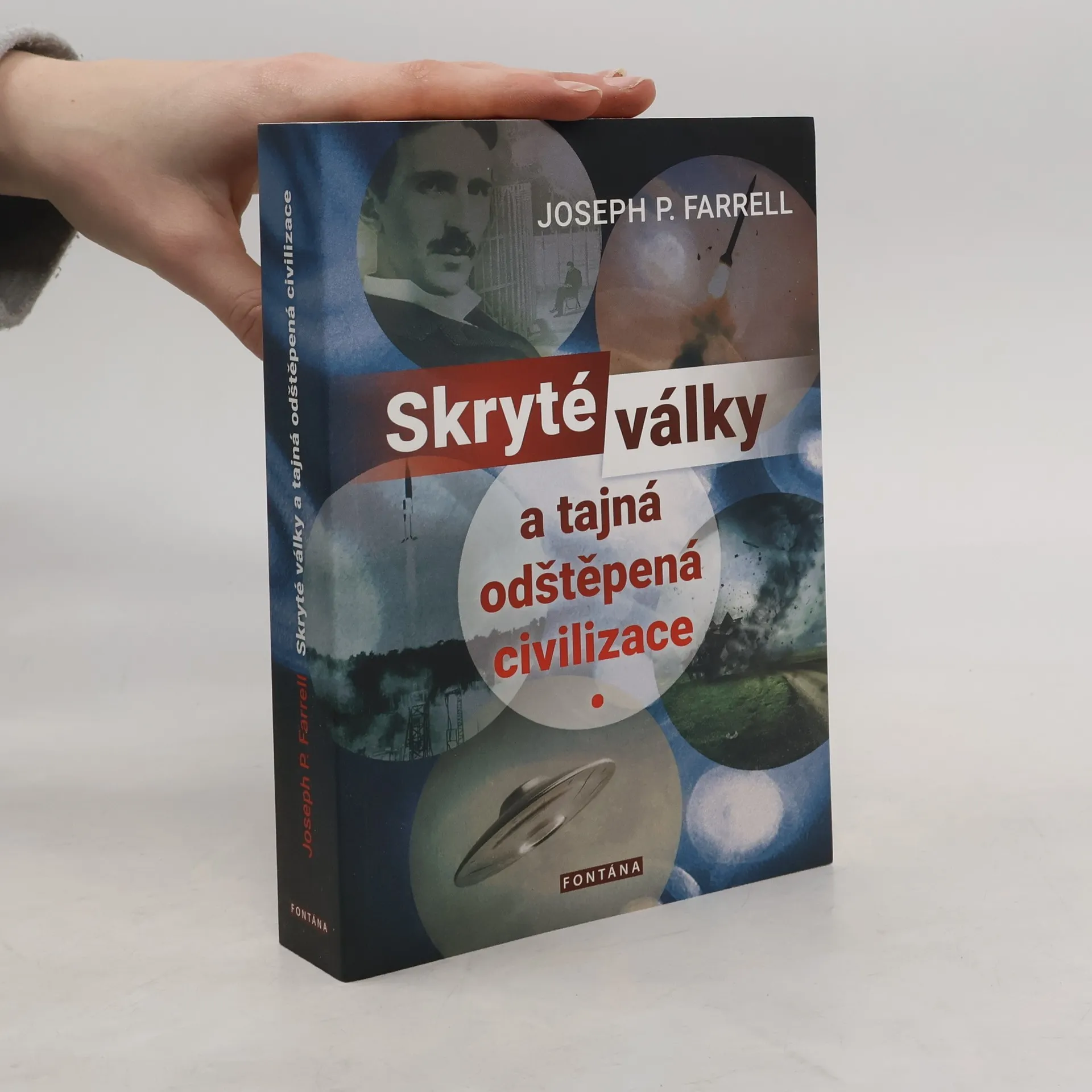
    Skryté války a tajná odštěpená civilizace
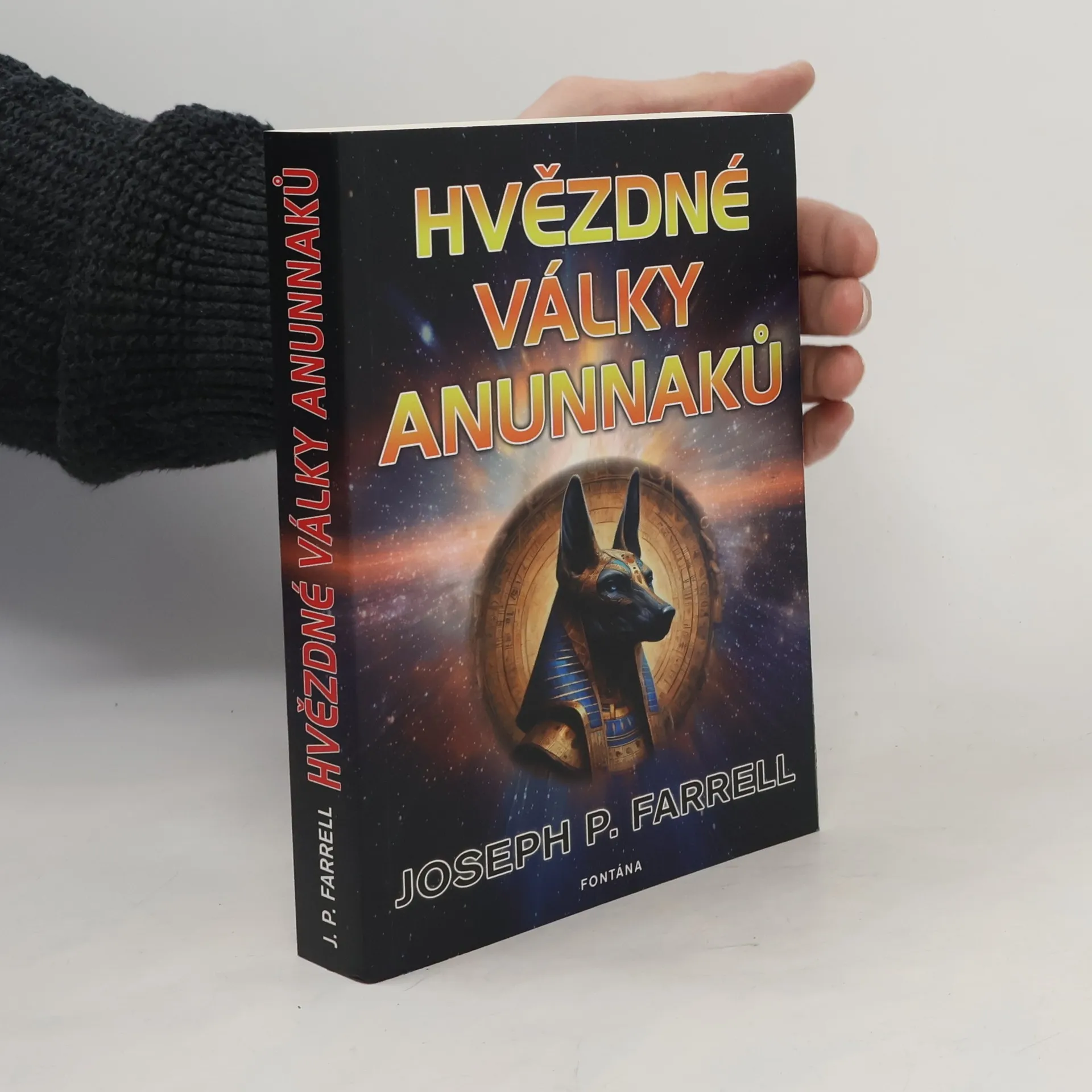
    Hvězdné války Anunnaků
    SS Bratrstvo zvonu. Neuvěřitelná tajná technologie nacistů
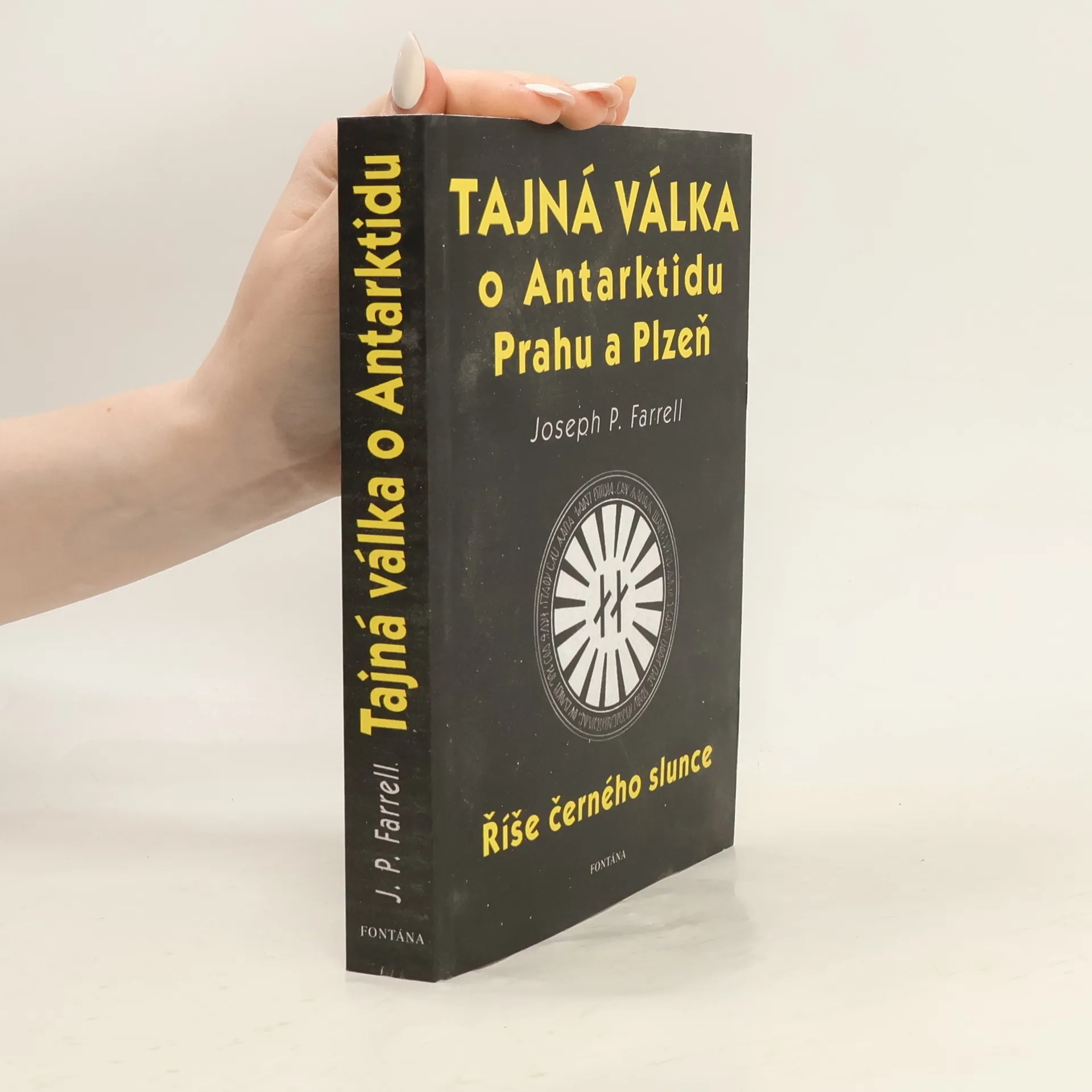
    Tajná válka o Antarktidu, Prahu a Plzeň
    • Tajná válka o Antarktidu, Prahu a Plzeň

      • 344 stránek
      • 13 hodin čtení
      5,0(3)Ohodnotit

      O čem je kniha Tajná válka o Antarktidu, Prahu a Plzeň? Proč se Spojenci v roce 1944 obávali atomového útoku Němců? Proč Hitler v roce 1945 trval na tom, že udržení Prahy může Třetí říši vyhrát válku? Proč třetí armáda amerického generála Pattona spěchala místo do Berlína směrem na Škodovy závody v Plzni? Proč uranová atomová bomba, kterou Spojenci svrhli na Hirošimu, nebyla vůbec testována? Proč pouhý jeden rok po válce považovali Američané za nutné vyslat do oblasti Antarktidy své plnohodnotné vojenské síly? Tato kniha zve čtenáře na dechberoucí vědecko-historickou výpravu, která na tyto otázky přináší provokativní odpovědi. Z historických dokumentů a souvislostí se dozvíte, že nacistické Německo koncem roku 1944 skutečně vyhrálo závod o atomovou bombu, a také se seznámíte s neuvěřitelným rozsahem supertajných výzkumů, které nacisté prováděli nejen v oblasti vývoje zbraní nové generace, ale i ve výzkumu alternativních oblastí fyziky a nových zdrojů energie. Vedle revize tzv. oficiální spojenecké legendy nabízí kniha také nový pohled na fenomén UFO, a to prostřednictvím některých odtajněných vládních materiálů, z nichž vysvítají evidentní paralely s mnoha „černými“ projekty SS. Tato bohatě odzdrojovaná publikace se postupně stala povinnou četbou pro badatele, kteří se zajímají o odpovědi na historické a vědecké otázky mimo oficiální proudy.
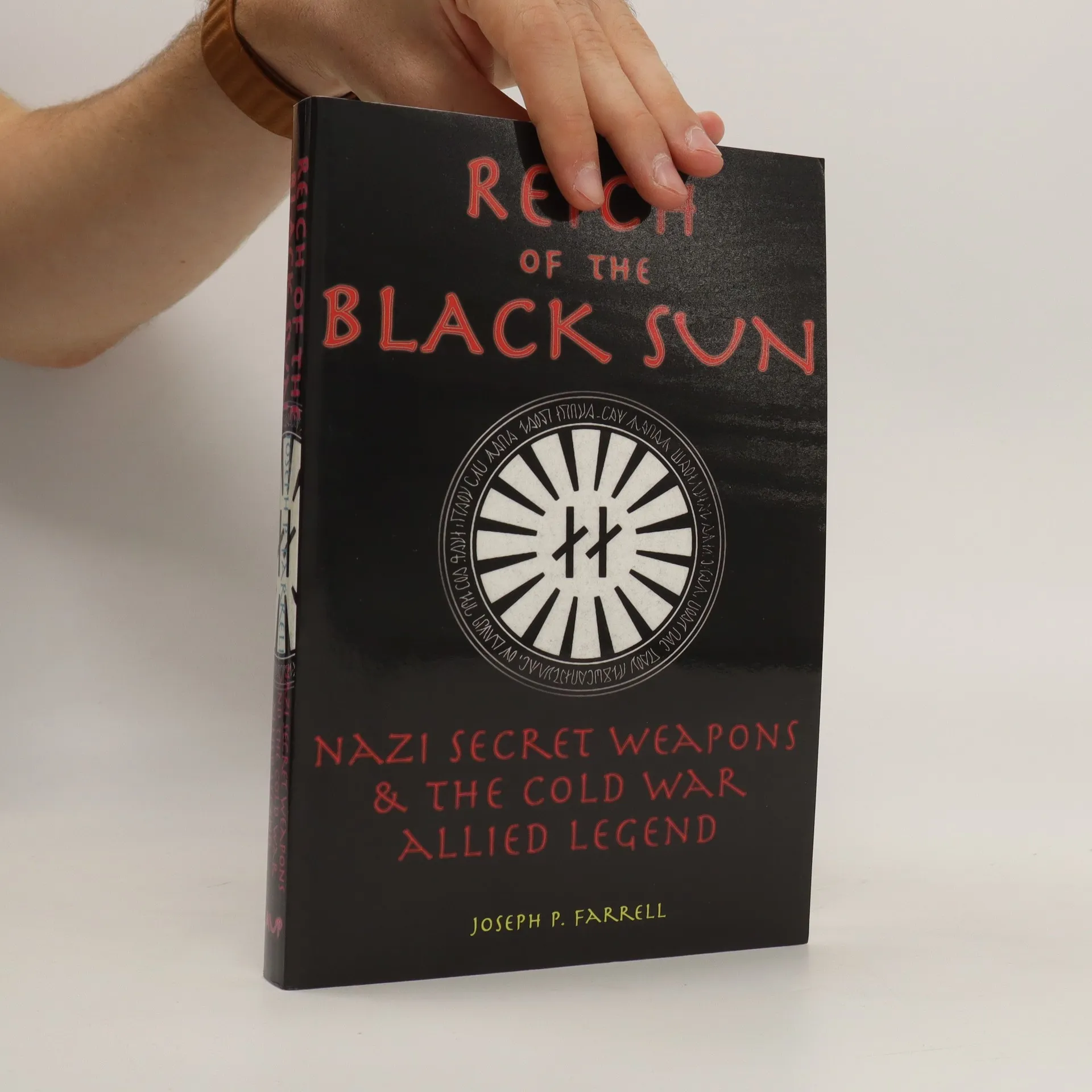

      Tajná válka o Antarktidu, Prahu a Plzeň
    • Neuvěřitelná tajná technologie nacistů: nacisté v NASA, JFK a Majic-12. V roce 1945 odsouhlasil Adolf Hitler v dolnosaském bunkru tajný projekt ničivé zbraně, která měla zvrátit nepříznivý vývoj 2. světové války. Kódový název této zbraně byl Zvon a vedením projektu byl pověřen generál Hans Kammler. V posledních dnech války příslušníci SS povraždili většinu vědeckých pracovníkůa techniků tohoto projektu. Generál Hans Kammler poté s celou dokumentací tajného projektu nastoupil na palubu letadla Junkers 390, které se pravděpodobně zřítilo u Drážďan. Všechny dokumenty zmizely. Podle některých dohadů však mělo letadlo namířeno do Argentiny. Autor se zde snaží objasnit, o jakou zbraň patrně šlo, a vše dává do souvislosti s pozdější přítomností nacistických expertů ve Spojených státech, kde se podíleli na kosmickém výzkumu, a s jejich údajným zapojením do operace MAJIC-12, což byl tajný týmodborníků, jehož úkolem bylo zkoumat zprávy o UFO.

      SS Bratrstvo zvonu. Neuvěřitelná tajná technologie nacistů
    • A major new interpretation of Vergil's epic poem as a struggle between two incompatible versions of the Homeric heroThis compelling book offers an entirely new way of understanding the Aeneid. Many scholars regard Vergil's poem as an attempt to combine Homer's Iliad and Odyssey into a single epic. Joseph Farrell challenges this view, revealing how the Aeneid stages an epic contest to determine which kind of story it will tell--and what kind of hero Aeneas will be.Farrell shows how this contest is provoked by the transgressive goddess Juno, who challenges Vergil for the soul of his hero and poem. Her goal is to transform the poem into an Iliad of continuous Trojan persecution instead of an Odyssey of successful homecoming. Farrell discusses how ancient critics considered the flexible Odysseus the model of a good leader but censured the hero of the Iliad, the intransigent Achilles, as a bad one. He describes how the battle over which kind of leader Aeneas will prove to be continues throughout the poem, and explores how this struggle reflects in very different ways on the ethical legitimacy of Rome's emperor, Caesar Augustus.By reframing the Aeneid in this way, Farrell demonstrates how the purpose of the poem is to confront the reader with an urgent decision between incompatible possibilities and provoke uncertainty about whether the poem is a celebration of Augustus or a melancholy reflection on the discontents of a troubled age.

      Juno's Aeneid
    • Where did the custom of duelling originate, and why did it spread so quickly all over Europe and the Americas?

      Honour and the Sword
    • While researching his other books, the author found information that shows The Nazi International is still in existence today and has become a corporate power that has fused with state power. This allows The Nazi International to continue to pursue their goal of creating a pan-European federation under their leadership. In order to realize this goal, they have turned to the American financial and corporate elite to institute financial fraud, international banking, hidden systems of finance, black budgets and breakaway civilizations, allowing them to disrupt and control global finance

      The Thrid Way
    • Nazi International

      • 413 stránek
      • 15 hodin čtení
      4,1(85)Ohodnotit

      Presents an expose on secret Nazi technology, Nazi survival, and post-war Nazi manipulation of technologies. This title includes: pre-World War II Nazi partnerships in the USA, including those with the Bush family; and, Nazi Germany's penetration of the Muslim world including Wilhelm Voss and Otto Skorzeny in Gamel Abdul Nasser's Egypt.

      Nazi International
    • What do the Fourth Crusade, the exploration of the New World, secret excavations of the Holy Land, and the pontificate of Innocent the Third, all have in common? Venice and the Templars. What do they have in common with Jesus, Gottfried Leibniz, Sir Isaac Newton, Rene Descartes, and the Earl of Oxford? Egypt and a body of doctrine known as Hermeticism. In this book, noted author and researcher Joseph P Farrell takes the reader on a journey through the hidden history of the Middle Ages, the Renaissance and early Enlightenment, connecting the dots between Venice, international banking, the Templars, and hidden knowledge, drawing out the connections between the notorious Venetian "Council of Ten," little known Venetian voyages to the New World, and the sack of Constantinople during the Fourth Crusade. That hidden role of Venice and Hermeticism reached far and wide, into the plays of Shakespeare (a.k.a. Edward DeVere), Earl of Oxford, into the quest of the three great mathematicians of the Early Enlightenment for a lost form of analysis, and back into the end of the classical era, to little known Egyptian influences at work during the time of Jesus.

      Thrice Great Hermetica and the Janus Age