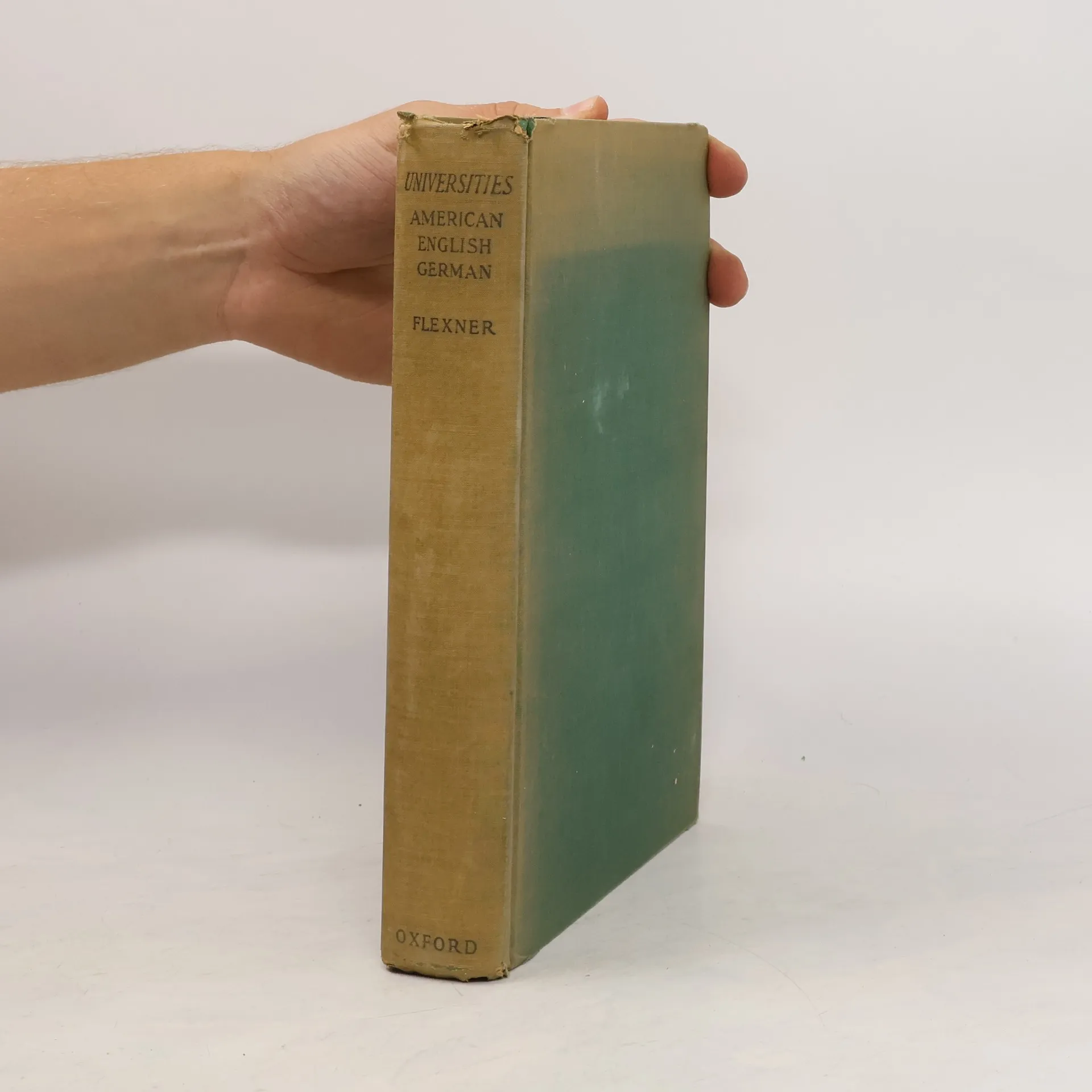
Abraham Flexner byl americký pedagog, jehož hlavní zásluhou je reforma lékařského a vysokoškolského vzdělávání ve Spojených státech a Kanadě na počátku 20. století. Jeho kritické hodnocení amerického vzdělávacího systému vedlo k zásadnímu přehodnocení a reforem, které ovlivnily generace studentů. Flexner také stál u zrodu Institutu pro pokročilá studia v Princetonu, který se stal centrem pro špičkový intelektuální výzkum a spolupráci.
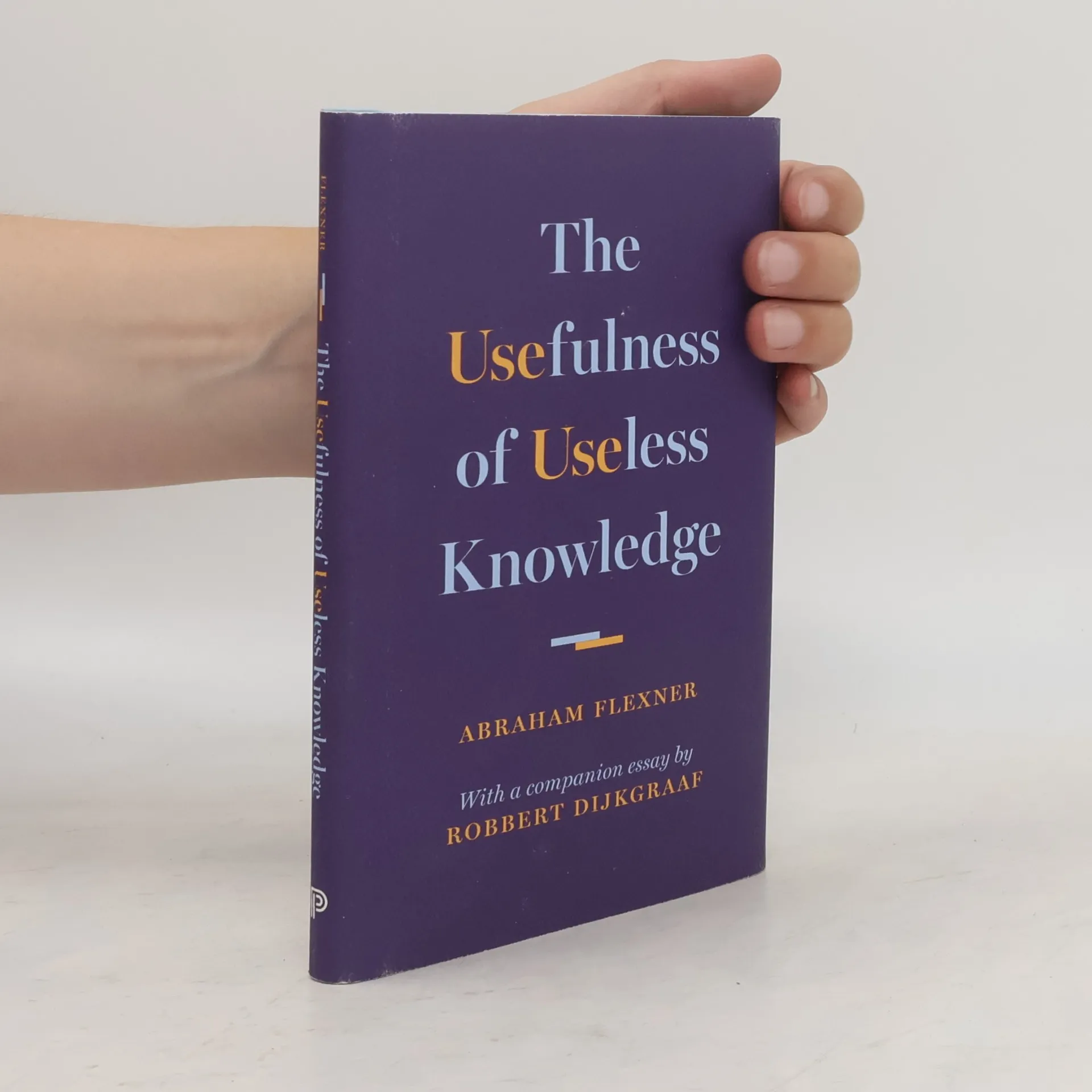
Flexner and Dijkgraaf argue that basic research--driven by curiosity, freedom, and imagination--is a proven and essential seed for the revolutionary technologies that fuel the economy, transform society, and provide solutions for the worlds problems. A thoughtful appeal for long-term thinking in a time full of short-term distractions.--Eric Schmidt, Executive Chairman of Alphabet Inc.
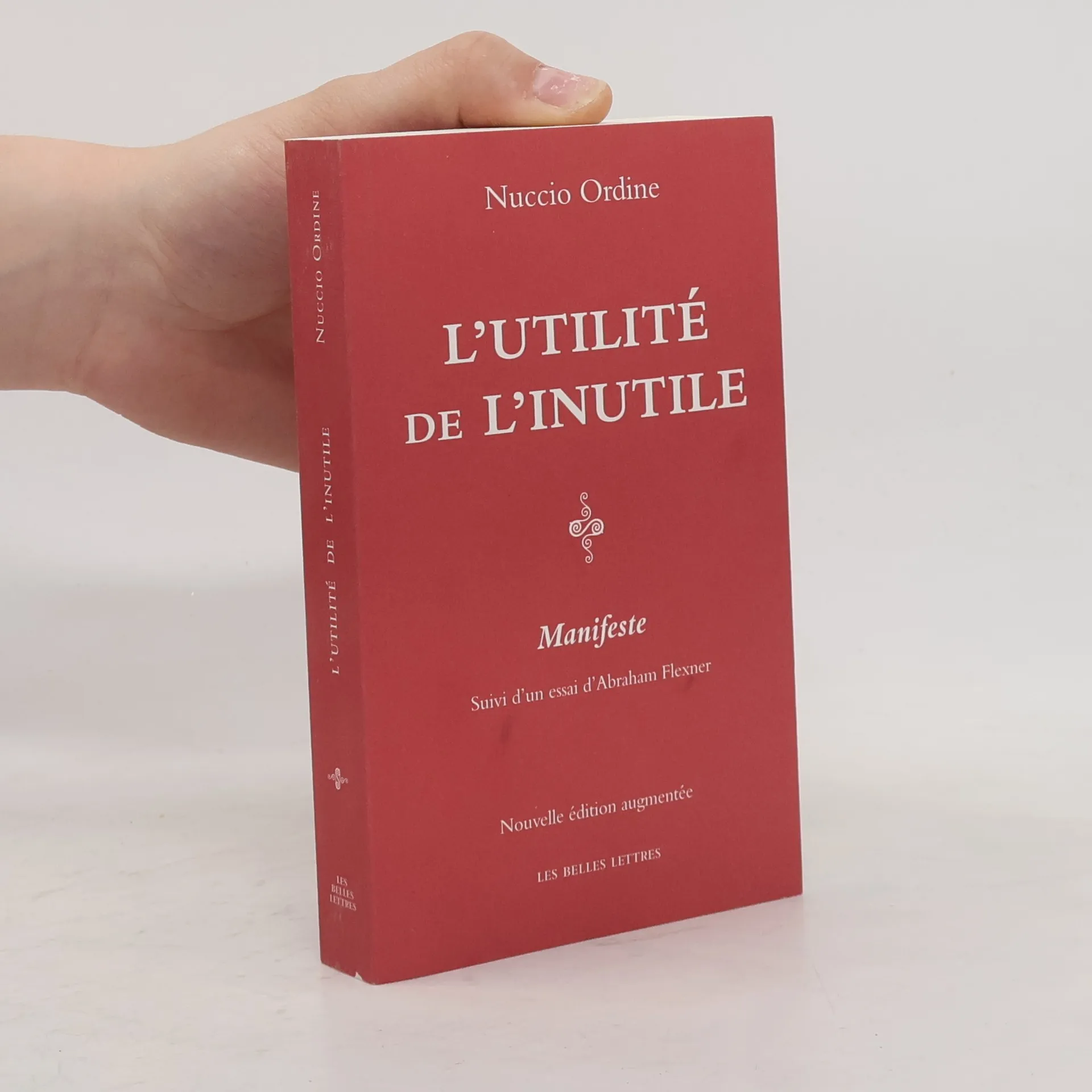
Manifeste. Suivi d'un essai d'Abraham Flexner - Nouvelle édition augmentée
236 stránek
9 hodin čtení
It is a misconception that only profit-driven pursuits are valuable, even in times of crisis. Nuccio Ordine explores this idea by referencing notable philosophers and writers, from Plato to Tocqueville and Ovid to Calvino, to highlight the significance of what is often deemed useless. He argues that an obsession with material gain and utility can stifle the soul, jeopardizing education, art, and creativity, as well as core human values like dignity, love, and truth. In this passionate essay, Ordine emphasizes the importance of recognizing the utility of the seemingly useless in a market-driven democracy. He illustrates how various esteemed thinkers and writers have shown that the fixation on possession ultimately leads to a barren spirit, threatening schools, universities, and artistic expression. The essay also underscores that the sciences, too, reveal the value of the non-utilitarian. By dismissing the gratuitous and unnecessary, humanity risks losing its essence. This compelling work has garnered significant acclaim in Italy and Spain, making it an ideal read to start the year. Notable figures, including Jean Birnbaum and Fernando Savater, have praised Ordine for his insights.