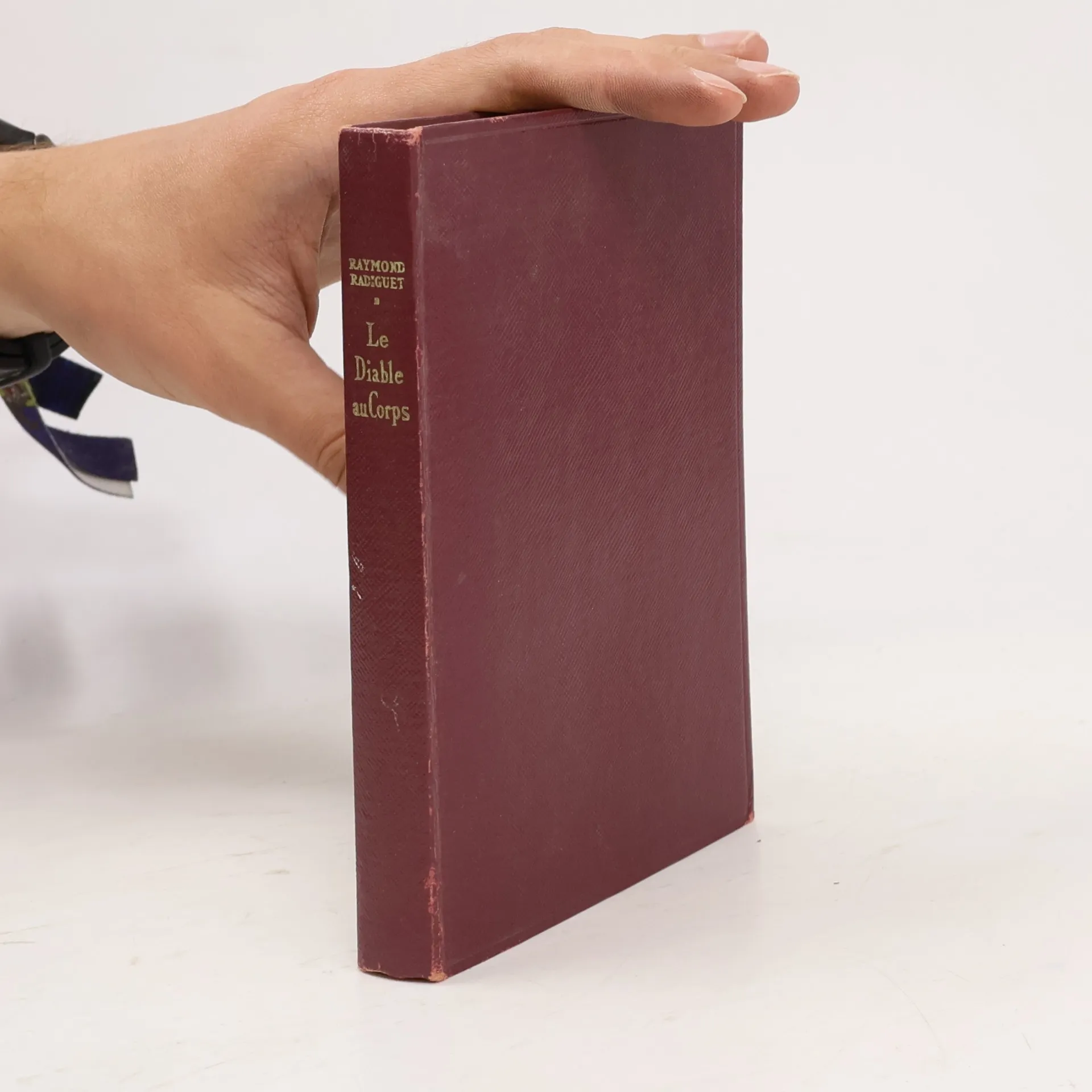
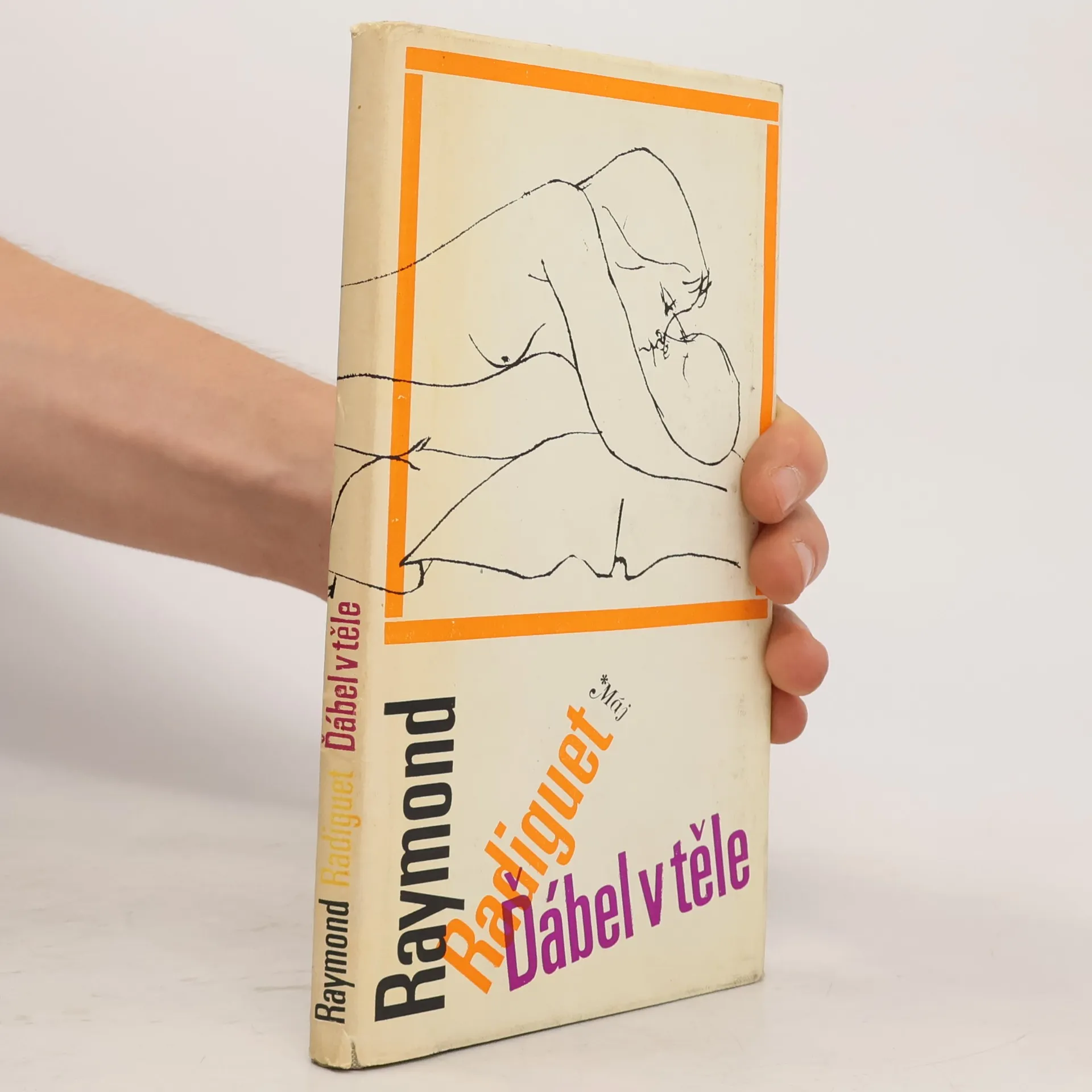
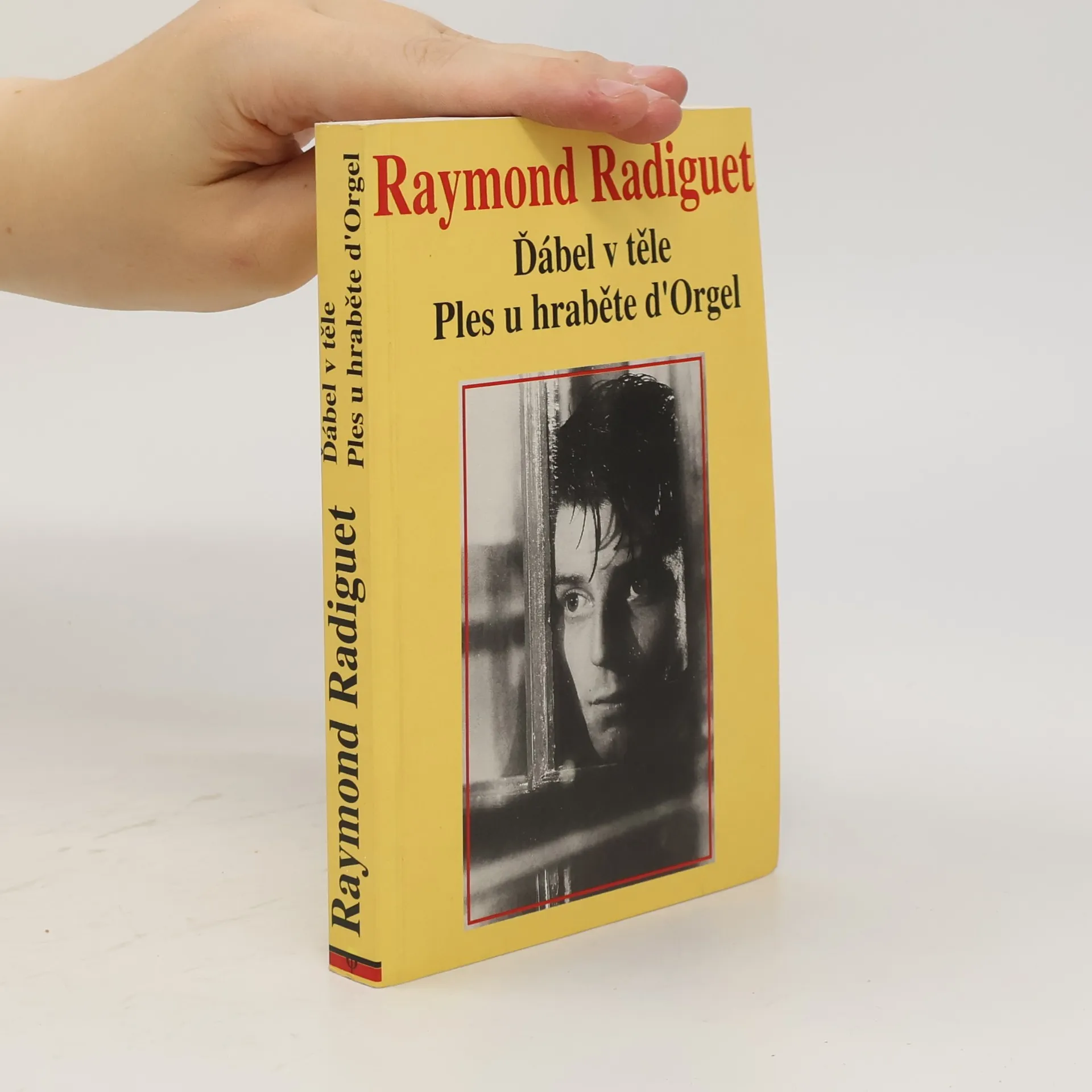
Raymond Radiguet byl francouzský prozaik, který ve svém krátkém životě zanechal nesmazatelnou stopu v literárním světě. Jeho díla, zejména romány, se proslavila drzým zobrazením nevázaných vztahů a morálního úpadku. Radiguet svým pronikavým stylem a objektivním pohledem zkoumal složitost lidských tužeb a společenských norem. Přes svůj mladý věk dokázal vytvořit literaturu s nadčasovou přitažlivostí, která dodnes provokuje a fascinuje čtenáře.
Dva romány, z nichž první (Ďábel v těle, 1923) je příběhem lásky mladého studenta k vdané ženě v době 1. světové války a druhý (Ples u hraběte d'Orgel, 1924) psychologickým románem s milostnou zápletkou.
Za první světové války, těch čtyř let velkých prázdnin, poznává 16letý František o dvě léta starší Martu, snoubenku a později ženu frontového vojáka. Scházejí se, milují se, na nic nedbají. František trápí Martu i sebe, nedorostl ještě své lásky, muž a dítě se v něm ustavičněmísí.
Count d'Orgel is handsome, charming, and carefree, a model of cool aristocratic aplomb. His wife, the Countess, is beautiful and pure, and loves her husband more than anything in the world. But from the moment the d'Orgels meet and befriend the clever young François de Séryeuse backstage at the circus, all three of these supremely civilized and witty people are caught up in an ever more intricate and seductive dance of deception and self-deception. At Count d'Orgel's masquerade ball, the real disguises are those of the human heart.Completed just before Raymond Radiguet's death at the age of twenty, Count d'Orgel's Ball is a love story that is as disturbing as it is delicious.
Shortly before his death at the age of twenty, the young literary sensation Raymond Radiguet compiled a volume of his poetry, composed between the ages of fourteen and eighteen. Presented here, this prodigious oeuvre is notable as much for its homage to classical style as it is for its risqu� and even licentious undertones: it is, by Radiguet's own admission, an interpretation of ""the birth of Venus,"" a depiction of the awakening of the senses. Based on the authoritative 1925 text, this dual-language edition also contains Radiguet's foreword to the collection, providing an invaluable insight into the history and interpretation of the works.