Kurt Weill Pořadí knih (chronologicky)
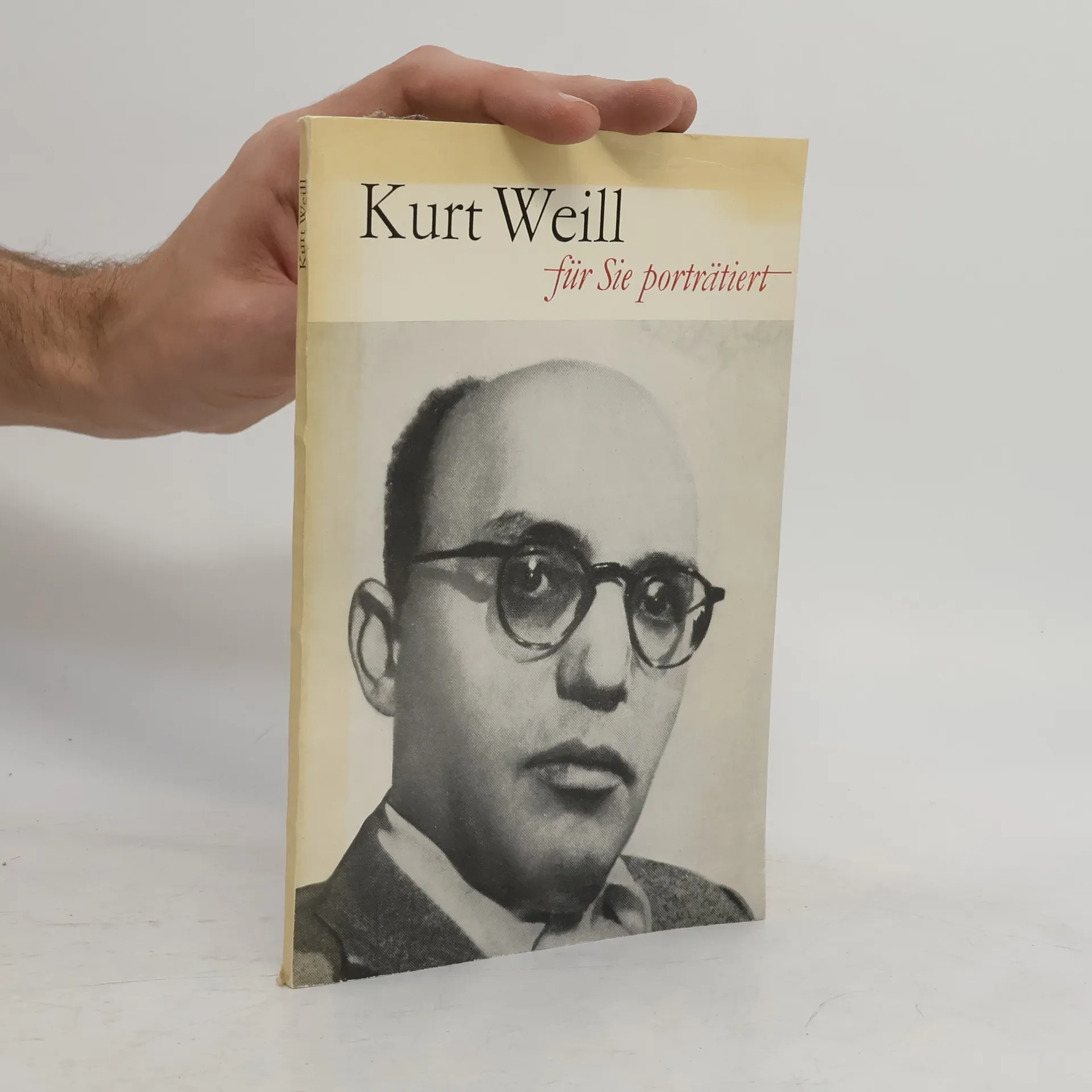
Kurt Weill byl vlivným skladatelem pro divadlo i koncertní síň. Jeho díla, aktivní od 20. let 20. století, se vyznačují jedinečným spojením hudebních stylů a výraznou dramatickou silou. Weillova hudba často odráží společenské a politické nálady své doby a dodnes rezonuje svou emocionální hloubkou a inovativním přístupem ke kompozici.
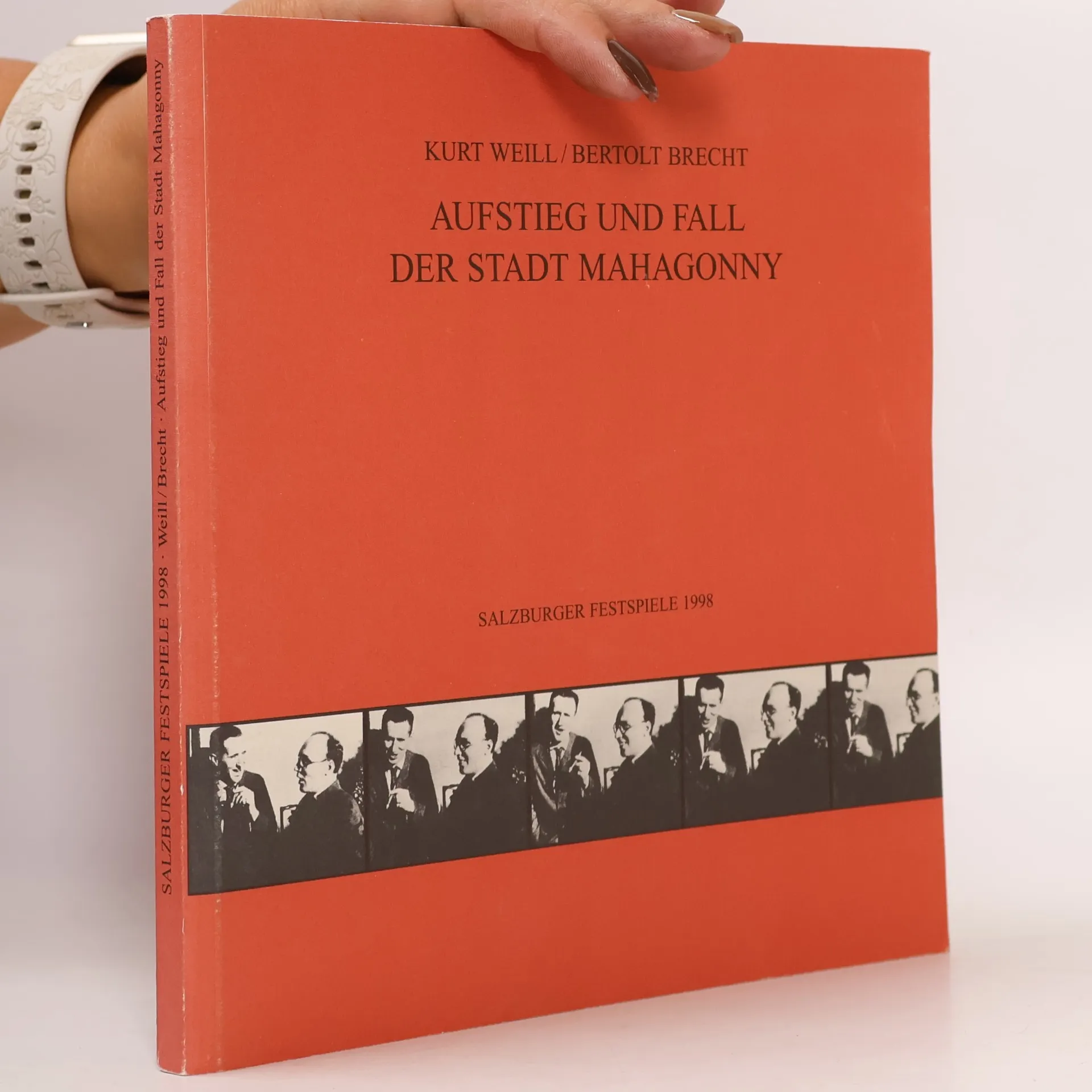

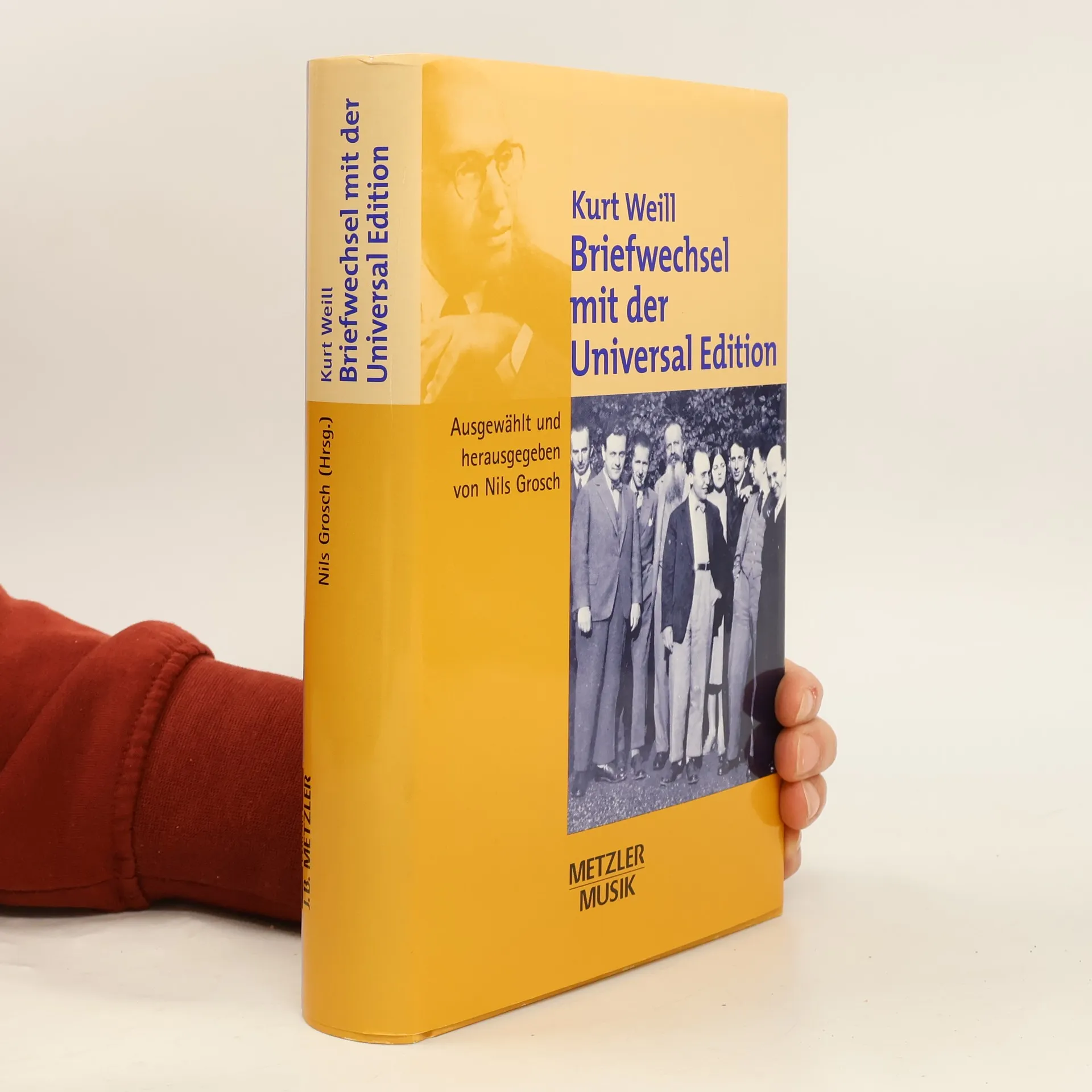
Blick hinter die Kulissen. Kurt Weills intensive Korrespondenz mit der Universal Edition dokumentiert die Entstehung jedes der in Zusammenarbeit mit der Universal Edition entstandenen Werke, darunter auch Brechts Dreigroschenoper und Aufstieg und Fall der Stadt Mahagonny. Dabei präsentiert der Band ein wichtiges Stück Kultur-, Musik- und Theatergeschichte der Jahre 1924 bis 1933 aus erster Hand.
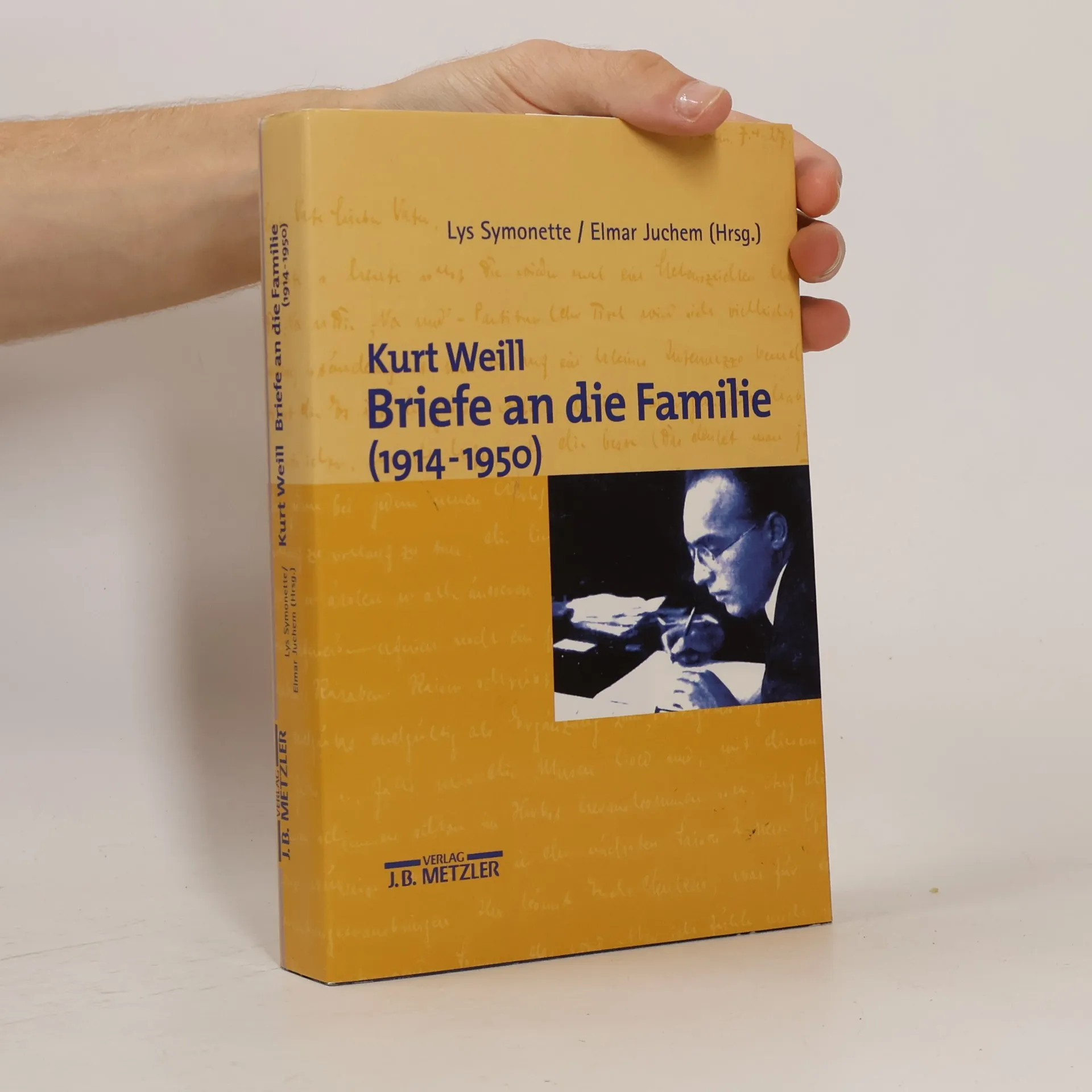
Briefe an die Familie
- 452 stránek
- 16 hodin čtení
This collection features easy arrangements of 17 songs, each accompanied by a vocal line. Accompanying the music are stills from the renowned 1931 film adaptation of the opera, directed by Georg Wilhelm Pabst, which adds a visual dimension to the experience.
Contains the edited letters of Lotte Lenya and Kurt Weill. Their tortured relationship fuelled their individual geniuses - he wrote his best music for her and her singing was its most impassioned when she sang his songs.
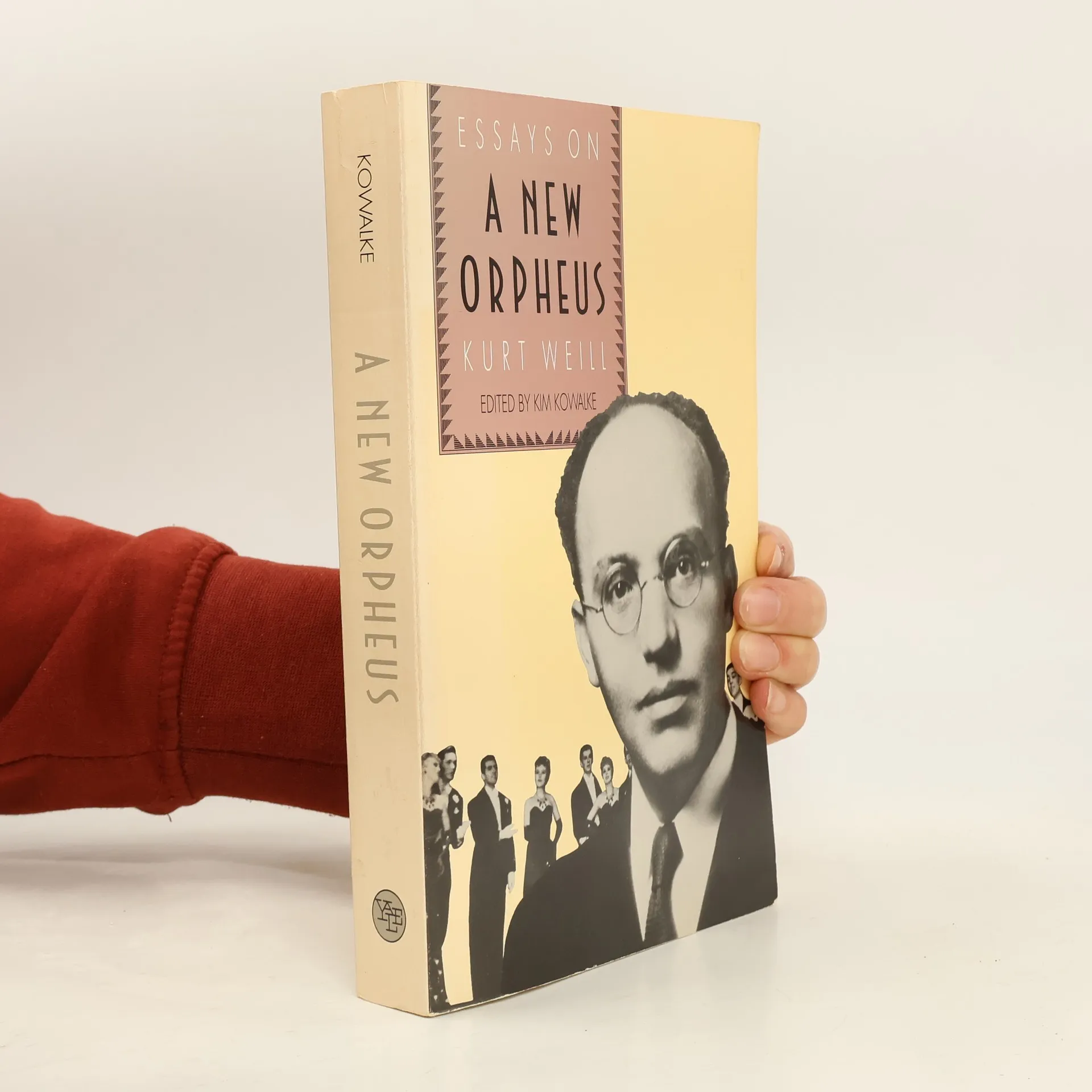
In this prizewinning book, leading musical, theatrical, and literary scholars here examine different aspects of the life and work of Kurt Weill, one of the most controversial composers of the twentieth century. Making use of documentary material now available for the first time, the contributors present startling revelations not only about Weill’s career but also about his many collaborators—among them Brecht, Kaiser, Reinhardt, Werfel, Ira Gershwin, Klemperer, Moss Hart, and Elisabeth Hauptmann. "A welcome resource on the work of Kurt Weill, reflecting as it does the 'state of the art' in Weill scholarship. It provides new insights and observations on the legacy of an important and versatile composer."—Michale Colby, Notes "Anyone interested in opera should find . . . the book rewarding."—George Martin, Opera Quarterly "Enormously stimulating and provocative."—Richard Taruskin, Kurt Weill Newsletter "[A] probing and comprehensive collection of essays. . . . A seminal collection of essays."—Robert Henderson, Telegraph [London] "Fascinating, informative, thought-provoking, and illuminating."—Opera Canada
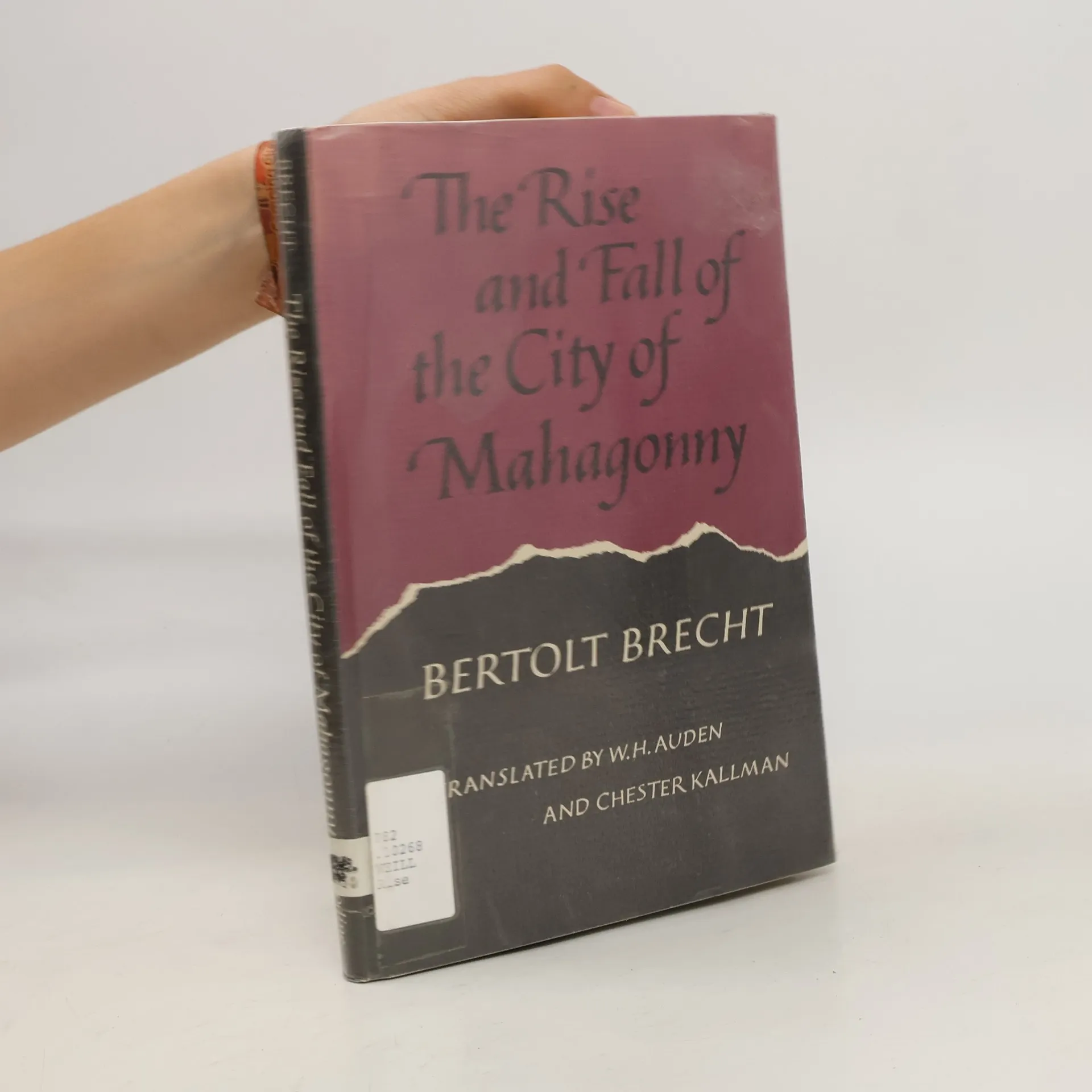
The Rise and Fall of the City of Mahagonny
- 107 stránek
- 4 hodiny čtení
Welcome to Mahagonny, where sin is 'in' and love is always on sale. This Old West boomtown rises from the desert to become a razzle-dazzle mecca for lust and the pursuit of pleasure, where cash is king and poverty is punishable by death
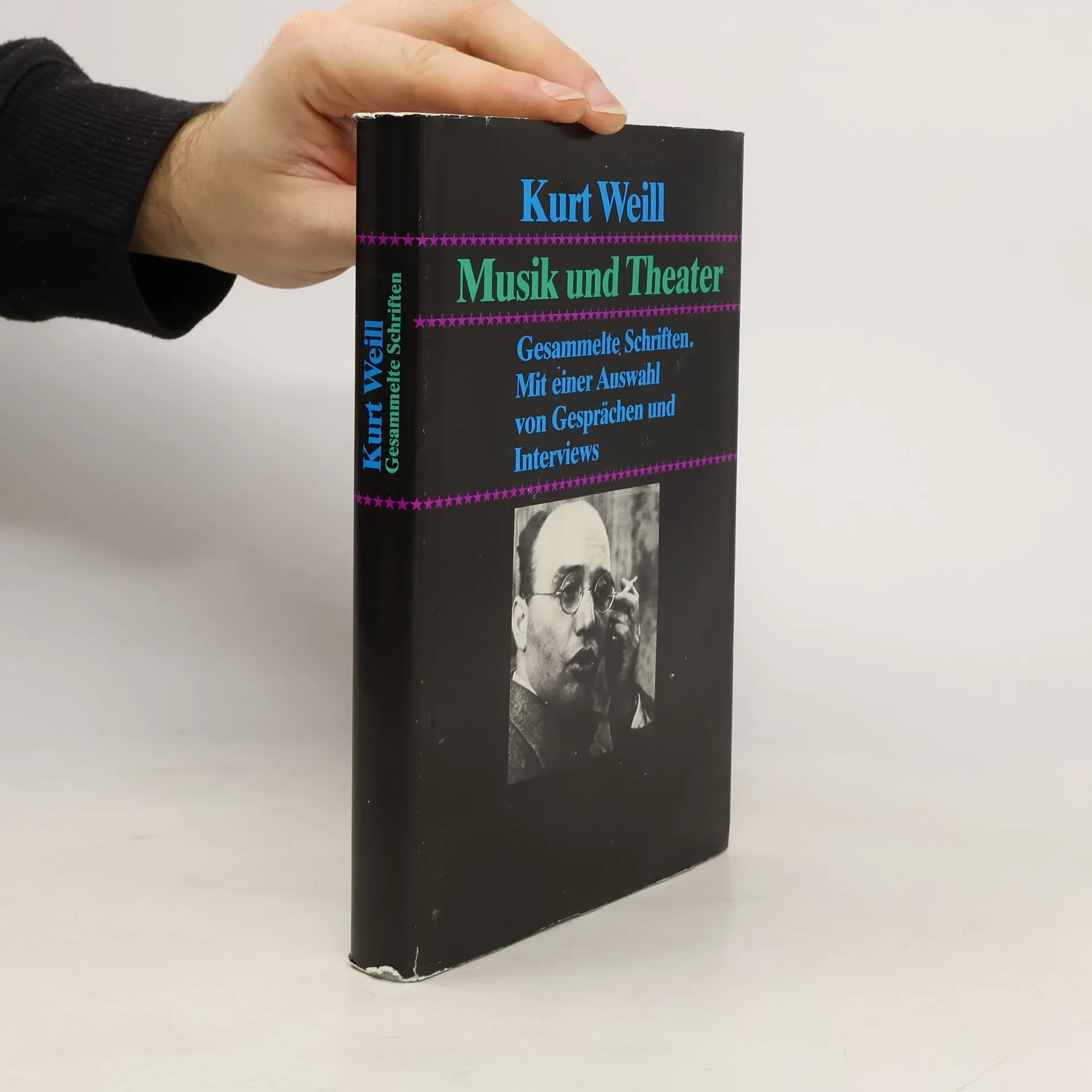
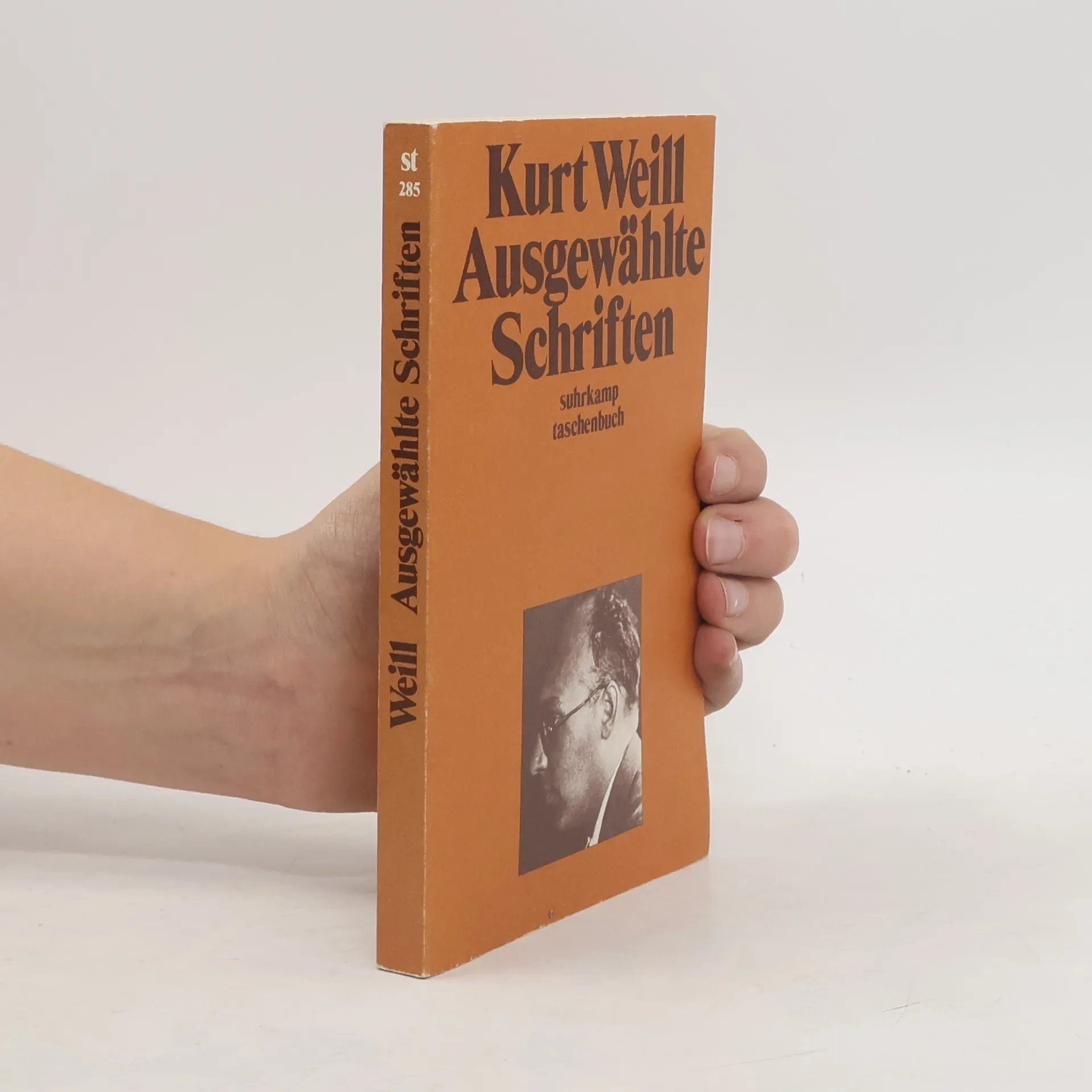
Wenige Komponisten des 20. Jahrhunderts haben ihre kreativen Energien so intensiv auf die Erneuerung des Musiktheaters konzentriert wie Kurt Weill. Ein Blick in Weills Schriften zeigt deutlich die Kontinuität seiner künstlerischen Bestrebungen über verschiedene kreative Phasen und Umgebungen hinweg (Deutschland, Frankreich, USA).
Kurt Weill. From Berlin to Broadway
- 128 stránek
- 5 hodin čtení
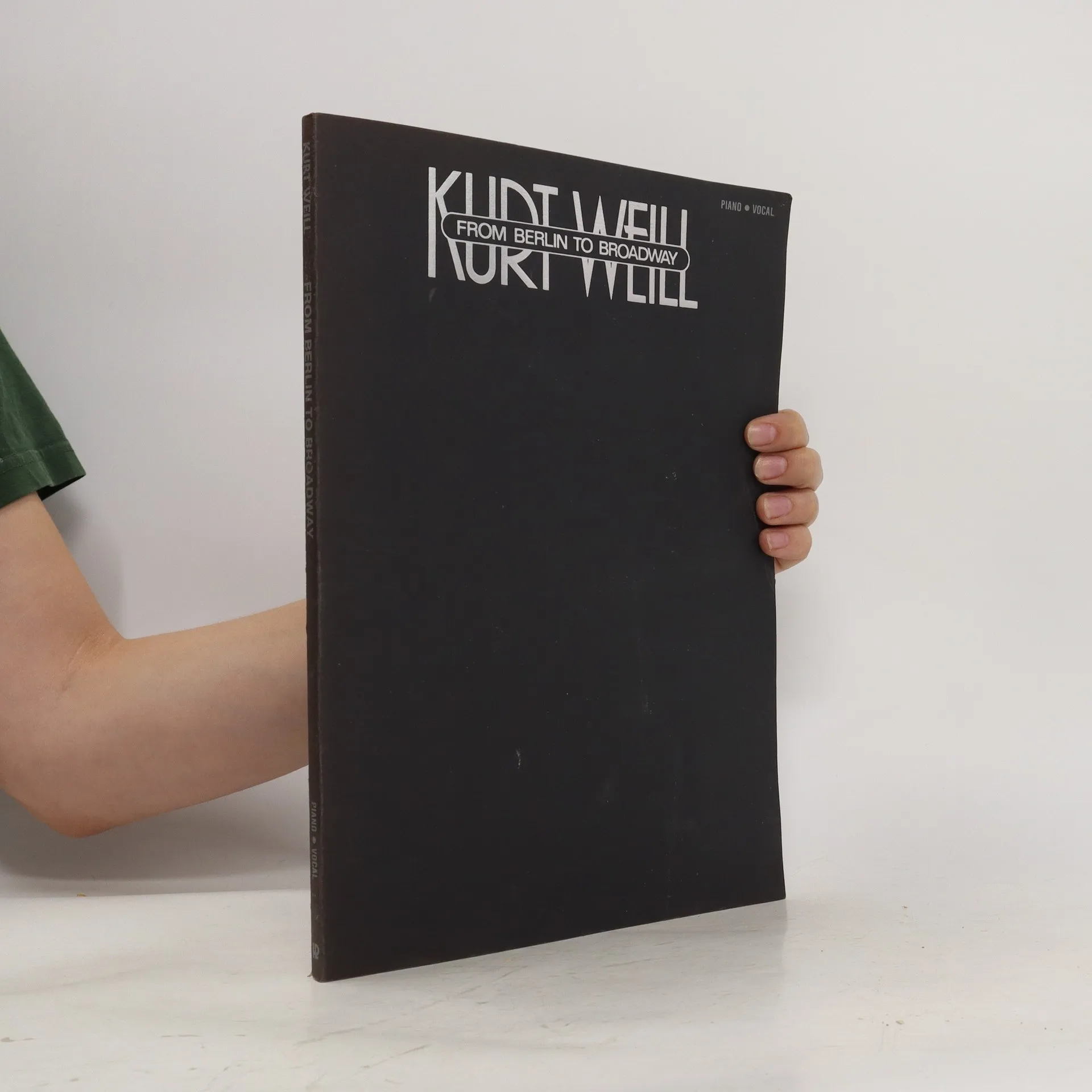
(P/V/G Composer Collection). A fabulous collection of this composer's songs, both from his German period and his later years in America. Features: Mack the Knife * September Song * My Ship * Speak Low * Lost in the Stars * many more.
Kurt Weill ; Hrsg. Mit E. Vorw. Von David Drew ; [das Vorw., Die Aufsätze Über Komposition U. Lunch Time Follies Sowie D. Anm. übers. Josef Heinzelmann Aus D. Engl.]. Includes Index.
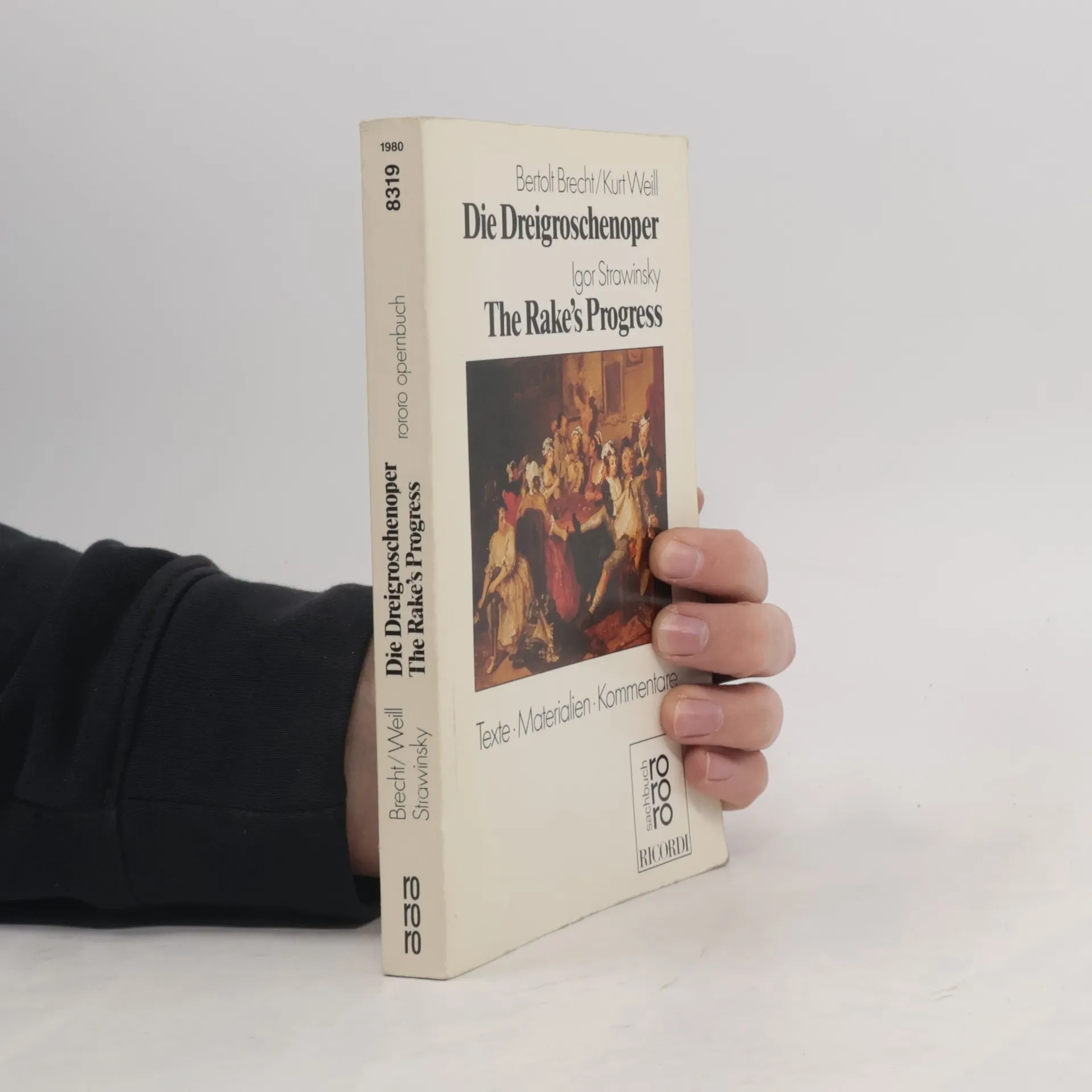
Nejslavnější a nejhranější dílo německého autora je mistrovským zpracováním stejnojmenného dramatu Johna Gaye. Stále aktuálnímu příběhu z londýnského podsvětí vévodí gangster Mackie Messer, který patří mezi nejznámější postavy světové literatury.