

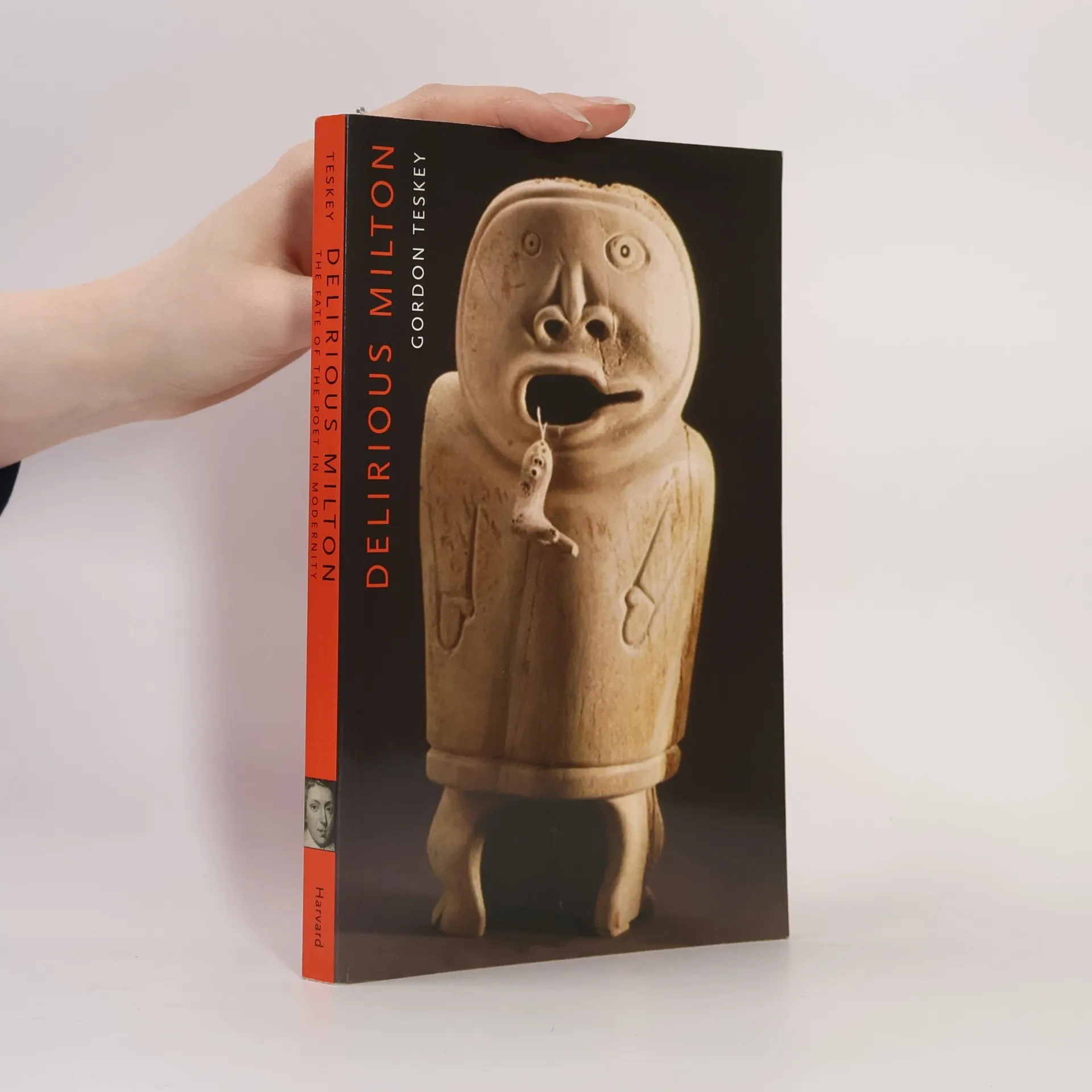
Composed after the collapse of his political hopes, Milton's great poems Paradise Lost , Paradise Regained , and Samson Agonistes are an effort to understand what it means to be a poet on the threshold of a post-theological world. The argument of Delirious Milton , inspired in part by the architectural theorist Rem Koolhaas's Delirious New York , is that Milton's creative power is drawn from a rift at the center of his consciousness over the question of creation itself. This rift forces the poet to oscillate deliriously between two incompatible perspectives, at once affirming and denying the presence of spirit in what he creates. From one perspective the act of creation is centered in God and the purpose of art is to imitate and praise the Creator. From the other perspective the act of creation is centered in the human, in the built environment of the modern world. The oscillation itself, continually affirming and negating the presence of spirit, of a force beyond the human, is what Gordon Teskey means by delirium. He concludes that the modern artist, far from being characterized by what Benjamin (after Baudelaire) called "loss of the aura," is invested, as never before, with a shamanistic spiritual power that is mediated through art.
Gordon Teskey Knihy
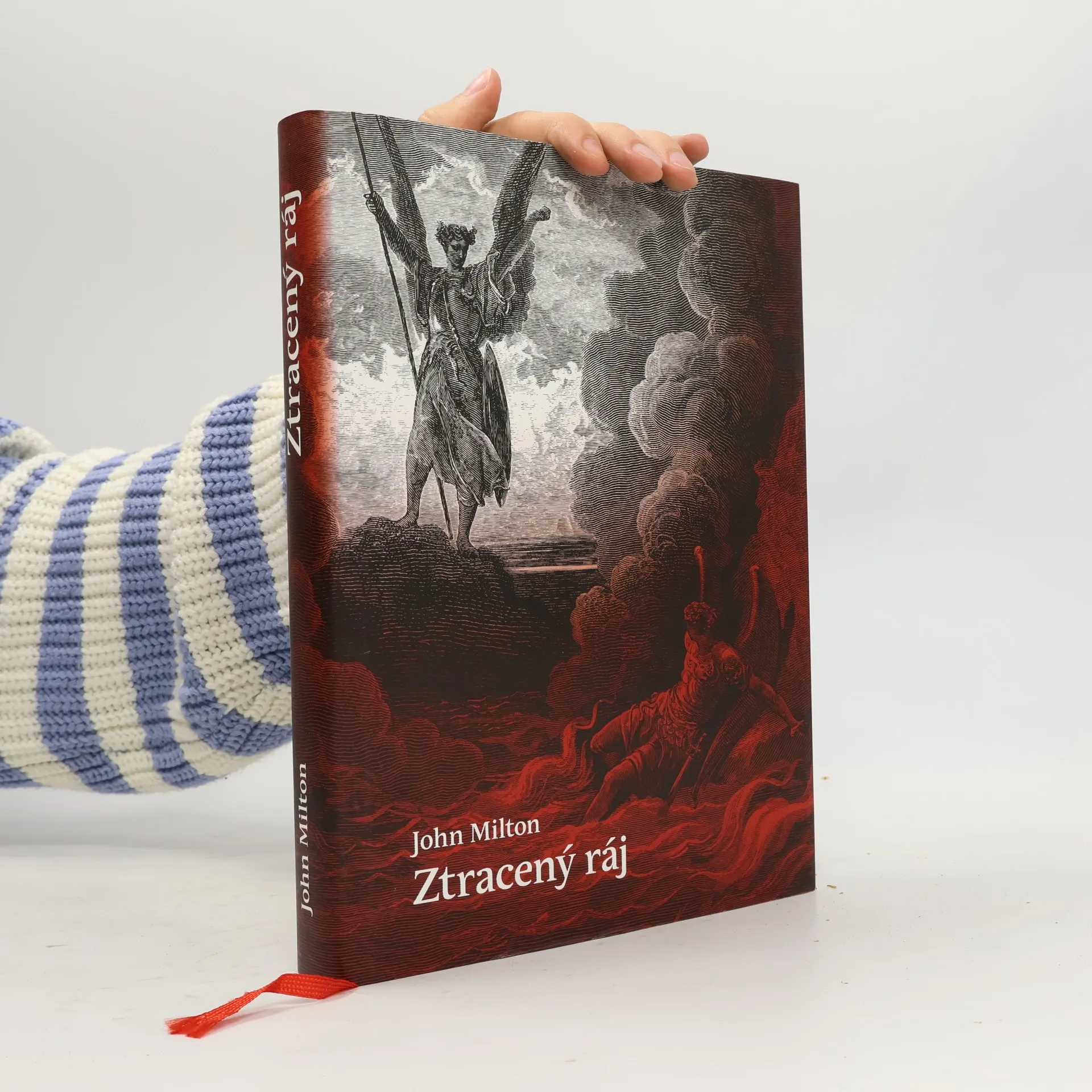
Ztracený ráj je považován za jedno z nejvýznamnějších literárních děl napsaných v angličtině. Jedná se o rozsáhlou, dvanáct knih čítající, epickou báseň Johna Miltona psanou v blankversu – nerýmovaném verši o pěti jambických stopách. Příběh začíná v pekle, kde se Satan – hlavní protagonista eposu – a jeho následovníci vzpamatovávají z porážky ve válce vedené proti Bohu. Satan jim říká o stvoření nového světa a nového druhu bytostí dle dávného proroctví. Lidem – Evě a Adamovi – je v ráji zakázáno jediné – jísti ze Stromu poznání. Satan se vydává na pouť rájem, kde převtělen za hada svede Evu k prvnímu hříchu – ochutnání jablka ze Stromu vědění zakázaného. Bůh posílá svého Syna soudit viníky – Eva s Adamem jsou vyhnáni z ráje. Tento překlad od Josefa J. Davida (s původní gramatikou a pravidly pravopisu) je novější (r. 1909) verzí překladu, který se, na rozdíl od toho staršího Jungmannova (r. 1811), věrně drží rozměru Miltonova Ztraceného ráje. Kniha obsahuje správné řádkování pro snadnější orientaci a případné porovnání s anglickým originálem. Toto vydání je také obohaceno o 50 nádherných ilustrací – dřevorytů – od Gustava Dorého.
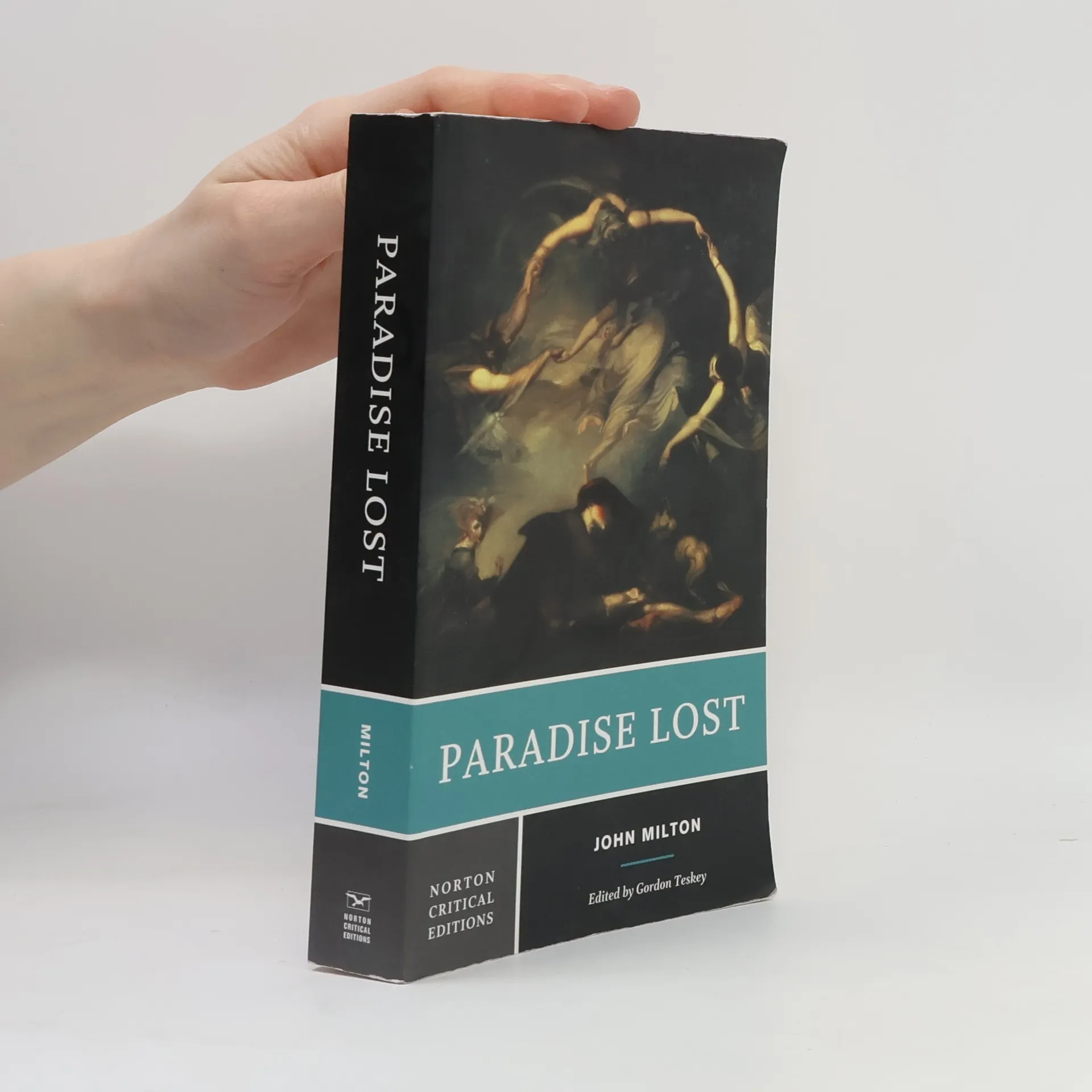
Norton Critical Editions: Paradise Lost. Das verlorene Paradies, englische Ausgabe
- 624 stránek
- 22 hodin čtení
This Norton Critical Edition is designed to make Paradise Lost accessible for student readers, providing invaluable contextual and biographical information and the tools students need to think critically about this landmark epic.